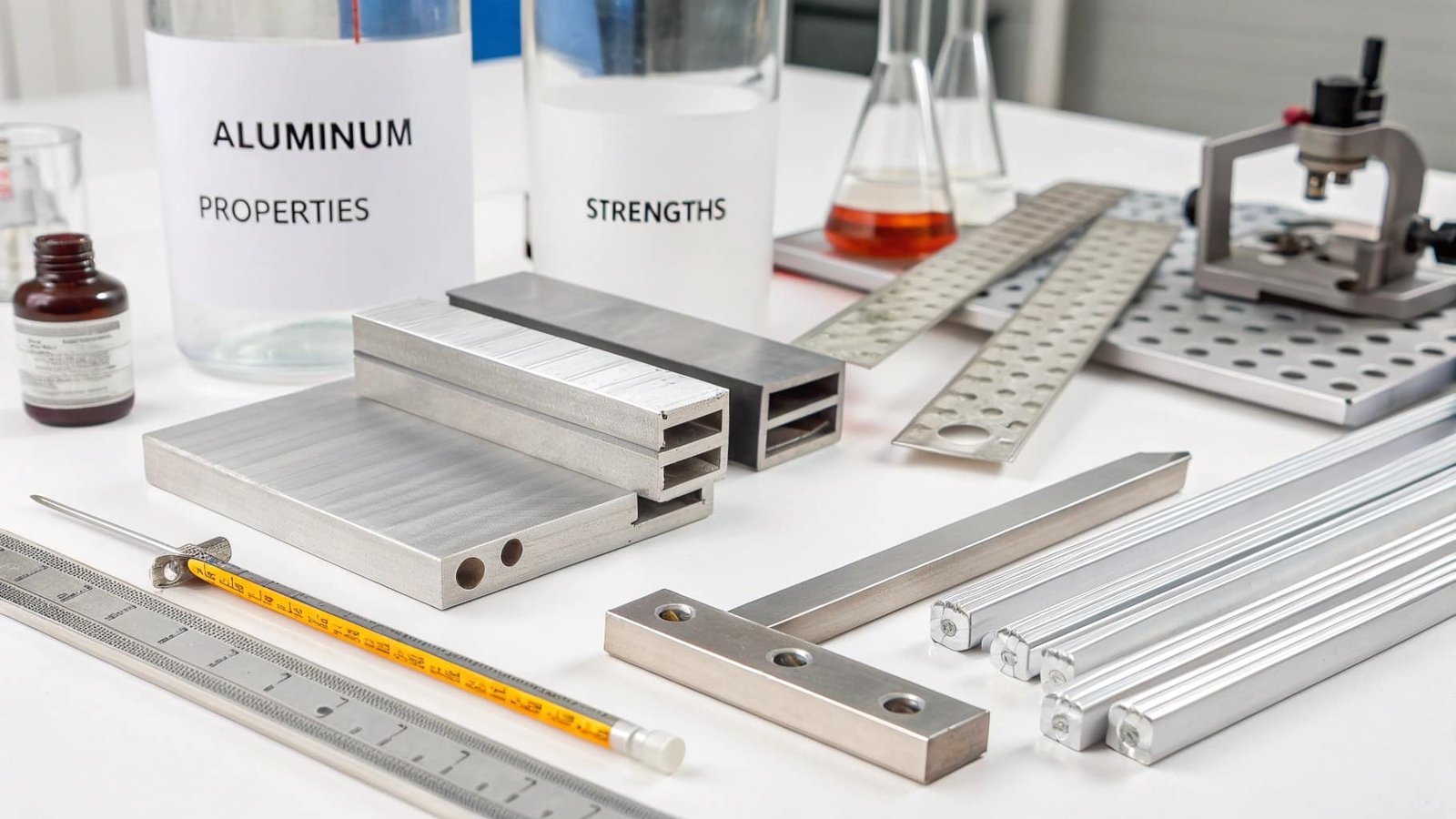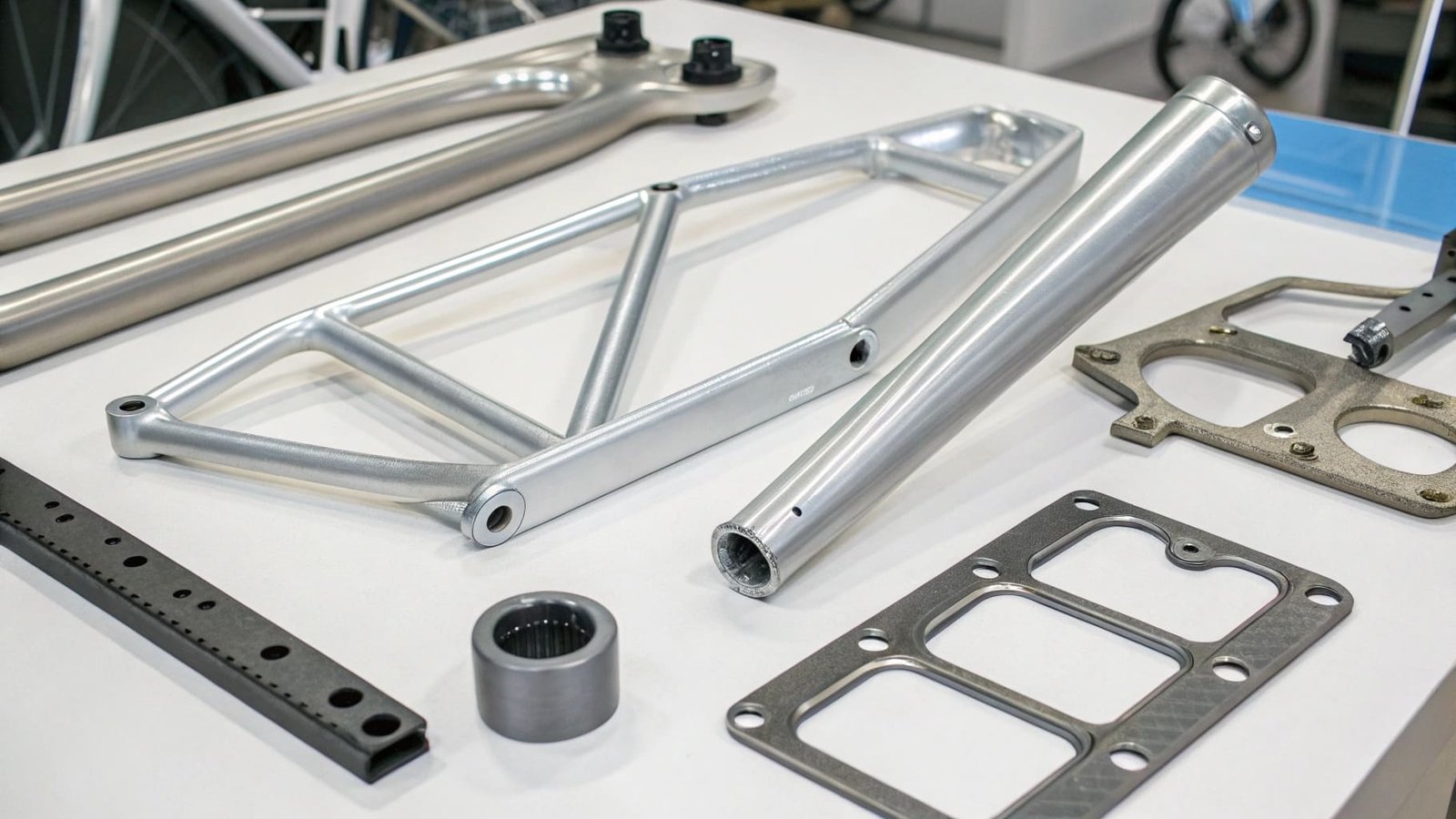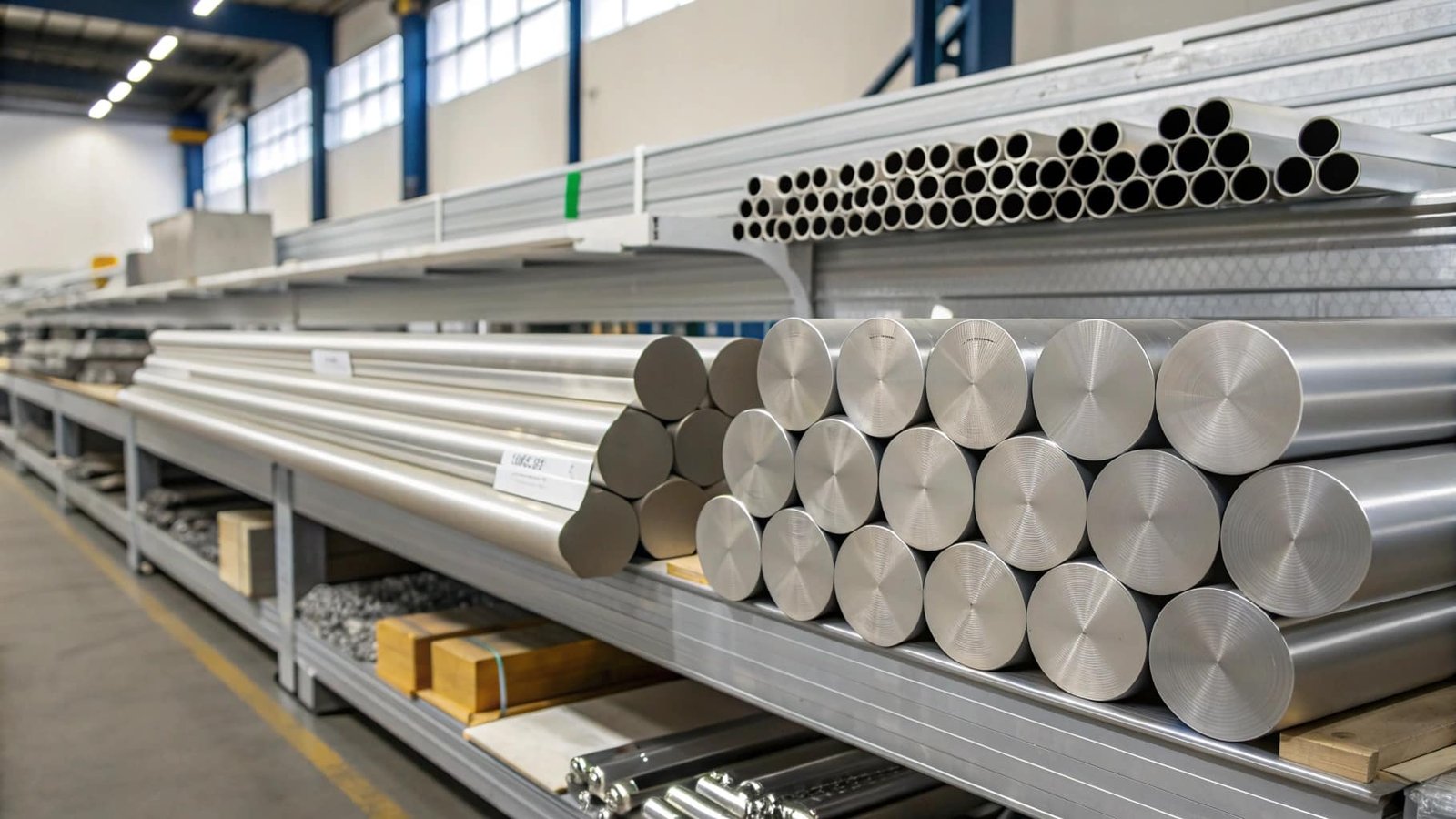
Have you ever wondered how high-performance industries achieve lightweight yet incredibly strong components? The secret often lies in precision aluminum products, especially those manufactured through forging.
Aluminum precision products refer to components manufactured to exceptionally tight tolerances and specific material properties, often achieved through advanced processes like forging, and are critical for industries where performance, weight, and reliability are paramount. These products leverage aluminum's high strength-to-weight ratio, corrosion resistance1, and thermal conductivity, making them indispensable for applications ranging from aerospace and automotive to electronics and medical devices, where even minor deviations in dimension or material integrity can compromise functionality.
At SWA Forging, our entire business revolves around delivering aluminum precision products. We understand that our clients, whether traders or machining companies, rely on our forged rings and discs to be the foundation for their own high-precision end products.
What is the best aluminum for forging?
Are you curious about which aluminum alloys are ideal for the forging process, allowing them to transform into robust and reliable components? Not all aluminum is created equal when it comes to forging.
The best aluminum alloys for forging are typically those that exhibit good plasticity at forging temperatures and are capable of being strengthened through heat treatment. Alloys from the 2xxx series (Al-Cu, e.g., 2014, 2618), 6xxx series (Al-Mg-Si, e.g., 6061), and 7xxx series (Al-Zn-Mg-Cu, e.g., 7075, 7050) are widely considered excellent choices due to their forgeability, high strength-to-weight ratio, and ability to achieve superior mechanical properties after appropriate heat treatment, making them suitable for critical aerospace, automotive, and structural applications.
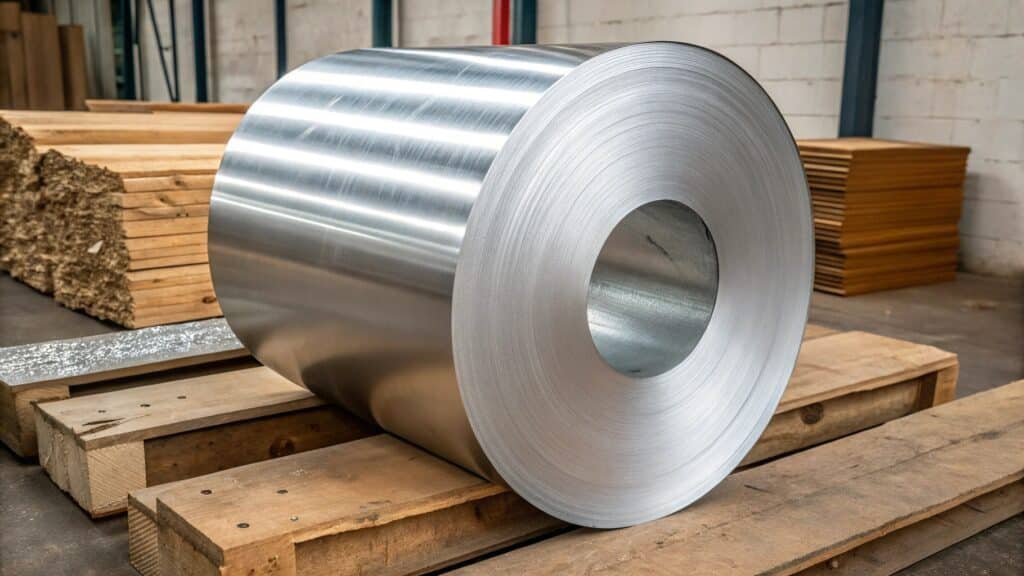
From our perspective at SWA Forging, the "best" alloy also depends on the final application. While 7075 offers ultimate strength, 6061 is often preferred for its balance of strength, corrosion resistance, and weldability. We guide our clients to the optimal choice.
Key Factors for Selecting Forging Aluminum
When selecting aluminum for forging, several factors come into play, primarily related to the alloy's composition and its mechanical behavior during the forging process and in its final application.
-
Forgeability (Deformation Resistance and Plasticity):
- Plasticity: The alloy must be able to deform significantly under compressive forces without cracking. Good plasticity at forging temperatures allows the metal to flow into the die cavity effectively.
- Deformation Resistance: While plasticity is good, too little resistance can make it hard to control the shape. The ideal alloy has a manageable deformation resistance that allows for efficient energy transfer during forging.
- Alloys like 6061 and 2014 are known for their excellent forgeability.
-
Strength and Heat Treatability:
- Most forged aluminum products are used in applications requiring high strength. Therefore, the ability to significantly increase strength through subsequent heat treatment (solution heat treatment and artificial aging) is crucial.
- This points to alloys in the 2xxx, 6xxx, and 7xxx series.
-
Corrosion Resistance:
- Depending on the environment the final product will operate in, corrosion resistance is a vital consideration.
- 6xxx series alloys generally offer better corrosion resistance than 2xxx or some 7xxx series alloys, especially 6061.
-
Weldability (if applicable):
- For components that require welding after forging, the alloy's weldability becomes important.
- 6061 is known for good weldability, whereas 7075 is generally considered poor for welding.
-
Cost:
- Economic considerations always play a role. The balance between performance requirements and material cost is important.
Top Aluminum Alloys for Forging:
- 2xxx Series (Al-Cu):
- Examples: 2014, 2618.
- Characteristics: High strength, good hot workability. Often used in high-strength aerospace components. 2014 has good forgeability and is used for structural aircraft parts, truck components. 2618 is known for its high-temperature strength.
- 6xxx Series (Al-Mg-Si):
- Example: 6061.
- Characteristics: Excellent forgeability, good strength, very good corrosion resistance, and good weldability. It's a versatile choice for a wide range of structural applications, including automotive, marine, and general engineering. At SWA Forging, 6061 is a frequent choice for our large forged rings and discs.
- 7xxx Series (Al-Zn-Mg-Cu):
- Examples: 7075, 7050.
- Characteristics: Extremely high strength, among the strongest aluminum alloys. While their forgeability can be more challenging than 6xxx series, they are forged for critical, high-stress applications in aerospace (e.g., landing gear components, airframe structures). 7050 is often preferred over 7075 for heavy section forgings due to better quench sensitivity and fracture toughness.
| Alloy Series | Primary Alloying Elements | Key Characteristics for Forging | Typical Applications for Forgings |
|---|---|---|---|
| 2xxx | Cu | High strength, good hot strength | Aerospace, heavy-duty automotive |
| 6xxx | Mg, Si | Excellent forgeability, good corrosion resistance, weldable | Automotive, marine, general industrial, structural |
| 7xxx | Zn, Mg, Cu | Highest strength, challenging forgeability for complex shapes | Aerospace (critical structural parts), high-performance sports equipment |
Choosing the "best" aluminum for forging ultimately depends on the specific demands of the final product and the forging process itself. We always consider these factors carefully when consulting with our clients.
What is the process of aluminum forging?
Have you ever wondered how a simple aluminum billet transforms into a complex, high-strength component for an aircraft or a car? Aluminum forging is a fascinating process that makes this transformation possible.
The process of aluminum forging2 involves plastically deforming a heated aluminum billet or preform between dies under controlled compressive forces to produce a desired shape. This typically includes heating the aluminum to its plastic deformation temperature (e.g., 380-500°C for many alloys), then applying force via a hammer or press to fill the die cavity. The process refines the grain structure, eliminates internal defects like porosity, and aligns the grain flow, resulting in a product with superior mechanical properties, including higher strength, toughness, and fatigue resistance compared to cast or machined components.
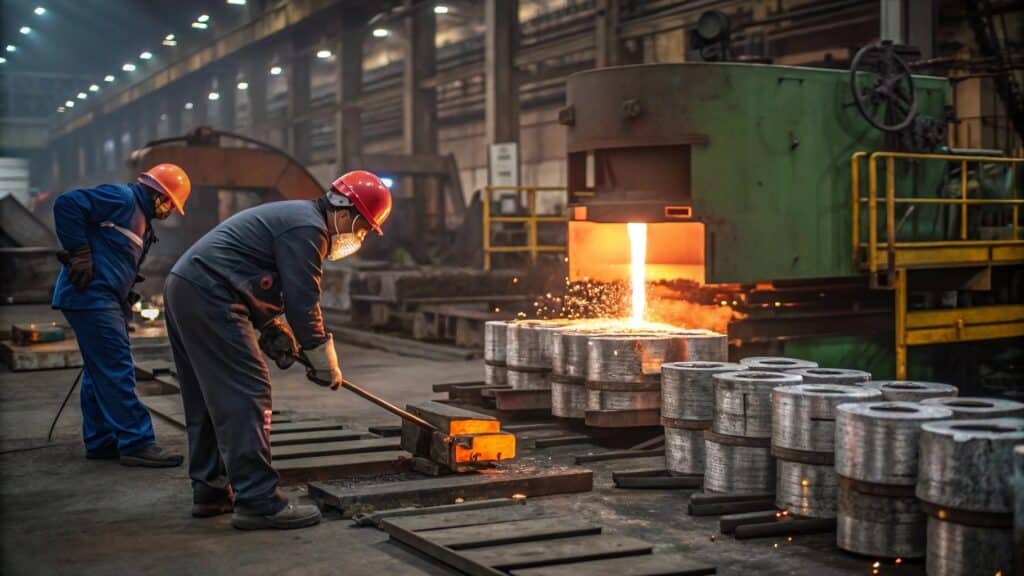
At SWA Forging, this is our core business. We take raw aluminum and, through a combination of heat, force, and precision dies, create large-diameter forged rings and discs that are stronger and more reliable than alternatives.
Steps in Aluminum Forging
Aluminum forging is a well-controlled manufacturing process that typically involves several key stages to ensure a high-quality final product.
-
Material Preparation:
- Alloy Selection: The appropriate aluminum alloy is chosen based on the desired final properties (strength, corrosion resistance, etc.) and forgeability.
- Billet Cutting: Raw aluminum ingots or bars are cut into specific lengths (billets or slugs) suitable for the part size.
- Pre-heating: Sometimes, the billets are pre-heated to a lower temperature to prepare them for the main heating stage, especially for larger sections.
-
Heating the Billet:
- The aluminum billet is heated in a furnace (e.g., electric resistance, induction, or gas-fired) to its specific forging temperature. This temperature is crucial: it must be high enough to make the aluminum plastic and easily deformable but below the point where it could melt or experience grain growth that would compromise its final properties.
- For most aluminum alloys, this ranges from approximately 380°C to 500°C (715°F to 930°F). The exact temperature depends on the alloy and the complexity of the part.
-
Forging (Deformation):
- The heated billet is quickly transferred to the forging press or hammer.
- Open-Die Forging: The metal is shaped between flat or simply contoured dies, often in multiple steps, allowing for large deformations and simple shapes like rings, discs, or shafts. This is common for very large or custom components.
- Closed-Die Forging (Impression Die Forging): The metal is placed in a die cavity that matches the desired final shape. The press or hammer then applies compressive force, causing the metal to flow and fill the die cavity. Excess material (flash) is squeezed out around the die parting line. This process creates more complex shapes with higher precision.
- The repeated application of force breaks down coarse grain structures, refines them, and creates a continuous grain flow that follows the contours of the part, which is key to enhanced mechanical properties.
-
Trimming (for Closed-Die Forging):
- After forging, the excess flash is removed using a trimming die.
-
Cooling:
- The forged part is allowed to cool. The cooling rate can sometimes influence the subsequent heat treatment. For certain alloys, a controlled quench may be performed directly after forging as part of the solution heat treatment.
-
Post-Forging Processes:
- Heat Treatment: This is a critical step for heat-treatable aluminum alloys. It typically involves solution heat treatment (dissolving alloying elements at high temperature, followed by rapid quenching) and artificial aging (controlled precipitation hardening at lower temperature) to achieve the desired strength and hardness (e.g., T6 temper).
- Cleaning: Removing scale or lubricants.
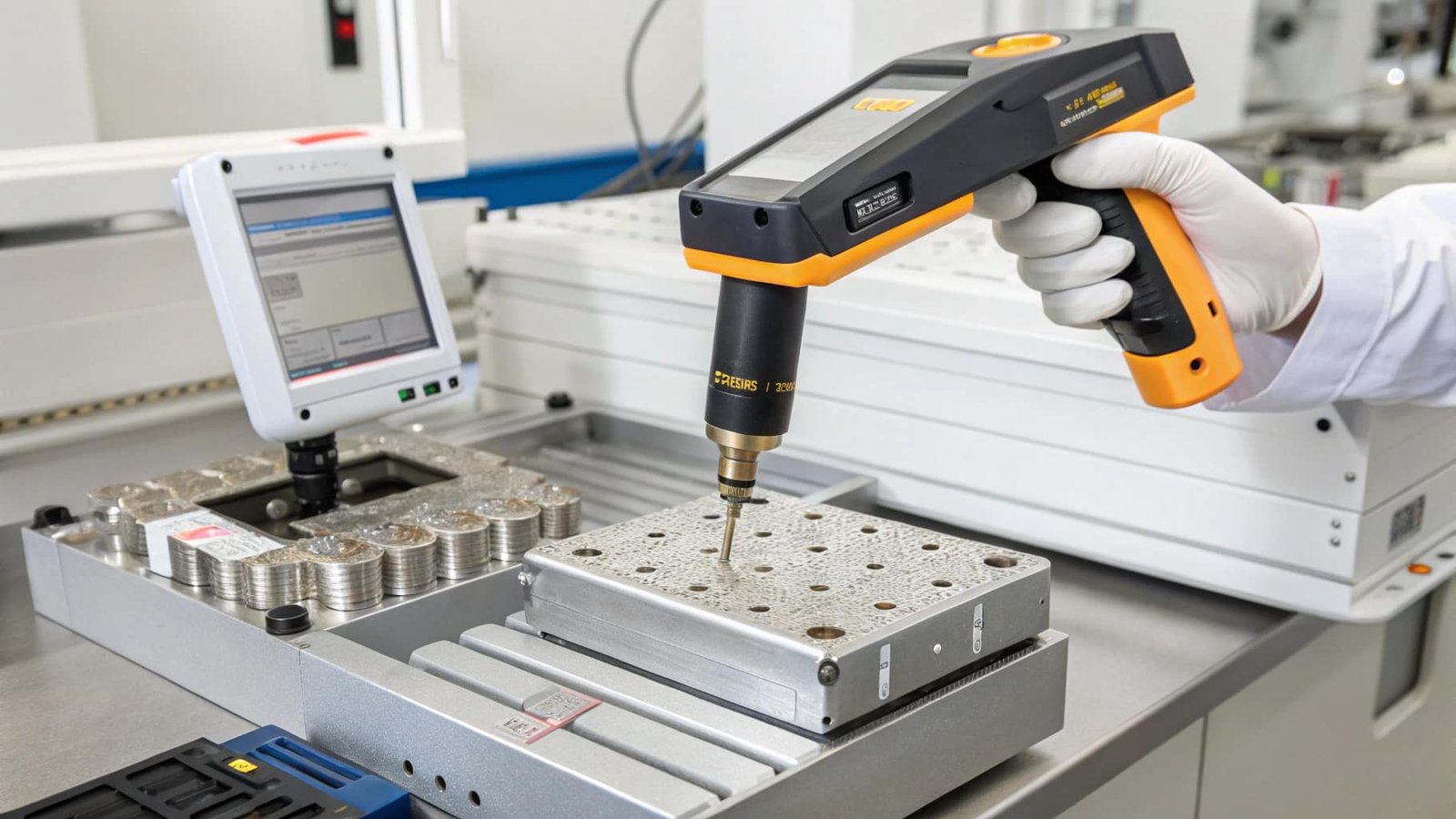
- Inspection: Non-destructive testing (NDT) methods (ultrasonic, penetrant inspection) and dimensional checks to ensure quality and adherence to specifications.
- Machining: Often, forged parts require final machining to achieve precise dimensions, surface finish, and intricate features.
| Stage | Purpose | Key Considerations (Aluminum) |
|---|---|---|
| Heating Billet | Achieve plasticity for deformation | Precise temperature control; avoid overheating |
| Forging | Shape component, refine grain, eliminate defects | Proper die design, controlled force application |
| Trimming | Remove excess material (flash) | Efficient removal, minimal impact on part quality |
| Heat Treatment | Develop final mechanical properties (strength) | Specific to alloy and desired temper (e.g., T6) |
| Machining/Finishing | Achieve final dimensions, surface quality | Tooling and fixturing for precision |
The result is an aluminum component with a superior internal structure and mechanical properties that cannot be achieved by casting or simple machining from plate.
Is there forged aluminum?
Have you heard about components made of aluminum and wondered if they can truly be "forged" like steel? The answer is a resounding yes, and it's a vital manufacturing process for high-performance aluminum parts.
Yes, forged aluminum is a widely used and highly valued material in manufacturing. The process of forging significantly enhances the mechanical properties of aluminum by refining its grain structure, eliminating internal porosity, and creating a continuous grain flow that follows the contours of the part. This results in aluminum components with superior strength, toughness, fatigue resistance, and impact strength compared to components produced by casting or machining from rolled plate, making forged aluminum ideal for critical applications in aerospace, automotive, defense, and high-performance sports equipment.
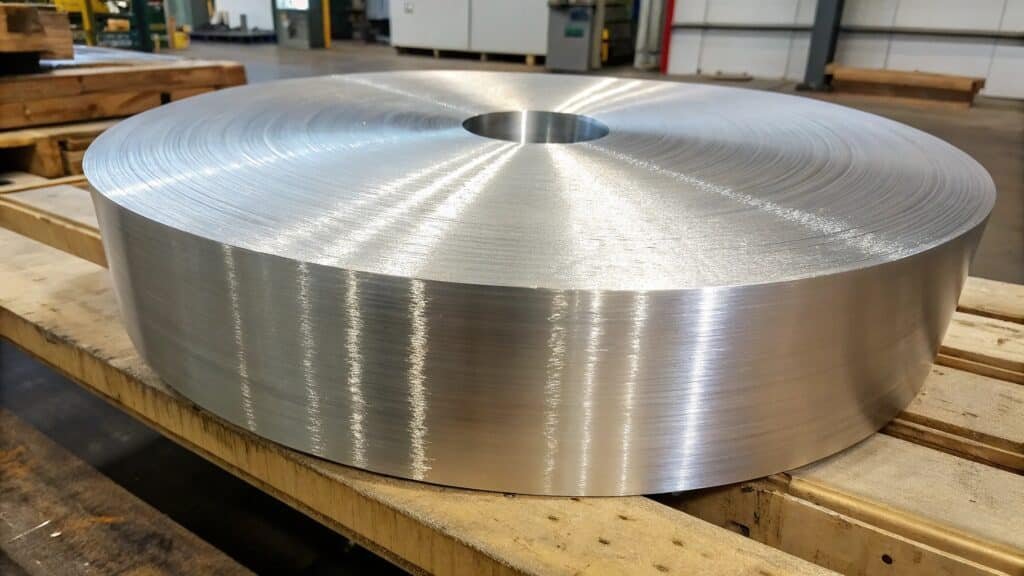
At SWA Forging, forged aluminum is our core identity. Every large ring and disc we produce demonstrates the exceptional quality and performance that only the forging process can impart to aluminum.
The Advantages of Forged Aluminum
The existence and widespread use of forged aluminum are a testament to its superior properties and the benefits it offers over other manufacturing methods.
-
Superior Mechanical Properties:
- Grain Refinement: The severe plastic deformation during forging breaks down coarse, as-cast grains and replaces them with a finer, more uniform grain structure. Finer grains generally lead to higher strength and toughness.
- Grain Flow: Unlike casting (where grain structure is random) or machining from plate (where grain flow is typically unidirectional), forging creates a directional grain flow that follows the contours of the part. This aligned grain flow enhances strength, ductility, and fatigue resistance, especially in areas of high stress.
- Elimination of Defects: The high compressive forces applied during forging close up internal voids, gas porosity, and micro-shrinkage often found in castings, resulting in a denser, defect-free material.
- Enhanced Strength and Toughness: Forged aluminum parts are significantly stronger, tougher, and more resistant to fatigue and impact than their cast counterparts. This is critical for parts subjected to dynamic loads.
-
Excellent Dimensional Stability:
- Forged parts typically exhibit better dimensional stability and consistency from part to part, leading to less variation in final product performance.
-
Material Savings:
- While initial tooling costs can be higher, closed-die forging can produce near-net shapes, reducing the amount of material waste from subsequent machining operations ("buy-to-fly" ratio).
-
Reliability and Safety:
- Due to their enhanced mechanical properties and internal integrity, forged aluminum components are highly reliable, making them suitable for safety-critical applications.
Comparison Table: Forged Aluminum vs. Cast Aluminum
| Feature | Forged Aluminum | Cast Aluminum |
|---|---|---|
| Grain Structure | Fine, uniform, directional (aligned grain flow) | Coarse, random, non-directional |
| Internal Defects | Very low porosity, eliminates internal voids | Can contain porosity, shrinkage, gas holes |
| Tensile Strength | High (e.g., 6061-T6: ~310 MPa) | Lower (e.g., A356-T6: ~230 MPa) |
| Fatigue Strength | High | Lower |
| Ductility/Toughness | High | Lower (can be brittle) |
| Impact Strength | Excellent | Poor |
| Applications | Aerospace, automotive structural, high-stress parts | Housings, non-critical structural, complex shapes |
The advantages of forged aluminum make it the preferred choice whenever high strength, fatigue resistance, and reliability are paramount. It's why industries like aerospace, where every gram and every cycle count, rely heavily on forged aluminum components.
What is the highest quality of aluminum?
Are you thinking about the "best" aluminum and wondering what makes one aluminum product higher quality than another? It's not just about purity, but about properties tailored for specific performance.
The "highest quality" of aluminum is subjective and depends entirely on the intended application, but it typically refers to aluminum products that meet stringent performance criteria for mechanical properties, purity, surface finish, and internal integrity. This often translates to aerospace-grade alloys (like 7075 or 2024), produced through meticulously controlled processes like forging and advanced heat treatments, ensuring minimal defects, optimal grain structure, and validated performance through rigorous testing and certification. For high-purity applications (e.g., electronics), quality means exceptional purity, while for structural applications, it means superior strength-to-weight and fatigue resistance.
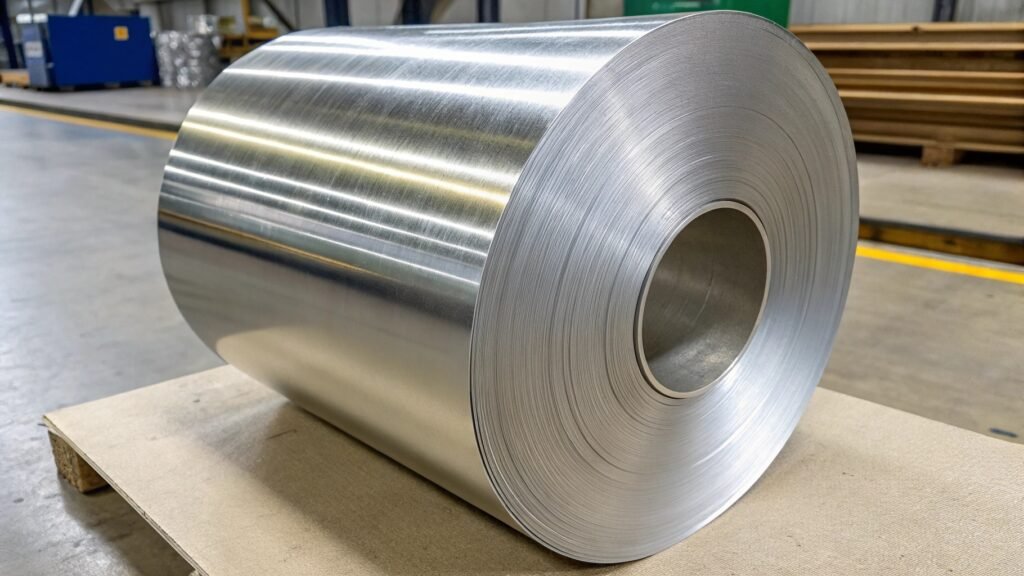
At SWA Forging, "highest quality" for us means delivering aluminum forgings that exceed client specifications, are free from internal defects, and have certified mechanical properties. Our commitment to ISO and third-party certifications ensures that what we deliver truly meets the highest standards demanded by our global customers.
Defining "Highest Quality" in Aluminum
Defining "highest quality" aluminum requires looking beyond just strength or purity. It encompasses a holistic view of the material's fitness for purpose.
-
Material Purity and Composition Control:
- Purity: For some applications (e.g., electrical conductors, specialized thin films), very high purity aluminum (e.g., 99.999% or 5N purity) is considered "highest quality."
- Alloy Composition: For structural applications, "quality" means strict control over alloying elements. The precise ratios of elements (like Zn, Mg, Cu in 7075 or Mg, Si in 6061) are critical for achieving the desired properties after heat treatment. Impurities can severely degrade performance.
-
Microstructural Integrity:
- Grain Structure: Fine, uniform, and controlled grain size is a hallmark of high-quality aluminum, especially in forged products. A well-refined grain structure enhances strength and toughness.
- Grain Flow: For forged parts, the continuous, aligned grain flow (following the part's contours) indicates superior mechanical properties in critical stress areas.
- Absence of Defects: High-quality aluminum should be free from internal defects such as porosity, inclusions, cracks, and delaminations. These are often rigorously checked using non-destructive testing (NDT) methods like ultrasonic inspection.
-
Mechanical Properties:
- Consistency: The highest quality aluminum exhibits consistent and predictable mechanical properties (tensile strength, yield strength, elongation, hardness, fatigue strength, fracture toughness) throughout the material.
- Tailored Properties: The ability to achieve specific properties for a given application (e.g., high strength for aerospace, specific formability for automotive panels) defines quality. This often involves precise heat treatment processes (e.g., T6, T7 tempers).
-
Processing and Manufacturing Control:
- Controlled Manufacturing: The method of production significantly impacts quality. Processes like precision forging (especially closed-die forging) are highly controlled to produce superior internal structures compared to simpler methods like sand casting.
- Surface Finish and Dimensional Accuracy: For precision applications, high quality also means excellent surface finish and very tight dimensional tolerances, often achieved through advanced machining and finishing processes.
-
Certification and Traceability:
- Traceability: High-quality aluminum products come with complete traceability, allowing the material's origin, processing steps, and test results to be tracked from raw material to finished product.
- Certifications: Adherence to international standards (e.g., ASTM, AMS) and third-party certifications (e.g., ISO9001, AS9100, NADCAP for heat treatment, as well as SGS, BV, TUV product certifications) are indicators of a commitment to quality.
Examples of "Highest Quality" Aluminum Products:
- Aerospace-grade 7075-T6/T7 Aluminum Forgings: These are used in critical structural components (landing gear, wing spars) where strength-to-weight and fatigue resistance are paramount. They undergo stringent manufacturing and testing.
- Medical-grade Aluminum: Used for surgical instruments or prosthetics, requiring high purity, biocompatibility, and precise machining.
- High-Purity Aluminum for Electronics: Used in semiconductor manufacturing or high-purity wiring.
Ultimately, "highest quality" aluminum means it performs reliably and consistently for its intended purpose, backed by rigorous process control and verifiable data.
Conclusion
Heat-treatable alloys like 2xxx, 6xxx, and 7xxx series are ideal for aluminum forging due to their forgeability and strength. Aluminum forging involves heating, deforming in dies, and subsequent heat treatment, yielding parts with superior strength, toughness, and fatigue resistance compared to cast alternatives. Forged aluminum is indeed a high-performance material, and "highest quality" aluminum is defined by its ability to meet stringent application-specific criteria, often through controlled forging, precise heat treatment, and rigorous certification.