Are you exploring aluminum tubes1 and need to understand the basics of their types, alloys, and how they serve different industries? Knowing the fundamentals is key.
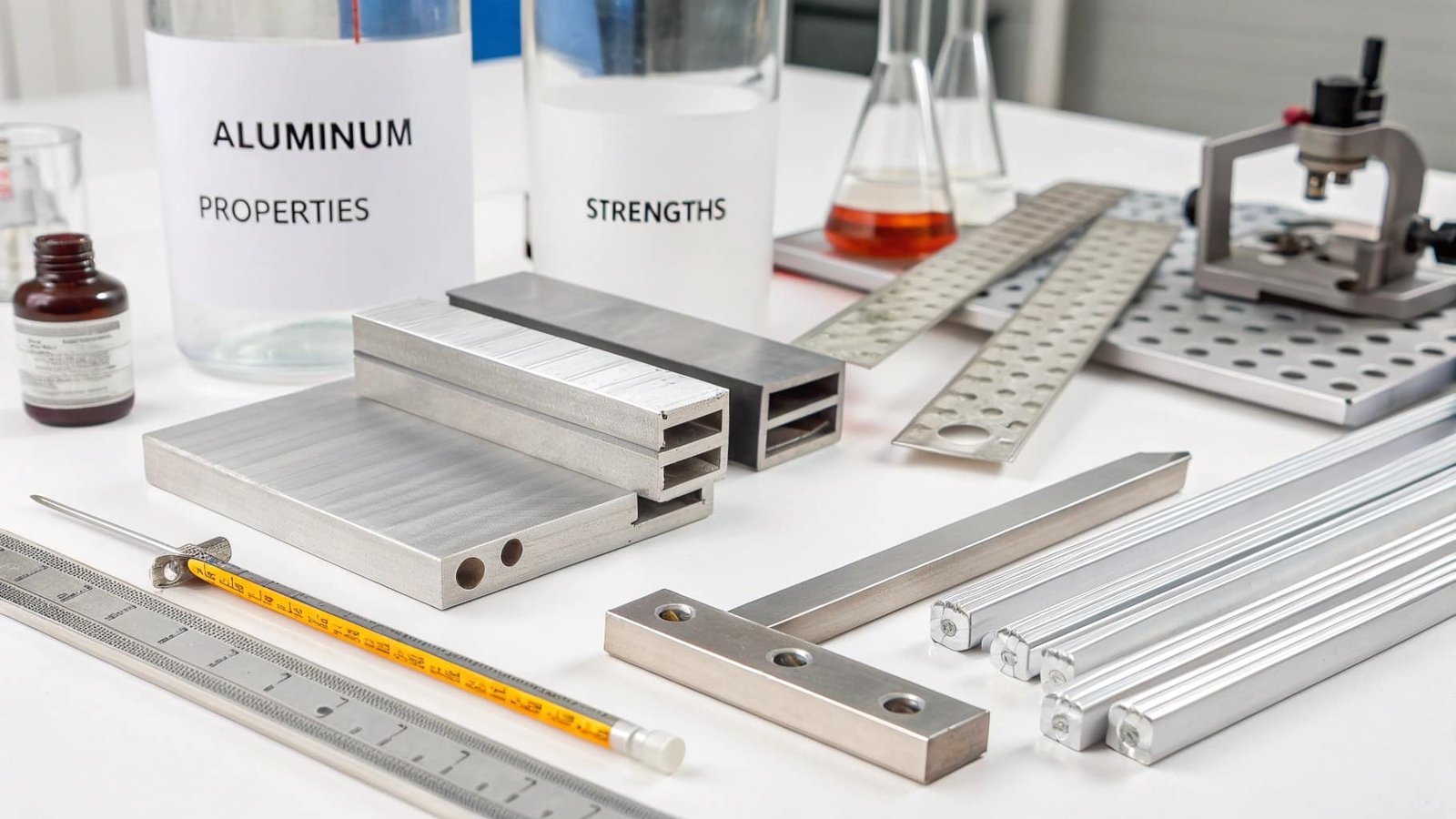
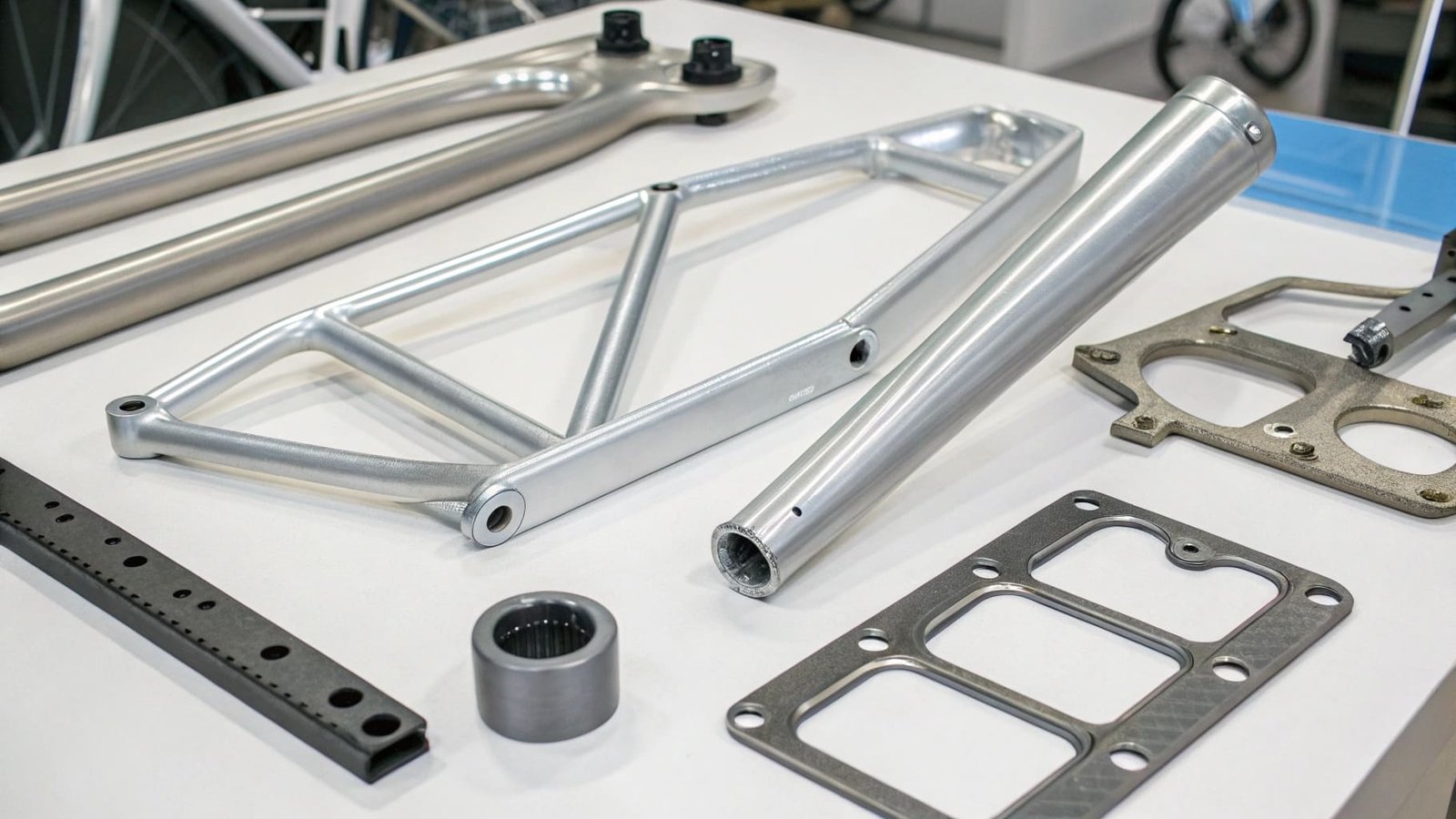
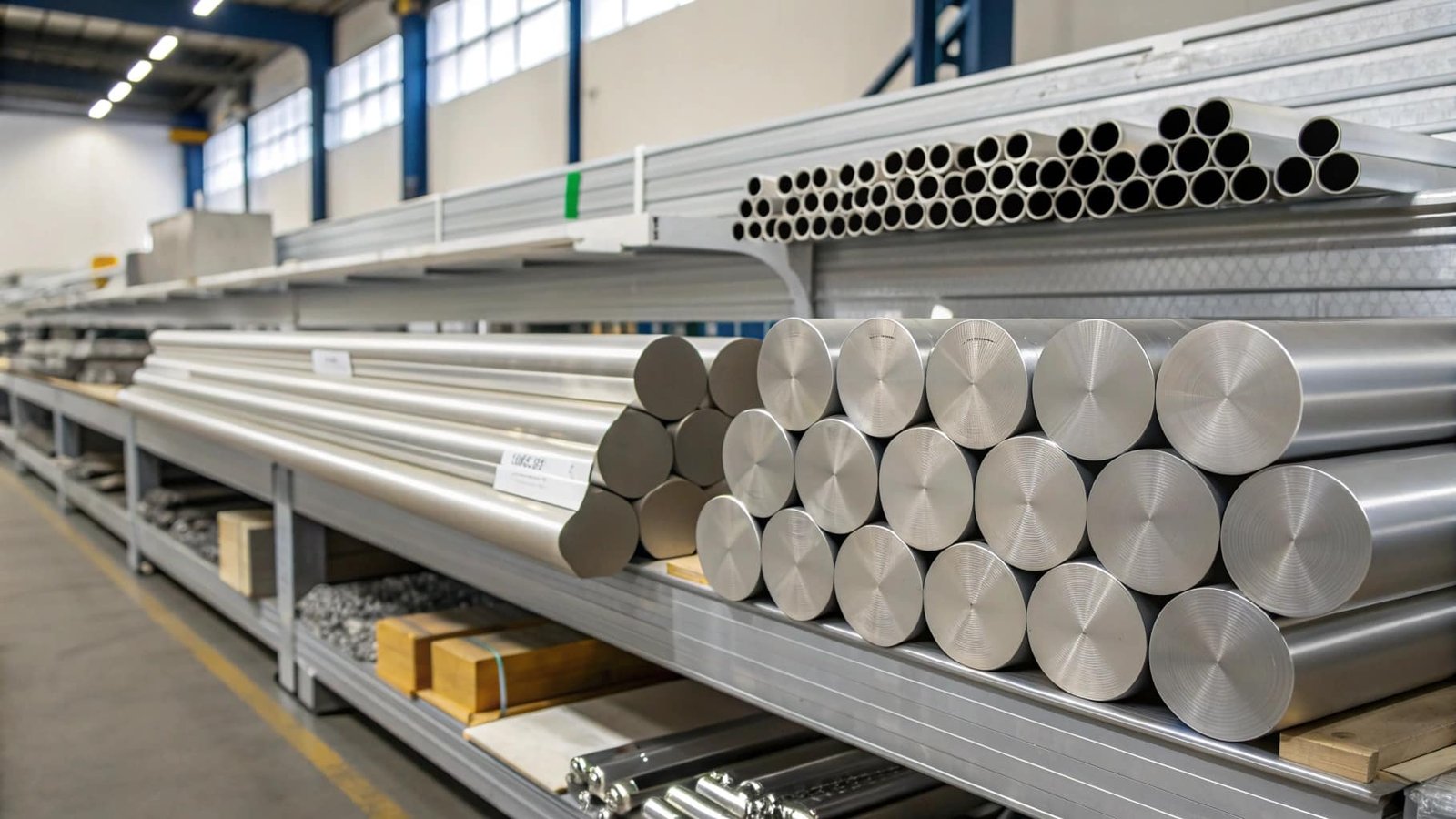
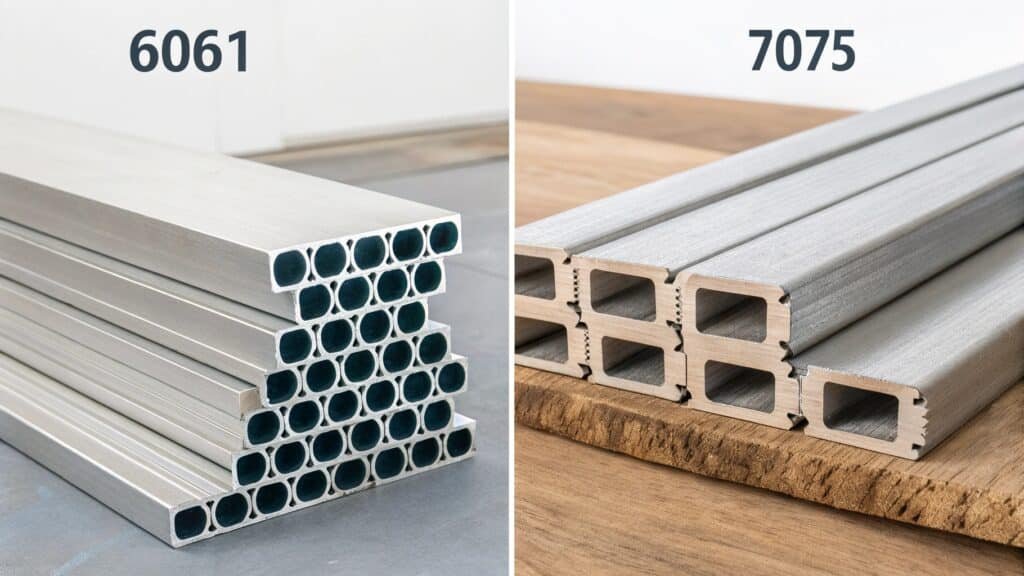
Aluminum tubes are fundamental components in many industries, valued for their light weight, corrosion resistance, and electrical conductivity. The primary types of aluminum tubes include seamless tubes, which are formed from a solid billet and offer the highest integrity and performance, and welded tubes, produced by rolling and welding a sheet, which are generally more economical. Common alloys like 6061 offer a good balance of strength, corrosion resistance2, and weldability, suitable for general structural and mechanical uses. Alloys like 7075 provide superior strength but have limitations in corrosion resistance and weldability, making them suitable for highly stressed components where weight is critical. Their uses span construction for framing and architectural elements, automotive for fluid lines and structural parts, aerospace for critical aircraft components, and electrical applications for conduits and busbars due to their conductivity.
At SWA Forging, we specialize in high-performance aluminum solutions, including custom-forged and potentially large-diameter components that can be engineered into tubes or tubular structures. While we may not produce standard extruded tubes directly, our expertise in forging critical alloys like 6061 and 7075 means we understand the material science deeply. This insight allows us to discuss how various alloys and forms contribute to the performance of components used in demanding applications within aerospace, automotive, and other sectors where high integrity and specific material properties are paramount.
What are the disadvantages of 7075 aluminum3?
Are you considering 7075 aluminum for your project but want to be aware of its potential drawbacks? Understanding these limitations is crucial for successful application.
While 7075 aluminum is renowned for its exceptional strength, it comes with several significant disadvantages. Its primary weakness is significantly lower corrosion resistance compared to alloys like 6061, particularly in marine or humid environments. The higher copper content makes it more susceptible to galvanic and stress corrosion cracking. This often necessitates the use of protective coatings, adding cost and complexity to fabrication. Furthermore, 7075 is very difficult to weld; traditional welding techniques can severely weaken the material in the heat-affected zone, making it unsuitable for applications requiring welded joints unless specialized methods are used. It is also generally more expensive than 6061 due to its alloying elements and processing requirements. Its formability, especially in the T6 temper, can also be more challenging, risking cracks during bending or shaping.
SWA Forging understands that the inherent properties of 7075 alloy present certain challenges. When we work with this high-strength material, we ensure rigorous quality control specific to its characteristics. While we forge components for strength, we also advise clients on their end-use applications, helping them consider how to manage 7075's lower corrosion resistance and weldability through proper design, finishing, and handling to achieve the best overall performance for their critical projects.
How much is 6061 cheaper than 7075?
Are you trying to assess the cost-effectiveness of choosing between 6061 and 7075 aluminum for your project? The price difference is a significant factor in material selection.
Generally, 6061 aluminum is substantially cheaper than 7075 aluminum. The exact cost differential can vary widely based on the market, the specific product form (bar, plate, tube), and the quantity purchased. However, it's common to see prices for 6061 being 20% to 50% less than comparable 7075 aluminum products. This price gap exists because 7075 uses more expensive alloying elements, such as zinc and copper, which contribute to its higher strength but also increase raw material and processing costs. 6061, with its magnesium and silicon base, is a more commonly produced and widely available alloy, making it more economical for a broader range of applications.
| Aluminum Alloy | Relative Cost | Primary Alloying Elements |
|---|---|---|
| 6061 | Lower | Magnesium, Silicon |
| 7075 | Higher | Zinc, Magnesium, Copper |
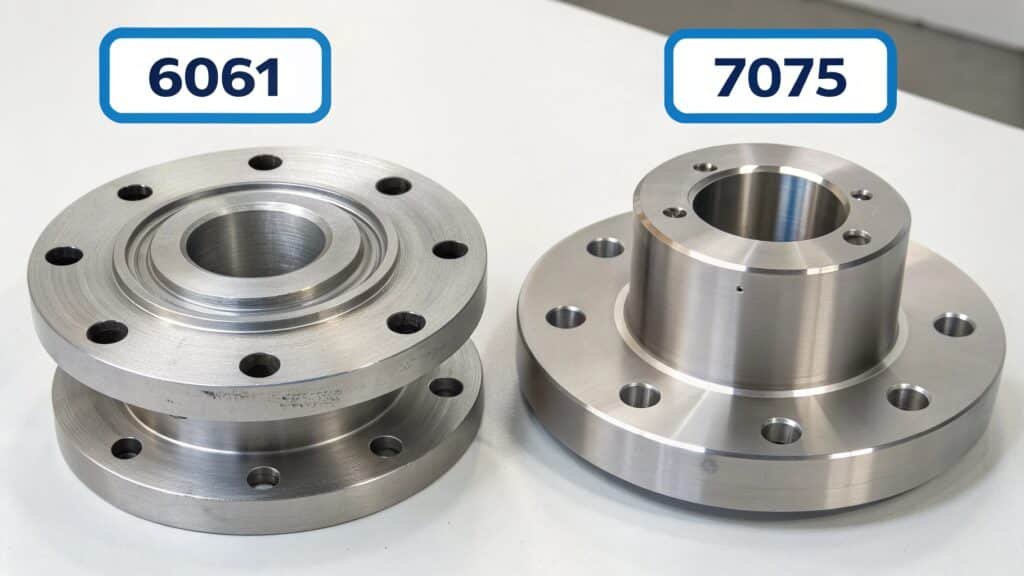
At SWA Forging, we help clients navigate material choices based on both performance and budget. If your project's strength requirements can be met by 6061, opting for this alloy can offer significant cost savings. We can assess your design needs and advise whether 6061's excellent balance of properties and affordability is a suitable solution, allowing for robust construction at a more accessible price point compared to the premium strength of 7075.
What is the modulus of elasticity of 6061 vs 7075?
Are you wondering about the stiffness of these two strong aluminum alloys, and how they might deform under load? Their elastic behavior is virtually identical.
The modulus of elasticity, often referred to as Young's Modulus, measures a material's stiffness or its resistance to elastic deformation. For both 6061 and 7075 aluminum alloys, the modulus of elasticity is remarkably consistent and typically falls around 68.9 GPa (10,000,000 psi). This means that for a given stress within their elastic limit, both alloys will stretch or compress by approximately the same amount. The key difference between 6061 and 7075 lies not in their stiffness but in their strength. 7075 can withstand a much higher stress before permanent deformation occurs (yielding) or before breaking (fracturing), compared to 6061. Therefore, while they behave similarly in terms of elastic deflection, 7075 is preferred for applications requiring higher load-bearing capacity before yielding.
| Alloy | Modulus of Elasticity (approx.) |
|---|---|
| 6061 | 68.9 GPa (10,000 ksi) |
| 7075 | 68.9 GPa (10,000 ksi) |
SWA Forging understands that the identical modulus of elasticity between 6061 and 7075 means stiffness is not the deciding factor when differentiating these alloys. Our focus is on leveraging their respective strengths. We ensure that our forged products, whether from 6061 or the higher-strength 7075, are engineered to maximize the alloy's ultimate load-bearing capabilities, allowing you to choose the right material based on load capacity and other performance criteria, not elastic deformation.
What are the advantages of 7075 aluminum?
Are you curious about why 7075 aluminum is considered a premium material for high-demand applications? Its standout characteristic is its exceptional strength.
**The paramount advantage of 7075 aluminum alloy is its exceptionally high tensile and yield strength, making it one of the strongest aluminum alloys available commercially. This superior strength allows for the design of components that are not only robust but also significantly lighter than those made from steel or even other aluminum alloys like 6061. Specifically, its strength-to-weight ratio is outstanding, which is critical in aerospace and high-performance applications where every ounce matters.
Further advantages include:
- High Fatigue Strength: It exhibits good resistance to repeated stress cycles, vital for components that endure constant loading and unloading.
- Good Machinability: Despite its hardness, 7075 can be machined to intricate shapes and tight tolerances, enabling the creation of complex parts.
- Dimensional Stability: It maintains its shape well under stress, contributing to the accuracy and reliability of precision-engineered components.**
| Advantage | Description |
|---|---|
| Ultimate Strength | Highest strength among common aluminum alloys. |
| Excellent Strength-to-Weight Ratio | Enables lighter, stronger designs. |
| Good Fatigue Resistance | Can withstand repeated stress cycles. |
| Good Machinability | Capable of being machined into complex shapes. |
| Dimensional Stability | Maintains precise dimensions under load. |
SWA Forging excels in processing 7075 aluminum to fully realize its superior strength advantages. We produce large-diameter, high-integrity forged components from 7075 that are ideal for applications where absolute maximum strength and minimal weight are non-negotiable. If your project demands the highest performance from aluminum, our expertise in forging 7075 can deliver the critical components you need for your most demanding engineering challenges.
Conclusion
Aluminum tubes vary by type, alloy, and use. 7075 offers superior strength but has drawbacks; 6061 is more cost-effective and versatile. SWA understands these material differences.
-
Explore the various types of aluminum tubes to understand their applications and benefits in different industries. ↩
-
Explore how different aluminum alloys resist corrosion and their suitability for various environments. ↩
-
Get insights into the strengths and limitations of 7075 aluminum for high-performance applications. ↩