In the aerospace industry, where component failure can have catastrophic consequences, material quality and consistency are paramount. This is where Aerospace Material Specifications (AMS) play a critical role. Developed by SAE International (Society of Automotive Engineers), AMS standards provide detailed technical requirements for materials used in aerospace applications, including a vast array of aluminum alloys.
AMS certification for aluminum alloys is not just a label; it's a rigorous set of requirements that dictate the chemical composition, mechanical properties, manufacturing processes, testing procedures, and quality assurance protocols. Adherence to AMS ensures that the aluminum alloy meets the stringent performance, safety, and reliability standards demanded by aircraft, spacecraft, and defense systems.
1. What are AMS Specifications?
AMS specifications are procurement standards that define material properties and processing requirements. For aluminum alloys, an AMS number typically looks like AMS 4XXX (e.g., AMS 4037 for 6061-T6 plate).
1.1 Key Aspects Covered by AMS for Aluminum Alloys:
- Chemical Composition Limits: Precise percentages of alloying elements (e.g., copper, magnesium, zinc, silicon) and impurity limits.
- Mechanical Properties: Minimum tensile strength, yield strength, elongation, hardness, fracture toughness, and fatigue limits for specific tempers (e.g., T6, T7351). These properties are often specified in different directions (longitudinal, transverse) or for different thickness ranges.
- Heat Treatment Procedures: Detailed requirements for solution heat treatment, quenching, and artificial aging to achieve the desired temper and properties.
- Manufacturing Processes: Specifications for how the material is produced (e.g., extrusion, forging, rolling, casting), including initial billet quality, reduction ratios, and surface finish.
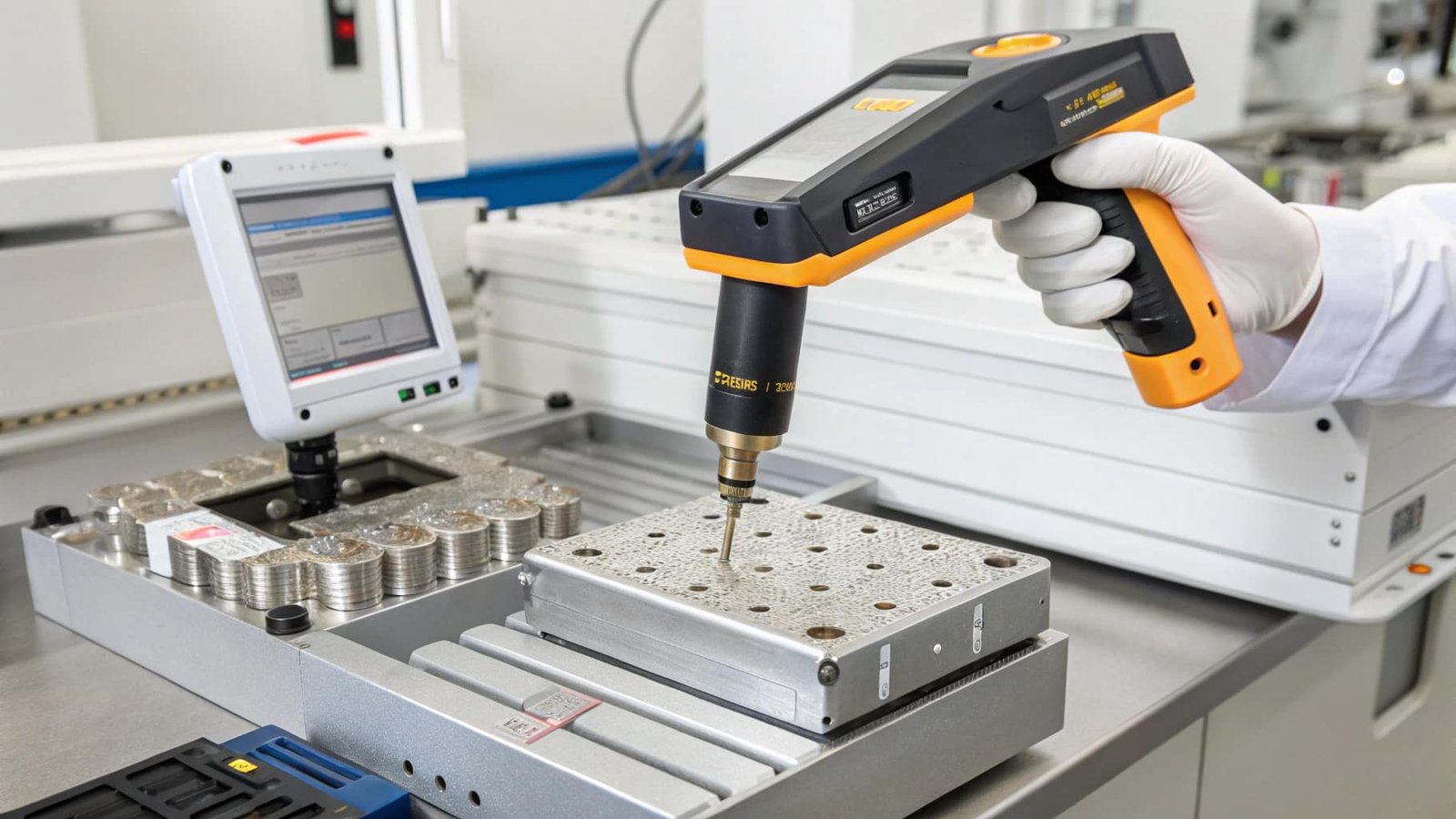
- Testing and Inspection: Mandated testing methods (e.g., tensile testing, hardness testing, ultrasonic inspection, metallography) and the frequency of these tests.
- Quality Assurance: Requirements for traceability, documentation, and quality management systems (e.g., AS9100) at the manufacturing facility.
- Surface Condition: Limits on surface defects, roughness, and cleanliness.
- Dimensional Tolerances: While often covered by general industry standards (e.g., ASTM), some AMS may call out specific tighter tolerances.
2. Importance of AMS Certification
2.1 Ensures Reliability and Safety
- Consistent Performance: Guarantees that the material will perform as expected under specified operating conditions, preventing unexpected failures due to material deficiencies.
- Reduced Risk: Mitigates the risks associated with material variability, which is critical in aerospace where high stresses, extreme temperatures, and long service lives are common.
2.2 Standardizes Quality Across the Supply Chain
- Universal Language: Provides a common language and set of requirements understood by manufacturers, suppliers, and aerospace companies worldwide.
- Interchangeability: Ensures that materials from different suppliers, if certified to the same AMS, will exhibit equivalent properties and performance.
- Traceability: Requires robust documentation and traceability from the raw ingot to the final product, allowing for full accountability and recall if necessary.
2.3 Facilitates Regulatory Compliance
- Meets Industry Mandates: Helps aerospace manufacturers and their suppliers meet stringent national and international aviation regulations (e.g., FAA, EASA).
- Qualification: Material specified to an AMS standard is often pre-qualified for certain applications, simplifying the design and certification process of aircraft components.
2.4 Optimizes Design and Manufacturing
- Predictable Material Behavior: Engineers can design components with confidence, knowing the precise mechanical and physical properties of the AMS-certified material.
- Reduced Fabrication Issues: Specifies controls on grain size and internal defects, which can impact formability, weldability, and machinability.
3. Examples of Common Aluminum Alloys with AMS Specs
Many commonly used aerospace aluminum alloys have corresponding AMS specifications. Here are a few examples:
- 2024 Aluminum Alloy: Known for high strength and good fatigue resistance.
- AMS 4037: 2024-T3/T4 Plate and Sheet
- AMS 4086: 2024-T351 Bar, Rod, and Forgings
- 6061 Aluminum Alloy: Good strength, corrosion resistance, and excellent weldability.
- AMS 4027: 6061-T6 Sheet and Plate
- AMS 4117: 6061-T6 Bar, Rod, and Forgings
- 7050 Aluminum Alloy: High strength, good fracture toughness, and stress-corrosion cracking resistance.
- AMS 4050: 7050-T7451 Plate
- AMS 4104: 7050-T7451 Extrusions
- 7075 Aluminum Alloy: Very high strength.
- AMS 4078: 7075-T6 Plate
- AMS 4124: 7075-T7351 Bar, Rod, and Forgings (T7351 temper for improved stress-corrosion resistance)
It's crucial to note that simply stating "6061 aluminum" is insufficient for aerospace applications. The specific AMS number, including the proper temper, must be called out to ensure the material meets all required standards.
4. How is AMS Certification Achieved?
Material suppliers achieve AMS certification by:
- Adhering to Specification: Strictly following all requirements outlined in the relevant AMS document during manufacturing.
- Rigorous Testing: Conducting all mandated chemical, mechanical, and non-destructive tests.
- Documentation: Maintaining comprehensive records of all processes, test results, and material traceability.
- Audits: Undergoing regular audits by customers and independent certification bodies to verify compliance with AMS and broader quality management systems (like AS9100).
Conclusion
AMS certification for aluminum alloys is a cornerstone of aerospace quality assurance. It provides the detailed, verifiable criteria necessary to ensure that every piece of aluminum used in an aircraft, spacecraft, or missile meets the uncompromising standards for safety, performance, and reliability. For engineers, manufacturers, and end-users in aviation, specifying and procuring AMS-certified aluminum is an essential practice for building robust and trustworthy aerospace components.