You selected an alloy with the best corrosion resistance on the spec sheet. But the part failed from fatigue, costing you time and money and making you question the material data.
The true 'special property' isn't just a spec sheet value. It is engineered performance. This is achieved when the forging process aligns the grain structure to meet the unique stresses your final part will endure, creating superior reliability.
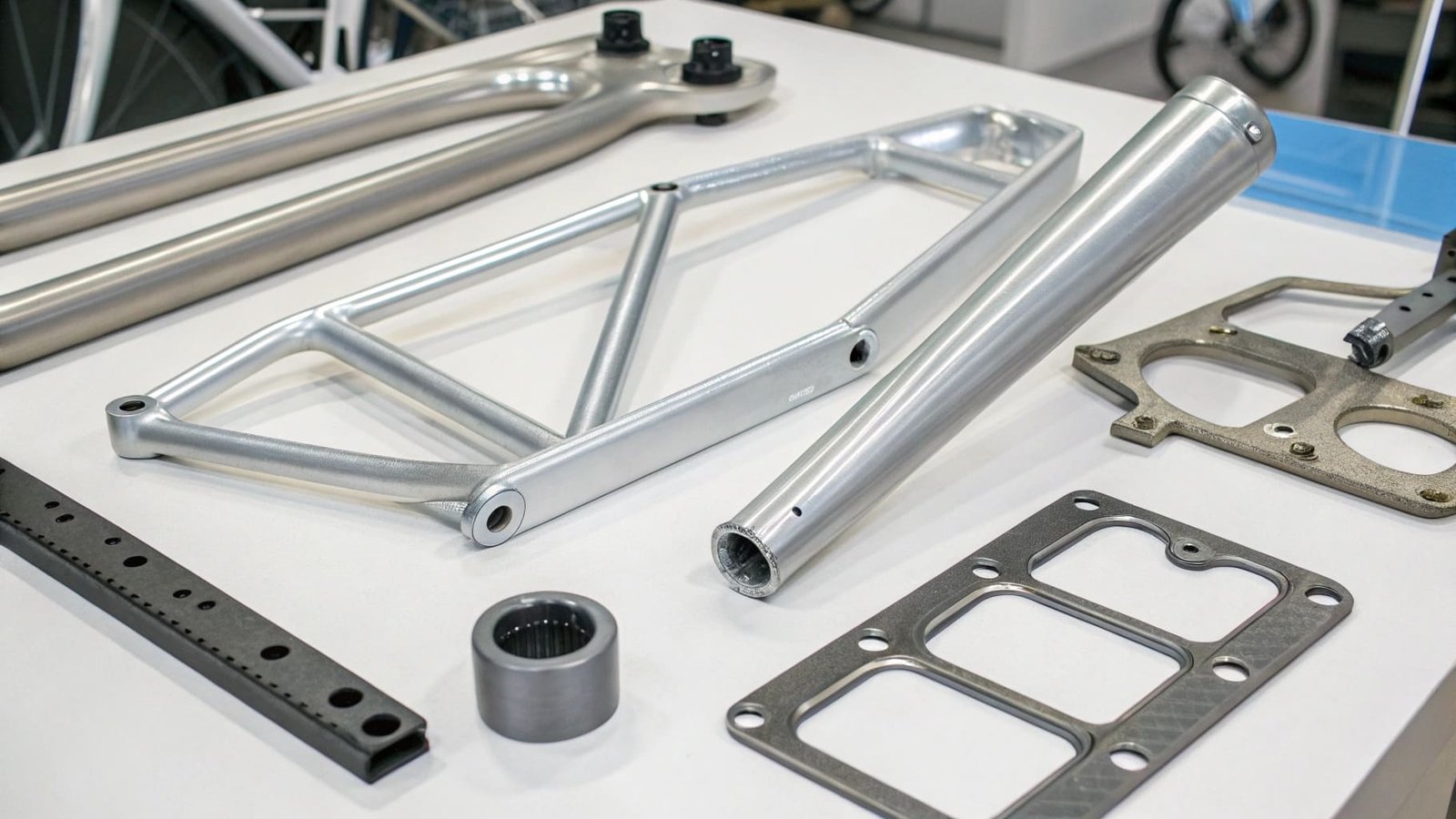
We worked with a customer in the marine industry who needed a critical component for a new winch system. They were fixated on using a 5000-series alloy because its salt-water corrosion resistance is the best. They machined the part from a large block of 5083 plate. In testing, the part kept failing, not from corrosion, but from stress cracks forming in the corners under heavy, repeated loads. The alloy was right for the environment, but the manufacturing method was wrong for the application. We switched them to a forged part made from the same 5083 alloy. The forging process created a grain flow that followed the contours of the part, reinforcing those high-stress corners. The new part passed every load test with ease. They got the corrosion resistance they wanted, plus the fatigue strength they didn't know they were missing. It proved that the real special property was a combination of the right alloy and the right process.
What are the main properties of aluminum alloy?
You need to choose a material, but the list of properties is overwhelming. Picking the wrong balance can lead to unexpected failures and costly redesigns for you or your downstream customers.
The main properties of aluminum alloys1 are a high strength-to-weight ratio2, excellent corrosion resistance, high thermal and electrical conductivity, and good machinability. The specific values depend entirely on the alloy series and its heat treatment.
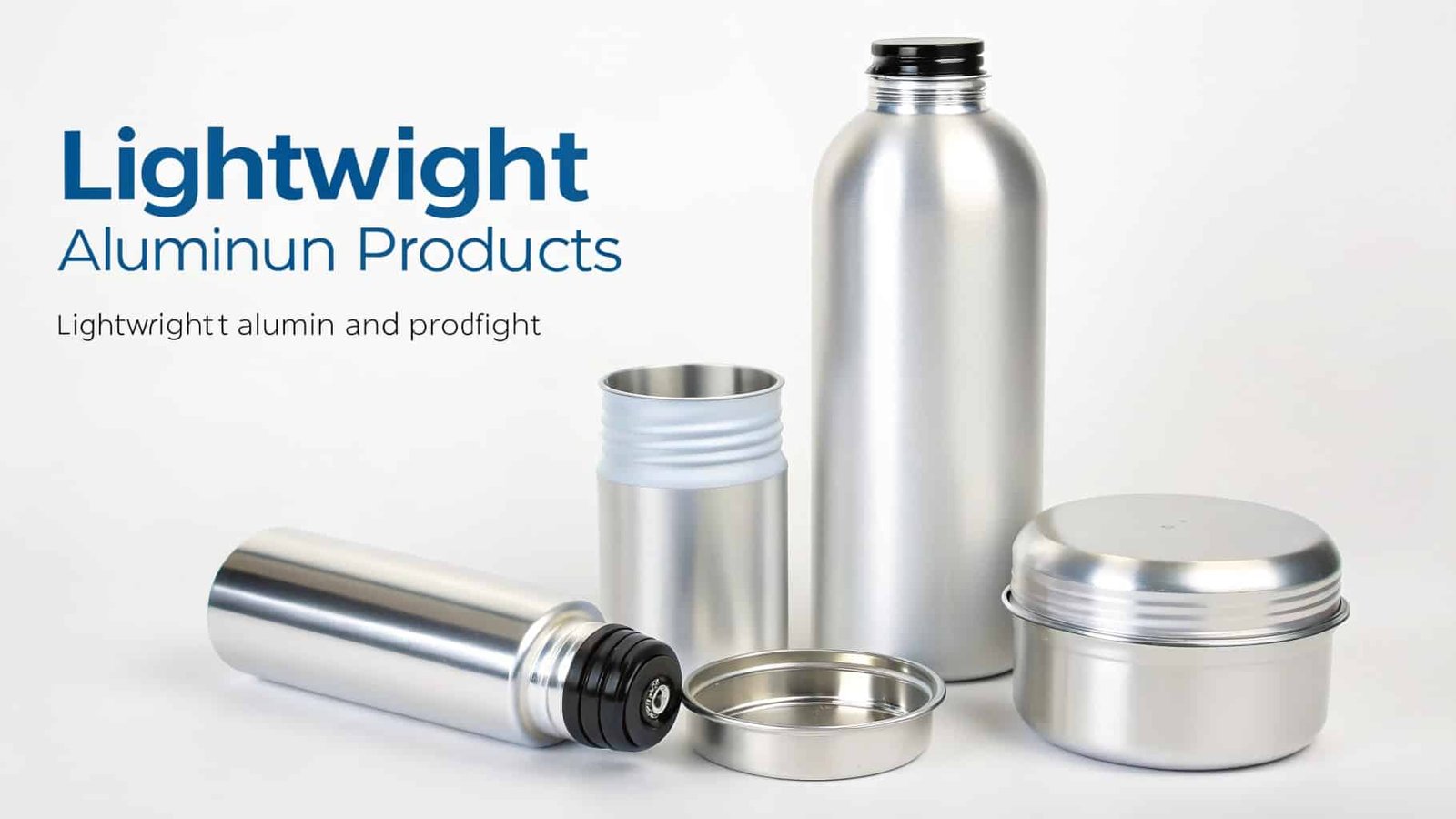
The most important thing to understand is that no single aluminum alloy is the best at everything. You are always making a trade-off. Choosing the right alloy means finding the best balance of properties for your specific application. This is a critical conversation we have with our trader and machining clients every day. An alloy that is perfect for a structural beam might be a terrible choice for a marine fitting.
The Balance of Performance
Understanding the strengths of the main alloy families helps in making the right choice from the start.
| Alloy Series | Primary Strength | Key Trade-off | Common Use |
|---|---|---|---|
| 5xxx | Excellent Corrosion Resistance | Moderate Strength, Not Heat-Treatable | Marine, Chemical Tanks |
| 6xxx | Versatility (Good Strength & Weldability) | Not the strongest or most corrosion-resistant | Structural, Machining |
| 7xxx | Highest Strength | Poor Corrosion Resistance & Weldability | Aerospace, High-Stress Parts |
For example, while the 7000 series offers the highest strength, its poor corrosion resistance means it would be a disastrous choice for a part exposed to saltwater without extensive protective coatings. The 6000 series, like 6061 or 6082, often provides the best all-around solution for most industrial and machining needs.
Will a magnet stick to an aluminum alloy?
You need to sort scrap metal or design a non-magnetic component. Using the wrong material could cause magnetic interference or contamination, leading to costly system failures or rework.
No, a magnet will not stick to an aluminum alloy. Aluminum is a non-ferrous metal, meaning it contains no significant amount of iron. This makes it paramagnetic, so it is not attracted to magnets, a crucial property for many applications.
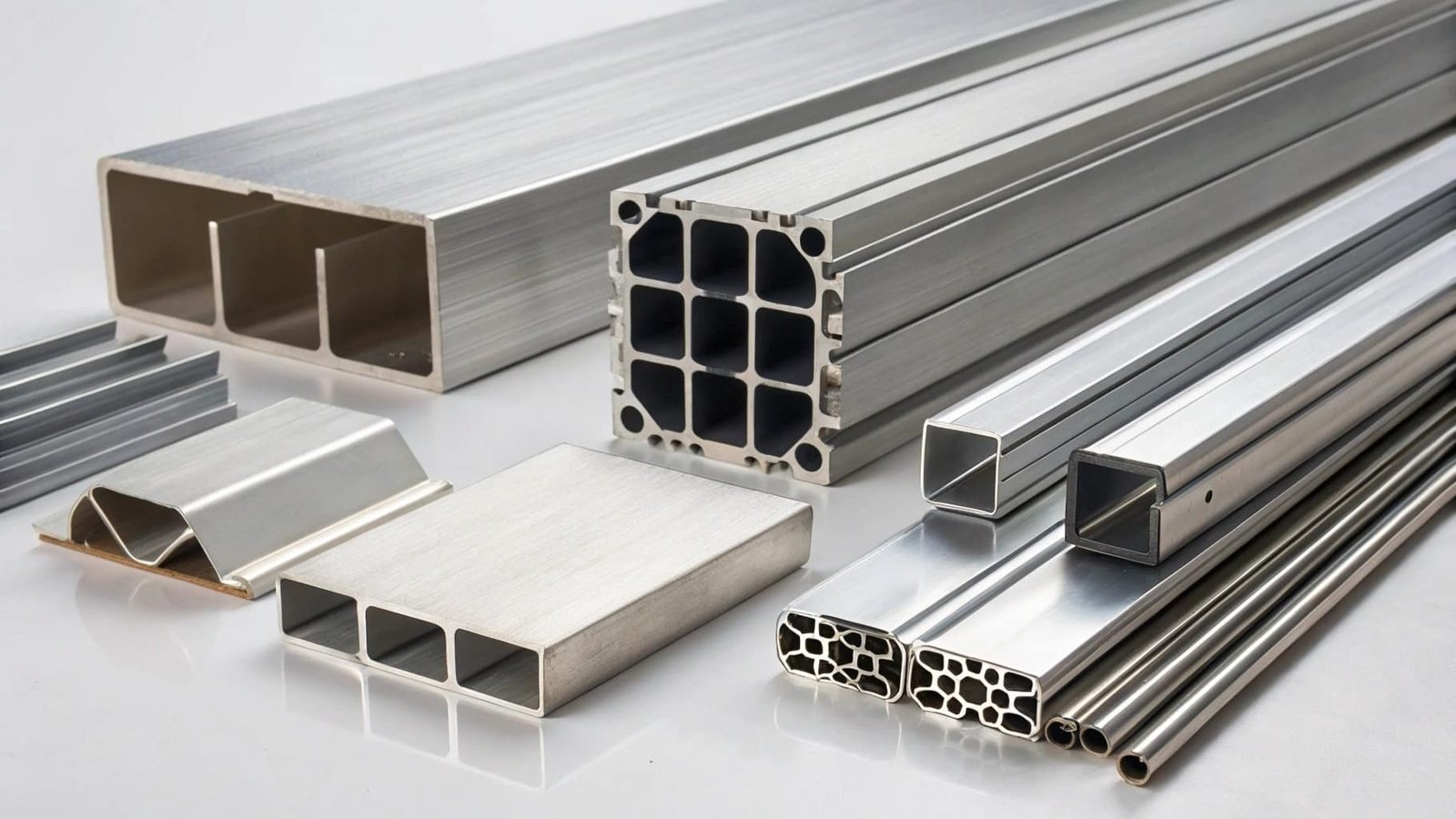
This simple magnetic test is one of the easiest ways to distinguish aluminum from many types of steel. For our clients in industries like electronics or medical equipment, this property is not just a curiosity; it's a fundamental design requirement. The absence of magnetic interference is absolutely critical for the proper functioning of their sensitive equipment.
More Than Just Non-Magnetic
The term for this property is "paramagnetism," which means it is very weakly attracted to a magnetic field, but for all practical purposes, it is considered non-magnetic. This characteristic becomes extremely valuable when combined with aluminum's other properties. For instance, in advanced medical imaging machines like MRIs, components near the powerful magnet must be non-magnetic to avoid distorting the images. Aluminum's combination of strength, light weight, and non-magnetic nature makes it an ideal choice. Similarly, in high-voltage applications like busbars and switchgear, aluminum is used because it is an excellent electrical conductor that won't create disruptive magnetic fields. This synergy between properties is what makes aluminum such a versatile engineering material.
What unique properties does aluminum have?
You are trying to solve a complex engineering problem. Sticking to traditional materials like steel limits your options and may lead to a final product that is too heavy, inefficient, or prone to corrosion.
Aluminum's most unique property is its combination of being lightweight (about one-third the density of steel) and having a high potential for strength. It also naturally forms a protective oxide layer, giving it excellent inherent corrosion resistance.
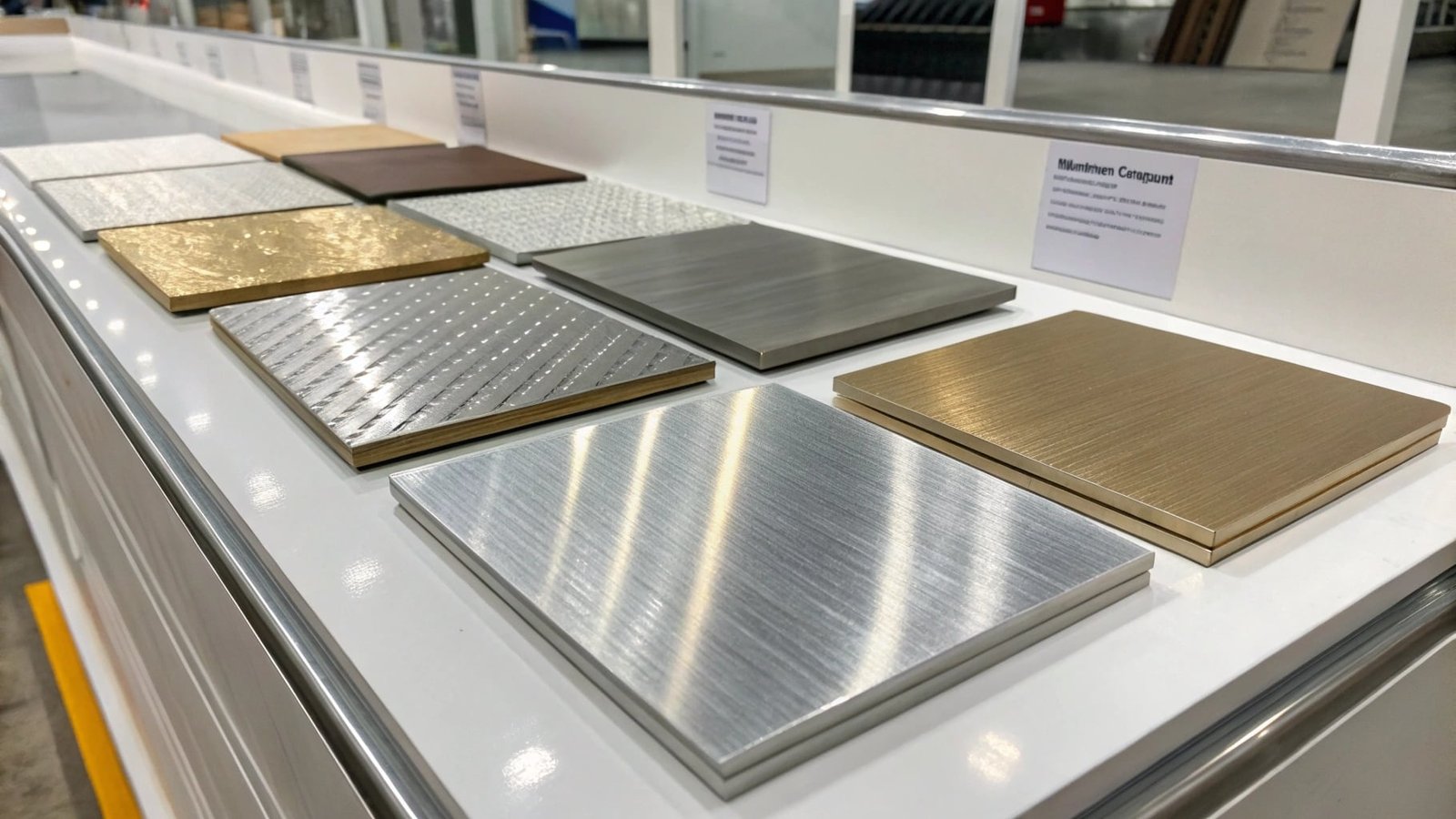
It's not one single property that makes aluminum special, but the powerful way its properties work together. This allows engineers to solve multiple problems with a single material choice. For a machining company, this means they can produce parts that are strong, durable, and light, giving their customers a significant performance advantage.
The Power of Combination
The real magic of aluminum is in the synergy of its characteristics. Different combinations make it the perfect choice for a huge range of demanding industries.
- Lightweight + High Strength: This is the golden combination for aerospace and performance automotive industries. It allows for stronger components that weigh less, which directly translates to better fuel efficiency and higher performance.
- Corrosion Resistance + Formability: This makes it ideal for marine and architectural applications. It can be shaped into complex forms for boat hulls or building facades that will last for decades with minimal maintenance, even in harsh environments.
- Thermal Conductivity + Lightweight: This combination is perfect for heat sinks in electronics and engine blocks in cars. It can dissipate heat very effectively without adding unnecessary bulk or weight to the final product.
What is the ISO standard for Aluminium alloys?
You need to ensure your material meets global quality and safety standards. Without clear certification, you risk project rejection, liability issues, and damage to your professional reputation.
There is no single ISO standard; instead, there's a system. The key standard is ISO 2107, which defines the temper designations (like T6). Alloy compositions are often referenced by regional standards like EN (European) or AA (American), which are globally recognized.
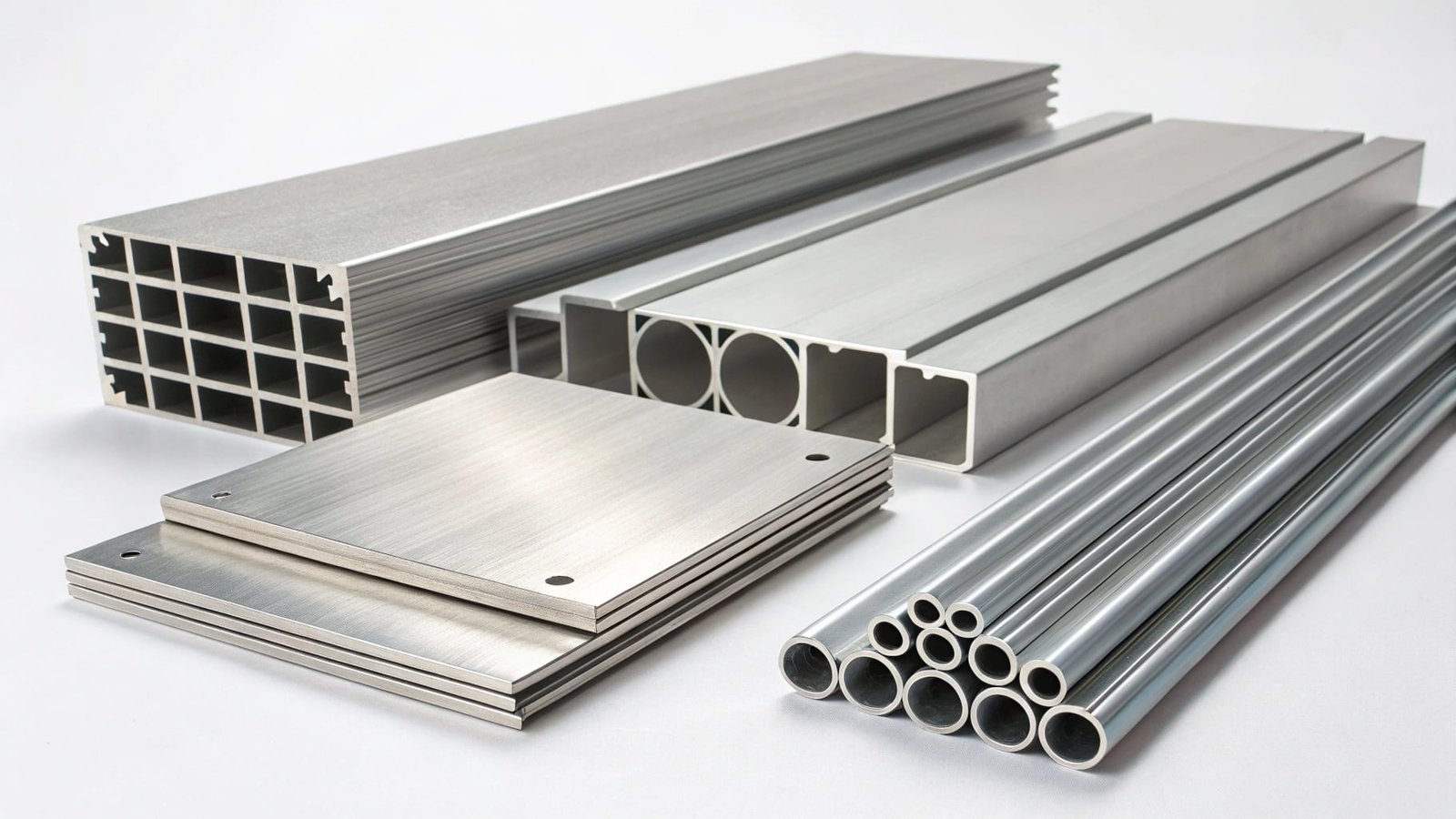
For our customers, especially international traders, understanding standards is about trust and reliability. When we provide a product quality certificate for a forged ring, it's not just a piece of paper. It's our guarantee that the material's chemistry, heat treatment3, and mechanical properties meet the exact international specifications required.
Navigating the Standards
Think of the standards as a universal language for materials. It ensures that a 6082-T6 alloy made in China has the same properties as one made in Germany or the USA.
- Composition (The Recipe): Standards from The Aluminum Association (AA) in the U.S. (e.g., AA 6082) or European Standards (EN AW-6082) define the exact chemical makeup of the alloy. They specify the allowed percentages of magnesium, silicon, manganese, etc.
- Temper (The Cooking Process): ISO 2107 defines the temper designation. The "T6" in 6082-T6 is a specific heat treatment process (solution heat-treated and then artificially aged) that brings the alloy to its optimal strength.
- Certification (The Proof): As a manufacturer, our ISO 9001 certification proves our quality management system is robust. We provide mill certificates with every order and can arrange for third-party inspections from SGS, BV, or TUV to give our clients complete confidence that every standard has been met.
Conclusion
The true special property is engineered performance. It's achieved when the right alloy is combined with the forging process to create a part with a grain structure perfectly aligned for its job.
-
Exploring various aluminum alloys will help you select the right one for your specific application needs. ↩
-
Understanding this ratio can guide you in choosing materials that optimize performance without adding unnecessary weight. ↩
-
Understanding heat treatment can help you optimize the performance of materials for specific applications. ↩