Are standard 6061 aluminum plates limiting your project's performance in critical applications? Explore how SWA Forging's custom-engineered solutions offer superior strength and tailored advantages.
SWA Forging provides custom-forged aluminum rings and discs that deliver enhanced strength, improved durability, and greater design precision compared to standard 6061 aluminum plates, making them ideal for high-stress applications in industries such as automotive, aerospace, and heavy manufacturing.
Many of our clients turn to SWA Forging because they've encountered the limitations of standard aluminum plates, particularly when their applications demand more than what a typical 6061 plate can offer. They might be facing issues with components experiencing high fatigue, requiring greater structural integrity, or needing specific geometries that plates cannot easily achieve. Whether it’s for a critical aerospace part, a robust automotive component, or heavy industrial machinery, the need for enhanced material properties and tailored solutions is clear. At SWA Forging, we address these needs by transforming aluminum into high-performance forged components engineered for excellence.
What is a 6061 aluminum plate?
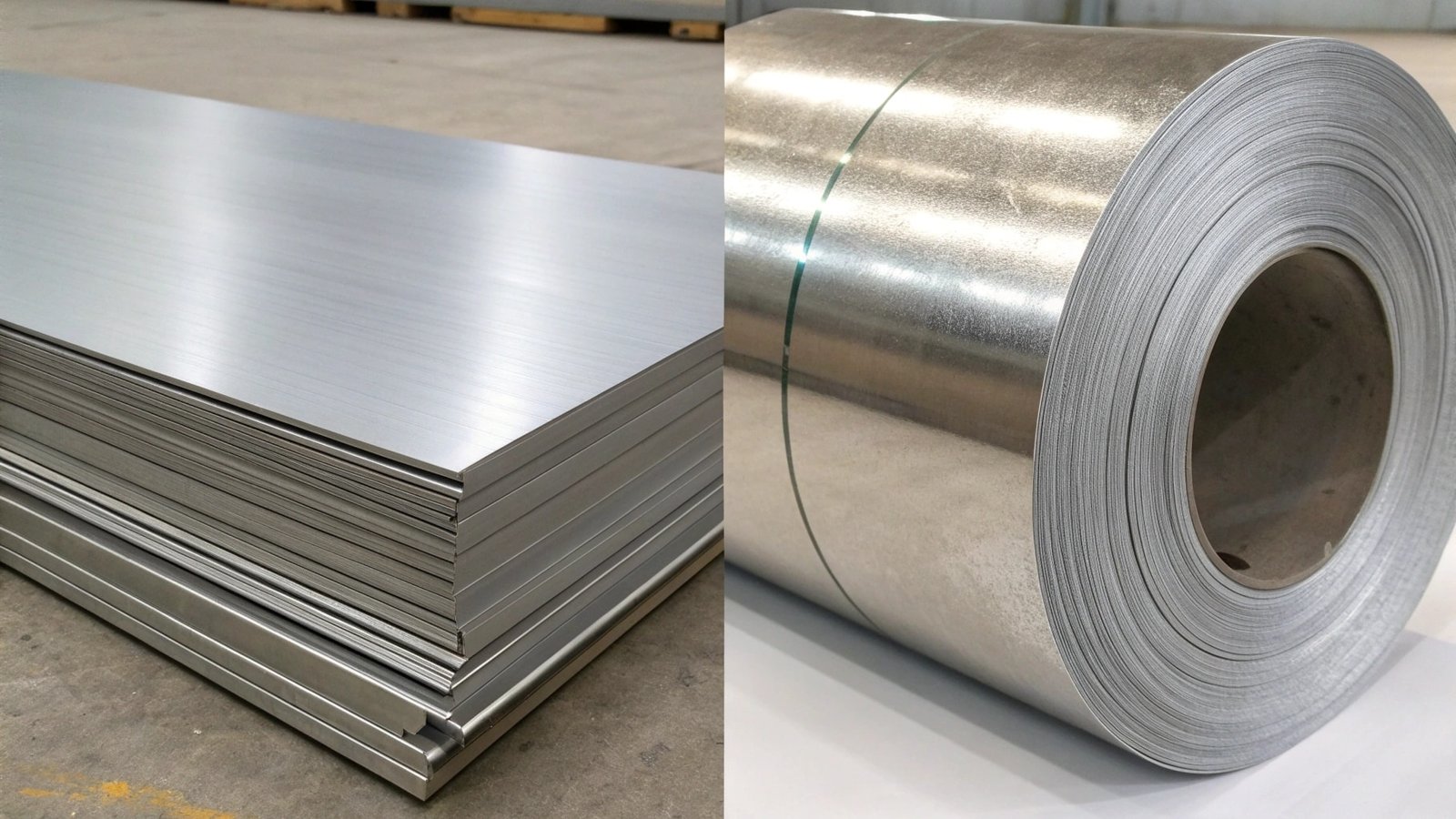
A 6061 aluminum plate is a flat sheet of aluminum alloy from the 6000 series, primarily composed of magnesium and silicon, known for its good strength and corrosion resistance1.
A 6061 aluminum plate is a versatile, heat-treatable aluminum alloy product widely used for its balanced mechanical properties. It offers a good combination of strength, corrosion resistance, weldability, and formability, making it suitable for a broad range of applications from structural components and frames to marine and automotive parts.

Understanding the characteristics of common aluminum products like 6061 plates is essential for appreciating the advantages of custom forged solutions. At SWA Forging, we often work with clients who have previously used or are considering 6061 plates. Knowing the standard properties of 6061 helps us explain how our forging process can elevate performance. Whether it’s improving strength, refining grain structure, or achieving more complex shapes, forging offers benefits that go beyond what a simple plate can provide.
Key aspects of a 6061 aluminum plate include:
- Alloy Composition: It's primarily an alloy of aluminum with magnesium and silicon. Small amounts of copper and iron are also typically present.
- Heat Treatability: 6061 is a heat-treatable alloy, most commonly found in the T4 (solution heat-treated and naturally aged) or T6 (solution heat-treated and artificially aged) tempers. The T6 temper provides higher strength.
- Mechanical Properties: It offers a good balance of strength, ductility, and toughness. Its strength-to-weight ratio is excellent, making it suitable for structural applications where weight reduction is important.
- Corrosion Resistance: 6061 exhibits good corrosion resistance, particularly in atmospheric and marine environments, due to the presence of magnesium and silicon.
- Weldability and Formability: It is readily welded using common methods and can be formed into various shapes through bending and stamping, although forming is best done in the T4 temper.
These properties make 6061 plates a popular choice for many general engineering and manufacturing applications.
What is the ultimate strength of 6061 aluminum?
The ultimate tensile strength of 6061 aluminum depends on its temper, with the T6 temper offering the highest strength.
The ultimate tensile strength of 6061 aluminum in its T6 temper is typically around 310 MPa (45,000 psi). This strength, combined with its good yield strength (around 270 MPa or 39,000 psi), makes it a versatile alloy for applications requiring a good balance of mechanical properties and corrosion resistance.

When clients are evaluating materials for their critical components, understanding the precise mechanical limits of alloys like 6061 is fundamental. At SWA Forging, we aim to provide solutions that not only meet but exceed these standard specifications. Knowing the typical ultimate tensile strength of 6061 helps us illustrate the performance gains achievable through our forging processes, especially when working with alloys like 7075 or when enhancing the inherent properties of 6061 itself through specialized techniques.
Key points regarding the ultimate strength of 6061:
- Temper Dependence: The strength of 6061 varies significantly with its temper. The T4 temper offers lower strength but better formability, while the T6 temper provides the highest strength.
- Comparison to Other Alloys: While 6061 is strong, alloys like 7075 offer considerably higher ultimate tensile strength, often more than 50% greater.
- Forging vs. Plate: The forging process can further enhance the strength and fatigue resistance of 6061 by aligning the grain structure and reducing internal defects, potentially exceeding the typical strength values of a standard 6061 plate.
- Application Suitability: Its ultimate tensile strength is sufficient for many structural applications, including aircraft fuselages, automotive components, frames, and general fabrication where significant load-bearing capacity is required but not at the extreme levels addressed by higher-strength alloys.
The ultimate tensile strength is a critical design parameter, and it’s important to select an alloy and temper that comfortably exceeds the expected loads.
What is stronger than 6061?
Several aluminum alloys are stronger than 6061, most notably those in the 7xxx series, which are primarily alloyed with zinc.
Aluminum alloys from the 7xxx series, such as 7075 and 7050, are significantly stronger than 6061 aluminum. These zinc-based alloys offer much higher tensile and yield strengths, especially when heat-treated, making them the preferred choice for applications demanding maximum strength, such as in aerospace structures and high-performance equipment.

When clients at SWA Forging are pushing the boundaries of material performance, they often ask about alloys that can offer superior strength to commonly used materials like 6061. Understanding these higher-strength options, particularly the 7xxx series, is key to providing them with the most effective engineered solutions. Our expertise lies in working with these advanced alloys to create forged components that meet extreme performance requirements.
Here are some key alloys that are stronger than 6061:
- 7xxx Series (Aluminum-Zinc Alloys): This series includes alloys like 7075, 7050, and 7068, which are renowned for their exceptional strength. For example, 7075-T6 can have an ultimate tensile strength of around 530 MPa, compared to 6061-T6’s 310 MPa. These are widely used in critical aerospace applications where high strength-to-weight ratios are essential.
- 2xxx Series (Aluminum-Copper Alloys): Alloys like 2024 also offer higher strength than 6061, particularly in specific tempers. 2024-T3, for instance, has a tensile strength of about 470 MPa and is known for its good fatigue resistance, making it common in aircraft structures. However, it has lower corrosion resistance than 6061.
These stronger alloys, especially when used in conjunction with SWA Forging's manufacturing processes, provide the enhanced performance and durability needed for the most demanding engineering challenges.
What are the applications of 6061 aluminum?
6061 aluminum is a highly versatile alloy with a wide range of applications due to its balanced properties of strength, corrosion resistance, and workability.
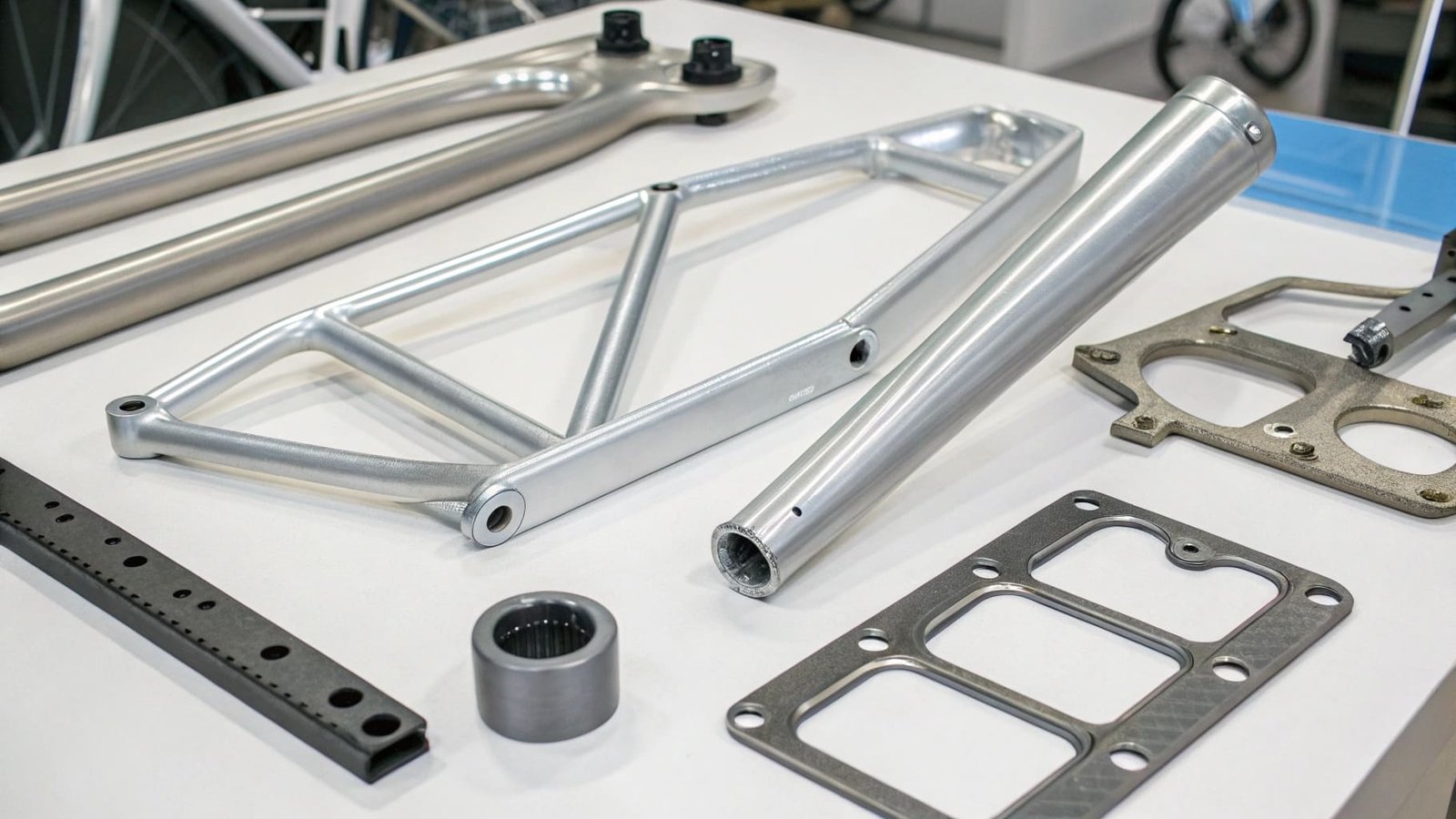
Common applications for 6061 aluminum include structural components in automotive and aerospace industries, bicycle frames, drone bodies, marine hardware, architectural extrusions, and general fabrication projects. Its good combination of strength, weldability, and corrosion resistance makes it a popular choice for a broad spectrum of uses.

When clients come to SWA Forging, they often bring with them a background of using materials like standard 6061 aluminum plates or extrusions. Understanding the typical applications of 6061 helps us identify where our forged solutions can provide a significant performance upgrade. Whether a project requires higher load-bearing capacity, improved fatigue life, or more complex geometries than a plate can offer, our custom forging capabilities can deliver a superior outcome.
Here are some typical applications where 6061 aluminum is commonly used:
- Aerospace: Aircraft components, such as fuselage frames, wing structures, and landing gear components, where a good strength-to-weight ratio is important.
- Automotive: Vehicle frames, chassis components, suspension parts, and radiators, benefiting from its strength and light weight.
- Marine: Boat hulls, decks, railings, and other marine hardware due to its excellent corrosion resistance.
- Industrial: Building frameworks, bridges, machinery parts, and general structural components.
- Consumer Goods: Bicycle frames, furniture, and sporting equipment like skateboards and bats.
- Electronics: Heat sinks and enclosures for electronic devices, leveraging its thermal conductivity and workability.
While 6061 is a workhorse alloy, for applications where extreme stresses or specialized performance characteristics are needed, exploring custom-forged solutions can provide a significant advantage.
Conclusion
For critical applications demanding more than standard 6061 aluminum plates can offer, SWA Forging provides superior strength and tailored solutions through custom forging. By leveraging advanced alloys and our expertise, we engineer components that meet the rigorous demands of high-stress environments, exceeding the capabilities of conventional materials.
-
Understand the role of corrosion resistance in selecting materials for different environments. ↩