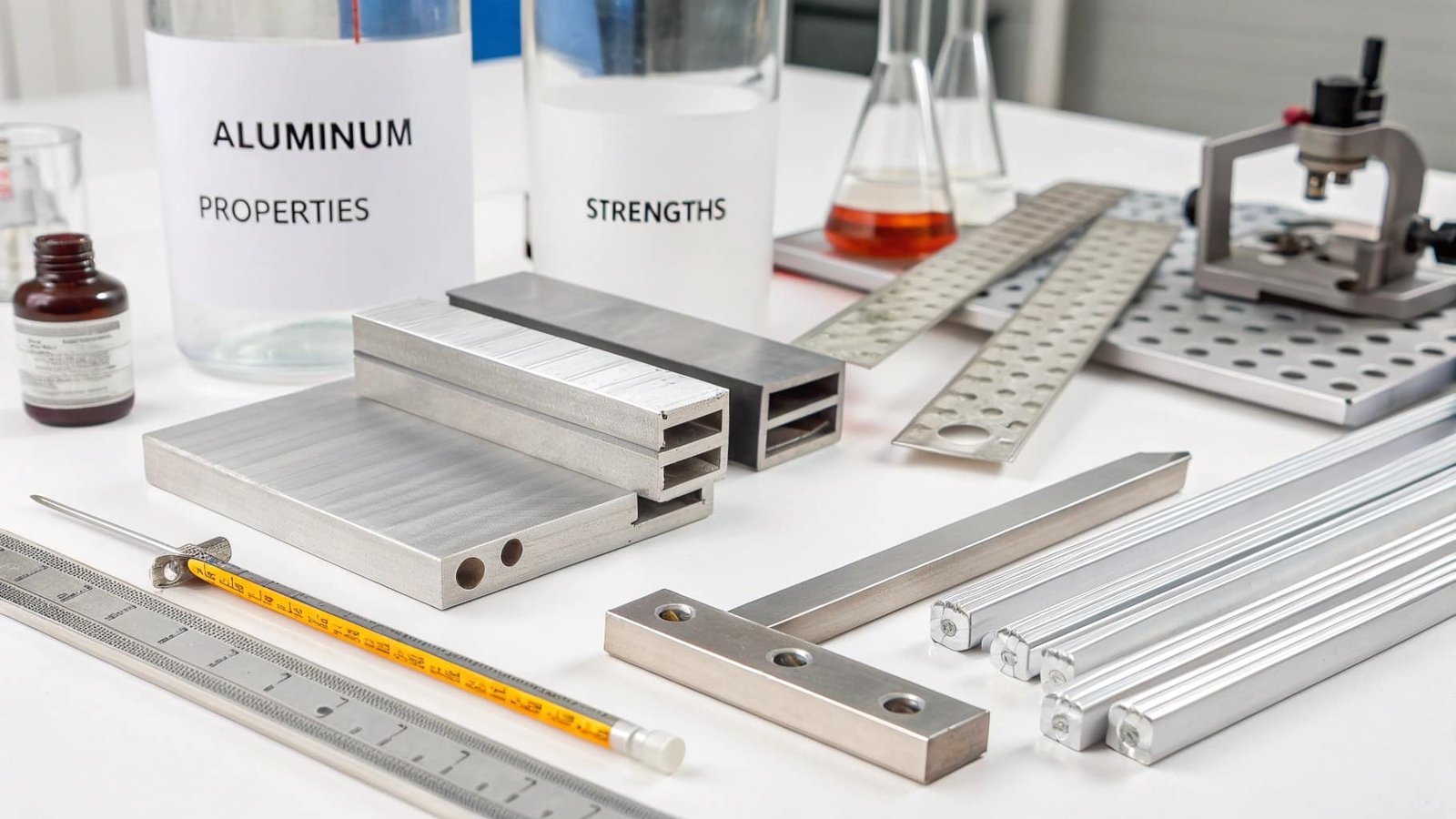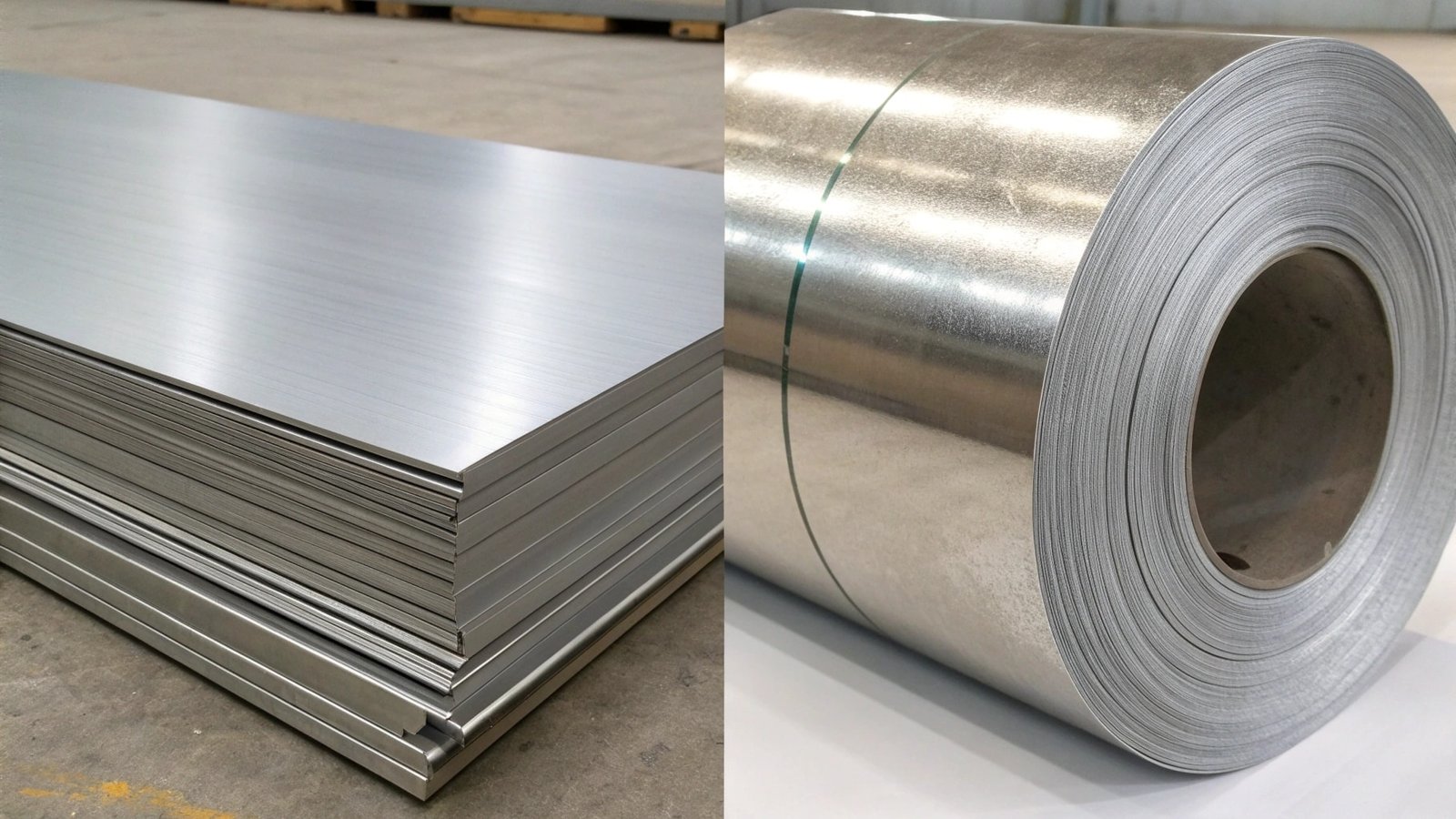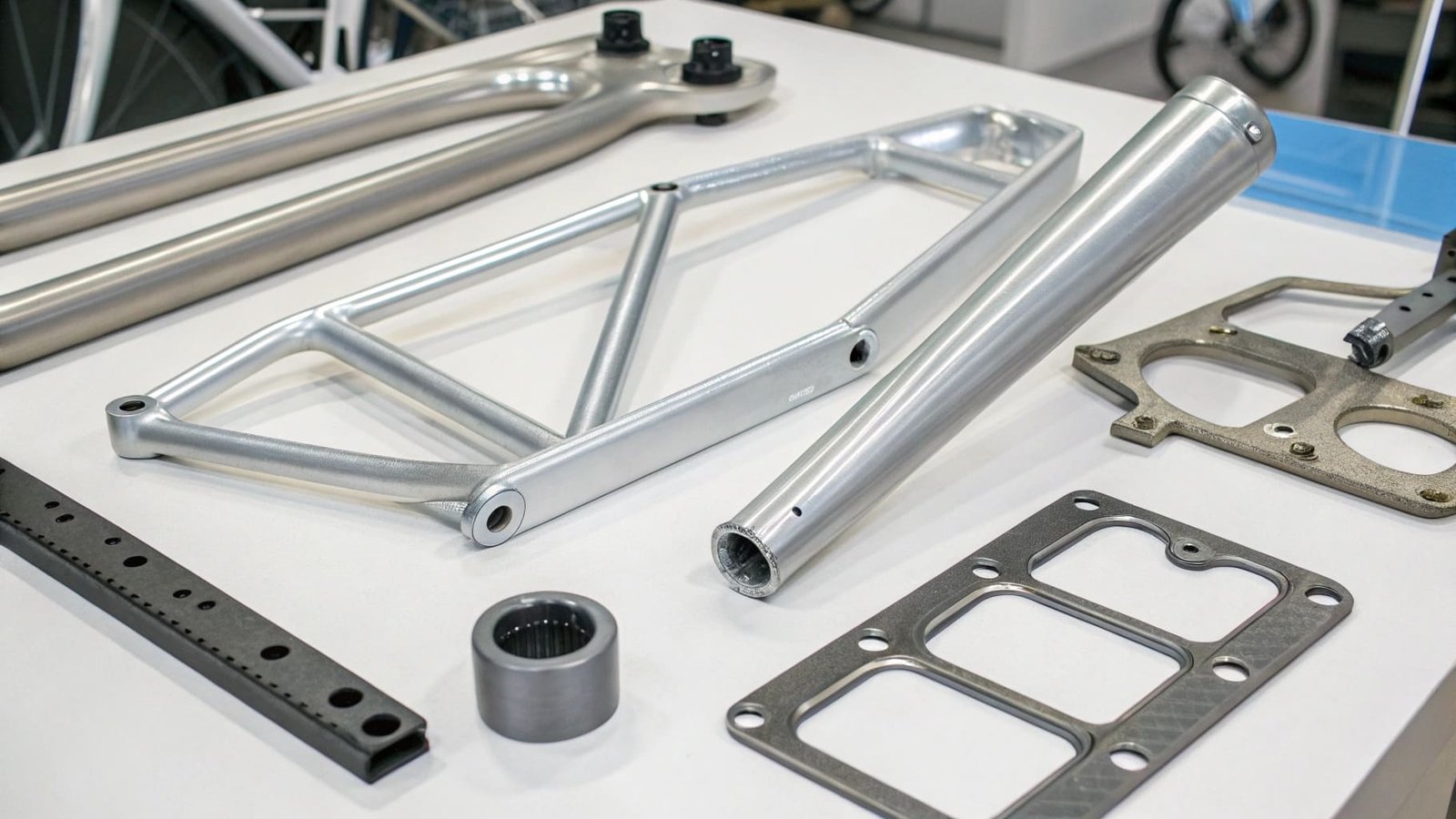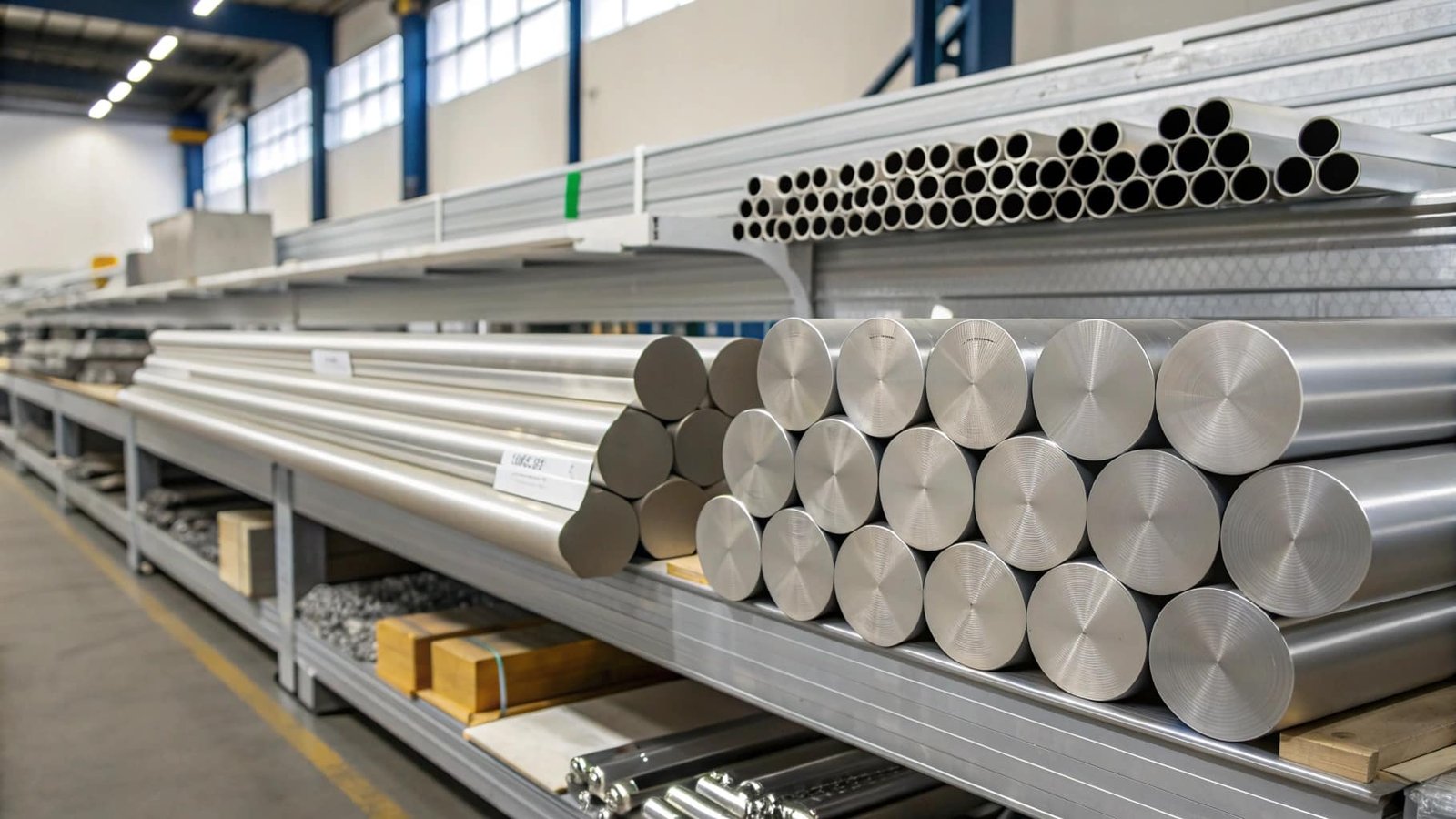
Tired of compromising with standard aluminum tubing1? Discover how SWA Forging crafts superior custom-forged rings and discs for your demanding applications.
SWA Forging specializes in creating custom aluminum forged rings and discs that offer superior strength, precision, and material integrity compared to standard aluminum tubing, providing tailored solutions for industries requiring high-performance components.
Many clients approach us looking for aluminum components that go beyond the limitations of standard tubing. While tubes are useful for many applications, for demanding engineering or structural needs, especially where strength and precision are paramount, custom forged parts like rings and discs are often the superior choice. At SWA Forging, this is our core expertise.
What is the difference between aluminum pipe and aluminum tube?
Navigating the world of aluminum components can be confusing. Let's clear up the common misunderstanding between aluminum pipes and aluminum tubes.
The primary difference between aluminum pipe and aluminum tube lies in their specified dimensions and intended applications: pipes are typically measured by their nominal inside diameter and used for fluid transport, while tubes are measured by their exact outside diameter and used for structural or mechanical purposes.
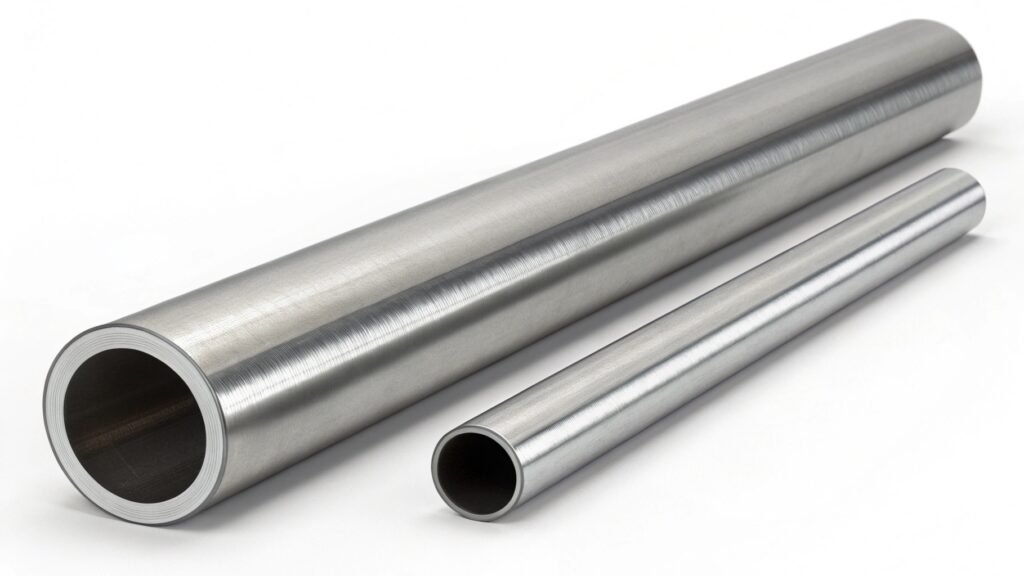
At SWA Forging, while our expertise is in forging, we often encounter clients who need to understand the basic characteristics of aluminum materials they might use in conjunction with our forged components. This distinction between pipes and tubes is a common point of confusion in material specifications. Understanding these basic differences is the first step in selecting the right material for any project.
What is the best Aluminium for forging?
The "best" aluminum alloy for forging depends entirely on the specific application's requirements, such as strength, corrosion resistance, weldability, and cost.
The best aluminum alloy for forging depends on the application's needs, but common high-performance alloys like 6061 and 7075 are excellent choices, offering a balance of strength, corrosion resistance, and formability, while alloys like 1100 or 3003 offer good formability and corrosion resistance at lower strengths.
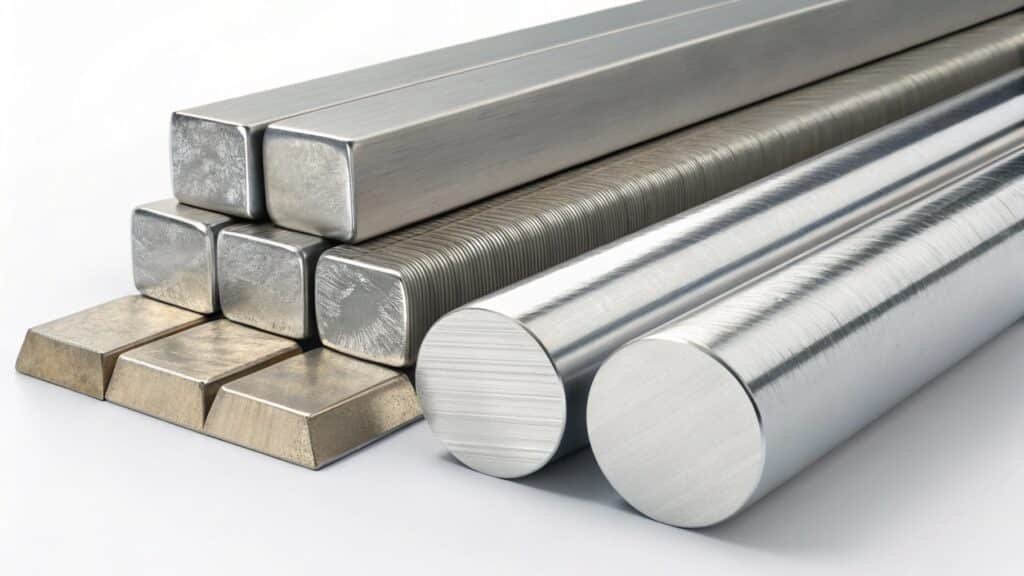
When we discuss forging at SWA Forging, selecting the right alloy is a critical first step. Different alloys behave differently under heat and pressure, and each has unique properties that make it suitable for specific end uses. Our team works closely with clients to identify the alloy that best meets their performance requirements, whether it's for a large forged ring for industrial machinery or a precision-forged disc for aerospace.
Here are some of the top aluminum alloys for forging and their typical uses:
- 6061: This is one of the most popular and versatile aluminum alloys. It offers a good combination of strength, corrosion resistance, weldability, and machinability. It's widely used for structural components, aerospace parts, automotive applications, and general-purpose forgings. It can be heat-treated to achieve higher strength levels.
- 7075: Known for its exceptional strength, often comparable to some steels, 7075 is a high-strength alloy. It's primarily used in aerospace, military applications, and high-performance sporting goods where maximum strength-to-weight ratio is essential. However, it has lower corrosion resistance and weldability compared to 6061.
- 2000 Series (e.g., 2014, 2024): These alloys, containing copper as the primary alloying element, offer very high strength and good machinability, making them suitable for aerospace structural components. They have lower corrosion resistance and are more challenging to weld.
- 5000 Series (e.g., 5083, 5086): These alloys, with magnesium as the main alloying element, offer excellent corrosion resistance, good weldability, and moderate strength. They are often used in marine applications, automotive body panels, and where resistance to saltwater is crucial.
- 1000 Series (e.g., 1100): These are commercially pure aluminum alloys2. They offer excellent corrosion resistance, formability, and weldability but have low mechanical strength. They are suitable for applications where strength is not a primary concern, like heat exchangers or decorative items.
The choice of alloy directly impacts the forging process and the final product's performance.
What is stronger, aluminum or PVC?
When comparing the strength of aluminum to PVC (Polyvinyl Chloride), aluminum is significantly stronger and more rigid.
Aluminum is considerably stronger and more rigid than PVC. Aluminum has much higher tensile strength, yield strength, and a higher modulus of elasticity, meaning it can withstand greater forces before deforming or breaking, making it suitable for structural applications where PVC would fail.
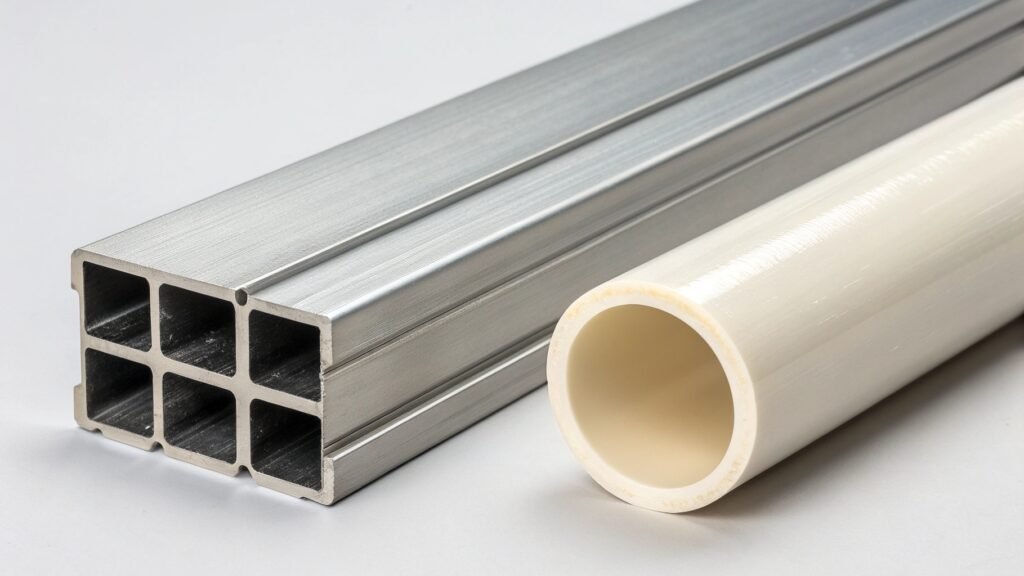
Clients often consider different materials for their projects, and understanding the fundamental mechanical properties is key to selecting the right one. The difference in strength between aluminum and PVC is substantial and dictates their typical uses, especially when considering components that need to withstand significant stress, like structural parts that might complement our forged rings.
Here’s why aluminum is stronger:
- Tensile Strength: Aluminum alloys typically have tensile strengths ranging from around 20,000 psi to over 90,000 psi, depending on the alloy and temper. PVC, on the other hand, has a tensile strength generally in the range of 4,500 to 8,000 psi.
- Yield Strength: Similarly, aluminum’s yield strength (the point at which it begins to deform permanently) is much higher than PVC’s.
- Modulus of Elasticity (Stiffness): This measures a material's stiffness or resistance to elastic deformation. Aluminum has a modulus of elasticity of about 10 million psi, while PVC's is around 300,000 to 500,000 psi. This means aluminum is roughly 20 to 30 times stiffer than PVC.
- Temperature Resistance: Aluminum retains its strength at higher temperatures much better than PVC, which can soften, warp, and lose strength significantly as temperatures increase.
- Applications: Due to its superior strength and stiffness, aluminum is used in structural applications like aircraft frames, automotive components, bridges, and building frameworks. PVC is primarily used for applications where high strength is not critical, such as water pipes, electrical conduit, window frames (though often reinforced), and flexible tubing.
Therefore, for any application requiring structural integrity, load-bearing capacity, or resistance to deformation, aluminum is the far superior choice over PVC.
What is the difference between 6061 and 6063 aluminum tubing?
While both 6061 and 6063 are popular aluminum alloys in the 6xxx series, they differ primarily in their alloy composition, which leads to distinct properties and applications.
The difference between 6061 and 6063 aluminum tubing lies in their magnesium and silicon content, with 6061 having higher levels of both for increased strength and machinability, while 6063 has a higher magnesium-to-silicon ratio, offering better extrudability, corrosion resistance, and a superior surface finish, making 6061 preferred for structural and mechanical applications, and 6063 for architectural and decorative uses.
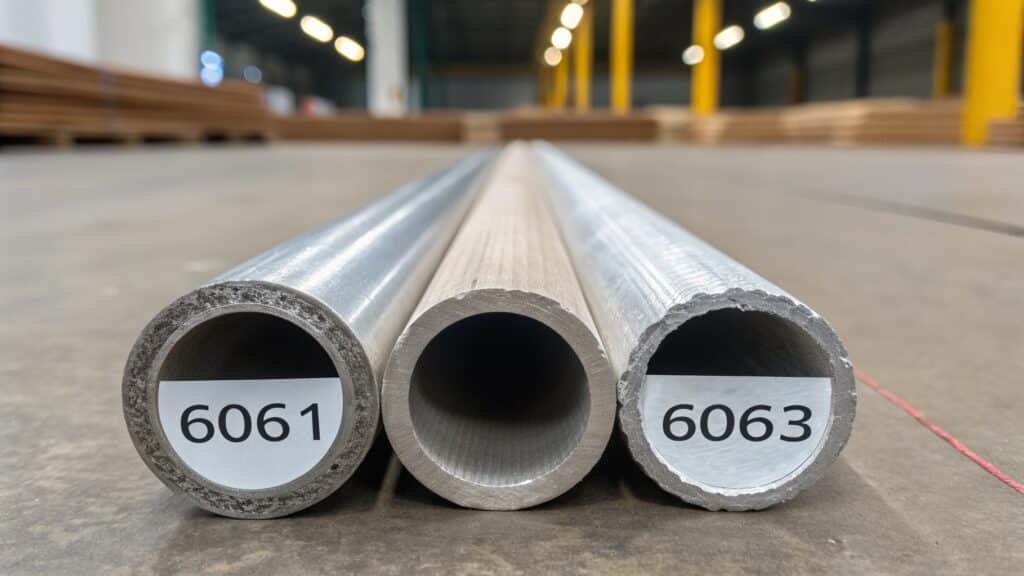
When clients are specifying materials, understanding the nuances between similar alloys is important. Both 6061 and 6063 are widely used, but their slight compositional differences make them better suited for different tasks. For instance, when a client needs a structural component that our forged ring will connect to, understanding if that component is made of 6061 or 6063 can be important for compatibility.
Here’s a breakdown of their key differences:
- Chemical Composition:
- 6061: Contains approximately 0.8-1.2% magnesium and 0.4-0.8% silicon. It also contains small amounts of copper (0.15-0.40%) and chromium (0.04-0.35%).
- 6063: Contains approximately 0.4-0.9% magnesium and 0.3-0.6% silicon. It has a higher magnesium-to-silicon ratio compared to 6061.
- Strength:
- 6061: Generally stronger and has higher tensile and yield strengths than 6063, especially when heat-treated to T6 temper. This makes it a go-to for parts requiring robust mechanical performance.
- 6063: Is considered a medium-strength alloy, not as strong as 6061, but still possesses good mechanical properties suitable for many applications.
- Extrudability and Formability:
- 6063: Is renowned for its excellent extrudability, allowing for the creation of complex shapes with sharp details and smooth surfaces. It is also readily formed.
- 6061: Is also extrudable and formable, but not to the same degree of complexity or with the same ease as 6063. It is very machinable.
- Corrosion Resistance:
- 6063: Typically exhibits better corrosion resistance than 6061, particularly in atmospheric conditions. This makes it ideal for outdoor or exposed applications.
- 6061: Has good corrosion resistance, but the presence of copper can make it slightly more susceptible in certain environments.
- Surface Finish and Weldability:
- 6063: Is preferred for applications requiring an excellent surface finish for anodizing or painting due to its smooth extrusion profile. It is also readily weldable.
- 6061: Is also weldable, but the heat-affected zone can be softer. Its surface finish is generally good but may not be as refined as 6063 for decorative anodizing.
In summary, choose 6061 tubing for structural applications, higher strength requirements, or where excellent machinability is needed. Opt for 6063 tubing when good corrosion resistance, ease of extrusion for complex shapes, and a superior surface finish for architectural or decorative purposes are prioritized.
Conclusion
At SWA Forging, we understand that our custom-forged aluminum rings and discs are often part of a larger system, which might include standard tubing. Knowing the differences between pipes and tubes, the strengths of various aluminum alloys2, and the properties of common tubing materials like 6061 and 6063 helps us advise clients on selecting the best overall solutions for their projects, ensuring performance and reliability from raw material to finished component.