Are you diving into aluminum alloys1 and need to understand the different heat treatment designations and their impact on material properties? Understanding these codes is key to unlocking performance.
Aluminum heat treatment refers to a series of thermal processes used to alter the mechanical properties of aluminum alloys, primarily to increase their strength and hardness. These treatments involve carefully controlled heating and cooling cycles. Common designations like T4, T5, and T6 indicate specific heat treatment states. For example, T4 involves solution heat treatment followed by natural aging, while T5 involves artificial aging from a cold-worked state. Alloy 6061 in its T6 temper is indeed heat treated to achieve its characteristic strength and hardness, involving solution heat treatment followed by artificial aging. The 7000 series of aluminum alloys, which are known for their very high strength, can indeed be heat treated, typically using similar processes to achieve their desired mechanical properties, though specific parameters are critical due to the high alloy content.
At SWA Forging, we understand that each aluminum alloy, especially those we work with like 6061 and the 7000 series, has unique heat treatment requirements and sensitivities. A simple chart provides only a basic overview; achieving optimal properties for critical applications often demands highly specific, tailored heat treatment cycles. Our expertise goes beyond standard designations. We engineer precise heat treatment protocols for our large-diameter forged products to ensure they meet exact mechanical specifications for strength, toughness, and stress relief, delivering a level of performance that generic treatments cannot match.
What is T4 heat treatment for aluminium?
Are you trying to understand the T4 designation on aluminum alloys and what it means for the material's properties? Let's break down this common heat treatment process.
The "T4" designation in aluminum heat treatment signifies a specific process that enhances the alloy's properties, primarily for those alloys that can be strengthened by precipitation hardening. This treatment involves two main steps: first, a solution heat treatment where the alloy is heated to a high temperature (typically between 495°C and 540°C, depending on the alloy) and held long enough to dissolve alloying elements into a solid solution. This is followed by rapid quenching, usually in water, to "freeze" these elements in solution. After quenching, the material undergoes natural aging at room temperature over a period of several days or weeks. During natural aging, fine precipitate particles form within the alloy's crystal structure, increasing its strength and hardness. Alloys treated to T4 temper are typically softer and more ductile than fully aged tempers (like T6) but offer good formability before they reach their peak aged strength, making them suitable for applications requiring bending or shaping.
| Step | Description | Resulting Properties |
|---|---|---|
| Solution Heat Treat | Heating to high temps to dissolve alloying elements. | Uniform distribution of alloying elements. |
| Quenching | Rapid cooling to trap elements in solid solution. | Prevents premature precipitation, preparing for aging. |
| Natural Aging | Slow hardening at room temperature over time. | Moderate strength increase, good ductility and formability. |
SWA Forging understands the importance of controlled thermal processing in achieving desired material characteristics. While T4 provides a specific set of properties often useful for forming, our focus is on delivering components with the highest possible mechanical integrity. For critical applications where maximum strength and stability are required, we employ more advanced heat treatment cycles, including artificial aging, to achieve specific performance targets for our forged products, ensuring they meet the rigorous demands of your applications.
What is T5 heat treatment for aluminium?
Are you curious about the T5 heat treatment designation for aluminum and what it means for the alloy's properties? This refers to a specific aging process.
The "T5" heat treatment designation for aluminum alloys indicates a condition achieved through artificial aging from a high-temperature, cold-worked state. Unlike T4, which involves a solution heat treatment followed by natural aging, T5 typically starts with an alloy that has undergone cold working (like extrusion or drawing) at elevated temperatures. After this forming process, the material is artificially aged by heating it to an elevated temperature (usually between 150°C and 200°C) and holding it for a specific duration. This controlled heating causes precipitation hardening, leading to an increase in strength and hardness. The T5 temper is often used for extruded products where the natural aging after solution treatment is too slow or insufficient to achieve the desired mechanical properties. Alloys treated to T5 generally have higher strength than those in the T4 temper but may have lower ductility.
| Process Step | Description | Outcome |
|---|---|---|
| Cold Working | Mechanical deformation at elevated temperatures (e.g., extrusion). | Shapes the material and introduces internal stresses. |
| Artificial Aging | Heating to a specific elevated temperature for a set time. | Promotes precipitation hardening, increasing strength and hardness. |
| Resulting Temper | T5 provides a balance of strength and hardness for formed products. | Higher strength than T4, but potentially lower ductility. |
SWA Forging specializes in creating components with optimized mechanical properties. While T5 is a valuable temper for many extruded aluminum products, our forging process, combined with custom heat treatments, allows us to achieve superior strength and performance profiles. We can precisely control the thermal cycles to achieve specific hardness, tensile strength, and toughness requirements that go beyond the capabilities of standard T5 treatment, ensuring our clients receive materials engineered for the most demanding applications.
Is 6061 T6 aluminum heat treated?
Are you wondering about the heat treatment status of the common 6061 T6 aluminum? The "T6" designation tells you exactly what kind of treatment it has undergone.
Yes, 6061 aluminum2 in the T6 temper is definitely heat treated. The "T6" designation specifically refers to a condition achieved through a combination of solution heat treatment and artificial aging. First, the aluminum alloy is heated to a high temperature (around 500°C or 932°F) to dissolve alloying elements into a solid solution. This is immediately followed by rapid quenching, typically in water, to lock these elements in place. Then, the material is subjected to artificial aging, which means it is heated again, but to a much lower temperature (around 175°C or 347°F) and held for a specific period. This controlled heating process allows fine precipitate particles to form within the metal's structure, significantly increasing its strength and hardness. This heat treatment process is what gives 6061-T6 its excellent balance of strength, hardness, and moderate ductility, making it one of the most widely used aluminum alloys.
| Stage | Process Description | Key Outcome | Temperature Range (Approx.) |
|---|---|---|---|
| Solution Treat | Heating to dissolve alloying elements. | Uniform dispersal of elements. | 495-540°C (923-1004°F) |
| Quenching | Rapid cooling to "lock in" the dissolved elements. | Prevents premature precipitation. | Rapid (e.g., water quench) |
| Artificial Aging | Reheating to a lower temperature for a specific time to form precipitates. | Increases Strength and Hardness. | 150-200°C (302-392°F) |
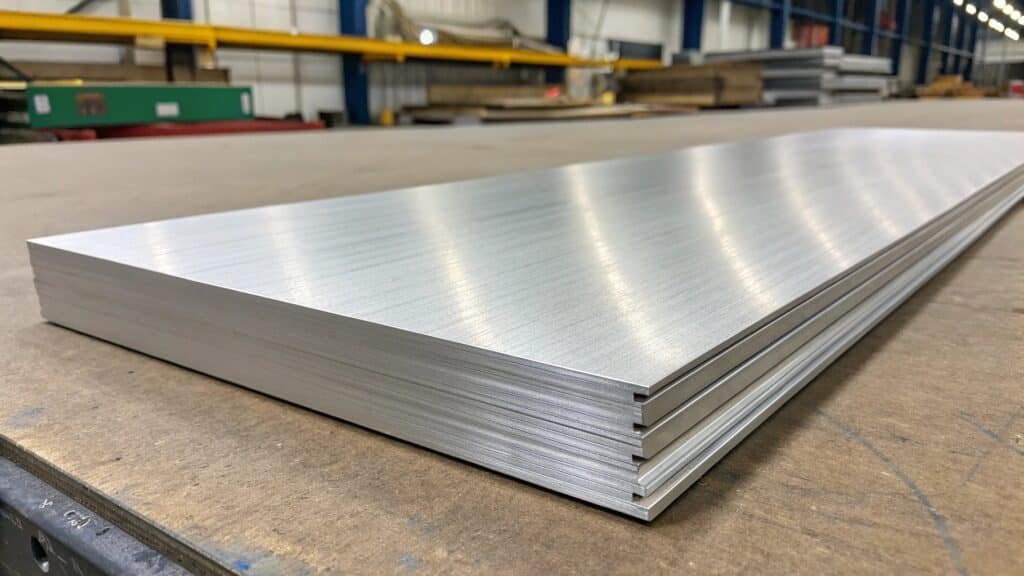
SWA Forging understands that heat treatment is critical for achieving peak performance in aluminum alloys. For 6061-T6, we ensure our processes align with industry standards to maximize its inherent strengths. Moreover, for our larger forged components, we can implement custom heat treatment cycles that go beyond standard designations to achieve even higher levels of strength, stress relief, or toughness, tailored precisely to the unique demands of your application.
Can you heat treat 7000 series aluminum?
Are you wondering if the high-strength 7000 series aluminum alloys can be further enhanced through heat treatment? Yes, heat treatment is essential for their strength.
Yes, the 7000 series of aluminum alloys, which are known for their very high strength due to alloying elements like zinc, magnesium, and copper, are indeed heat treated to achieve their impressive mechanical properties. The most common heat treatment for these alloys is the "T6" temper, which involves solution heat treatment followed by artificial aging. During solution heat treatment, the alloy is heated to high temperatures (typically around 450°C to 500°C, depending on the specific alloy within the 7000 series) to dissolve the alloying elements. This is followed by rapid quenching to maintain these elements in a supersaturated solid solution. Subsequently, artificial aging is performed by heating the material to a lower temperature (often between 110°C and 170°C) for a controlled period. This process causes the precipitation of fine, uniformly dispersed hardening particles, significantly increasing the alloy's yield strength and tensile strength, commonly reaching levels comparable to some steels. Without heat treatment, these alloys would possess only moderate strength.
| Alloy Series | Key Alloying Elements | Common Heat Treatment Temper | Primary Benefit of Heat Treatment |
|---|---|---|---|
| 7000 | Zn, Mg, Cu | T6 | Maximizes tensile and yield strength |
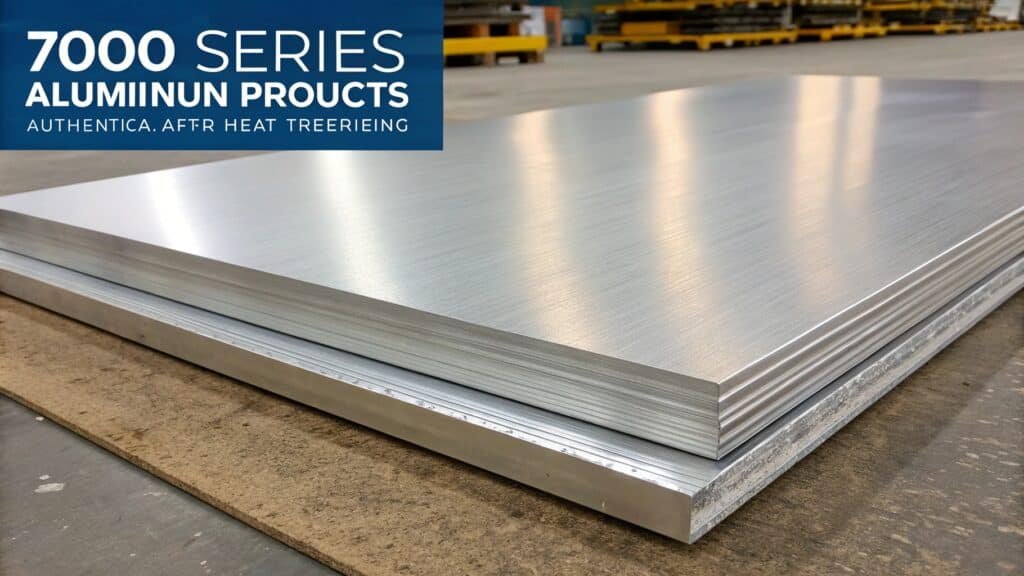
SWA Forging has extensive experience with the 7000 series aluminum alloys and their critical heat treatments. We understand that achieving the maximum performance from these high-strength materials relies on precise control over every step of the process. Our ability to conduct specialized heat treatments on our large-diameter forged components ensures that clients receive parts with precisely engineered mechanical properties, delivering the superior strength and reliability demanded by aerospace, defense, and other high-performance industries.
Conclusion
Aluminum heat treatments like T4, T5, and T6 significantly alter alloy properties, with T6 being a common stage for alloys like 6061 and the high-strength 7000 series, a process SWA expertly customizes.