You think design flexibility means creating complex geometric shapes. But this often sacrifices the internal strength of the part, forcing you to compromise on performance and durability.
Yes, but not in the way you think. True flexibility is metallurgical. Forging creates strategic strength by directing the grain flow to follow your design's contours, engineering performance and fatigue resistance directly into the part's form.
When an engineer talks to me about design flexibility, their mind often goes to casting, which can produce very intricate shapes. I have to reframe the conversation. Flexibility isn't just geometric—it's metallurgical. While casting creates complex shapes, forging creates strategic strength. We don't just shape the aluminum on the outside; we fundamentally restructure it on the inside. We direct its grain flow to follow the contours of your design. This means we are engineering performance and fatigue resistance directly into the part's form. This is a level of design control that no other process can offer. It’s the difference between a part that just fits and a part that performs.
What are the benefits of forged aluminum?
You need components that are strong, lightweight, and reliable. Using parts made from billet or casting introduces risks of hidden defects and inconsistent performance in your final product.
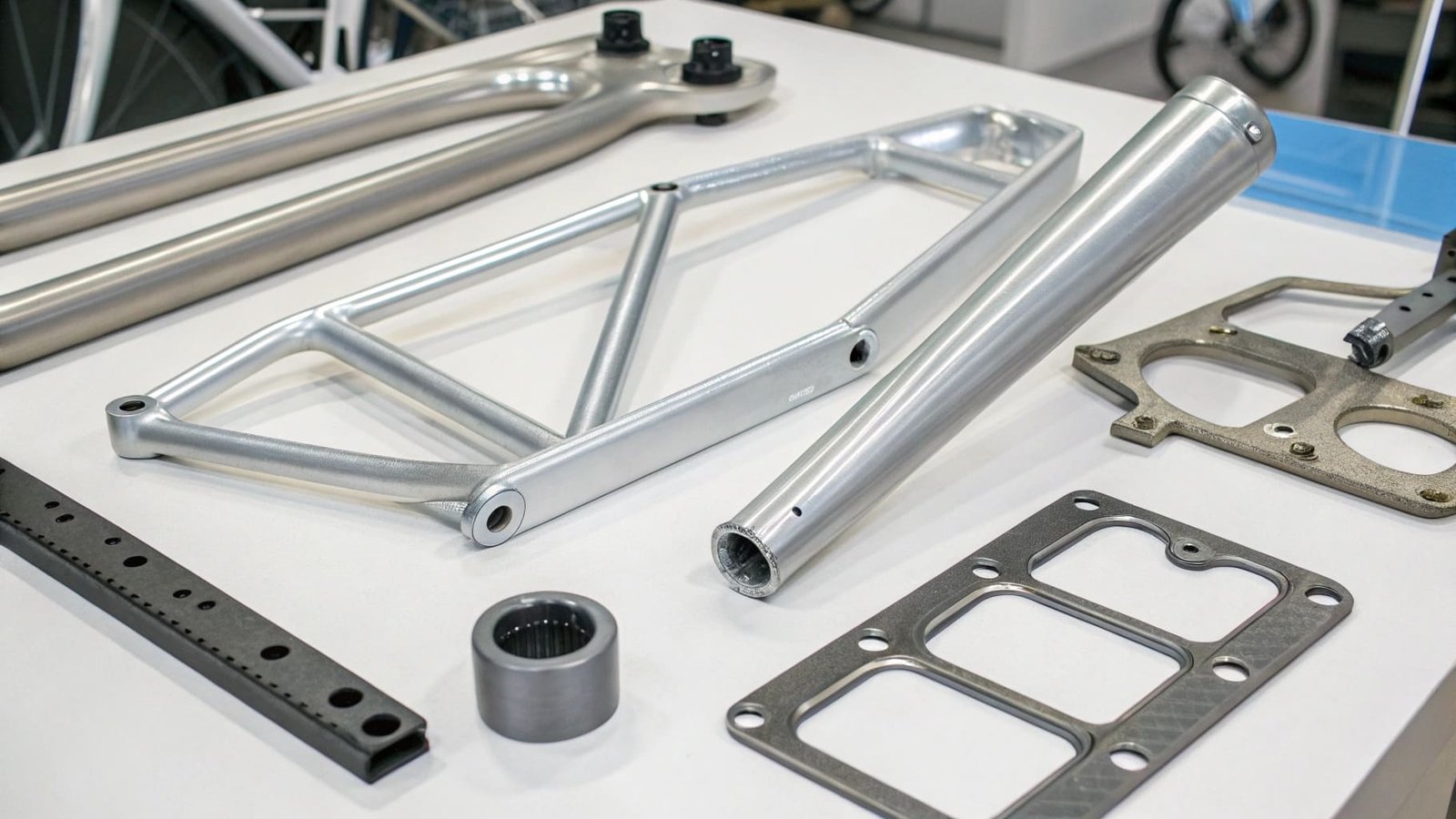
Forged aluminum delivers superior strength-to-weight ratio, exceptional fatigue resistance, and a high degree of structural integrity. Its refined, non-porous grain structure ensures maximum reliability and a long service life under stress.
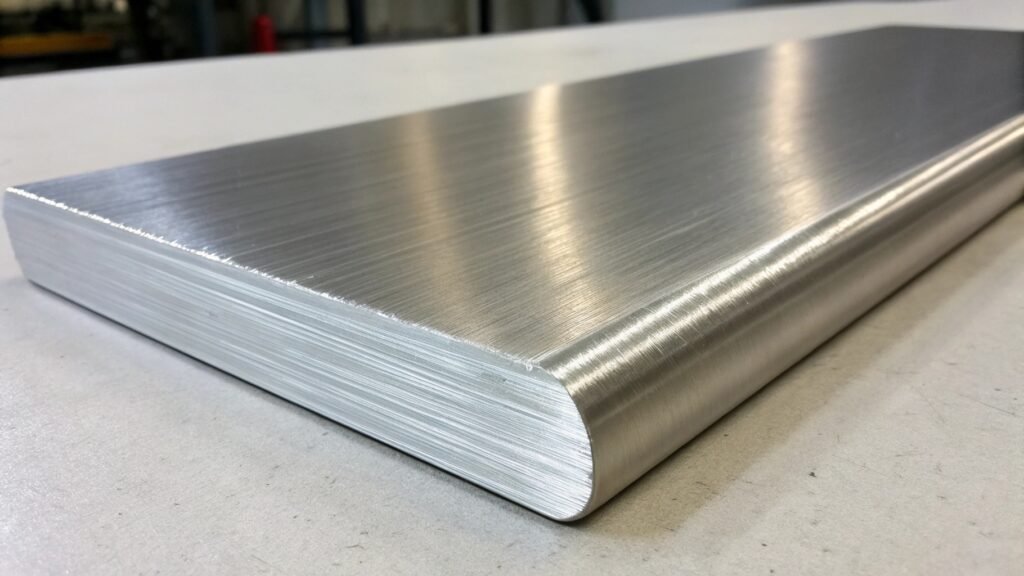
The benefits of forging go far beyond just shaping metal. It's a process of refinement. When we forge a part, we are creating a dense, uniform material with a specific internal structure. The primary benefit is a huge increase in fatigue life. Because the grain flow is continuous and aligned with the part's shape, stress is distributed evenly. There are no weak points or severed grain ends like you find in a machined billet part. This means the component can withstand more cycles of loading and unloading without failing. Another key benefit is impact toughness. The dense structure of a forging can absorb sudden shocks and impacts much better than a brittle casting. For our customers, this translates directly into safer, longer-lasting products with a lower total cost of ownership.
What is the flexibility of aluminum?
The term "flexibility" can be confusing when applied to aluminum. This ambiguity makes it hard to understand how the material will behave in a specific manufacturing process or application.
Aluminum's flexibility has two sides. It has natural malleability, meaning it can be easily shaped. But for engineers, true flexibility comes from forging, which allows us to control the material's internal grain structure to optimize performance.
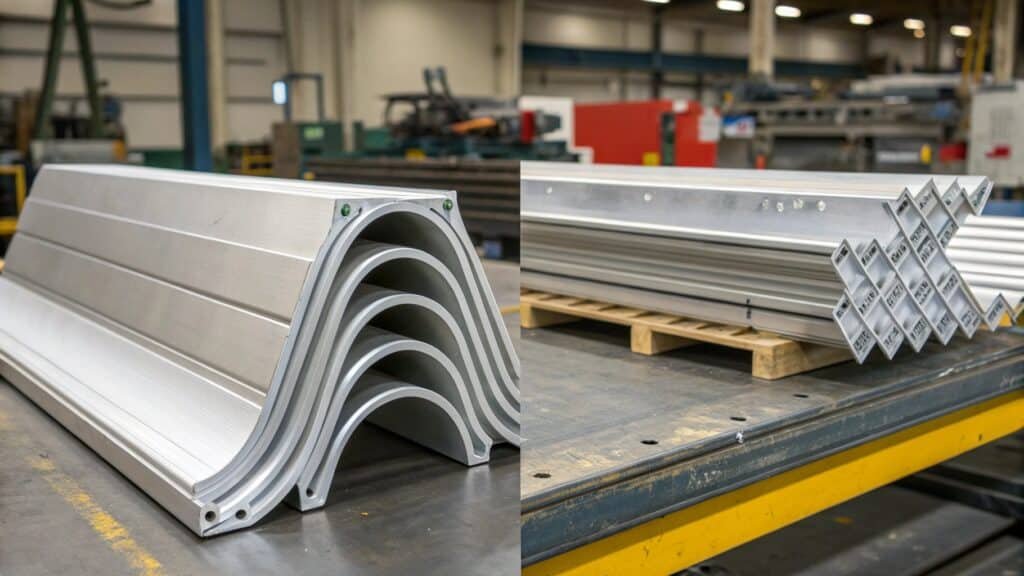
I often have to clarify this point with clients. On one hand, you have the natural flexibility, or malleability, of aluminum. This is why it's easy to form into sheets for body panels or extrude into long profiles. It's a soft, workable metal in its raw state. But this is not the kind of flexibility a design engineer for a high-stress component cares about. The flexibility we provide at SWA Forging is design flexibility. It's the ability to create a part that is both geometrically correct and metallurgically optimized. We can design the forging process to create strength where it's needed, add durability in high-stress corners, and ensure the final part is as lightweight as possible without sacrificing an ounce of performance. This is the flexibility that really matters: the freedom to design for performance, not just for shape.
Is steel forging better than aluminum forging?
You might automatically assume that steel is stronger and therefore better. This common misconception can lead to specifying parts that are unnecessarily heavy, costly, and prone to corrosion.
"Better" depends entirely on the application. For high-strength, lightweight, and corrosion-resistant components, aluminum forging1 is far superior. Steel is chosen when sheer strength or high-temperature performance is the only priority.
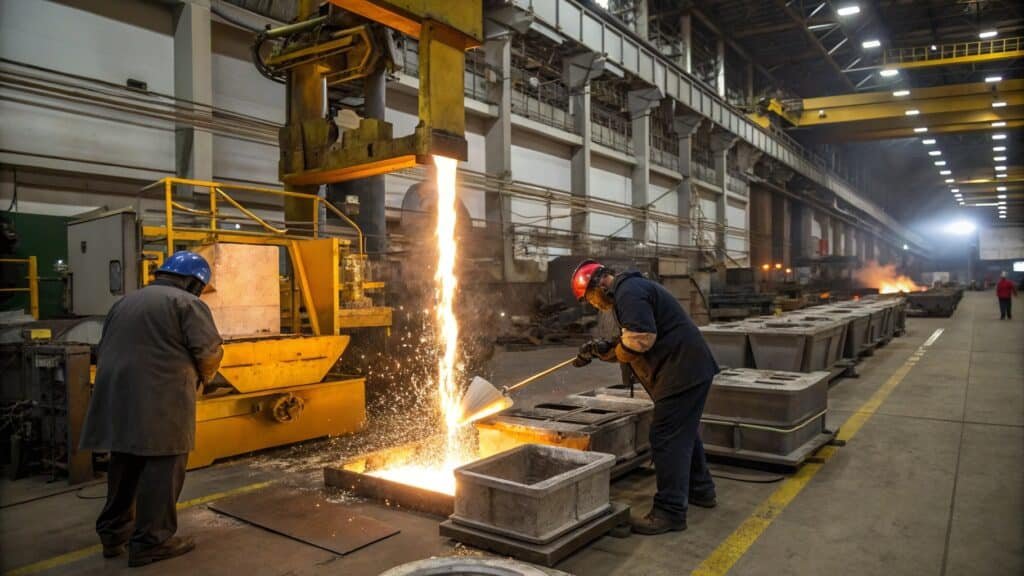
This is a classic "it depends" question. If you need a massive gear for a mining operation that runs at high temperatures, steel forging is the right choice. But for the vast majority of industrial and transportation applications our clients have, aluminum forging is the smarter solution. The key metric is the strength-to-weight ratio. A high-strength forged aluminum2 alloy like 7075 can have a strength comparable to many common steels, but at only one-third of the weight. This is a massive advantage. It means less energy is needed to move the part, there is less inertia in rotating assemblies, and installation is easier. Add to that aluminum's natural corrosion resistance, which eliminates the need for expensive coatings required for most steels, and the choice becomes clear. For modern engineering challenges, aluminum forging offers a more balanced and efficient solution.
What are the major advantages of the forging process?
You need to choose a manufacturing process for your parts. Without understanding the core advantages of each, you risk selecting a method that fails to meet your performance and reliability standards.
The major advantages are a superior grain structure that enhances strength and fatigue life, the elimination of internal defects like porosity for total reliability, and the ability to produce strong, near-net shapes that reduce machining costs.
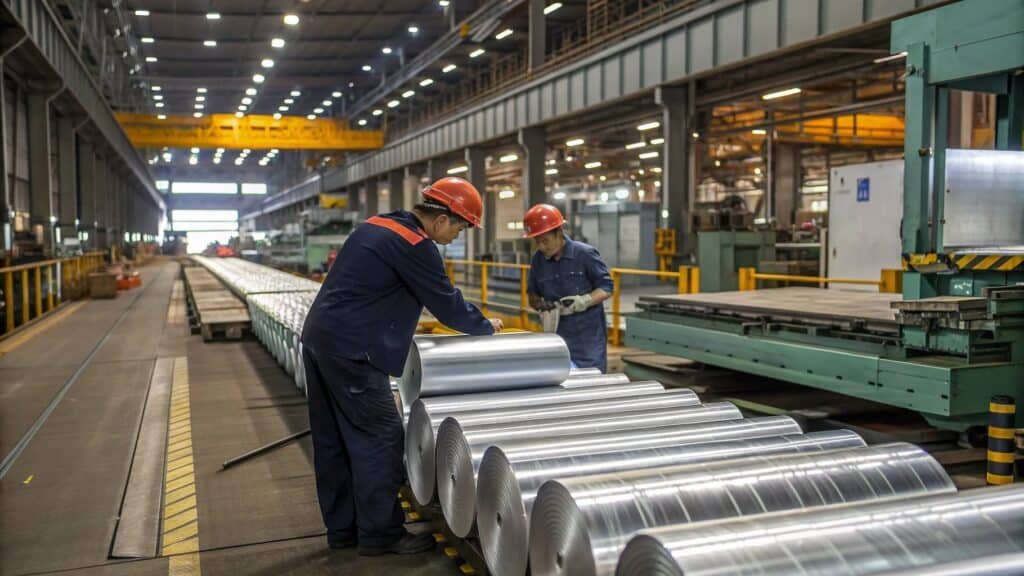
When I summarize the forging process for a new customer, I focus on three game-changing advantages. First is the grain structure. This is the most important one. We are not just shaping the metal; we are aligning its internal fibers to create directional strength. Second is structural integrity. Processes like casting trap gases, creating tiny bubbles or pores in the final part. These are built-in weak spots. The immense pressure of forging squeezes out any voids, creating a 100% solid and reliable material. Third is efficiency. While there is an initial tooling investment, forging can produce parts that are very close to their final shape. This "near-net shape" drastically reduces the amount of expensive and time-consuming machining required later, saving our customers money and speeding up their production schedules. These three advantages combined make forging the ultimate choice for any component where performance cannot be compromised.
Conclusion
True design flexibility is not just about shape, but about engineering strength directly into the form. Aluminum forging provides this metallurgical control, delivering unmatched performance and durability for your components.