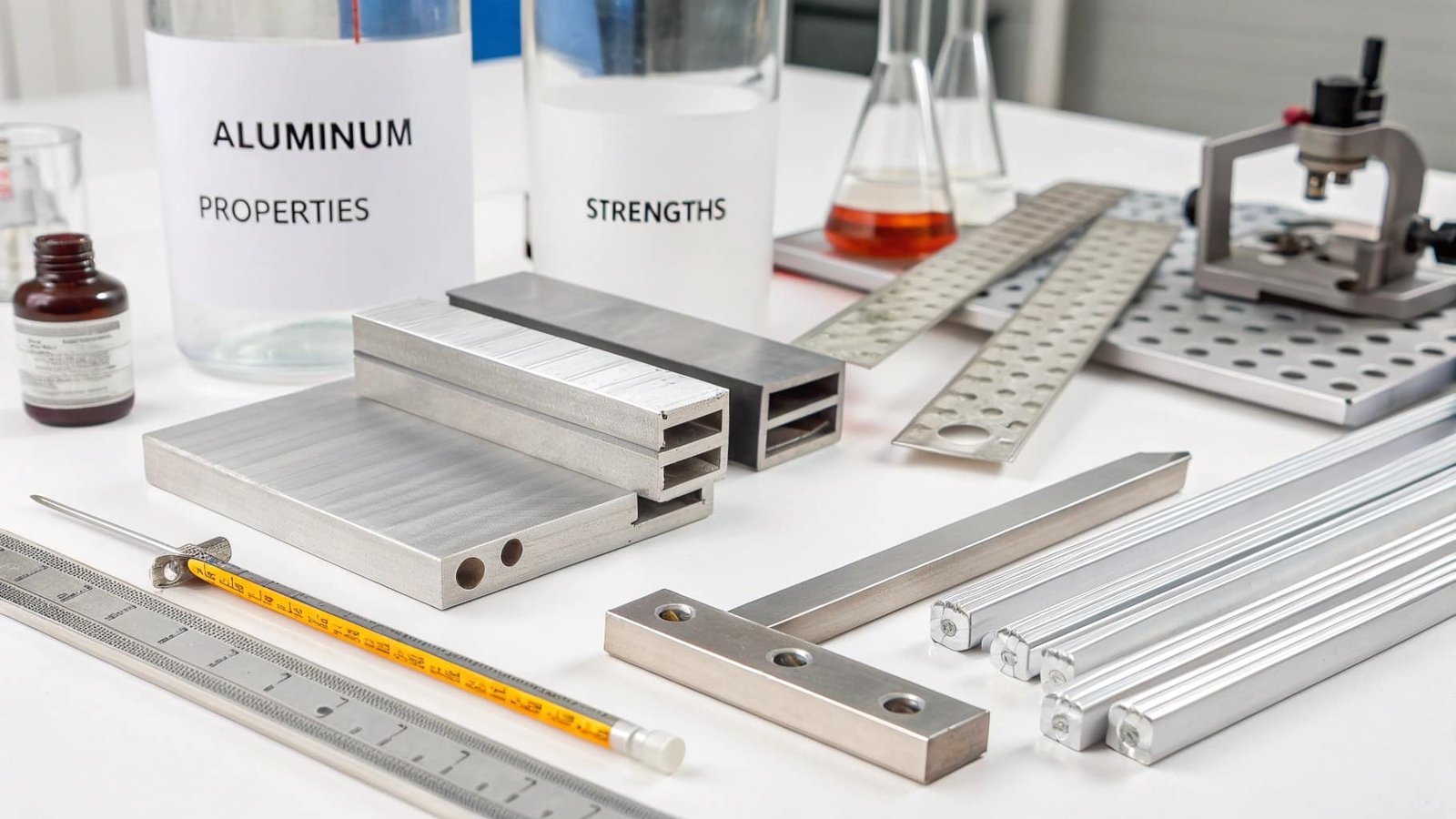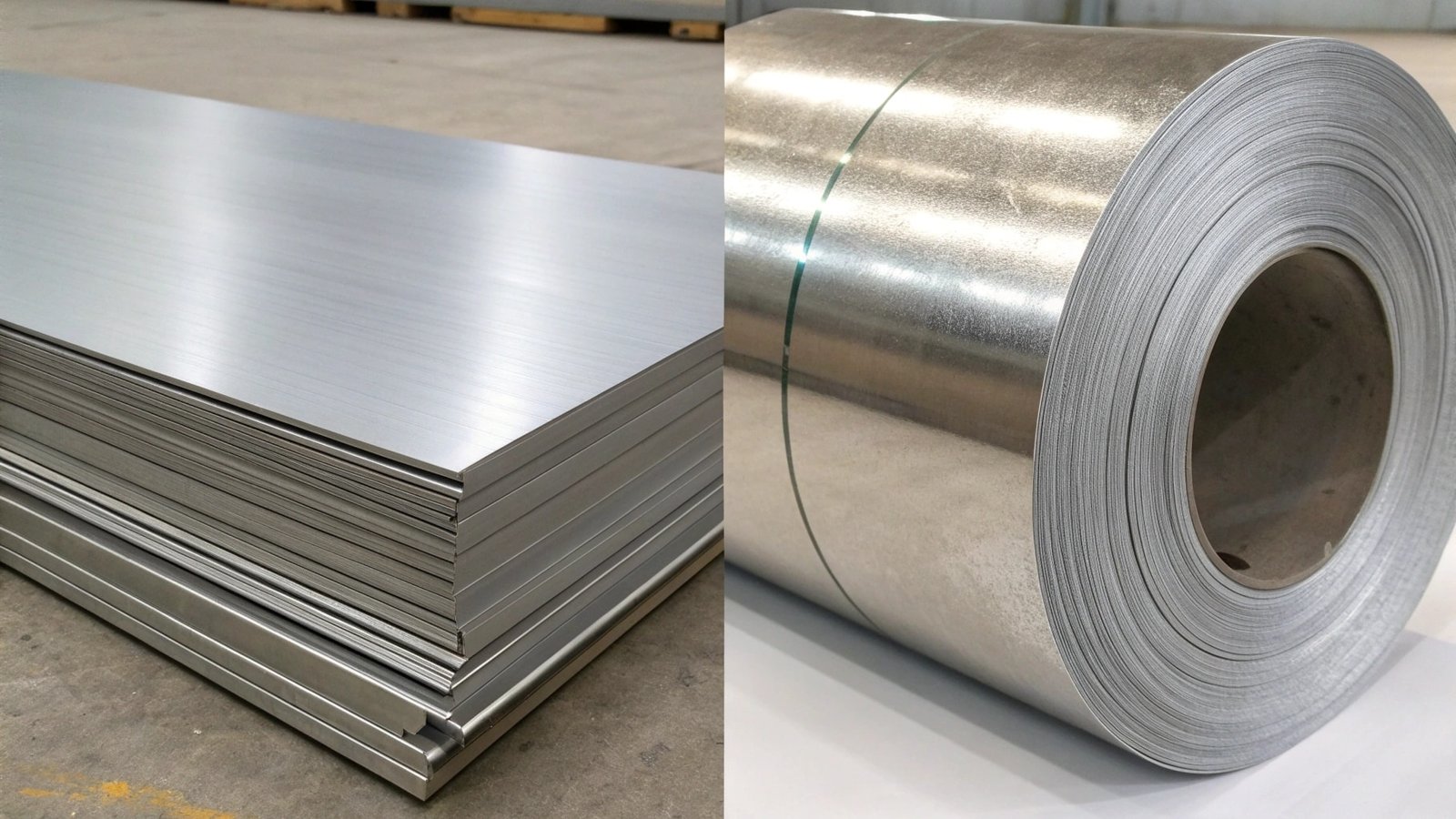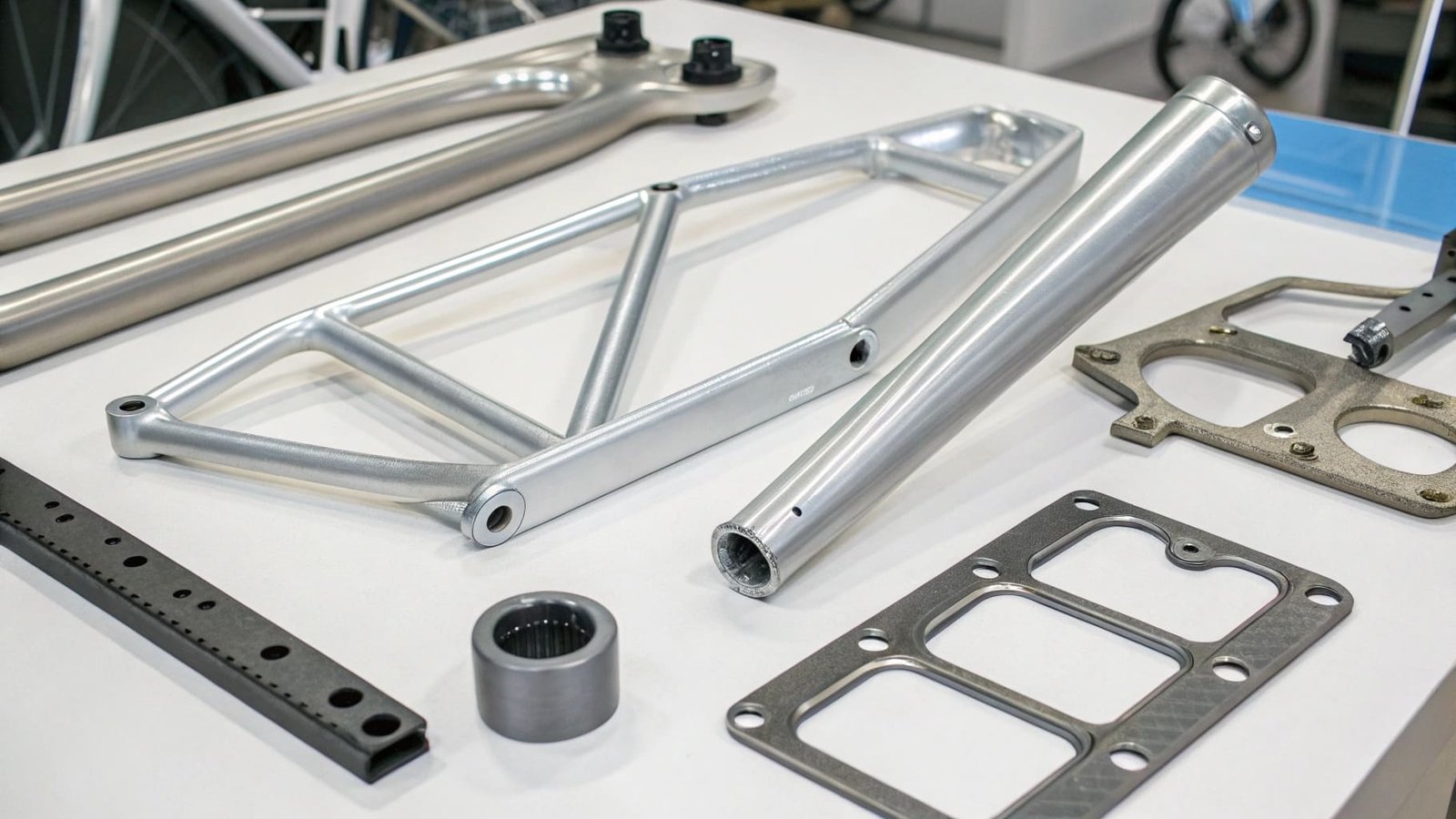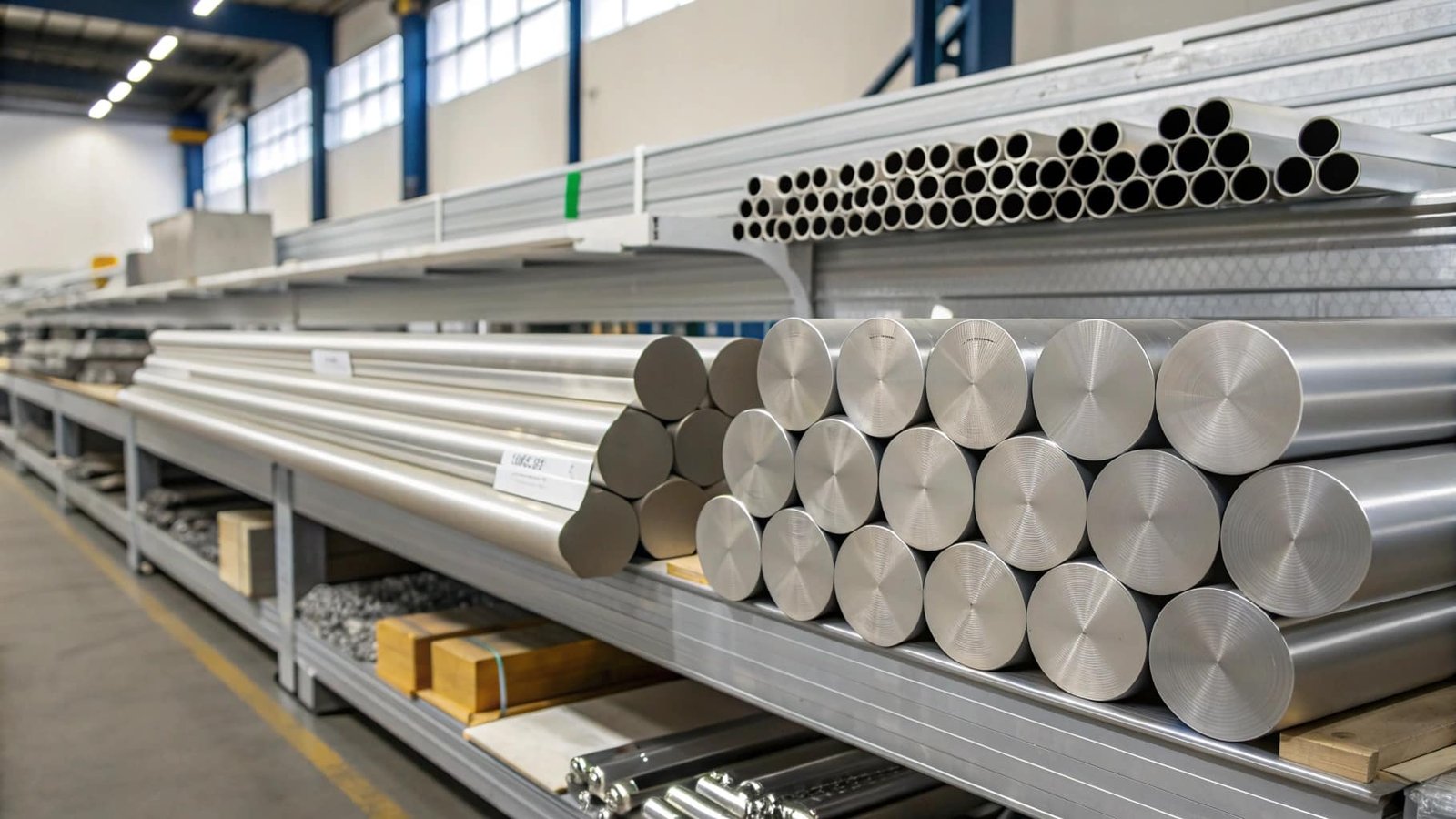
Are you trying to understand the different types of aluminum and what makes them suitable for specific uses? Aluminum alloys are key to unlocking its full potential.
Aluminum alloys are primarily categorized into eight main series, based on the main alloying elements added to aluminum: 1xxx (pure aluminum), 2xxx (aluminum-copper), 3xxx (aluminum-manganese), 4xxx (aluminum-silicon), 5xxx (aluminum-magnesium), 6xxx (aluminum-magnesium-silicon), 7xxx (aluminum-zinc), and 8xxx (other elements). Each series offers a distinct combination of properties, such as strength, corrosion resistance, weldability, and formability. For instance, 6061 is a highly versatile alloy known for its good balance of strength and workability, while 7075 is prized for its exceptional strength, making it suitable for very demanding applications. The choice of alloy depends entirely on the specific performance requirements of the final product, whether it's for aerospace1, automotive, marine, or general structural uses.
At SWA Forging, our core expertise is precisely in understanding and leveraging the unique characteristics of countless aluminum alloys2. We don't just work with standard materials; we specialize in customizing these alloys for our large-diameter forged rings and discs. By carefully selecting and processing specific alloys, we can significantly optimize properties like tensile strength, yield strength, corrosion resistance, and machinability to ensure our products perfectly match the unique demands of your industry and application, delivering performance that is tailored for excellence.
What are the two alloys of aluminium?
Are you asking for examples of specific aluminum alloys, perhaps thinking about commonly used ones that represent the diversity of formable aluminum materials? There are many, but two popular ones highlight different strengths.
When discussing "two alloys of aluminum," it's important to recognize there are hundreds. However, two of the most widely recognized and utilized aluminum alloys, each representing different property profiles, are 6061 and 7075. Alloy 6061 is a medium-to-high strength aluminum alloy known for its excellent combination of strength, corrosion resistance, weldability, and formability, making it a workhorse for general-purpose applications. In contrast, alloy 7075 is a very high-strength aluminum alloy, often considered one of the strongest available, although it has lower corrosion resistance and weldability compared to 6061. The "6" in 6061 indicates it's primarily an aluminum-magnesium-silicon alloy, while the "7" in 7075 signifies it's an aluminum-zinc alloy series.
| Alloy Name | Primary Alloying Elements | Key Characteristics | Common Applications |
|---|---|---|---|
| 6061 | Magnesium (Mg), Silicon (Si) | Good strength, excellent weldability & corrosion resistance | Structural components, bicycle frames, automotive parts |
| 7075 | Zinc (Zn), Magnesium (Mg), Copper (Cu) | Very high strength, good fatigue strength | Aircraft structures, high-stress components |
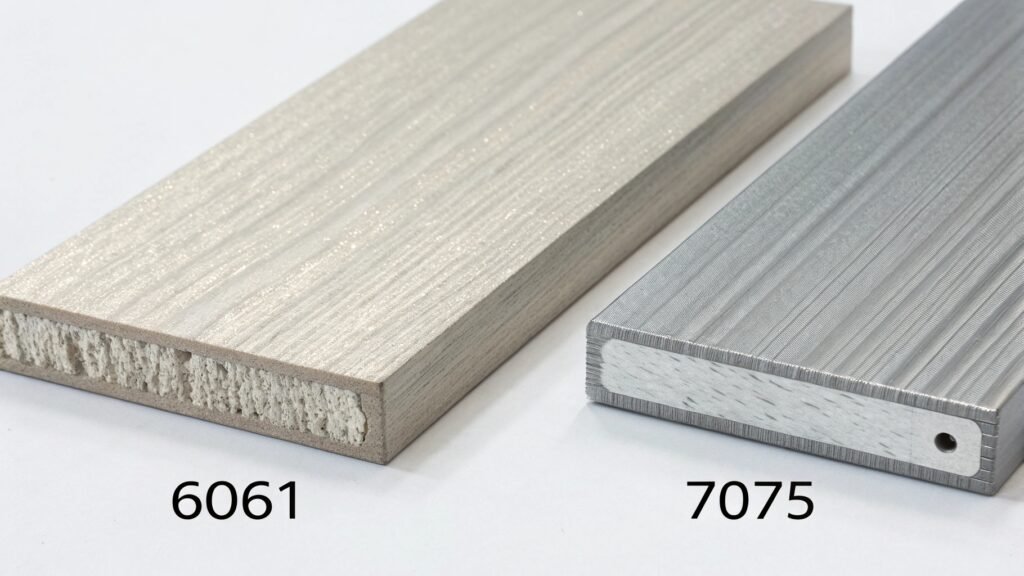
SWA Forging has deep expertise in both 60613 and 7075 alloys, among many others. We understand the nuances of each, using our forging capabilities to maximize their inherent strengths. Whether you require the balanced performance and ease of fabrication offered by 6061, or the extreme strength of 7075 for critical structural applications, our large-diameter forged components are engineered to deliver exceptional results, tailored precisely for your project's needs.
What are the types of aluminum alloys?
Are you looking for a broader classification of the different kinds of aluminum alloys available, understanding how they are grouped based on their composition and properties? The industry standard is a numbering system.
Aluminum alloys are classified into several main series, identified by a four-digit numbering system standardized by the Aluminum Association. The first digit indicates the major alloying element group: 1xxx series is pure aluminum (99% or more); 2xxx series is aluminum-copper; 3xxx series is aluminum-manganese; 4xxx series is aluminum-silicon; 5xxx series is aluminum-magnesium; 6xxx series is aluminum-magnesium-silicon; 7xxx series is aluminum-zinc; and 8xxx series includes alloys with other alloying elements. Within each series, the second digit indicates modifications to the original alloy or control of impurities, and the last two digits identify specific alloys within that series. Additionally, specific "tempers" (heat treatments or cold working states, denoted by letters like T6, H14, O) further define the properties of an alloy, significantly impacting its strength, hardness, and ductility.
| Series Number | Major Alloying Element(s) | General Characteristics |
|---|---|---|
| 1xxx | None (Pure Aluminum) | Excellent corrosion resistance, low strength, good formability |
| 2xxx | Copper (Cu) | High strength (heat-treatable), lower corrosion resistance |
| 3xxx | Manganese (Mn) | Moderate strength, good workability, good corrosion resistance |
| 4xxx | Silicon (Si) | Lower melting point (used in welding), good fluidity |
| 5xxx | Magnesium (Mg) | Good strength, excellent corrosion resistance (especially in marine) |
| 6xxx | Magnesium (Mg), Silicon (Si) | Medium-to-high strength, good formability, weldability, corrosion resistance |
| 7xxx | Zinc (Zn) | Very high strength (heat-treatable), lower corrosion resistance |
| 8xxx | Other elements (e.g., Fe, Ni) | Various specialized properties |
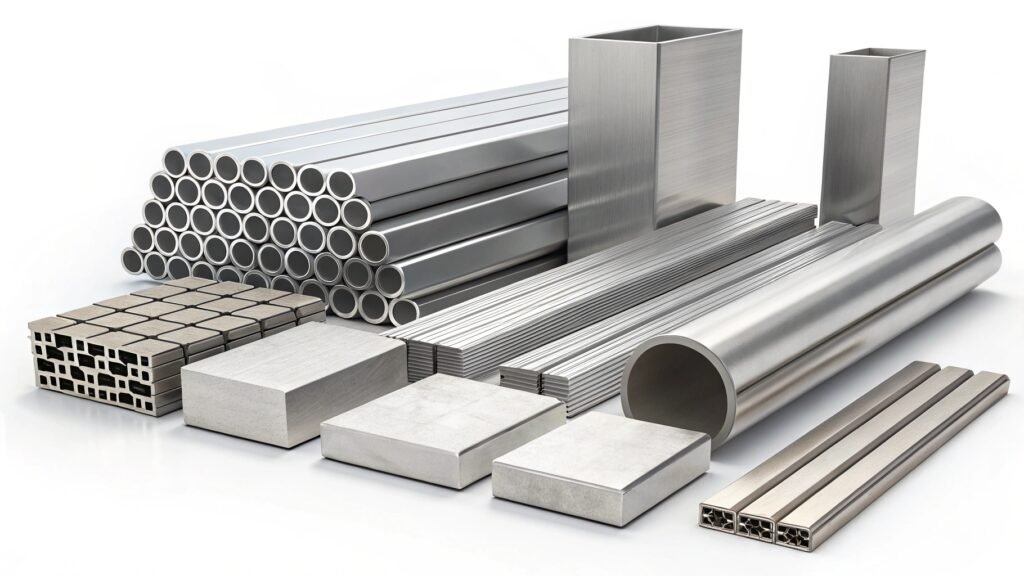
At SWA Forging, we extensively utilize this classification system to select and engineer the best aluminum alloys for our large-diameter forged components. Our deep understanding of these series allows us to choose alloys that best suit your application's needs, whether that requires the exceptional marine corrosion resistance4 of a 5xxx series, the balanced strength and weldability of a 6xxx series, or the extreme strength of a 7xxx series. We then apply precision forging to further enhance the specific properties of the chosen alloy.
Which is an alloy of aluminium?
Are you trying to identify an example from a list or general knowledge, distinguishing a specific aluminum alloy from other materials or simpler forms of aluminum? Identifying alloys is about recognizing their composition or common names.
An alloy of aluminum is any material where aluminum is the primary metal, but other elements have been added to modify its properties. For example, 6061, 7075, and 5052 are all common alloys of aluminum. If you were given a list, you would look for materials whose names include "aluminum" followed by a series number (like 6061) or a specific designation (like Duralumin, which is an older term for certain high-strength aluminum alloys). Pure aluminum metal, on the other hand, would typically be referred to as "pure aluminum" or an alloy from the 1xxx series. When an element like copper, zinc, silicon, or magnesium is mixed with aluminum, it creates an alloy designed for specific performance characteristics that pure aluminum alone cannot achieve.
| Example Alloy | Composition Basis | Primary Use Case |
|---|---|---|
| 6061 | Aluminum-Magnesium-Silicon | General structural, automotive, marine |
| 7075 | Aluminum-Zinc-Magnesium-Copper | Aerospace, high-stress applications |
| 5052 | Aluminum-Magnesium | Marine applications, sheet metal, automotive fuel tanks |
| Pure Aluminum | 99%+ Aluminum (1xxx series) | Electrical conductors, packaging, chemical equipment |

SWA Forging works exclusively with aluminum alloys to create our high-performance large-diameter forged components. We can expertly work with a wide range of these alloys, understanding their unique compositions and how they respond to our forging processes. Whether you're identifying a need for a robust alloy like 6061 for general structures or require the exceptional strength of 7075 for critical parts, we have the expertise to deliver precisely what you need from a specific aluminum alloy.
Which is better, 6061 or 7075 aluminum?
Are you weighing the pros and cons of 6061 and 7075 aluminum for your project and need to know which one is "better"? The answer is not absolute; it depends entirely on your specific application needs.
Neither 6061 nor 7075 aluminum is universally "better"; each alloy excels in different areas. 7075 aluminum is significantly stronger than 6061, offering a higher tensile and yield strength. This makes it the superior choice for applications demanding maximum strength-to-weight ratios, such as critical aircraft components, high-performance sporting equipment, and parts subjected to extreme stress. However, 7075 is more difficult to work with; it has lower corrosion resistance, especially in certain environments, and is generally not recommended for welding. On the other hand, 6061 aluminum offers a more balanced set of properties. It provides good strength for many structural applications, excellent corrosion resistance, superior weldability, and excellent formability, making it more versatile and easier to fabricate. Therefore, if your priority is maximum strength, 7075 is better. If you need a balance of good strength, superior corrosion resistance, and ease of fabrication, 6061 is the better choice.
| Feature | 6061 Aluminum | 7075 Aluminum |
|---|---|---|
| Strength | Good to very good (balanced) | Excellent (very high) |
| Corrosion Resistance | Excellent | Moderate to good (less than 6061) |
| Weldability | Excellent | Poor (generally not recommended) |
| Formability | Excellent | Fair to good (less than 6061) |
| Cost | Generally lower | Generally higher |
| Typical Applications | Structural parts, bike frames, automotive parts | Aircraft frames, high-stress structural parts |
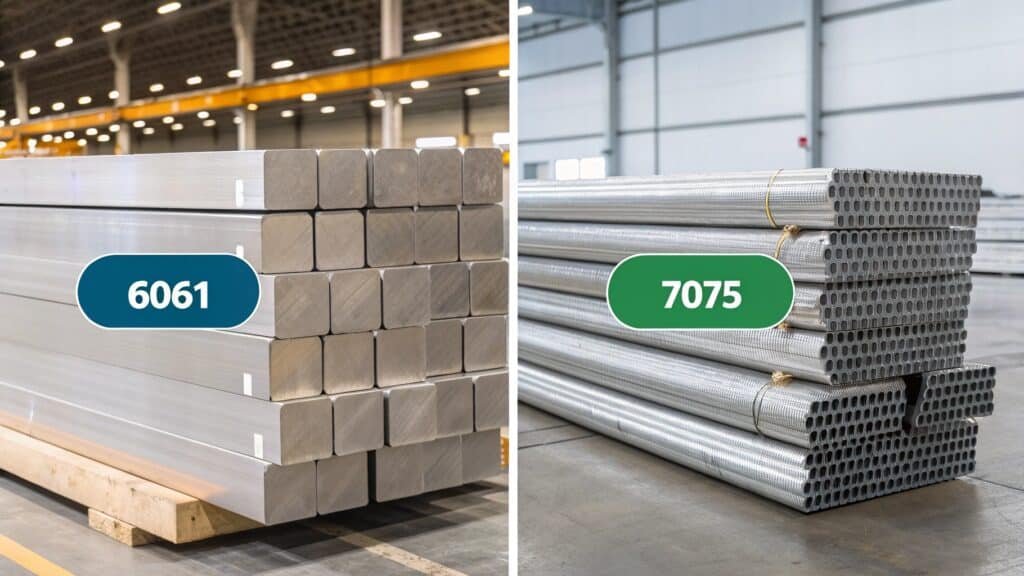
SWA Forging's specialization in large-diameter forged components means we are adept at working with both 6061 and 7075 alloys, as well as many others. We don't just fabricate; we consult. Understanding your application's specific requirements – be it ultimate strength for flight-critical parts or durable strength with excellent corrosion resistance for marine structures – is paramount. We then employ precision forging techniques to maximize the chosen alloy's best characteristics, ensuring you receive a component that is not merely "better," but precisely the right material for your performance needs.
Conclusion
Aluminum alloys offer diverse properties through alloying. Series like 6xxx (balanced), 7xxx (high strength), and 5xxx (corrosion resistance) are engineered for specific needs, crucial for selecting the right material.
-
Discover the aluminum alloys that meet the demanding requirements of the aerospace industry. ↩
-
Explore this link to understand the various aluminum alloys and their unique properties for specific applications. ↩
-
Learn about 6061 aluminum's versatility and applications, making it a popular choice in various industries. ↩
-
Explore how different aluminum alloys offer varying levels of corrosion resistance. ↩