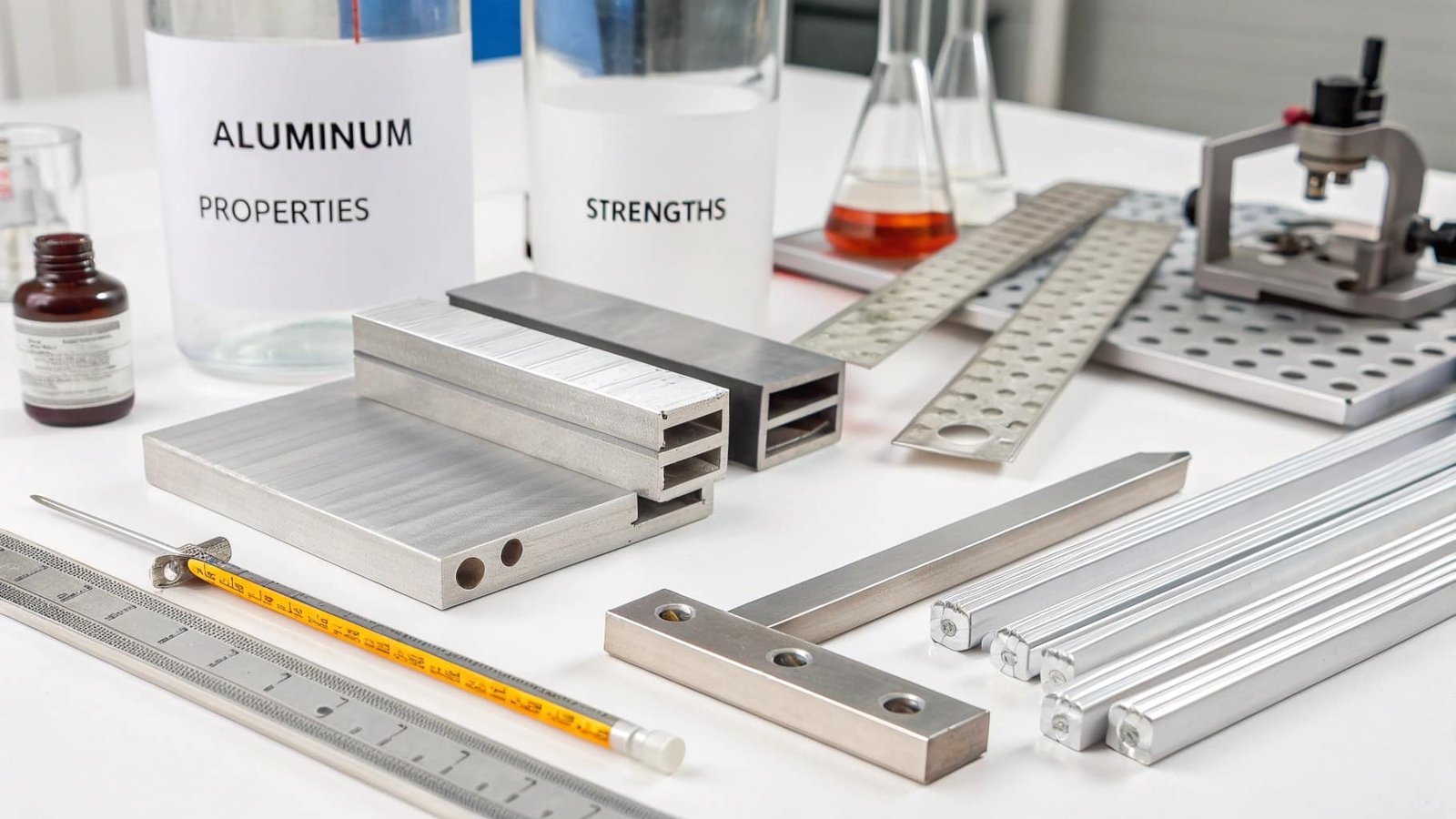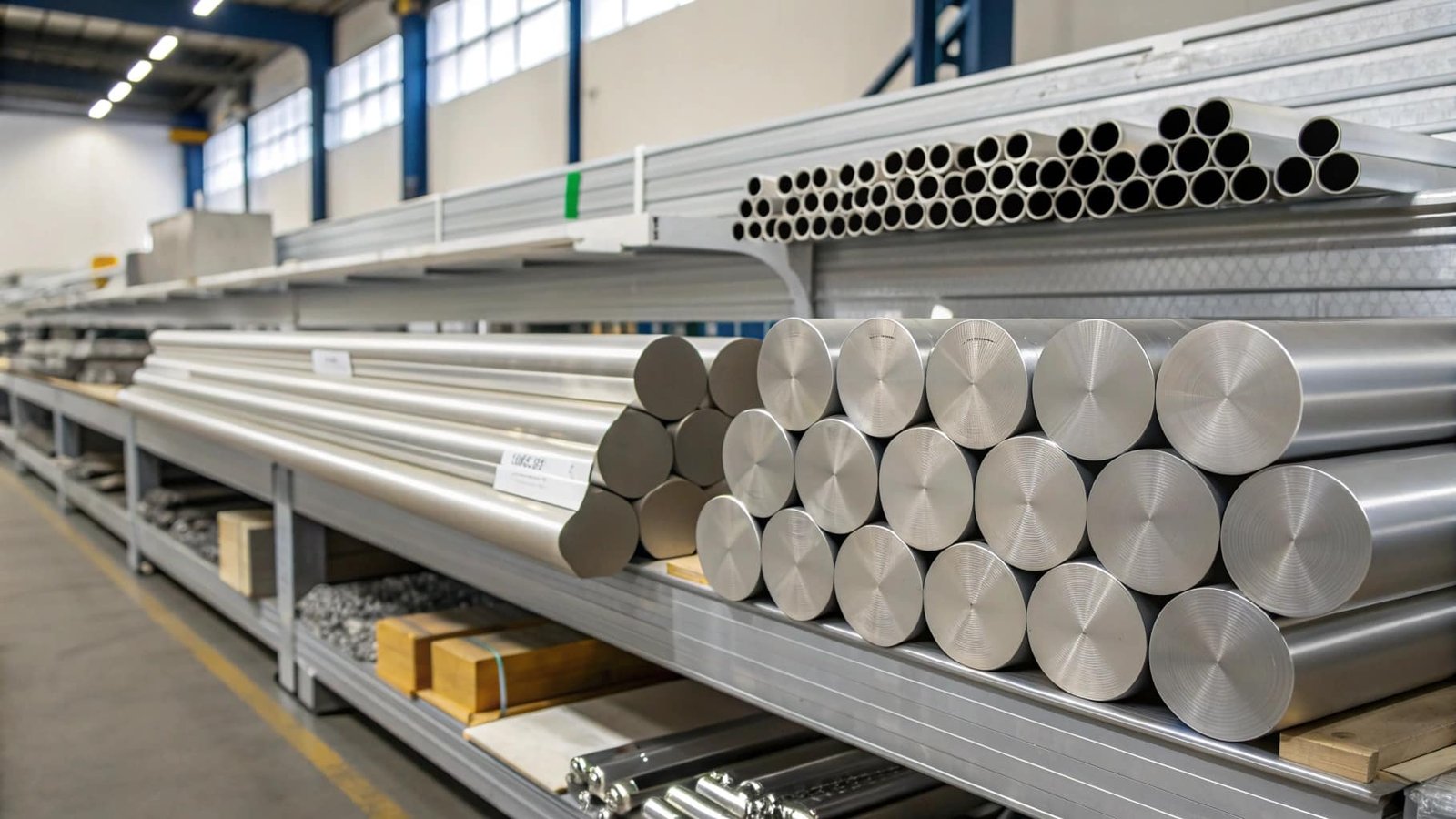
Are you searching for aluminum bars that offer maximum strength for demanding applications? Knowing the strongest alloys and their distinctions is key to making the right choice.
The strongest aluminum alloy typically available is in the 7xxx series, particularly alloy 70751, especially when in its T6 or T651 temper. The difference between 7075 and 6082 aluminum lies in their strength and composition; 7075 is a much stronger aluminum-zinc alloy, often used in aerospace, while 6082 is a stronger medium-strength aluminum-magnesium-silicon alloy, often used in structural applications. 6061 and 6061-T6 are not the same; 6061 refers to the alloy composition, while T6 is a specific temper (heat treatment) that imparts significant strength to the 6061 alloy. The difference between 6063 and 6082 aluminum is primarily in their strength and application; 6063 is known for its excellent extrudability and surface finish, making it ideal for architectural applications, while 6082 offers considerably higher strength and load-bearing capabilities, making it more suitable for structural components.
While standard aluminum bars in these high-strength alloys are readily available, SWA Forging offers a distinct advantage for large-diameter applications. We specialize in custom forged aluminum solutions, which provide exceptionally tailored mechanical properties, superior strength through controlled grain structure, and enhanced performance that goes far beyond what standard extruded bars can offer, making them ideal for heavy-duty and critical applications where standard materials simply don't suffice.
Which aluminum is the strongest?
Are you trying to pinpoint the single aluminum alloy that offers the highest level of mechanical strength for the most demanding situations? Pinpointing the strongest alloy is crucial for critical designs.
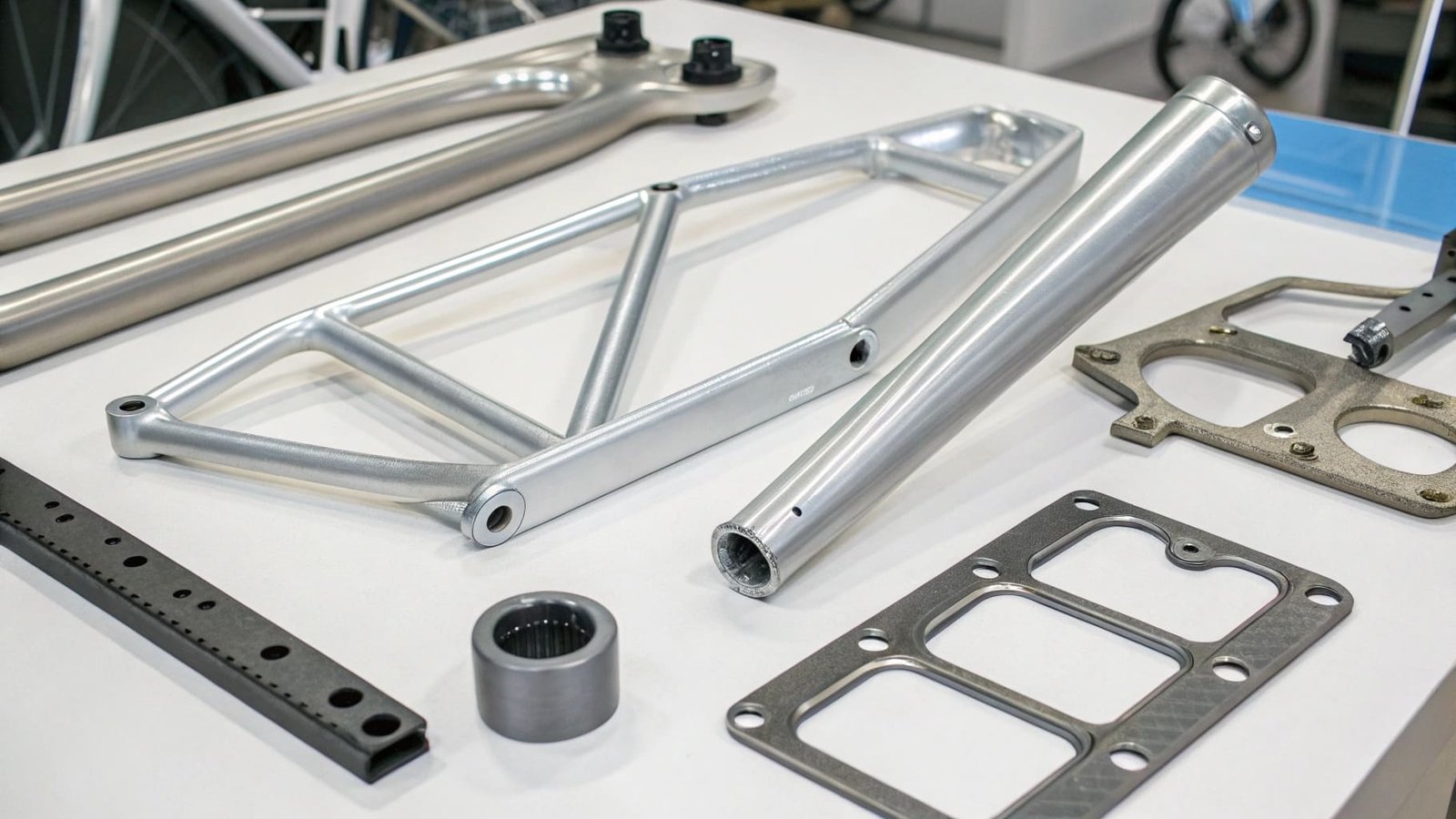
Generally, the aluminum alloy considered the strongest is 7075. This alloy belongs to the aluminum-zinc series (7xxx). Its exceptional strength, especially in its heat-treated T6 temper (7075-T6), often rivals that of many steels. It possesses very high tensile and yield strengths, making it a preferred choice for applications where weight savings are critical but structural integrity cannot be compromised. These include high-performance applications like aircraft structures, military applications, and high-end sporting goods. While 7075 is the strongest in terms of raw tensile and yield strength, other alloys might offer better specific properties like fatigue resistance or fracture toughness depending on the application's exact demands.
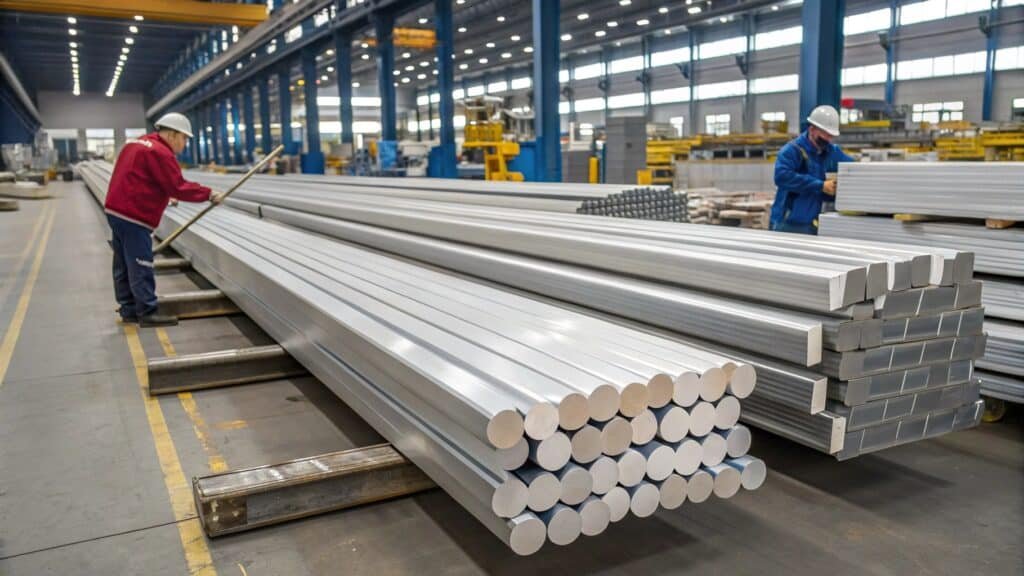
SWA Forging works extensively with high-strength alloys like 7075. However, our expertise lies not just in using the strongest alloys, but in enhancing their properties through custom forging techniques for large-diameter components. While 7075-T6 itself is incredibly strong, our forging process for rings and discs can further refine its grain structure and mechanical performance, ensuring optimal strength and durability in tailored, large-scale applications where standard bar stock would be insufficient.
What is the difference between 7075 and 6082 Aluminium?
Are you trying to understand the key distinctions between two popular, relatively strong aluminum alloys, 7075 and 6082? Knowing their differences helps in selecting the right one.
The primary differences between 7075 and 6082 aluminum alloys lie in their strength, composition, and typical applications. 7075 is part of the aluminum-zinc series and is one of the highest-strength aluminum alloys available, designed for aerospace and high-stress applications. It offers excellent strength-to-weight ratios but has moderate corrosion resistance2 and poor weldability. Its major alloying elements are zinc, magnesium, and copper. 6082, on the other hand, is an aluminum-magnesium-silicon alloy from the 6xxx series. It is considered a medium to high-strength alloy, offering good strength, excellent corrosion resistance, and good weldability. It is commonly used for structural applications, machine parts, and transportation projects. While 6082 is strong, 7075 is significantly stronger.
| Feature | 7075 Aluminum | 6082 Aluminum |
|---|---|---|
| Series | 7xxx (Aluminum-Zinc) | 6xxx (Aluminum-Magnesium-Silicon) |
| Primary Alloying | Zinc, Magnesium, Copper | Magnesium, Silicon |
| Strength | Very High (highest available) | Medium to High |
| Corrosion Resistance | Moderate | Good |
| Weldability | Poor | Good |
| Typical Use | Aerospace, high-stress components | Structural parts, transport, frames |
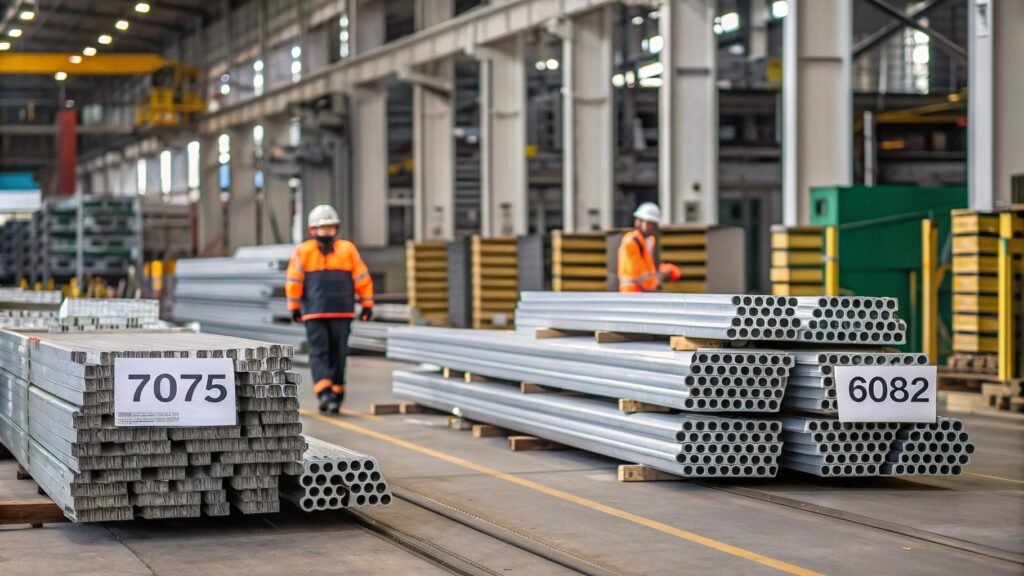
SWA Forging works with both these high-performance alloy families to create custom forged components. For applications demanding the absolute highest strength, we can forge 7075 into large rings and discs. For robust structural applications where good strength combined with weldability and corrosion resistance is key, we utilize alloys like 6082. Our forging process ensures that the properties of these alloys are optimized for large-diameter parts, extending their capabilities well beyond standard bar forms.
Are 6061 and 6061-T6 the same?
Are you looking for clarification on the nomenclature used for aluminum alloys and tempers, specifically regarding 6061 and 6061-T63? It's a common point of confusion.
No, 6061 and 6061-T6 are not entirely the same, though they are closely related. 6061 refers to the aluminum alloy composition itself. It's an alloy in the 6xxx series, primarily composed of aluminum, magnesium, and silicon. This composition provides a good balance of strength, corrosion resistance, formability, and weldability. 6061-T6 specifies both the alloy composition (6061) and its temper (T6). The "T6" designation indicates that the alloy has undergone a solution heat treatment followed by artificial aging. This specific heat treatment process significantly increases the strength and hardness of the 6061 alloy compared to its annealed or solution-treated state. Therefore, 6061-T6 is a heat-treated condition of the 6061 alloy that possesses much higher mechanical properties.
| Term | Refers To | Description |
|---|---|---|
| 6061 | Alloy Composition | Primary elements: Aluminum, Magnesium, Silicon. Good all-around properties. |
| T6 | Temper (Heat Treatment) | Solution heat-treated and artificially aged, significantly increasing strength. |
| 6061-T6 | Alloy Composition & Temper | The specific, strengthened condition of the 6061 alloy. |
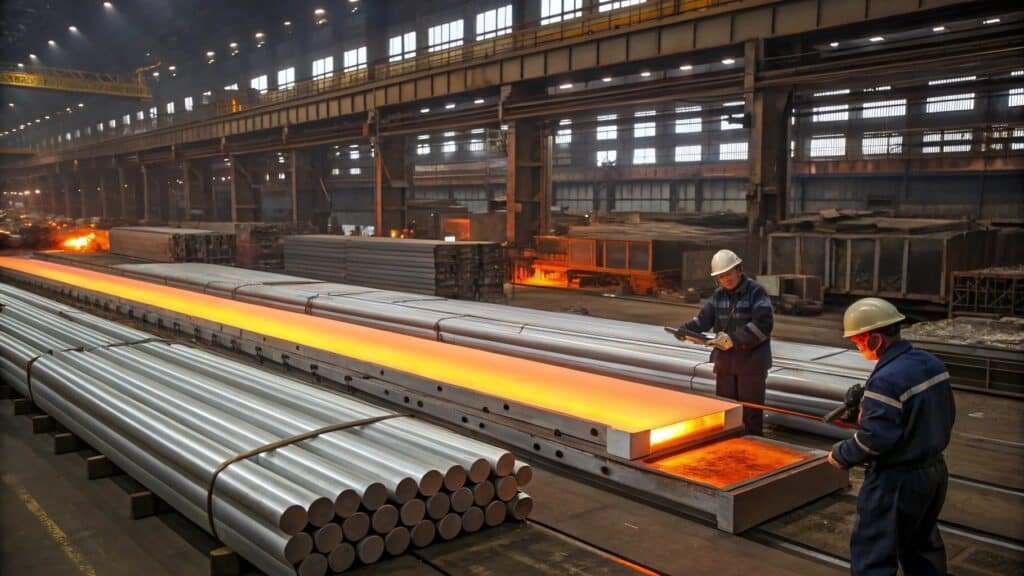
At SWA Forging, we often work with 6061-T6 for its excellent balance of properties, especially when clients need robust, medium-strength aluminum components for large-diameter applications. Our forging process allows us to further optimize the mechanical characteristics that the T6 temper provides, ensuring that our large forged rings and discs deliver superior performance and reliability, even in applications that might typically use standard 6061-T6 bar stock but require the advanced capabilities of forging.
What is the difference between 6063 and 6082 aluminium?
Are you trying to differentiate between two common alloys from the 6xxx series, 6063 and 6082, based on their properties and common uses? They offer distinct advantages.
The main differences between 6063 and 6082 aluminum alloys lie in their strength, composition, and extrusion characteristics. 6063 is primarily an aluminum-magnesium-silicon alloy optimized for excellent extrudability and a superior surface finish. This makes it the go-to alloy for architectural applications like window frames, door frames, and decorative trim, where aesthetics and ease of fabrication are paramount. It has moderate strength. 6082, on the other hand, also an aluminum-magnesium-silicon alloy, is characterized by its significantly higher strength and load-bearing capacity. It contains additional elements like manganese to boost its strength. While it can be extruded, it's not as easily formed into complex shapes as 6063. 6082 is more suited for structural applications, such as bridges, cranes, and vehicle components, where mechanical strength is the primary concern over surface finish or intricate extrusion profiles.
| Feature | 6063 Aluminum | 6082 Aluminum |
|---|---|---|
| Primary Use | Architectural, decorative, extrusions | Structural, load-bearing components |
| Strength | Moderate | Medium to High (significantly higher than 6063) |
| Extrudability | Excellent | Good, but less intricate than 6063 |
| Surface Finish | Excellent | Good |
| Composition | Al-Mg-Si | Al-Mg-Si (with added Mn for strength) |

At SWA Forging, we focus on producing large-diameter forged components from alloys designed for high performance and strength. While 6063 excels in extrusions, our expertise is applied to alloys like 6082 and the even stronger 7xxx series. We leverage our forging capabilities to engineer custom rings and discs that maximize the inherent strength of these materials, delivering superior mechanical integrity for demanding industrial and heavy-duty applications where the properties of 6063 would be insufficient.
Conclusion
High-strength aluminum alloys like 7075 offer maximum strength. SWA Forging's custom forgings provide even greater tailored strength for large-diameter applications.
-
Explore the unique properties of 7075, the strongest aluminum alloy, and its applications in aerospace and high-stress environments. ↩
-
Explore aluminum alloys known for their corrosion resistance and their ideal applications. ↩
-
Understand how the T6 temper enhances the mechanical properties of 6061 aluminum alloy. ↩