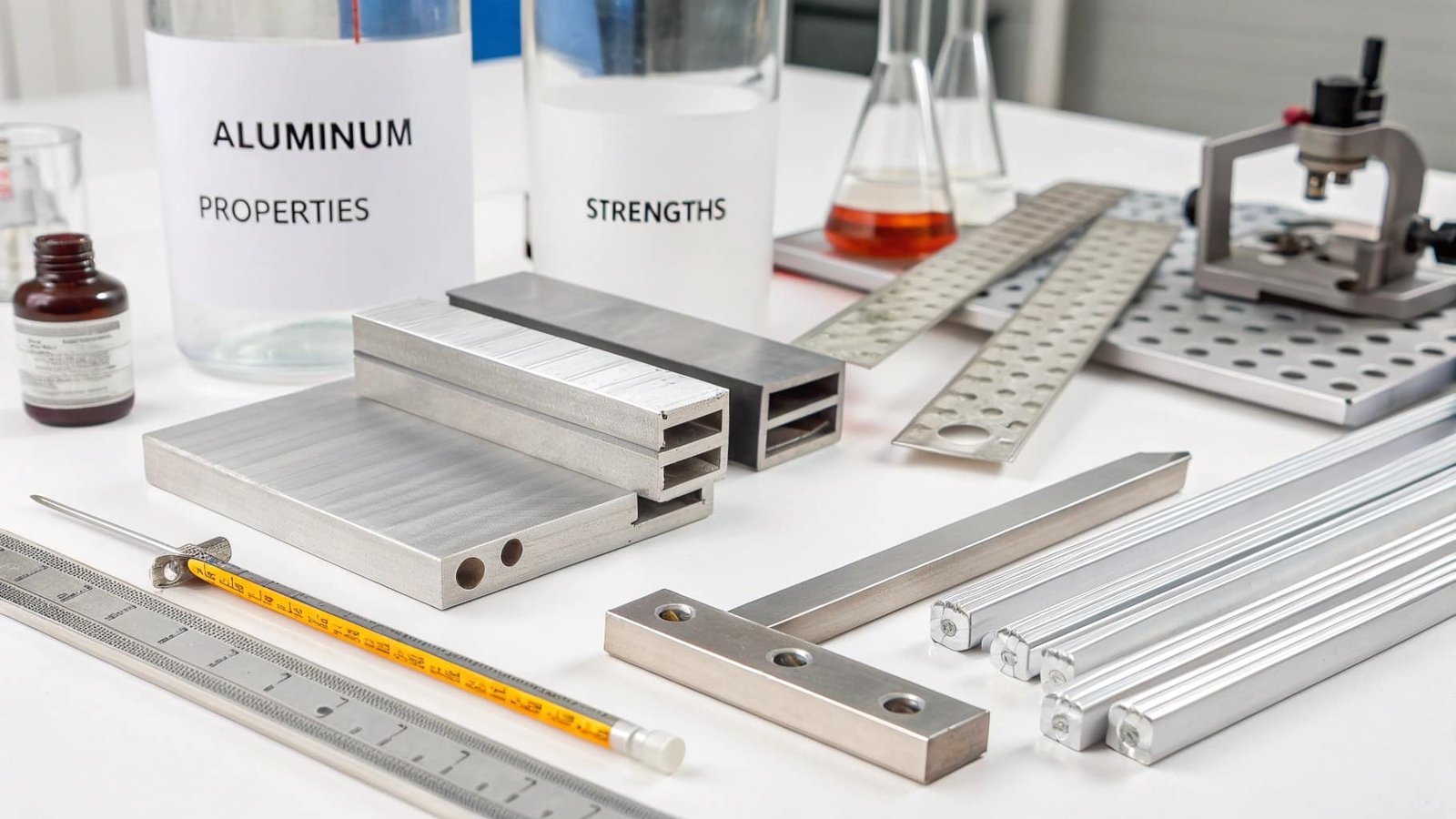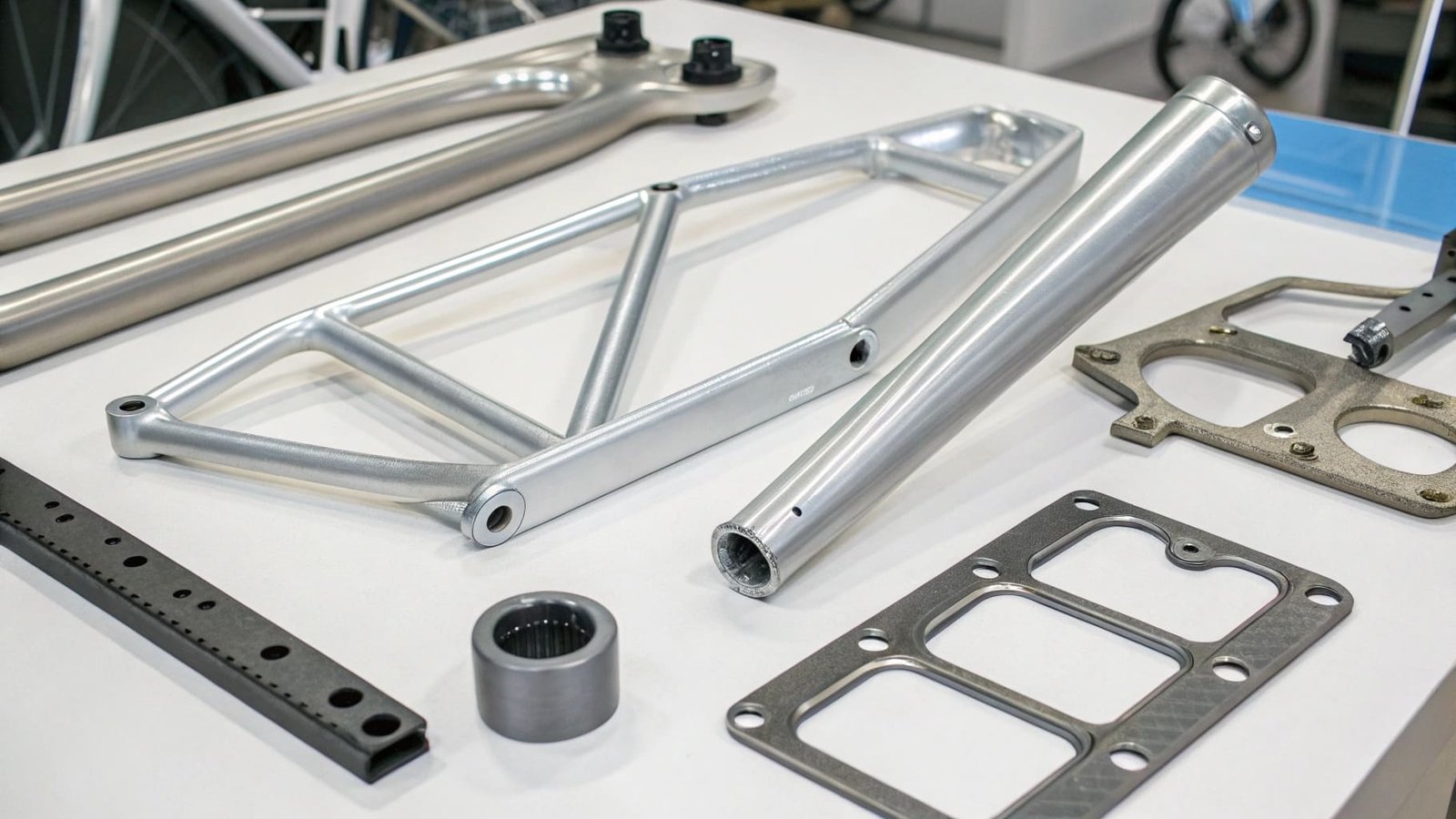
Facing limitations with standard aluminum tubes? Discover how SWA Forging's custom-forged rings and discs provide the superior strength and performance your critical applications demand.
When standard aluminum tubes fall short in strength, precision, or durability, SWA Forging offers custom-forged aluminum rings and discs, engineered from high-performance alloys to meet the rigorous demands of aerospace, automotive, and heavy machinery sectors.
Many of our clients come to SWA Forging because standard aluminum tubing simply doesn't meet their performance requirements. Whether it's a need for greater load-bearing capacity, enhanced structural integrity, or superior resistance to fatigue and stress, our custom forging capabilities provide a solution that standard manufactured tubes often cannot. We focus on creating components that deliver reliability and strength where it matters most.
What is the strongest aluminum tubing?
Determining the "strongest" aluminum tubing depends on the specific properties you need, such as tensile strength, yield strength, or hardness, and the alloy used.
The strongest aluminum tubing is typically made from high-strength alloys like 7075 or 7050, especially when heat-treated to their peak tempers (like T6 or T7351). These alloys offer exceptional tensile and yield strengths, making them ideal for demanding aerospace and structural applications where weight and strength are critical.
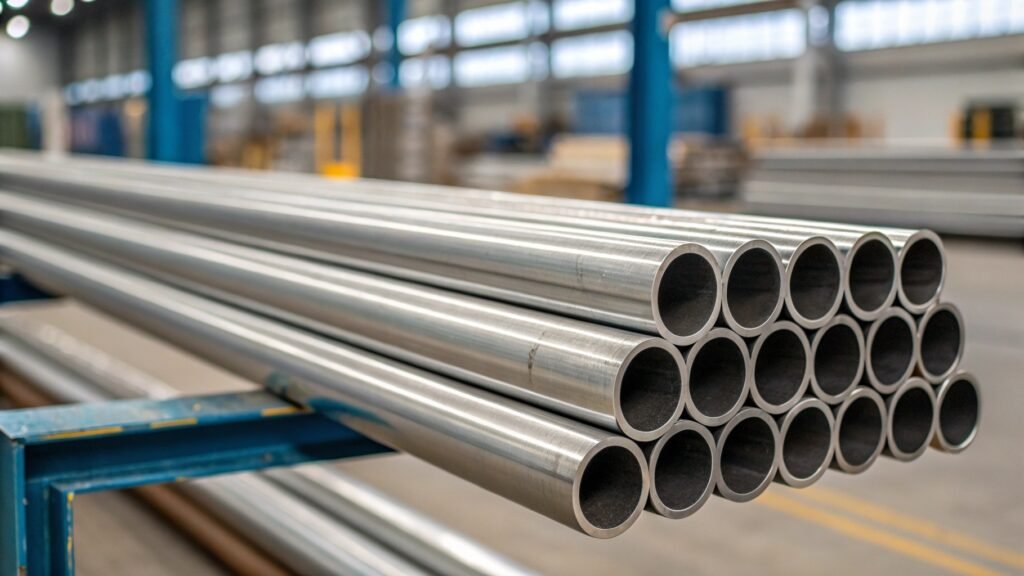
When discussing material selection, especially for components that need to withstand significant stress, understanding which aluminum alloys offer the highest mechanical properties is crucial. At SWA Forging, we often work with these high-strength alloys in our forging processes to create robust rings and discs that outperform standard tubing in critical applications.
Here's a look at some of the strongest aluminum alloys commonly available in tubing form:
- 7075: This is one of the highest-strength aluminum alloys available. Its strength is comparable to many steels, making it a preferred choice for aircraft structural components, high-stress applications, and precision machined parts. It requires careful handling and is not as corrosion-resistant as other alloys.
- 7050: Developed for improved performance in thicker sections, 7050 is also a very high-strength alloy, often used in aerospace applications like fuselage structures and wing components. It offers better resistance to stress corrosion cracking than some other 7xxx series alloys.
- 2024: This alloy, known for its fatigue resistance and strength, is another common choice for aerospace, particularly for aircraft skins and structural elements. It offers good strength but has moderate corrosion resistance.
- 6061 (T6 Temper): While not as strong as the 7xxx series, 6061 in its T6 temper is a very popular and strong alloy for general structural use. It offers a good balance of strength, corrosion resistance, weldability, and formability, making it widely used in many industries.
The choice of alloy, combined with the manufacturing process (tube vs. forging), significantly impacts the final strength and performance of an aluminum component.
What can I cut aluminum tubing with?
Cutting aluminum tubing effectively depends on the size of the tubing, the desired finish, and the tools available to you.
You can cut aluminum tubing with various tools, including hacksaws for small diameters and occasional cuts, metal-cutting power saws (like abrasive chop saws or dry-cut saws) for faster and cleaner cuts, band saws for precise cuts, and specialized tube cutters for burr-free results, especially for thinner-walled tubing.
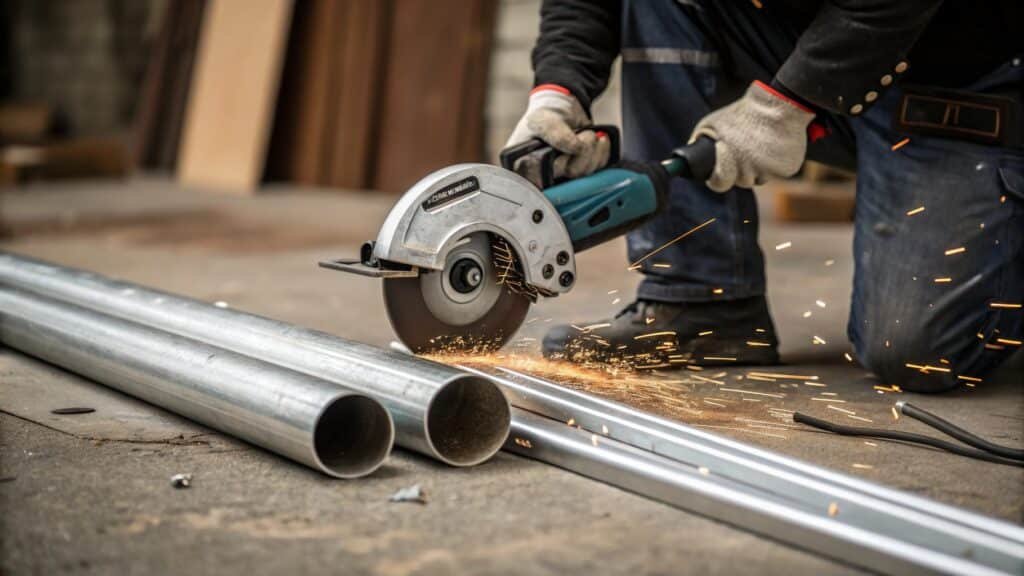
Clients often ask about how to work with aluminum, and cutting is a fundamental process. Whether they are modifying a component or preparing material for a forging, knowing the right tools makes the job easier and ensures a better result. Proper cutting prevents damage to the material and ensures it's ready for the next step, whether that's machining, welding, or fitting.
Here are common tools and methods for cutting aluminum tubing:
- Hacksaw: For small diameter tubing or when power tools are not available, a fine-toothed hacksaw (with blades designed for metal) can be used. It requires steady strokes and a good cutting fluid to prevent the aluminum from gumming up the blade.
- Tube Cutter: These tools work similarly to pipe cutters, using a sharp wheel to score and slice through the tubing. They are excellent for producing clean, burr-free cuts, especially on thinner-walled tubing, and are ideal for plumbing or precise fitting applications.
- Metal-Cutting Power Saw (Chop Saw/Abrasive Saw): A chop saw equipped with an abrasive cut-off wheel or a specialized metal-cutting blade (like a carbide-tipped blade) can cut through aluminum tubing quickly and efficiently. It's crucial to use a slow speed and a cutting lubricant.
- Bandsaw: A metal-cutting bandsaw with a fine-tooth blade is another excellent option for precise and clean cuts, especially for thicker-walled tubing or when making angled cuts.
- Reciprocating Saw (Saber Saw): With the right metal-cutting blade, a reciprocating saw can cut aluminum tubing, though the cut might be less precise and produce more burrs than other methods.
- CNC Machining: For very high precision and automated cutting, CNC mills or lathes can be programmed to cut aluminum tubes to exact specifications.
Always remember to secure the tubing properly before cutting and wear safety glasses and gloves.
What strengthens aluminum?
Aluminum can be strengthened through several methods, primarily alloying and heat treatment, but mechanical working also plays a role.
Aluminum is strengthened primarily through alloying, where adding specific elements like copper, magnesium, zinc, and silicon changes its crystal structure and increases its resistance to deformation. Heat treatment, particularly precipitation hardening, further enhances its strength by creating tiny, dispersed particles within the metal that impede dislocation movement.
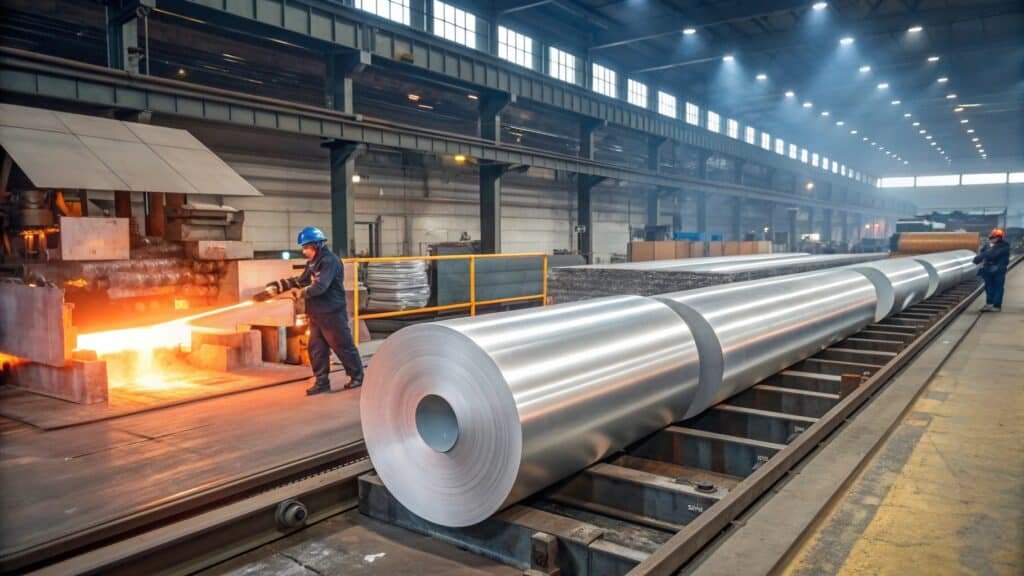
Understanding how aluminum gains strength is fundamental to why we choose certain alloys and processes at SWA Forging. The inherent properties of aluminum alloys, combined with controlled manufacturing techniques, allow us to produce components with significantly enhanced mechanical performance compared to basic aluminum.
Here are the primary ways aluminum is strengthened:
- Alloying: This is the most common and effective method. Adding other elements to pure aluminum creates metallic bonds that interfere with the movement of atoms. This makes the material harder and stronger. For example, adding copper, magnesium, zinc, or silicon significantly increases aluminum's strength.
- Heat Treatment (Precipitation Hardening): Many aluminum alloys (like the 2xxx, 6xxx, and 7xxx series) can be strengthened significantly through a process called precipitation hardening. This involves:
- Solution Treatment: Heating the alloy to a high temperature to dissolve alloying elements into a solid solution.
- Quenching: Rapidly cooling the metal to lock the alloying elements into a supersaturated solid solution.
- Aging (Precipitation Treatment): Heating the metal to a lower temperature (or allowing it to age at room temperature) causes the dissolved elements to precipitate out as tiny, uniformly dispersed particles. These particles act as obstacles to the movement of dislocations (defects in the crystal lattice), thus increasing strength and hardness.
- Work Hardening (Strain Hardening): Aluminum can also be strengthened by deforming it at room temperature. Processes like rolling, drawing, or forging at lower temperatures cause dislocations to tangle up, making it harder to deform the material further. This increases both strength and hardness but reduces ductility. This is often referred to as "strain hardening" or "cold working."
- Forging: Forging itself is a process that inherently strengthens aluminum. By shaping the metal under intense pressure or impact, the grain structure is refined and oriented along the contours of the part. This directional grain flow improves mechanical properties, particularly in the direction of the forging, leading to higher strength and fatigue resistance compared to casting.
At SWA Forging, we utilize the benefits of alloying, heat treatment (where applicable to the chosen alloy), and the inherent strengthening provided by the forging process to deliver high-performance aluminum components.
How to cut an aluminium tube?
Cutting an aluminum tube requires the right tools and technique to achieve a clean, precise cut without damaging the material.
To cut an aluminum tube, securely clamp the tube and use a sharp metal-cutting blade or saw, such as a fine-tooth hacksaw, a tube cutter, or a metal-cutting chop saw. For best results, apply steady pressure, use a cutting fluid or lubricant, and ensure the blade is appropriate for aluminum to prevent clogging and ensure a smooth, burr-free finish.
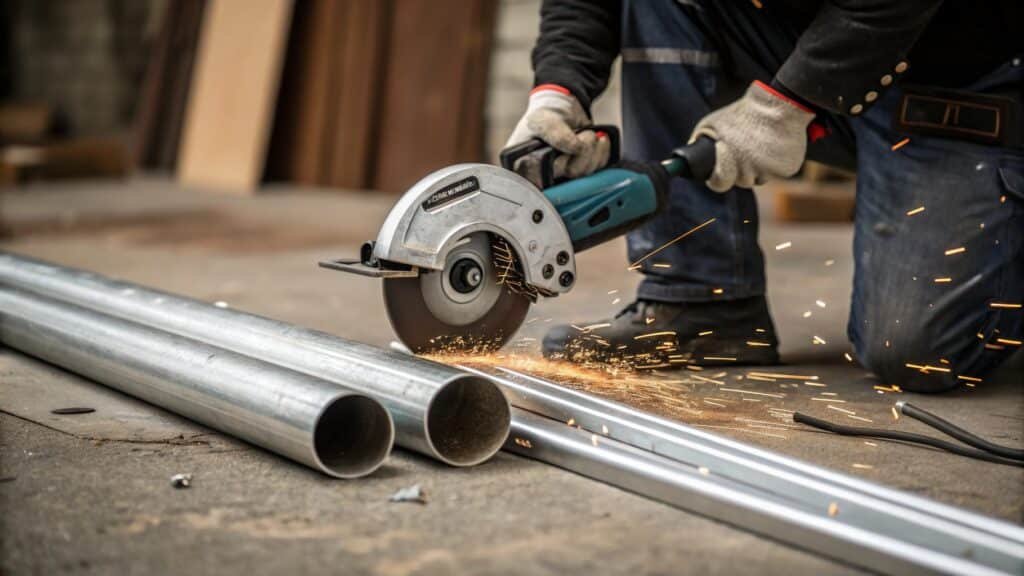
When working with aluminum components, whether it’s preparing for a forging or modifying an existing part, knowing the proper cutting methods is essential. A clean, accurate cut ensures that the material is ready for subsequent processes and maintains its integrity.
Here's a step-by-step guide on how to cut an aluminum tube effectively:
- Select the Right Tool: Choose a tool suitable for the tube's diameter, wall thickness, and the quantity you need to cut. For thin-walled tubes, a specialized tube cutter is ideal for a clean cut. For thicker tubes or larger quantities, a metal-cutting saw is more efficient.
- Measure and Mark: Carefully measure the desired length of the tube and mark it clearly with a pencil or marker. For a precise cut, you can use a scribe or a wrap-around tape to ensure a straight line.
- Secure the Tube: Clamp the aluminum tube firmly in a vise or with clamps. Ensure the tube is supported properly to prevent vibration during cutting, which can lead to inaccurate cuts or damage to the blade. The cutting point should be as close to the clamp as possible for stability.
- Apply Lubricant: Apply a cutting fluid or lubricant to the cutting area. This helps to cool the blade and the aluminum, reduces friction, prevents the aluminum from sticking to the blade (galling), and results in a smoother cut.
- Start Cutting:
- Hacksaw: Place the blade on the marked line. Apply steady, even pressure on the downstroke, and lift slightly on the upstroke. Let the saw do the work.
- Tube Cutter: Position the cutting wheel on the mark. Tighten the handle to engage the wheel, then rotate the cutter around the tube, gradually tightening the handle with each rotation until the tube is cut through.
- Power Saw: Ensure the correct metal-cutting blade is installed. Start the saw and allow it to reach full speed before making contact with the tube. Feed the tube into the blade smoothly and steadily.
- Finish the Cut: Once the cut is complete, carefully remove the tube from the saw or tool.
- Deburr the Edges: Use a deburring tool, a file, or fine-grit sandpaper to remove any sharp edges or burrs from the cut ends. This is important for safety and for ensuring a proper fit if the tube will be joined to another component.
Following these steps will help you achieve clean, accurate cuts on aluminum tubing.
Conclusion
While standard aluminum tubes have their place, SWA Forging specializes in creating custom-forged aluminum rings and discs1 that offer superior strength and performance for demanding applications. By understanding material strengths, proper cutting techniques, and the benefits of forging, you can select components that truly meet your engineering needs, moving beyond the limitations of typical tubing.
-
Explore how custom-forged components can enhance strength and performance in critical applications. ↩