You need to reduce the weight of a critical component, but you're worried that switching from steel to aluminum will compromise its strength and integrity, leading to costly failures in the field.
Lightweighting isn't material substitution; it's metallurgical engineering. Our forging process intentionally sculpts the grain flow, transforming a lightweight alloy into a high-integrity, load-bearing component engineered to exceed the material's standard specifications.
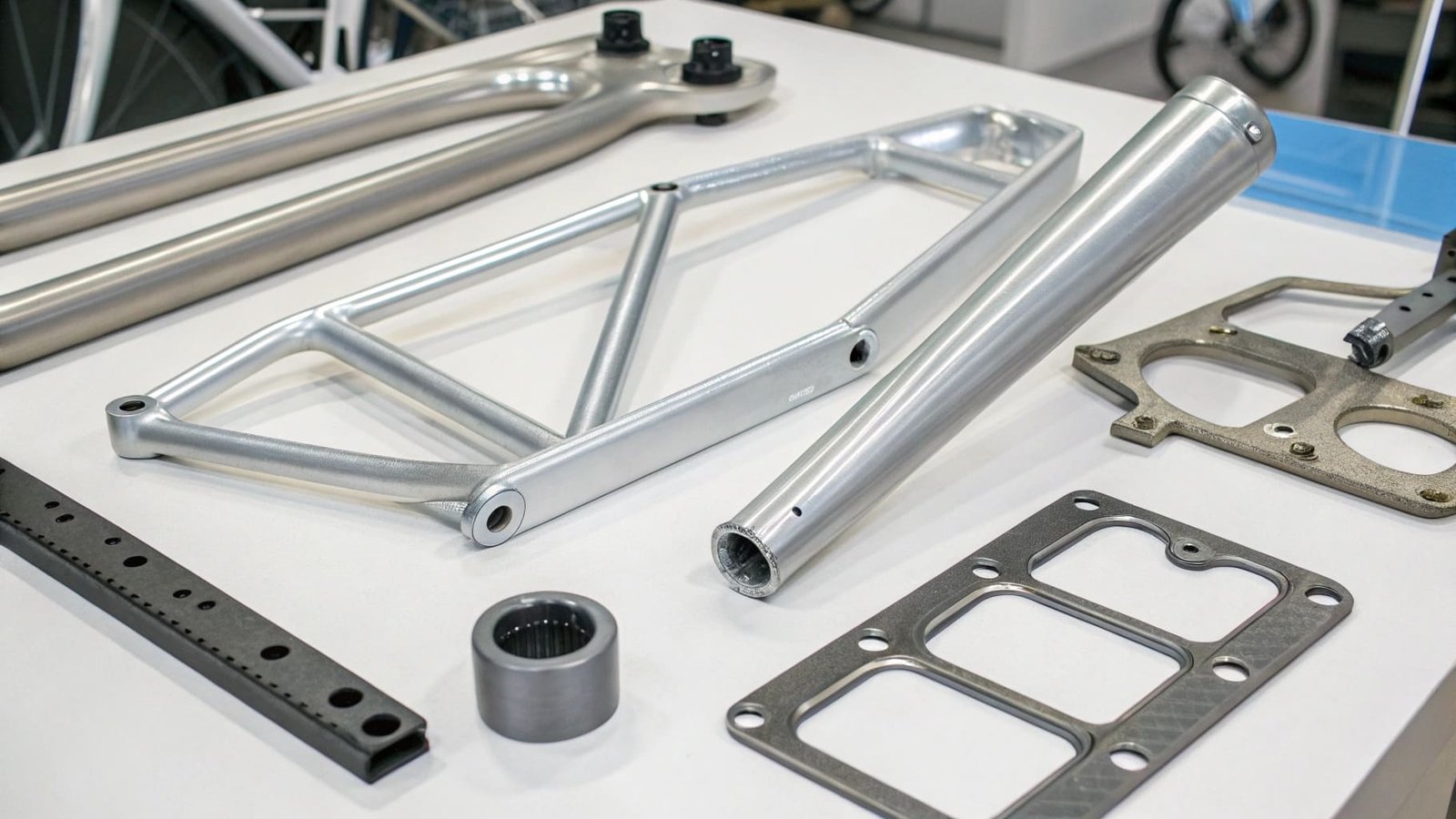
I'll never forget a project with a manufacturer of robotic arms. They needed to make the arm lighter to increase its speed and payload capacity, but their initial attempts using machined 6061-T6 plate resulted in unacceptable flexing and vibration. They were about to switch to a much more expensive titanium solution. They believed they had reached the limit of what aluminum could do. We showed them that the problem wasn't the material, but the form. We designed a near-net shape forging for them. The forging process allowed us to orient the grain structure of the aluminum to follow the lines of stress in the arm. The final component was not only lighter than their original aluminum design but also significantly stiffer and stronger. They achieved their performance goals without the extreme cost of titanium. This is what true lightweighting is all about: using engineering to make the material perform beyond its standard limits.
What is the strongest and lightest aluminum available?
You're searching for the ultimate material for a high-performance application. You need the absolute best strength-to-weight ratio, but the array of specialty alloys and their high costs are overwhelming.
For most high-strength applications, 7075-T61 offers a fantastic balance. For the absolute pinnacle of performance, aerospace-grade aluminum-lithium (Al-Li) alloys are the strongest and lightest, though they come at a premium cost.
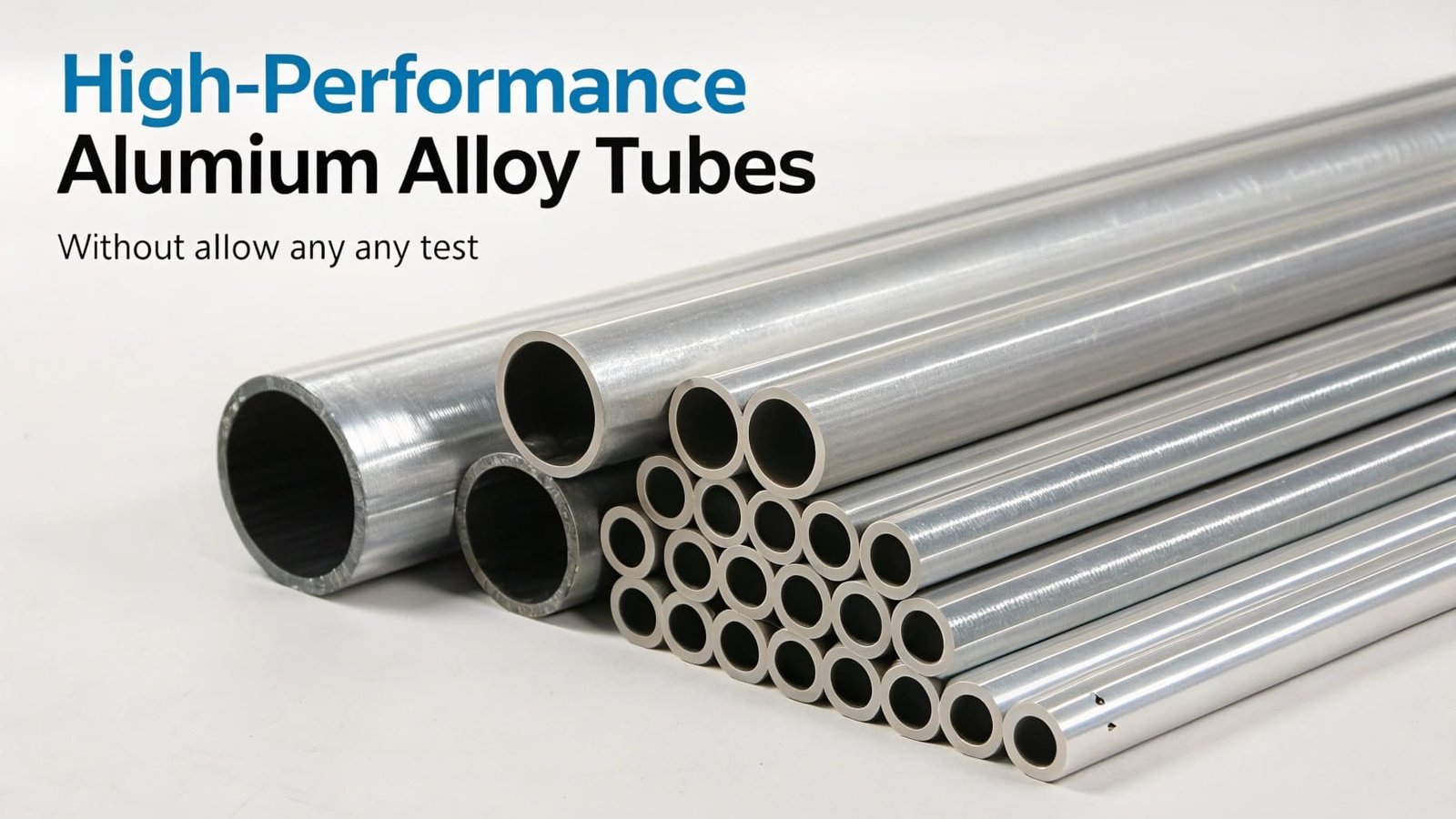
When engineers ask for the "best," the real question is "best for what application?" The landscape of high-performance aluminum is a trade-off between strength, weight, and cost. 7075-T6 aluminum is often the champion for practical high-strength applications. It's an aerospace workhorse with strength comparable to some steels at a third of the weight, and it's readily available. However, for the most demanding applications where every gram is critical, such as in space launch vehicles or Formula 1 racing, aluminum-lithium (Al-Li) alloys represent the cutting edge. Adding lithium, the lightest metallic element, to aluminum both reduces density and increases stiffness. This results in an alloy that is lighter, stronger, and stiffer than 7075. Of course, this elite performance comes with a significantly higher material cost and more complex processing requirements. So, 7075 is your go-to for incredible strength, while Al-Li is for when you need to push the absolute boundaries of lightweight performance.
When choosing between alloys, is 5052 or 6061 aluminum stronger?
You see 5052 aluminum2 labeled "marine-grade" and know it's used for tough applications like boat hulls. This leads you to believe it might be a stronger choice for a machined part than the common 6061 alloy.
No, 6061-T6 aluminum3 is significantly stronger than 5052. The strength of 5052 comes from its toughness and formability, while 6061's strength is metallurgical, derived from a specific heat-treatment process.
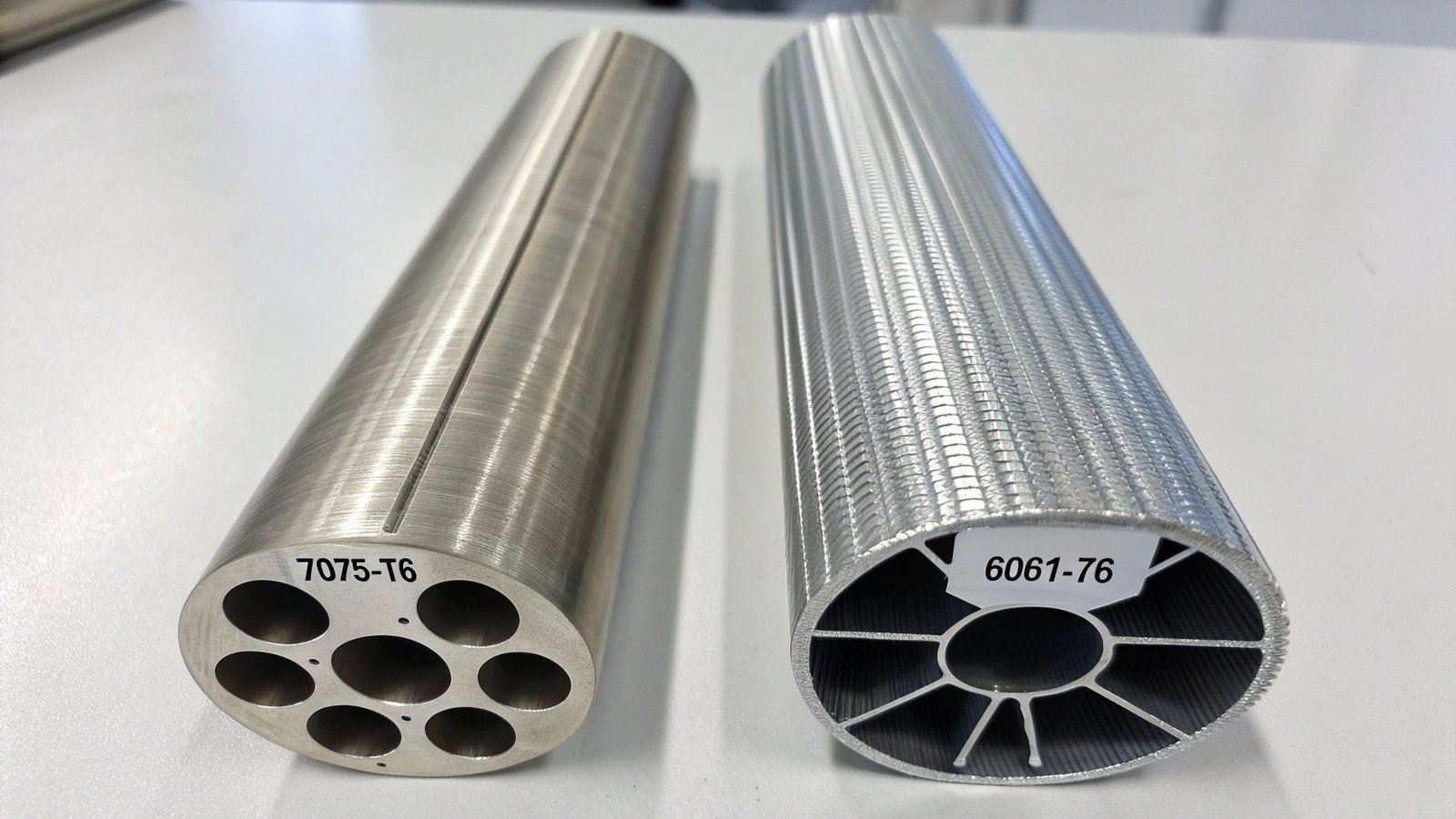
This is a critical distinction that can prevent a serious design error. These two alloys come from different families and are designed for completely different jobs. 6061 is a heat-treatable alloy. Its impressive strength is "activated" by the T6 temper process—a solution heat treatment and artificial aging that creates a very hard and strong internal structure. This makes it ideal for machining rigid, load-bearing components from a solid block or bar. 5052, on the other hand, is a non-heat-treatable alloy. It gets its strength from work-hardening and its primary alloying element, magnesium. This gives it fantastic corrosion resistance and the ability to be bent into complex shapes without cracking. It is the perfect choice for sheet metal applications, such as tanks, panels, and boat hulls. You should never substitute 5052 for 6061 in a structural, machined application. For any part that requires high tensile and yield strength, 6061-T6 is the correct and far superior choice.
For peak performance, is 6061 or 7075 aluminum stronger?
You need a high-strength aluminum part, but you're facing a budget. You see that 7075 is stronger, but you're not sure if the extra performance is worth the significant increase in material cost.
7075-T6 is substantially stronger than 6061-T6, with nearly double the yield strength. It is the premier choice for applications where maximum strength is critical, while 6061 is the best all-around structural alloy.
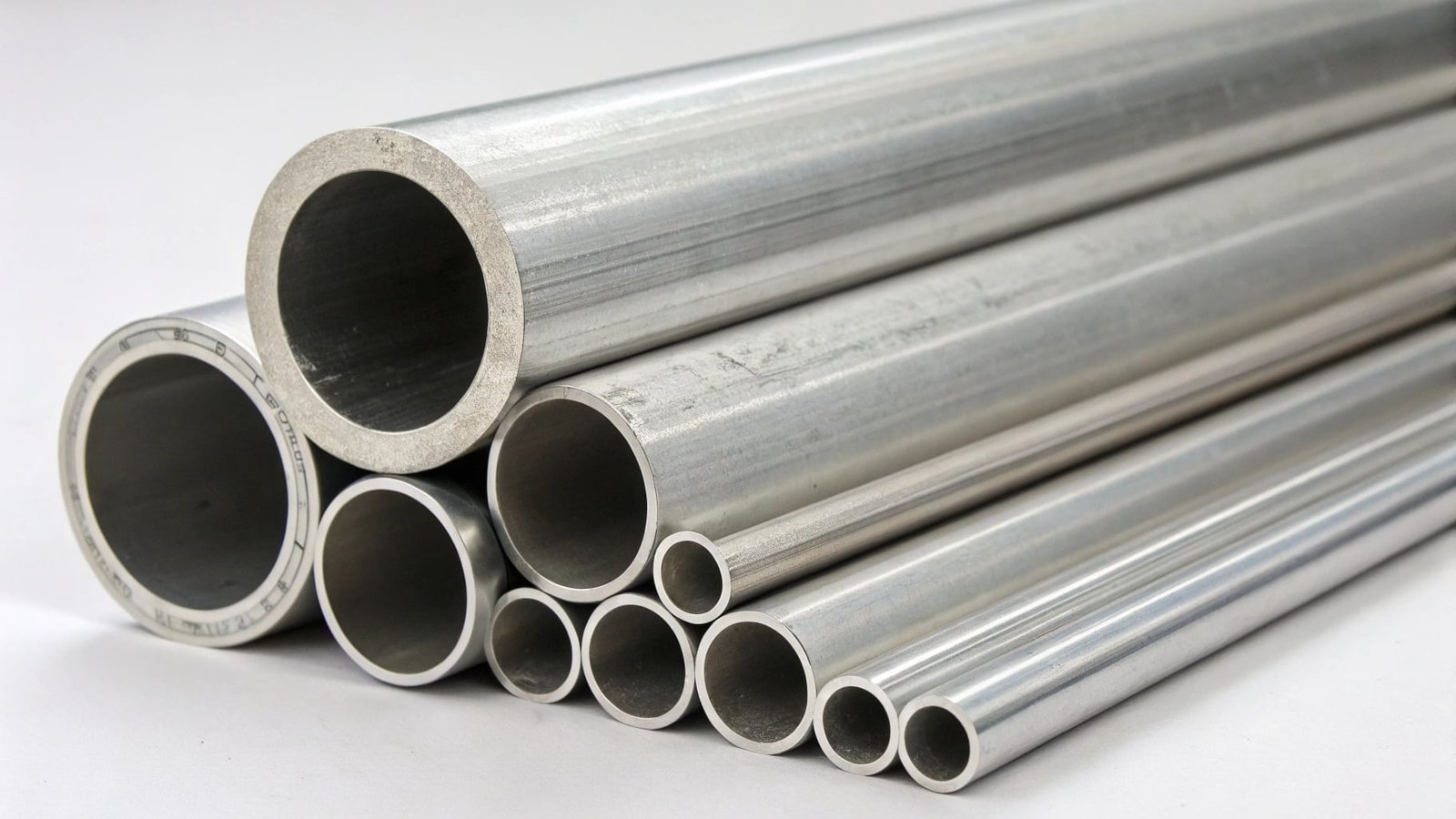
This is the classic engineering decision: balancing performance and cost. Both are excellent heat-treatable alloys, but they occupy different tiers of performance. 6061-T6 is the industry's versatile workhorse. It offers an excellent combination of high strength, good machinability, weldability, and corrosion resistance at a very reasonable cost. It's the default choice for a vast range of structural components. 7075-T6 is a specialized, ultra-high-strength alloy, often called an "aerospace alloy." With zinc as its primary alloying agent, it can be heat-treated to achieve strength levels that rival steel. This makes it indispensable for mission-critical parts where the strength-to-weight ratio is the most important factor—think aircraft frames, high-performance gears, and military applications. This elite strength comes with trade-offs: it is more expensive, less corrosion-resistant, and more challenging to weld than 6061. Our advice to clients is straightforward: Use 6061-T6 for your high-strength needs. Only specify 7075 when your design requires strength that 6061 simply cannot provide.
What defines a high-strength aluminum alloy?
You hear the term "high-strength aluminum" but are unsure what makes one alloy strong and another weak. This lack of clarity makes it difficult to specify the right material for your demanding applications.
High-strength aluminum refers to alloys, primarily from the 2xxx, 6xxx, and 7xxx series, that can be significantly strengthened through a process called heat treatment, which optimizes their internal metallurgical structure.
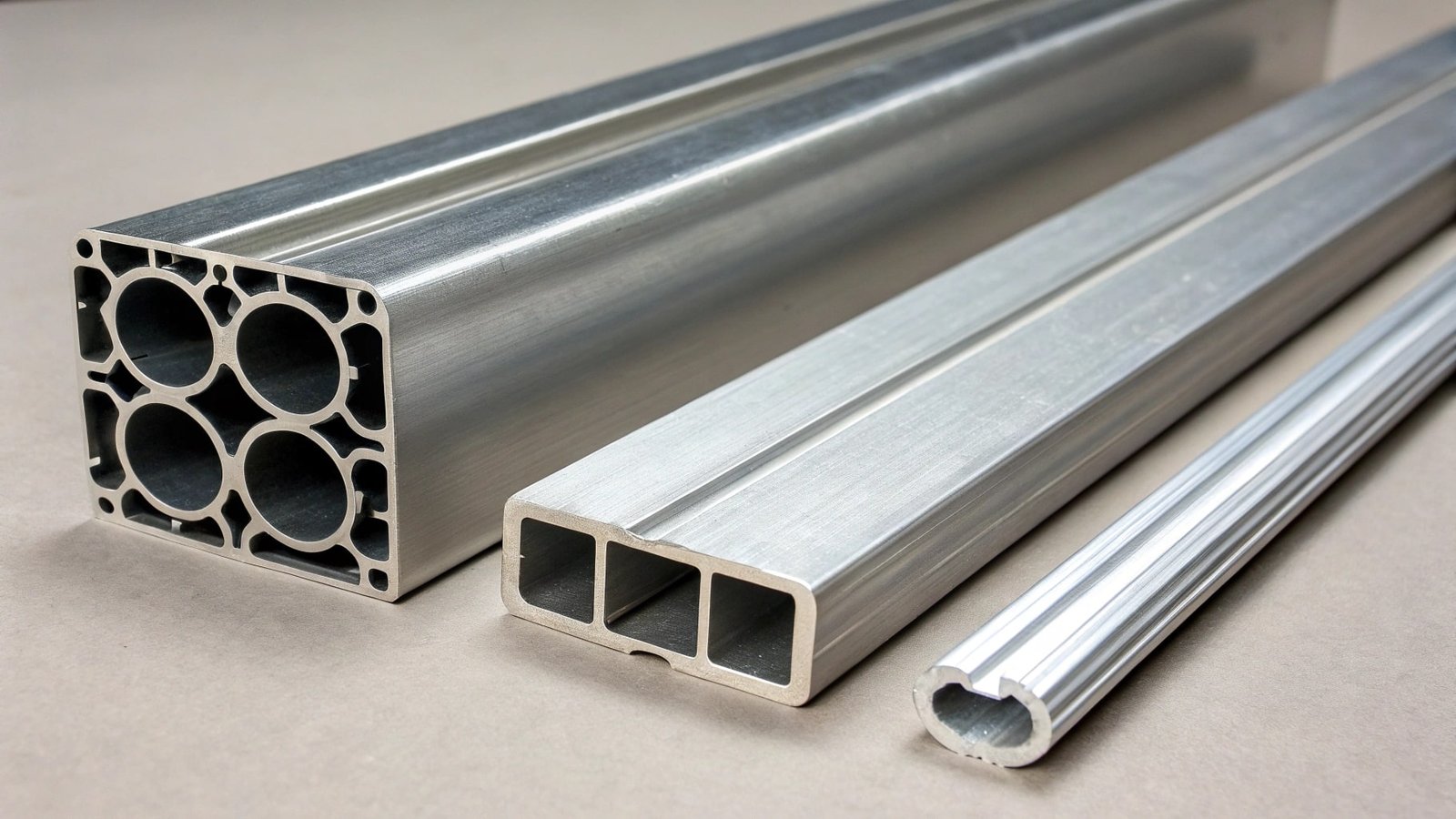
The secret to high-strength aluminum lies in metallurgy and heat treatment. Not all aluminum alloys4 are created equal. Alloys in the 1xxx, 3xxx, and 5xxx series are non-heat-treatable; their strength comes from work-hardening. High-strength alloys, however, contain specific alloying elements like copper (2xxx series), magnesium and silicon (6xxx series), or zinc (7xxx series). These elements allow the alloy to respond to heat treatment. The most common process is the T6 temper. First, the alloy is heated to a high temperature to dissolve the alloying elements into a solid solution. Second, it is rapidly quenched in water to lock those elements in place. Finally, it is "artificially aged" in an oven at a lower temperature. This final step allows the alloying elements to precipitate out of the solution as microscopic particles that pin the metal's grain structure, making it incredibly strong and hard. This engineered internal structure is what separates a simple aluminum part from a true high-strength component.
Conclusion
True lightweighting is not just choosing a light metal. It is engineering that material's internal structure for maximum strength, a guarantee you only get with SWA Forging's precision-engineered aluminum.
-
Discover the unique properties of 7075-T6 aluminum, a top choice for high-strength applications. ↩
-
Learn about 5052 aluminum's applications and why it's known for its toughness and formability. ↩
-
Explore the benefits of 6061-T6 aluminum, a versatile alloy for various structural applications. ↩
-
Explore the various types of aluminum alloys to make informed decisions for your projects. ↩