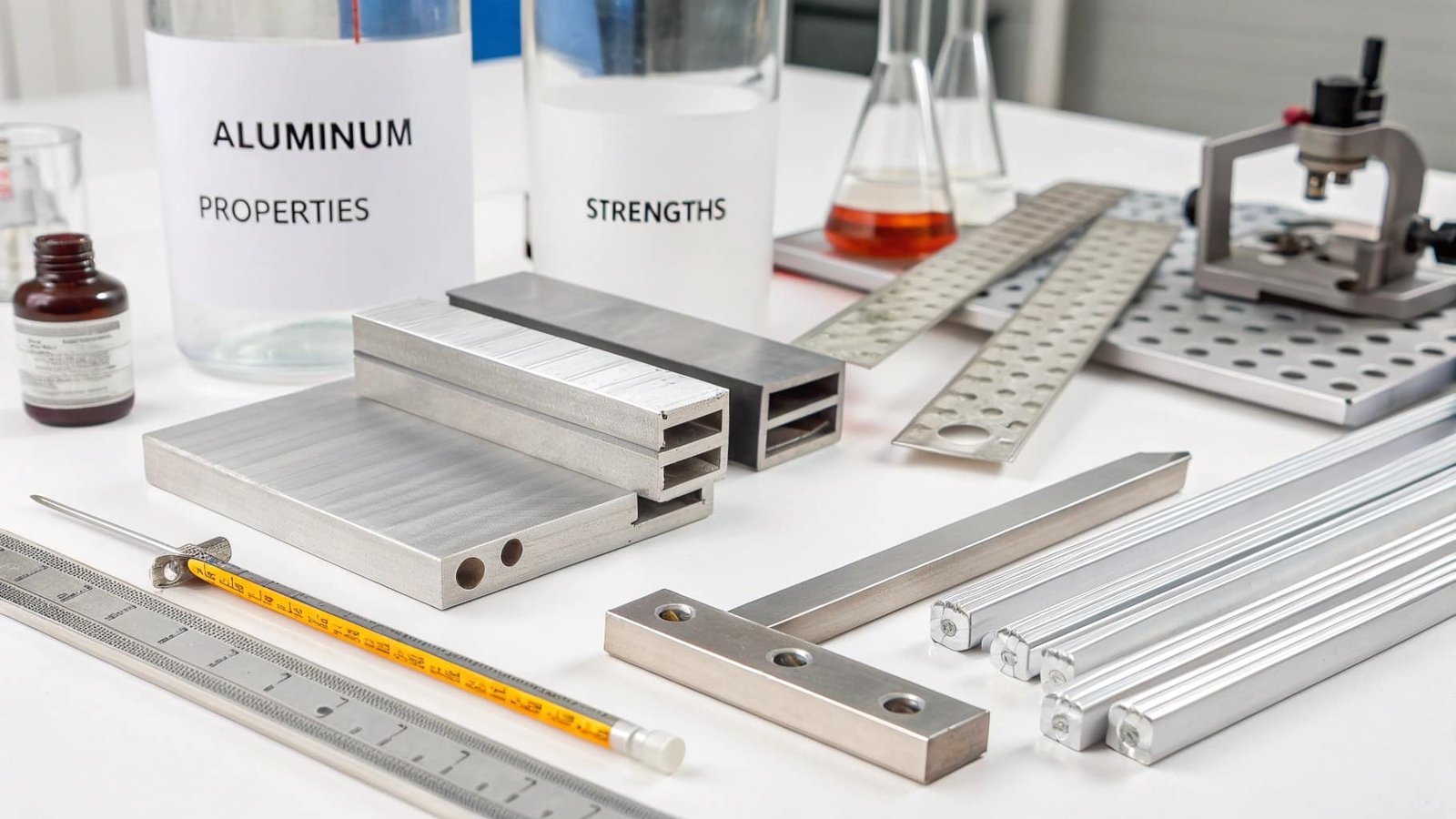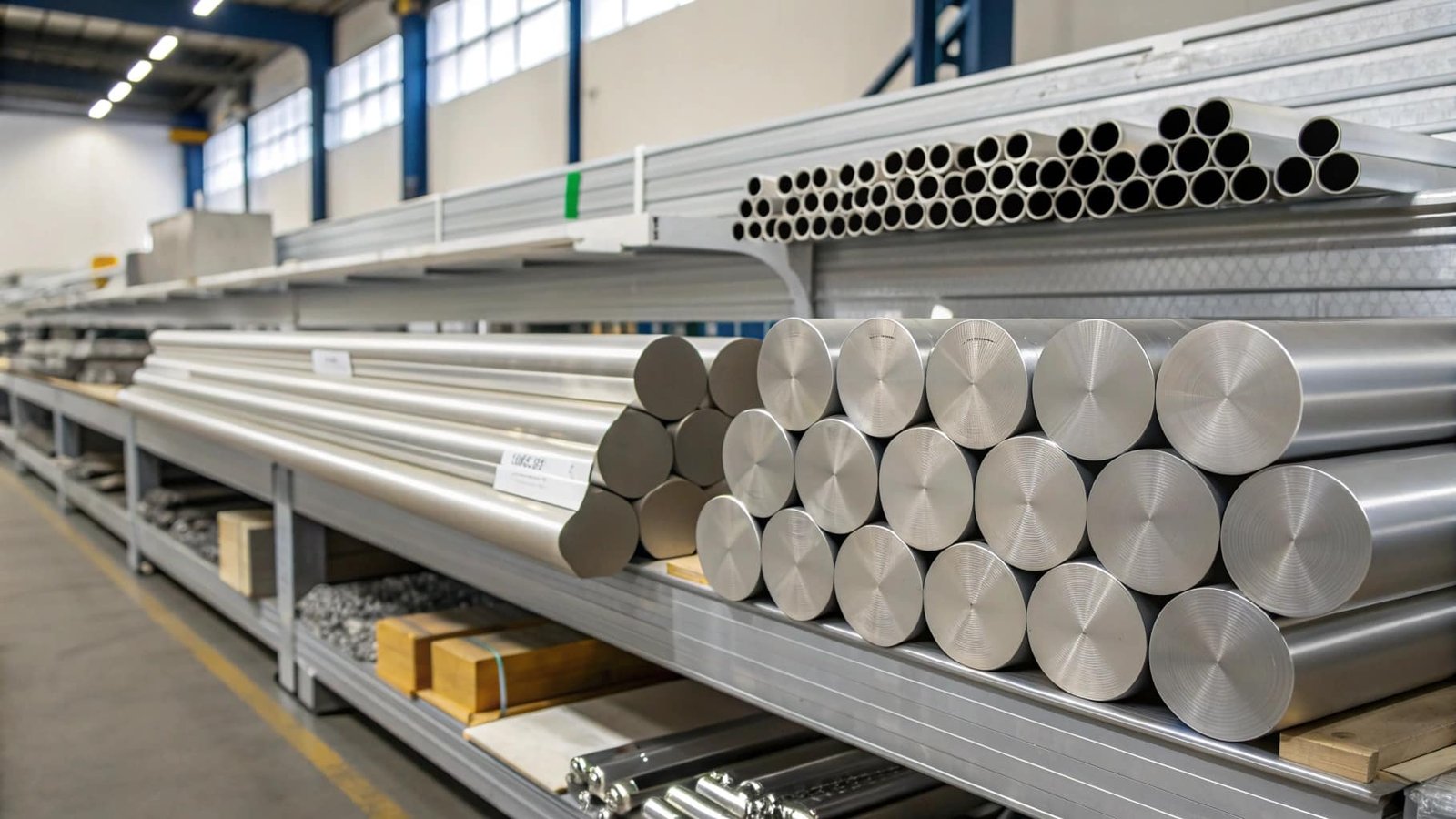
You select aluminum for its famous properties—lightweight, strong, and corrosion-resistant1. But hidden flaws in the raw material can cause a final part to fail, turning those desirable properties into a costly liability.
We don’t just sell aluminum; we sell its predictability. By forging the material, we perfect its innate qualities, delivering a uniform, void-free reality. This guarantees that your machined part will perform exactly as designed, without any costly surprises from the material itself.
For our clients, especially traders and machining companies, this is the most important issue. They know aluminum's textbook properties. What they need is a guarantee that the specific block of aluminum they are machining actually has those properties consistently throughout. A client once told me, "I can design the most advanced part in the world, but if my material has a weak spot, my design is worthless." That's why our forging process is so critical. It takes the "special" qualities of aluminum and makes them reliable and predictable. We deliver a material where the properties on the data sheet are a guaranteed reality from the surface to the core.
What Is So Special About Aluminum?
With so many metals available, it's easy to overlook why aluminum became a cornerstone of modern industry. You might know it's lightweight2, but what truly makes it so unique and versatile?
Choosing a material based on a single property can lead to overlooking a more balanced and cost-effective solution for your application.
Aluminum's special combination of low density (about one-third the weight of steel) and high strength potential is unique among common metals. This strength-to-weight ratio, combined with its excellent corrosion resistance and recyclability, makes it incredibly versatile and valuable for countless industries.
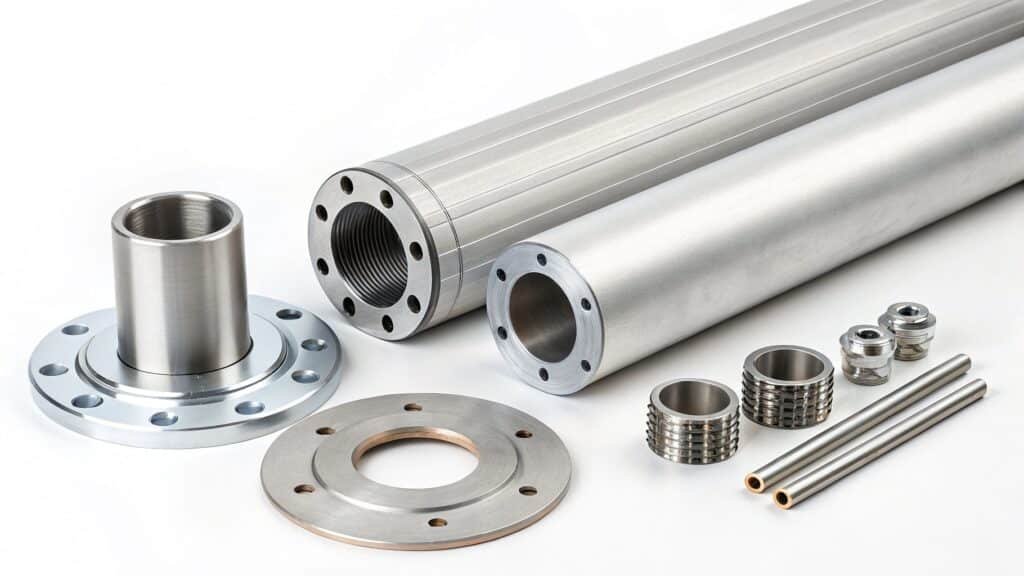
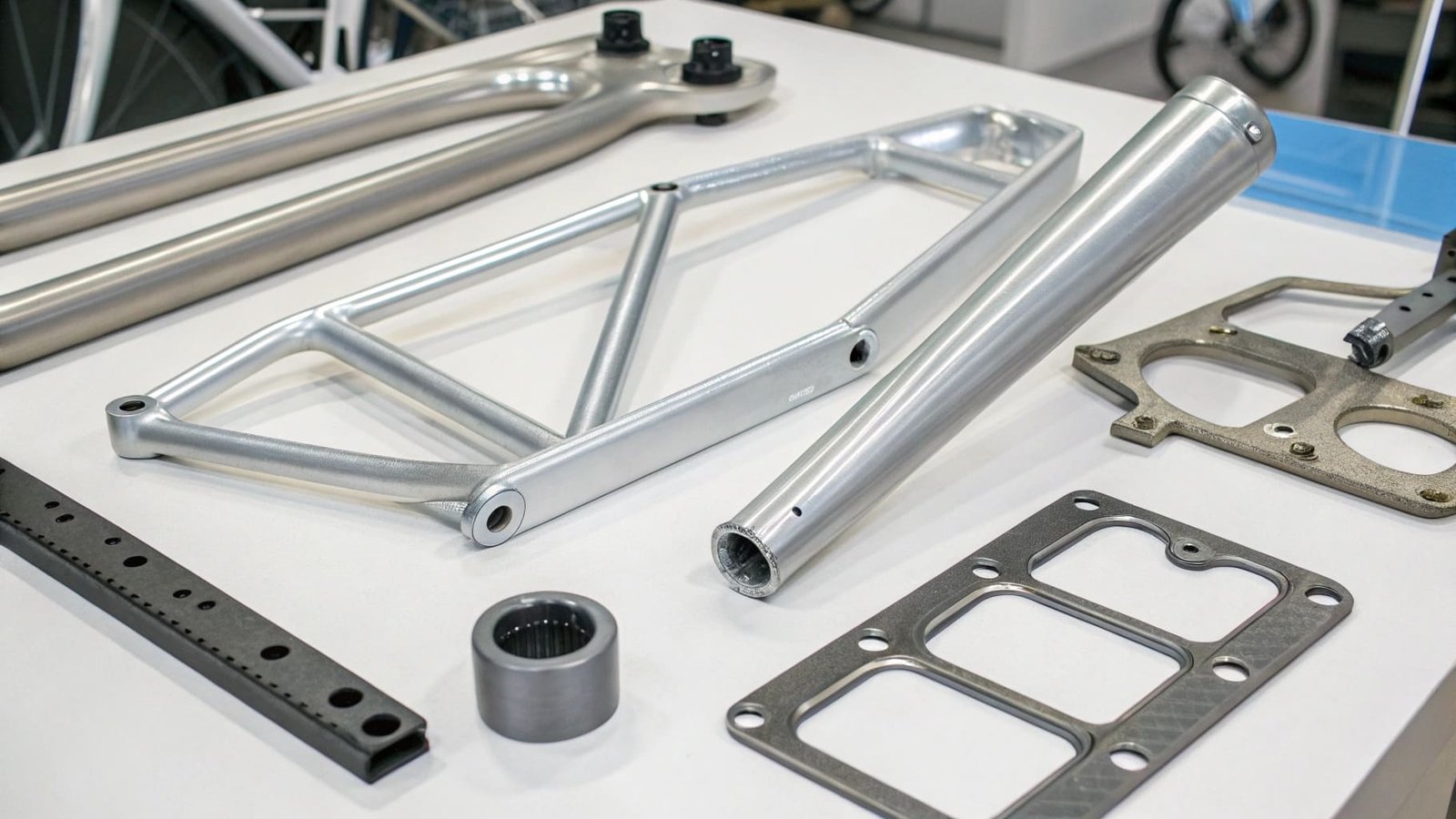
As a supplier of forged aluminum, we see this unique combination in action every day. A client from the automotive industry needs a material that is strong enough for a suspension component but light enough to improve fuel efficiency. Aluminum is the perfect answer. An aerospace3 client needs a structural part that can withstand incredible stress without adding unnecessary weight. Again, aluminum is the solution. But these special properties are only useful if they are dependable. Our forging process enhances aluminum's natural strength and ensures its internal structure is flawless. We take what is special about aluminum and make it reliable, ensuring that our clients can fully leverage its lightweight strength without worrying about material failure. It is this guarantee that turns a "special" metal into a predictable engineering material.
What Are 5 Common Uses for Aluminum?
You know aluminum is everywhere, but connecting the raw material to specific, everyday products can be difficult. This makes it hard to appreciate its true industrial importance.
Without understanding its diverse applications, you might underestimate the specific quality requirements needed for different jobs, leading to material mismatch.
Five major uses for aluminum that highlight its versatility are: 1) Aerospace (aircraft frames, wings), 2) Automotive (engine blocks, wheels, suspension), 3) Construction (window frames, curtain walls), 4) Packaging (beverage cans), and 5) Machinery (gears, casings, structural components).
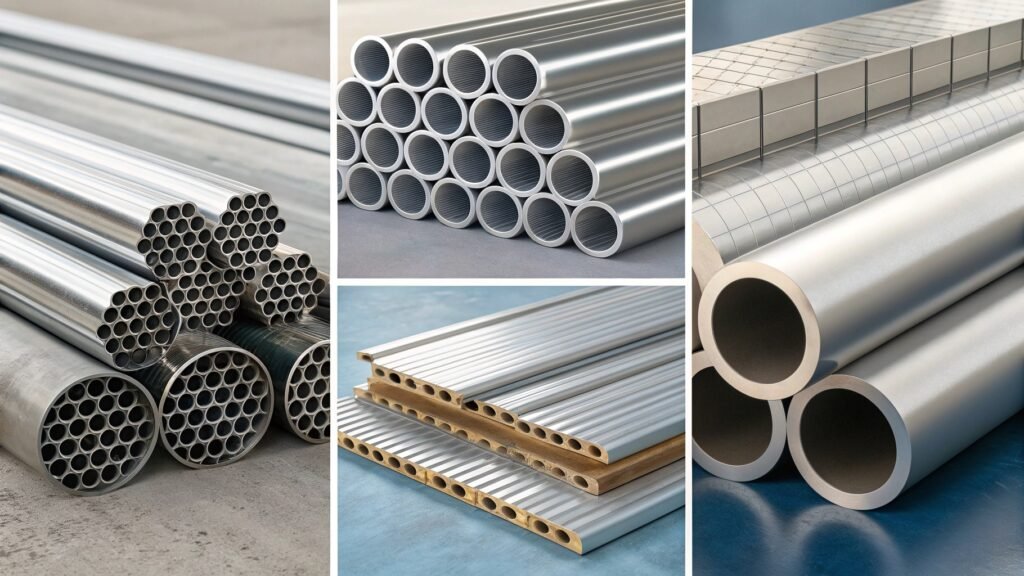
At SWA Forging, our clients primarily operate in the aerospace, automotive, and machinery sectors—some of the most demanding applications for aluminum. For us, a large forged ring isn't just a piece of metal; it’s the starting point for a critical part in one of these industries. A 7075 ring might become a structural component in an aircraft's landing gear. A 6061 disc will be machined into a high-performance connecting rod for a racing engine. A 5083 forged plate could become a durable part of heavy equipment used in a marine environment. While the applications are different, the core requirement is the same: material integrity. The reason we focus on forging is that it provides the absolute certainty that the aluminum is free from defects. This ensures the final part can safely and reliably perform its job, whether it's flying at 30,000 feet or operating in a high-speed engine.
What Are the Desirable Properties of Aluminum?
You are choosing a material for a new project. With a long list of technical properties, which are the ones that truly matter for most engineering and industrial applications?
Focusing on the wrong properties for your application can lead to over-engineering, increased costs, or a part that doesn't perform as needed in its intended environment.
The most desirable properties of aluminum are its low density, high strength-to-weight ratio (especially in alloys), excellent corrosion resistance, high thermal and electrical conductivity, and its recyclability. These attributes make it both a high-performance and a sustainable material choice.
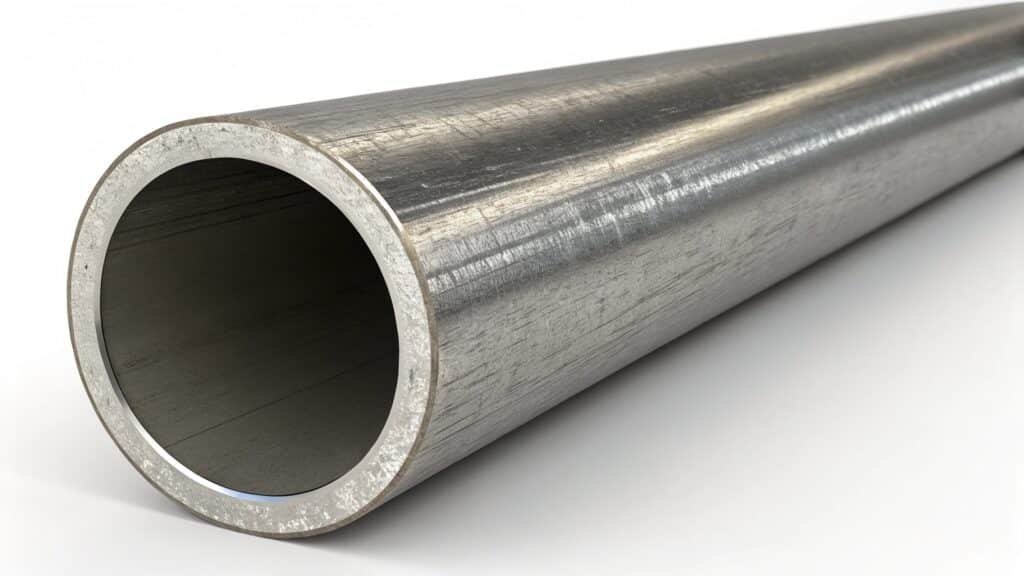
When we ship a forged disc to a machining client, they are counting on this exact set of properties. They need the low density to meet weight targets. They rely on the high strength of the alloy we provide, like 6061 or 7075, to ensure the part can handle stress. They depend on the corrosion resistance so the final product has a long service life. Our job is to guarantee that these desirable properties are not just theoretical possibilities but are a consistent reality within the material. The forging process is how we do this. It eliminates porosity, refines the grain structure, and creates a homogenous block of metal. This ensures that the strength, density, and corrosion resistance are uniform from edge to edge, giving our clients a predictable and reliable foundation to build upon.
| Property | Description | Why It Matters for Our Clients |
|---|---|---|
| Low Density | About 1/3 the weight of steel (~2700 kg/m³). | Reduces weight in final parts, improving fuel efficiency in vehicles and increasing payload capacity in aerospace. |
| High Strength-to-Weight | Strong alloys can rival steel at a fraction of the weight. | Allows for the design of strong, durable parts that are not unnecessarily heavy. This is the #1 reason for its use in performance applications. |
| Corrosion Resistance | Forms a natural, tough, protective oxide layer. | Ensures long part life and low maintenance, especially in harsh environments. Critical for marine and industrial machinery. |
| High Conductivity | Excellent conductor of heat and electricity. | Useful for applications like heat sinks, electrical busbars, and engine components that need to manage heat effectively. |
| Recyclability | Can be recycled indefinitely without losing quality. | A sustainable choice that can reduce raw material costs and environmental impact, which is increasingly important to global clients. |
Which Is a Characteristic Property of Aluminum?
If you had to pick one single property that defines aluminum and sets it apart in the world of metals, what would it be?
Without a clear understanding of a material's core identity, it is easy to misapply it or fail to take full advantage of its primary benefit.
The most characteristic property of aluminum is its low density combined with its potential for high strength through alloying. While other metals might be stronger or lighter, no other common and affordable metal offers such a commercially successful balance of both strength and light weight.
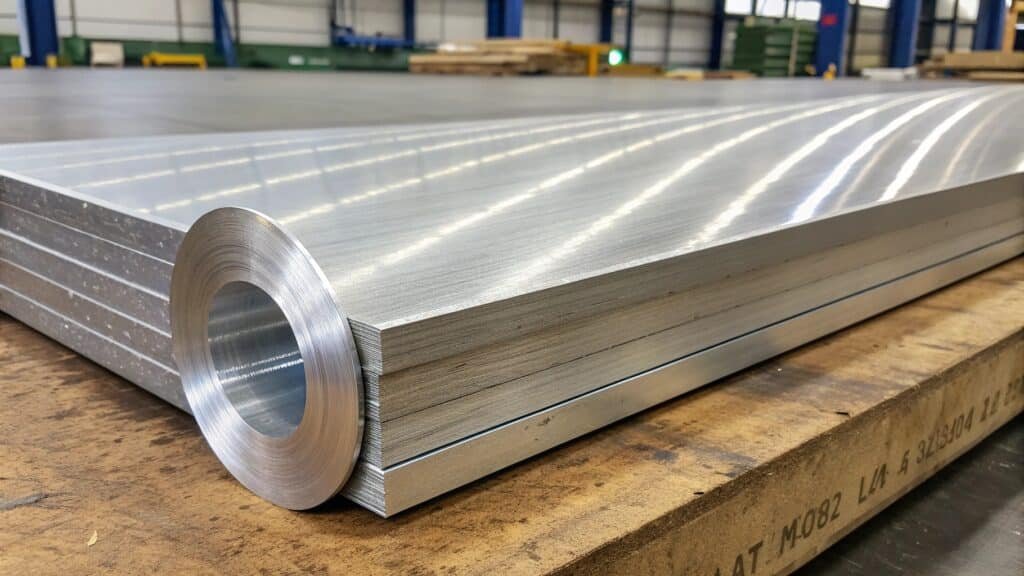
This single characteristic—the strength-to-weight ratio4—is the foundation of our business. Our customers in the Middle East, whether they are traders supplying local industries or direct machining companies, come to us because they need to leverage this exact property. But they also know that this potential is only realized if the material is sound. A cast aluminum part might be lightweight, but if it has internal voids, its strength is compromised and unpredictable. This is where we provide our unique value. The SWA Forging process is designed to take aluminum's characteristic property and perfect it. We apply force and heat to create a material that is not only lightweight but also uniformly strong and internally flawless. We make sure that the most important property of aluminum is not just a potential, but a guarantee.
Conclusion
We deliver more than aluminum; we deliver predictability. Our forging process ensures that the remarkable properties of aluminum are a uniform reality, allowing you to machine with confidence and design with certainty.
-
Discover materials that resist corrosion, ensuring longevity and reliability in harsh environments. ↩
-
Explore how lightweight materials like aluminum can enhance design efficiency and performance in engineering applications. ↩
-
Learn about the materials that are critical for aerospace applications and their unique properties. ↩
-
Discover how the strength-to-weight ratio impacts material choice and design efficiency in various applications. ↩