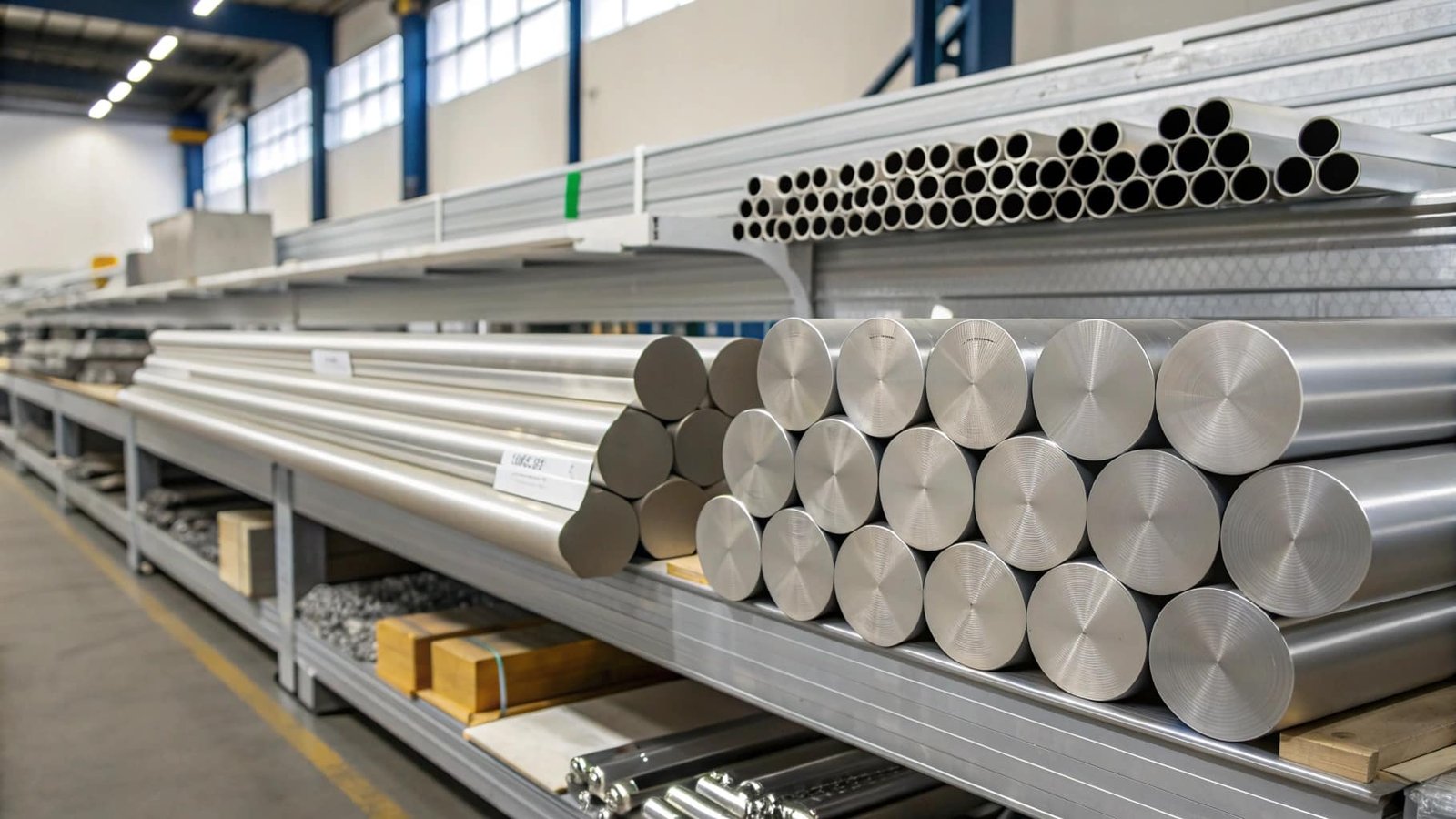
Seeing aluminum1 as just a simple metal? This view can lead to component failure. Forging unlocks its true engineered strength, ensuring your parts perform under pressure.
To unlock aluminum's potential, you must see it as a versatile canvas. The key is the manufacturing process. Forging, specifically, refines its grain structure, creating superior strength and durability compared to casting. This guarantees performance for demanding industrial applications.
At SWA Forging, we see aluminum not just for what it is, but for what it can become. We've spent over a decade turning this "blank canvas" into high-performance forged rings and discs for our clients. Many customers, especially traders and machining shops in the Middle East, come to us with fundamental questions. Let's answer some of the most common ones to help you understand this incredible material better.
Is Aluminium Actually a Metal?
Does the science behind materials seem confusing? This can make it hard to understand aluminum's core properties. Let's clarify its fundamental identity once and for all.
Yes, aluminum (Al) is a chemical element and a post-transition metal. It is the most abundant metal in the Earth's crust. It is naturally lightweight, ductile, and highly resistant to corrosion, making it a foundational material in modern industry.
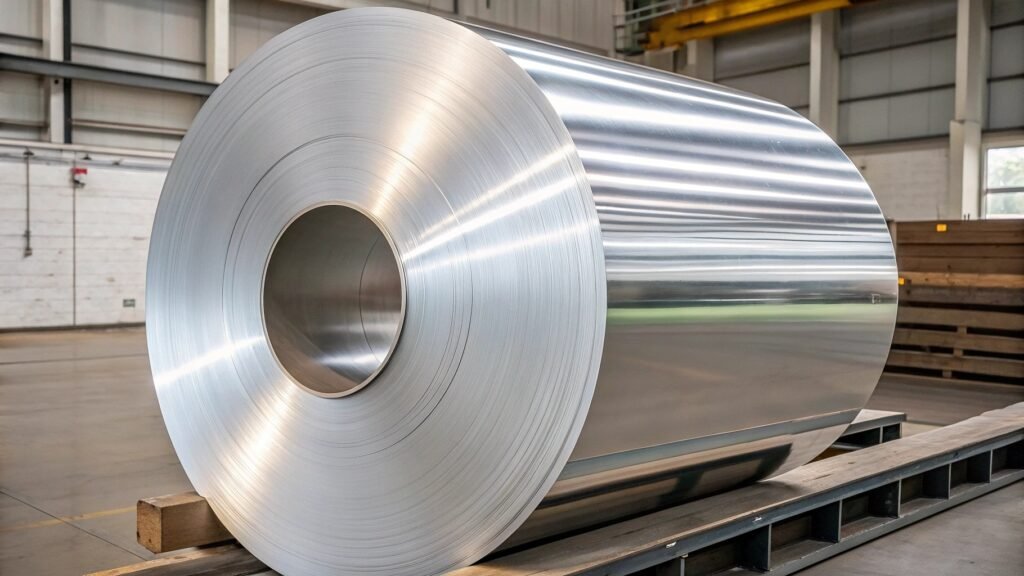
We start with this fundamental metal. But its raw form is just the beginning. Our work at SWA Forging is to take these inherent metallic properties and enhance them through alloying and forging. For example, its natural ductility is what allows us to forge it into complex shapes like large-diameter rings. During this process, we refine the grain structure to add strength that pure aluminum lacks. For our machining clients, this refined structure means better, more predictable performance on their CNC machines. It’s not just a metal; it’s an engineered solution, and its properties prove it.
What Defines Aluminum as a Metal?
These core metallic properties are what make aluminum so versatile and valuable in manufacturing.
| Metallic Property | How Aluminum Displays It | Industrial Implication |
|---|---|---|
| Electrical Conductivity | Excellent, about 60% that of copper by volume | Used in electrical conductors and busbars. |
| Thermal Conductivity | High | Ideal for heat sinks and heat exchangers. |
| Ductility & Malleability | Can be drawn into wires and hammered into thin sheets | Allows for processes like forging, rolling, and extrusion. |
| Lustre | Has a characteristic silvery-white shine when polished | Used in decorative and architectural applications. |
What is Aluminum Metal Actually Used For?
You see aluminum everywhere, from cans to airplanes. This makes it hard to grasp its most valuable industrial uses. Let's focus on where it truly excels.
Aluminum is used in countless industries due to its excellent strength-to-weight ratio. Key applications include aerospace, automotive (engine blocks, wheels), construction (window frames), and high-precision machinery, where our forged rings and discs are often used.
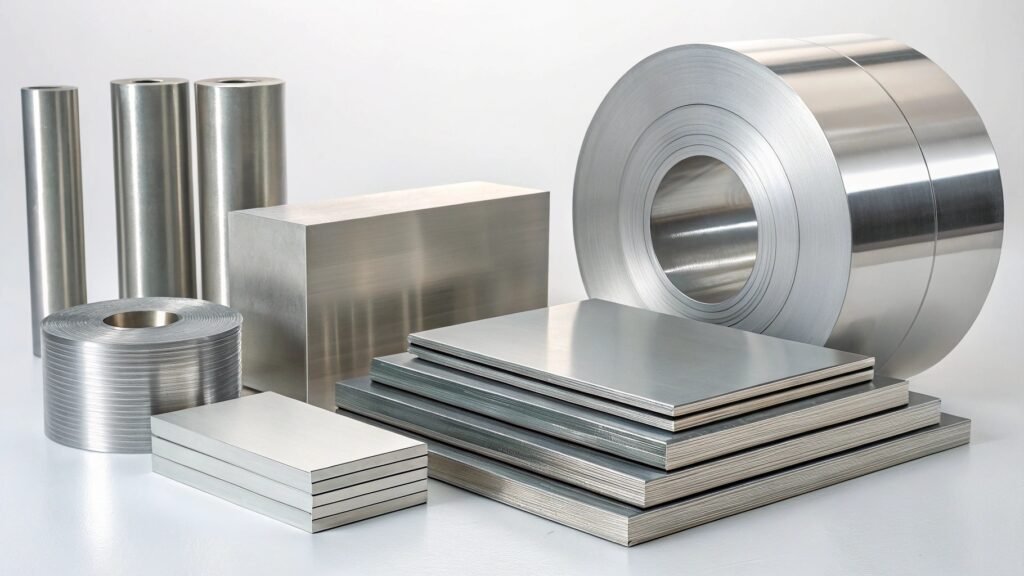
When I speak with traders, they want to know which markets have the most demand. For machining shops, they want to know if aluminum can handle the stress of their final product. The answer to both is in its wide range of applications. I've supplied forged 7075 aluminum rings for aerospace components where every gram matters. I've also delivered large batches of 6061 discs to machining customers making robust parts for automated factory equipment. Its versatility is its greatest asset. The key is to match the right alloy and form to the right job. That’s where our expertise in forging becomes critical.
Where Our Forged Aluminum Shines
We specialize in producing high-quality forged components for these demanding sectors.
| Industry | Why They Use Aluminum | SWA Forging's Contribution |
|---|---|---|
| Machinery & Equipment | High precision, durability, and machinability are required. | We supply forged discs and rings as near-net shapes for machining. |
| Aerospace | The highest strength-to-weight ratio is essential. | We provide certified, high-strength alloys like 7075 for critical parts. |
| Automotive | Lightweight materials improve fuel efficiency. | Our forgings are used in suspension, chassis, and engine components. |
| Construction | Corrosion resistance and strength for structural elements. | We manufacture large rings for flanges and structural connections. |
Is Aluminum 100% Metal?
The term "alloy" can be confusing. You might wonder if adding other elements means the final product is no longer a pure metal. This can affect your material choice.
Pure aluminum (1xxx series) is over 99% metal, but it's too soft for most jobs. Industrial aluminum is almost always an alloy, which is still 100% metal. It's a metallic mixture where other metals are added to enhance properties like strength.
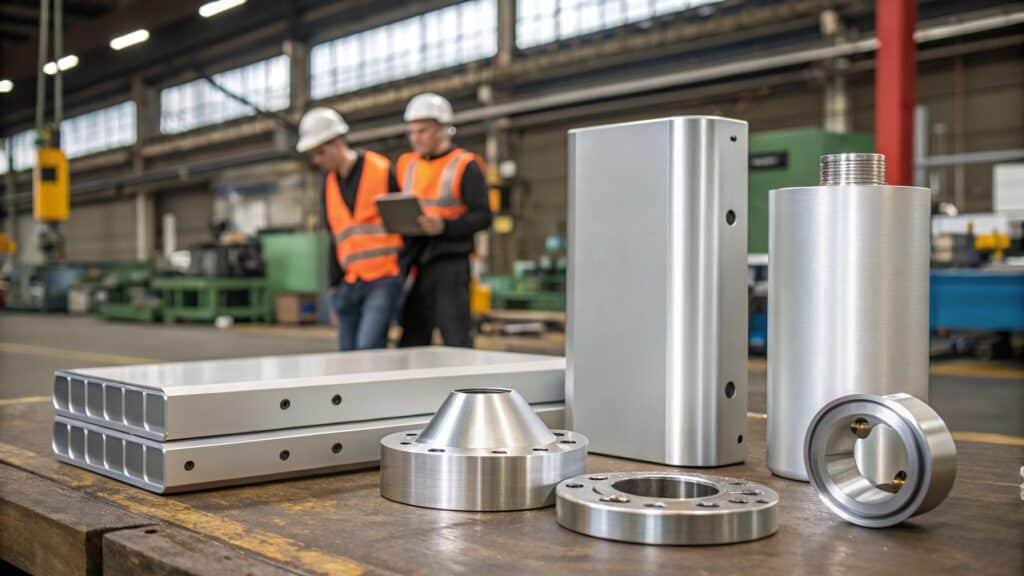
This is a question I get a lot, especially from new buyers. Think of it this way: steel is also not "pure iron." It's an alloy of iron and carbon. It's the same with aluminum. At SWA Forging, we don't work with pure aluminum because our clients in the machining and industrial sectors need high performance. We create alloys by mixing aluminum with elements like zinc, magnesium, or copper. The resulting material is a completely new metal with superior properties, but it is still 100% a metallic substance. Our ISO 9001 certification ensures we manage this alloying process with extreme precision, delivering a consistent, high-quality metallic product every time.
The Composition of an Aluminum Alloy
Here is a simple breakdown of what goes into a typical aluminum alloy.
| Component | Role in the Alloy | Example (in 7075 Alloy) |
|---|---|---|
| Base Metal | The main component, making up the vast majority of the mixture. | Aluminum (approx. 90%) |
| Primary Alloying Element | The key ingredient added to create the desired main property. | Zinc (approx. 5.6%), added for very high strength. |
| Secondary Alloying Elements | Other metals added in smaller amounts to refine properties. | Magnesium (2.5%) for strength, Copper (1.6%) for hardness. |
| Trace Elements | Tiny amounts of other elements, controlled for quality. | Iron, Silicon, etc., kept below strict limits. |
Why Should We Avoid Aluminum?
You might hear concerns about aluminum, from health myths to its performance in certain situations. It is easy to get the wrong idea and avoid a valuable material.
You should "avoid" aluminum only when it's the wrong material for the job. For example, in very high-temperature applications (above 200°C) or situations requiring extreme hardness that only steel can provide. For most other uses, it is perfectly safe and effective.
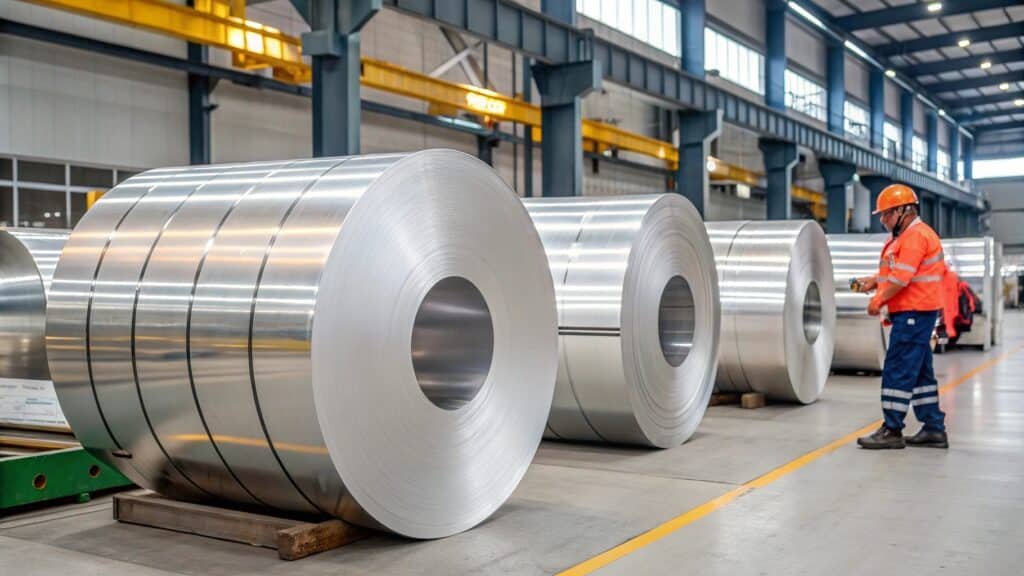
Let's be direct: there are myths about aluminum, especially regarding health, that have been widely debunked by science. As a material supplier, my focus is on performance. The real reasons to "avoid" aluminum are technical. If a client needs a part for a furnace or a jet engine's hot section, I would tell them aluminum is not the right choice; its strength drops significantly at high temperatures. Similarly, for a component that needs extreme abrasion resistance, a hardened steel might be better. But these are niche cases. For the vast majority of industrial applications our clients have, aluminum's combination of strength, light weight, and corrosion resistance2 makes it the ideal, cost-effective choice.
When to Choose Another Material
Honesty is key to good partnerships. Here’s a clear guide on when aluminum might not be your best option.
| Scenario | Why Aluminum Might Not Be a Fit | A Better Alternative |
|---|---|---|
| Very High Temperatures (>200°C) | Aluminum alloys lose their strength significantly. | Stainless Steel, Titanium |
| Extreme Abrasion/Hardness | Even the hardest aluminum alloys are softer than steel. | Hardened Tool Steel |
| Maximum Rigidity Required | Steel is about three times stiffer than aluminum. | Carbon Steel, Stainless Steel |
| Lowest Possible Cost | For non-critical, heavy parts, steel is often cheaper. | Mild Steel |
Conclusion
Aluminum is a versatile, 100% metal with broad applications. Its true strength is unlocked through alloying and forging3, a process we have perfected to meet your exact project needs.
-
Understanding aluminum's properties is crucial for its effective use in various industries. ↩
-
Understanding corrosion resistance is vital for selecting materials for construction and machinery. ↩
-
Explore how forging transforms aluminum into a stronger, more durable material for industrial applications. ↩