Comparing aluminum spec sheets is confusing. A wrong choice leads to project delays and costly failures, making you question your entire material selection process.
The key isn't just choosing between alloys like 6061 or 7075. The manufacturing process is more critical. A component forged from a standard alloy often outperforms a 'stronger' alloy in a weaker rolled form, thanks to superior structural integrity.
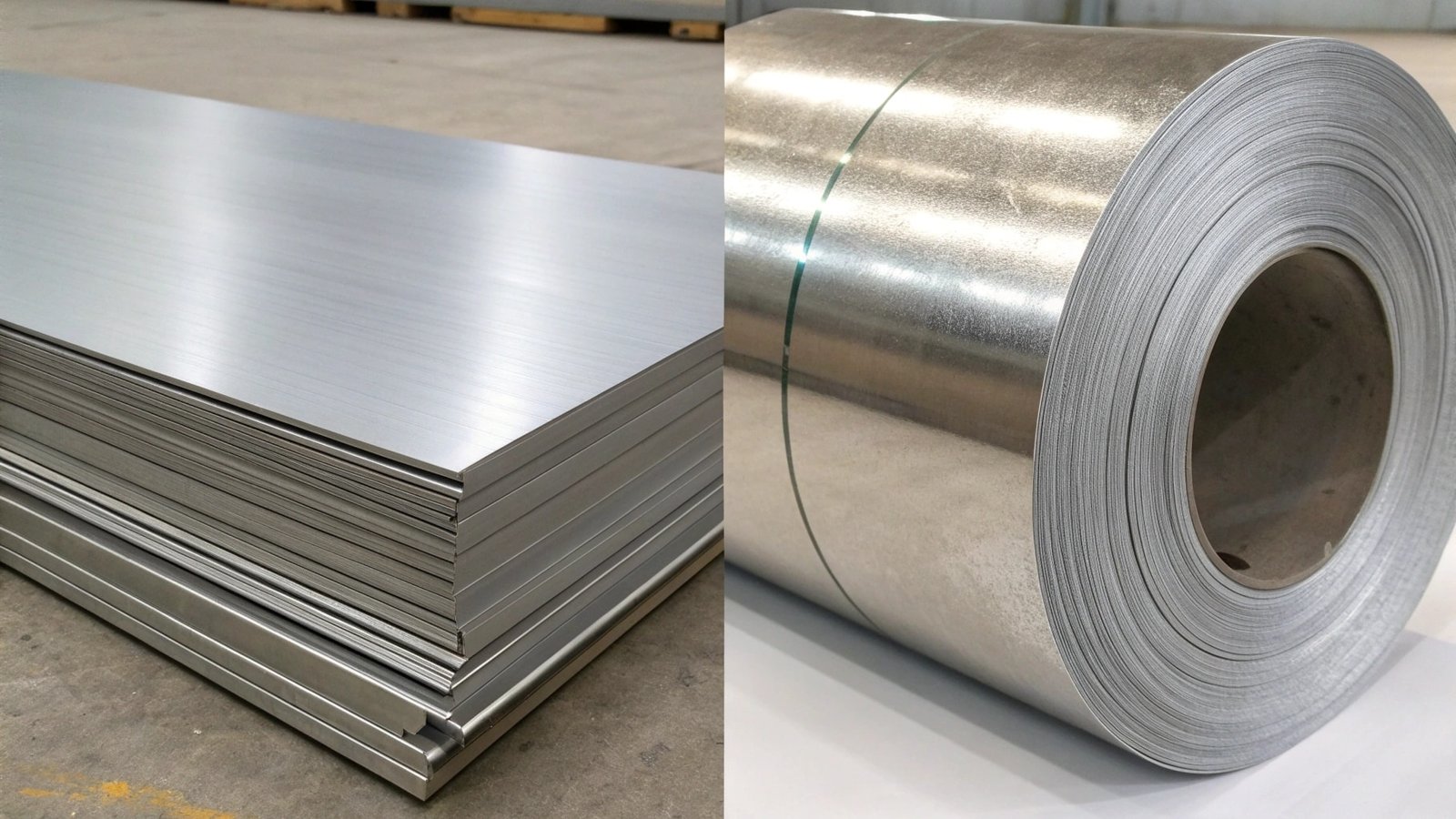
I've had this exact conversation with hundreds of engineers and traders. They come to me with a spec sheet, convinced they need the "strongest" alloy on paper. But paper strength doesn't always equal real-world performance. The hidden weakness in many standard aluminum forms, like plates and extrusions, is their directional grain structure. At SWA Forging, our expertise is not just in making aluminum parts; it's in building better parts by starting with a superior manufacturing process. Let's break down these common alloy comparisons to see where the real performance gains are found.
Is 5052 or 6061 Aluminum Stronger?
You need a material that is both strong and easy to form. Choosing between 5052 and 6061 feels like a compromise that could impact your final product's quality.
6061-T6 aluminum is significantly stronger than 5052-H32. However, 5052 is superior for forming and bending and offers better corrosion resistance1. 6061 is a heat-treatable structural alloy, while 5052 is a non-heat-treatable alloy for sheet metal work.
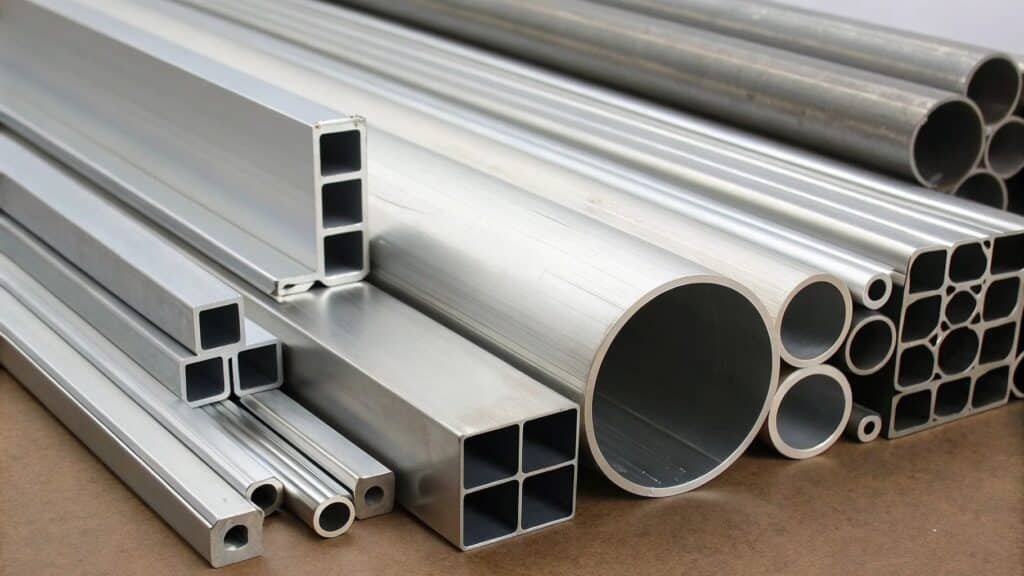
This is a classic case of using the right tool for the job. You can't just look at strength. 6061 gets its power from a heat treatment process, making it rigid and perfect for structural parts. In contrast, 5052 is strengthened by work-hardening and is prized for its excellent formability and resistance to saltwater corrosion. For our machining clients, 6061 is the go-to for parts that require drilling, tapping, and milling. For clients making fuel tanks or marine components, 5052 is the obvious choice. However, what if you need the best of both worlds? This is where forging shines. A forged 6061 ring has a refined grain structure that enhances its natural corrosion resistance. This makes a part machined from a 6061 forging a fantastic option for our clients in the Middle East who need both structural integrity and durability in coastal environments.
Key Differences: 5052 vs. 6061
| Feature | 5052 Aluminum | 6061 Aluminum |
|---|---|---|
| Primary Strength | Good | Excellent |
| Strengthening Method | Strain Hardening (Non-Heat-Treatable) | Heat Treatment |
| Best For | Forming, Bending, Welding | Machining, Structural Applications |
| Corrosion Resistance | Excellent, especially in marine settings | Good |
Is 6061 or 7075 Aluminum Stronger?
You're looking for maximum strength, but you're worried about the high cost of 7075. You wonder if the extra expense is justified or if 6061 is "strong enough" for your application.
7075 aluminum2 is significantly stronger than 6061, with nearly double the tensile strength. This makes 7075 the clear winner for applications where strength-to-weight is the most critical factor, such as in aerospace or high-performance machinery.
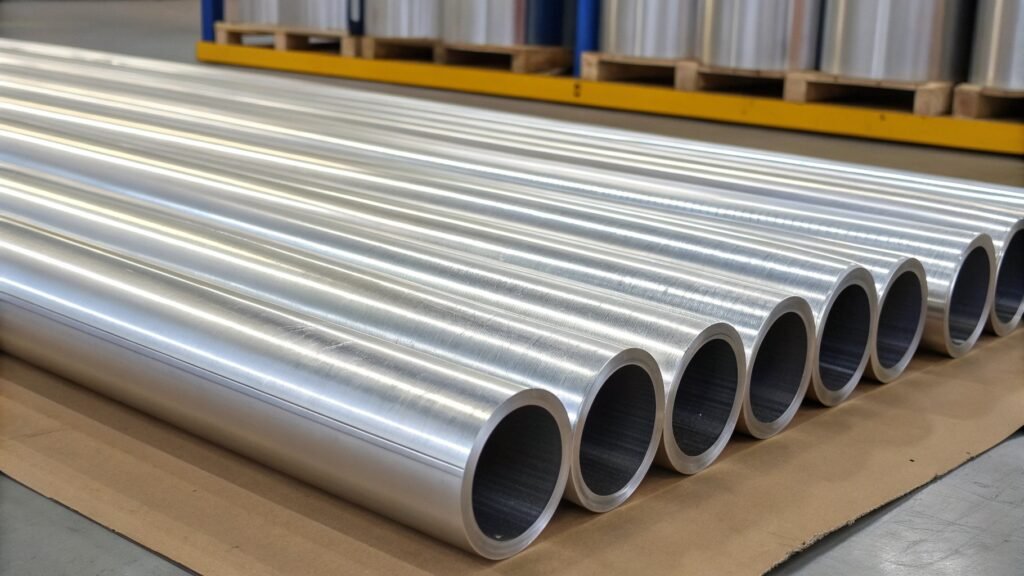
6061 is an amazing all-around alloy, but when pure strength is the goal, 7075 is in a different league. I always tell my clients that if the part is for an airplane or a high-stress gear, the conversation starts with 7075. But here is the critical point that many miss: buying a 7075 plate does not guarantee you get 7075 strength. A rolled plate is anisotropic, meaning it's strong in one direction and weak in another. If you machine a part and the real-world stress hits that weak axis, the part can fail. This is why a forged 6061 disc can sometimes be a better choice than a 7075 plate. The forging process gives the 6061 part uniform, isotropic strength. It has no weak direction. This predictable performance is often more valuable than the higher on-paper strength of a compromised material form.
Which Is Better, 6061 or 6063 Aluminum?
You see two similar "6xxx" series alloys and are tempted to choose 6063 to save costs. You are unsure if the strength difference from 6061 really matters for your project.
6061 aluminum is stronger than 6063. 6063 is prized for its excellent surface finish and its ability to be formed into complex extruded shapes. 6061, however, is designed for load-bearing structural applications where strength is a priority.
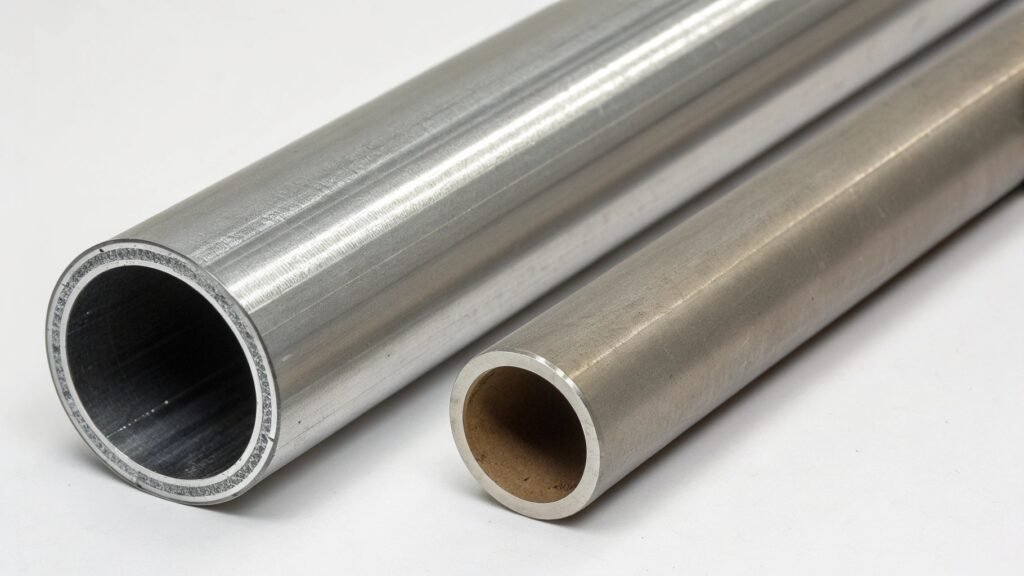
This is a very common point of confusion. Think of it this way: 6063 is the "architectural alloy," while 6061 is the "structural alloy." When a client needs to make something that looks beautiful, like a railing or window frame, 6063 is perfect. Its chemistry is optimized for creating a smooth, fine surface right out of the extrusion die. But if you need to machine a part that will hold a load, support weight, or withstand pressure, 6061 is the only choice between the two. Its higher magnesium and silicon content allow it to be heat-treated to a much higher strength. At SWA Forging, we don't even work with 6063, because our focus is on providing high-integrity components for machining. For us, the structural capability of 6061 is the necessary starting point.
So, What Type of Aluminum Should I Use?
After comparing alloys, you are still facing a difficult choice. You worry that picking an alloy from a spec sheet alone is a gamble that could compromise your final product's reliability.
The best aluminum to use depends first on the manufacturing process. For critical parts, choose a forging. Then, select an alloy based on your specific needs: 6061 for general structure, 7075 for ultimate strength, or 5052 for formability.
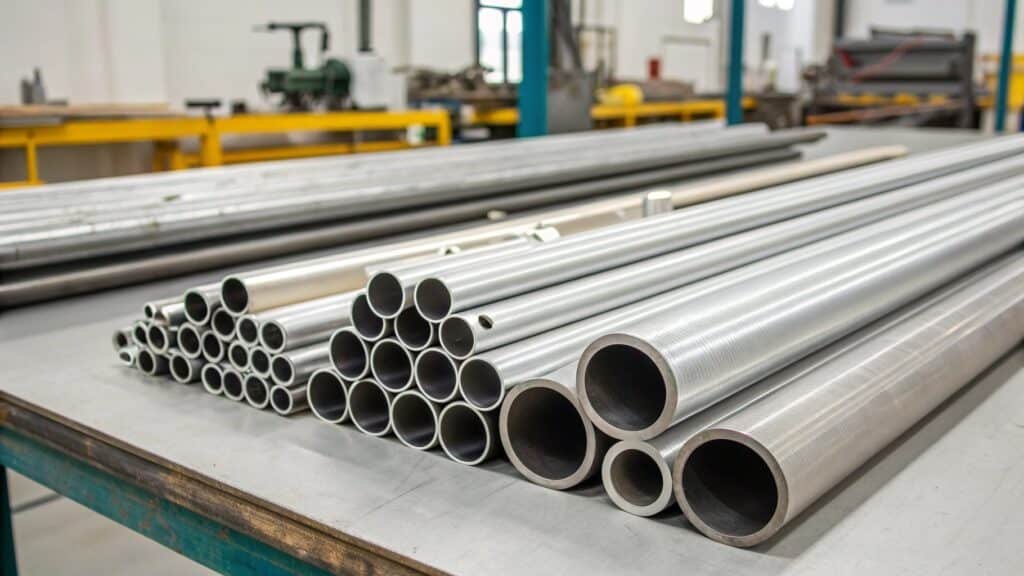
This is the most important advice I can give my clients. Stop thinking "alloy first." Start thinking "process first." For any component where failure is not an option, you should begin by specifying a forged blank. A forging from SWA Forging gives you a refined, non-directional grain structure. This isotropic integrity is the foundation of a reliable part. Once you've established that foundation, choosing the alloy becomes much simpler. Do you need good, reliable strength for a machine part? A forged 6061 ring is perfect. Do you need absolute maximum strength for an aerospace component? A forged 7075 ring is the answer. By prioritizing the forging process, you eliminate the biggest variable in performance. You get predictable, uniform strength, backed by our quality certifications, every single time.
Conclusion
The right question isn't just 'which alloy?' but 'which manufacturing process?' The integrity from forging a part delivers more real-world performance than simply choosing a 'stronger' alloy in a weaker form.