You design a critical component based on the ultimate stress listed on a datasheet. Yet, the part fails under load, well below that theoretical number, leading to costly failures and safety concerns.
To guarantee aluminum reaches its ultimate stress, you must use a material with a flawless internal structure. Forging eliminates the microscopic voids and impurities that act as failure points, ensuring the part achieves its full, certified strength under real-world load.
Ultimate stress is a promise on a datasheet. At SWA Forging, we deliver proven performance. I remember a client who manufactured hydraulic cylinders. They were using cast aluminum for the end caps, designed based on the alloy1's theoretical strength. But the caps kept cracking during pressure testing. The problem wasn't the design; it was the material. The castings were full of tiny pores that concentrated stress and initiated fractures. We replaced them with forged 6061 discs. The failures stopped immediately. By forging out the microscopic voids where failures originate, we ensure your component achieves its full certified strength, not just a theoretical maximum.
What Is the Ultimate Tensile Strength of Aluminum?
You're looking for the strength of "aluminum," but you find a huge range of numbers. This makes it impossible to choose the right material or design a part with confidence.
The ultimate tensile strength (UTS) of aluminum varies drastically, from around 90 MPa (13,000 psi) for pure commercial aluminum to over 570 MPa (83,000 psi) for high-strength alloys like 7075. The value depends entirely on the specific alloy and its temper condition.
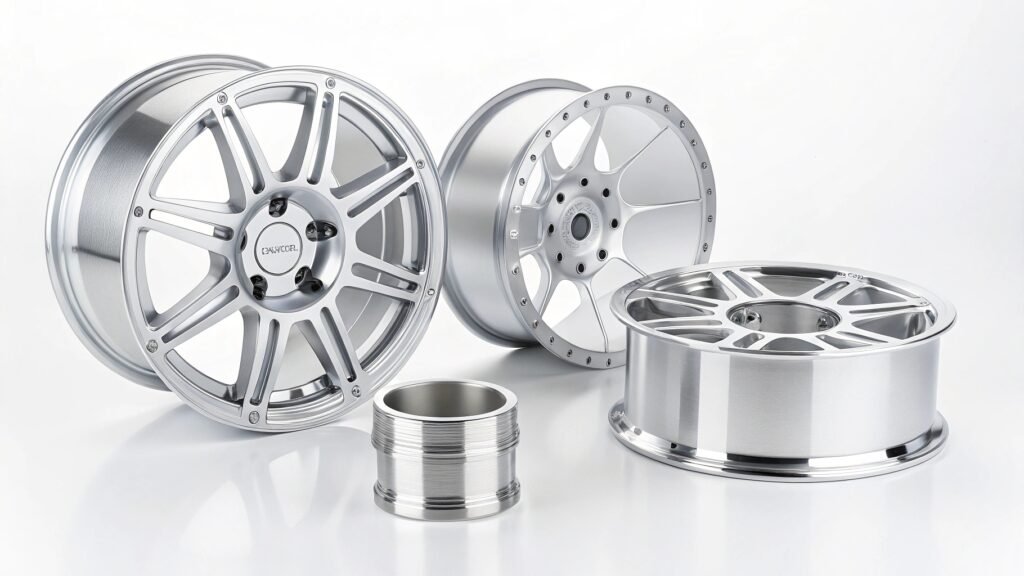
Ultimate tensile strength, or UTS, is the maximum stress a material can handle while being stretched or pulled before it starts to break. For aluminum, this number is not a single value. It's a spectrum defined by two key factors: alloy and temper. The alloy is the recipe—what other elements like copper, magnesium, or zinc are mixed with the aluminum. The temper is the treatment process, usually heat treatment, that brings the material to its final strength level. For example, a soft, pure 1100 series alloy used for electrical wiring is very weak. In contrast, a 7xxx series alloy designed for aerospace is incredibly strong. This is why when a customer asks for "aluminum," my first question is always, "Which alloy and which temper?" The answer changes the material's performance completely.
Typical UTS Ranges by Aluminum Alloy Series
| Alloy Series | Common Use | Typical UTS Range (MPa) | Key Characteristic |
|---|---|---|---|
| 1xxx | Electrical, Chemical | 90 - 150 MPa | High purity, soft, excellent corrosion resistance |
| 5xxx | Marine, Tanks | 125 - 350 MPa | Good strength, weldable, corrosion resistant |
| 6xxx | Structural, Machining | 125 - 310 MPa | Versatile, strong, good machinability |
| 7xxx | Aerospace, High-Stress | 220 - 570+ MPa | Highest strength, steel-like performance |
What Is the Real-World Ultimate Stress of 6061 Aluminum?
The datasheet for 6061-T6 lists an impressive strength value. You design your part based on this number, but you worry that your finished component might not actually achieve it.
The typical ultimate tensile strength of 6061-T6 aluminum is around 310 MPa (45,000 psi). However, achieving this in a finished part depends entirely on using a high-quality material form, like a forging, that is free from internal defects.

The number 310 MPa is the benchmark for 6061-T6. It's what makes this alloy the workhorse of the industry for structural parts and machining. It offers a great balance of strength, corrosion resistance, and affordability. But here’s the critical point I always emphasize to my clients: that number assumes the material is perfect. If you start with a casting or a lower-quality extrusion, you are not starting with a perfect material. It may contain internal porosity, impurities, or an inconsistent grain structure. These act as built-in stress risers—tiny weak spots where a crack will begin long before the material ever sees 310 MPa of stress. This is why we focus so heavily on forging. Forging physically compresses the aluminum, closes any voids, and refines the grain structure into a uniform, powerful alignment. It turns the theoretical strength of 6061-T6 into a reliable, certified reality for your part.
What Is the Ultimate Strength of 7075-T6 Aluminum?
You need the absolute highest strength possible for a lightweight component. You see 7075-T6 listed as the top performer, but you need to know if it's as strong as they say.
The typical ultimate tensile strength of 7075-T6 aluminum2 is approximately 572 MPa (83,000 psi). This exceptional strength, comparable to many steels, is why it is a primary choice for critical, high-stress aerospace and defense applications.
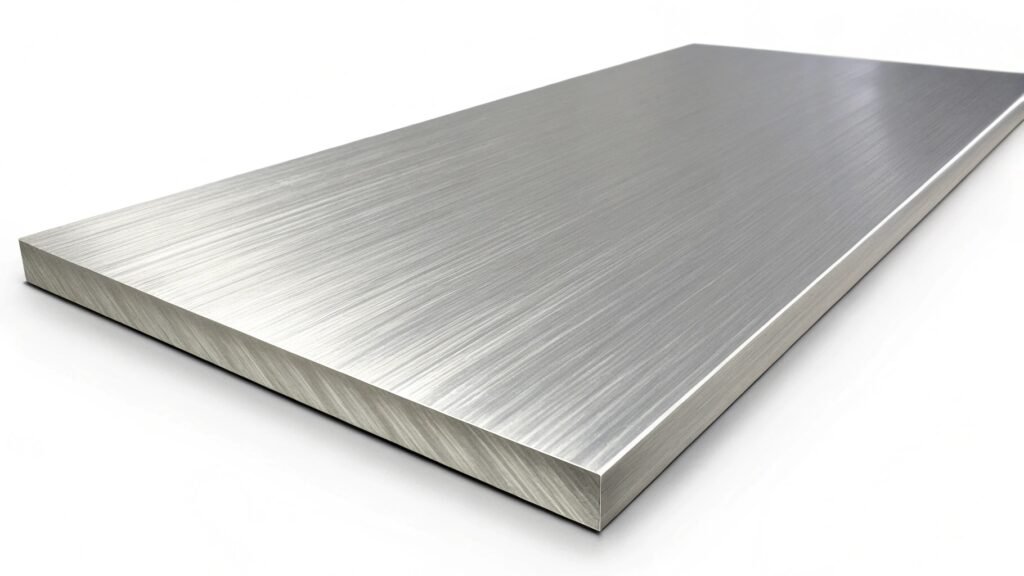
When we talk about 7075-T6, we are at the peak of aluminum alloy performance. That 572 MPa figure is why engineers can design airplane wings and high-performance racing parts that are both incredibly strong and incredibly light. Zinc is the primary alloying element, and when combined with the T6 heat treatment, it creates a material with an outstanding strength-to-weight ratio. But with great strength comes great responsibility for the material producer. More than any other alloy, 7075 is sensitive to internal quality. A microscopic flaw that might not matter in a less-stressed part can become a catastrophic failure point in a 7075 component. For our aerospace clients, there is zero room for error. Every single forged ring or disc we produce from 7075 is certified to be internally sound. The forging process is the only way to provide the structural guarantee needed when a component's failure is not an option.
Conclusion
A datasheet's ultimate stress is a promise. We deliver proven performance by forging out the microscopic voids where failures begin, ensuring your component achieves its full certified strength.