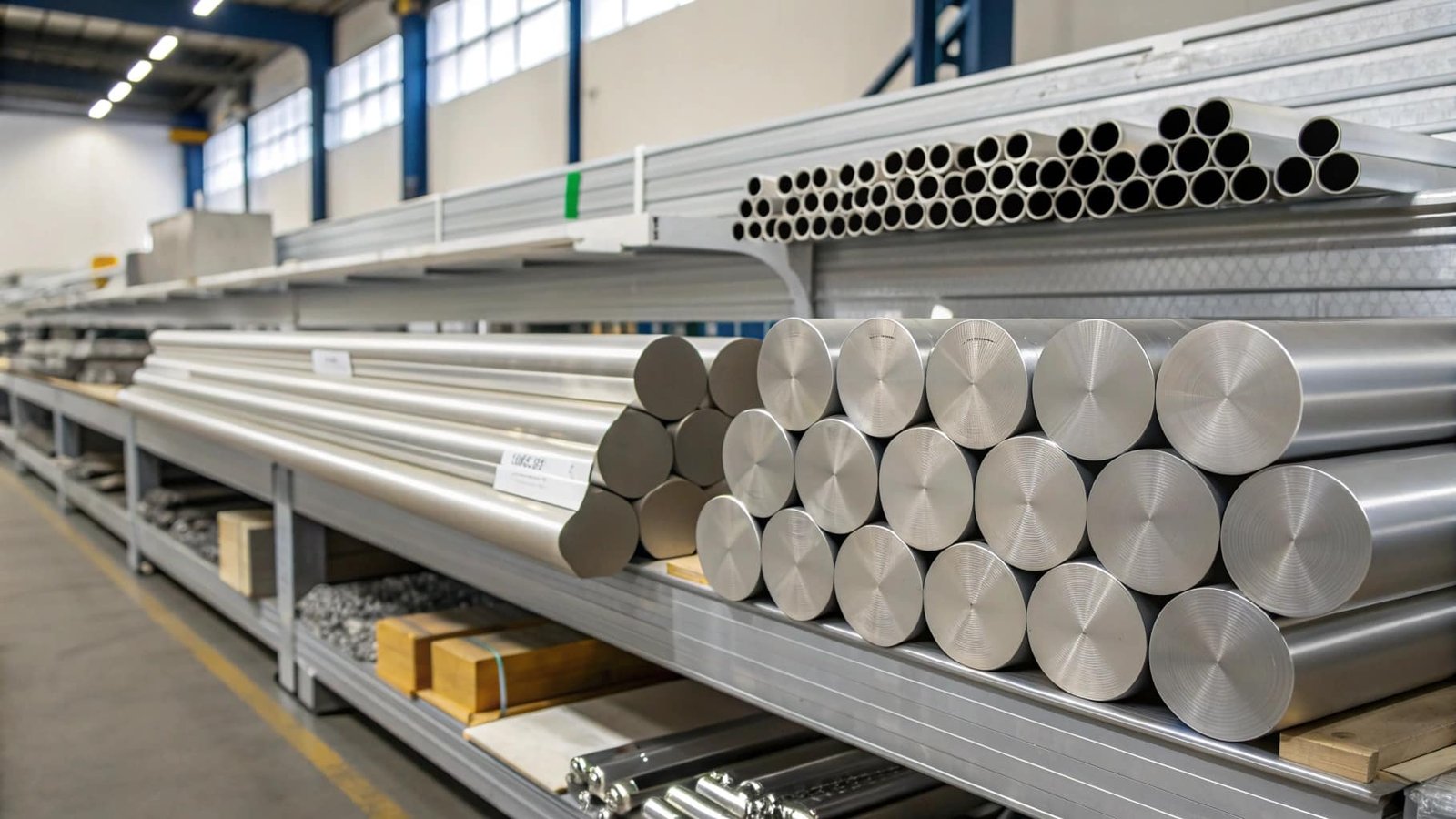
The Chinese market is huge and confusing. Choosing the wrong supplier means risking quality, delays, and financial loss, threatening your reputation and projects.
True navigation isn't about location, but a standard of quality. Look for verifiable certifications like ISO, SGS, and TUV. These are your compass to a partner who eliminates risk and guarantees performance.
I've spoken with many international clients who feel overwhelmed by the sheer scale of the Chinese market. They know the potential is here, but they're worried about the risks. They ask me how to find a partner they can trust. It’s a question that goes beyond just manufacturing. It’s about building a secure supply chain. The first step is to understand the landscape, starting with the biggest player on the field. It helps to see not just the size, but the structure of this industry. Once you understand the scale, you can start to see how to find the real pockets of quality within it.
Which Country Dominates Global Aluminum Production?
You need massive quantities of aluminum for your business. Relying on smaller markets creates supply chain instability and higher costs, limiting your growth potential.
China is the undisputed leader, producing over half of the world's primary aluminum. This massive scale ensures a stable supply chain and competitive pricing for buyers who know where to look.
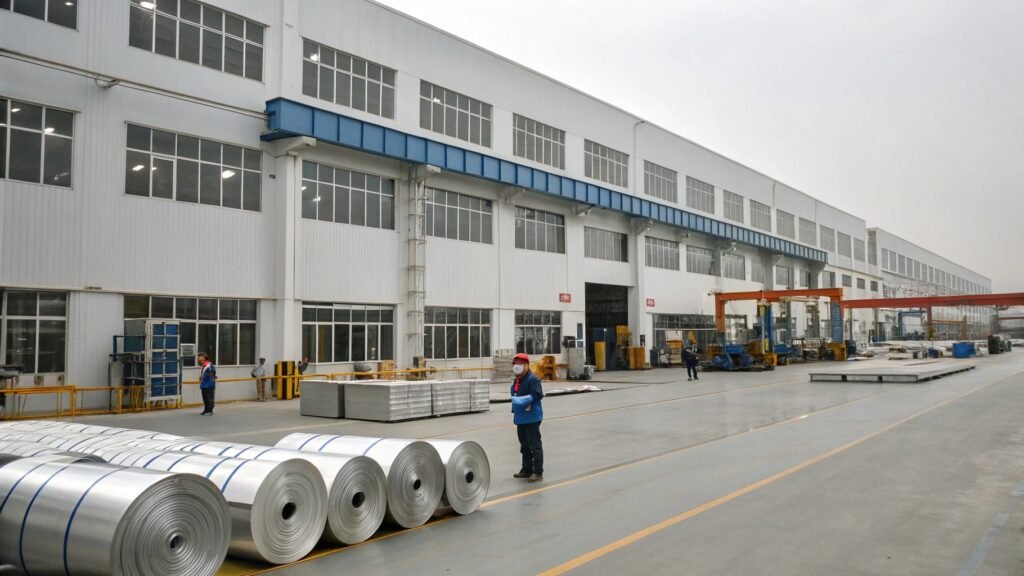
When clients ask about the global aluminum market, the conversation always starts and ends with one country: China. The scale of production here is monumental, dwarfing the output of the rest of the world combined. This didn't happen by accident. It's the result of decades of focused industrial policy, massive infrastructure investment, and a huge domestic demand that built up this incredible capacity. For our customers, this scale creates both immense opportunity and significant complexity. You need a partner who understands both sides of this coin.
The Two Sides of Scale
The opportunity is clear. Unmatched capacity means we at SWA Forging can handle large, custom orders for forged rings and discs without the long lead times common elsewhere. It also creates a highly competitive internal market for raw materials, which allows us to source high-quality billets cost-effectively. The complexity, however, is that with thousands of producers, quality varies dramatically. Just finding a supplier "in China" is a gamble. This is why our role is not just to forge aluminum, but to navigate this internal market to secure the best certified materials for your specific project.
Where Does China Source Its Aluminum To Fuel This Production?
You worry about the origin and quality of raw materials. An unstable supply of bauxite or alumina can cause price shocks and production delays for your orders.
China's aluminum supply is two-pronged. It relies heavily on imported bauxite, mainly from Guinea and Australia, and also operates a massive domestic recycling system to produce secondary aluminum from scrap.
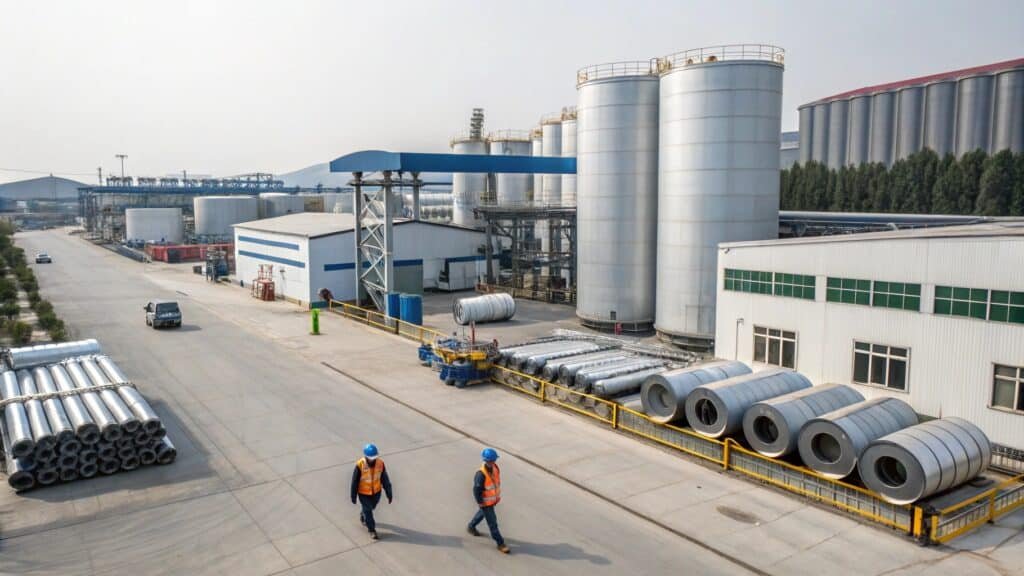
To sustain its massive production, China has a very strategic approach to raw materials. It's a question my most astute trading partners ask, as it speaks to the stability of the entire supply chain. There are two main pipelines feeding our industry. The first is primary production. This starts with bauxite ore, the raw ingredient for aluminum. China imports huge quantities of bauxite, with the top suppliers being Guinea in Africa and Australia. This bauxite is then refined into alumina before being smelted into primary aluminum. The second pipeline is recycling. China has one of the world's largest and most advanced aluminum recycling industries. This process uses only 5% of the energy of primary production and is a critical source of what we call secondary aluminum.
Why This Matters to You
For our customers, this dual-source system provides a powerful layer of stability. If global bauxite supply chains face disruption, the domestic recycling industry can help balance the market. At SWA Forging, we use only high-grade primary aluminum billets for our forged products to ensure the highest purity and performance. Our deep connections in the industry ensure we have a stable, prioritized supply of this top-tier material, shielding our clients from the volatility that can affect smaller, less-established operators.
How Does US Aluminum Production Compare to China's?
You hear about reshoring and domestic production in the West. This makes you wonder if sourcing from China is still the most stable and cost-effective long-term strategy for your business.
The US produces a fraction of the aluminum China does. While the US has some primary production and a strong recycling sector, its output is small on a global scale and largely serves domestic needs.
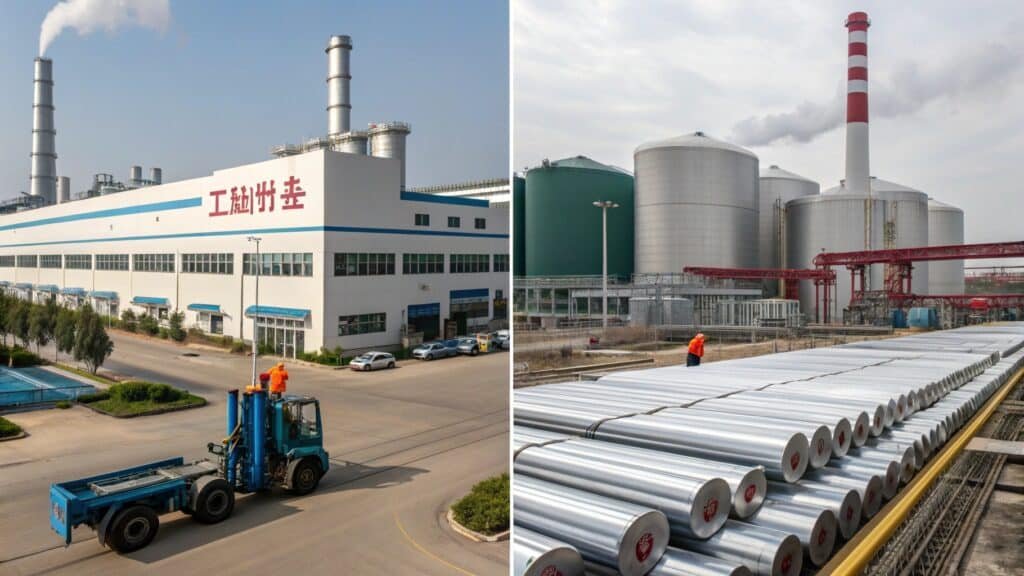
I often discuss market dynamics with my clients from the Middle East and beyond, and the topic of US production comes up. It's important to see the numbers clearly. While the United States has a long history in the aluminum industry and still operates some smelters, its primary production volume is very small compared to China's. Today, US output is a fraction of what China produces. High energy costs have made primary smelting in the US less competitive over the years. However, the US does have a very strong and efficient aluminum recycling industry, which supplies a significant portion of its domestic demand.
A Tale of Two Markets
This creates two very different market structures. The US market is focused heavily on serving its domestic industries, particularly automotive and construction, with a large portion of its supply coming from recycled materials. The Chinese market, due to its sheer scale, is a global hub for both production and export. For international traders and machining companies needing large quantities of custom-forged, primary aluminum products like large-diameter rings, the production capacity and expertise are concentrated here in China. It's not about one being "better," but about understanding where the capability for your specific needs resides.
Who Is the Main Exporter of Aluminium?
You need to source finished or semi-finished aluminum products. Knowing the main exporter helps you focus your search, but you also need to ensure they can produce your specific high-value components.
China is the world's main exporter of aluminum, but primarily in the form of semi-finished and finished products, not raw metal. This includes forged rings1, discs, extrusions, and sheets for global industries.
This is a critical distinction that I explain to all my new clients. While China produces the most raw aluminum, government export taxes are designed to keep that primary metal within the country for value-added manufacturing. As a result, China is not a major exporter of raw aluminum ingots. Instead, China is the world's largest exporter of aluminum products. This means components like the custom-forged rings and discs we manufacture at SWA Forging. This policy has transformed our country into a global manufacturing powerhouse for everything from simple extrusions to complex, high-strength aerospace components.
From Raw Metal to Engineered Solution
This is where we provide immense value. A trader in the Middle East can't easily buy raw Chinese aluminum. But they can partner with us to access that aluminum, transformed into a high-performance, certified product tailored to their customer's exact needs. We are the gateway. We take the raw material, apply our forging expertise and rigorous quality control, and export an engineered solution. This is why understanding the export landscape is key. The opportunity isn't in trading the metal itself, but in sourcing high-quality manufactured goods from a reliable partner who can navigate the local industry. That is our specialty.
Conclusion
Navigating China's market is about finding a partner with verifiable quality. Certifications like ISO and SGS are your compass, pointing to a supplier who guarantees performance and eliminates your risk.
-
Forged rings have diverse applications, and knowing their uses can help you select the right products. ↩