You need a lightweight component that can handle extreme stress. You choose a high-grade aluminum alloy1, but the final part is heavier than designed or fails under load, jeopardizing your entire project.
The ultimate strength-to-weight ratio is not just from the alloy's chemistry. It is unlocked by the forging process, which refines the metal's grain structure to maximize strength from minimum mass, turning a great alloy into a guaranteed performer.
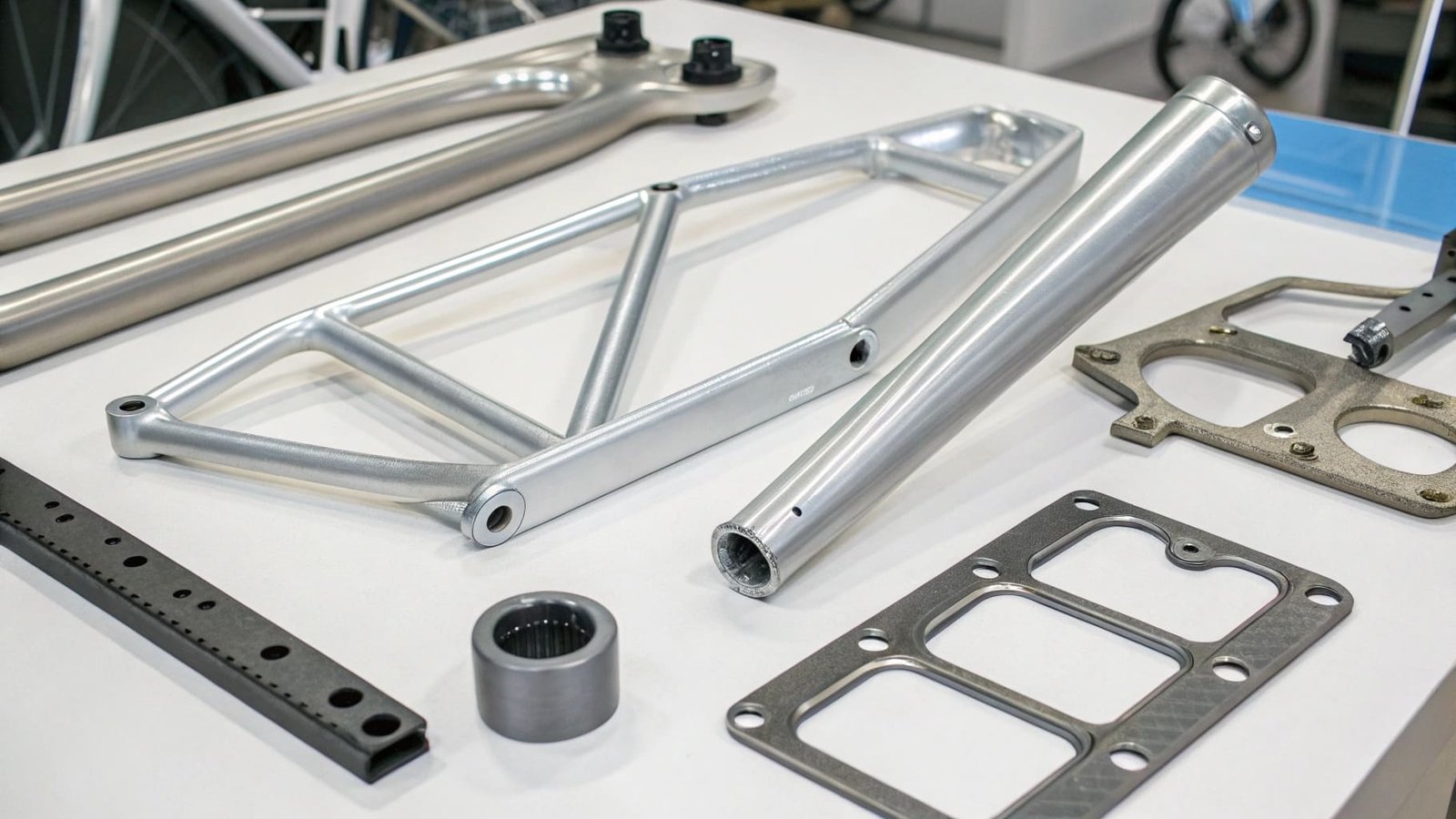
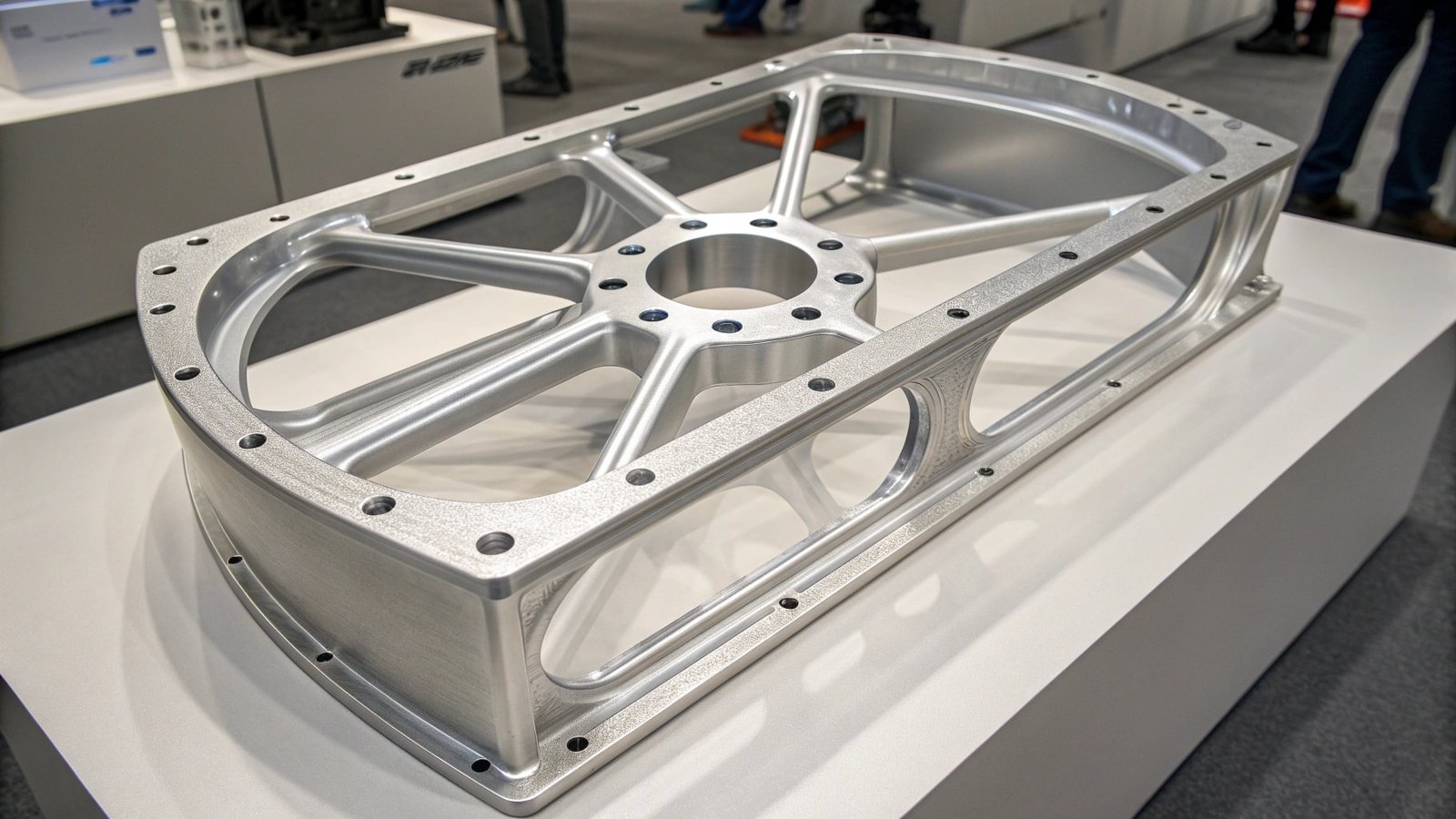
A few years ago, a team designing a competitive racing drone came to us. They were using parts machined from 7075-T6 extruded bar stock for the drone's main frame. The alloy was correct, but they were experiencing catastrophic frame failures during high-G maneuvers. They were at their wit's end, trying to add reinforcing braces that just added weight and ruined the drone's agility. The problem wasn't the alloy; it was the grain structure of the extruded bar. We replaced their multi-piece frame with a single, custom-forged 7075-T6 component. The forging process aligned the grain flow along the paths of highest stress, creating a part that was not only stronger but also lighter than their original design. They went on to win their next competition. This taught them that how a part is made is just as important as what it is made of.
What is the strength-to-weight ratio of an aluminum alloy, really?
You see "high strength-to-weight ratio" used as a selling point everywhere. But this vague term doesn't explain how it applies to your parts or how you can actually guarantee that performance.
The strength-to-weight ratio is a simple calculation: the material's strength divided by its density. For aluminum, this ratio is not fixed; it is an engineered outcome that depends heavily on the chosen alloy, temper, and manufacturing process.
The strength-to-weight ratio2 tells you how much load a material can handle for its mass. It is the single most important metric in applications where performance and lightweighting are critical, like in the aerospace, automotive, and defense industries. A higher number means better performance. However, this ratio is not a static property of "aluminum." It changes drastically based on several factors.
- Alloy Choice: An alloy like 6061 has a good ratio, but 7075 has a fantastic one.
- Temper (Heat Treatment): A 6061-T6 (heat-treated) part is much stronger than a 6061-T0 (annealed) part, giving it a far superior ratio.
- Manufacturing Process: A forged part has a refined and aligned grain structure, making it significantly stronger than a cast part of the same alloy and weight.
This is why we focus on forging. It is the most reliable method to maximize the strength potential of an alloy, ensuring you achieve the highest possible strength-to-weight ratio in your finished component.
Why does forged 7075 have a legendary strength-to-weight ratio?
You need the absolute best performance for a critical component. You hear that 7075 is the king, but you need to know exactly why it is the go-to choice for the most demanding jobs.
Forged 7075 aluminum has an exceptionally high strength-to-weight ratio because it combines the alloy's high zinc content with the grain refinement of the forging process. This pairing creates steel-like strength at one-third the weight.
When every gram counts, 7075 is the answer. Its primary alloying element, zinc, allows it to be heat-treated to incredible strength levels. When we forge it, we take that inherent potential and perfect it. Let's compare the numbers to see why it stands out.
| Material | Typical Tensile Strength | Density (g/cm³) | Strength-to-Weight Ratio (kNm/kg) |
|---|---|---|---|
| Forged 7075-T6 | 572 MPa | 2.81 | ~203 |
| Forged 6061-T6 | 290 MPa | 2.70 | ~107 |
| Mild Steel | 400 MPa | 7.85 | ~51 |
As you can see, 7075-T63 is in a class of its own. It is nearly twice as effective as 6061-T6 and offers about four times the performance of mild steel for the same mass. This is why it is the mandatory choice for aircraft structural components, high-end military hardware, and elite sporting equipment. It is not just strong; it is efficiently strong.
What is the tensile yield strength of an aluminium alloy?
You are designing a structural part and need to know its breaking point. You see terms like "tensile strength" and "yield strength," and you need to know which one really matters for preventing failure.
Tensile yield strength is the most critical number for a structural designer. It is the maximum stress a material can withstand before it starts to permanently deform or bend. It is the true measure of a part's usable strength.
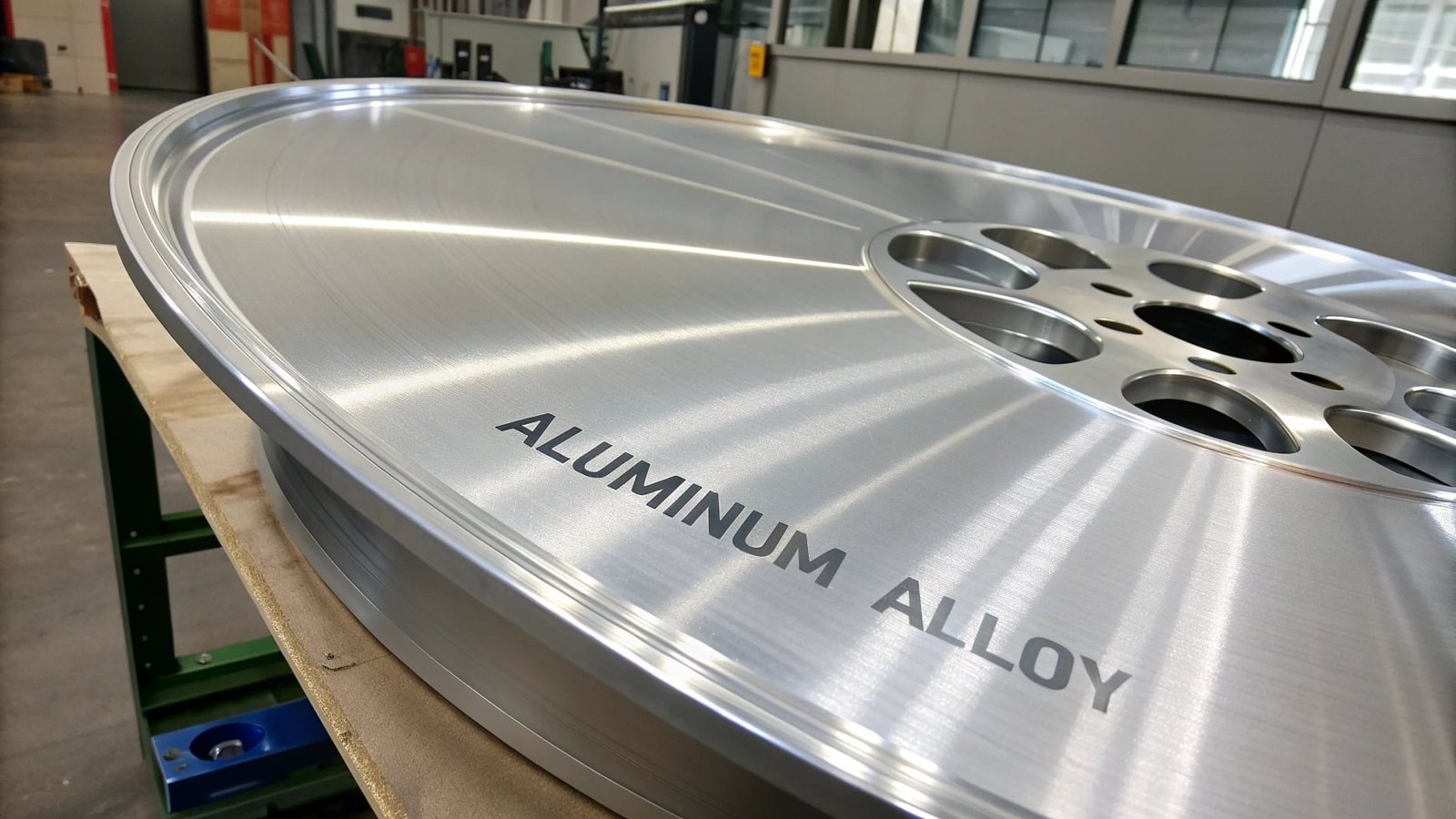
When you pull on a metal part, it will stretch slightly and then spring back to its original shape. This is called elastic deformation. If you pull too hard, you will reach a point where it stops springing back and stays permanently bent. That point is the tensile yield strength.
- Yield Strength: The point of no return. Exceeding this means the part has failed, even if it has not broken.
- Ultimate Tensile Strength (UTS): The absolute maximum stress the material can handle before it snaps in two.
For any engineer or designer, the yield strength is the number that matters. You always design your parts to keep the stresses well below the yield strength to ensure they never permanently deform during use. Our product quality certificates for every forged order guarantee that the material meets the specified minimum yield strength for its temper, like 276 MPa for 6061-T6 or 503 MPa for 7075-T6.
How is aluminum strength measured?
You receive a quality certificate with your parts that lists specific strength values. You need to trust these numbers, so you want to understand how they are obtained and what they really mean.
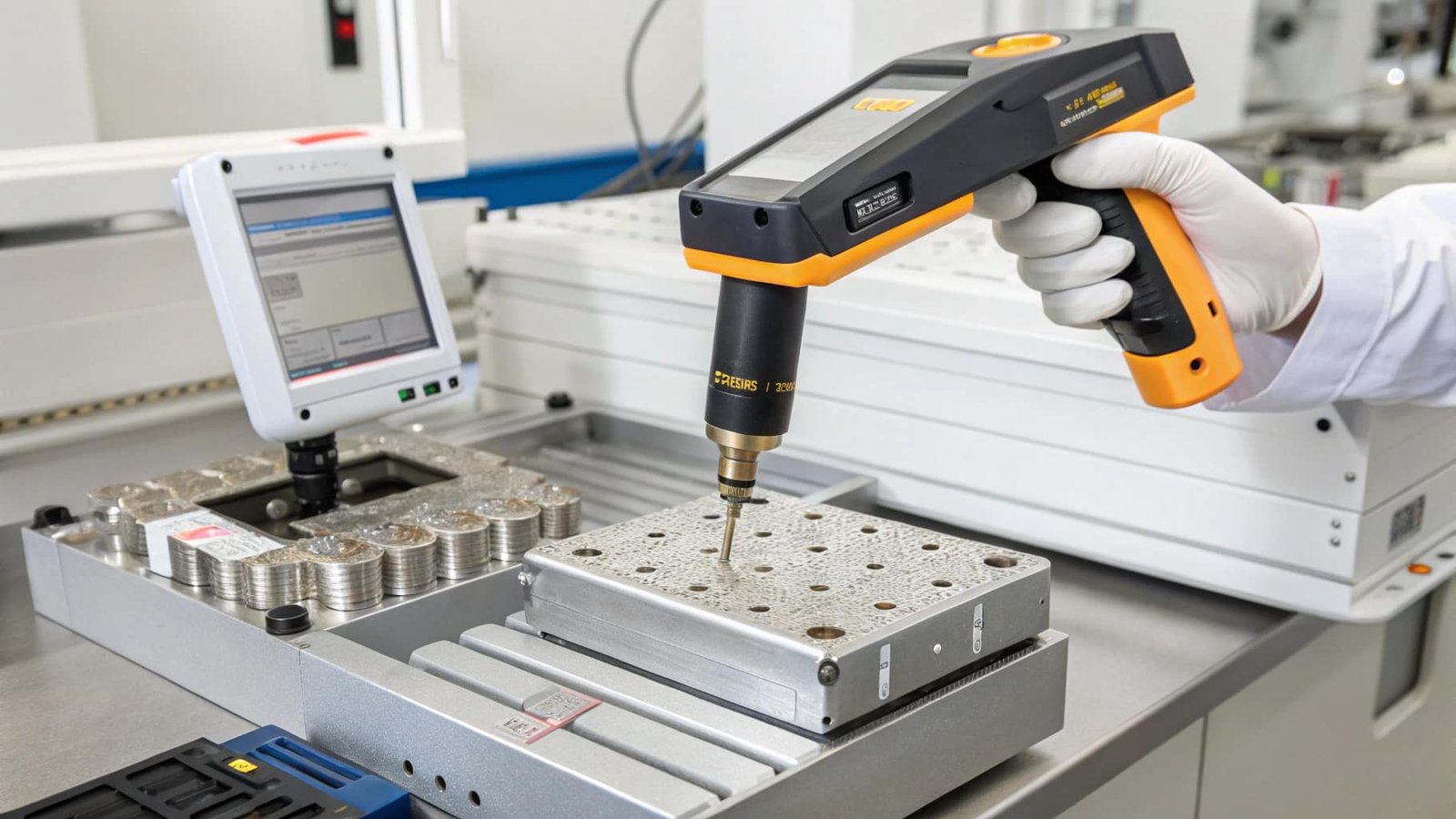
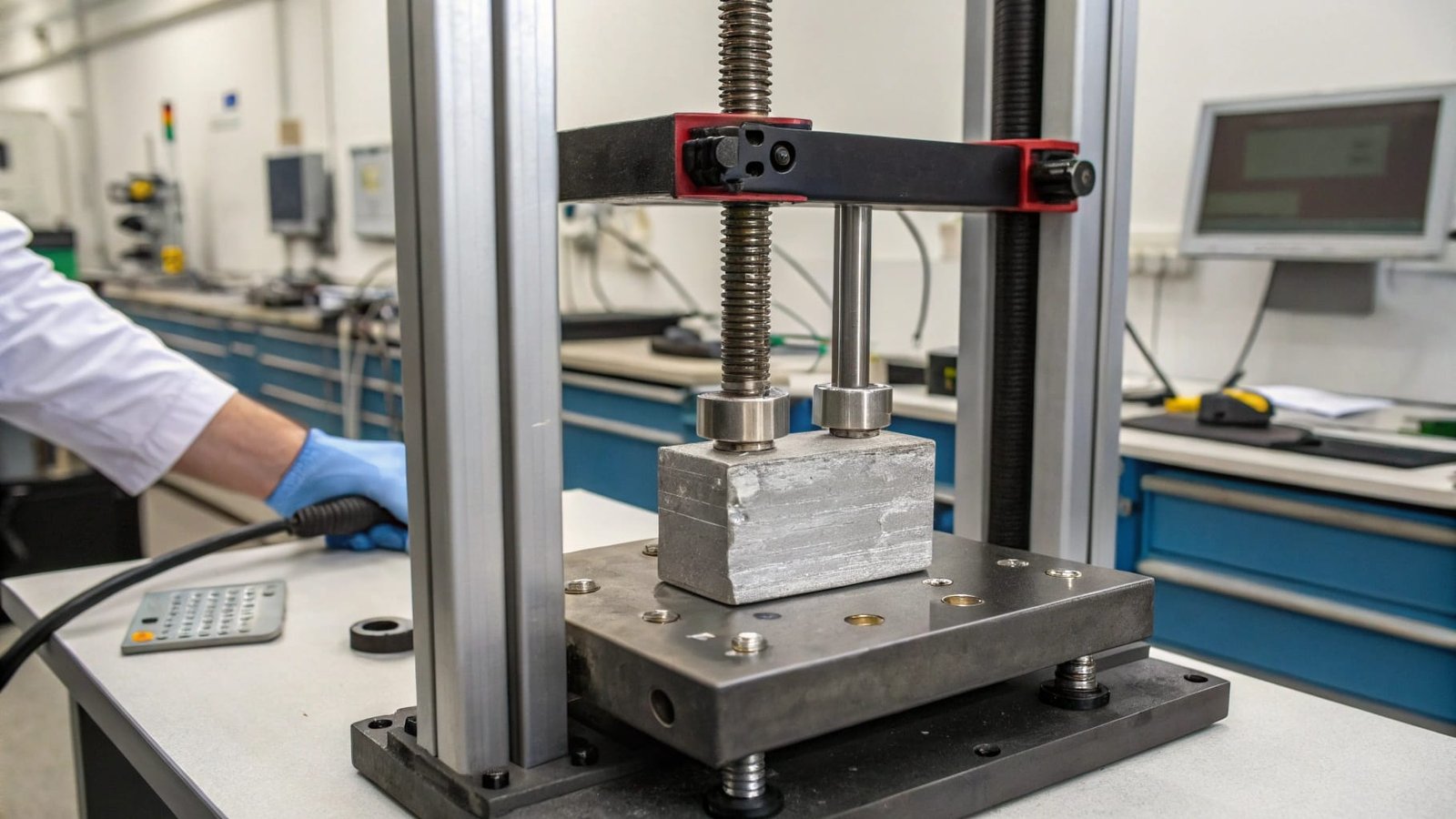
We measure aluminum strength using a tensile testing machine. A precisely machined sample of the material, called a "dog bone," is pulled apart until it breaks, while sensors record the exact force and elongation.
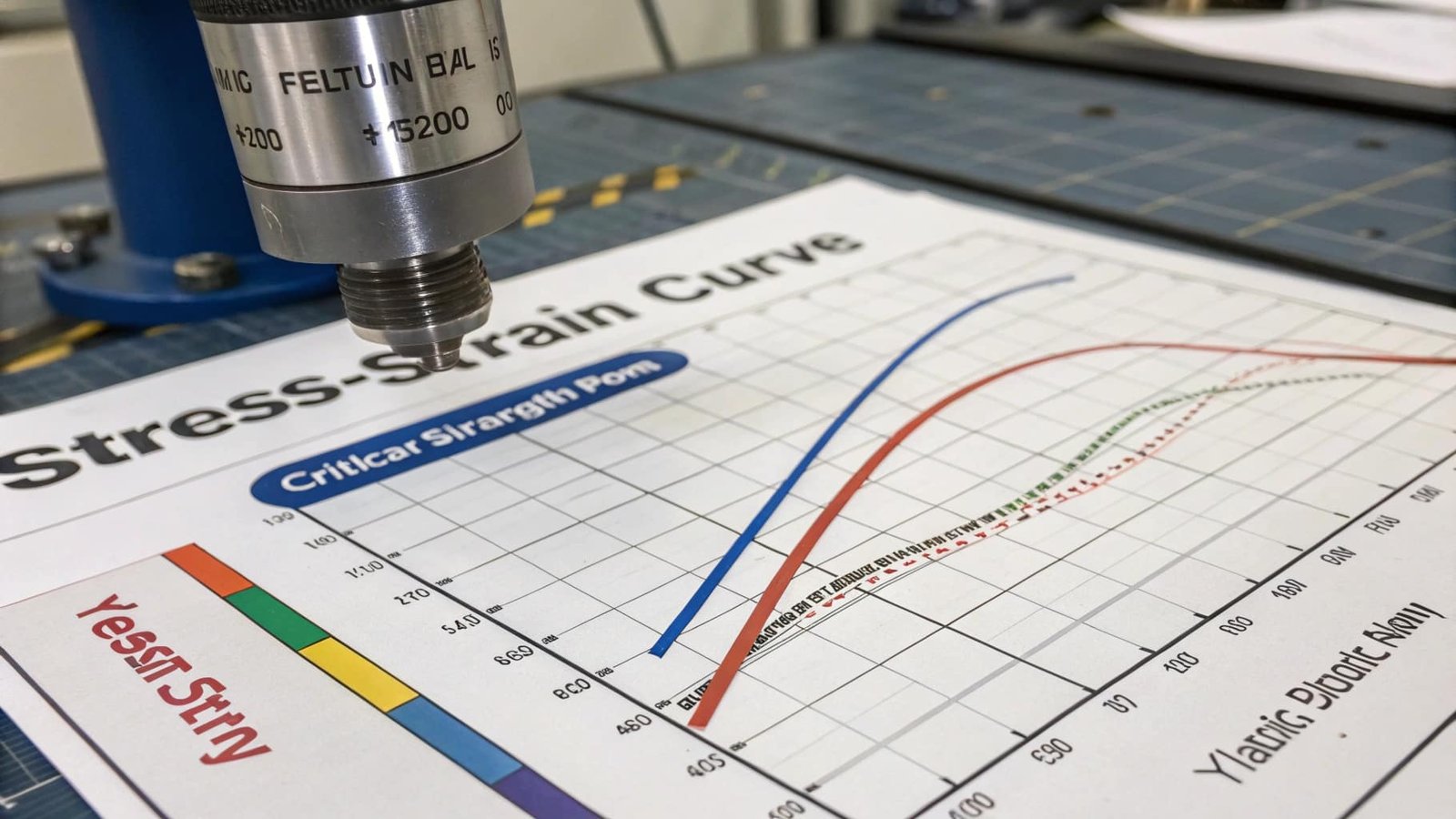
Verifying strength is not guesswork; it is a precise science. The process is standardized to ensure results are accurate and repeatable. Here is how we do it for our forged materials:
- Sample Preparation: We take a sample directly from the same forged batch as your parts. It is machined into a specific "dog bone" shape with a narrow, uniform center section.
- Tensile Test: The sample is clamped into a tensile testing machine. The machine pulls the sample from both ends at a slow, controlled speed.
- Data Recording: A sensor called an extensometer is attached to the sample's center. It measures how much the sample stretches. The machine simultaneously records the amount of force (stress) being applied.
- Analysis: The data is plotted on a stress-strain curve. From this graph, we can precisely identify the material's yield strength, ultimate tensile strength, and elongation (ductility).
This destructive test validates the entire batch. It is our proof that our forging and heat treatment processes have worked correctly, and it is your guarantee that the parts you receive will perform as expected.
Conclusion
Don't just choose an alloy; choose a process. Forging unlocks the full strength-to-weight potential of aluminum, giving you a lighter, stronger, and more reliable component every single time.
-
Discover which aluminum alloys offer the best performance for demanding engineering tasks. ↩
-
Understanding this ratio is crucial for optimizing performance in aerospace and automotive applications. ↩
-
Discover the unique properties of 7075-T6 that make it a top choice for high-performance applications. ↩