You're looking at a spec sheet with names like "Aluminum 6061-T61" or "7075-T651." These codes seem arbitrary and confusing, making it difficult to feel confident that you're choosing or ordering the right material for your project.
The aluminum naming system is a logical code that defines the alloy's performance. The four-digit number identifies the alloy's chemical composition, while the "temper" code after the dash (e.g., -T6) specifies the heat treatment and final mechanical properties like hardness and strength.
I see this all the time with new clients. They view the naming system as a random catalog number. But I explain that it's actually a global performance contract. That first digit reveals the alloy's core capability (e.g., 7xxx = strength), guaranteeing its behavior for machinists and its value for traders. It's the universal language of aluminum commerce, and once you speak it, you can select materials with precision and confidence.
Why is it 'Aluminum' in the US and 'Aluminium' Elsewhere?
You’re dealing with international suppliers and see both "aluminum" and "aluminium." This makes you question if you're talking about the same thing, and the inconsistency can feel unprofessional in formal quotes or documents.
Both spellings are correct and refer to the exact same element (symbol Al). "Aluminum" is the standard spelling in the United States and Canada. "Aluminium," with an extra 'i', is the internationally accepted spelling used in the UK and most other countries.
The name's origin traces back to its discoverer, Sir Humphry Davy, who changed his mind a few times. He first proposed "alumium," then "aluminum," before settling on "aluminium" to sound more like other elements he discovered, like sodium and potassium. However, the "aluminum" spelling stuck in North America. As a global exporter based in China, we work with clients in the Middle East and worldwide. We see both spellings daily and understand them interchangeably. The most important thing is the universal chemical symbol, Al, and the alloy designation, which are the same everywhere.
How Do You Decode the Aluminum Alloy Naming System?
You see codes like 6061-T6 and 7075-T651. They look like a foreign language, making it difficult to compare alloys or know what performance characteristics you are actually buying for your machining project.
The four-digit number identifies the alloy composition. The first digit indicates the primary alloying element. The letter and number after the dash (the "temper") indicate how the metal has been hardened through heat treatment or strain hardening.
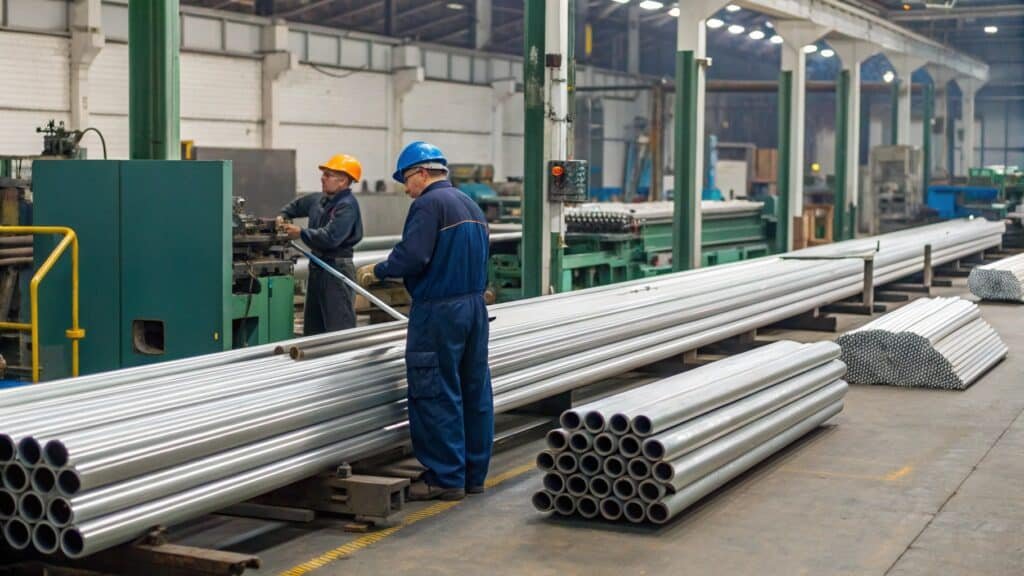
This code is the most important information on any material certificate. For our trading partners, it defines the product's market and value. For our machining customers, it dictates feeds, speeds, and the final strength of the component. Let's break it down into its two main parts.
The Four-Digit Alloy Identifier
This is the material's chemical recipe. The very first digit is the most important part of the code.
| First Digit | Main Alloying Element(s) | Key Characteristic - Your "Why" |
|---|---|---|
| 1xxx | 99%+ Pure Aluminum | Choose for superior corrosion resistance and conductivity. |
| 2xxx | Copper | Choose for high strength, popular in aerospace (but needs coating). |
| 5xxx | Magnesium | Choose for excellent corrosion resistance, especially in saltwater. |
| 6xxx | Magnesium & Silicon | Choose for the best all-around option: strong, weldable, machinable. |
| 7xxx | Zinc | Choose when you need the absolute highest strength possible. |
The Temper Designation
This code after the dash tells you about the material's hardness and strength.
- -F (As Fabricated): No special control over its properties.
- -O (Annealed): The softest, most ductile state. Good for forming.
- -H (Strain-Hardened): Used for non-heat-treatable alloys (like the 5xxx series). Strength is added by work-hardening.
- -T (Heat-Treated): Used for heat-treatable alloys (like 6xxx and 7xxx). The most common and important temper you'll see is -T6, which means the alloy has been solution heat-treated and then artificially aged to achieve optimal strength and hardness.
How Can You Identify an Unknown Aluminum Alloy?
You have a piece of aluminum stock in your shop, but the markings are gone. Using the wrong alloy in a CNC program could ruin the part, damage expensive tools, or lead to a critical component failure.
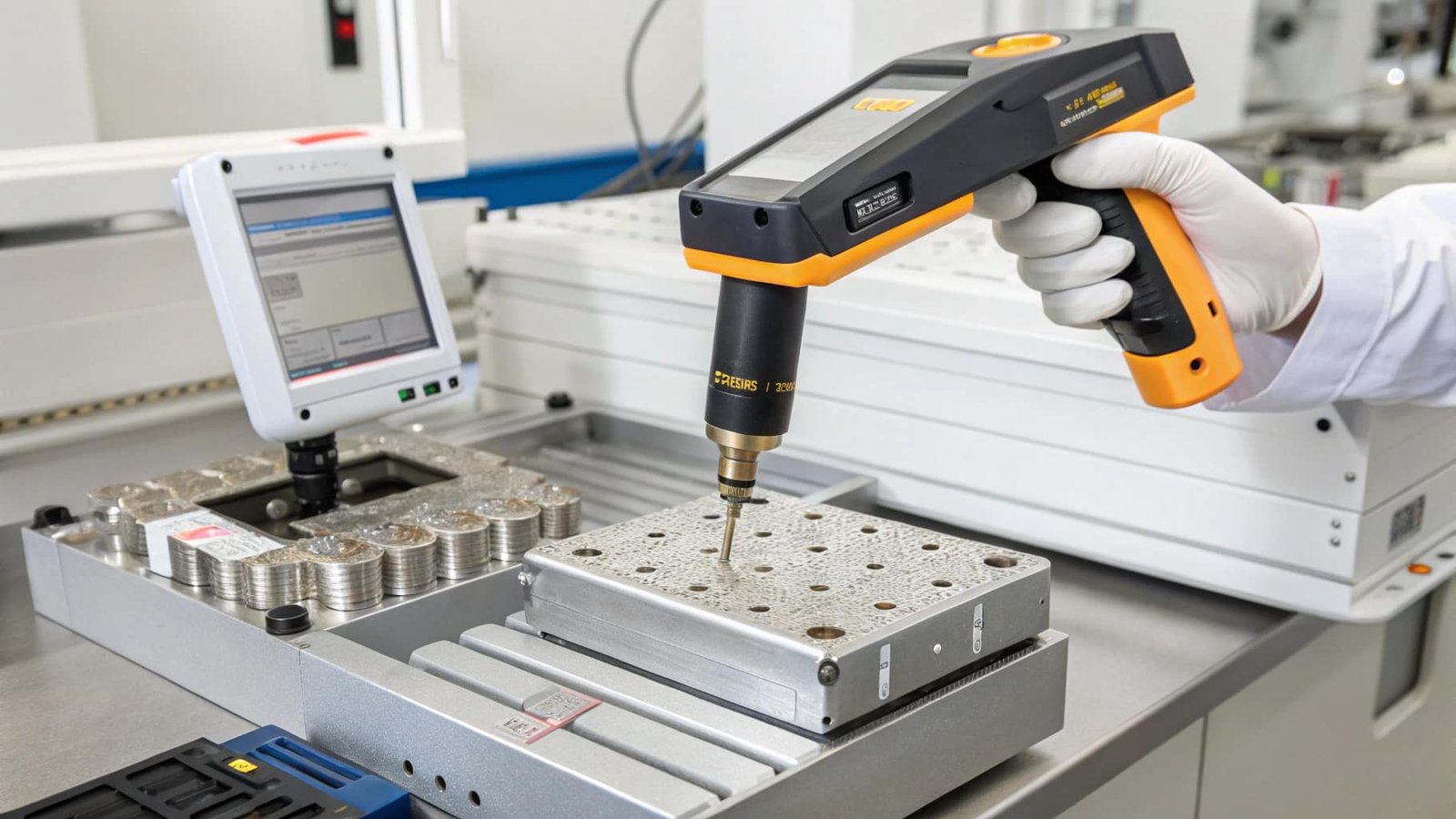
The only 100% reliable method is to check the Material Test Certificate (MTC) or use a Positive Material Identification (PMI) analyzer. Without these, you can only make an educated guess based on hardness testing or machining characteristics.
This is why traceability is a core part of our business at SWA Forging. We provide a full product quality certificate with every shipment, which our clients can use to track material from our forge to their finished part. Relying on guesswork is a huge risk. For example, mistaking 5052 for 6061 could lead to a part that is much weaker than designed. If you're ever in doubt, the best practice is to quarantine the material and get it tested. Requesting third-party certification from labs like SGS, BV, or TUV during your purchase is the best way to prevent this problem from ever happening.
Conclusion
The aluminum naming system is a clear and logical code. Understanding it empowers you to select the precise material for your needs, ensuring performance, reliability, and value in every component you produce.
-
Explore the properties of Aluminum 6061-T6 to understand its applications and benefits for your projects. ↩