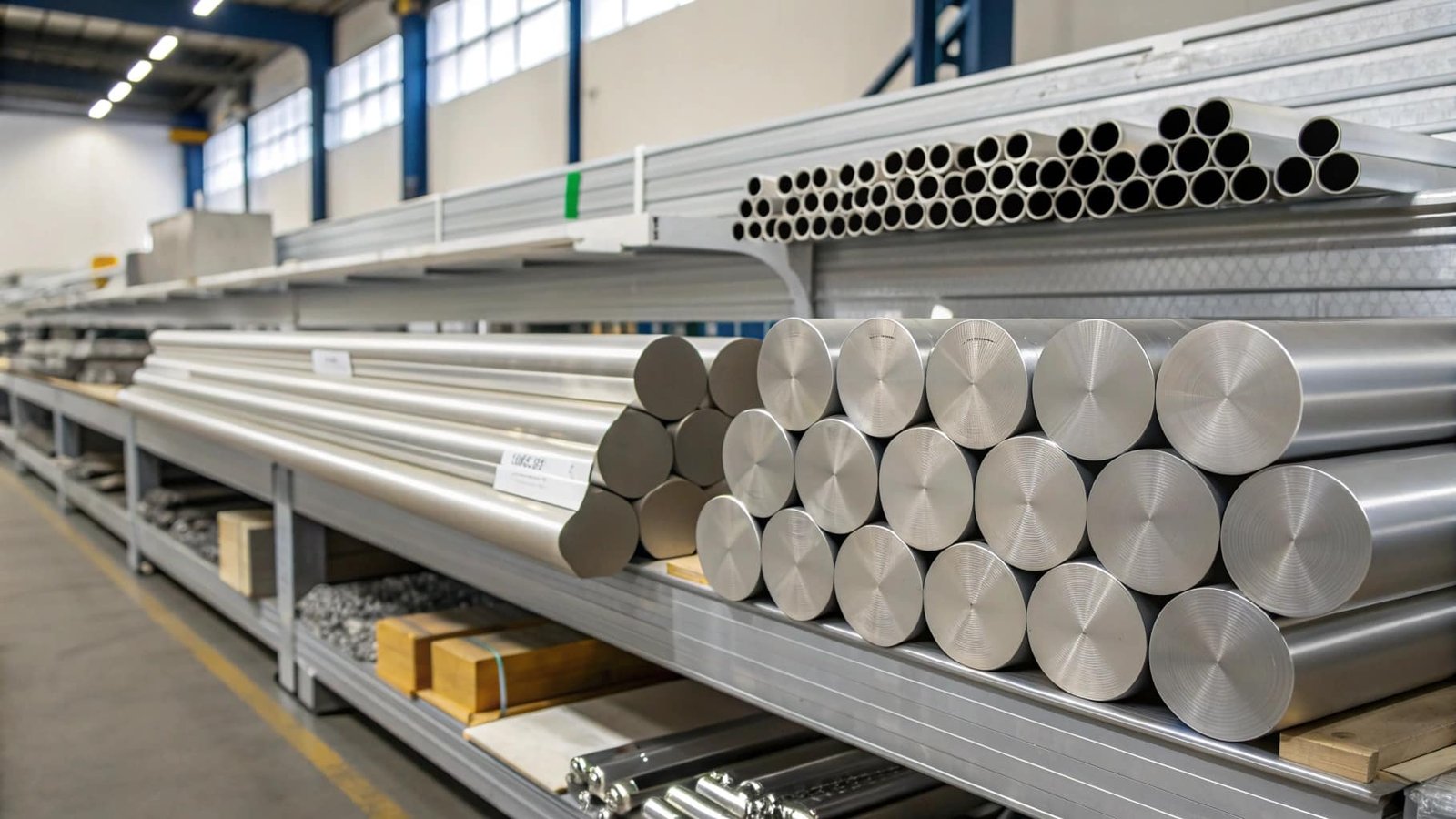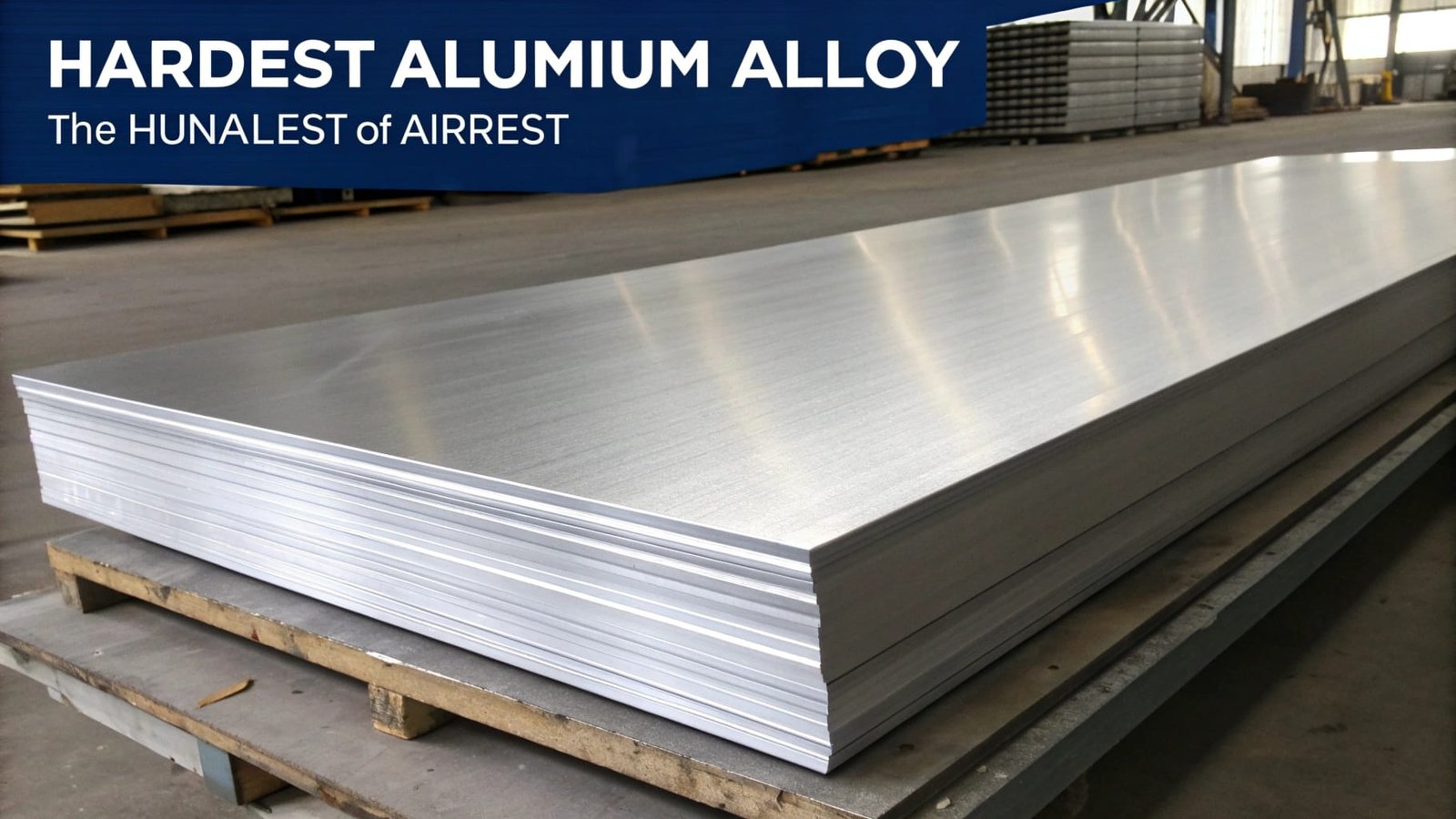
Ever wondered how a simple block of aluminum transforms into an ultra-strong component for critical applications? The process might seem like industrial magic, but it's a precise engineering feat. Forged aluminum1 is made through a sophisticated process of heating and shaping.
Forged aluminum is made by taking a solid aluminum alloy billet or preform, heating it to a specific malleable temperature (well below its melting point), and then shaping it using immense compressive forces. These forces, applied by dies, a hammer, or a press, refine the material's internal grain structure, resulting in superior strength and durability.
At SWA Forging, we live and breathe this transformation every day. We start with high-quality aluminum alloy billets and, using carefully controlled heating and powerful forging presses, create robust forged rings and discs. This isn't just about changing the shape; it's about fundamentally enhancing the aluminum's internal structure to deliver the exceptional performance our clients in the Middle East, including traders and machining companies, demand for their applications. Let's look deeper into this process and how it compares to other methods.
Is forged aluminium better than pressed aluminium?
Confused about whether "forged" or "pressed" aluminum offers superior quality for your needs? Choosing the wrong one could mean a component that doesn't hold up under stress. Forging generally yields parts with enhanced mechanical properties.
Forged aluminum is typically considered better than "pressed" aluminum in terms of strength, fatigue resistance, and grain structure refinement. "Pressing" can be a general term for simpler forming operations that may not achieve the same level of microstructural improvement or material consolidation as true forging.
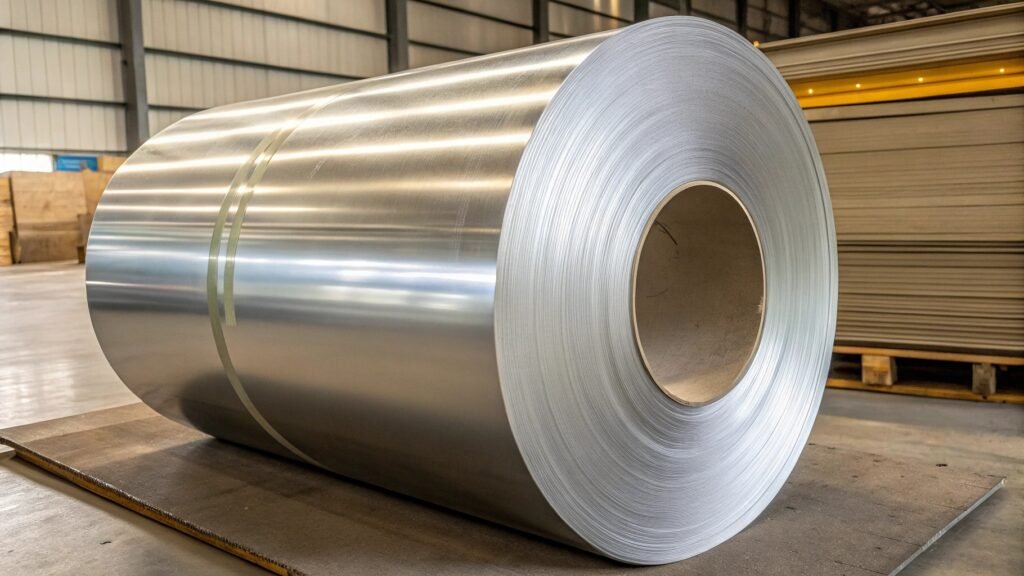
When we talk about "pressed aluminum," it often refers to simpler forming methods like stamping or bending sheet metal. These processes shape the aluminum but may not significantly refine its internal grain structure or eliminate internal defects in the same way that true forging does. At SWA Forging, we specialize in various forging techniques that impart superior qualities to aluminum alloys. Let's explore some key aluminum alloy forging types based on the manufacturing process:
Hand Forging
Hand forging, also known as open-die smith forging, is the oldest forging method. It involves manually hammering or pressing the heated aluminum workpiece between flat or simple contoured dies without completely enclosing the material. Think of a blacksmith shaping metal on an anvil; it’s a similar principle but often scaled up with power hammers or presses. This method offers high flexibility and is excellent for producing custom, one-off parts, prototypes, or for repair work where creating specialized dies wouldn't be economical. The surface finish is typically coarser than other forging methods and may require more subsequent machining. Because of its flexibility, it's great for very large components or when quick turnaround for a small number of parts is needed.
Die Forging
Die forging is a more precise process where the aluminum is shaped using molds, known as dies, under high pressure. This method produces parts with high dimensional accuracy and superior strength due to the controlled material flow and grain refinement. There are two main subtypes:
- Closed-Die Forging (Impression Die Forging): In this process, the aluminum billet is placed between two die halves that contain a precise impression of the final part shape. As the dies come together, the metal is forced to flow and fill the cavity completely. This method is often called impression die forging. A key feature is that it can produce parts with little to no "flash" (excess material squeezed out between the dies), minimizing post-processing and material waste. Aircraft landing gears, for example, are typically made via closed-die forging for maximum strength and fatigue resistance, adhering to strict aerospace standards.
- Open-Die Forging: As mentioned briefly with hand forging, open-die forging uses dies that do not completely enclose the workpiece. The metal is deformed between flat or simply shaped dies. This allows for considerable material flow and is common for large parts like shafts, rings, and discs – which is a core part of our business at SWA Forging. While it might not achieve the near-net shape precision of closed-die forging, it's excellent for initial shaping and improving the grain structure of large billets.
Rolled Forging
Rolled forging, or ring rolling, is a specialized hot forging process used to manufacture seamless rings with optimized grain structures. We use this extensively at SWA Forging for our large-diameter rings. The process starts with a doughnut-shaped preform, which is heated and then placed between a driven roll and an idler roll (or mandrel). As these rolls apply pressure, the ring's diameter increases, and its wall thickness decreases. This continuous shaping through rotating rolls elongates the metal circumferentially, resulting in an improved, aligned grain structure. This gives the rings excellent tensile and fatigue strength, making them ideal for bearings, gears, flanges, and aerospace components like turbine blades. Rolled forging is also highly efficient for mass-producing symmetrical parts and is cost-effective for such applications.
All these forging methods, governed by standards like ASTM B247 for aluminum forgings and AMS 2772 for heat treatment, ensure that the metal's grain structure is refined and aligned, enhancing its mechanical properties. Often, forged parts will still require some CNC machining to achieve the final tight tolerances, but the superior starting material makes this process more efficient.
What is the difference between extruded and forged aluminum?
Wondering if extrusion or forging is the right path for your aluminum component? Both processes shape aluminum effectively, but they result in different characteristics and are suited for different applications. The core difference lies in how the material is formed.
Forging shapes solid aluminum using localized compressive forces, resulting in a refined, multi-directional grain structure ideal for high-strength discrete parts. Extrusion pushes heated aluminum through a shaped die to create continuous linear profiles with a grain structure aligned along the extrusion direction.
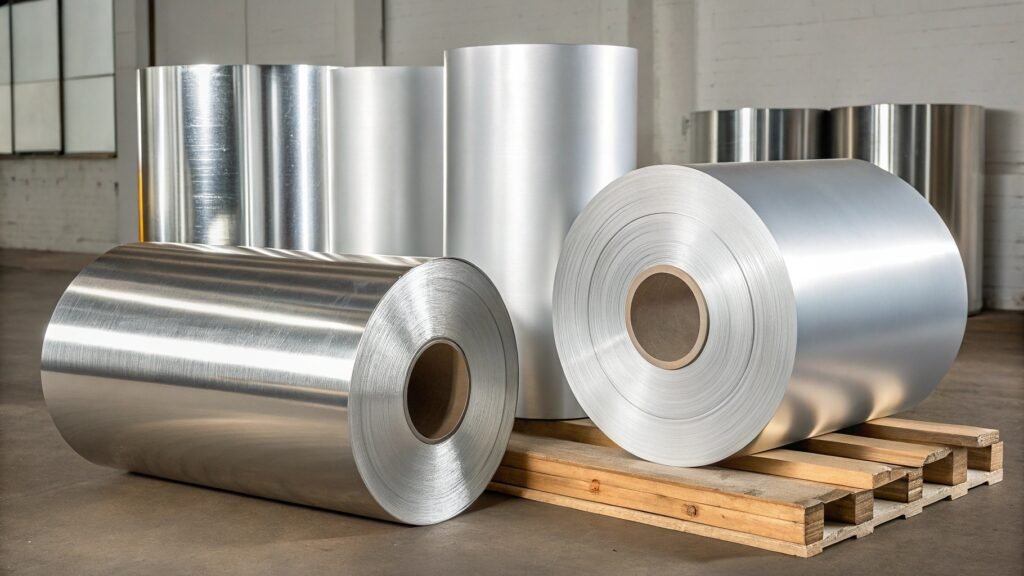
Let's break down the key distinctions between these two important manufacturing processes for aluminum:
Extrusion Process:
The extrusion process involves taking a heated cylindrical aluminum billet and forcing it through a die that has a specific cross-sectional opening. Imagine squeezing toothpaste from a tube; the toothpaste takes the shape of the nozzle's opening. Similarly, the aluminum emerges as a long, continuous piece with the cross-sectional shape of the die. This is excellent for producing items like window frames, door tracks, heat sinks, pipes, and various structural beams or channels. The grain structure of extruded aluminum is primarily linear, meaning the grains are elongated and aligned in the direction of the extrusion. While this can provide good strength along its length, the properties might be different in other directions.
Forging Process (as done at SWA Forging):
The forging process, which is our specialty at SWA Forging for parts like rings and discs, starts with a solid aluminum billet or a preform. This piece is heated (though some forging can be done cold) and then shaped by repeated, localized compressive forces. These forces are applied by dies, which can be flat (in open-die forging) or have intricate shapes (in closed-die forging), or by specialized rolls (in ring rolling). The key here is that the material is kneaded and worked, forcing the internal grain structure to refine, become denser, and align itself to follow the contour of the part. This eliminates internal voids and significantly enhances mechanical properties like tensile strength, impact toughness, and fatigue resistance in multiple directions. Forging produces discrete parts rather than continuous profiles.
Here’s a quick comparison:
| Feature | Forged Aluminum | Extruded Aluminum |
|---|---|---|
| Process | Compressive force on solid billet in dies | Pushing heated billet through a shaped die |
| Shape | Discrete parts, can be complex 3D shapes | Continuous linear profiles |
| Grain Flow | Follows part contour, multi-directional strength | Linear, along extrusion direction |
| Strength | Superior fatigue and impact resistance | Good, primarily in extrusion direction |
| Typical Use | High-stress components, gears, aerospace parts | Frames, architectural trim, pipes, heat sinks |
While extruded aluminum is perfect for many structural and architectural applications requiring consistent profiles, the forging process we specialize in delivers parts with optimized grain flow and superior mechanical properties tailored for components that will face significant operational stresses.
Is forged aluminum better than cast iron?
Choosing between forged aluminum and cast iron for your component can be a tough call, can't it? This decision significantly impacts weight, strength, corrosion resistance, and overall cost. Each material has its unique strengths and weaknesses.
Forged aluminum is generally "better" than cast iron for applications demanding lower weight, a higher strength-to-weight ratio, and superior corrosion resistance. Cast iron excels in compressive strength, vibration damping, and often has a lower raw material cost, but is much heavier and can be brittle.
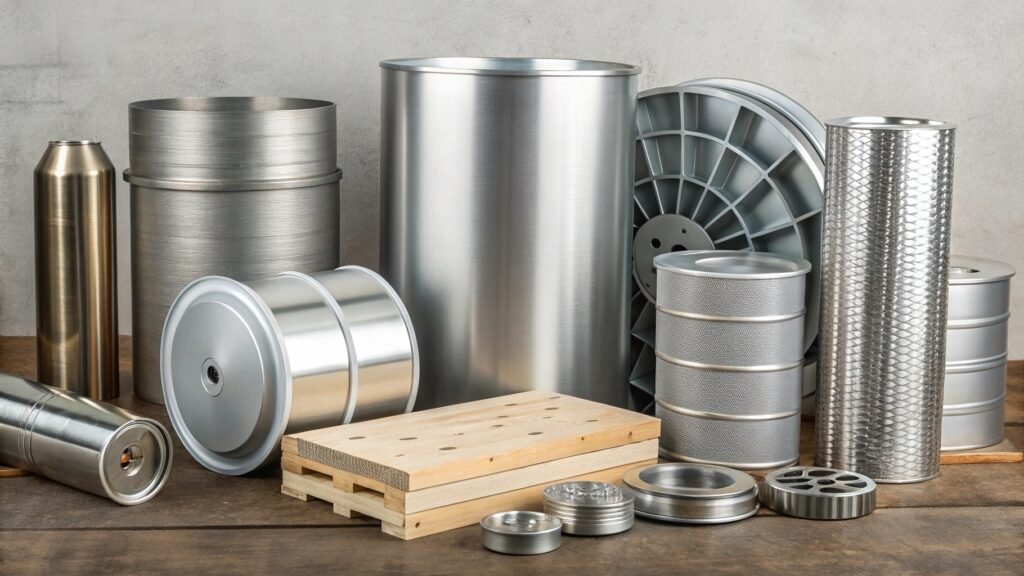
Let's compare these two very different materials across several key characteristics that often come up in discussions with our clients at SWA Forging:
- Weight: This is a big one. Aluminum is approximately one-third the density of cast iron. For any application where weight is a concern—think automotive parts, aerospace components, or even just large industrial rings that need to be handled and installed—forged aluminum offers a significant advantage. The weight savings can translate to better fuel efficiency, easier handling, or reduced structural support needs.
- Strength-to-Weight Ratio: Because it's strong and light, forged aluminum, especially high-strength alloys like 7075-T6 or even the common 6061-T6, boasts an excellent strength-to-weight ratio. This often surpasses that of many grades of cast iron. You essentially get more "bang for your buck" in terms of strength per unit of mass.
- Corrosion Resistance: Aluminum naturally forms a passive and protective oxide layer on its surface when exposed to air. This gives it very good inherent corrosion resistance in many environments. Cast iron, on the other hand, is primarily iron and is quite prone to rusting unless it's alloyed with other elements (like in stainless steels, which are different) or protected by coatings like paint or plating.
- Toughness & Ductility: Forged aluminum is generally much more ductile and tougher than most common grades of cast iron. This means it can absorb more energy and deform more under load or impact before fracturing. Cast iron tends to be brittle; it's strong in compression but can crack relatively easily under tensile stress or sharp impacts.
- Vibration Damping: Cast iron has superior vibration damping capabilities. The graphite flakes within its structure help absorb and dissipate vibrational energy. This is why it's historically been a preferred material for machine bases, engine blocks, and other structures where minimizing vibration is important for stability or precision.
- Cost: Generally, the raw material cost for cast iron is lower than for aluminum alloys. However, the final part cost depends on many factors, including the complexity of the manufacturing process (casting vs. forging), the volume of production, and any required machining or finishing.
- Machinability: Both materials can be machined, but their characteristics differ. Forged aluminum, with its uniform structure, often machines very well, allowing for good surface finishes and tool life. Cast iron can vary; some grades are easily machined, while others can be abrasive or produce difficult chips.
For applications like the high-integrity forged rings and discs SWA Forging supplies, where a combination of high strength, low weight, and good corrosion resistance is paramount, forged aluminum is often the superior choice. If the main requirements are high compressive strength, excellent vibration damping, or the absolute lowest raw material cost for a heavy, bulky component, then cast iron might be considered.
Can you machine forged aluminum?
Need to achieve very precise dimensions on a forged aluminum part and wondering if the forging process makes it difficult to machine later? You might be concerned that the high strength comes at the cost of machinability. Actually, the opposite is often true.
Yes, absolutely! Forged aluminum is highly machinable. The forging process creates a dense, homogenous, and refined grain structure, generally free of the porosity or inclusions that can sometimes be found in cast materials, which leads to excellent machining characteristics.
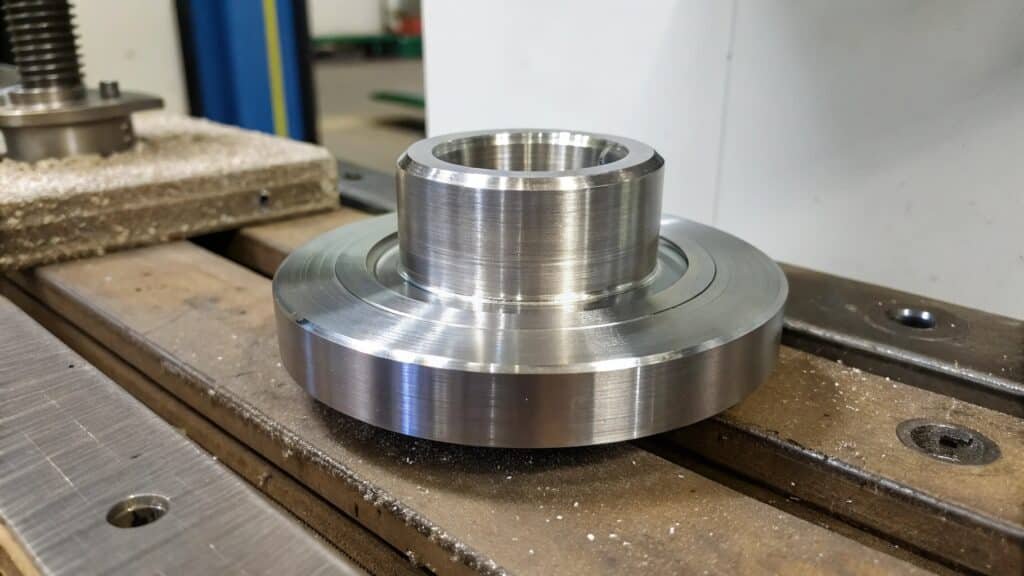
At SWA Forging, a significant portion of our clients are machining companies. They rely on our forged aluminum rings and discs precisely because these products offer excellent machinability, allowing them to produce finished components to very tight tolerances with good efficiency. Here's why forged aluminum typically machines so well:
- Consistent and Refined Microstructure: The intense pressure and deformation during the forging process work the metal, breaking down the original coarse cast grain structure of the initial billet. This results in a very fine, uniform, and dense grain structure throughout the part. This consistency means the cutting tool encounters predictable material as it moves, leading to smoother cuts and more accurate dimensions.
- Absence of Porosity and Inclusions: Unlike some casting methods which can sometimes trap gases or impurities leading to internal voids (porosity) or hard inclusions, the forging process tends to consolidate the material and heal such defects. Porosity and inclusions are problematic for machining because they can cause tool chatter, lead to a poor surface finish, or even cause premature tool wear or breakage. Forged parts are generally much cleaner in this regard.
- Good Chip Formation: Many common forged aluminum alloys, like the 6061 alloy we frequently forge, are known for producing manageable and predictable chips during machining operations (like turning, milling, or drilling). This makes chip removal easier and contributes to a cleaner, more efficient machining process.
- Excellent Potential for Surface Finish: Due to its density, uniformity, and the absence of defects, machined forged aluminum can achieve very smooth and high-quality surface finishes. This is often critical for parts that require tight seals, have bearing surfaces, or simply for aesthetic reasons.
While it's true that some high-strength forged aluminum alloys, such as those in the 7000 series (like 7075-T6), are harder and require more robust tooling and carefully optimized machining parameters (speeds, feeds, and coolants) compared to softer, non-heat-treated aluminum alloys, they are still readily and routinely machined to high precision. The inherent quality and structural integrity of a forged blank often lead to reduced overall machining time and improved cutting tool life when compared to machining materials that might have internal inconsistencies or defects. Our commitment at SWA Forging is to provide forged products that not only meet stringent strength and quality requirements but also facilitate efficient and effective downstream processing for our valued customers.
Conclusion
Forged aluminum is meticulously crafted by heating and shaping solid metal under immense force, resulting in superior strength, refined grain structure, and reliability. This highly machinable material is often the top choice.
-
Explore the advantages of forged aluminum, including its strength and durability, to understand why it's preferred in critical applications. ↩