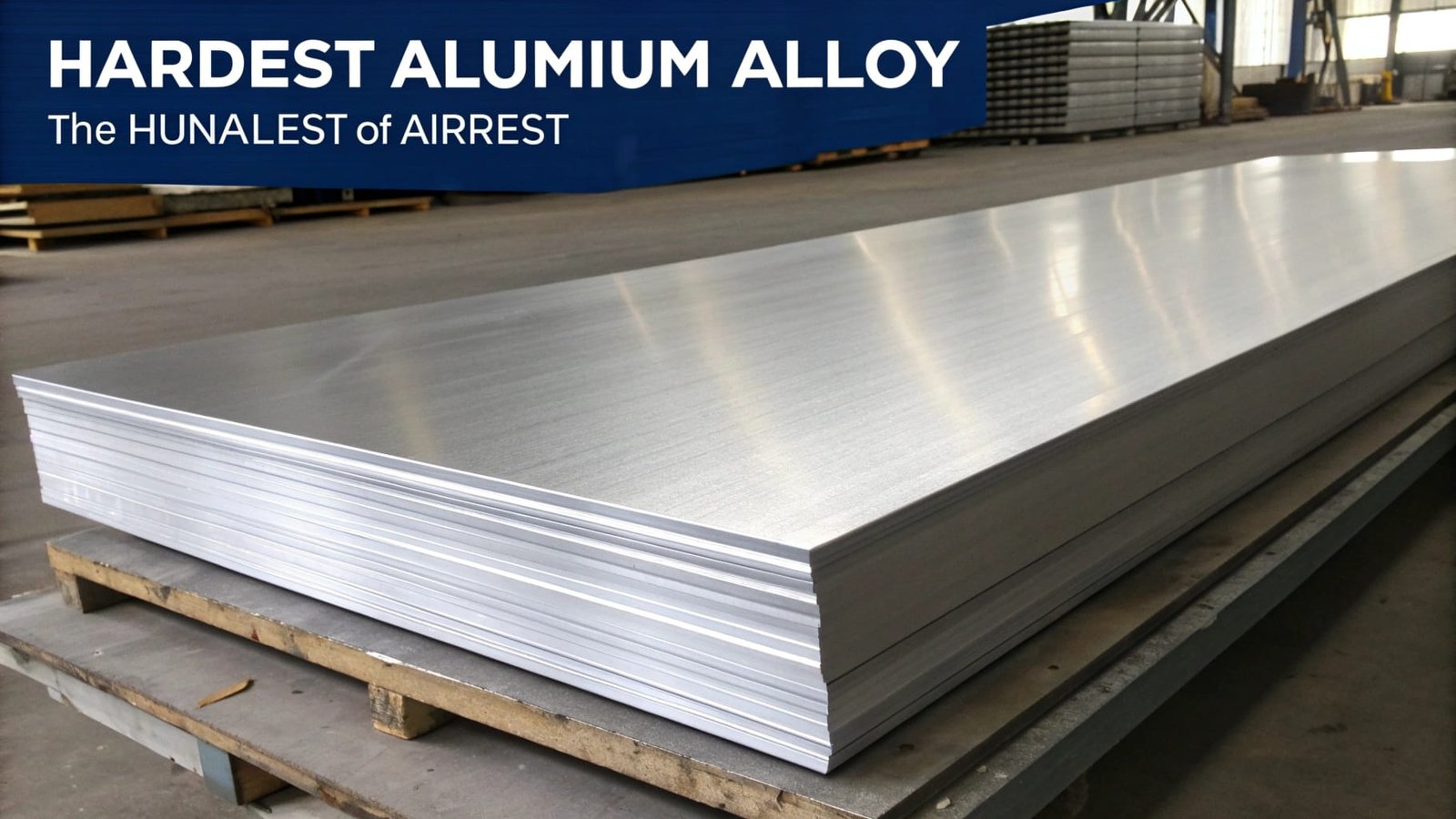
You need strong materials for building, but you think of aluminum as light and flimsy. This misconception could cause you to choose heavier, more expensive materials that are prone to rust.
Yes, specific structural aluminum alloys are more than strong enough for construction. They are widely used for curtain walls, roofing systems, and building frames due to their high strength-to-weight ratio1, durability, and corrosion resistance2, especially when engineered through processes like forging.
Throughout my career, I've seen this question come up time and again. The question isn't if aluminum is strong, but how its strength-to-weight ratio redefines structural efficiency. At SWA Forging, we engineer aluminum to meet specific load-bearing requirements. This provides the necessary structural integrity without the dead weight of steel. It is how we help create lighter, more durable, and architecturally ambitious designs for our clients.
Is Aluminum Good for Construction Applications?
You see aluminum used for window frames, but you doubt its suitability for larger building components. This might make you overlook a material that offers significant cost and design advantages.
Yes, aluminum is an excellent material for construction. Its unique combination of light weight, corrosion resistance, and high formability makes it ideal for everything from decorative facades to primary load-bearing structures.
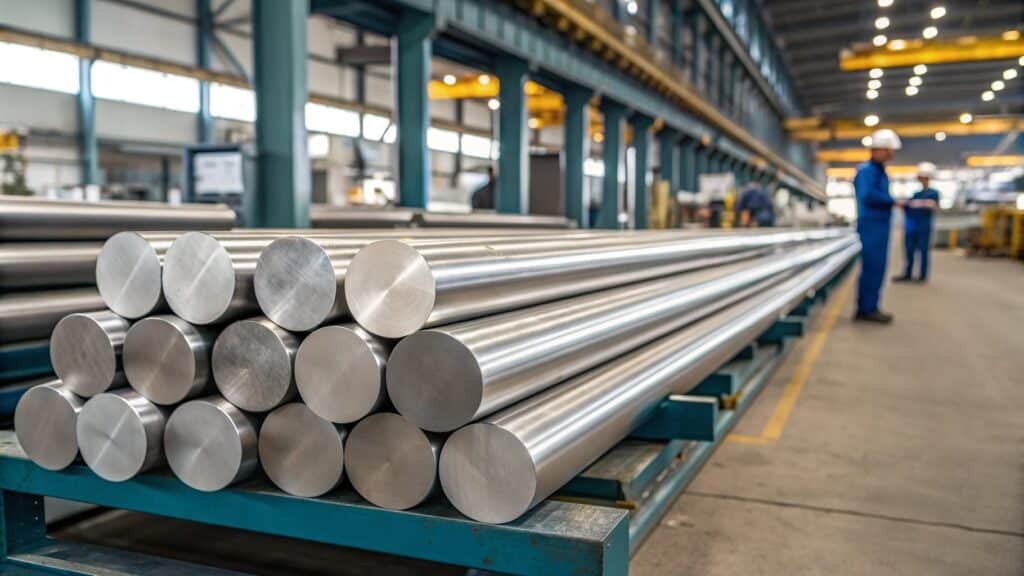
From my experience working with clients in the Middle East, aluminum is often the smartest choice. Its benefits go far beyond just being lightweight. We recently supplied forged aluminum components for a large commercial project near the coast. The client chose aluminum not just for its modern look but for its long-term performance. In a humid, salty environment where steel would require constant maintenance to prevent rust, aluminum's natural corrosion resistance means the building will look great for decades with minimal upkeep. This resistance to the elements is a huge advantage. Furthermore, because aluminum is so light, the foundational requirements for the building were reduced, saving the project significant time and money. It is a material that solves multiple problems at once.
Key Reasons Aluminum Excels in Construction
- Durability: Aluminum's natural protective oxide layer prevents rust and corrosion, which is critical for long-term structural integrity and reduced maintenance costs.
- Design Freedom: It can be easily extruded, bent, and forged into complex shapes, giving architects the freedom to create innovative and visually striking designs that are difficult to achieve with other metals.
- Efficiency: Its light weight makes transportation cheaper and installation faster, requiring less heavy machinery on-site and reducing the overall load on the building's foundation.
Why Do Some Believe Aluminum Isn't Used in Construction?
You rarely hear about "aluminum beams" the way you hear about "steel beams." This creates the false impression that aluminum isn't a primary structural material in the construction industry.
This is a common misconception. While steel is used for massive primary frames, aluminum is used everywhere else, from curtain wall systems and roofing to pedestrian bridges and space frames. Its use is strategic, focusing on applications where its unique benefits shine.
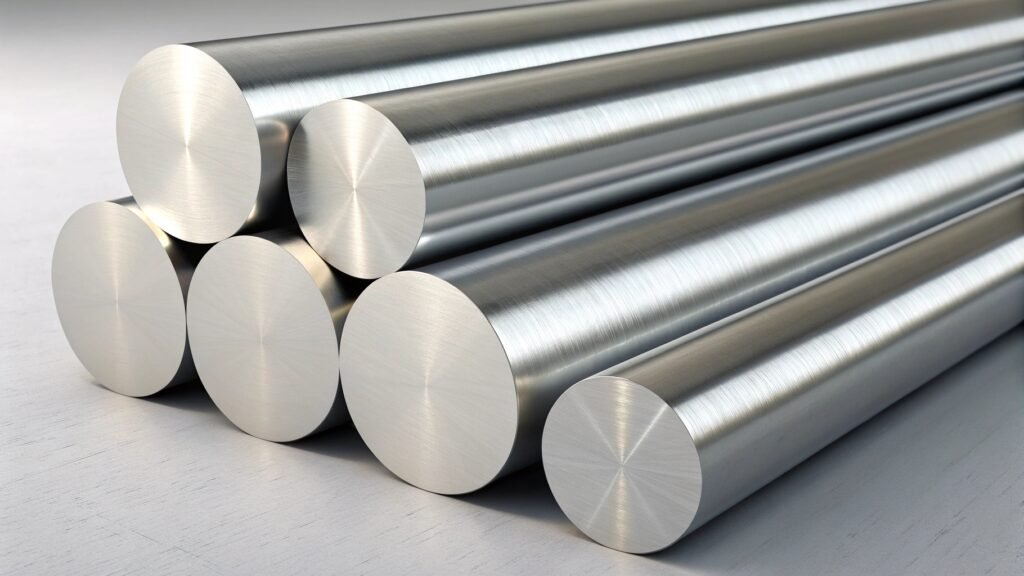
I think this misunderstanding comes from a direct comparison with steel. If you take a steel beam and an aluminum beam of the exact same size, the steel beam will be stronger and stiffer. This is why steel is the default choice for the massive I-beams that form the core skeleton of a skyscraper. However, construction is more complex than that. The real engineering question is: what is the smartest material for the job? Aluminum is used extensively in what is called the building envelope. This includes the facade, window and door systems, and roofing. These elements make up a huge portion of any modern building. Aluminum's light weight and corrosion resistance make it the perfect material for these applications. You get the necessary strength to resist wind loads and protect the building, but without adding unnecessary weight or future maintenance costs.
Where Aluminum Is a Must-Have
| Application | Why Aluminum is the Preferred Choice |
|---|---|
| Curtain Walls | Lightweight for easy installation; can be shaped for complex designs. |
| Window/Door Frames | High durability and corrosion resistance; excellent thermal performance. |
| Roofing & Domes | Resists weather and corrosion; light enough for large, unsupported spans. |
| Scaffolding | Light for transport and assembly, yet strong enough for safety. |
What Are the Three Major Benefits of Using Aluminum Structurally?
You need to justify your material choice to a project manager. You must clearly explain the main benefits of using aluminum over traditional materials like steel in a simple, convincing way.
The three major benefits are an unmatched strength-to-weight ratio for efficiency, superior corrosion resistance for long life and low maintenance, and incredible design flexibility for modern architectural needs.
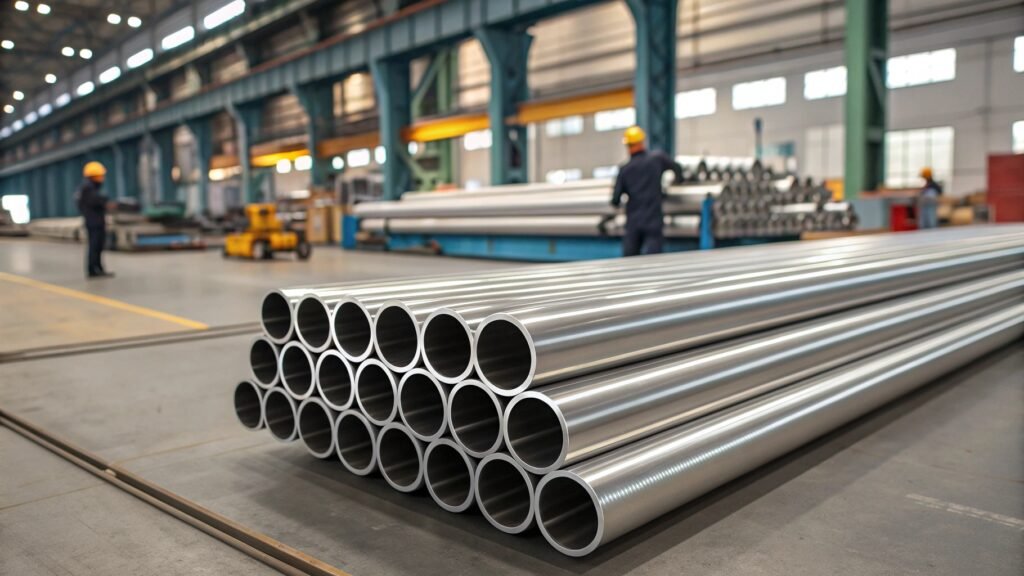
When I talk to our trading partners or machining clients, I always boil it down to these three powerful advantages. First is the strength-to-weight ratio. An aluminum component can provide the same strength as a steel one but at about half the weight. This is a game-changer. It means lower shipping costs, easier on-site handling, and less load on the building's foundation. Second is corrosion resistance. Aluminum naturally protects itself from rust. This is a huge deal for projects in coastal or industrial areas, saving a fortune in long-term maintenance costs. The structure remains safe and looks good for much longer. Third is design flexibility. Aluminum can be formed into shapes that are impossible with steel. This allows architects to design more creative and efficient structures. For machining companies, this means more opportunities to create unique, high-value components. These three benefits together make aluminum a smart, modern, and cost-effective choice for construction.
Conclusion
Aluminum's strength-to-weight ratio redefines structural efficiency. Forging engineers aluminum to meet specific load-bearing requirements, providing integrity without the dead weight of steel and enabling more ambitious designs.