You machine a part from 6061 plate1, expecting strength, but it fails under stress. These unexpected failures are costly and damage your reputation for reliability, forcing you to over-engineer future designs.
Machining from a plate severs its inherent grain structure, creating unpredictable weak points. We forge the grain flow to follow your part's contours, building an uninterrupted internal architecture that guarantees superior, predictable strength exactly where it's needed.
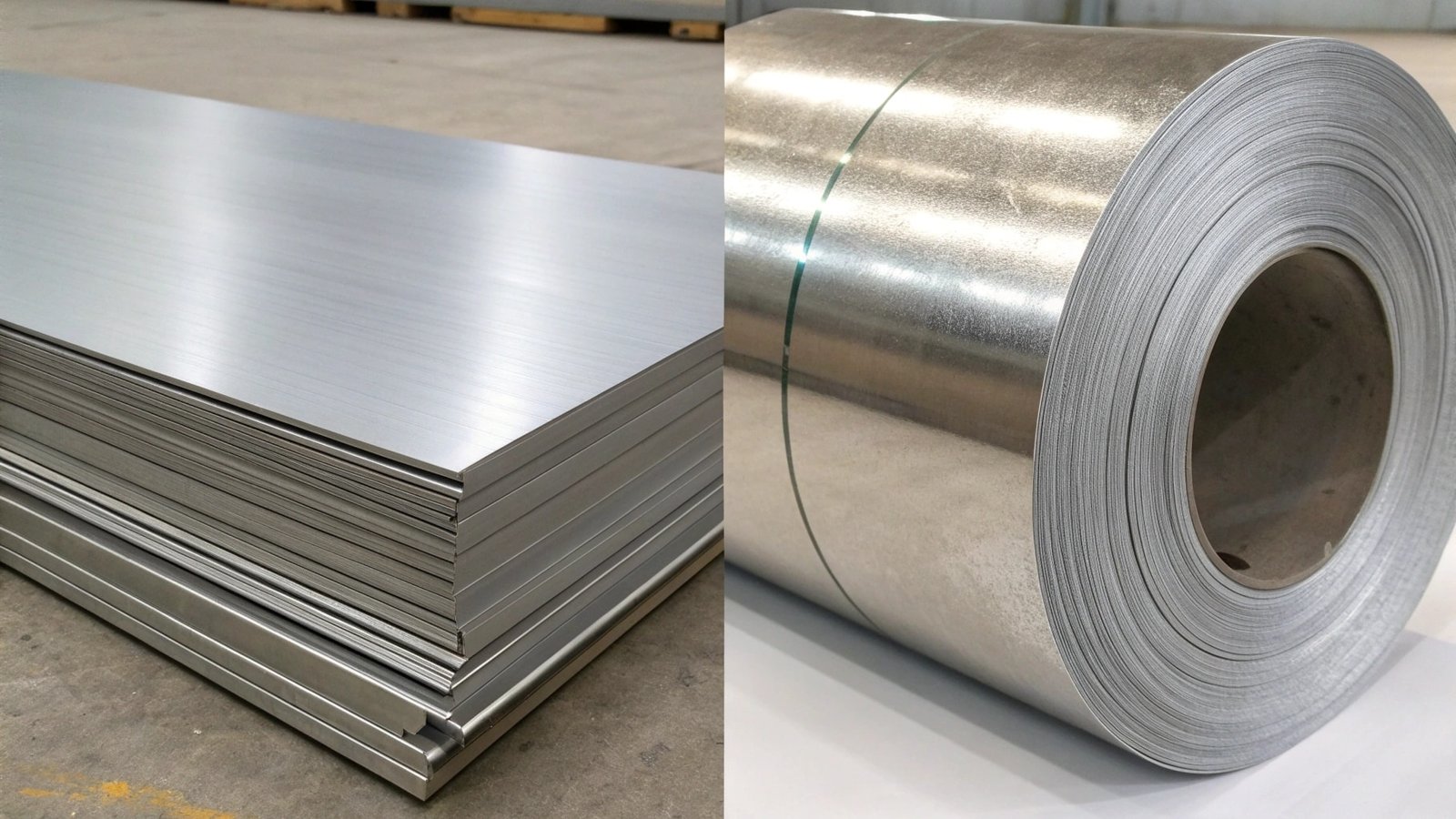
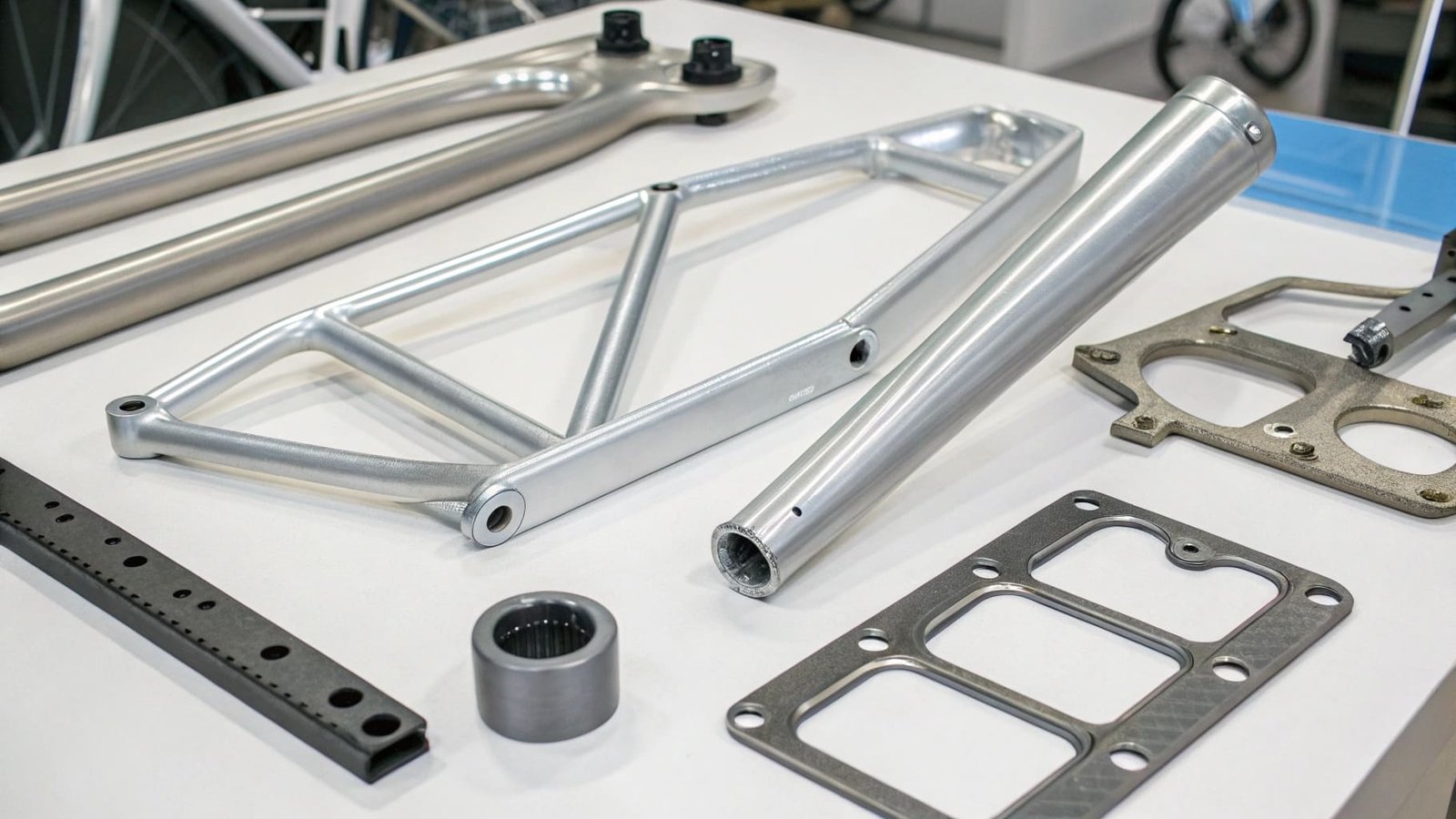
We worked with a client that manufactures high-performance mounting brackets for industrial machinery. They were CNC machining the brackets from thick 6061-T6 rolled plate. On paper, the material met all the strength requirements. However, they were seeing random fatigue failures right at the 90-degree corners of the bracket. They tried increasing the fillet radius and even using a thicker plate, but the problem persisted. When we examined the failed parts, the issue was clear. The rolling process creates a grain flow that runs in a straight line. When they machined the L-shape, they cut directly across this grain at the corner, creating a massive weak point. We replaced the plate with a custom near-net shape forging. We designed the forging die to force the grain to flow smoothly around the corner, creating a continuous, uninterrupted structure. The failures stopped completely. They were able to create a lighter, stronger, and more reliable part.
So, is forged aluminum really better than other forms?
You have two identical-looking parts made from the same 6061-T6 alloy. One is machined from a cast block, the other from a forging. The cast part fails, but the forged one doesn't.
Yes, forged aluminum is fundamentally superior in strength and reliability. The forging process eliminates internal defects and creates a refined grain structure that dramatically increases toughness and fatigue resistance compared to casting or extrusion.
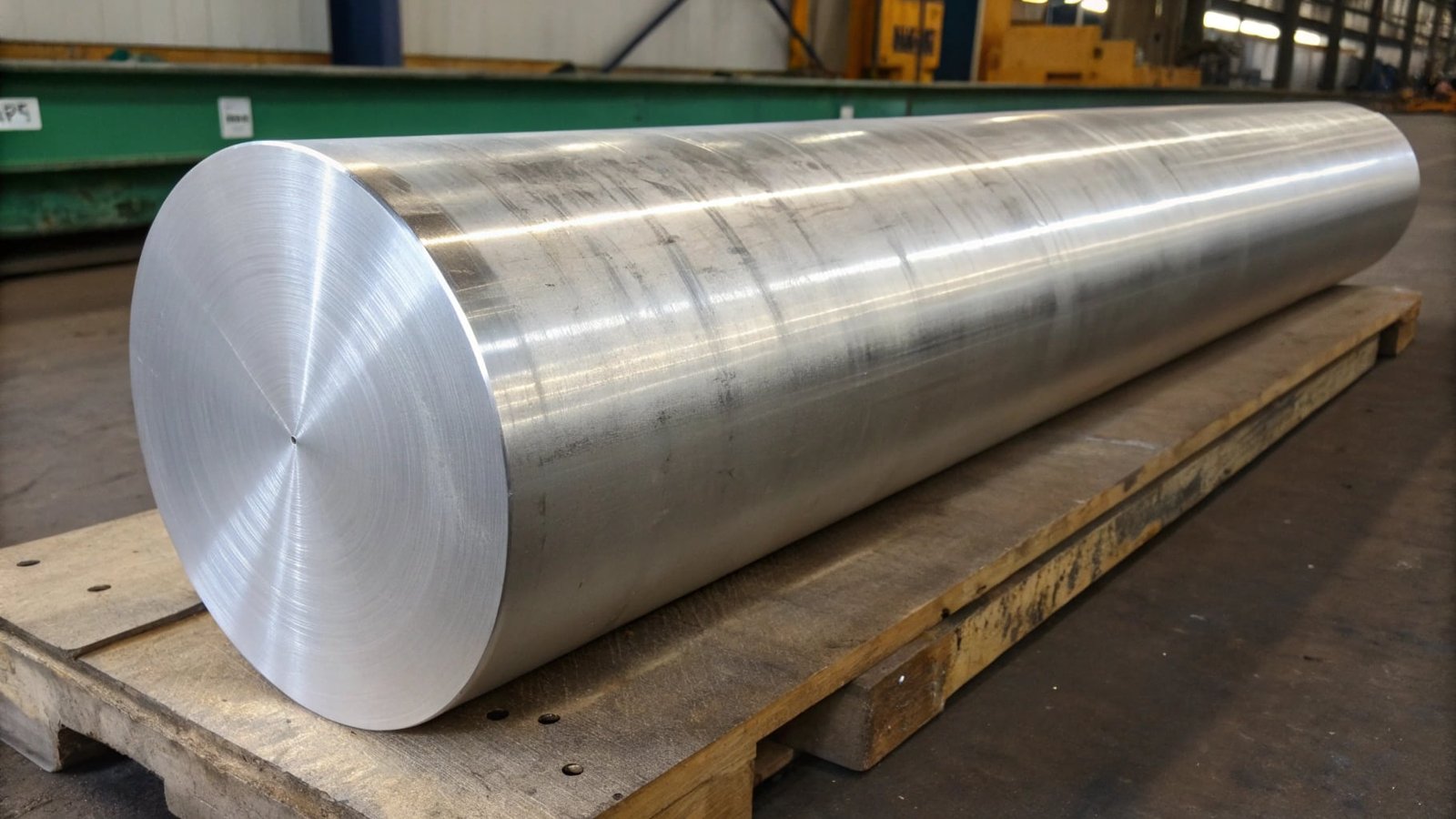
The same alloy number can have vastly different performance based on how it was formed. A cast part is made by pouring molten metal into a mold. As it cools, it can trap microscopic gas bubbles and impurities, creating internal weak spots called porosity. Its grain structure is also coarse and random. An extruded bar is better, as it's been worked, but its grain flows in only one direction. Forging is completely different. We use immense pressure to shape the solid metal. This process physically closes any potential voids, ensuring the material is 100% dense. More importantly, it breaks down the coarse grains and realigns them to flow with the shape of the part. This fine, interlocking grain structure provides superior strength in all directions and makes the component incredibly resistant to impact and fatigue cracking. The chemistry is the same, but the internal architecture of a forged part makes it far more durable.
Can 6061 aluminum actually be forged?
You know 6061 is a great all-around aluminum alloy for machining. But you might think of forging as a process reserved only for steel or other specialty metals, limiting your design options.
Absolutely. 6061 is one of the most widely used and versatile aluminum alloys for forging. Its excellent combination of strength, corrosion resistance, and workability makes it an ideal material for creating high-performance forged components.
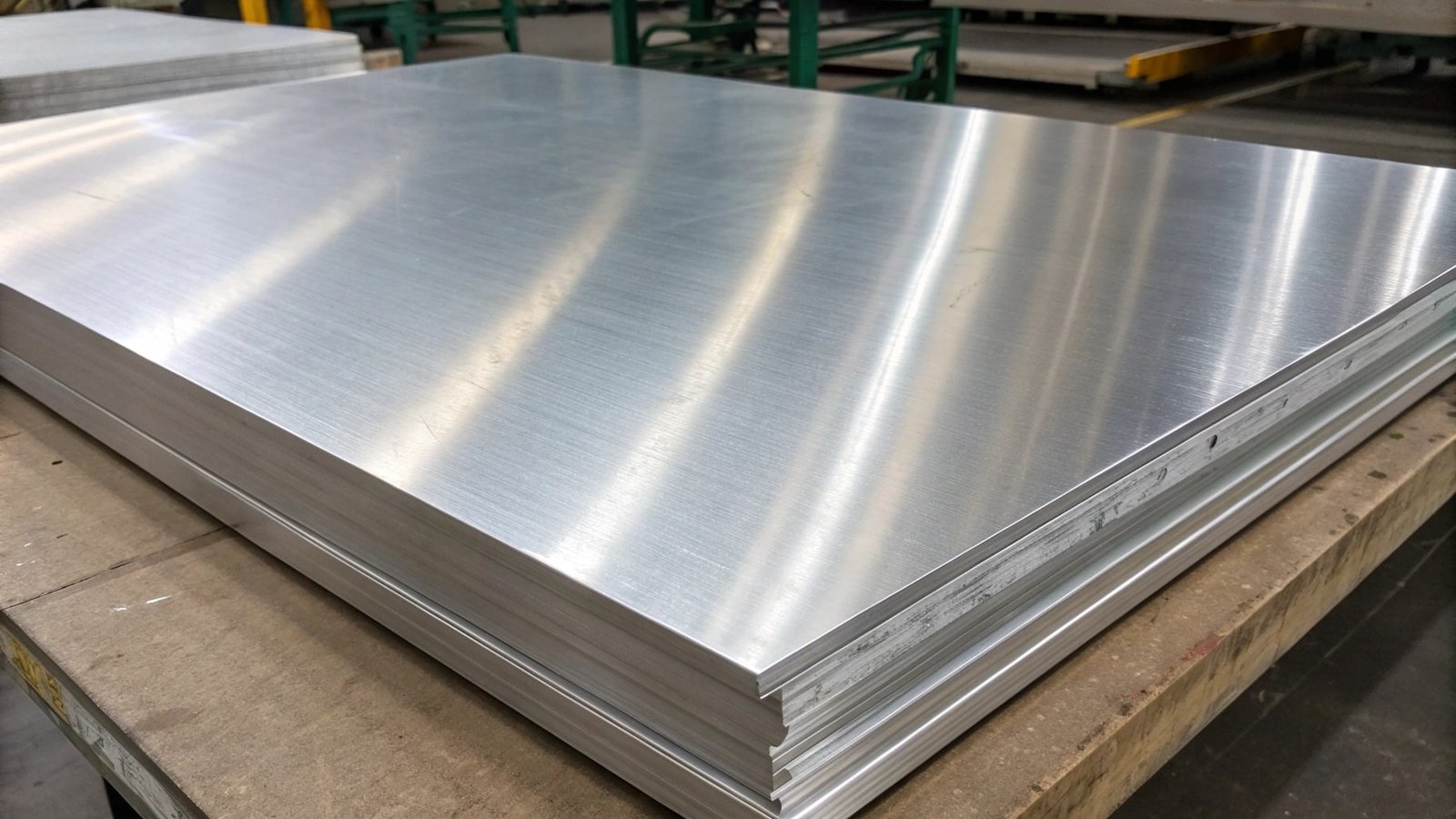
6061 aluminum is a perfect candidate for the forging process. Its chemical composition, with magnesium and silicon as the primary alloying elements, gives it fantastic "forgeability." This means it can be shaped under pressure without cracking, allowing us to create complex geometries. After the part is forged, we apply a T6 heat treatment. This two-step process of solution heat treating and artificial aging is what unlocks the alloy's full strength potential, making the final component both strong and tough. At SWA Forging, we specialize in producing large-diameter 6061 forged rings and discs. Our customers in the Middle East, including traders and machining companies, rely on us for these components. They use them for everything from flanges and gears to high-stress structural parts. The ability to forge 6061 means you are not limited to the standard shapes and inherent weaknesses of plates or bars; you can have a part engineered for maximum performance.
Is 6061 aluminum cheaper than steel?
You are looking for a material that is both strong and cost-effective. You know steel is strong and cheap, but heavy, while aluminum is light but you assume it's always the more expensive option.
On a per-kilogram basis, 6061 aluminum is generally more expensive than common carbon steel. However, the total cost can be lower when you consider its lower density, reduced machining time, and corrosion resistance.
Looking only at the price per kilogram is a common mistake. Here is a more complete way to think about the cost:
- Density and Weight: Aluminum is about one-third the density of steel. This means for a part of the same size, you need only one-third of the weight in material. This can significantly close the initial cost gap.
- Machinability: 6061 aluminum is much easier and faster to machine than steel. This means less tool wear, faster cycle times, and lower labor costs for our machining customers. Often, the savings in machining can outweigh the higher material price.
- Finishing and Corrosion: Most common steels require painting, plating, or another coating to prevent rust. 6061 has excellent natural corrosion resistance, which can eliminate the need for these costly and time-consuming secondary operations.
When you factor in the total cost of the finished part, including material, machining, and finishing, 6061 aluminum is often the more economical choice, especially for complex components.
Does 6061 aluminum crack?
You need a material that is reliable and won't fail under stress. You've heard that some high-strength aluminum alloys2 can be brittle, and you're concerned that 6061 might crack unexpectedly.
Any material will crack under the right conditions, but 6061 in a forged and properly heat-treated state has excellent toughness and fatigue resistance. Cracking is usually caused by severed grain flow, not the alloy itself.
The question isn't just "does it crack?" but "why does it crack?" For 6061-T6, the risk of cracking is directly related to the manufacturing process. As we saw in my earlier story, a part machined from a rolled plate is highly susceptible to fatigue cracking. The machining process cuts through the straight grain lines of the plate, creating built-in stress points. When the part is loaded, a crack can easily start and travel along these severed lines. A properly designed forged part, however, is a different story. We engineer the grain flow to be continuous and to follow the shape of the component. This creates an internal structure that is highly resistant to crack initiation and propagation. The smooth, uninterrupted grain flow distributes stress evenly throughout the part, eliminating the weak points that cause failures. So, while 6061 alloy can crack, a 6061 forged part from SWA Forging is engineered specifically to prevent it.
Conclusion
Stop letting the limits of standard plate dictate your design's reliability. Choose SWA's custom forged 6061 parts for an engineered grain structure that guarantees superior, predictable, and fail-safe performance.