You machine a critical component from an extruded aluminum tube, believing it is strong and reliable. But under pressure or torque, a crack forms along the length of the tube, causing a catastrophic failure.
An extruded tube's linear grain creates a hidden weakness. For critical parts needing reliable, multi-directional strength, a forged and hollow-bored bar offers a proven, internally sound foundation, guaranteeing the integrity of your final machined component.
We once had a client who manufactures high-pressure hydraulic accumulators. They were using a large-diameter 6061-T6 extruded seamless tube for the main body. They assumed "seamless" meant it was strong in all directions. However, they were experiencing random field failures where the tubes would split lengthwise, well below their theoretical burst pressure. When we analyzed the failed parts, the problem was obvious. The extrusion process had aligned all the metal's grain in one direction, like a bundle of uncooked spaghetti. This created a "grain line" weakness. Any pressure from the inside acted like a wedge, easily splitting the tube along this line. Our solution was to supply them with solid forged 6061-T61 bars, which we then hollow-bored. The forging process created a dense, non-directional grain structure. The failures stopped immediately. They learned a crucial lesson: for pressure vessels, the manufacturing process is more important than the starting shape.
What exactly is extruded aluminum tubing2?
You see the term "extruded aluminum tube" used everywhere and assume it's a simple, strong pipe. This leads you to use it in applications where its hidden weaknesses could cause major problems.
Extruded aluminum tubing is made by pushing a solid aluminum billet through a die to create a hollow shape. This process creates a linear grain structure, which can be a point of failure under certain stresses.
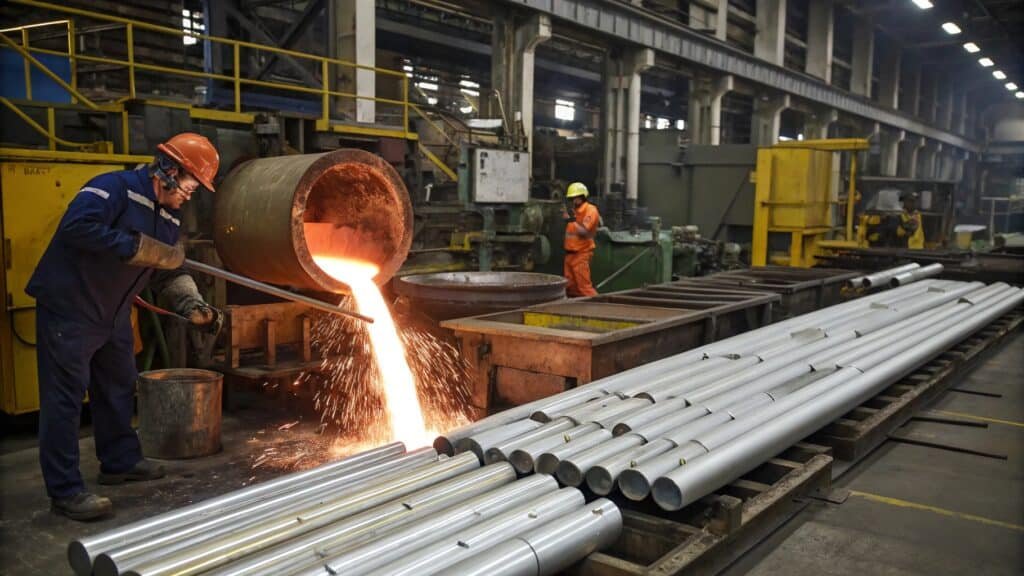
Think of the process like squeezing toothpaste from a tube. A heated, solid cylinder of aluminum called a billet is placed in a powerful hydraulic press. It is then forced through a shaped opening called a die. To make a tube, a mandrel is placed in the center of the die opening, forcing the aluminum to flow around it and form a hollow profile. The result is a long, continuous tube with a very consistent and accurate cross-section. This is a very efficient way to produce standard shapes. The key takeaway for any machinist or engineer is understanding the consequence of this process: the grain structure of the metal is stretched and aligned in the direction of the extrusion. This makes the tube very strong along its length, but it can be significantly weaker against forces that try to split it open from the side, like internal pressure.
Is 6061 aluminum a good choice for extrusion?
You need a strong, structural tube for your project and see 6061 offered as an extruded product. You wonder if the extrusion process compromises the well-known strength of this reliable alloy.
Yes, 6061 is one of the most common and versatile alloys used for extruded tubing. It offers a great combination of strength, weldability, and corrosion resistance3, making it suitable for a wide range of structural applications.
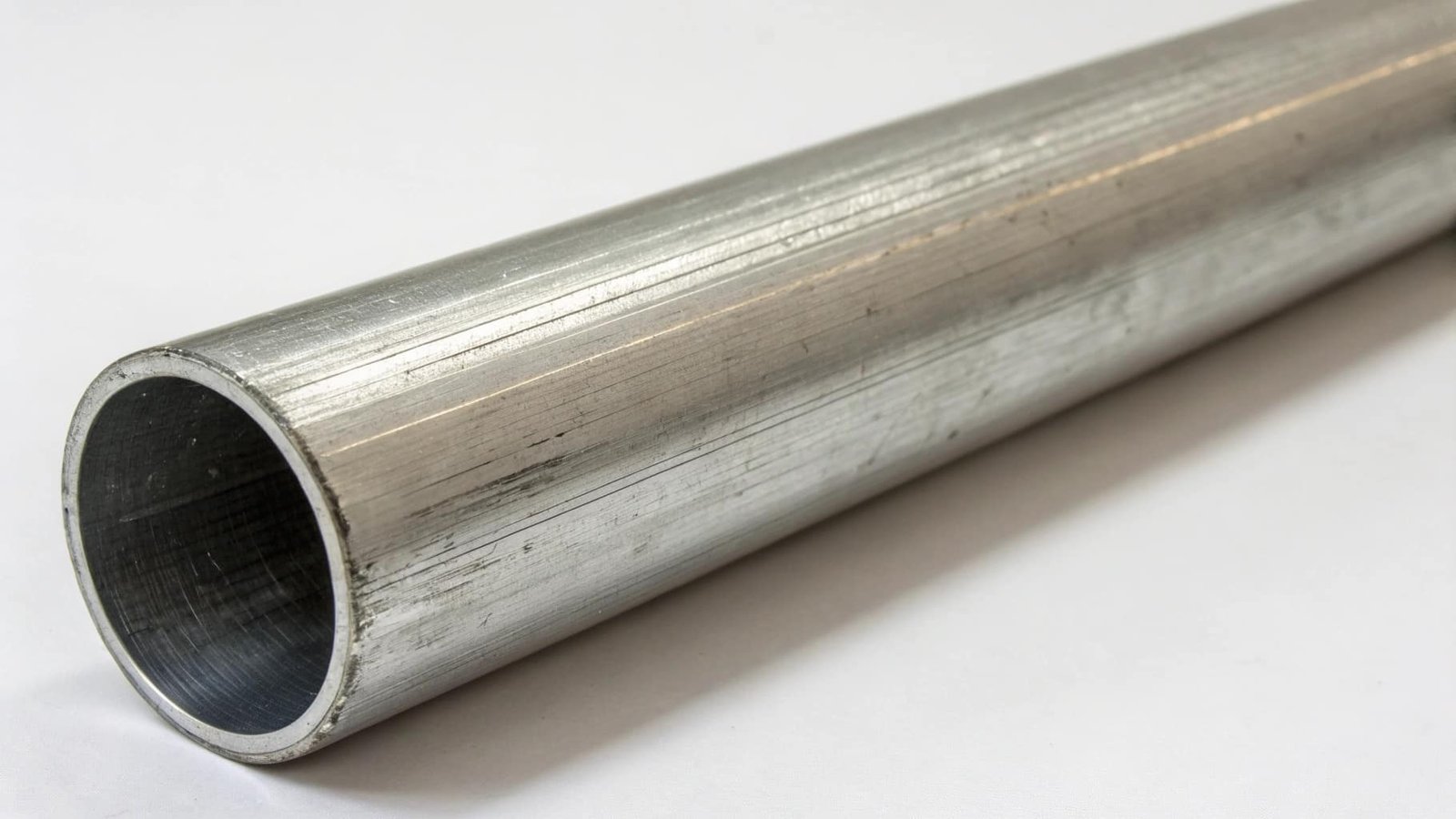
6061 aluminum is an excellent candidate for extrusion. Its alloy composition, containing magnesium and silicon, allows it to be pushed through a die to form complex shapes while still retaining the ability to be heat-treated4 for high strength. After extrusion, the tubing is typically heat-treated to a T6 temper5. This process of solution heat treating and artificial aging significantly increases its strength, making 6061-T6 extruded tubing a go-to material for load-bearing applications. You will find it used everywhere, from truck frames and machine structures to bicycle frames and architectural components. However, even with the high strength of 6061-T6, the directional weakness of the extrusion grain flow remains. For general structural use, it is fantastic. But for critical pressure applications or parts subjected to high torsional stress, it's a risk. This is why for our clients making high-pressure components, we always recommend a forged and hollow-bored bar to eliminate that risk.
What is the difference between "aluminum" and "extruded aluminum"?
You see two parts, one labeled "aluminum" and the other "extruded aluminum," and they look identical. This makes you think the terms are interchangeable, overlooking a critical difference in their performance characteristics.
"Aluminum" is the base metal. "Extruded aluminum" refers to an aluminum part that has been formed by the extrusion process. The key difference is that extrusion gives the aluminum a specific linear grain structure.
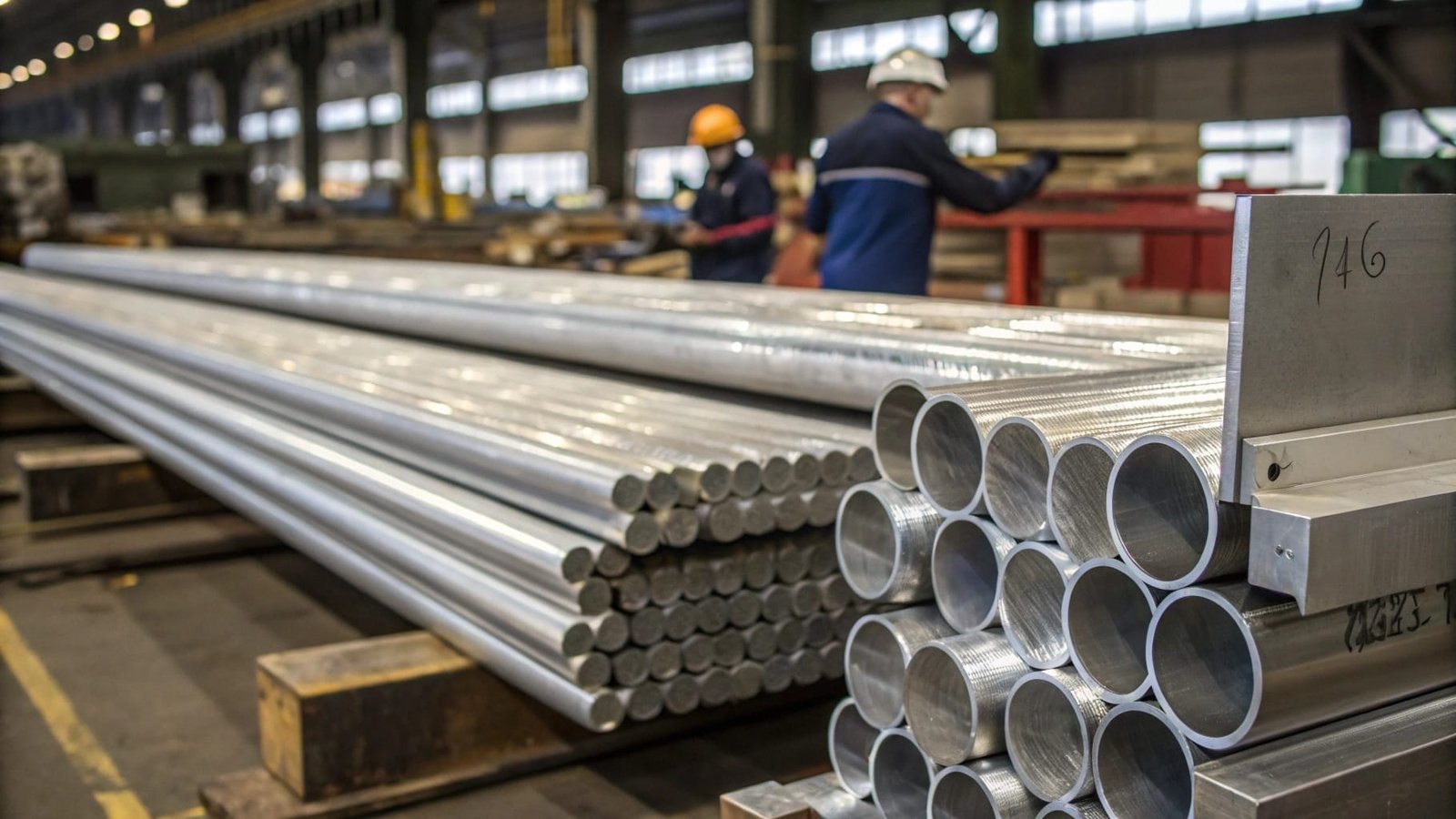
This is a question of material versus process. It's like the difference between "flour" and a "cake."
-
Aluminum: This refers to the element itself (Al) or, more commonly, an aluminum alloy like 6061 or 5083. It is the raw material, which can exist in many forms—a cast ingot, a rolled plate, or a forged block. In its raw form, its properties are not yet fully optimized.
-
Extruded Aluminum: This describes an aluminum part that has been manufactured by the extrusion process. The process itself changes the material's internal structure. It takes an aluminum billet and transforms it into a shaped profile (like a tube) with a very distinct, directional grain flow.
So, when you buy "extruded aluminum," you are not just buying the alloy; you are buying a product with a specific manufacturing history that has given it unique directional properties. It is strong in one direction but potentially weak in others. For a truly robust part, you need a process like forging that creates strength in all directions.
What is the difference between 6061 and 5083 tubing?
You need to choose between 6061 and 5083 for a tubing application in a harsh environment. You're not sure which one offers the right balance of strength and durability for your specific needs.
6061-T6 is a heat-treatable structural alloy known for its high strength. 5083 is a non-heat-treatable alloy known for its exceptional corrosion resistance, especially in saltwater, and excellent weldability.
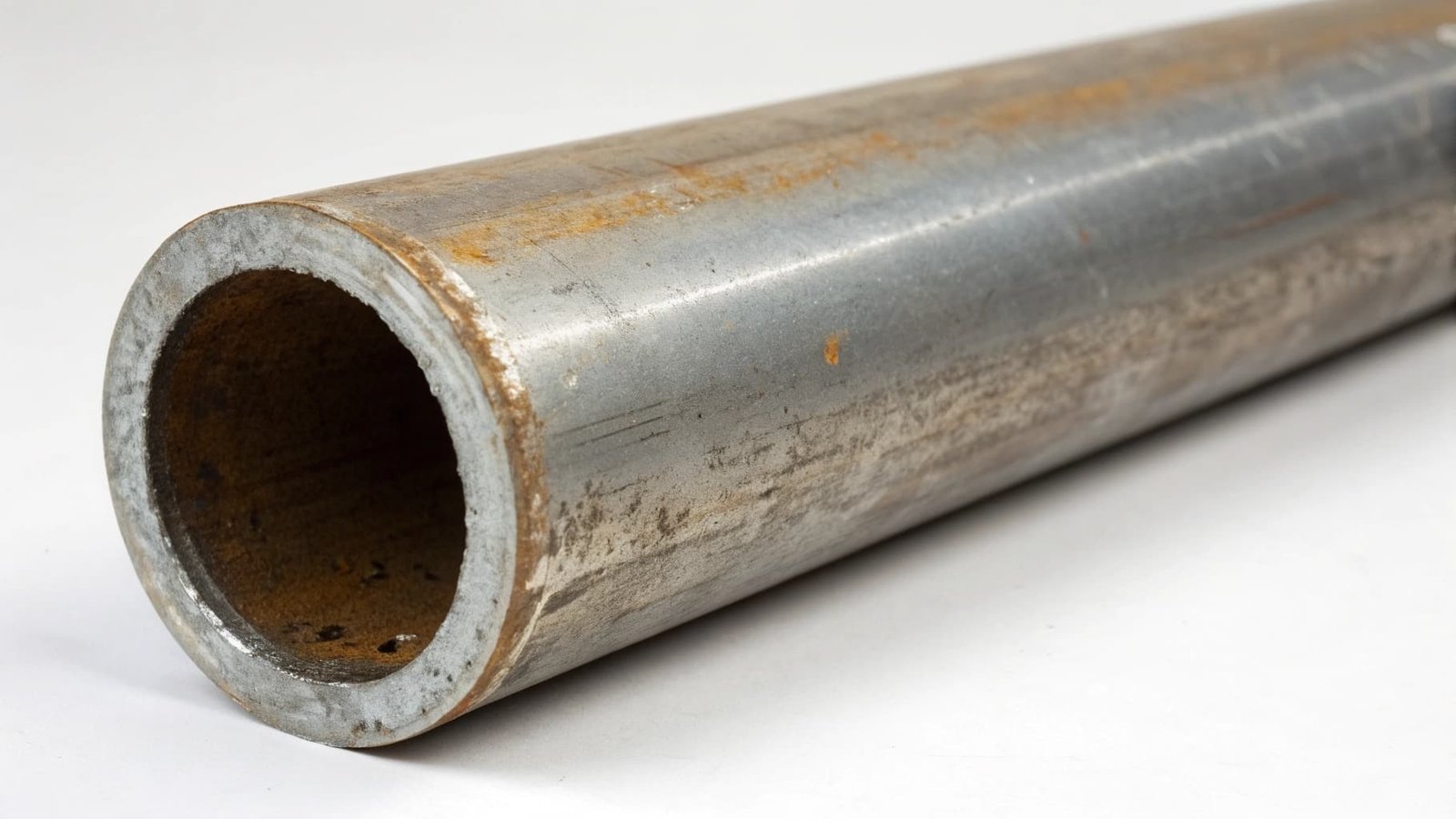
Choosing between these two alloys is a clear choice between strength and environmental resistance. They are both excellent materials but are designed for very different jobs.
-
6061 Tubing: This is your high-strength, structural choice. Once heat-treated to a T6 temper, it is hard and rigid, making it perfect for building frames, machine parts, and other load-bearing structures. Its corrosion resistance is good for general purposes, but it's not its primary feature.
-
5083 Tubing: This is your durability choice for harsh environments. It belongs to the 5xxx series, which is alloyed with magnesium. This gives it superb resistance to corrosion from seawater and industrial chemicals. It is also highly weldable and retains its strength well after welding. You will find it used for shipbuilding, pressure vessels (certified), and chemical transport. However, it is not heat-treatable and its strength, while good, does not reach the levels of 6061-T6.
For our clients, the decision is simple. If the part needs maximum structural strength, choose 6061. If the part must survive in a highly corrosive environment, 5083 is the superior option.
Conclusion
Don't let the convenience of a tube's shape compromise your component's integrity. For critical applications, choose the guaranteed multi-directional strength of a forged and hollow-bored bar from SWA Forging.
-
Learn about the advantages of 6061-T6 aluminum alloy, including its strength and versatility in various applications. ↩
-
Explore the unique properties and applications of extruded aluminum tubing to understand its strengths and weaknesses. ↩
-
Explore the factors that influence the corrosion resistance of aluminum alloys, especially in harsh environments. ↩
-
Find out how heat-treating aluminum enhances its strength and performance for structural applications. ↩
-
Learn about T6 temper in aluminum and how it enhances the material's strength and performance. ↩