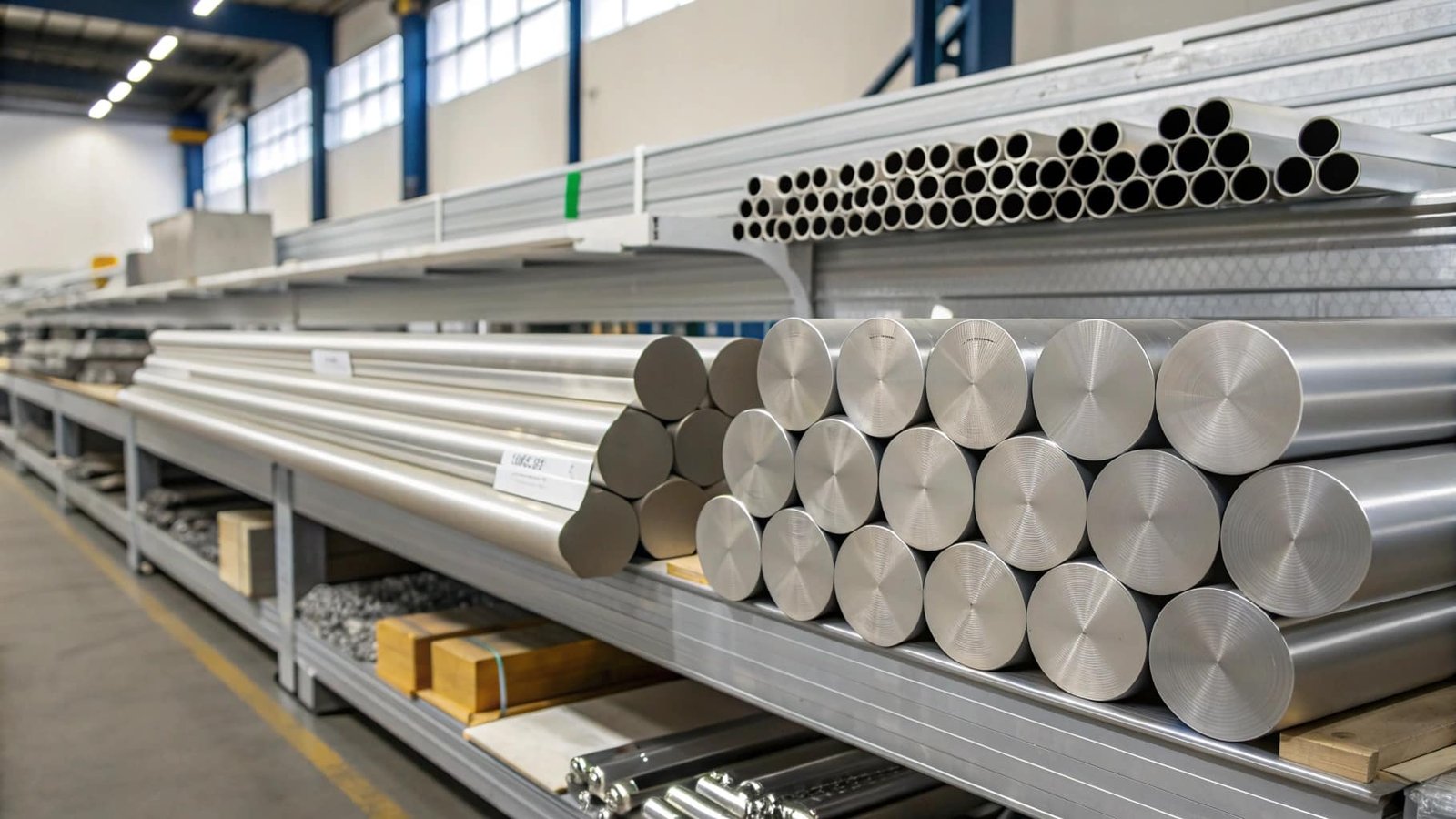
Are your mechanical engineering designs calling for robust, large-diameter aluminum components? SWA Forging delivers the precision and quality that make our aluminum forgings stand out.
The fundamental difference between aluminum and forged aluminum lies in processing and resultant properties. Aluminum refers to the base metal, while forged aluminum is a finished product created by shaping aluminum (often an alloy) using compressive forces, which enhances its mechanical properties. Forged aluminum can be as strong as, or even stronger than, some types of steel, especially when considering its strength-to-weight ratio. Forged aluminum is typically made from aluminum alloys1, most commonly from the 6xxx (magnesium-silicon) and 7xxx (zinc) series, which are chosen for their specific strength and performance characteristics after forging. The various types of aluminum are classified into series (1xxx to 8xxx) based on their primary alloying elements, with each series offering distinct properties in terms of strength, corrosion resistance, workability, and heat treatability.
At SWA Forging, our expertise in large-diameter forged aluminum is precisely the difference you need for your complex mechanical engineering projects. We transform high-quality aluminum alloys into components with superior structural integrity and precise dimensions through our specialized forging process. This ensures your critical designs are realized with materials that offer enhanced strength, improved reliability, and exceptional performance, setting your applications apart.
What is the difference between aluminium and forged aluminum?
Are you trying to understand the physical transformation that aluminum undergoes to become a "forged" product? It's about shaping and strengthening the material.
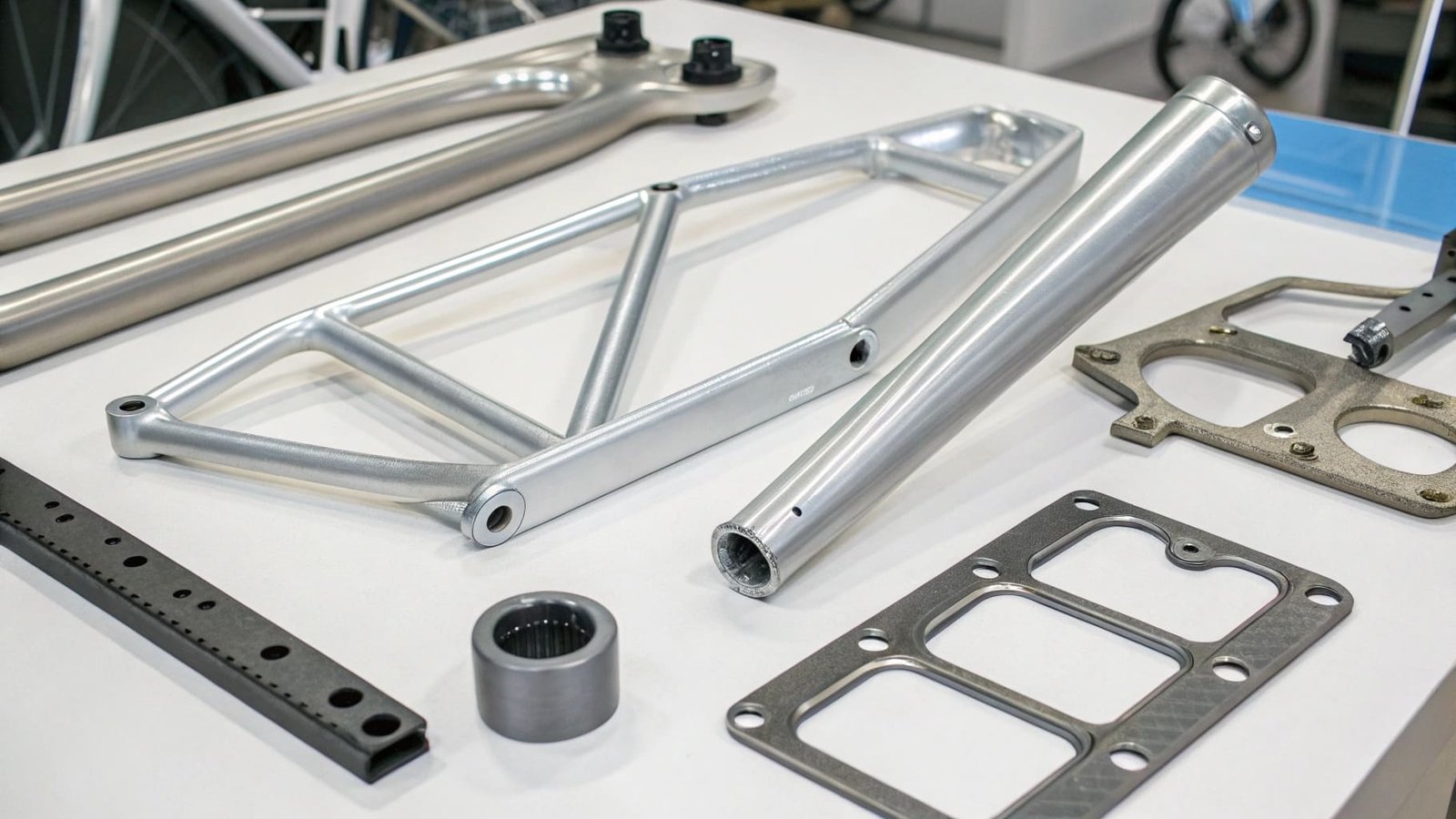
**The basic difference between aluminum and forged aluminum is that aluminum is the raw elemental metal or a basic alloy in its initial form, while forged aluminum is a finished product that has been mechanically shaped and strengthened through the forging process. Aluminum itself, particularly in purer forms, is relatively soft and malleable. When it's formed into a forged aluminum part, it's typically an aluminum alloy that is heated and then subjected to intense pressure, either through hammering or pressing.
This process has several key effects:
- Grain Structure Refinement: The forging process aligns the metal's grain structure in the direction of the applied force. This directional grain flow enhances strength and toughness along those lines.
- Increased Density: Forging closes internal voids or porosity that might exist in cast materials, leading to a denser, more homogenous microstructure.
- Enhanced Mechanical Properties: The combination of grain alignment and increased density results in forged aluminum having significantly higher tensile strength, yield strength, fatigue resistance, and fracture toughness compared to the same alloy in a cast or annealed state.
So, while both start as aluminum alloys, forged aluminum represents a superior material form due to the controlled mechanical deformation it undergoes.**

SWA Forging specializes in taking high-quality aluminum alloys and transforming them through advanced forging techniques into critical components. Our process is designed to meticulously control the metal's grain structure and density, ensuring that our large-diameter forged aluminum products far outperform their cast or wrought counterparts in terms of strength, durability, and reliability for your demanding mechanical engineering applications.
Is forged aluminum as strong as steel?
Are you wondering if aluminum can truly compete with steel in terms of raw strength for your designs? The answer is nuanced, especially when considering weight.
Forged aluminum can achieve strengths comparable to, and in some cases exceed, certain types of steel, but it's crucial to consider the strength-to-weight ratio. While some high-strength steels might have higher absolute tensile strength than even the strongest aluminum alloy forgings, aluminum offers a much lower density. For example, high-strength 7075 aluminum alloy forgings can have tensile strengths in the range of 500-550 MPa, while many common structural steels range from 400-550 MPa. However, steel is roughly three times denser than aluminum. This means that a forged aluminum component can often provide equivalent or even greater structural integrity for a given weight compared to a steel component that would be significantly heavier.
Therefore, when designs prioritize both strength and weight reduction (common in aerospace, automotive, and portable equipment), forged aluminum can indeed be a superior or equivalent choice to steel.
| Material Type | Typical Tensile Strength (MPa) | Density (g/cm³) | Strength-to-Weight Ratio (Relative) |
|---|---|---|---|
| Forged Aluminum (7xxx) | 500-550 | ~2.8 | High |
| Structural Steel | 400-550 | ~7.8 | Moderate |
| High-Strength Steel | 600-1000+ | ~7.8 | Moderate to High |

SWA Forging leverages the inherent advantages of aluminum alloys, particularly in large-diameter forgings where weight is a significant consideration. We utilize advanced forging processes to maximize the strength of these aluminum alloys, ensuring that our components deliver the critical load-bearing capabilities you need, often achieving performance that rivals steel while offering substantial weight savings, which is a key advantage in many advanced mechanical engineering designs.
What is forged aluminum made of?
Are you curious about the actual composition of the high-performance aluminum parts you use in critical applications? It starts with carefully selected alloys.
**Forged aluminum is not made from pure aluminum. Instead, it is fabricated from specific aluminum alloys that are chosen for their suitability to the forging process and their desired final properties. The most common aluminum alloy series used for forging are:
- 6xxx Series: Primarily alloyed with magnesium (Mg) and silicon (Si). These alloys are popular because they offer a good balance of moderate to high strength (especially after heat treatment to T6 temper), excellent corrosion resistance, and good formability and weldability. This makes them versatile for a wide range of applications, including large-diameter rings and discs.
- 7xxx Series: Primarily alloyed with zinc (Zn), often with smaller additions of magnesium (Mg) and copper (Cu). These alloys achieve very high strengths, sometimes exceeding that of many steels, and are favored for aerospace and high-performance applications where maximum strength-to-weight ratio2 is paramount.
- 2xxx Series: Alloyed with copper (Cu), these also offer high strength but typically have lower corrosion resistance and are more challenging to weld.
The specific alloy chosen depends on the application's requirements for strength, toughness, corrosion resistance, weldability, and cost. SWA Forging specializes in working with these high-performance alloys to create large-diameter forged aluminum3 components.**
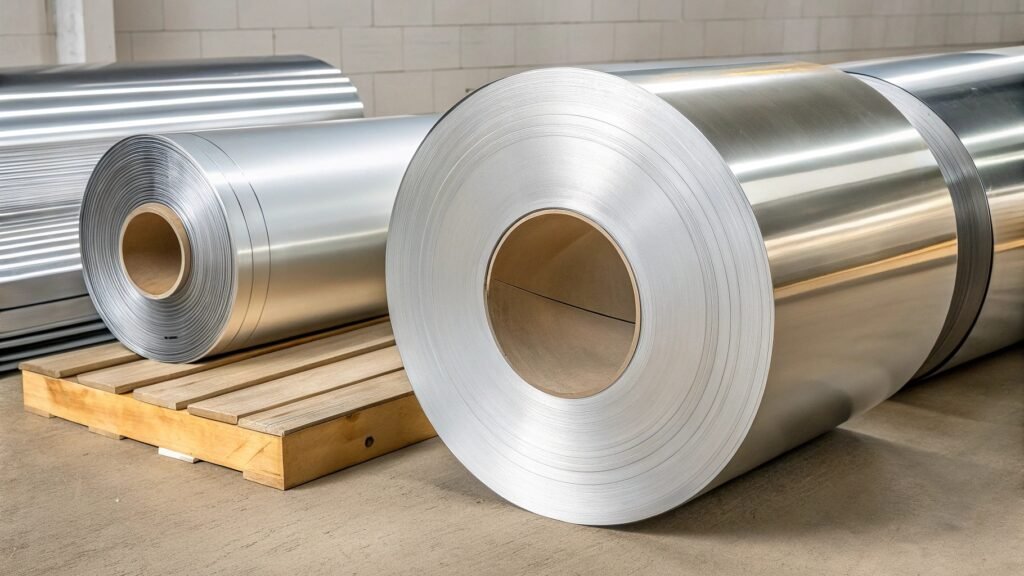
SWA Forging selects the optimal aluminum alloy based on your specific application needs to create large-diameter forged components. Whether your design demands the balanced properties and corrosion resistance of the 6xxx series or the ultra-high strength of the 7xxx series, our forging expertise ensures that the material's capabilities are fully realized, producing parts that meet the most stringent mechanical engineering specifications for your critical projects.
What is the difference between the different types of aluminum?
Are you looking to understand how aluminum alloys are categorized and what makes them distinct for various uses? The industry uses a numbering system based on their main alloying elements.
**The differences between various types of aluminum are primarily defined by their alloying elements, which are organized into a standardized series by The Aluminum Association. Each series offers a distinct set of properties, making them suitable for different applications:
- 1xxx Series: Composed of 99% or more pure aluminum. They offer excellent corrosion resistance and formability but have low strength. Used for electrical conductors, chemical equipment, and foil.
- 2xxx Series: Alloyed mainly with copper. These offer high strength but have reduced corrosion resistance and are not usually welded. Common in aerospace structures.
- 3xxx Series: Alloyed with manganese. They offer moderate strength and good formability, with good corrosion resistance. Often used for cookware and general sheet metal applications.
- 4xxx Series: Alloyed with silicon. They are used primarily for welding and brazing filler metals, and their strength is moderate.
- 5xxx Series: Alloyed with magnesium. These offer good corrosion resistance (especially in marine environments), good weldability, and moderate to high strength. Used in boat hulls, marine structures, and automotive bodies.
- 6xxx Series: Alloyed with magnesium and silicon. These are the most versatile, offering a good balance of strength (especially when heat-treated), corrosion resistance, and formability. Widely used for extrusions, architectural components, and general structural parts.
- 7xxx Series: Alloyed mainly with zinc. These alloys provide the highest strengths, often comparable to steel, making them ideal for demanding aerospace and high-performance applications.
- 8xxx Series: This is a miscellaneous category for alloys not fitting other series, often containing elements like iron, lithium, or zirconium for specific properties.**
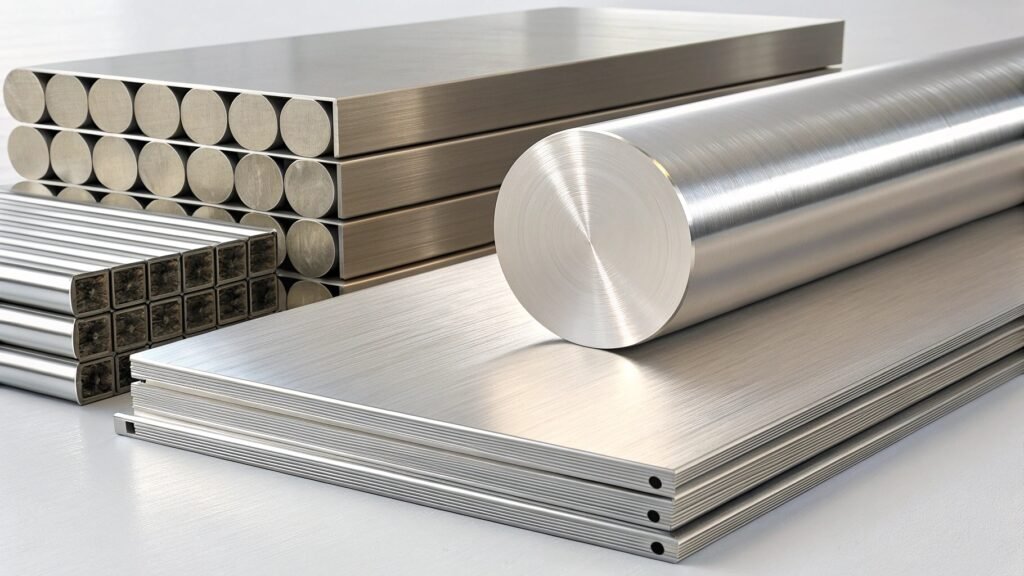
SWA Forging specializes in working with high-performance aluminum alloys, particularly within the 6xxx and 7xxx series, for our large-diameter forged products. We understand how the unique alloying elements of each series influence mechanical properties. This knowledge allows us to select the precise alloy and apply our advanced forging techniques to create components that meet the demanding strength, durability, and custom dimensional requirements of your critical mechanical engineering designs.
Conclusion
Forged aluminum offers superior strength and precision over raw aluminum. SWA Forging crafts large-diameter parts from specialized alloys, delivering the difference your critical mechanical designs require.
-
Understand the various aluminum alloys and their specific applications to choose the right one for your project. ↩
-
Learn about the advantages of forged aluminum's strength-to-weight ratio over traditional steel. ↩
-
Learn about the forging process and how it transforms aluminum into a stronger, more durable material for various applications. ↩