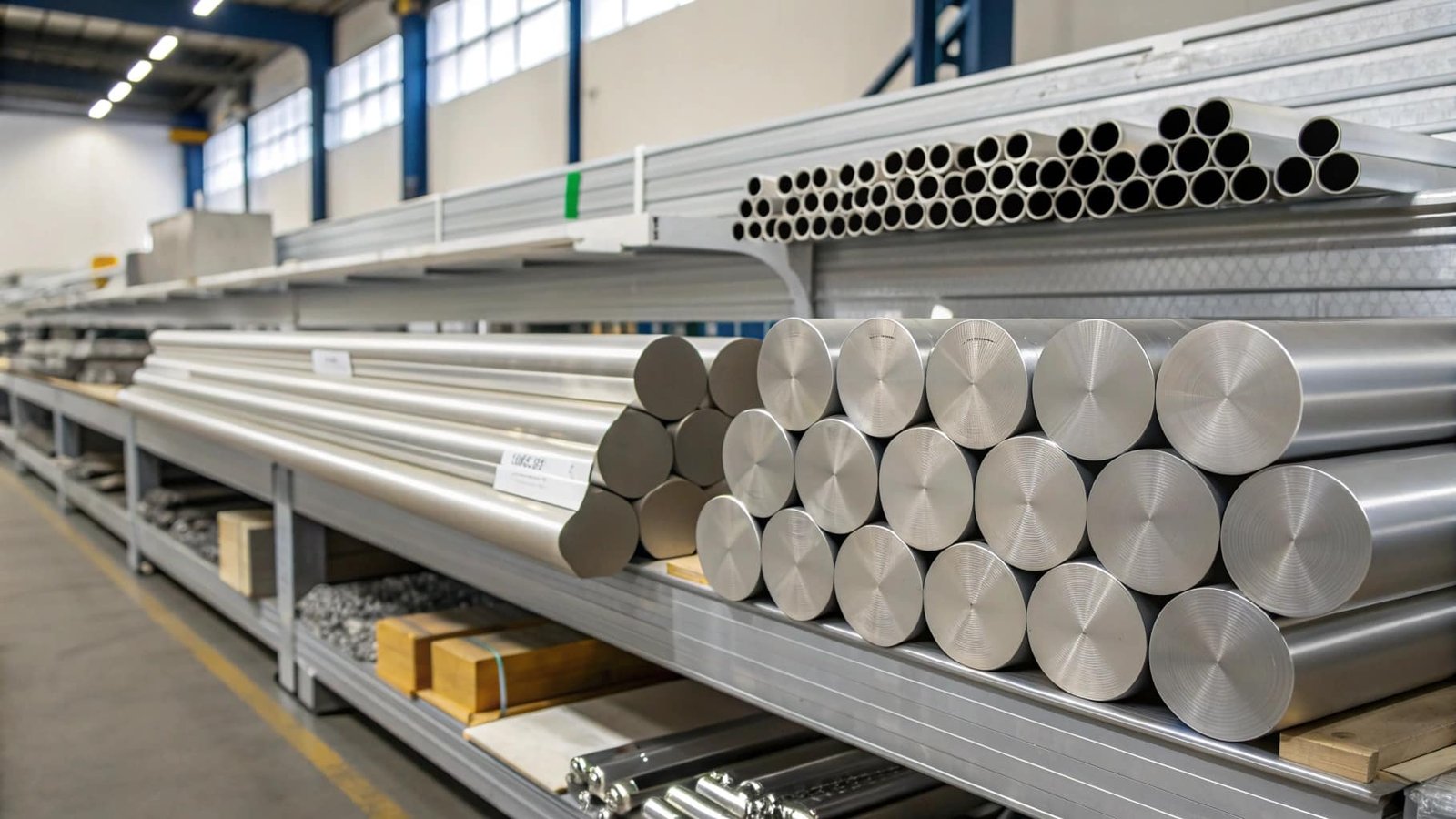
Understanding the precise specifications of aluminum alloys is crucial for aerospace applications, where performance and reliability are paramount. For the 2024 alloy, its unique properties set it apart for demanding roles, and SWA Forging's expertise in forging ensures these properties are maximized for your critical components.
The aluminum specification for 2024 often refers to standards like AMS 4035, AMS 4036, or QQ-A-225/6 for various forms such as sheet, plate, or forgings. 2024 aluminum alloy1 is generally harder and stronger than 6061 aluminum, especially in its heat-treated conditions, due to its higher copper content, which contributes significantly to its strength. The main difference between 2014 and 2024 aluminum alloys lies in their alloying elements and resulting properties: 2014 has higher levels of copper and silicon, making it harder but more prone to stress corrosion cracking and having lower ductility than 2024. The difference between 2024 and 7075 aluminum alloy2s is significant: 7075 is generally stronger and harder due to its zinc alloying element, making it ideal for the most demanding structural applications, while 2024 offers excellent fatigue resistance and is a preferred choice for applications with cyclic loading.
At SWA Forging, we specialize in understanding and delivering these precise specifications through our advanced forging processes, particularly for alloys like 2024. When you require components with superior mechanical properties tailored for aerospace, such as exceptional strength for airframes or outstanding fatigue resistance for components subjected to repeated stress, our custom-forged 2xxx series alloys provide a distinct advantage. We ensure that the final product adheres to the highest standards, offering a reliable and high-performance solution that goes beyond standard material sheets.
What is the aluminum specification for 2024?
Are you looking for the technical details and standards that define the 2024 aluminum alloy? These specifications ensure consistency and performance.
The aluminum specification for 2024 alloy covers its chemical composition, mechanical properties, and physical form. Common specifications include AMS (Aerospace Material Specifications) standards, such as AMS 4035 for sheet and plate, AMS 4036 for clad sheet and plate, AMS 4120 for forgings, and QQ-A-225/6 which covers plate, sheet, and foil. These specifications dictate minimum tensile strength, yield strength, shear strength, and fatigue strength, as well as allowable levels for alloying elements like copper, magnesium, and manganese. They also define heat treatment conditions (e.g., T3, T4, T351) which significantly impact the alloy's properties, ensuring that 2024 aluminum meets the rigorous demands of its intended applications, particularly in aerospace.
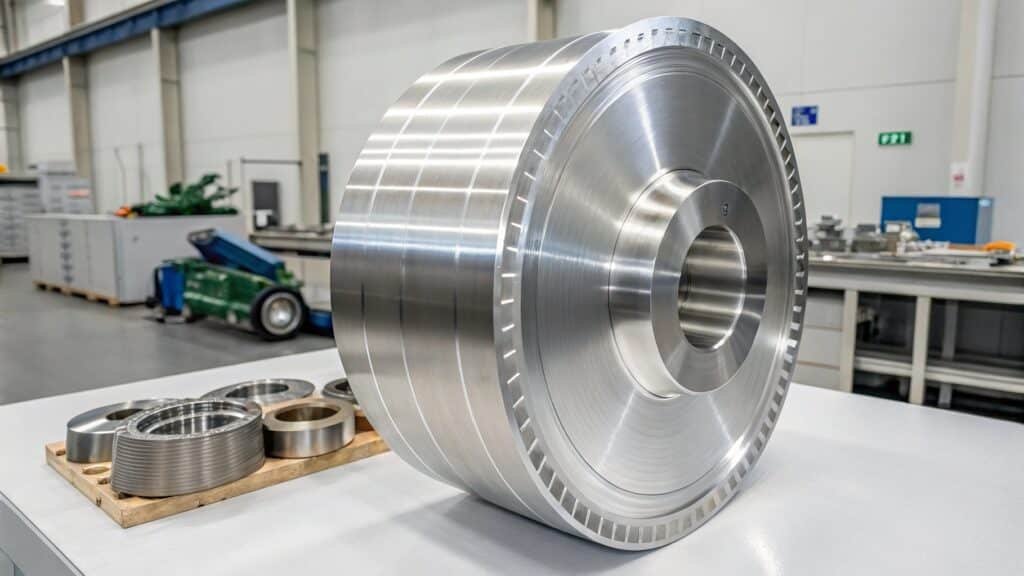
SWA Forging meticulously adheres to these stringent specifications when producing 2024 aluminum alloy components. Our forging process for 2024 components, whether they are large rings or discs, is controlled to achieve the specified heat treatment conditions (e.g., T351) and mechanical properties. This ensures that our forged parts meet or exceed the required tensile strength, fatigue resistance, and dimensional accuracy demanded by aerospace clients, providing a foundation of trust and quality for critical applications.
Is 2024 aluminum harder than 6061?
Are you pondering whether 2024 aluminum alloy offers a higher degree of hardness compared to the more common 6061? Strength and hardness are key differentiators.
Yes, 2024 aluminum alloy is generally harder and stronger than 6061 aluminum alloy, especially when both are in their common heat-treated conditions. This increased hardness in 2024 comes from its higher copper content, which is a primary alloying element that significantly boosts its strength and hardness. While 6061 is a versatile alloy known for its good balance of properties and ease of fabrication, 2024 is specifically engineered for applications where higher strength and fatigue resistance are critical, such as in aircraft structures. However, this increased hardness in 2024 can make it more difficult to machine and more susceptible to certain types of corrosion compared to 6061.
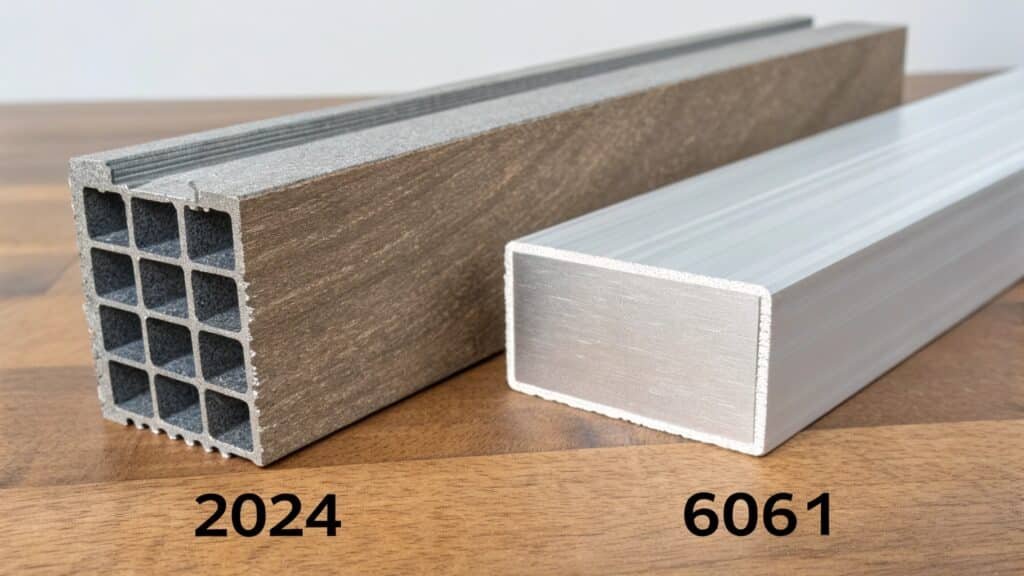
At SWA Forging, when clients require components that demand superior hardness and strength, especially for flight-critical structures, we often recommend and expertly forge the 2024 alloy. Our forging process allows us to maximize the inherent hardness and strength of 2024, making it an excellent choice for applications that would push the limits of 6061. We ensure that the forged components possess the critical mechanical properties needed for robust performance, providing a clear advantage where superior hardness is a key requirement.
What is the difference between 2014 and 2024 aluminum?
Are you trying to distinguish between two similar high-strength aluminum alloys, 2014 and 2024, and understand their unique characteristics? Their subtle differences matter in performance.
The primary difference between 2014 and 2024 aluminum alloys lies in their specific alloying elements and the resulting mechanical properties and application suitability. Both are high-strength aluminum-copper alloys, but 2014 contains a higher percentage of copper along with silicon, which gives it slightly higher strength and hardness, especially in specific heat-treated conditions. However, this also makes 2014 less formable and more susceptible to stress corrosion cracking than 2024. 2024, with its slightly lower copper content and the addition of magnesium, offers a better balance of strength with improved ductility and fatigue resistance. This makes 2024 often preferred for applications involving cyclic stressing, like aircraft structures, where its excellent fatigue life is a critical advantage over 2014.
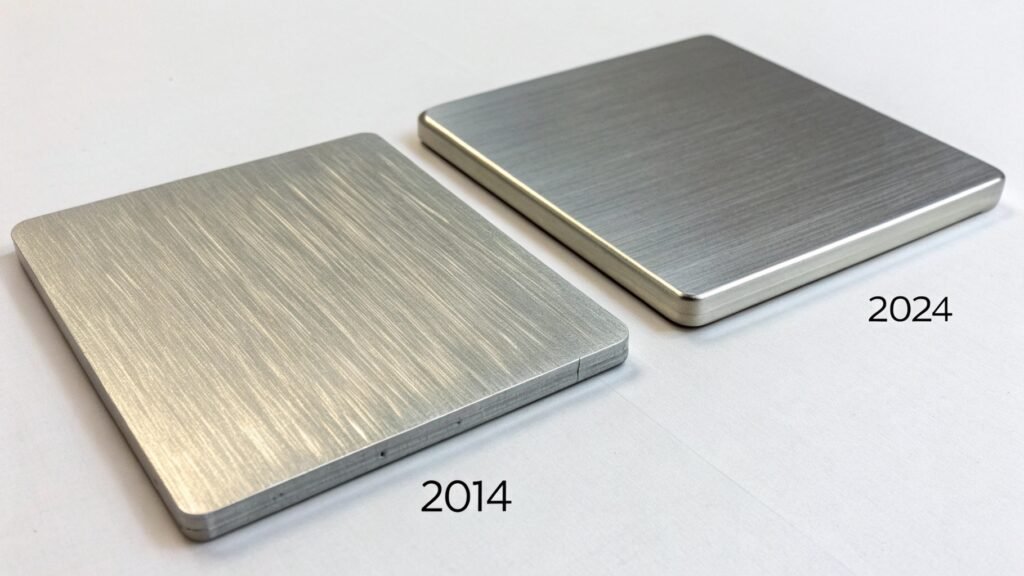
SWA Forging can precisely forge both 2014 and 2024 aluminum alloys, ensuring that each component meets its specific performance requirements. For applications where utmost fatigue resistance and a slightly better balance of properties are essential, we guide clients towards 2024 forgings. Our expertise in controlling the forging process allows us to optimize the grain structure and mechanical properties of these alloys, ensuring that critical aerospace components benefit from the distinct advantages each alloy offers, tailored to the precise needs of the application.
What is the difference between 2024 and 7075 aluminum alloy?
Are you trying to compare two of the most popular high-strength aluminum alloys used in aerospace, 2024 and 7075, and understand where each excels? Their alloying elements create distinct performance profiles.
The primary difference between 2024 and 7075 aluminum alloys lies in their principal alloying elements and their resulting properties, which dictate their best applications. 2024 is an aluminum-copper-magnesium alloy known for its excellent fatigue strength and good machinability, making it ideal for aircraft structures subjected to repeated stress, such as fuselages and wings. 7075, on the other hand, is an aluminum-copper-zinc-magnesium alloy, which is significantly stronger and harder than 2024. Its higher zinc content gives it superior tensile and yield strength, making it one of the strongest aluminum alloys available. This superior strength makes 7075 the alloy of choice for highly stressed structural components like airframe structures, wing spars, and even some critical hardware where maximum load-bearing capacity is required, though it can be more susceptible to stress corrosion cracking than 2024.
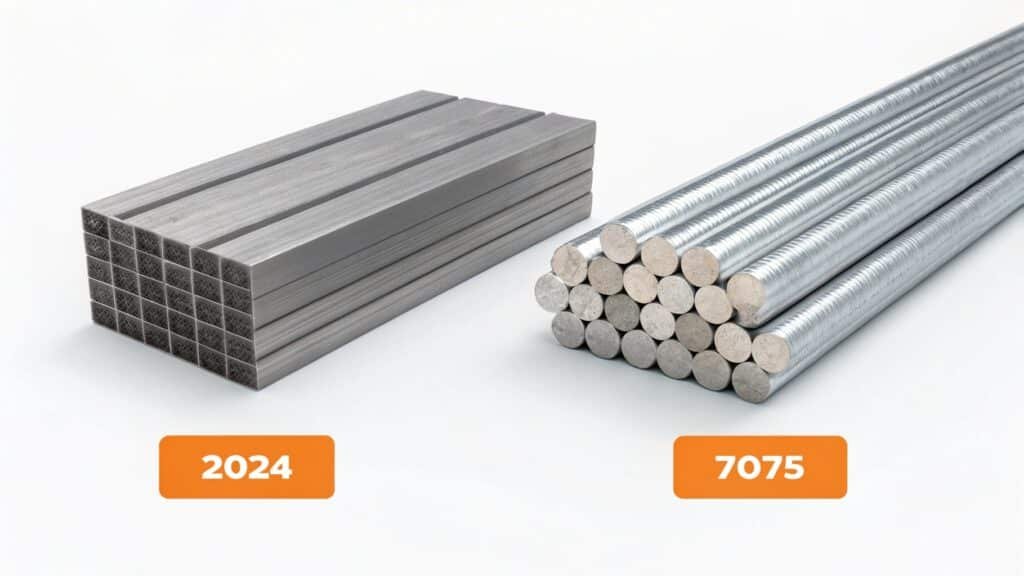
At SWA Forging, we provide custom-forged solutions from both 2024 and 7075 alloys, understanding the critical distinctions that drive their use in aerospace. When a component demands the absolute highest tensile strength and shear strength, for example, in highly loaded structural elements, 7075 is often the superior choice, and we forge it to perfection. Conversely, for applications prioritizing exceptional fatigue resistance alongside high strength, our precisely worked 2024 forgings are an ideal and cost-effective solution. Our role is to ensure you receive the optimal alloy in the optimal forged form for your specific high-performance needs.
Conclusion
2024 aluminum alloy offers superior strength and fatigue resistance compared to 6061, making it ideal for demanding aerospace roles, though 7075 is stronger overall. SWA Forging excels in forging 2024 and other high-performance alloys to precise specifications for critical applications.