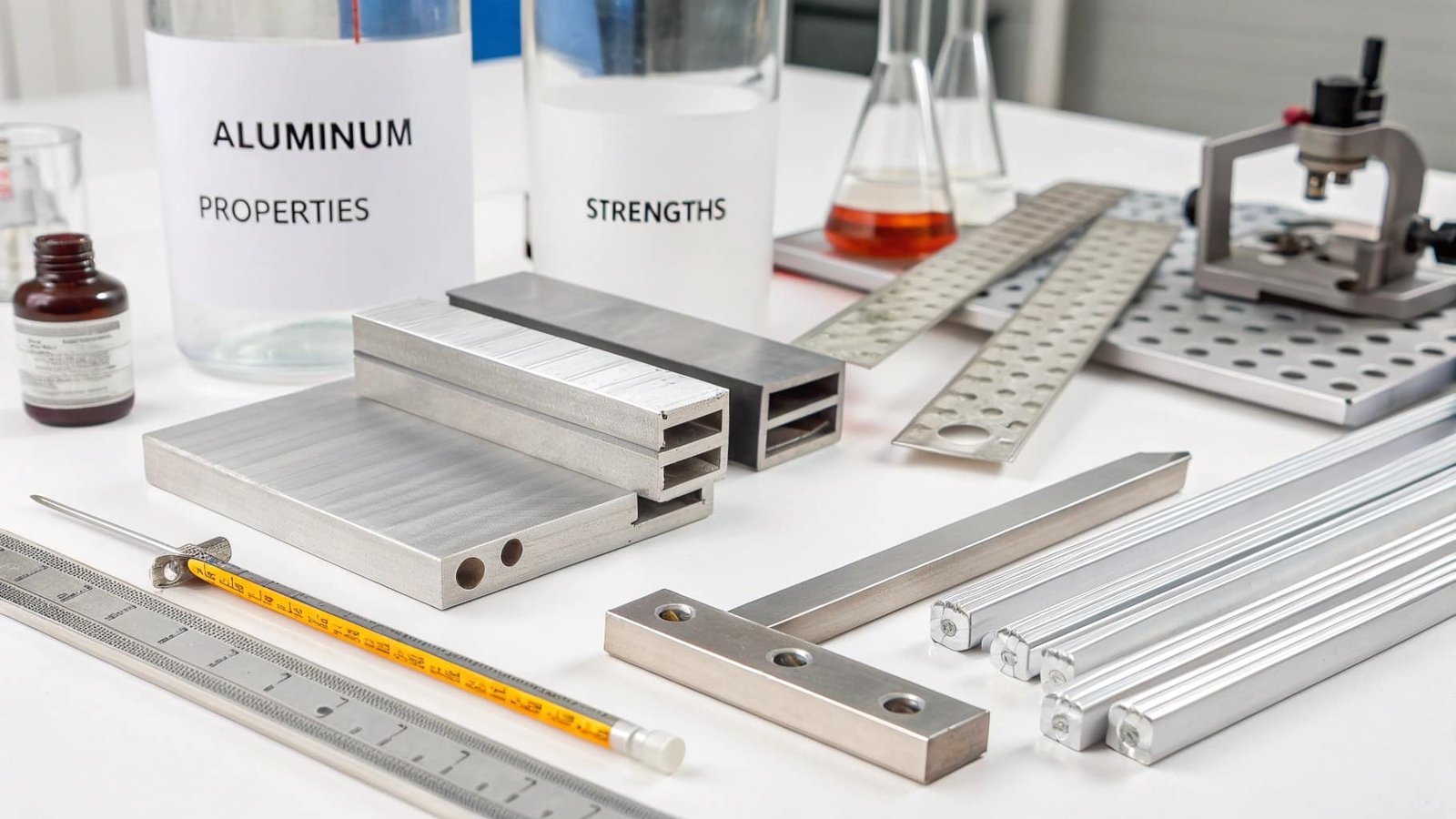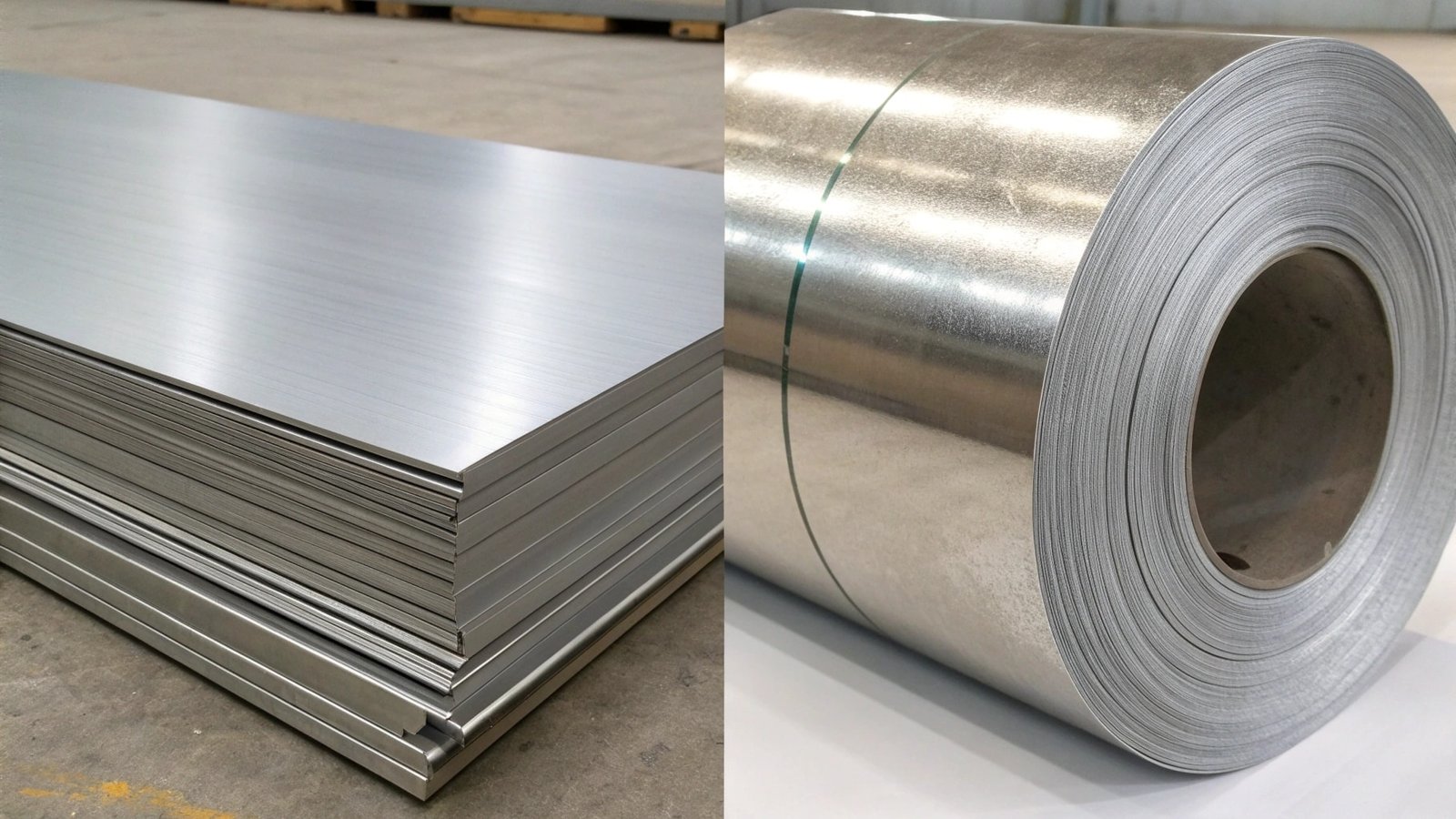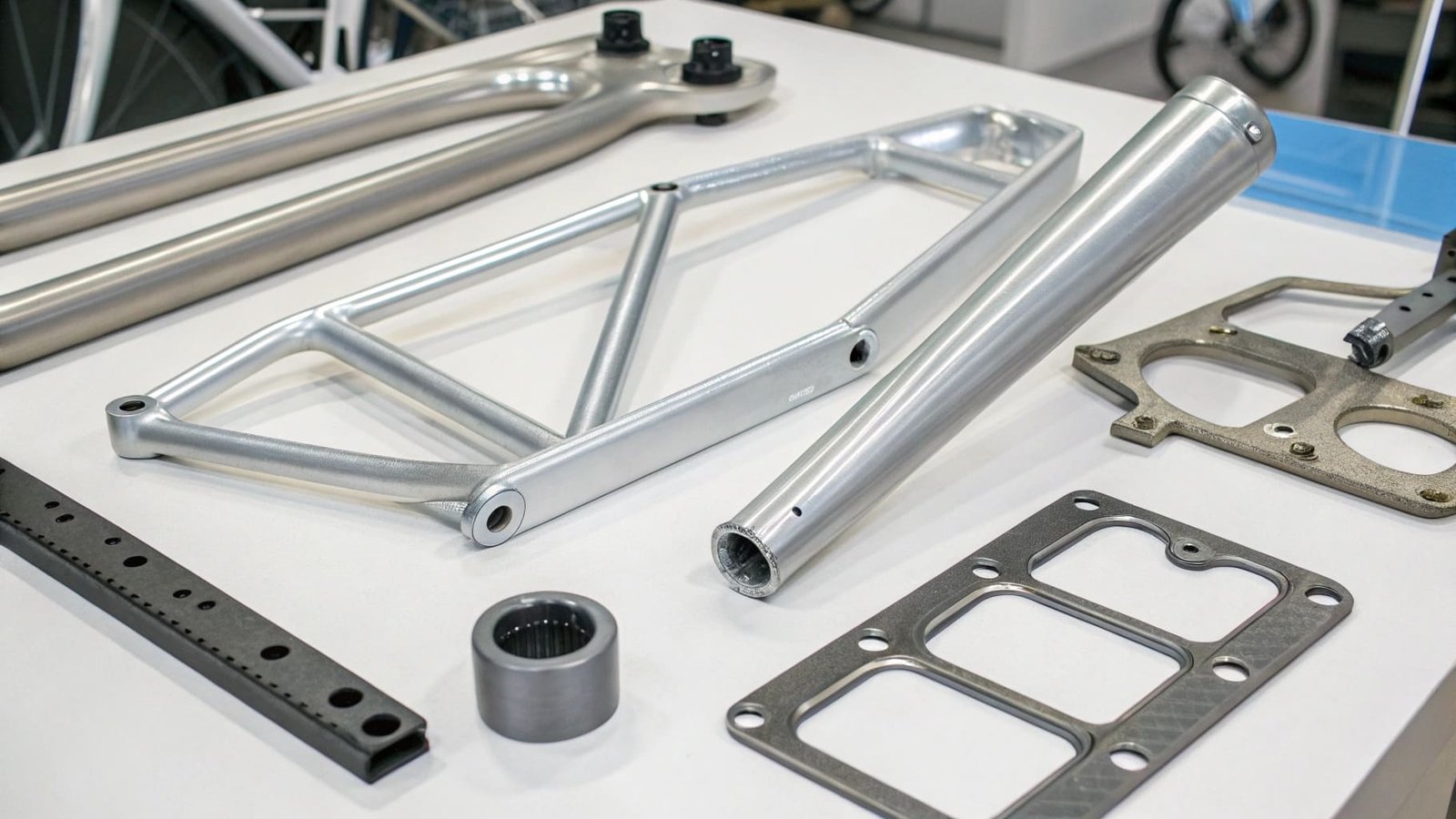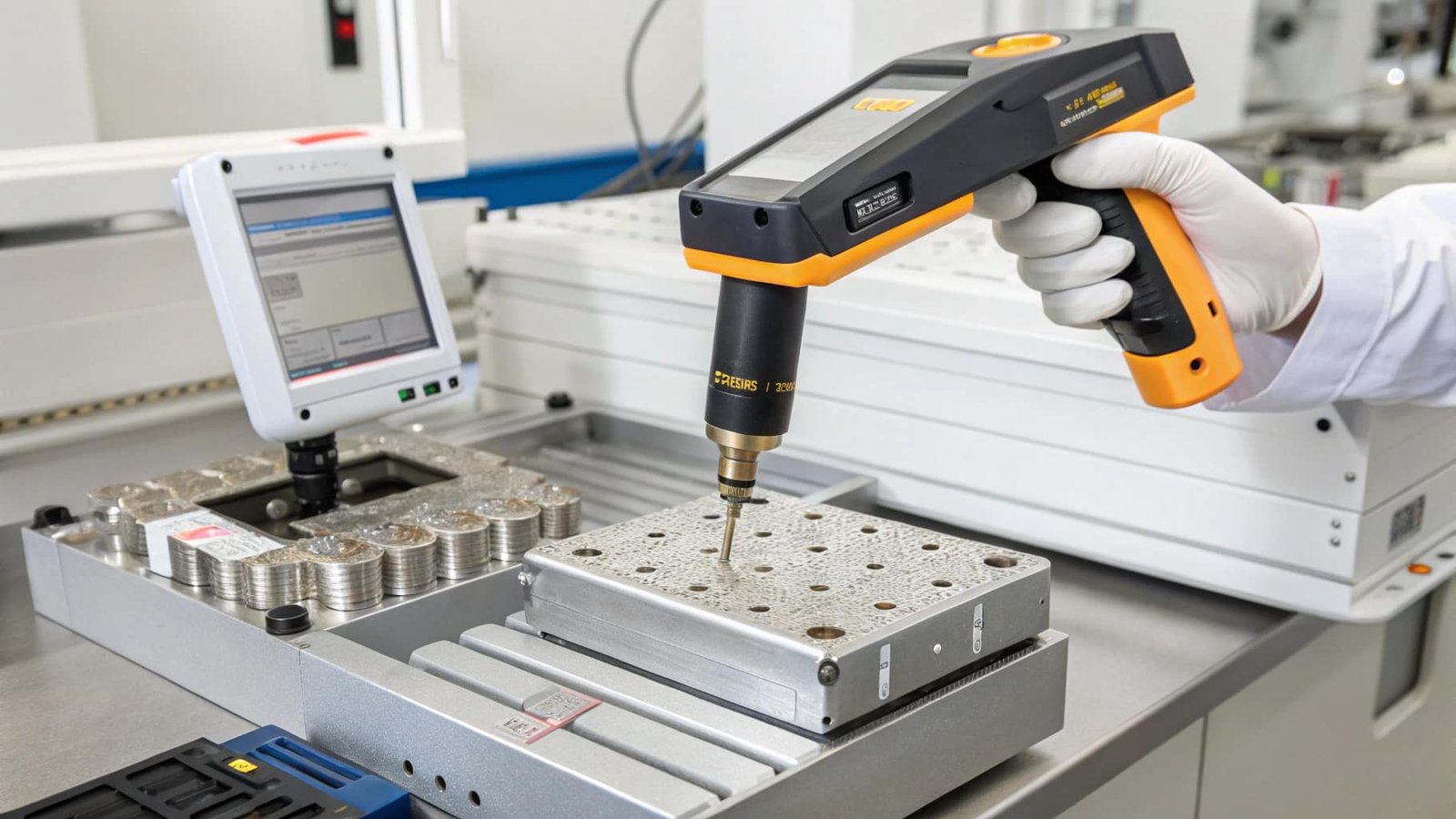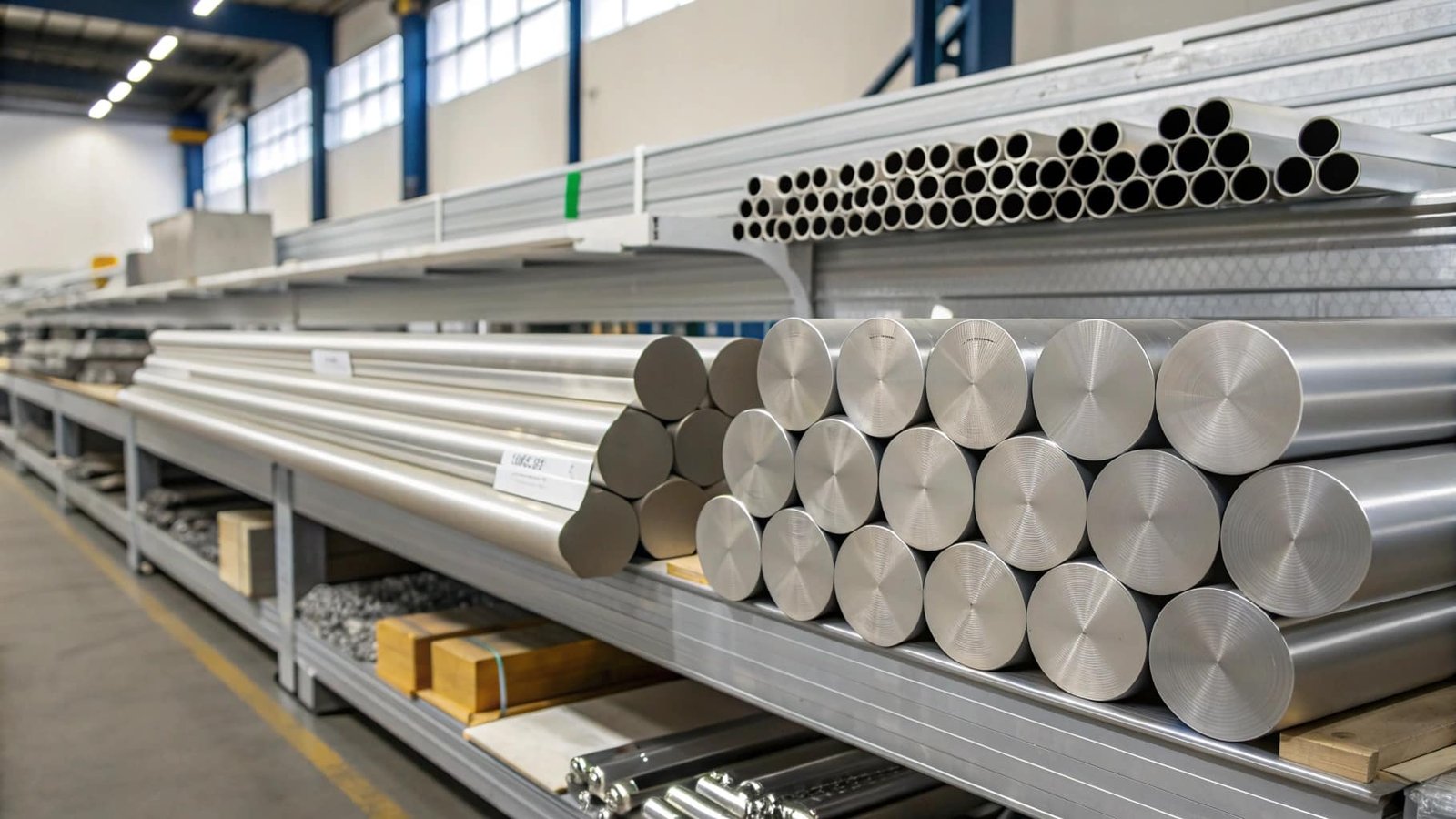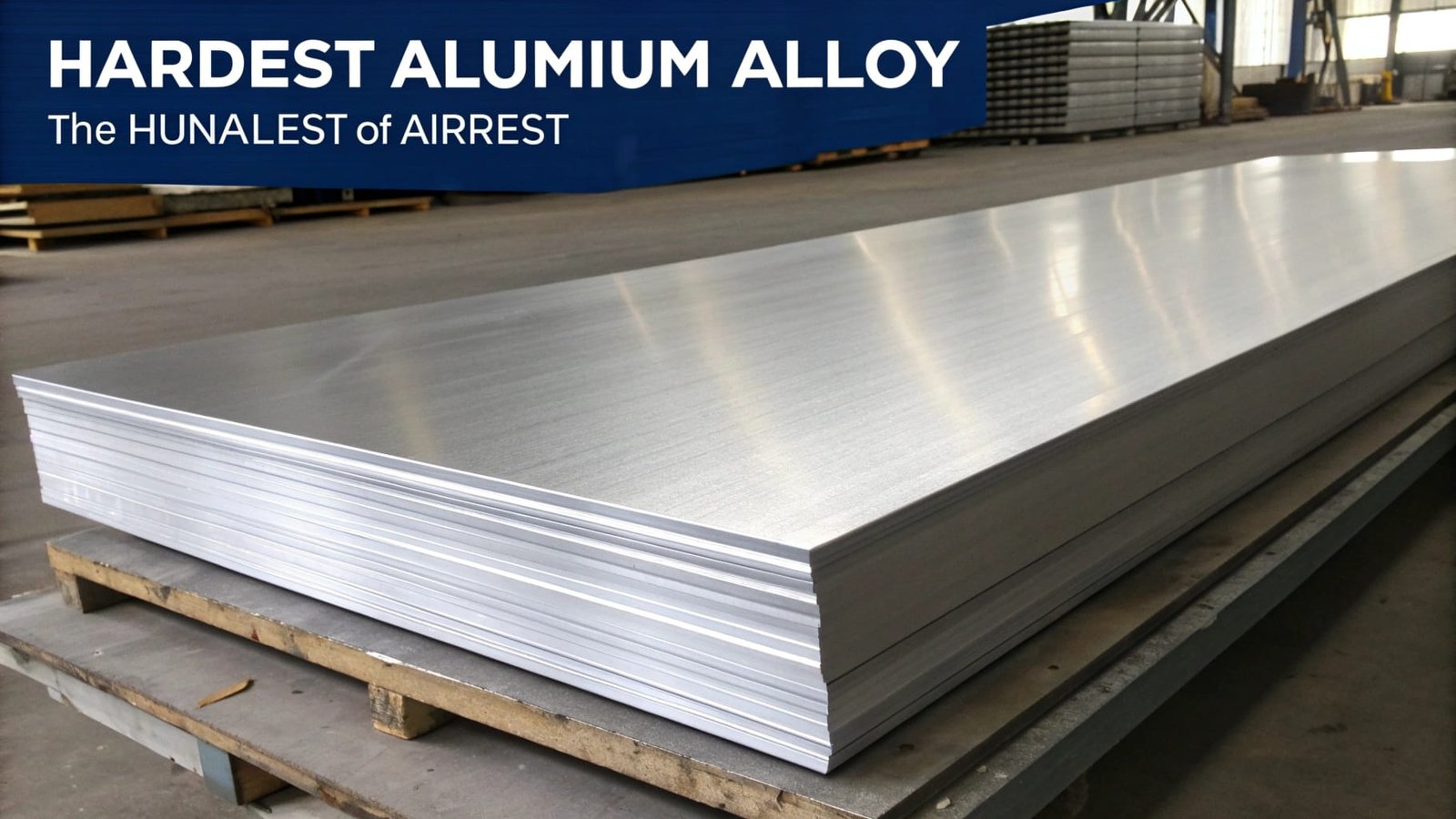
Are your 6061 plate projects pushing the limits of their material, demanding greater strength and durability? Discover the forging advantage.
When standard 6061 aluminum plates1 fail to meet the rigorous demands for enhanced durability and structural integrity in your projects, SWA Forging's precision-engineered components offer a superior upgrade through advanced forging techniques.
Many of our clients at SWA Forging start their projects with 6061 aluminum plates. This alloy is a workhorse, offering a good balance of strength, corrosion resistance2, and machinability, making it suitable for a wide range of applications like structural frames, brackets, and general fabrication. However, when projects demand higher performance, particularly in terms of durability under stress, fatigue resistance, or the need for complex integrated features, a simple plate can become a limitation. Trying to achieve these properties by simply machining or bending a plate can compromise the material's integrity or require multiple assembly steps. At SWA Forging, we take that same reliable 6061 aluminum and transform it through precision forging, creating components with a refined grain structure that offers significantly enhanced durability and strength, moving beyond the capabilities of standard plates.
Is forged aluminum stronger than steel?
While aluminum is not as strong as steel in terms of absolute tensile strength, forged aluminum can offer a better strength-to-weight ratio and enhanced durability compared to some steels in specific applications.
Forged aluminum is not inherently stronger than most steels in terms of raw tensile strength. However, its significantly lower density means that forged aluminum often possesses a superior strength-to-weight ratio3. Furthermore, the forging process itself refines the grain structure, improving toughness and fatigue resistance, which can make it a more durable choice than steel in applications where weight is a critical factor.

When clients at SWA Forging are evaluating materials for demanding applications, the question of forged aluminum versus steel often comes up. It’s true that many steels, particularly high-strength alloys, will have a higher ultimate tensile strength than even the strongest aluminum alloys. However, aluminum is much lighter, typically around one-third the density of steel. This is where forged aluminum shines. Our forging process takes an already strong alloy like 6061 or 7075 and aligns its grain structure to better handle applied stresses. This means a forged aluminum component can often replace a heavier steel part while offering comparable or even superior performance in terms of fatigue life and impact resistance, especially in weight-sensitive industries like aerospace and automotive.
Key points for comparison:
- Tensile Strength: Steel generally higher.
- Density: Aluminum significantly lower.
- Strength-to-Weight Ratio: Forged aluminum often excels here.
- Toughness/Fatigue Life: Forging enhances these properties in aluminum, making it very durable.
- Corrosion Resistance: Aluminum typically has better corrosion resistance than many steels.
The best material choice depends on the specific project's requirements.
What is 6061 aluminum used for?
6061 aluminum is a versatile and popular alloy utilized across many industries due to its excellent combination of mechanical properties and ease of fabrication.
6061 aluminum is widely used for structural components in aircraft, automotive parts, bicycle frames, drone frames, marine applications, and general-purpose industrial products where a good balance of strength, corrosion resistance, weldability, and machinability is required.

At SWA Forging, we frequently work with the 6061 alloy, often specified by clients for its broad applicability. Whether it's for a component in a boat's framework, a part for industrial machinery, or a structural element in a vehicle, clients choose 6061 for its balanced performance. However, for applications that push these materials to their limits, simple 6061 plates or extrusions might not offer enough in terms of resilience or complex geometric integration. Our forging techniques enhance the inherent properties of 6061, creating components with superior fatigue resistance and tailored grain structures. This results in parts with significantly improved performance and longevity in high-stress environments, providing a more robust solution than conventionally manufactured parts made from plates.
Key uses of 6061 aluminum include:
- Aerospace: Aircraft structures, fuselages, and missile components.
- Automotive: Chassis, body panels, and structural supports.
- Marine: Boat hulls, decks, and fittings.
- Recreational: Bicycle frames, skateboards, and sporting equipment.
- Industrial: Machine parts, frames, electrical housings, and construction components.
Its versatility makes it a go-to alloy for many demanding applications.
Will 6061 aluminum rust?
Aluminum does not rust in the same way that steel does, but it can corrode. It forms a protective oxide layer that prevents deeper degradation.
6061 aluminum will not rust like iron-based metals. Instead, it forms a thin, tough, invisible layer of aluminum oxide on its surface when exposed to air. This oxide layer provides excellent protection against further corrosion, although it can be attacked by strong acids or alkalis.

Clients at SWA Forging often ask about the durability of our aluminum components, especially when they are used in harsh environments. 6061 aluminum is chosen for its inherent corrosion resistance. Unlike steel, which undergoes oxidation that we call "rust" and leads to material degradation, aluminum forms a passive oxide layer. This layer acts as a shield, protecting the underlying metal. While this makes 6061 an excellent choice for many applications, including marine or outdoor uses, it's important to note that this protective layer can be compromised under certain extreme conditions. Our forged components, benefiting from the same inherent corrosion resistance of 6061, maintain this protective advantage, making them reliable for long-term use.
Key points on 6061 corrosion:
- Oxide Layer: Forms a protective aluminum oxide layer.
- No Rusting: Does not exhibit "rusting" like iron.
- Galvanic Corrosion: Can occur when in contact with dissimilar metals in an electrolyte.
- Surface Patina: Over time, the oxide layer can thicken or change appearance, but this is protective, not destructive.
Its natural corrosion resistance is a significant advantage.
What is the strongest aluminum alloy?
The strongest aluminum alloys are typically those in the 7000 series, specifically those with zinc as the primary alloying element, often in combination with other elements like magnesium and copper.
The 7000 series aluminum alloys, particularly 7075-T6, are generally considered the strongest aluminum alloys available. They offer exceptional tensile strength and yield strength, making them suitable for high-performance applications like aerospace structures, although they may have lower corrosion resistance and weldability compared to other alloys like 6061.
When our clients at SWA Forging are aiming for the absolute pinnacle of strength and performance, we often guide them towards the 7000 series alloys. While 6061 is a fantastic and versatile alloy, for applications that demand the highest possible strength-to-weight ratio, such as critical aircraft components or high-stress structural parts, alloys like 7075-T6 are the top choice. Our precision forging process further enhances the already superior mechanical properties of these high-strength alloys. By aligning the grain structure and eliminating internal stresses, we create forged components that can withstand extreme loads and fatigue cycles, pushing the boundaries of what's possible with aluminum in demanding engineering projects, far exceeding what simple plates can achieve.
Strongest aluminum alloys typically include:
- 7075: Known for very high strength, often used in aerospace.
- 7050: Similar to 7075 but with improved corrosion resistance and fracture toughness.
- 2024: High strength, good fatigue resistance, often used in aircraft structures.
- Zirconium-containing alloys: Can offer enhanced strength and creep resistance.
The "strongest" depends on the specific property being measured (tensile strength, fatigue strength, etc.) and the temper.
Conclusion
For your 6061 plate projects demanding greater durability and structural integrity, upgrading to precision-engineered forged aluminum components from SWA Forging provides a significant performance advantage.
-
Explore the advantages of 6061 aluminum plates for construction projects, including strength and versatility. ↩
-
Find out how corrosion resistance plays a crucial role in choosing materials for various environments. ↩
-
Explore the importance of strength-to-weight ratio in material selection for engineering projects. ↩