Are standard seamless aluminum tubes reaching their performance limits for your critical aerospace or high-stress applications? Discover the advantages of SWA Forging's precision 3D components.
When the geometric limitations and structural constraints of seamless aluminum tubing hinder the optimal performance, integration, or durability required for critical aerospace and high-stress applications, SWA Forging's precision-engineered 3D components offer a superior solution with enhanced strength and integrated functionality.
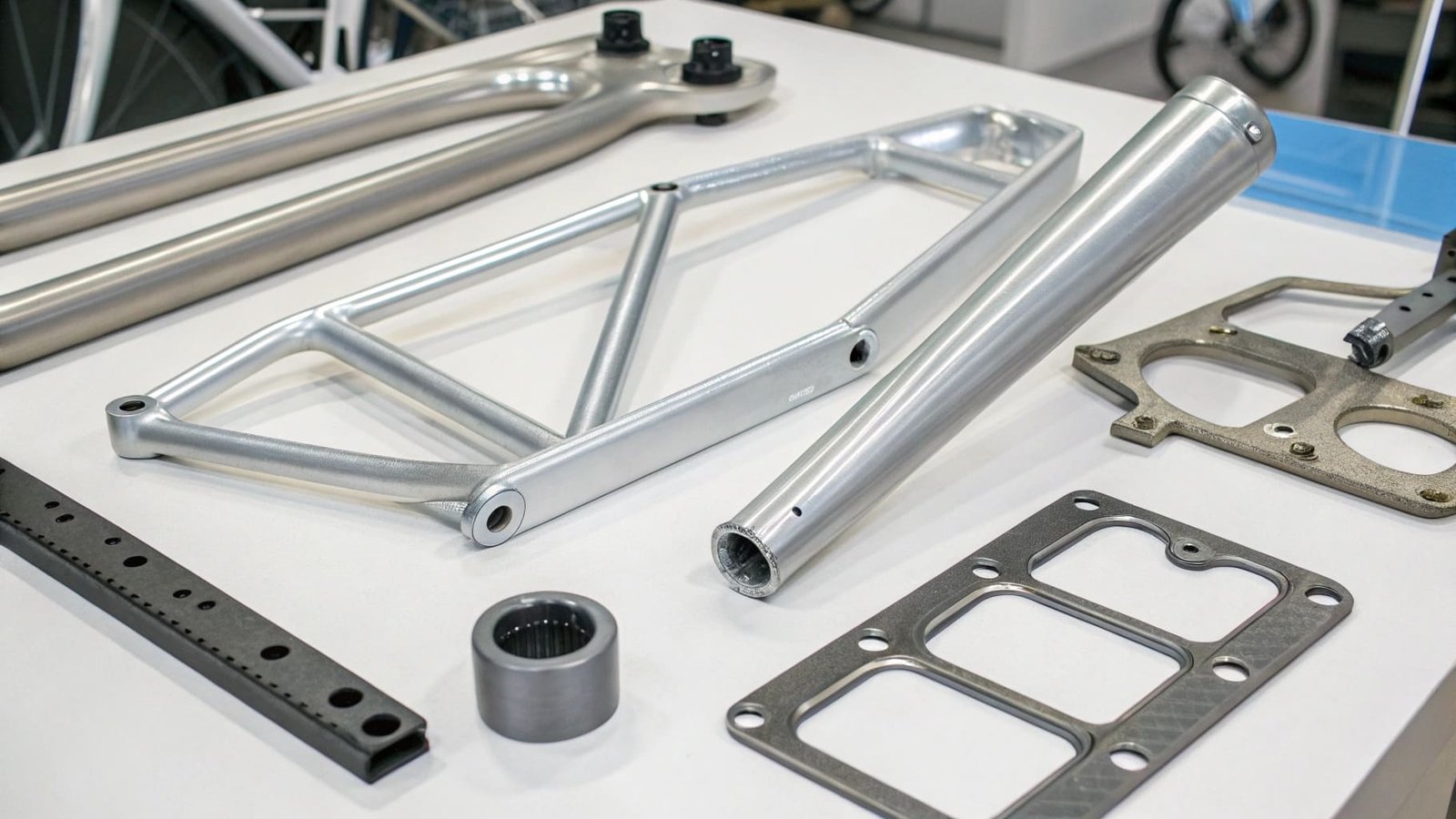
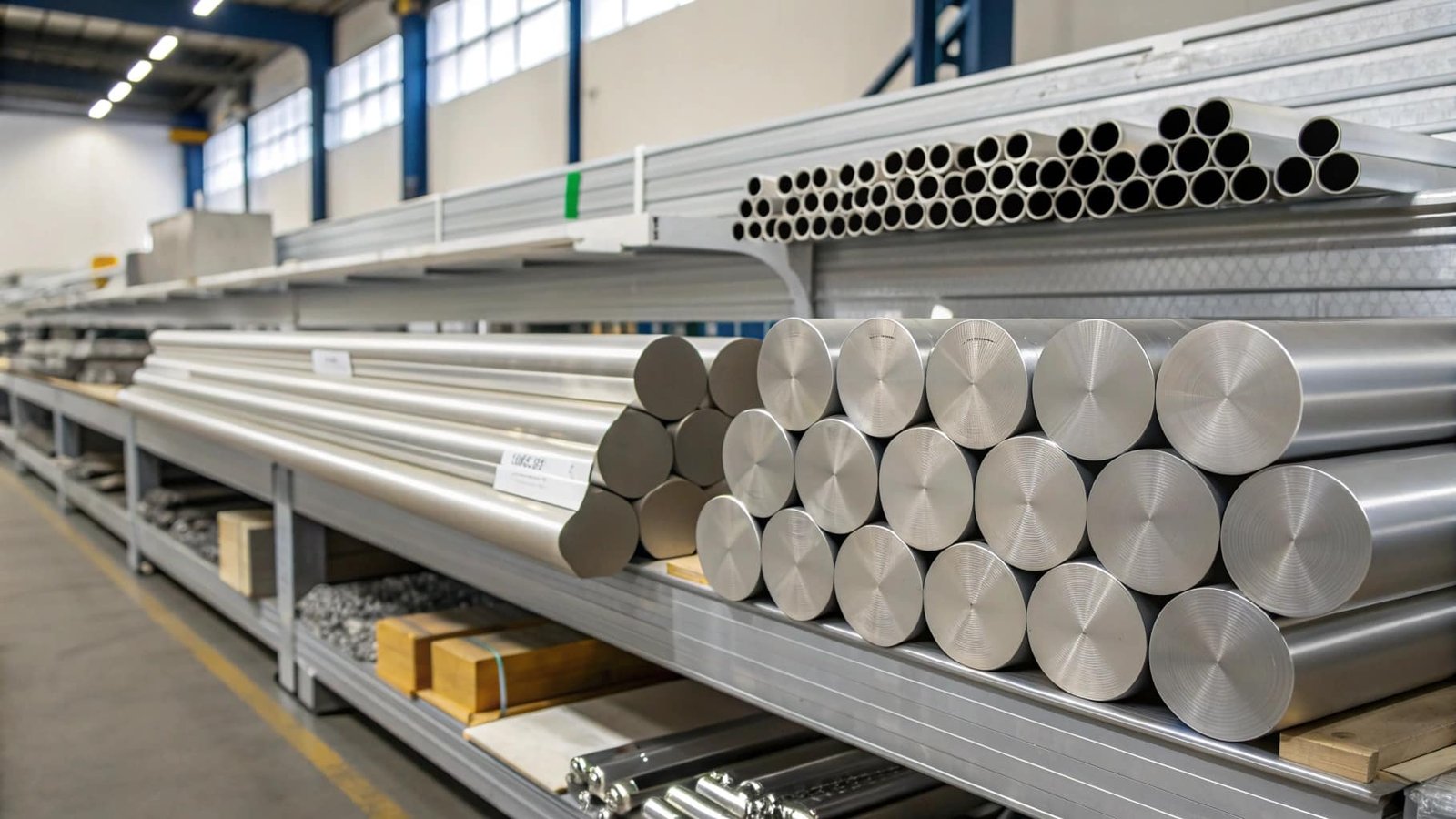
Many clients at SWA Forging begin their projects by considering seamless aluminum tubing. This material is a cornerstone in many industries, including aerospace, for applications like hydraulic lines, fuel conduits, and structural elements, valued for its consistent wall thickness, smooth surface finish, and excellent material integrity. The "seamless" aspect means it's made from a solid billet without welded seams, ensuring reliability under pressure. However, even with these advantages, tubing is inherently linear and can't easily accommodate complex 3D geometries, integrated mounting points, or highly optimized shapes that are often required for advanced aerospace designs or high-stress components. Machining these features into a tube can compromise its integrity or require multiple parts and assembly steps. At SWA Forging, we specialize in taking high-performance aluminum alloys1 and transforming them through precision forging into complex, monolithic 3D components that offer superior strength, optimized material flow, and integrated functionality, far exceeding the capabilities of traditional seamless tubing.
What is the difference between drawn and extruded aluminum tubing?
The distinction between drawn and extruded aluminum tubing lies in their manufacturing processes, which affect their final properties and suitability for different applications.
Extruded aluminum tubing is formed by forcing heated aluminum through a die to create a continuous profile, allowing for complex cross-sections but typically with less precise dimensions and surface finish. Drawn aluminum tubing is produced by pulling an existing tube (often an extrusion) through a die and over a mandrel, resulting in tighter tolerances, a smoother surface finish, and often improved mechanical strength due to grain refinement.

For our clients at SWA Forging, understanding these processes is key to selecting the right material for critical parts. Extrusion is a primary shaping method that offers great flexibility in creating intricate cross-sections, but the dimensional accuracy and surface quality might not be sufficient for highly demanding aerospace applications. Drawing is a secondary process that enhances these aspects. By pulling the aluminum through dies, the material's grain structure is refined and elongated, leading to increased strength and toughness, along with improved dimensional accuracy and surface smoothness. However, both processes are primarily geared towards creating components with a consistent cross-section along a linear path. When the need arises for complex, non-linear 3D shapes with integrated features—the kind of intricate parts we forge at SWA Forging—neither extrusion nor drawing alone can fully meet these requirements while maintaining optimal material integrity.
Key differences to consider:
- Manufacturing Path: Extrusion shapes material via pressure through a die; Drawing shapes by pulling material over a mandrel.
- Dimensional Precision: Drawn tubing typically achieves tighter tolerances.
- Surface Quality: Drawing usually results in a smoother surface finish.
- Mechanical Properties: Drawing can enhance strength and toughness by aligning the grain structure.
- Cross-Sectional Complexity: Extrusion offers more freedom for complex profiles.
The choice depends on the required level of precision and the nature of the component's form.
How strong is extruded aluminum?
The strength of extruded aluminum varies significantly based on the specific alloy used, its temper (heat treatment), and the design of the extruded profile.
Extruded aluminum alloys, particularly those in the 6000 and 7000 series, can offer good to very high strength. For instance, 6061-T6 extrusions provide a respectable strength-to-weight ratio suitable for many structural applications, while 7075 extrusions can achieve very high tensile strengths comparable to some steels, making them ideal for demanding aerospace and structural components.

When SWA Forging's clients inquire about the strength of extruded aluminum, it’s often in the context of replacing or enhancing existing components. The strength is highly dependent on the alloy. For example, 6061-T62 is a widely used alloy known for its balanced mechanical properties, offering good strength and corrosion resistance, making it suitable for frames and structural parts. However, for applications requiring maximum strength, especially those subjected to high stress or fatigue, alloys like 7075 are preferred. While extrusion can produce strong parts, our forging process can further enhance these properties. By controlling the metal flow during forging, we align the grain structure precisely with the component's stress paths, often achieving superior strength, toughness, and fatigue life compared to even the best extruded parts, especially in complex geometries where stress concentrations are a concern.
Factors affecting extruded aluminum strength:
- Alloy Composition: Different alloys (e.g., 6061, 7075) have inherent strength differences.
- Temper/Heat Treatment: T-tempers (like T6, T73) indicate specific heat treatments that significantly affect strength.
- Extrusion Design: The cross-sectional shape and wall thickness influence overall strength.
- Manufacturing Process: The extrusion process itself, including cooling rates, can impact properties.
It's crucial to match the alloy and temper to the application's strength requirements.
What is the aluminum alloy used in aerospace?
Aerospace applications utilize a variety of aluminum alloys, chosen for their specific properties such as high strength-to-weight ratio, corrosion resistance, and fatigue life.
Commonly used aluminum alloys in the aerospace industry include the 2000 series (e.g., 2024) and the 7000 series (e.g., 7075, 7050), known for their high strength and good performance under stress. The 6000 series (e.g., 6061) is also used for less critical structural components, offering a good balance of properties.

At SWA Forging, we frequently work with aerospace-grade aluminum alloys, often specified by our clients for their demanding applications. The 7000 series, particularly 7075, is renowned for its exceptional strength, making it a top choice for critical aircraft structures like wing spars and fuselage components where minimizing weight while maximizing strength is paramount. The 2000 series, such as 2024, is also popular for its high tensile strength and good fatigue resistance. While these alloys offer excellent properties when formed into standard shapes like tubes or sheets, our precision forging process allows us to create complex, integrated components from these same high-strength materials. This can result in parts that are stronger, lighter, and more efficiently designed than traditional assemblies made from multiple pieces of tubing or sheet metal.
Key aerospace aluminum alloys and their uses:
- 2024: High strength, good fatigue resistance; used for aircraft structures, particularly fuselages and wings.
- 7075: Very high strength, often considered the strongest aluminum alloy; used for critical structural components, airframes, and high-stress parts.
- 7050: Similar to 7075 but with improved resistance to stress-corrosion cracking; used in aircraft skins and structural elements.
- 6061: Good strength, excellent corrosion resistance, good weldability; used for less critical structural parts, brackets, and general airframe components.
The selection depends on the specific performance requirements of each aircraft part.
What metal is used in aerospace industry?
The aerospace industry relies heavily on a range of metals, with aluminum alloys being the most prevalent due to their excellent strength-to-weight ratio. However, other metals and alloys are also critical.
While aluminum alloys are the dominant metal in aerospace due to their lightweight strength, titanium alloys, high-strength steels, and nickel-based superalloys are also extensively used for components requiring higher temperature resistance, greater strength, or specific performance characteristics.

When our clients at SWA Forging develop components for the aerospace sector, we often discuss the advantages of aluminum in comparison to other materials. Aluminum alloys, especially the high-strength 7000 and 2000 series, offer an unparalleled combination of low density and high tensile strength, crucial for fuel efficiency and payload capacity. However, for applications exposed to extreme temperatures, such as engine components, or for parts needing exceptional strength and wear resistance, materials like titanium alloys, specialized steels (like stainless steel or maraging steel), and nickel-based superalloys are employed. While we specialize in aluminum, understanding these broader material choices helps us provide the best possible forged aluminum solutions that either complement these other materials or offer a superior alternative where aluminum's properties are sufficient and weight savings are paramount.
Key metals in the aerospace industry:
- Aluminum Alloys: Widely used for airframes, wings, fuselage, and many structural parts due to their high strength-to-weight ratio.
- Titanium Alloys: Used for components requiring high strength, corrosion resistance, and good performance at elevated temperatures, such as engine parts, landing gear, and airframes.
- High-Strength Steels: Employed for critical load-bearing components like landing gear, fasteners, and engine mounts where extreme strength and durability are essential.
- Nickel-Based Superalloys: Primarily used in high-temperature environments such as turbine blades and engine components where resistance to heat and creep is vital.
- Magnesium Alloys: Used for lightweight structural components where strength is not the primary concern, such as seat frames or interior panels.
Each metal serves specific roles based on the demanding requirements of flight.
Conclusion
For critical aerospace and high-stress applications where seamless aluminum tubes fall short, SWA Forging's precision 3D components deliver superior strength, integrated designs, and enhanced performance through advanced forging techniques.