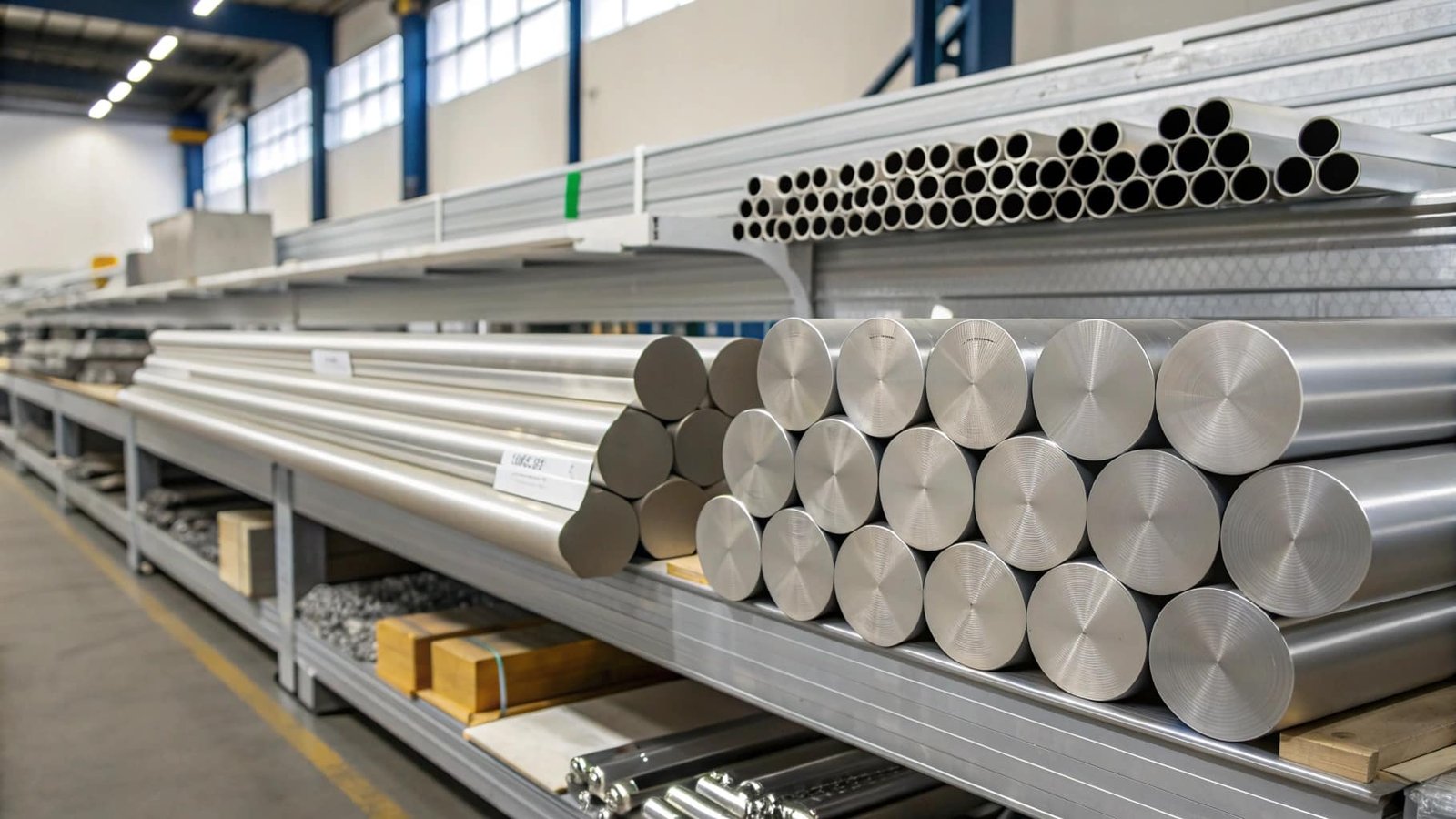
Are you searching for specialized manufacturers who can provide aluminum forgings1 with exceptional strength for your critical applications? Finding the right supplier is essential for project success.
The best aluminum for forging depends on the desired properties; alloys like 7075 and 2024 in the 7xxx and 2xxx series are favored for high strength, while 6061, known for its balance of properties, is also widely forged. Yes, forged 7075 T6 aluminum is extremely strong, offering one of the highest strength-to-weight ratios among aluminum alloys, making it suitable for demanding aerospace and structural applications. The strength of forged aluminum is generally higher than that of cast or wrought aluminum of the same alloy composition due to the controlled grain structure and improved mechanical properties achieved through the forging process. To make high-strength aluminum, you typically start with specific alloys (like those in the 7xxx series) and then employ precipitation hardening heat treatments (like T6 temper) and controlled forging techniques to refine the grain structure and orient the grain flow for maximum mechanical performance.
At SWA Forging, we are not just suppliers; we are specialists in high-strength aluminum2 forgings. We excel in producing large-diameter forged rings and discs, utilizing advanced forging techniques and rigorous quality control to ensure unparalleled strength, reliability, and exact custom specifications. Our commitment to excellence sets us apart, making us the premier choice for projects demanding the absolute best in forged aluminum performance.
What is the best aluminum for forging?
Are you looking to select an aluminum alloy that excels when subjected to the forging process? The ideal alloy depends heavily on the specific mechanical properties you need in the final forged part.
The "best" aluminum alloy for forging depends on the target application's requirements, but for applications demanding the highest strength, alloys in the 7xxx series are often preferred. The most notable is 7075, which offers exceptional strength-to-weight ratios. Alloys from the 2xxx series, such as 2024, are also excellent for high-strength forging, especially where good fatigue resistance is crucial, though they typically have lower corrosion resistance than 7xxx alloys. For a balance of good strength, toughness, corrosion resistance, and ease of processing, 6061 is a very popular and versatile choice for forging. Alloys from the 5xxx series, like 5083, are also forgeable and offer good corrosion resistance, particularly in marine environments.
| Alloy Series | Common Forgeable Alloys | Primary Advantages for Forging | Typical Applications |
|---|---|---|---|
| 7xxx | 7075, 7050 | Very high strength, good fatigue resistance | Aerospace structures, critical high-stress parts |
| 2xxx | 2024, 2124 | High strength, good fatigue resistance | Aircraft components, high-performance equipment |
| 6xxx | 6061, 6082 | Good balance of strength, corrosion, weldability | Structural components, automotive, marine |
| 5xxx | 5083, 5086 | Excellent corrosion resistance, good toughness | Marine, cryogenic vessels, welded structures |
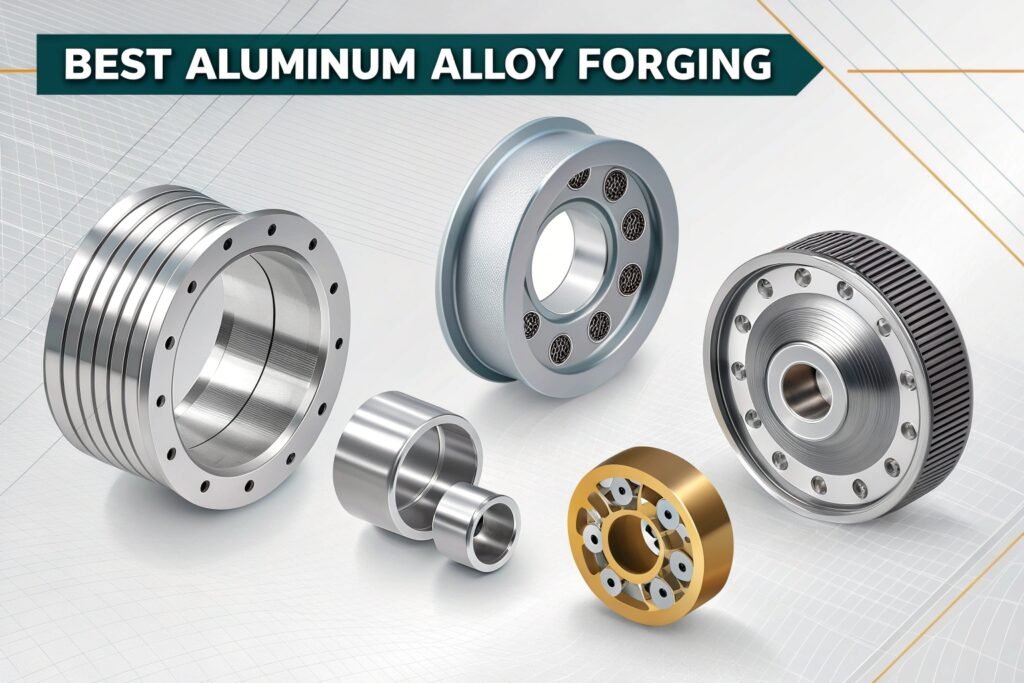
At SWA Forging, we specialize in forging high-performance aluminum alloys, particularly for large-diameter applications. We have extensive experience with alloys from the 6xxx and 7xxx series, optimizing our forging process to maximize the inherent strengths of these materials. Whether you require the exceptional strength of 7075 or the balanced properties of 6061, our custom forging capabilities ensure we deliver components with superior mechanical integrity tailored to your specific needs.
Is forged 7075 T6 aluminum strong?
Are you considering using 7075-T6 aluminum for a critical application and want to confirm its legendary strength? Understanding its properties is key.
Yes, forged 7075-T6 aluminum is extremely strong. It is one of the highest-strength aluminum alloys commercially available. The "7075" designation indicates an aluminum-zinc alloy, known for its excellent mechanical properties. The "T6" temper signifies that the alloy has been solution heat-treated and artificially aged, a process that significantly enhances its strength and hardness. In fact, 7075-T6 has a tensile strength that can rival some steels, offering an exceptional strength-to-weight ratio. This makes it a preferred material for demanding applications such as aircraft structural components, critical gears, high-performance sporting equipment, and other components where maximum strength and minimum weight are essential. However, its high strength comes with trade-offs; it is less formable, less ductile, and more susceptible to stress corrosion cracking than some other aluminum alloys.
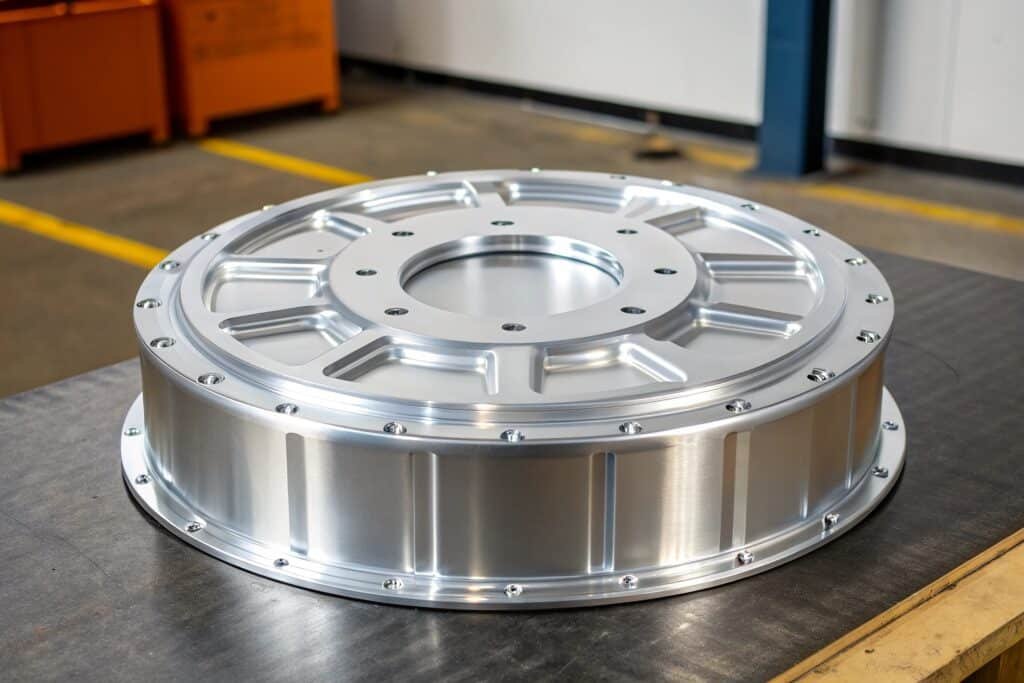
SWA Forging specializes in creating large-diameter components from high-strength alloys like 7075. Our forging process further refines the grain structure and directional properties, ensuring that the inherent strength of 7075-T6 is maximized and precisely oriented for optimal performance in your application. We deliver forgings that not only utilize this exceptional alloy but enhance its capabilities for your specific, high-stress requirements, providing a level of reliability and performance that justifies its use.
What is the strength of forged aluminum?
Are you curious about how the forging process impacts the strength of aluminum and what kind of performance you can expect from forged aluminum components? It's a significant advantage in material science.
**The strength of forged aluminum is generally higher than that of aluminum of the same alloy produced by other methods like casting or extrusion. This increased strength is a direct result of the forging process itself. During forging, the aluminum is shaped under intense pressure, which refines its grain structure. This creates a more uniform and dense material with a controlled grain flow that aligns with the contours of the part. This controlled grain structure leads to improved mechanical properties, including:
- Higher Tensile Strength: The ability to withstand pulling forces.
- Higher Yield Strength: The point at which the material begins to deform permanently.
- Improved Toughness: The ability to absorb energy and resist fracture.
- Better Fatigue Strength: The ability to withstand repeated stress cycles.
The exact strength varies greatly depending on the specific aluminum alloy being forged (e.g., 70753 vs. 6061[^4]) and the heat treatment applied (e.g., T6 temper). However, for any given alloy, forging typically yields the strongest form of that aluminum.**
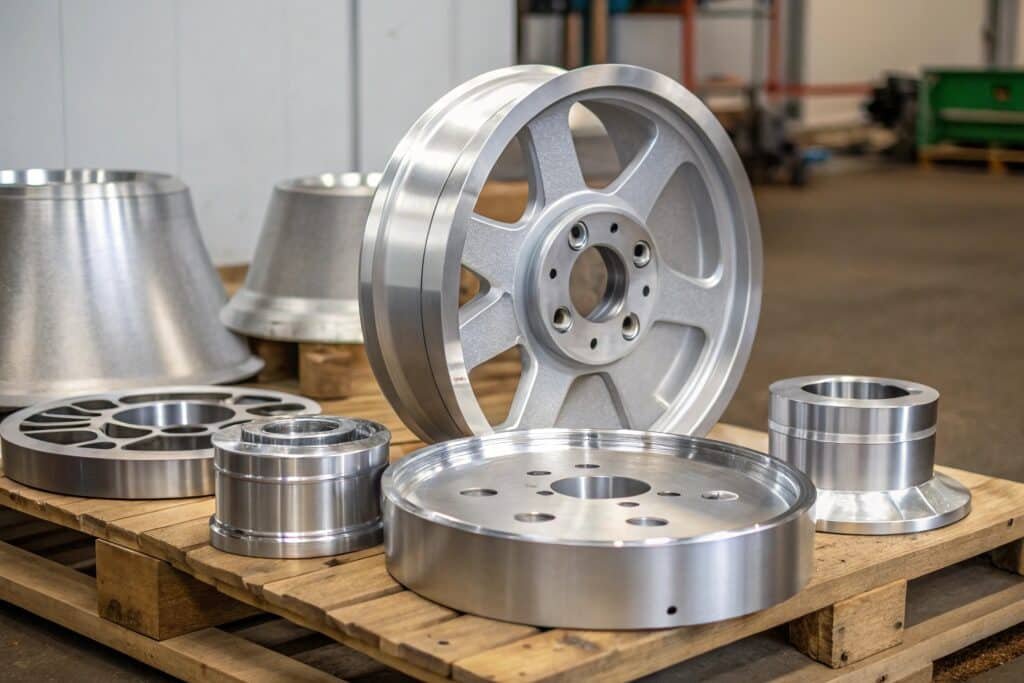
At SWA Forging, we capitalize on the inherent benefits of aluminum forging to produce large-diameter components with exceptional strength and reliability. Our advanced forging techniques are specifically designed to optimize the grain structure and material flow within the aluminum, maximizing the mechanical properties. This expertise allows us to deliver forged aluminum parts that offer superior performance and durability for the most demanding applications, far surpassing the capabilities of less refined manufacturing methods.
How can I make high strength aluminum?
Are you looking to achieve the highest possible strength from aluminum for your project? Understanding how strength is engineered into aluminum alloys is key.
**To make high-strength aluminum, you essentially need to combine the right alloy with appropriate processing and heat treatment. Here are the key methods:
- Alloying: Start with alloys designed for strength. The 7xxx series (aluminum-zinc alloys) like 7075 and 7xxx are known for their very high strength. The 2xxx series (aluminum-copper alloys) like 2024 also offer significant strength.
- Heat Treatment (Precipitation Hardening): Many high-strength aluminum alloys are heat-treatable. This involves a process called precipitation hardening, commonly achieved through T6 or T7 temper treatments. It includes:
- Solution Treatment: Heating the alloy to a high temperature to dissolve alloying elements into a solid solution.
- Quenching: Rapidly cooling the metal to lock these elements in.
- Aging: Heating to a moderate temperature (artificial aging) or allowing it to age at room temperature over time (natural aging) causes fine precipitate particles to form within the metal's matrix, which impede dislocation movement and thus increase strength.
- Forging and Cold Working: The forging process itself refines the grain structure and creates a preferred grain flow that enhances strength, especially in specific directions. Cold working (like drawing tubes or bending metal) also increases strength through work hardening but can reduce ductility.
- Controlled Manufacturing Processes: Ensuring the correct temperature, time, and cooling rates during heat treatment and forging is critical for achieving optimal strength. Incorrect processes can lead to weaker structures or defects.
- Surface Treatments: While not increasing bulk strength, treatments like anodizing can improve surface hardness and wear resistance.**
| Method | How it Increases Strength | Applicable Alloys (Examples) |
|---|---|---|
| Alloying | Adds elements that strengthen the aluminum matrix. | 7xxx, 2xxx, 6xxx |
| Heat Treatment (T6, T7) | Forms fine precipitate particles that hinder dislocation movement. | 7xxx, 2xxx, 6xxx |
| Forging | Refines grain structure, creates directional grain flow, reduces internal porosity. | All forgeable alloys |
| Cold Working | Introduces dislocations that impede further deformation (work hardening). | Many alloys (less ductile) |
| Controlled Processing | Ensures optimal conditions for alloying, heat treatment, and forging to achieve intended metallurgical structure. | All high-strength processes |
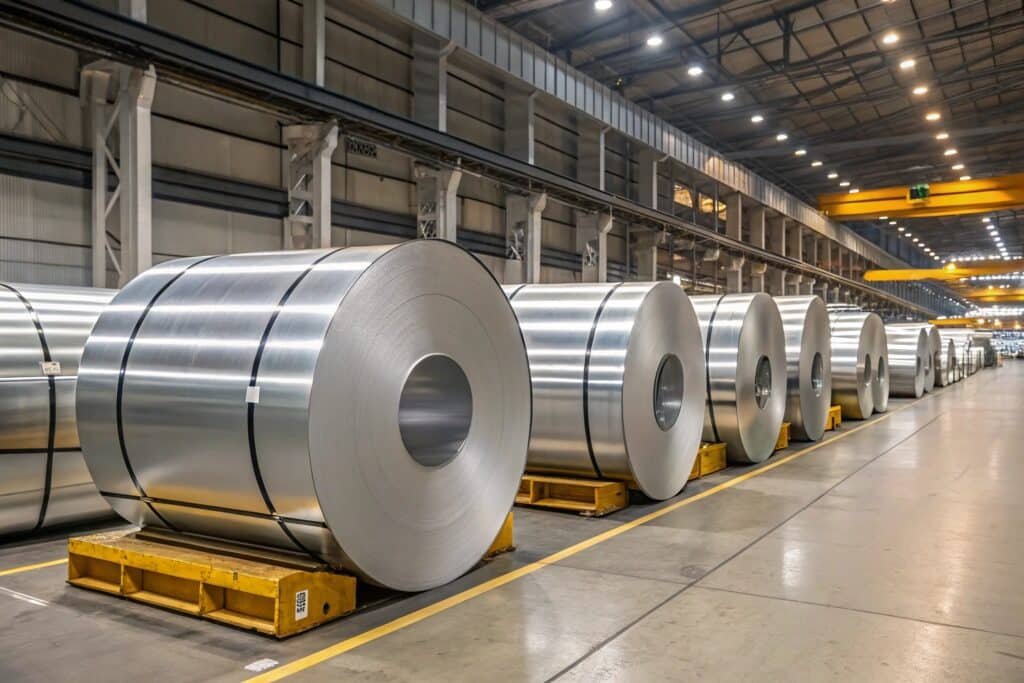
At SWA Forging, making high-strength aluminum is our core expertise. We specialize in forging large-diameter components using precisely selected alloys, often from the 7xxx and 6xxx series. Our advanced forging techniques, combined with optimized heat treatments, are designed to maximize the grain refinement and precipitation hardening effects. This allows us to produce aluminum forgings with exceptional strength, tailored to your exact specifications and far exceeding the capabilities of standard wrought products for your most demanding applications.
Conclusion
Choosing the right aluminum alloy and employing proper forging and heat treatments are key to achieving high strength. SWA Forging leverages these methods to deliver superior, custom-engineered aluminum forgings.
-
Find out how aluminum forgings provide superior strength and reliability compared to other manufacturing methods. ↩
-
Explore the processes and techniques used to create high-strength aluminum alloys for demanding applications. ↩
-
Explore the unique properties of 7075 aluminum, known for its exceptional strength and lightweight characteristics, ideal for aerospace applications. ↩