Are you looking to improve the performance and appearance of your aluminum components? Understanding the right surface treatments is vital for durability and aesthetics.
Surface treatments for aluminum include a variety of processes aimed at enhancing its properties and appearance, such as anodizing, powder coating, painting, plating, and chemical conversion coatings. The "best" surface finish for aluminum is highly application-dependent; anodizing is often favored for its excellent wear resistance, corrosion protection, and aesthetic versatility, while powder coating offers a thick, durable, and colorful finish. The best coating generally depends on the specific needs for protection (corrosion, abrasion) and desired look. Chemical treatment of aluminum, often a precursor to other finishes or used on its own, involves altering the surface chemistry, such as through cleaning, etching, deoxidizing, or applying conversion coatings like chromate or phosphate treatments, to prepare the surface, improve adhesion, or provide basic corrosion resistance.
While SWA Forging's custom forged aluminum products are manufactured to the highest internal material standards, we understand the importance of surface finishing. Our components are excellent substrates for advanced treatments like anodizing and powder coating, providing a robust foundation for enhanced durability and aesthetics. However, our primary expertise is in achieving superior mechanical properties and dimensional accuracy through the forging process itself, delivering a more inherently resilient product than what can be achieved through surface treatments alone on standard bars.
What are the surface treatments for aluminum?
Are you curious about the different ways aluminum's surface can be modified to improve its performance, appearance, or protection? There's a wide range of options available.
**The common surface treatments for aluminum aim to enhance its resistance to corrosion, abrasion, and wear, as well as to improve its aesthetic appeal or provide specific functional properties. Key treatments include:
- Anodizing: An electrochemical process that thickens the natural oxide layer on aluminum, providing excellent corrosion and wear resistance, and allows for coloring.
- Powder Coating: Applying a dry powder electrostaticly, then curing it with heat to form a hard, durable finish that offers good corrosion protection and a wide range of colors and textures.
- Liquid Painting: Applying liquid paint, which offers a vast spectrum of colors and finishes, and provides general corrosion and UV protection.
- Plating: Applying a thin metallic layer, such as nickel, chromium, or zinc, through electrodeposition or electroless methods, to enhance hardness, conductivity, or corrosion resistance.
- Chemical Conversion Coatings: Treatments like chromate or phosphate coatings that chemically react with the aluminum surface to form a protective layer, often used to improve paint adhesion and provide basic corrosion resistance.
- Mechanical Finishes: Processes like polishing, brushing, or sandblasting to achieve specific textures and appearances.**
At SWA Forging, our forged aluminum components are engineered for demanding applications where inherent material strength and precise dimensions are critical. While these components can readily receive any of these surface treatments after forging, our core focus is on perfecting the material's internal structure and performance. This means that even without a surface finish, our large-diameter forged products offer exceptional durability and reliability, forming a superior base for any subsequent aesthetic or protective treatments you might require.
What is the best surface finish for aluminum?
Are you wondering which surface finish provides the optimal blend of protection, durability, and appearance for aluminum? The answer depends on the application’s specific needs.
The "best" surface finish for aluminum is subjective and highly dependent on the intended application and desired outcome. However, anodizing is often considered one of the most versatile and effective finishes for a wide range of aluminum applications. It significantly enhances corrosion and wear resistance, creating a hard, durable surface that is integral to the metal itself, not just a coating applied to it. Anodizing also allows for dyeing in various colors, offering aesthetic versatility. For extreme durability, particularly in harsh environments or applications subject to high impact or abrasion, a thick powder coating or certain types of electroplated finishes might be considered superior. For pure aesthetic appeal where extreme environmental protection is less critical, polishing or brushed finishes can be excellent. Ultimately, the best choice balances protection needs, lifespan requirements, cost, and desired appearance.
SWA Forging understands that our large-diameter forged aluminum components often require high-performance finishes to match their internal quality. We ensure our forgings are produced with surface integrity that maximizes the effectiveness of treatments like anodizing. This means that when you select a finish for our forged products, you are building upon an already robust and precisely engineered material, ensuring that the final component offers exceptional performance, both structurally and environmentally.
What is the best coating for aluminum?
Are you trying to decide which type of coating offers the most effective protection and longevity for aluminum components? The "best" coating is dictated by the challenges the component will face.
The "best" coating for aluminum depends heavily on the specific environmental conditions and performance demands of the application. For superior corrosion and abrasion resistance, anodizing is often top-tier because it's an integral part of the aluminum, not just a surface layer. For applications requiring a thick, tough, and colorful barrier, powder coating is an excellent choice, offering good durability and impact resistance. If maximum hardness and wear resistance are paramount, especially in industrial settings, hard anodizing or electroplated coatings like hard chrome can be very effective, though often more expensive. For basic protection and improved paint adhesion, chemical conversion coatings are a cost-effective option. For applications requiring electrical conductivity or specific appearances, specialized platings like nickel or copper might be considered the "best" for that particular need. Therefore, a thorough assessment of the operating environment and performance requirements is crucial to selecting the optimal coating.
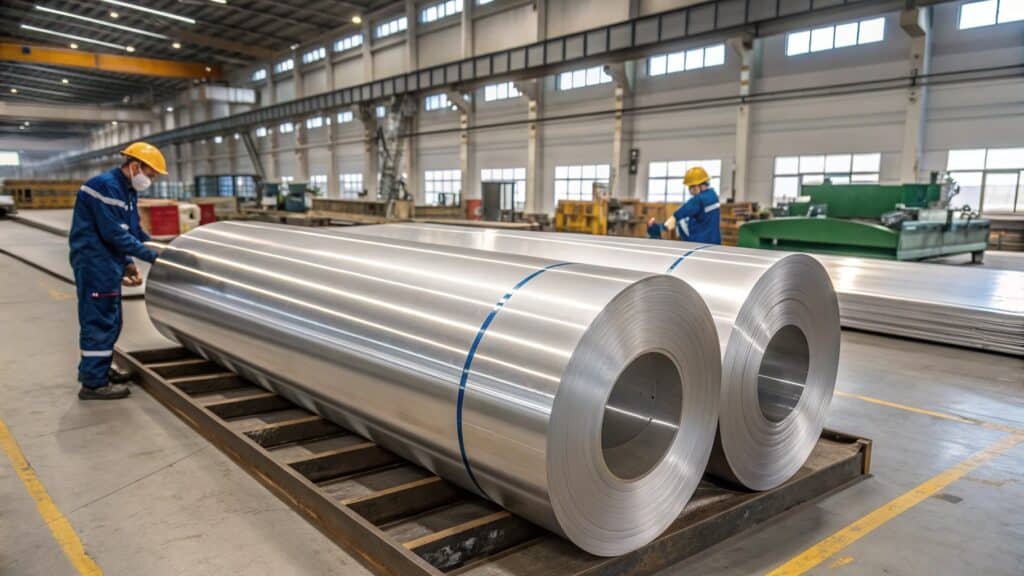
At SWA Forging, our focus on high-quality forged aluminum provides an exceptional base for any chosen coating. The controlled microstructure and precise dimensions of our large-diameter forged rings and discs mean that whichever coating you choose – be it for enhanced corrosion resistance, durability, or aesthetic appeal – it will adhere optimally and perform reliably. We supply a robust foundation that ensures your finished product, with its chosen coating, will meet the highest standards of performance and longevity.
What is the chemical treatment of aluminum?
Are you curious about the processes that modify aluminum's surface chemically to prepare it for other finishes or to provide inherent protective qualities? These are foundational steps.
**Chemical treatment of aluminum involves a range of processes that alter the surface of the metal through chemical reactions. These treatments are often performed as a preparatory step for other finishing processes like painting, anodizing, or plating, or they can provide a degree of protection on their own. Common chemical treatments include:
- Cleaning: Removing oils, greases, and other contaminants using alkaline or acidic cleaners.
- Etching: Using strong alkaline solutions to roughen the surface, remove the existing oxide layer, and improve the adhesion of subsequent coatings.
- Deoxidizing: Using acidic baths to remove the tenacious, often problematic, oxide layer that forms naturally on aluminum, preparing it for chemical conversion coatings or anodizing.
- Chemical Conversion Coatings: Applying solutions (e.g., chromate, phosphate, or proprietary non-chrome alternatives) that react with the aluminum surface to form a thin, adherent, protective layer. These coatings enhance corrosion resistance and provide an excellent base for painting.
- Passivation: A treatment to create a more stable and less reactive surface, often by forming or reinforcing a passive oxide layer.**
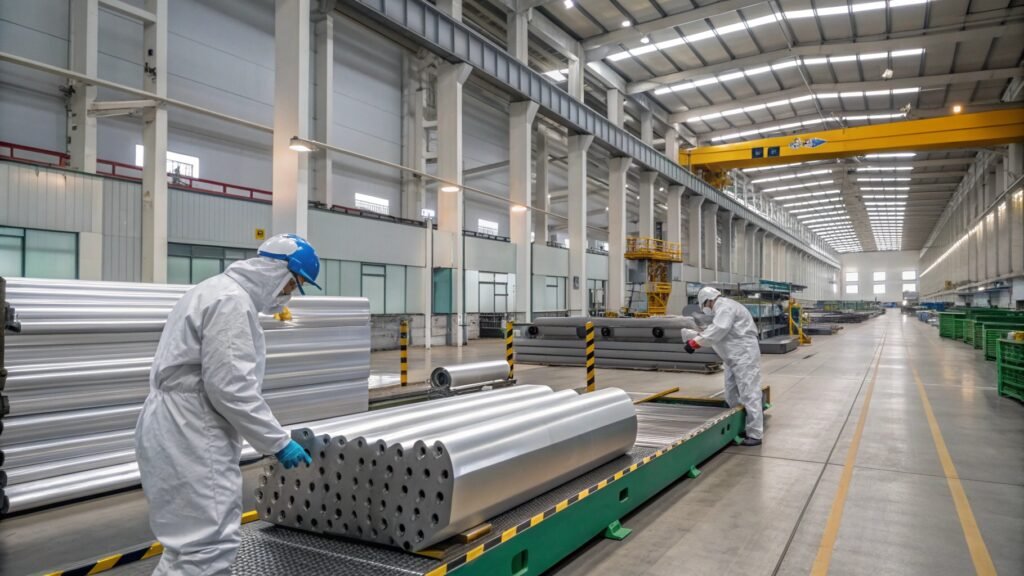
SWA Forging ensures that our large-diameter forged aluminum components are produced with a clean and optimized surface, ready for any necessary chemical treatments or direct application of final finishes. While our primary expertise is in achieving superior metallurgical properties through forging, we understand the critical role of pre-treatment. Our manufacturing process results in a material that responds exceptionally well to these chemical processes, ensuring that any subsequent coating or treatment integrates perfectly and contributes to the overall performance and longevity expected from our high-quality forged products.
Conclusion
Aluminum surface treatments enhance durability and aesthetics. SWA Forging provides inherently strong forged products ready for advanced treatments like anodizing.