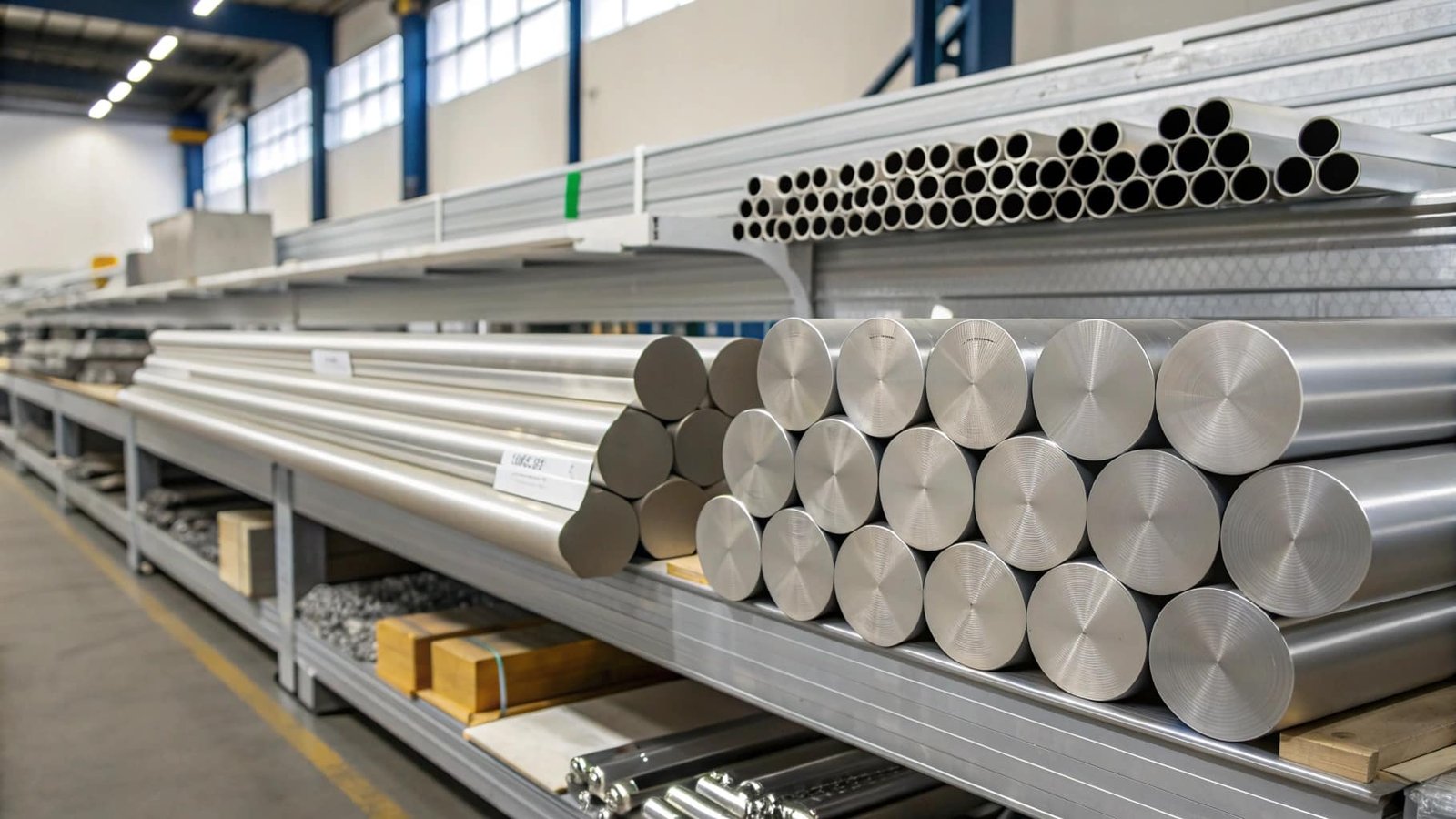
Are you curious about where aluminum comes from and what actually goes into making this incredibly useful metal? Its journey from raw material to engineered product is fascinating.
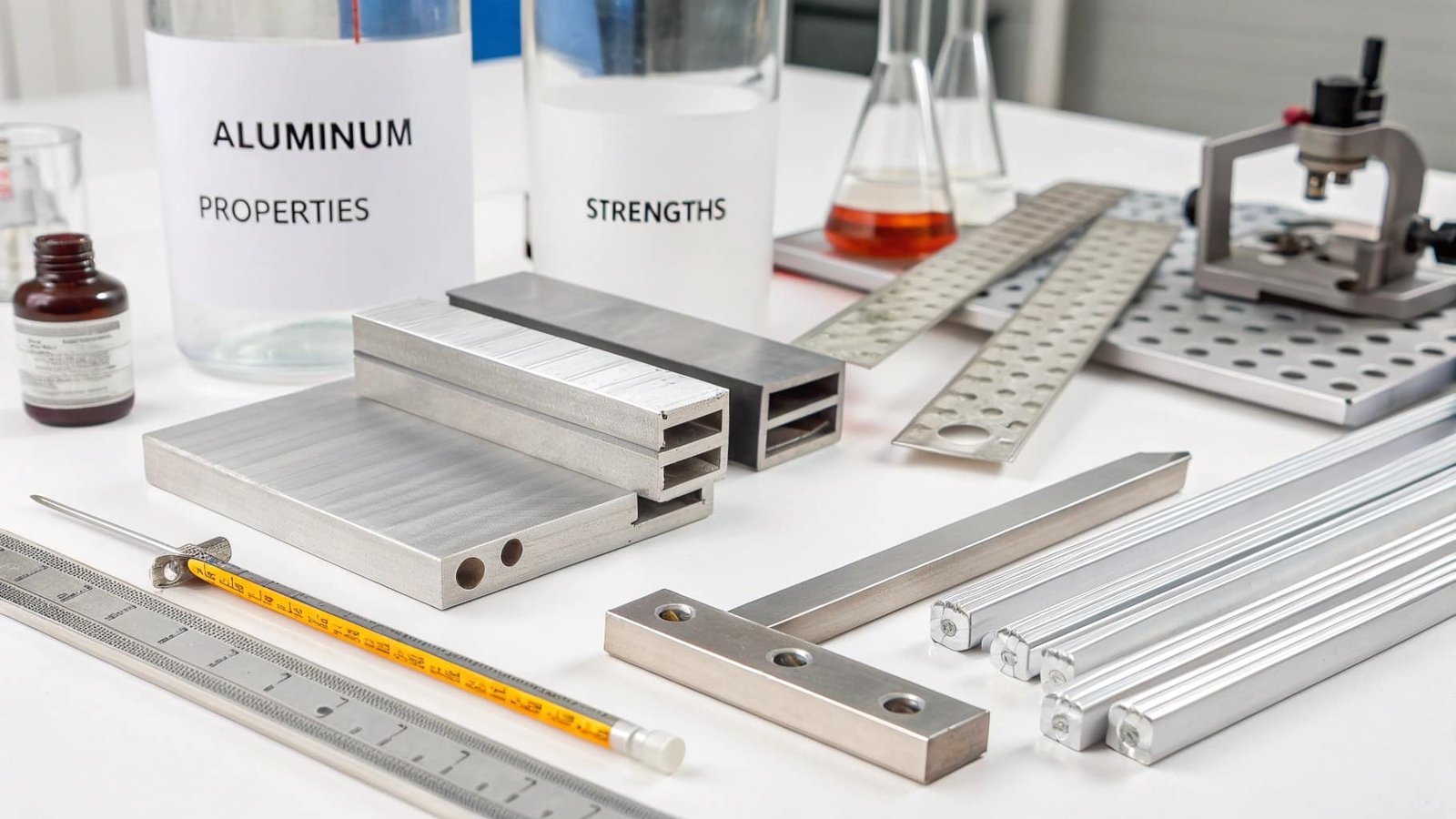
Aluminum, or Aluminium, is not made from steel; rather, it is a distinct metallic element derived from common minerals found in the Earth's crust. The primary ore from which aluminum is extracted is called bauxite. Aluminum itself is 100% metal, but the materials we use in everyday life and industry are typically aluminum alloys. An aluminum alloy is made by combining pure aluminum with small amounts of other elements, such as copper, magnesium, zinc, or silicon. These additions are crucial because pure aluminum is too soft and weak for most structural applications. By adding these other elements, the aluminum's properties are significantly enhanced, increasing its strength, hardness, and durability. For example, adding zinc and magnesium creates high-strength alloys like 7075, ideal for aerospace. Is aluminum toxic to humans? In its pure, metallic form, aluminum is generally considered non-toxic and is even found in antacids and cookware. However, like many substances, excessive exposure to certain aluminum compounds in specific forms or industrial settings could pose health risks, but for typical contact and consumption, it's safe. At SWA Forging, we understand that aluminum alloys1 are engineered materials. we specialize in transforming these precisely formulated alloys into high-quality, large-diameter forged rings and discs, catering to a wide array of industrial needs by leveraging the enhanced properties of these engineered metals.
At SWA Forging, we take pride in our work with aluminum alloys. We understand that these are not just pure metals, but engineered materials. We specialize in transforming these precisely formulated alloys into high-quality, large-diameter forged rings and discs, ready to meet diverse industrial needs by maximizing the enhanced properties of these engineered metals.
What is aluminium made of?
Are you trying to understand the origins of aluminum and the fundamental elements that constitute this widely used metal? Its extraction process is quite specific.
Aluminum is an element, number 13 on the periodic table, and it is primarily found in the Earth's crust as an ore called bauxite. Bauxite is not pure aluminum; it's a mixture of aluminum hydroxide minerals. The process to extract pure aluminum from bauxite is complex and energy-intensive, most commonly involving the Bayer process to refine bauxite into alumina (aluminum oxide, Al₂O₃), followed by the Hall-Héroult process, which uses electrolysis to reduce alumina into pure molten aluminum. Pure aluminum is a metal on its own. However, the aluminum used in most products is actually an aluminum alloy. This means it's pure aluminum mixed with other elements. These alloying elements are typically other metals like copper, magnesium, silicon, zinc, and manganese, added to improve specific properties such as strength, hardness, or resistance to corrosion. So, while aluminum itself is an element, aluminum products are often made from aluminum alloys, which are aluminum plus other metals.
| Stage of Production | Material Composition | Primary Source/Process | Notes |
|---|---|---|---|
| Raw Material | Bauxite ore (aluminum hydroxide minerals) | Earth's crust | Not pure aluminum, contains impurities. |
| Refining | Alumina (Aluminum Oxide, Al₂O₃) | Bayer Process (chemical refining of bauxite) | Purified form of aluminum oxide, ready for reduction. |
| Extraction | Pure Aluminum (Al) | Hall-Héroult Process (electrolysis of alumina) | Energy-intensive process yielding pure molten aluminum. |
| Alloy Creation | Aluminum + Alloying Elements (Mg, Si, Cu, Zn, etc.) | Melting and mixing pure aluminum with other metals. | Done according to specific ratios to achieve desired properties (e.g., strength, formability). |
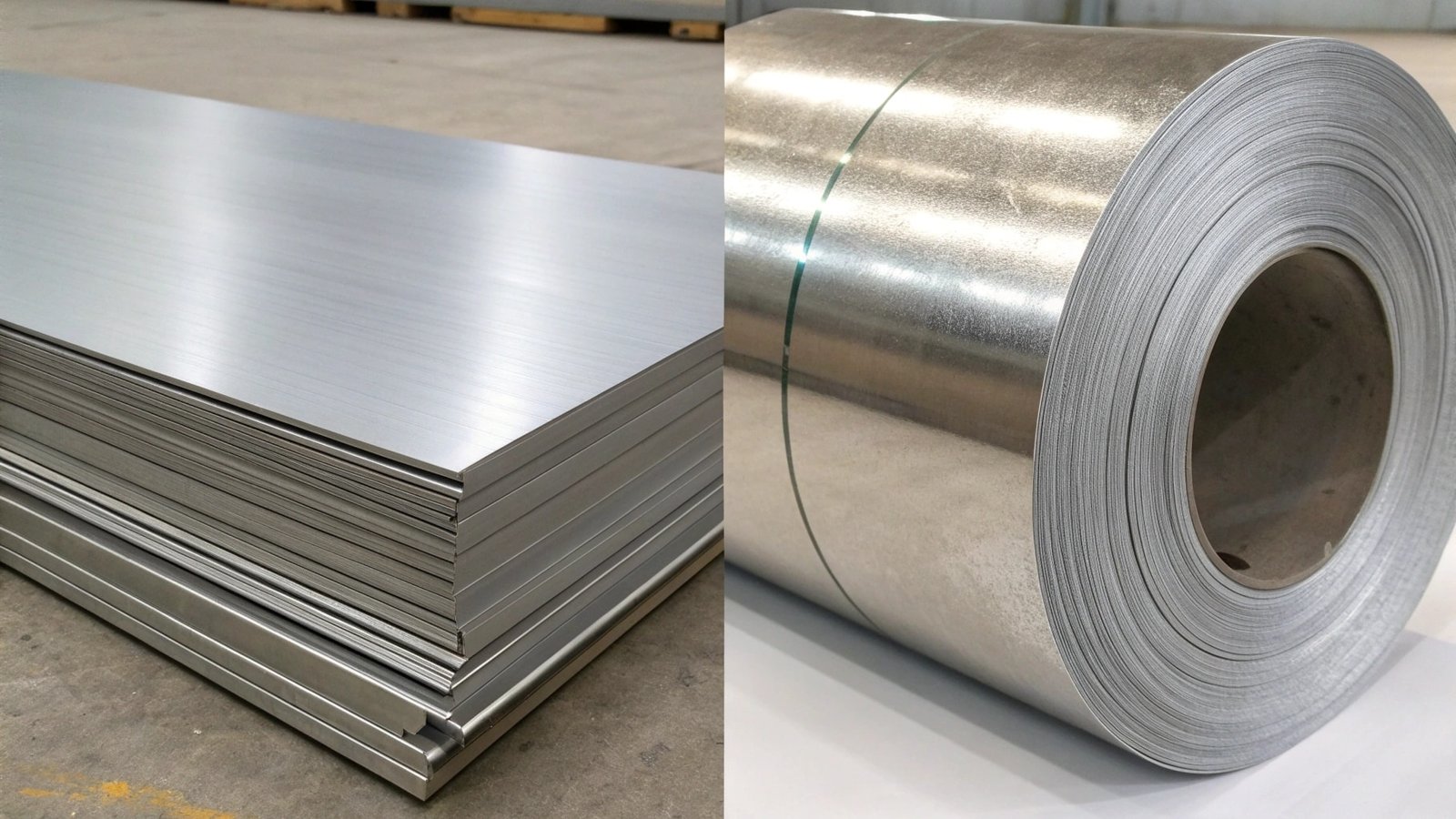
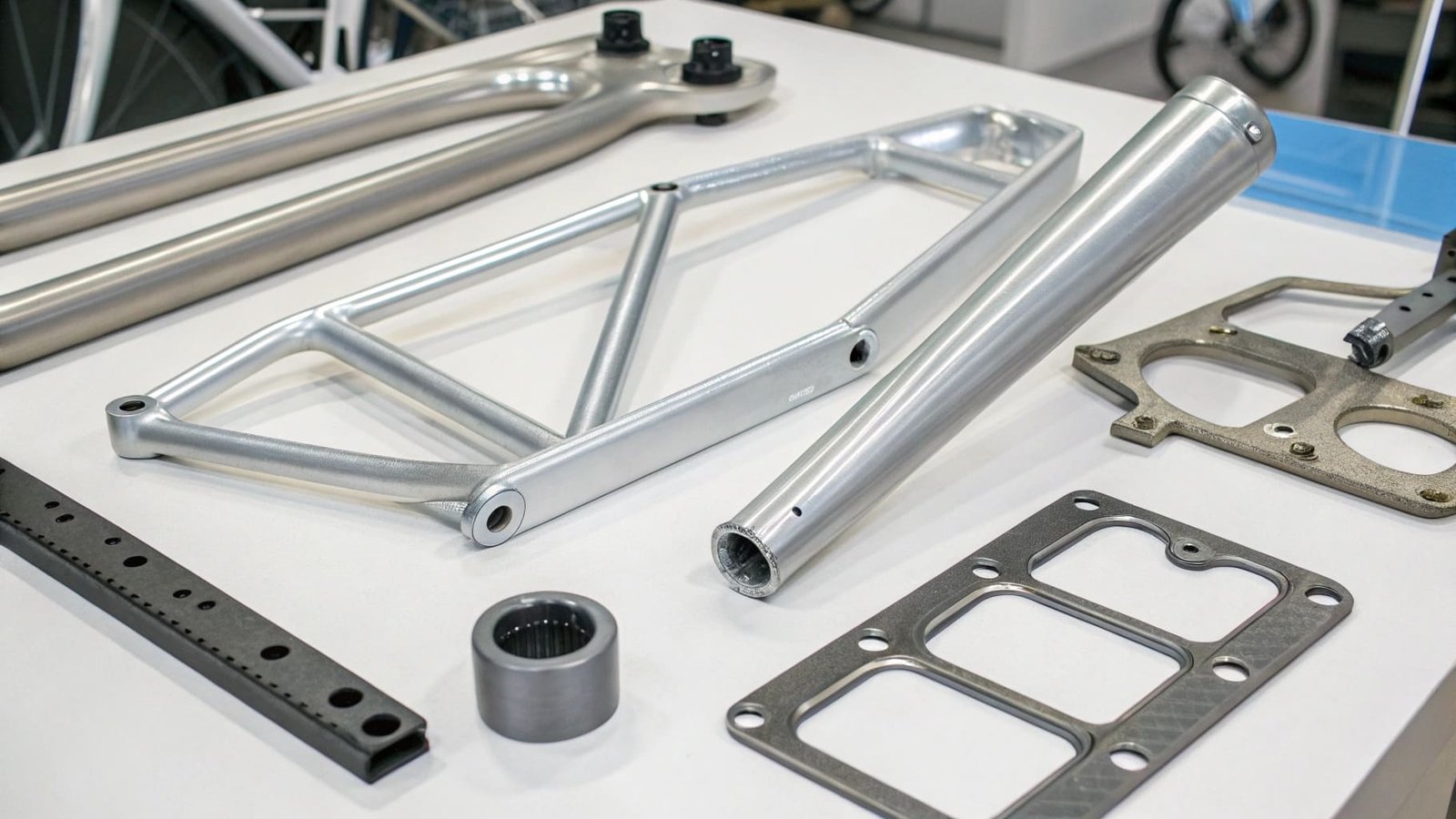
| Final Product Forms | Castings, forgings, extrusions, sheet metal | Shaping the molten or solid alloy. | Ready for manufacturing into parts or products. |
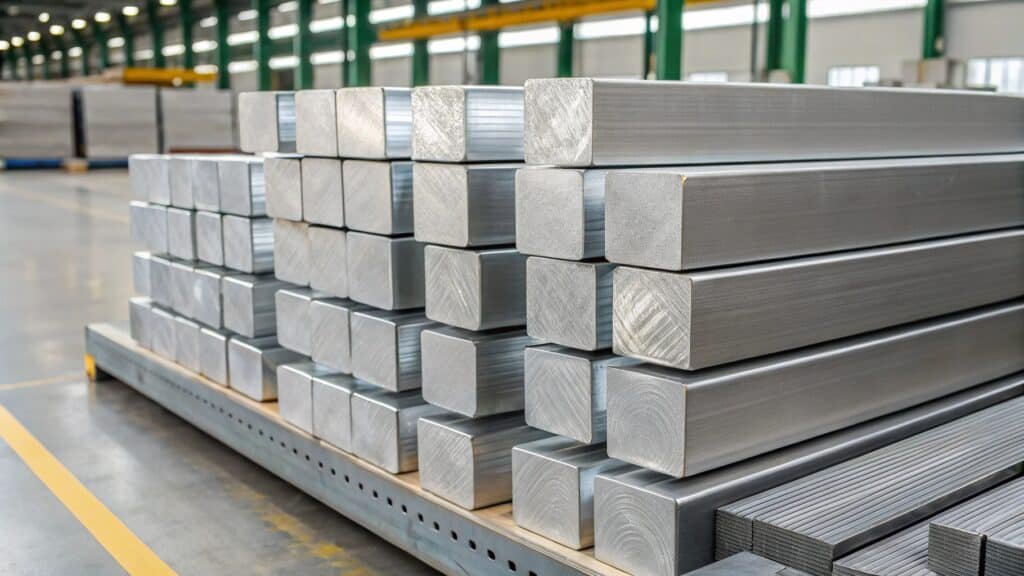
At SWA Forging, we work with aluminum alloys, which are carefully engineered materials. We select specific alloys, understanding their precise composition and how the added elements influence their performance. Our expertise allows us to transform these engineered aluminum alloys into robust, large-diameter forged rings and discs, ensuring they meet the stringent requirements of diverse industrial applications where the tailored properties of the alloy are critical.
Is aluminum 100% metal?
Are you wondering if the aluminum you interact with daily is pure elemental metal or something more complex? Understanding its classification is important.
Pure aluminum, as an element from the periodic table (symbol Al), is indeed 100% metal. It consists solely of aluminum atoms arranged in a metallic lattice structure. However, most of the aluminum products and components used in industry, manufacturing, and even household items are not made of pure aluminum. Instead, they are made of aluminum alloys. An aluminum alloy is a mixture of pure aluminum with small amounts of other elements, such as copper, magnesium, silicon, or zinc. While the base metal is aluminum, the presence of these other elements means the alloy is not 100% aluminum. For instance, a common alloy like 6061-T6 is made up of aluminum plus components of magnesium, silicon, copper, and iron. So, while aluminum itself is 100% metal, what we often refer to as "aluminum" in everyday contexts is more accurately an aluminum alloy, which is a composite material where aluminum is the primary constituent but not the sole element.
| Term | Composition | Primary Character |
|---|---|---|
| Aluminum (Al) | Pure metallic element (Al atoms only). | 100% Metal. Soft, lightweight, corrosion-resistant, good conductivity, low strength. |
| Aluminum Alloy | Primarily Aluminum (Al) mixed with secondary elements (e.g., Mg, Si, Cu, Zn). | Primarily metal, but a mixture. Significantly stronger, harder, and more durable than pure aluminum due to alloying. |
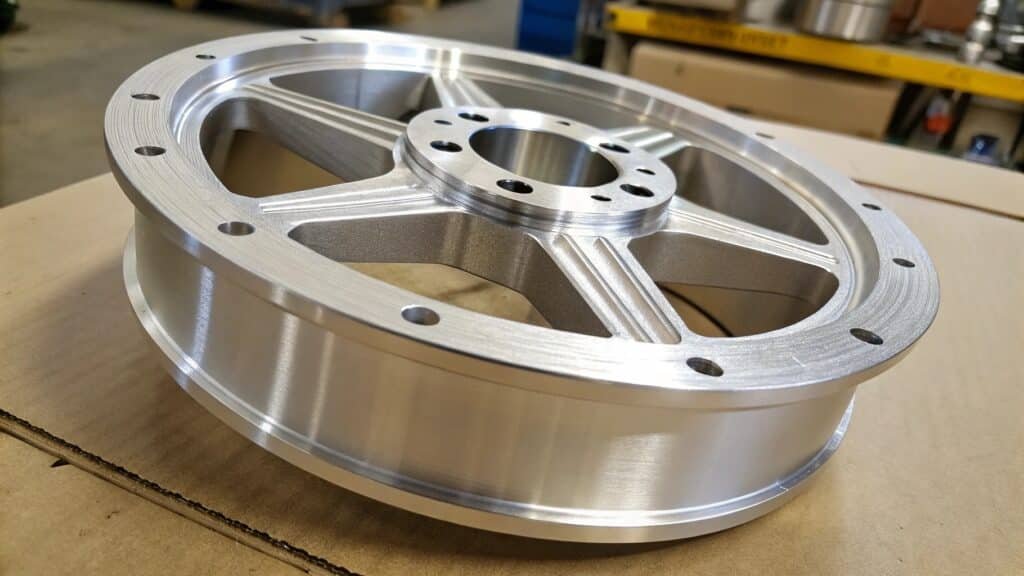
At SWA Forging, we exclusively work with aluminum alloys. While aluminum is 100% metal, the alloys we use are precisely formulated mixtures engineered for specific mechanical properties. Our specialty in forging large-diameter rings and discs means we are crafting components from materials that harness the strength and performance benefits imparted by these alloying elements, ensuring they meet the high standards demanded by industrial applications.
Is aluminum toxic to humans?
Are you concerned about the safety of aluminum, whether in engineered products or through potential exposure? Understanding its toxicity is important.
In its common metallic forms, such as pure aluminum or aluminum alloys found in cookware, foil, cans, and structural components, aluminum is generally considered non-toxic to humans. The human body is exposed to aluminum daily through food, water, and various products, and most of this ingested aluminum is not absorbed and is simply excreted. Metallic aluminum is very stable and does not readily react within the body. In fact, aluminum compounds are used in some over-the-counter medications, like antacids (e.g., aluminum hydroxide) and some antiperspirants. While there have been studies and hypotheses linking aluminum exposure to certain health conditions, such as Alzheimer's disease, these links have largely been unsubstantiated or are from very specific, high-level exposure scenarios unrelated to typical use. Industrial settings where workers might be exposed to aluminum dust or fumes could have different considerations, but for end-users of aluminum products, concerns about toxicity are minimal. The primary benefit of aluminum in these products is its inertness and durability, not its biological activity.
| Exposure Form | Typical Source | General Toxicity Assessment |
| :-----------------4K-77M-493] | :------------------------------------------------------------ | :------------------------------------------------------------------------------------------------------------------------------------------------------------------------------------------------------------------------------------------------- |
| Metallic Aluminum | Cookware, foil, cans, alloys in products, engineered components | Generally considered non-toxic and inert for typical human contact and consumption. Minimal absorption by the body. |
| Aluminum Compounds (e.g., Hydroxides) | Antacids, water treatment chemicals | Used therapeutically in controlled doses. Generally considered safe when used as directed. |
| Aluminum Dust/Fumes | Industrial manufacturing, welding, powder handling | Potential respiratory irritant with prolonged high exposure in industrial environments. Requires appropriate safety measures (ventilation, personal protective equipment). |
| Linked to Disease (Hypothesized) | Historically studied in relation to Alzheimer's, Parkinson's | Extensive research has not established a causal link between typical dietary or product exposure to aluminum and neurodegenerative diseases. Current scientific consensus does not support this link for general populations. |
At SWA Forging, we produce components from aluminum alloys that are designed for industrial use, meaning they are engineered for durability and performance rather than biological interaction. Our products are made from materials that are safe for their intended applications, designed to withstand rigorous conditions without compromising structural integrity or posing risks in their operational environment.
Is aluminium made from steel?
Are you questioning the origin of aluminum and whether it is a derivative of steel, or a completely different material? Understanding their distinct compositions is key.
No, aluminum is not made from steel. Aluminum and steel are two entirely different metallic elements and materials with distinct origins, compositions, and properties. Steel is an alloy primarily composed of iron (Fe) and carbon (C), often with other elements like manganese, chromium, and nickel added to enhance its properties. Aluminum (Al), on the other hand, is a metallic element found naturally in the Earth's crust, primarily in the form of bauxite ore. Pure aluminum is extracted from bauxite through a complex process. While both can be formed into alloys, their base elements are fundamentally different. Aluminum is much lighter than steel and, in its alloyed forms, can achieve high strengths, whereas steel is generally denser and often has higher absolute tensile strength but is also heavier. They are not related in terms of their elemental makeup or their extraction/production processes.
-
Explore the diverse applications of aluminum alloys and how they enhance product performance. ↩