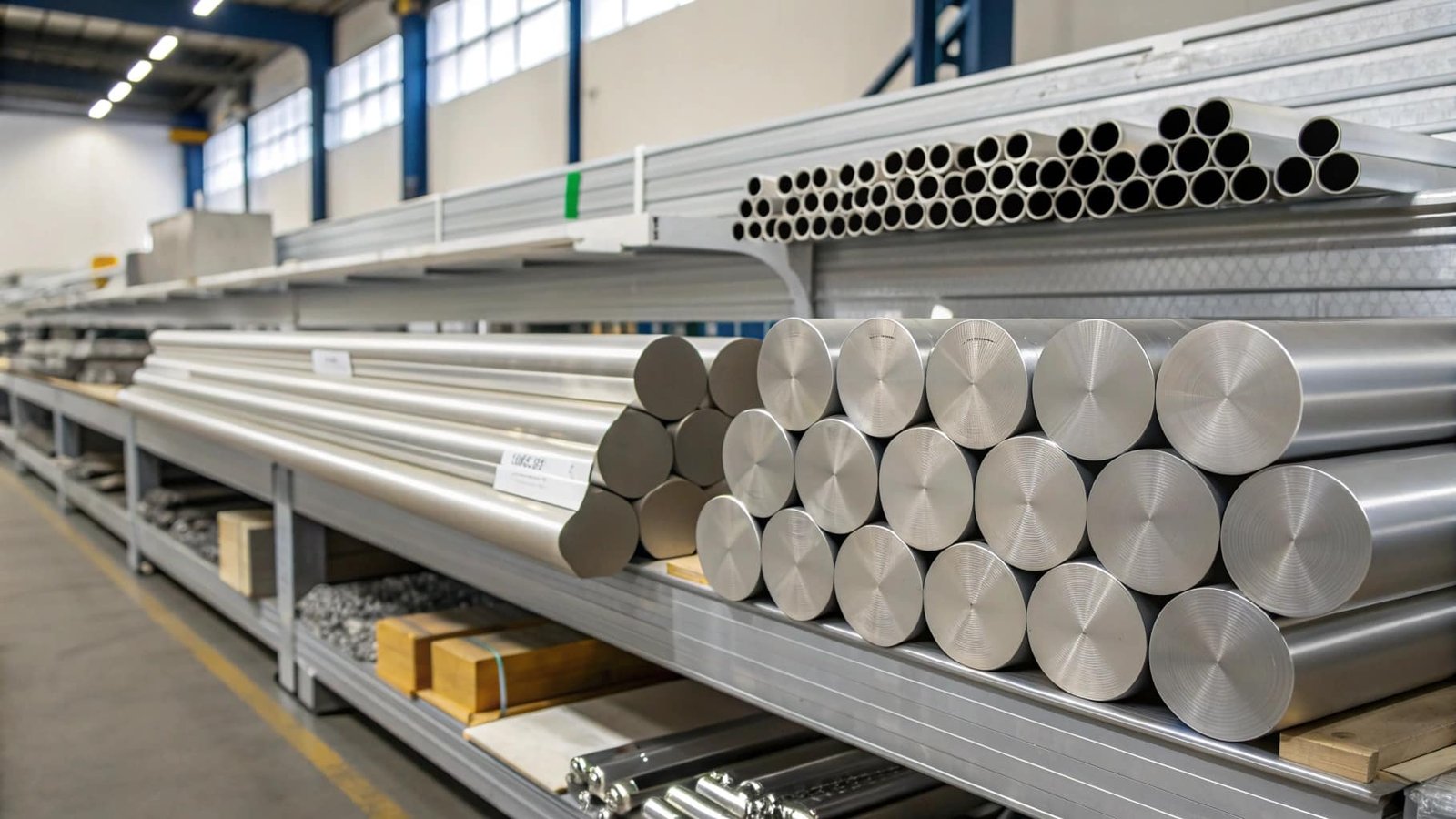
Ever wondered what makes aluminum so widely used, from soda cans to aircraft? It's a combination of tangible, physical traits that lend themselves to countless applications.
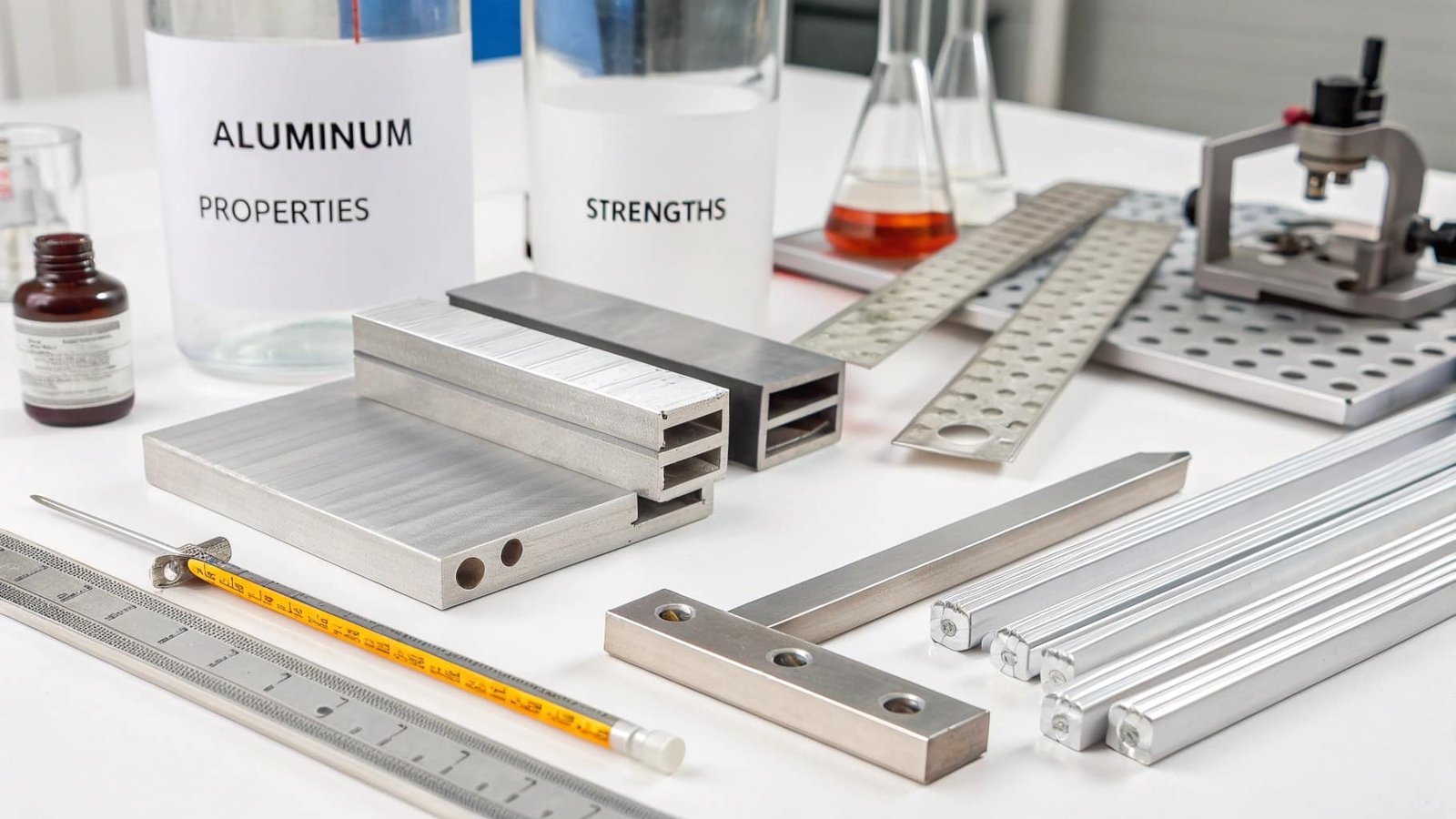
Aluminum possesses a remarkable set of physical characteristics that make it a highly attractive material. Its low density is perhaps its most defining trait, making it significantly lighter than steel, which is crucial for weight-sensitive applications like aerospace and automotive. It exhibits excellent thermal and electrical conductivity, surpassing many other metals, making it ideal for heat sinks and electrical wiring. Aluminum is highly corrosion-resistant due to the formation of a passive aluminum oxide layer on its surface, offering durability in various environments. It's also highly ductile and malleable, meaning it can be easily shaped, extruded, and formed into complex shapes without fracturing. Finally, aluminum is non-magnetic and non-toxic. SWA Forging leverages its deep understanding of these basic aluminum properties and uses its forging expertise to further tailor physical characteristics like strength, hardness, and thermal conductivity in our custom alloy solutions, effectively meeting specific application demands.
At SWA Forging, we build upon aluminum's inherent physical strengths. Our expertise in forging allows us to refine and enhance these characteristics, such as improving hardness or thermal conductivity, tailoring our custom alloy solutions to meet your exact application demands, moving beyond basic aluminum properties to create high-performance finished products.
What are the five physical properties of aluminum?
When discussing the fundamental nature of aluminum, which five key physical characteristics stand out as most significant? These properties dictate where and how aluminum is used.
The five most significant physical properties of aluminum are: low density, excellent electrical conductivity, excellent thermal conductivity, high corrosion resistance, and high ductility/malleability. Its low density, approximately one-third that of steel, is a primary reason for its widespread use in transportation and aerospace where weight reduction is critical. Its conductivity is second only to copper for electrical applications and it's highly effective in transferring heat, making it useful for radiators and cookware. The natural formation of a protective oxide layer provides excellent resistance to rust and corrosion. Lastly, aluminum's ability to be easily drawn, hammered, or extruded into various shapes without breaking is crucial for manufacturing complex parts and forms.
| Property | Description | Significance |
|---|---|---|
| Low Density | Approximately 2.7 g/cm³, making it much lighter than steel (around 7.8 g/cm³). | Weight reduction in transportation, aerospace, and portable devices. |
| Electrical Conductivity | About 61% of copper's conductivity; one of the best conductive metals. | Electric wires, cables, busbars, electronics. |
| Thermal Conductivity | About 237 W/(m·K); transfers heat effectively. | Heat sinks, cookware, radiators, engine components. |
| Corrosion Resistance1 | Forms a tough, protective oxide layer (Al₂O₃) that prevents further oxidation and degradation. | Outdoor structures, marine applications, automotive bodies, cookware. |
| Ductility/Malleability | Can be drawn into wires or hammered into thin sheets without breaking, allowing for complex shapes and forms. | Aluminum foil, extruded profiles, formed chassis, automotive panels. |
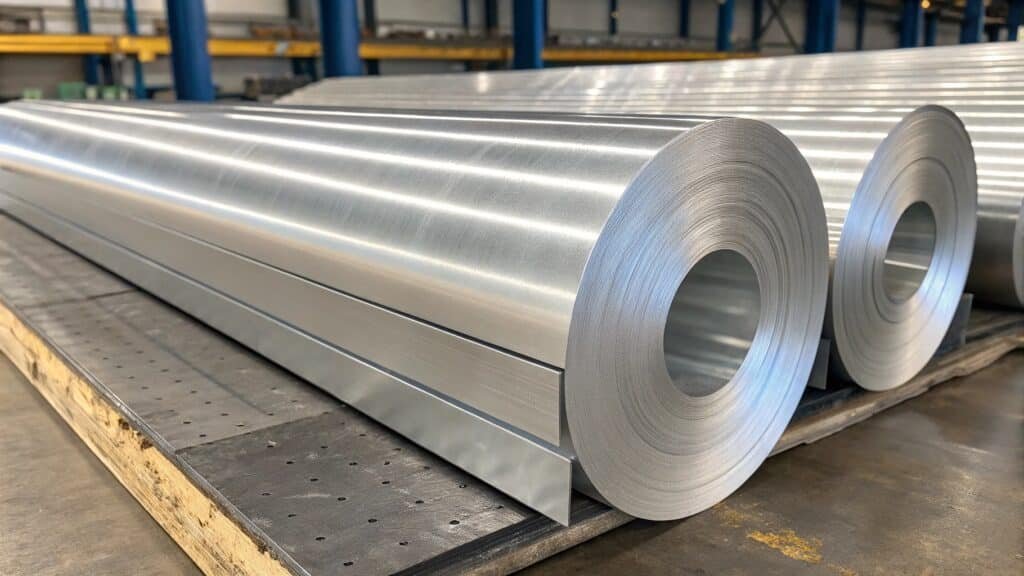
At SWA Forging, we don't just work with aluminum; we optimize its inherent properties. While its low density, conductivity, and corrosion resistance are valuable starting points, our forging process allows us to enhance characteristics like hardness and strength, making our custom alloy solutions precisely suited for applications where these basic physical traits need a performance boost, ensuring that our components deliver exceptional physical outcomes.
What is the physical appearance of aluminum?
When you see aluminum, what are its typical visual characteristics? How does its appearance help identify it, and how can this change?
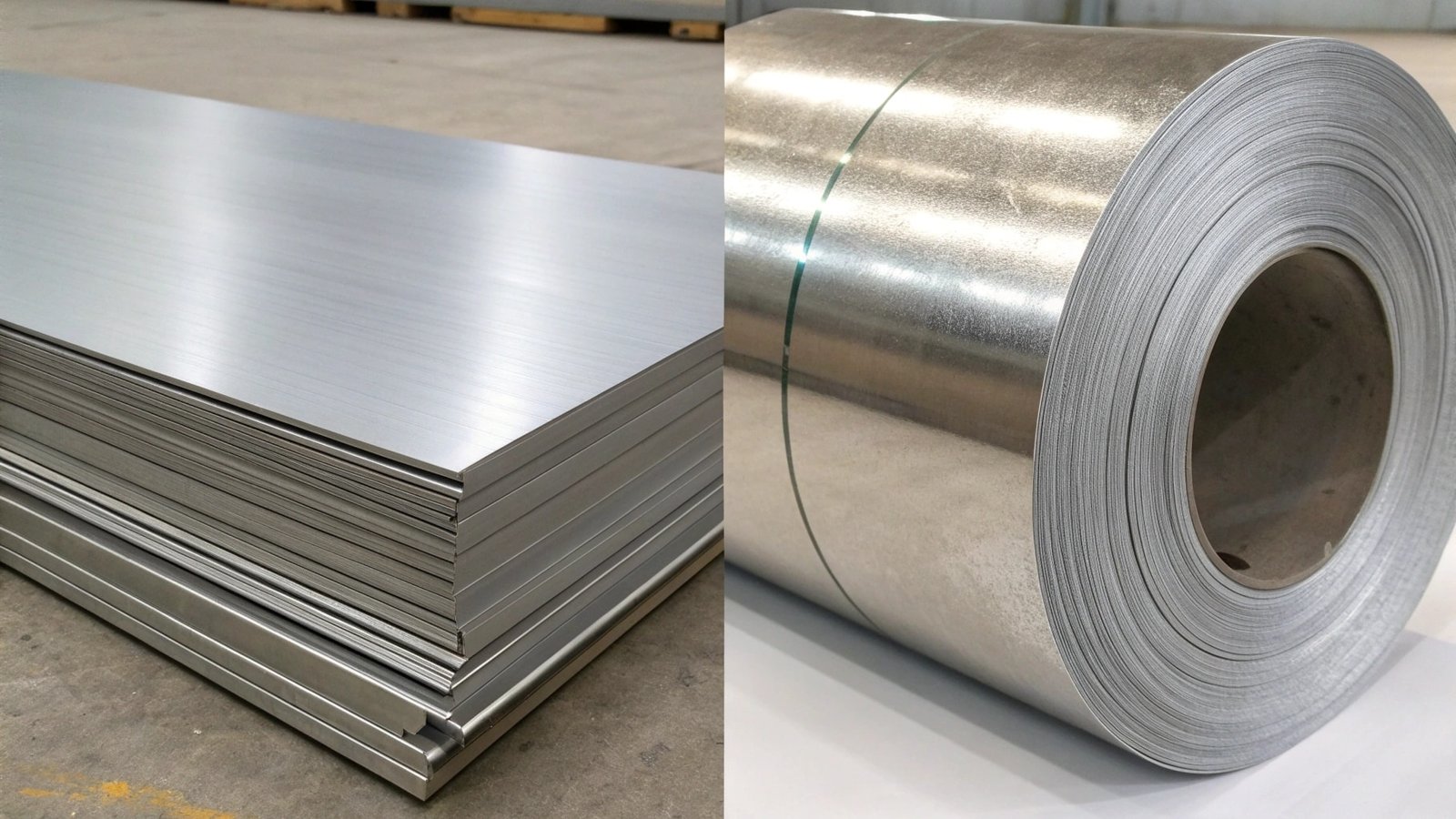
The physical appearance of pure aluminum is typically a bright, silvery-white metallic luster. Freshly exposed surfaces gleam, but this is not a permanent state. Due to aluminum's excellent corrosion resistance, it quickly forms a thin, transparent, and very hard layer of aluminum oxide (Al₂O₃) when exposed to air or moisture. This oxide layer dulls the bright metallic shine and gives aluminum a more matte, silvery-gray appearance over time. While this oxidation process enhances durability, it also means that the bright, mirror-like finish is usually seen only on freshly polished or specially treated surfaces. Anodizing, a common finishing process, can impart a wide range of colors or further enhance the natural silvery-gray appearance while also increasing hardness and corrosion resistance. Aluminum alloys can also have slightly different appearances depending on the presence and surface finish of alloying elements, but the underlying silvery-white hue is generally retained.
| Appearance Feature | Description | Notes |
|---|---|---|
| Base Color | Silvery-white | The fundamental color of the metal. |
| Surface Lustre | Bright, metallic when polished or freshly cut. | Becomes duller as an oxide layer forms. |
| Oxide Layer Effect | Forms a thin, transparent, dull gray protective layer (Al₂O₃) upon exposure to air. | This layer protects the underlying metal and is responsible for its characteristic matte finish over time. |
| Reflectivity | Highly reflective when polished, less so when oxidized. | Can be polished to a mirror finish or left with a matte appearance. |
| Effect of Alloying/Finishing | Alloys might have slight variations; finishing like anodizing can impart various colors or enhance shine. | Anodized aluminum can be almost any color, or kept clear to show the natural metallic gray. Surface treatments can create brushed or textured looks. |
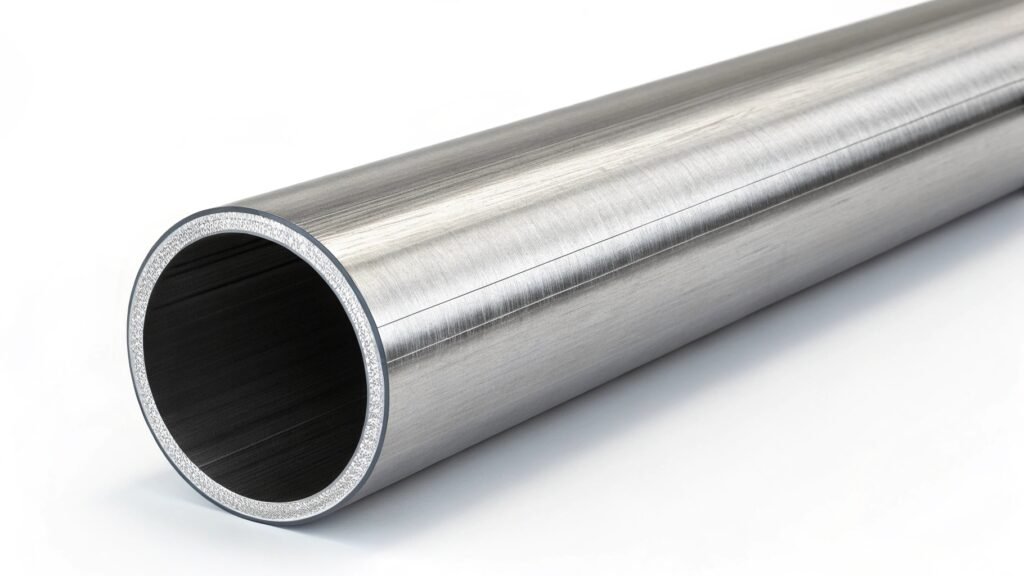
At SWA Forging, while the inherent silvery-gray appearance of aluminum alloys is well-known, our focus is on function over aesthetics. However, the physical characteristics we engineer, such as the surface hardness achieved through our forging process, indirectly contribute to how a finished part will maintain its appearance. We ensure that the underlying material is robust, ready for any final cosmetic or protective treatments your application might require, honoring the foundational metallic appearance of aluminum.
What are 6 physical properties that make aluminium an attractive material to use?
Beyond its basic identity, what are six specific physical characteristics that make aluminum such a desirable choice for manufacturers and engineers across various industries?
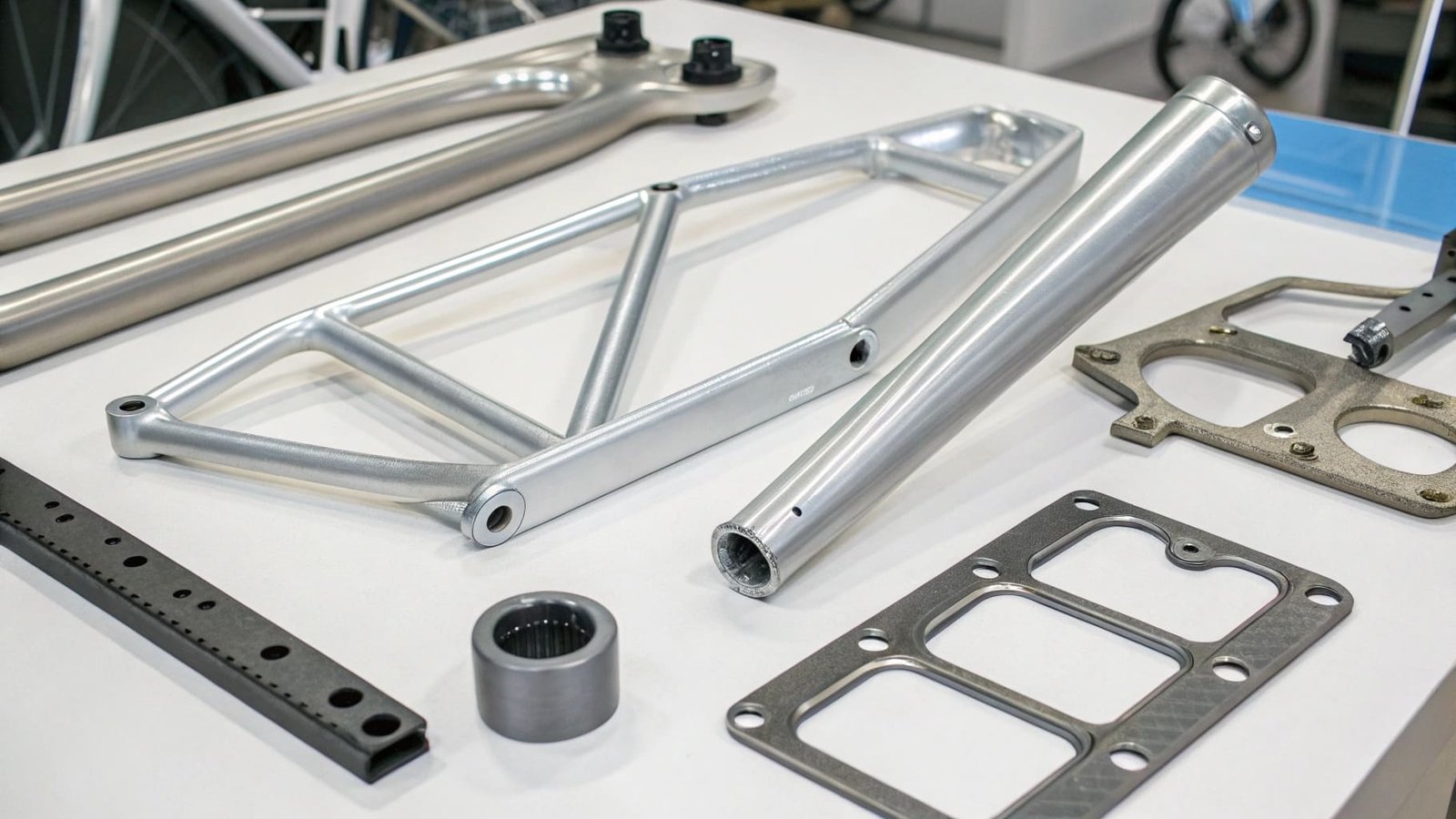
Aluminum is an attractive material for many reasons, stemming from its unique combination of physical properties: 1. Low Density: Its lightness is unparalleled among common structural metals, crucial for reducing weight and improving fuel efficiency in vehicles and aircraft. 2. High Corrosion Resistance: The natural formation of a durable aluminum oxide layer protects it from environmental degradation, reducing maintenance needs. 3. Excellent Electrical Conductivity: It's nearly as effective as copper but much lighter and less expensive, making it ideal for power transmission lines and electrical components. 4. Good Thermal Conductivity: Efficient heat transfer makes it perfect for applications like heat sinks, cookware, and radiators. 5. Ductility and Malleability: It can be easily formed into complex shapes, extruded into profiles, or rolled into thin sheets, offering great design flexibility. 6. Non-magnetic: This property is essential for sensitive electronic equipment and applications where magnetic interference must be avoided. Each of these traits contributes to its versatility and broad applicability.
| Property | Why it's Attractive | Example Applications |
|---|---|---|
| Low Density | Enables lightweight designs, improving fuel efficiency and handling. | Aircraft fuselages, automotive chassis, bicycle frames, portable electronics. |
| Corrosion Resistance | Extends product lifespan, reduces maintenance, and ensures functionality in harsh environments. | Buildings, bridges, marine components, outdoor signage, food packaging. |
| Electrical Conductivity | Lighter and often more cost-effective alternative to copper for electrical uses. | Power transmission lines, busbars, electrical enclosures, wiring in vehicles. |
| Thermal Conductivity | Efficiently dissipates or transfers heat, crucial for thermal management. | Heat sinks for electronics, engine blocks, air conditioning components, cookware. |
| Ductility/Malleability | Allows for intricate designs, complex profiles, and easy fabrication. | Extruded window frames, stamped car body panels, drawn wire, seamless tubing. |
| Non-magnetic | Prevents interference in magnetic-sensitive environments and devices. | Medical equipment, electronic device casings, instrument housings. |
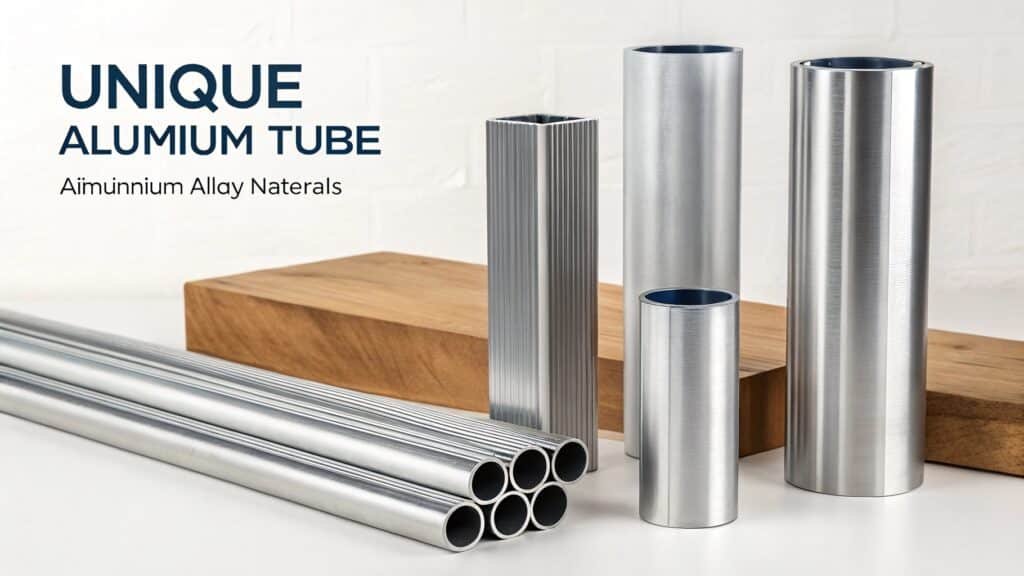
At SWA Forging, we build upon these attractive physical properties. Our custom alloy solutions, achieved through forging, allow us to enhance characteristics like increased hardness and specific mechanical strengths, while still retaining the core benefits of aluminum’s low density and corrosion resistance. This means our components aren't just made of attractive physical material; they are engineered to excel in your specific application by optimizing these very traits.
What are the 5 main physical properties?
When focusing on the most fundamental physical characteristics that define aluminum, which five are considered the primary drivers of its material behavior and application choices?
The five main physical properties that fundamentally define aluminum and drive its selection for various applications are: Density, Melting Point, Thermal Conductivity, Electrical Conductivity, and Coefficient of Thermal Expansion. Density dictates its lightness. Its relatively low melting point (around 660°C or 1220°F) allows for easier casting and recycling. High thermal conductivity makes it excellent for heat transfer applications. Its good electrical conductivity is vital for electrical uses. Finally, its coefficient of thermal expansion describes how much it expands or contracts with temperature changes, a factor to consider in design, especially where temperature fluctuations are significant.
| Property | Value/Characteristic | Importance in Application |
|---|---|---|
| Density | ~2.7 g/cm³ | Lightweight designs, structural efficiency. |
| Melting Point | ~660°C (1220°F) | Ease of casting, forming, and recycling; influences high-temp limits. |
| Thermal Conductivity | ~237 W/(m·K) (for pure aluminum at room temp) | Heat dissipation, cooking performance, thermal management. |
| Electrical Conductivity | ~61% IACS (International Annealed Copper Standard) | Power transmission, electrical components, conductivity. |
| Coefficient of Thermal Expansion | Linear ~23.1 µm/(m·°C) | Design considerations for expansion/contraction with temperature. |
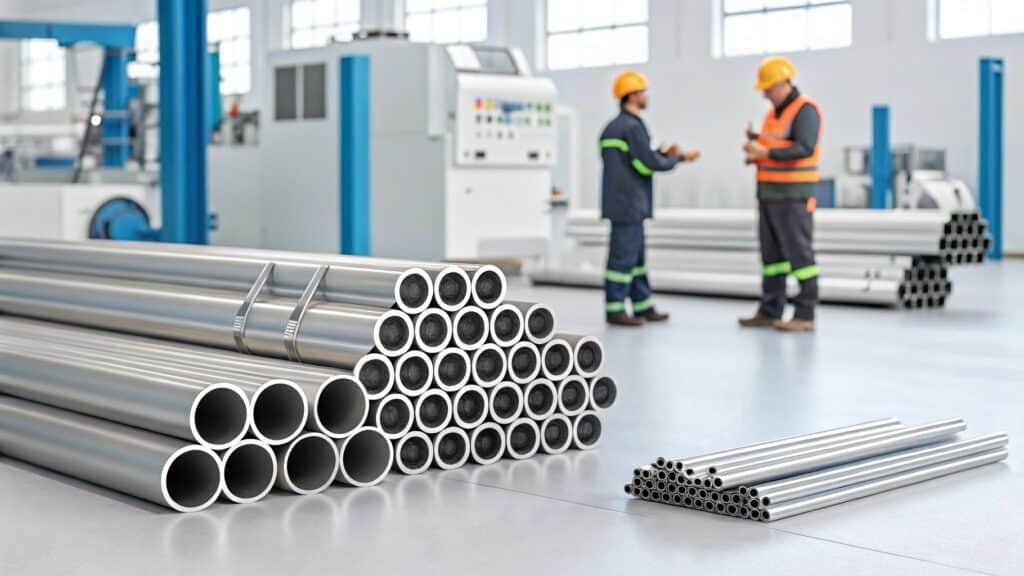
At SWA Forging, we work with aluminum alloys that maintain these fundamental physical properties while enhancing key performance characteristics. Our forging process can influence some of these, for instance, it can improve the effective strength and hardness, which are related to how the material behaves under mechanical stress, stemming from its basic atomic structure and bonding. We ensure that our custom forged components leverage these foundational aspects of aluminum to deliver the targeted physical performance required by your specific industrial applications.
Conclusion
Aluminum's physical properties—low density, high corrosion resistance, excellent conductivity, and formability—make it versatile, with SWA Forging enhancing these traits through custom forging for specific industrial needs.
-
Discover the science behind aluminum's protective oxide layer and its implications for durability in various environments. ↩