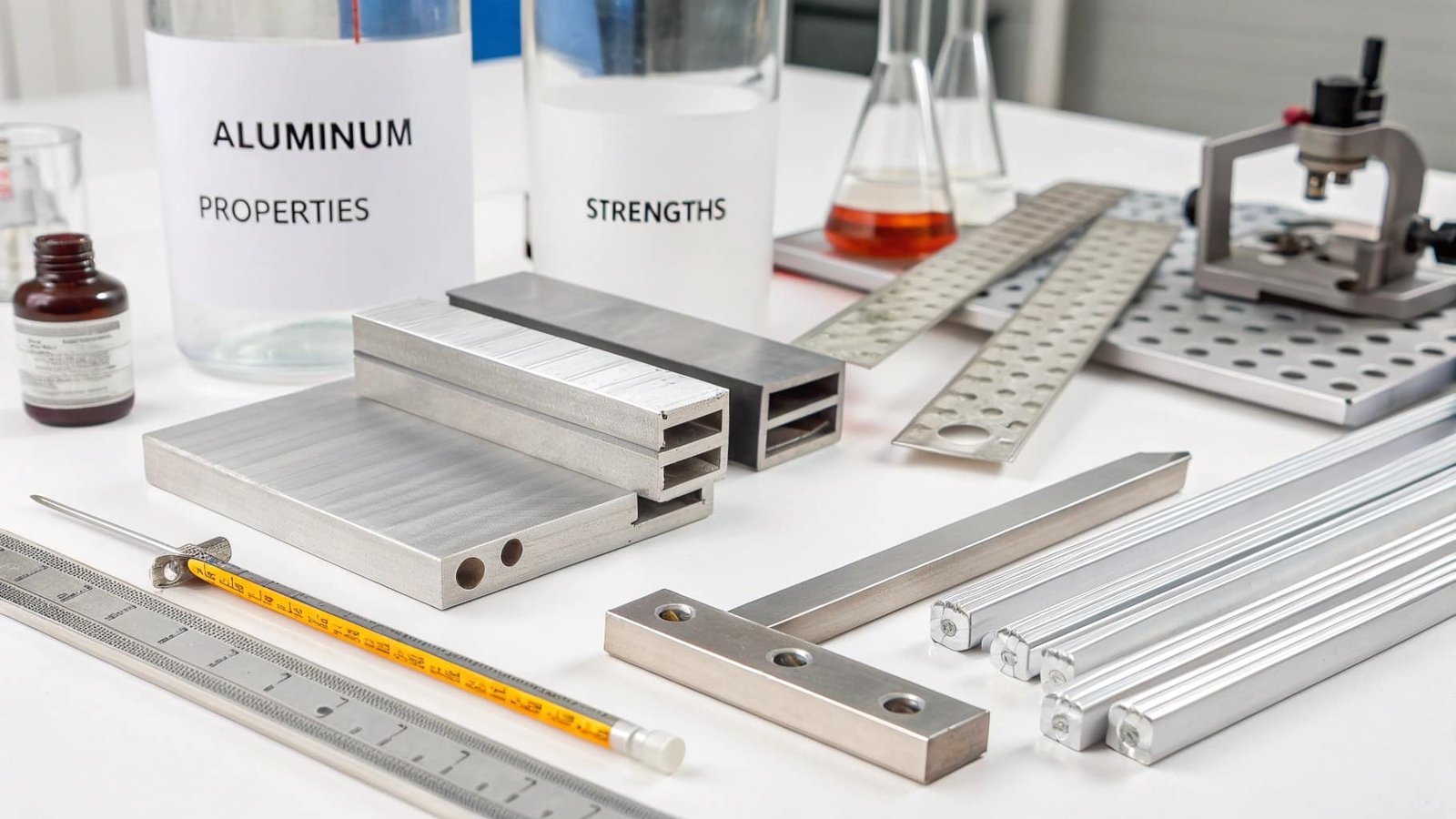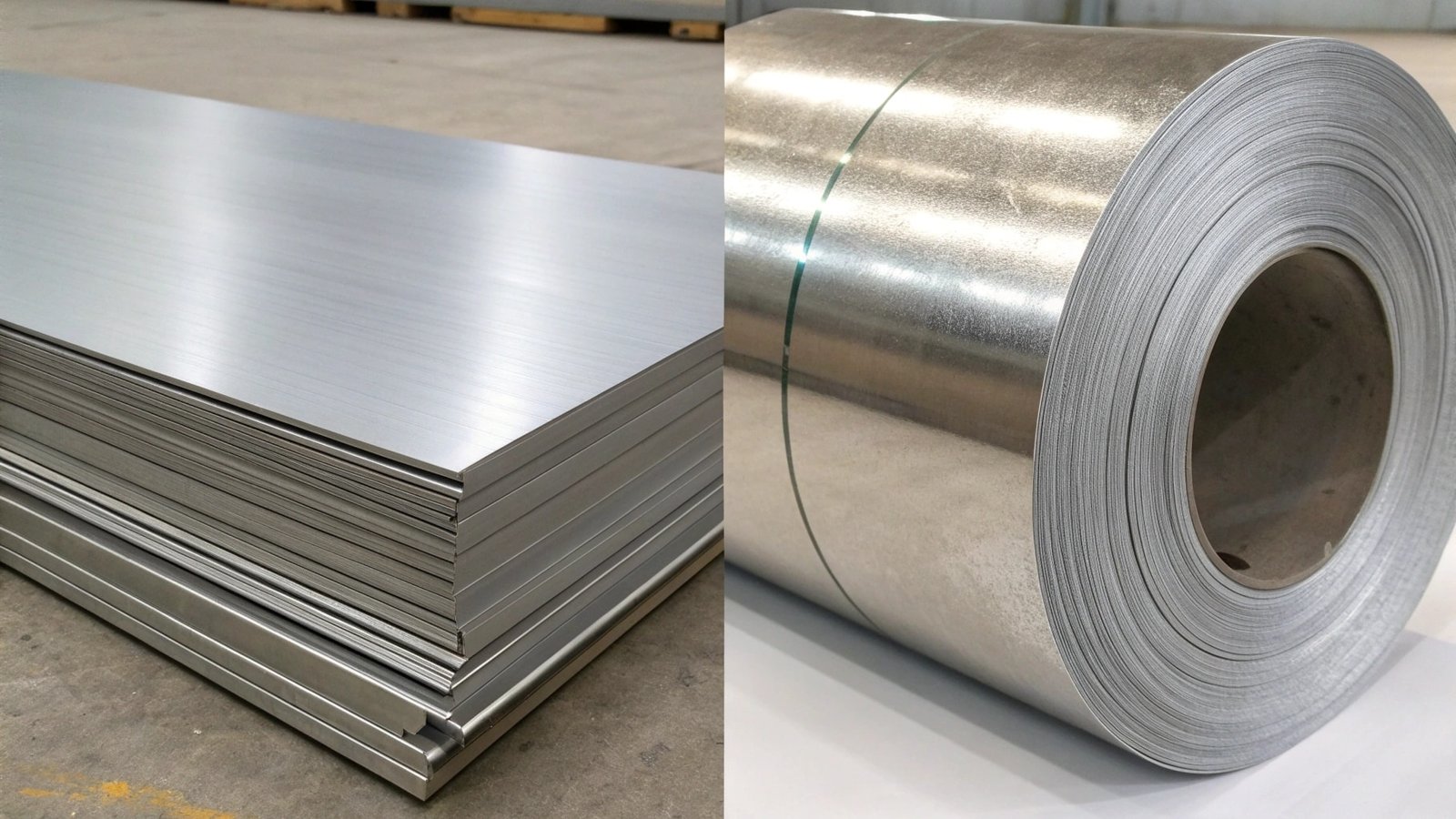
Are you curious about where 6061 aluminum stands in terms of strength, especially when compared to other materials and its own processed forms? Let's explore this versatile alloy.
The strength of 6061 aluminum alloy1 varies significantly depending on its temper (heat treatment and cold working). In its most common heat-treated and aged condition, T6, 6061 aluminum has a typical tensile strength ranging from about 290 to 310 MPa (42,000 to 45,000 psi) and a yield strength of around 270 to 280 MPa (39,000 to 40,600 psi). This balanced strength, combined with good corrosion resistance2, excellent weldability, and ease of formability, makes it a highly popular choice for a wide array of applications, including structural components in aerospace, automotive, marine, and construction industries. The T6 temper is achieved through solution heat treatment followed by artificial aging, which hardens the alloy by precipitating fine particles within the aluminum matrix.
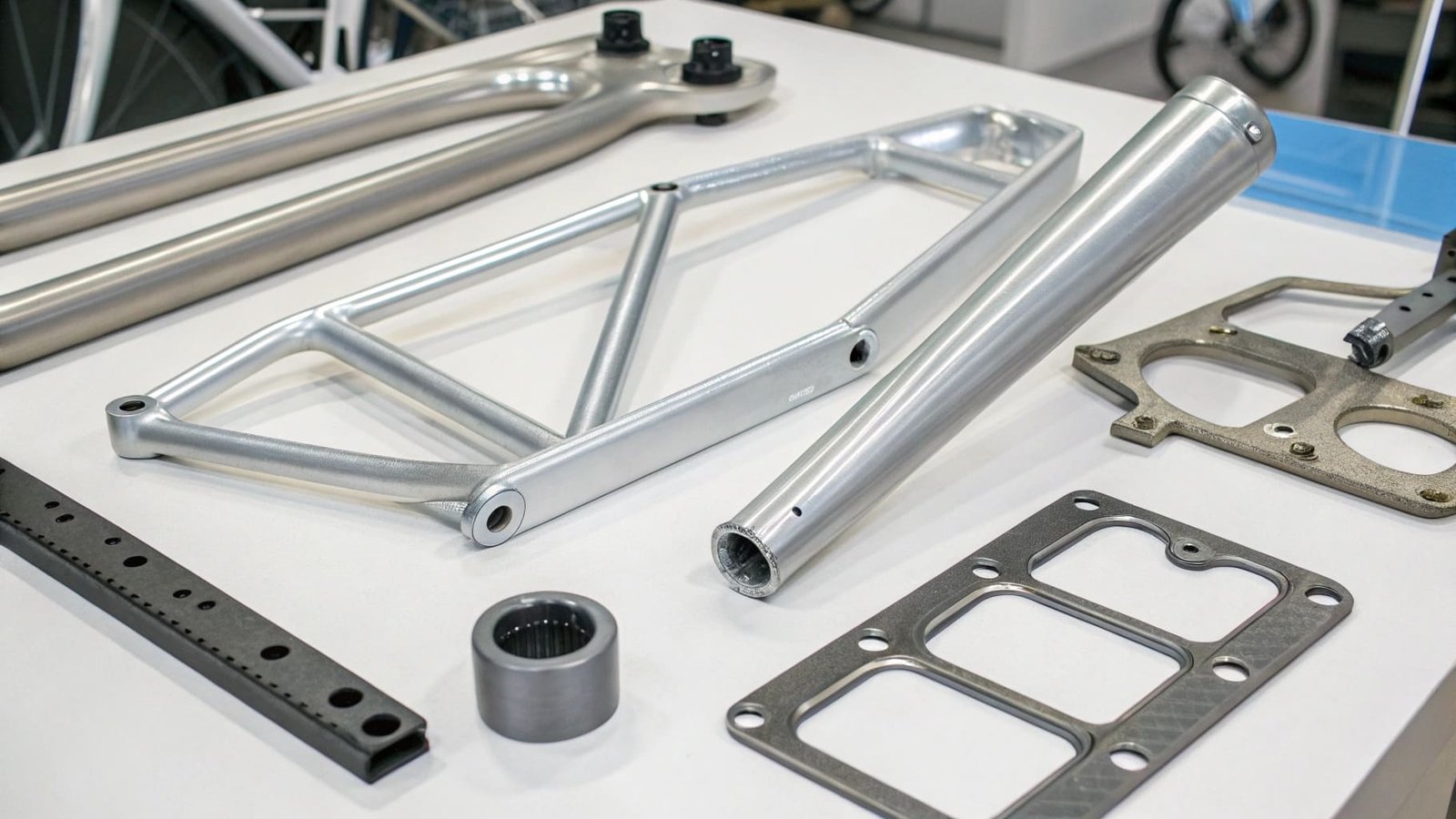
At SWA Forging, we harness the inherent strengths of 6061 aluminum alloy by employing precision forging techniques. Our expertise in creating large-diameter rings and discs involves controlled processes that refine the grain structure of the material. This refinement work enhances the alloy's natural tensile and yield strength, often exceeding the capabilities of standard cast or extruded 6061 components. This results in products with superior performance and reliability, perfectly suited for demanding structural and mechanical applications where consistent strength is paramount.
Is 6061 or 7075 aluminum stronger?
Are you trying to decide between 6061 and 7075 aluminum3 alloys for your project based on strength requirements? Knowing which one offers more raw power is crucial for making the right choice.
When comparing the raw strength of 6061 and 7075 aluminum alloys, 7075 is significantly stronger than 6061. In their most commonly used hardened tempers, such as T6, 7075 aluminum typically exhibits a tensile strength in the range of 480-570 MPa (70,000-83,000 psi), whereas 6061-T6 usually ranges from 290-310 MPa (42,000-45,000 psi). This means 7075 is roughly 50-80% stronger than 6061. This higher strength in 7075 is achieved through a higher content of alloying elements, primarily zinc, along with magnesium and copper. Consequently, 7075 is often chosen for very high-stress applications like aircraft structures and critical aerospace components where maximum strength-to-weight ratio is essential. However, 6061 offers a better balance of properties, including superior corrosion resistance and weldability, making it more versatile for a wider range of general engineering and structural uses.
| Alloy | Typical Tempers | Tensile Strength (MPa) | Yield Strength (MPa) | Primary Alloying Elements | Key Advantages |
|---|---|---|---|---|---|
| 6061 | T6 | 290-310 | 270-280 | Magnesium, Silicon | Good strength, weldability, corrosion resistance |
| 7075 | T6 | 480-570+ | 490-540+ | Zinc, Magnesium, Copper | Very high strength, excellent strength-to-weight |
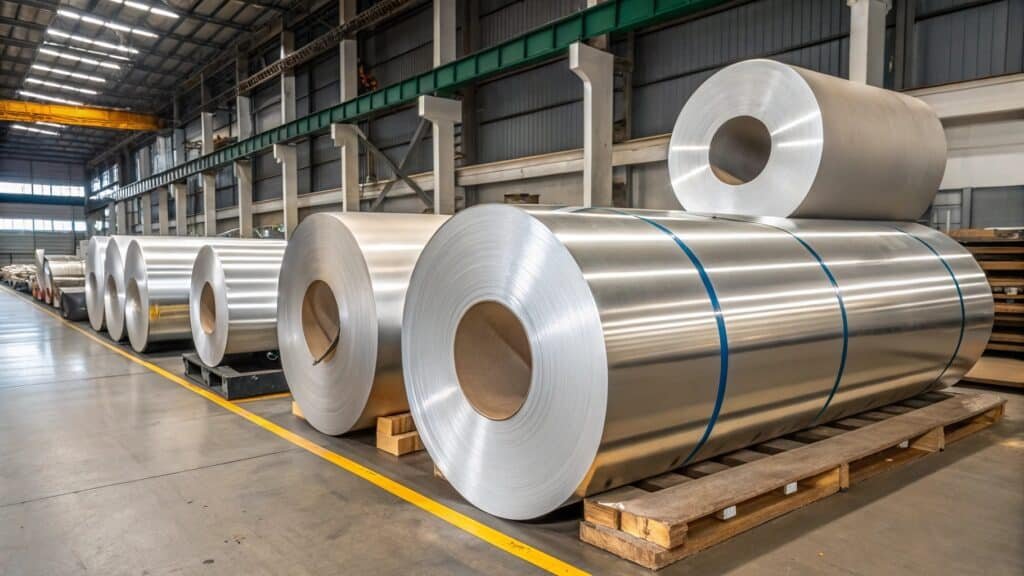
SWA Forging is adept at working with both 6061 and 7075 alloys to produce large-diameter forged components. We understand that the application dictates the required strength. Whether you need the balanced performance of 6061 or the exceptional strength of 7075, our forging process is optimized to maximize the material's inherent properties. This ensures our large forged parts deliver the highest levels of structural integrity and performance reliability, precisely tailored to your project's demands.
How strong is 6061 aluminum compared to steel?
Are you considering aluminum 6061 for a project where steel is typically used and want to understand how its strength compares directly? It’s important to look beyond just raw numbers.
When directly comparing the strength of 6061 aluminum alloy to steel, steel is generally much stronger in terms of absolute tensile strength. For example, a common structural steel can have a tensile strength of 400-550 MPa or higher, significantly exceeding the 290-310 MPa of 6061-T6 aluminum. However, aluminum alloys like 6061 offer a superior strength-to-weight ratio. Aluminum is about one-third the density of steel. This means that while a steel component might need to be larger and heavier to achieve a certain strength, an aluminum component can achieve comparable or even superior structural performance at a fraction of the weight. For many applications, particularly in transportation and aerospace, this weight saving is a critical advantage, leading to fuel efficiency and improved performance. So, while steel is stronger by volume, 6061 aluminum is often more efficient when weight is a factor.
| Material | Density (g/cm³) | Typical Tensile Strength (MPa) | Strength-to-Weight (Relative) |
|---|---|---|---|
| 6061-T6 Aluminum | ~2.7 | ~290-310 | High |
| Common Structural Steel | ~7.8 | ~400-550+ | Moderate |
| High-Strength Steel (e.g., HSLA) | ~7.8 | ~700+ | Moderate to High |
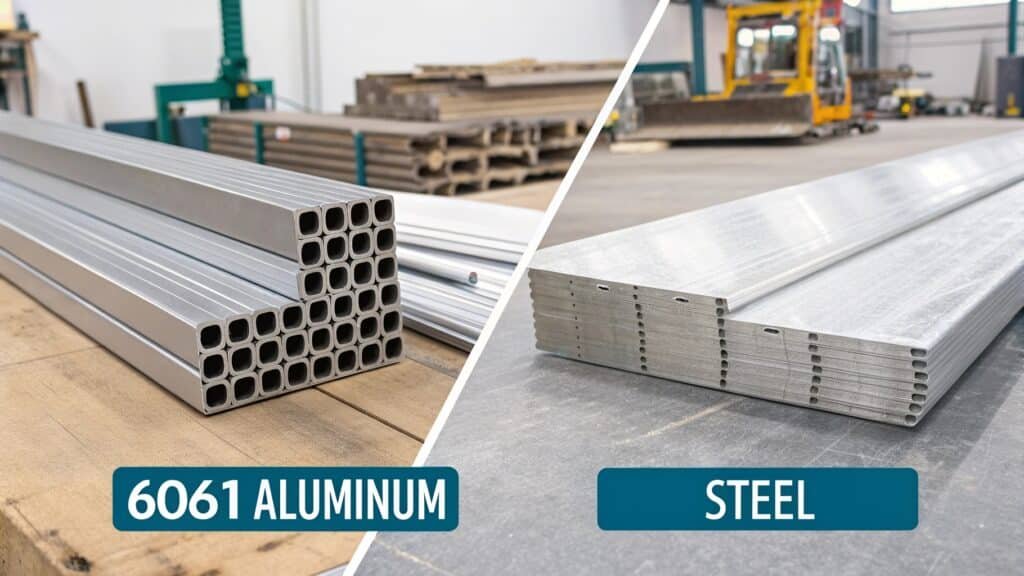
At SWA Forging, we frequently work with 6061 aluminum for applications where its excellent strength-to-weight ratio is a key benefit. Our large-diameter forged components are designed to leverage the inherent properties of 6061, offering robust structural integrity that can often replace heavier steel parts. Through our precision forging process, we further enhance the alloy's strength and durability, ensuring that our components meet the demanding performance requirements of various industries while benefiting from the significant weight advantages of aluminum.
What is the ultimate strength of aluminum alloy 6061 after being annealed?
Are you looking for the specific strength of 6061 aluminum after it has been annealed, questioning how this process affects its load-bearing capacity? Annealing significantly reduces its strength.
When aluminum alloy 6061 is annealed, its ultimate tensile strength and yield strength are significantly reduced compared to its hardened tempers like T6. Annealing is a heat treatment process used to soften the metal, relieve internal stresses, and improve ductility and formability. In the annealed (O) temper, the typical tensile strength of 6061 aluminum drops to a range of approximately 120 to 150 MPa (17,400 to 21,800 psi). Its yield strength also decreases correspondingly, usually falling between 50 to 70 MPa (7,300 to 10,200 psi). This makes annealed 6061 much weaker but considerably more malleable, suitable for applications where bending, shaping, or forming are primary requirements and high structural strength is not needed. It is important to remember that annealing removes the benefits of work hardening or precipitation hardening obtained from other heat treatments.
| Temper | Treatment | Typical Tensile Strength (MPa) | Typical Yield Strength (MPa) | Characteristics |
|---|---|---|---|---|
| O (Annealed) | Softened, stress relieved | 120-150 | 50-70 | High ductility, formability; low strength |
| T6 | Solution Heat Treated & Artificially Aged | 290-310 | 270-280 | Good strength, moderate corrosion resistance |
SWA Forging typically works with 6061 aluminum in its stronger tempers. However, we understand the material properties of annealed 6061. Our expertise in precision forging focuses on achieving optimal mechanical properties for our large-diameter components, meaning we usually aim for enhanced strength rather than the softness of the annealed state unless a specific shaping requirement dictates otherwise. The focus remains on delivering robust, reliable, and high-performing forged products that meet stringent engineering demands, where strength is a primary consideration.
Conclusion
6061 aluminum alloy offers balanced, good strength in its T6 temper, significantly weaker when annealed. It provides a better strength-to-weight ratio than steel, with 7075 being considerably stronger.