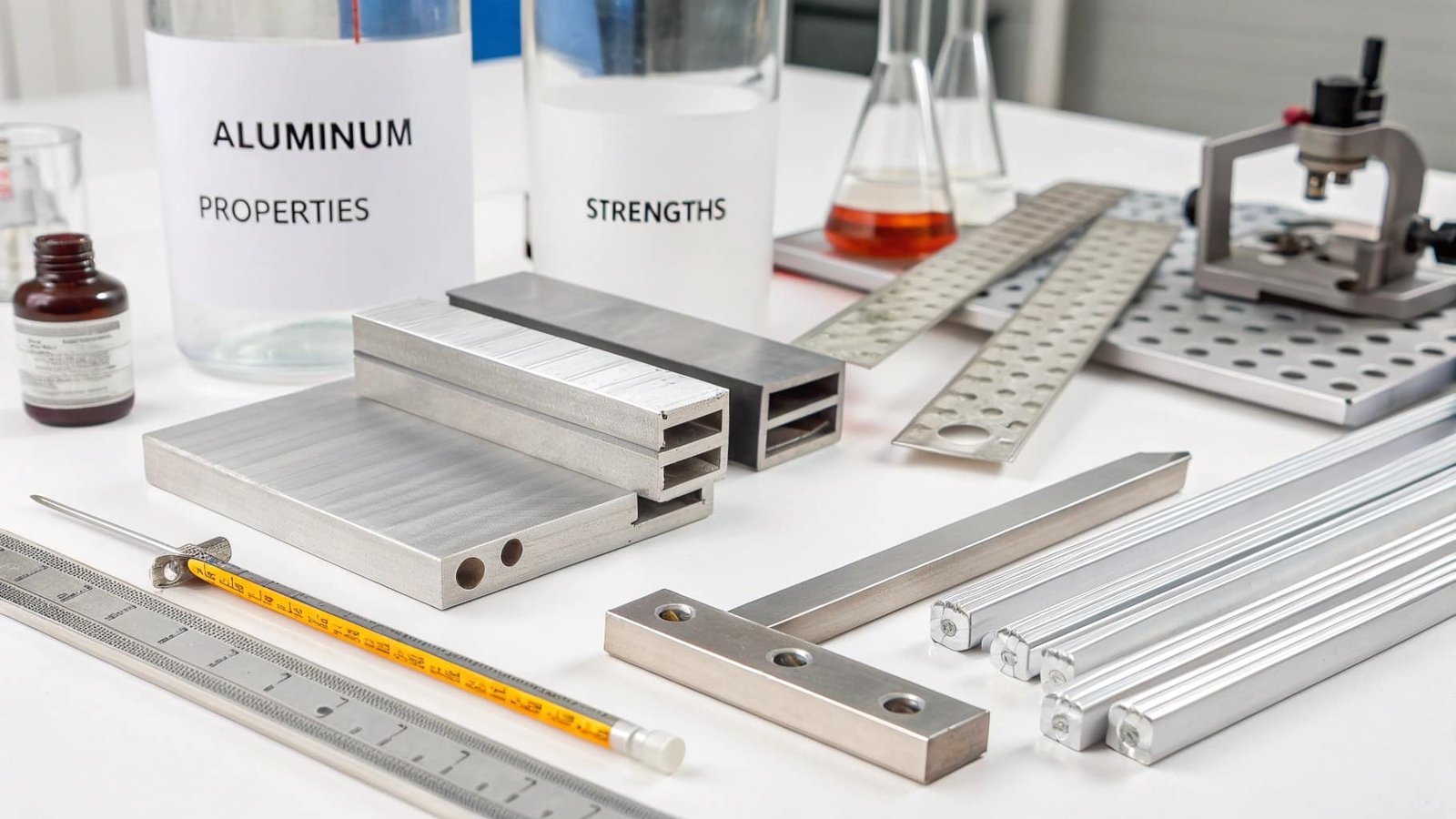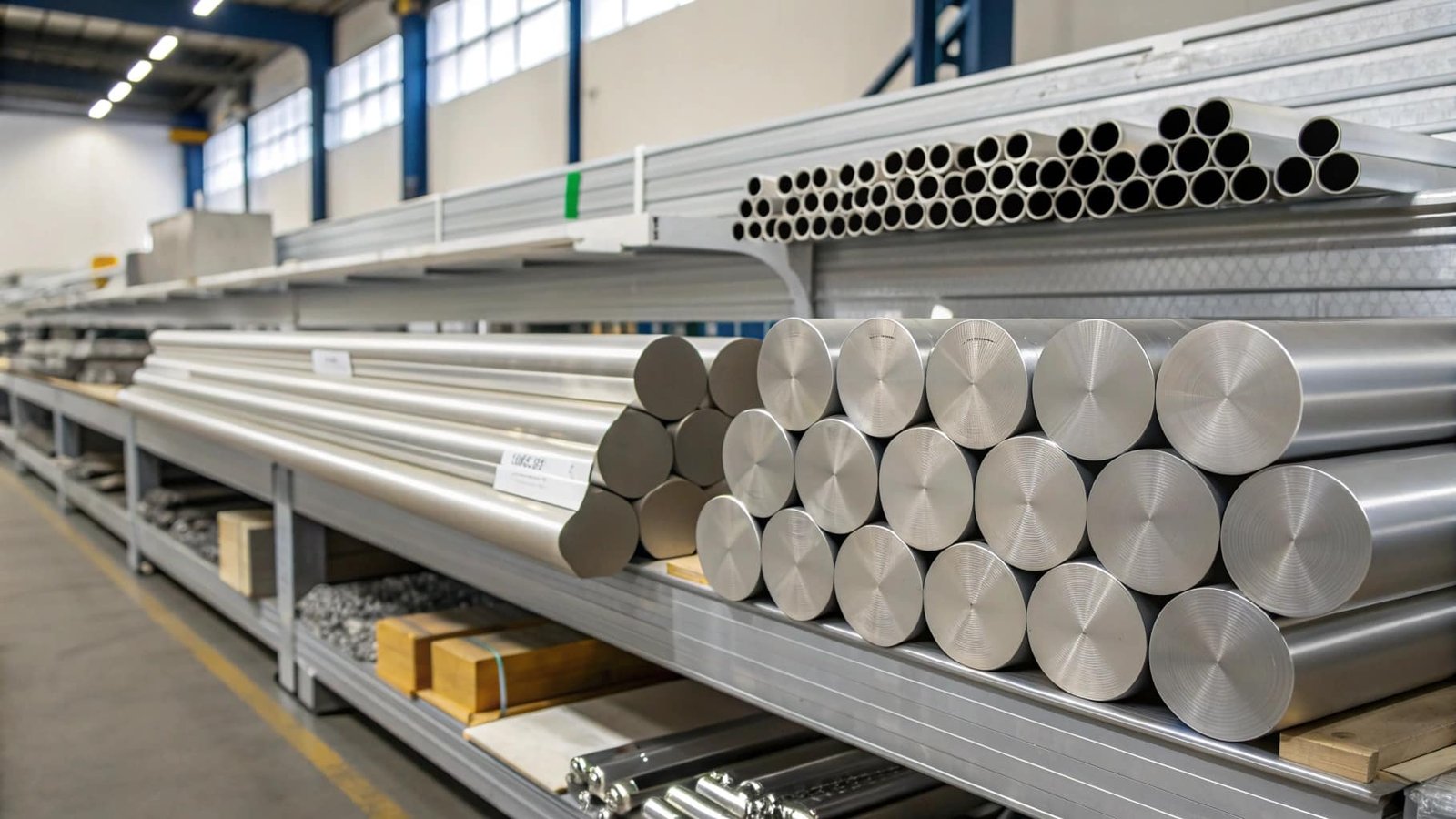
Are you looking for an aluminum supplier that guarantees quality every step of the way, from the very first piece of raw material to your custom-forged final product? Trust is built on consistent quality.
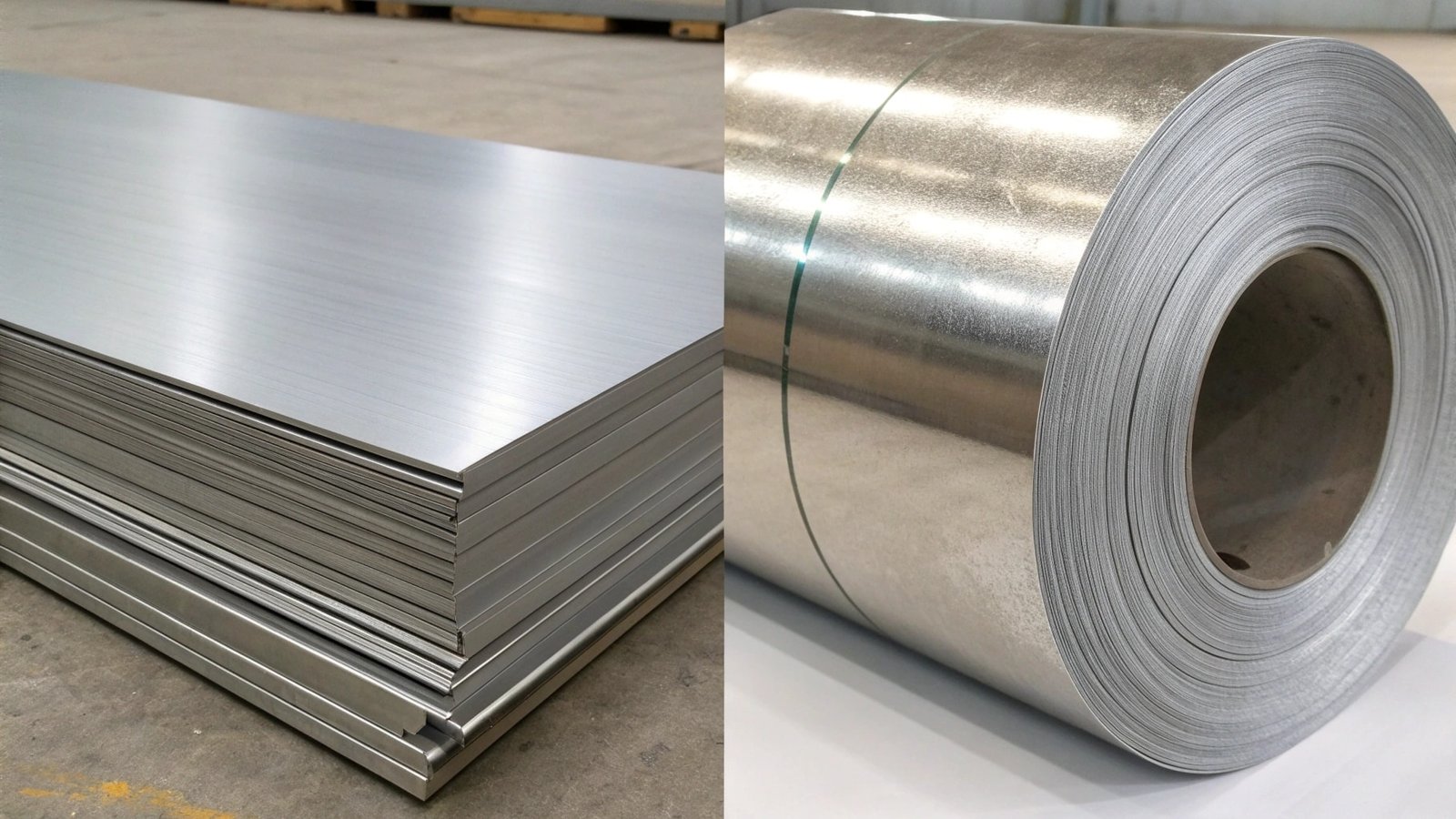
The grades of aluminum forging often refer to the alloy series and specific temper (heat treatment), such as 6061-T61 or 7075-T62. Billet aluminum is essentially a basic form or 'semi-finished' product of aluminum, usually cylindrical or rectangular, which is then used to create other forms. An aluminum alloy3 is a mixture of aluminum with other elements to improve its properties. So, billet aluminum can be made from various aluminum alloys. Aluminum forging is a metalworking process where aluminum is shaped by controlled plastic deformation using compressive forces, typically with dies and hammers or presses. Yes, aluminum is very good for forging because it is ductile and malleable, allowing it to be shaped effectively, and many aluminum alloys can achieve excellent strength and other desirable properties through forging.
At SWA Forging, our commitment to quality is absolute. We meticulously manage every phase of production, starting with the careful selection of high-grade bar stock and extending through our advanced forging processes to the delivery of your custom-engineered forgings. This comprehensive approach ensures that the reliability and superior quality you expect are present in every single product we deliver, from the initial material to the final solution.
What are the grades of aluminum forging?
Are you trying to understand the different classifications of aluminum used in forging and what they mean for your application? The "grade" usually refers to the alloy and its specific condition.
**The "grades" of aluminum forging4 typically refer to the alloy composition and the temper (heat treatment) applied to the material. Aluminum alloys are classified into series based on their primary alloying elements. For forging applications, the most common series and examples include:
- 1xxx Series (e.g., 1050, 1100): Nearly pure aluminum. Good corrosion resistance5 and formability, but low strength. Used for applications where strength is not a primary concern.
- 3xxx Series (e.g., 3003): Aluminum-manganese alloys. Moderate strength, very good formability and corrosion resistance. Often used for architectural applications and general sheet metal work.
- 5xxx Series (e.g., 5052, 5083): Aluminum-magnesium alloys. Good strength (higher than 1xxx/3xxx), excellent corrosion resistance (especially in marine environments), and good weldability. Popular for marine applications and tanks.
- 6xxx Series (e.g., 6061, 6082): Aluminum-magnesium-silicon alloys. These are heat-treatable alloys offering a good balance of moderate to high strength, corrosion resistance, and weldability. 6061 is one of the most widely used forging alloys.
- 7xxx Series (e.g., 7075, 7050): Aluminum-zinc alloys with additions of magnesium and copper. These are the highest-strength aluminum alloys, often heat-treated to high tempers like T6 or T7. They offer excellent strength-to-weight ratios but can have lower corrosion resistance and weldability compared to 6xxx or 5xxx series.**
| Alloy Series | Common Forgeable Alloys | Key Characteristics for Forging | Common Tempers |
|---|---|---|---|
| 1xxx | 1050, 1100 | High formability, excellent corrosion resistance | O |
| 3xxx | 3003 | Good formability, moderate strength | O |
| 5xxx | 5052, 5083 | Excellent corrosion resistance, good weldability | O, H32/H34 |
| 6xxx | 6061, 6082 | Balanced strength, corrosion resistance, weldability | T4, T6, T651 |
| 7xxx | 7075, 7050 | Very high strength, good fatigue resistance | T6, T73 |
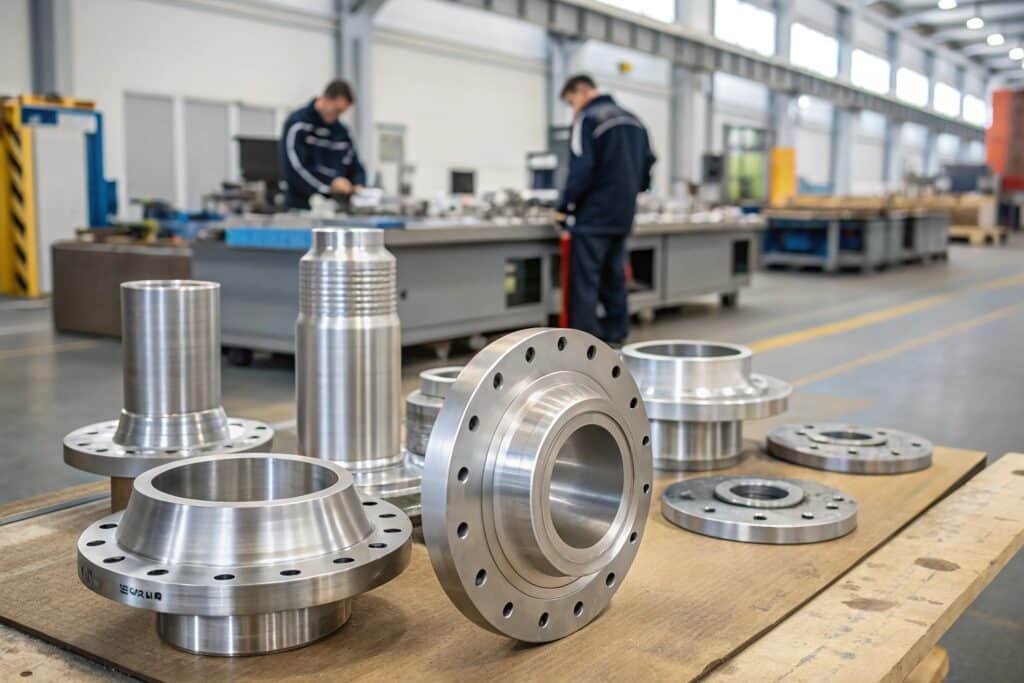
At SWA Forging, we work with a range of these alloy grades, focusing on those that yield superior performance in large-diameter forgings. Our expertise lies in selecting the optimal alloy from series like 6xxx and 7xxx, and then employing precise forging and heat treatment techniques to achieve the desired temper and mechanical properties. This ensures our custom forgings meet the highest standards for strength, durability, and specific application requirements, regardless of the "grade" chosen.
What is the difference between billet aluminum and aluminum alloy?
Are you confused by terms like "billet" and "alloy" when sourcing aluminum materials? Understanding the distinction is crucial for informed purchasing.
**The main difference lies in their definition:
- Aluminum Alloy: This refers to a material composed of aluminum mixed with one or more other elements (like copper, magnesium, silicon, zinc) to enhance its properties, such as strength, hardness, or corrosion resistance. Think of "alloy" as describing the composition or recipe of the metal. For example, 6061 is an aluminum alloy because it's aluminum mixed with magnesium and silicon.
- Billet Aluminum: This refers to a form or shape of aluminum, typically a large, solid cylindrical or rectangular bar as it comes from the initial manufacturing stage. Billet is a semi-finished product that is then further processed (like being heated and then extruded, rolled, or forged) into a final product shape. Billet aluminum is made from a specific aluminum alloy. So, you can have a billet made from 6061 aluminum alloy, or a billet made from 7075 aluminum alloy.**
| Term | What it Describes | Analogy | Example |
|---|---|---|---|
| Aluminum Alloy | The chemical composition of the metal | A specific type of flour with added ingredients (e.g., whole wheat flour with extra fiber) | 6061, 7075, 5052 |
| Billet Aluminum | A intermediate physical shape | A block of dough before it's shaped into bread or a pastry | A 10-inch diameter, 3-foot long cylindrical bar of 6061 aluminum alloy |
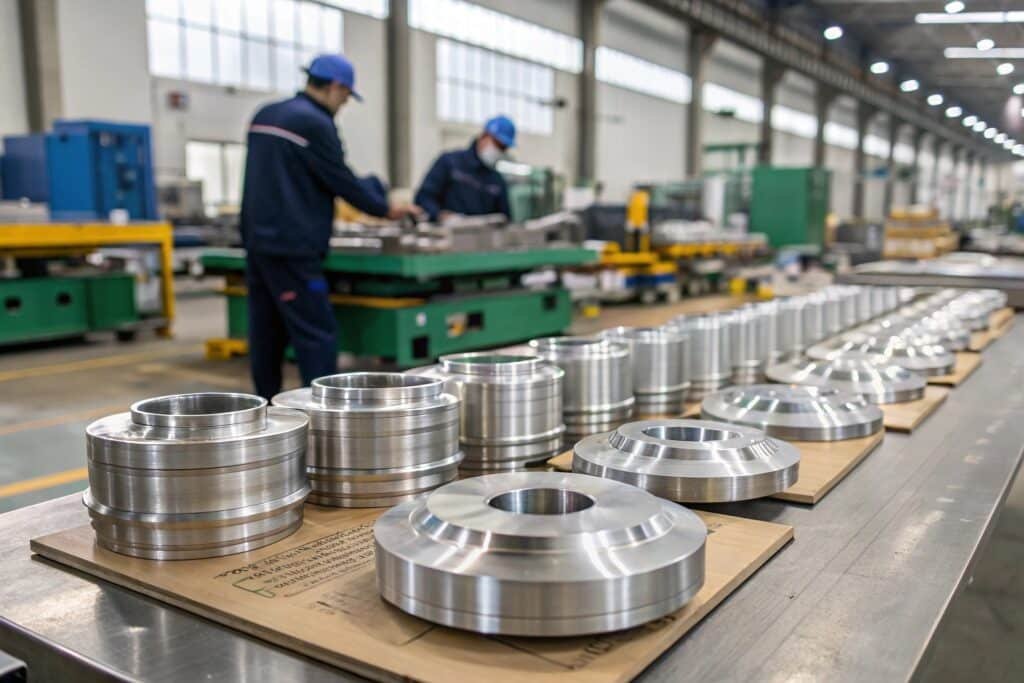
At SWA Forging, we begin with carefully selected bar stock, which is a form of billet, made from high-quality aluminum alloys specified for our forging process. We understand the importance of starting with the right alloy composition because it dictates the final properties of our forged components. Relying on trusted suppliers for our raw billet ensures that we can consistently produce large-diameter, custom-engineered forgings with the precise mechanical characteristics your projects demand.
What is Aluminium forging?
Are you curious about the specific manufacturing process that shapes aluminum into strong, durable parts? Forging is a fundamental technique in metalworking.
**Aluminum forging is a metalworking process that shapes aluminum metal using localized compressive forces. The aluminum material, often in the form of a heated billet or preform, is placed between two dies. These dies, which are typically made of hardened steel, contain a cavity shaped like the desired final part. Force is applied through hammering (known as hammer forging) or pressing (known as press forging), causing the aluminum to flow and fill the die cavity. This plastic deformation reshapes the aluminum without removing material (unlike machining). The process offers several advantages:
- Improved Mechanical Properties: Forging refines the grain structure of the aluminum, creating directional grain flow that enhances strength, toughness, and fatigue resistance compared to casting or machining.
- Controlled Shapes: While more limited than machining, complex shapes can be achieved, especially with progressive dies.
- Material Consolidation: Reduces internal porosity and voids, resulting in a denser, more reliable component.
- Material Savings: Ideal for producing parts with intricate shapes from less raw material than might be needed for machining.
- Different Types: Includes open-die forging6 (less precise, for simpler shapes or larger parts) and closed-die forging7 (more precise, for complex shapes with tighter tolerances).**
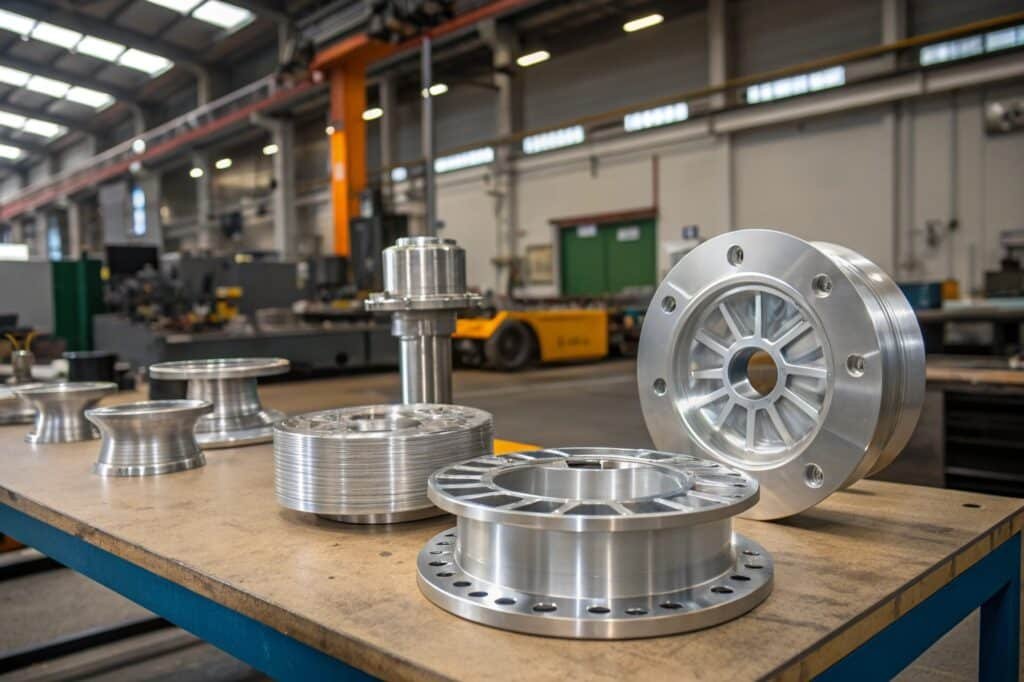
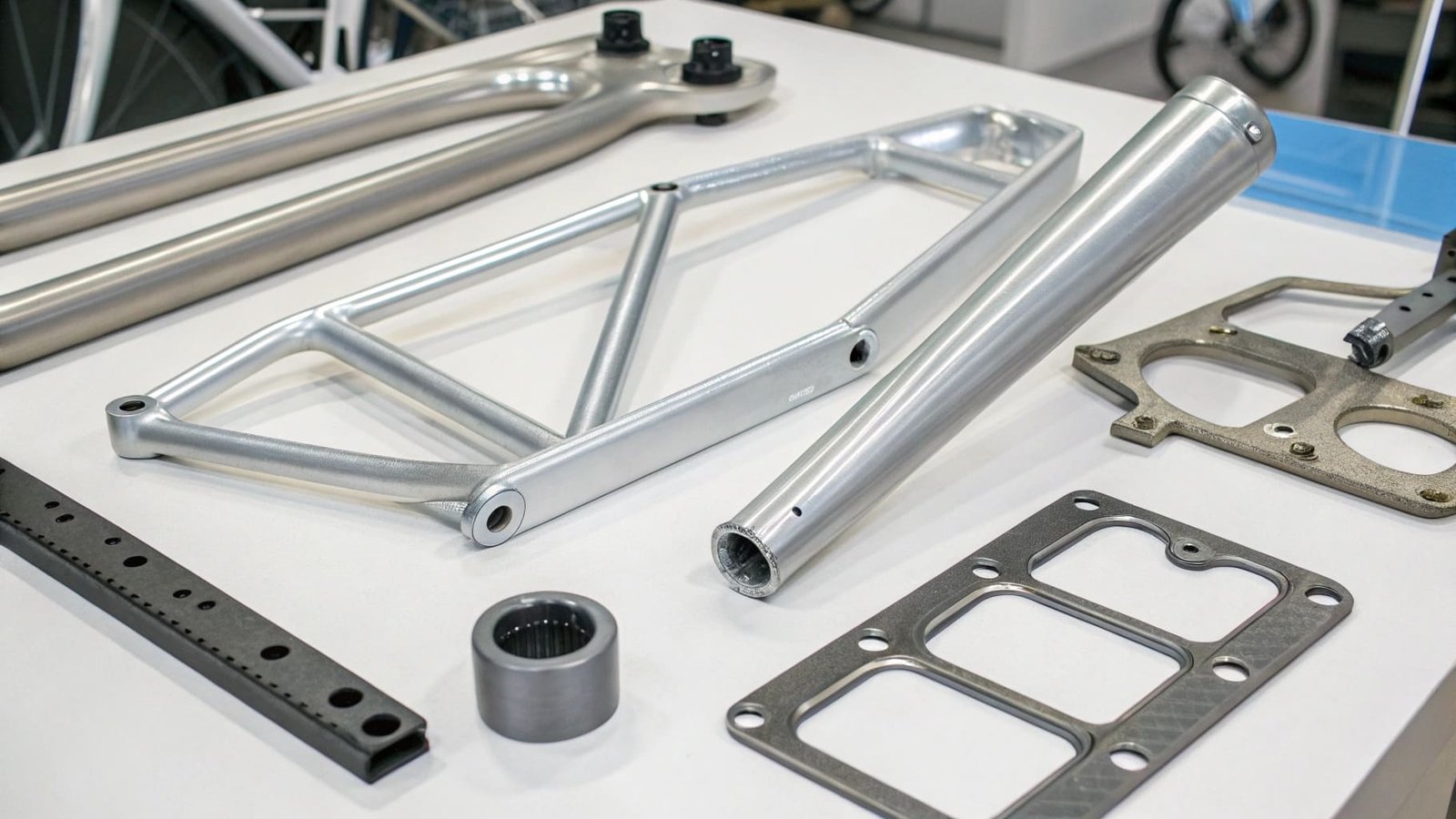
SWA Forging specializes in closed-die and open-die forging for large-diameter aluminum components. Our state-of-the-art facilities and experienced technicians ensure that every piece is forged with precision, taking advantage of the material's flow to maximize strength and integrity. This careful control over the forging process allows us to create custom parts that meet stringent quality standards and demanding performance criteria for a wide range of industries.
Is aluminum good for forging?
Are you wondering if aluminum is a suitable material for the forging process, especially when high-performance parts are needed? Aluminum's properties make it an excellent candidate.
**Yes, aluminum is very good for forging. Aluminum and many of its alloys possess excellent formability and ductility, especially when heated. This means they can be shaped under pressure without fracturing, allowing them to be precisely formed into complex shapes using forging dies. The key reasons aluminum is well-suited for forging include:
- Ductility and Malleability: Aluminum can be deformed significantly under pressure, which is essential for filling die cavities and achieving the desired shape.
- Low Melting Point (Relative to Steel): While still requiring high temperatures, aluminum alloys generally melt at lower temperatures than steels, making them easier to heat and forge without excessive material degradation or oxidation.
- Strength Enhancement: The forging process itself significantly enhances the mechanical properties of aluminum alloys, particularly their strength, toughness, and fatigue resistance, by refining the grain structure and creating optimal grain flow.
- Lightweight: Combining aluminum's natural lightness with the enhanced strength achieved through forging results in components with a superior strength-to-weight ratio, which is critical for many industries like aerospace and automotive.
- Corrosion Resistance: Many aluminum alloys retain good corrosion resistance even after forging, making them suitable for various environments.**
| Property | Suitability for Forging | Explanation |
|---|---|---|
| Ductility | Excellent | Allows significant deformation to fill dies without cracking. |
| Malleability | Excellent | Can be hammered or pressed into shape easily. |
| Formability | Very Good | Can be shaped with controlled heat and pressure. |
| Melting Range | Good | Lower melting point (vs. steel) allows for effective heating and forging. |
| Strength Gain | Excellent | Forging significantly improves mechanical properties of aluminum alloys. |
| Weight | Excellent | Ideal for high strength-to-weight ratio components after forging. |
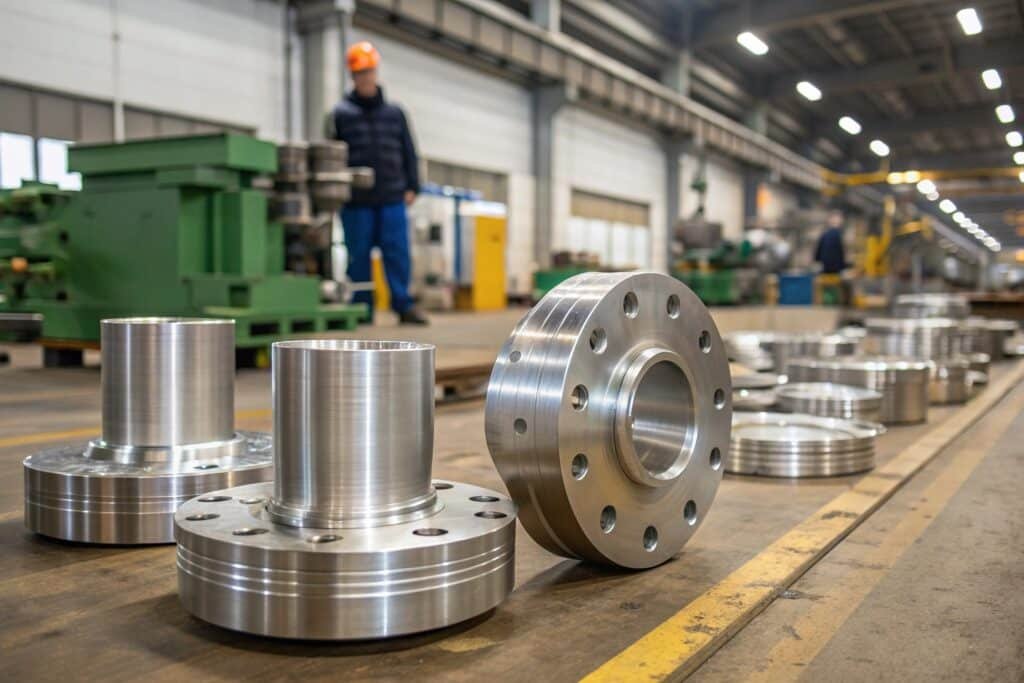
At SWA Forging, we specifically select aluminum alloys known for their excellent forging characteristics. Our deep understanding of how different alloys behave under forging pressure allows us to achieve exceptional results, producing large-diameter components with optimized grain structure and superior mechanical properties. This expertise ensures that the aluminum we forge is not only good for the process but is transformed into parts that deliver peak performance and reliability for your most demanding applications.
Conclusion
Aluminum is highly forgeable, offering enhanced strength and reliability. SWA Forging leverages this, transforming quality bar stock into precision-engineered custom forgings.
-
Explore the characteristics of 6061-T6 to see why it's a popular choice in various applications. ↩
-
Learn about the unique properties of 7075-T6 and its applications in high-performance environments. ↩
-
Understanding aluminum alloys can help you choose the right material for your specific needs. ↩
-
Learn about aluminum forging to understand its advantages in producing strong, durable parts. ↩
-
Learn how aluminum's corrosion resistance makes it ideal for various environments. ↩
-
Understand the applications of open-die forging and its advantages in manufacturing. ↩
-
Discover the benefits of closed-die forging for producing precise aluminum components. ↩