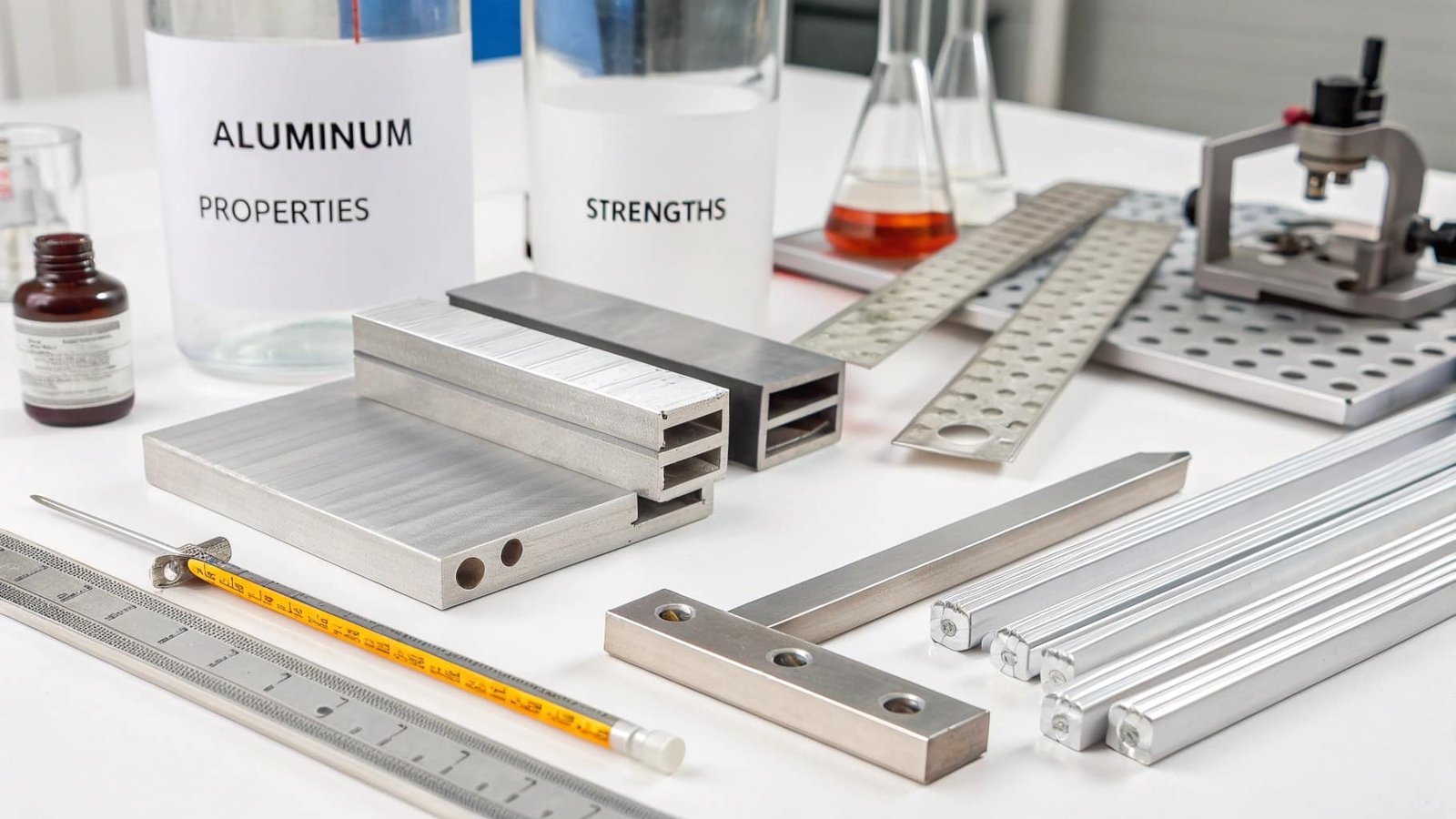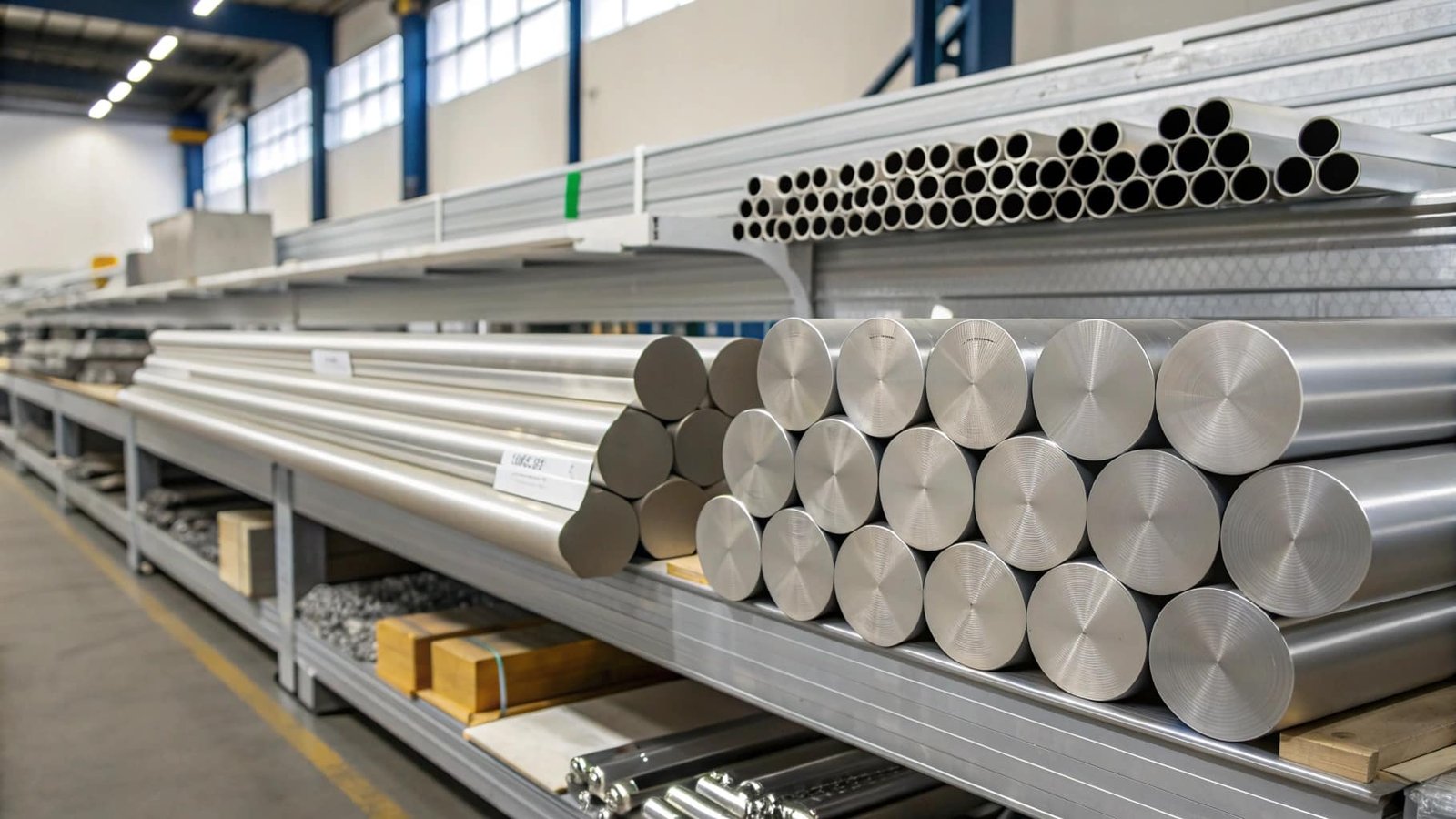
Are you looking to understand what makes 6061-T6 aluminum a popular choice for so many applications? Its specific temper and properties are key.
6061-T6 aluminum alloy1 is a ubiquitous material known for its excellent balance of strength, formability, and corrosion resistance2, making it suitable for a wide array of applications, from structural components and bicycle frames to marine and automotive parts. The "-T6" designation signifies a specific heat treatment process (solution heat-treated and artificially aged) that significantly enhances its mechanical properties, providing good strength without sacrificing too much workability. It is considered a high-performance alloy but not typically classified as "aircraft grade" in the same way as some highly specialized aluminum alloys used for critical structural airframe components, though it is widely used in general aviation and non-critical aircraft parts. When compared to 6063-T6, 6061-T6 generally offers higher strength, making it more suitable for structural applications, while 6063-T6 is often preferred for its superior extrudability and aesthetic finish for architectural applications.

At SWA Forging, we excel at transforming 6061-T6 aluminum into large-diameter forged rings and discs. We expertly leverage this alloy's inherent excellent strength-to-weight ratio and robust corrosion resistance. Our precision forging process ensures that our components, made from this versatile material, meet your critical application demands, providing superior performance and unwavering reliability for your projects.
What is 6061-T6 aluminum used for?
Are you wondering about the diverse range of applications where the reliable properties of 6061-T6 aluminum alloy are commonly utilized? Its versatility makes it a go-to material.
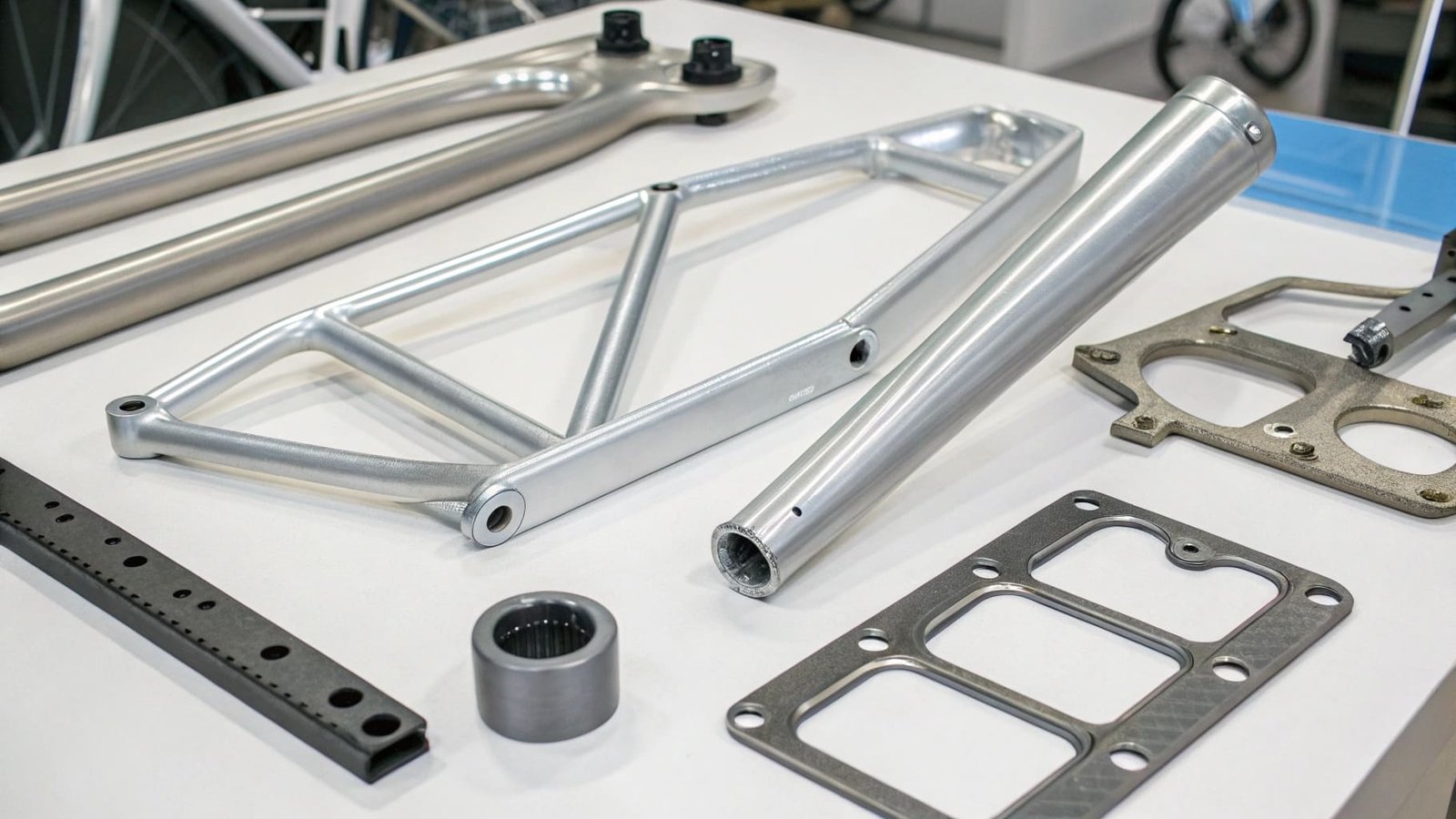
6061-T6 aluminum alloy is widely used in applications requiring a good combination of strength, corrosion resistance, and machinability. Its excellent strength-to-weight ratio makes it ideal for structural components in various industries. This includes general structural applications, building and construction (window frames, door frames, bridges), automotive parts (chassis components, body panels, truck bodies), bicycle frames, boat hulls and marine hardware, and general fabrication. It's also frequently used for machinery parts and custom components where durability and reliability are important. While it's not typically used for primary structural airframe components in high-performance aircraft (where alloys like 7075 might be specified), it is very common in general aviation, drone frames, and other aerospace applications where its balance of properties is advantageous and cost-effective. The "-T6" temper provides a significant boost in strength, making it suitable for load-bearing roles.
| Industry/Application | Specific Uses of 6061-T6 Aluminum | Key Properties Utilized |
|---|---|---|
| Structural & Construction | Building frameworks, bridges, railings, window/door frames, platforms. | Strength, corrosion resistance, reasonable cost, machinability. |
| Automotive | Chassis components, suspension parts, engine parts, custom car bodies, truck beds, tow hitches. | Strength-to-weight ratio, durability, moderate strength. |
| Aerospace (General) | Drone frames, non-critical aircraft components, interior structures, mounts. | Lightweight, moderate strength, machinability. |
| Marine | Boat hulls, decks, railings, marine hardware, superstructures. | Excellent corrosion resistance (especially in saltwater). |
| Recreation | Bicycle frames, skateboards, sporting equipment components. | Strength-to-weight ratio, durability, ease of fabrication. |
| General Fabrication | Custom brackets, tooling fixtures, mechanical parts, enclosures. | Machinability, versatility, reasonable strength. |
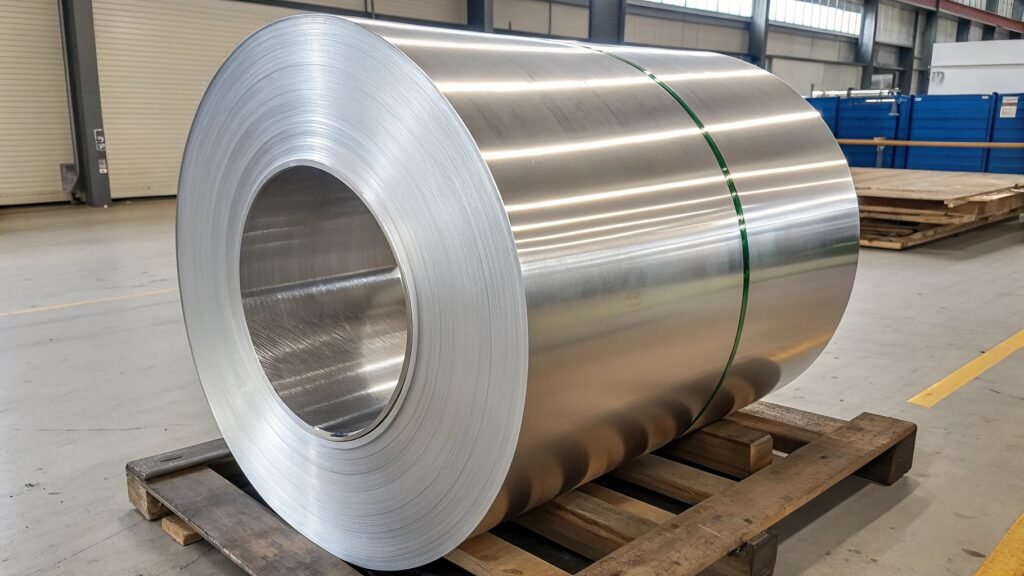
At SWA Forging, we specialize in transforming 6061-T6 aluminum into large-diameter forged rings and discs, perfectly suited for these diverse and demanding applications. Our precision forging process ensures that these components inherit the alloy's excellent strength, corrosion resistance, and rigidity, guaranteeing that they perform reliably in structural, automotive, marine, and other critical contexts where robust material properties are essential.
What is 6061-T6 grade?
Are you trying to understand what the "6061-T6" designation means in terms of the alloy's composition and its specific mechanical state? The grade signifies both the alloy's makeup and its heat treatment.
The designation "6061-T6" refers to a specific aluminum alloy and its temper. The "6061" part indicates the alloy composition, which belongs to the 6xxx series, primarily alloyed with magnesium (Mg) and silicon (Si). It also contains small amounts of copper (Cu) and chromium (Cr). The "-T6" part of the designation is a temper designation that signifies the alloy has undergone a specific heat treatment process. In the case of T6, it means the alloy was solution heat-treated, then artificially aged. Solution heat treatment involves heating the material to a high temperature to dissolve alloying elements, followed by rapid cooling (quenching). Aging then involves holding the material at an elevated temperature (or at room temperature for a long period) to allow fine precipitate particles to form within the alloy's microstructure. These precipitates strengthen the alloy significantly, making it behave as a "grade" in terms of its mechanical properties, effectively offering a balance of good strength, toughness, and corrosion resistance that is predictable and reliable for engineering applications.
| Component of Designation | Meaning | Resulting Properties |
|---|---|---|
| 6061 | Aluminum alloy designation. Belongs to the 6xxx series (Aluminum-Magnesium-Silicon). Contains Mg, Si, Cu, Cr as primary alloying elements. | Moderate to good strength, excellent corrosion resistance, good weldability, good machinability, and formability. |
| -T6 | Temper designation. Indicates the alloy has been solution heat-treated and artificially aged (precipitation hardened). This is a common temper for 6061, offering a significant increase in strength compared to annealed or solution-treated states. | Significantly increased tensile and yield strength, good hardness, good toughness, and excellent dimensional stability. This temper provides the alloy with its characteristic robust mechanical performance. |
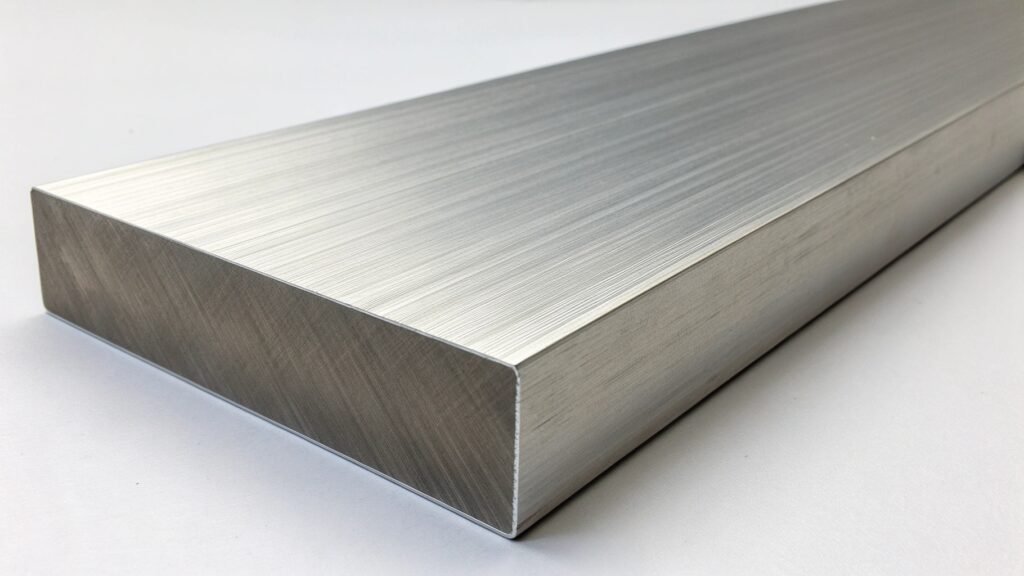
At SWA Forging, we specialize in working with 6061-T6 aluminum, understanding that the "-T6" temper is crucial for achieving the high strength and reliability our clients need. Our forging process further refines this material's properties, ensuring that our large-diameter rings and discs offer consistent, predictable performance, making them a trusted choice for demanding applications where the specific grade properties of 6061-T6 are essential.
Is 6061-T6 aluminum aircraft grade?
Are you wondering if 6061-T6 aluminum is suitable for use in aircraft, and if it's classified as "aircraft grade"? The answer involves understanding different levels of performance in aerospace.
While 6061-T6 aluminum is widely used in the aerospace industry, it is generally not classified as "aircraft grade" in the same way as more specialized alloys like 2024 or 7075, which are specifically engineered for critical structural airframe components that face extreme stresses and fatigue. 6061-T6 is often referred to as a "general aviation" grade or used for non-critical aircraft parts. It offers a good balance of strength, machinability, and corrosion resistance, making it excellent for applications such as drone construction, interior fittings, mounts, brackets, and components in lighter general aviation aircraft. For primary structural elements like wing spars or fuselage skins in commercial airliners or high-performance military aircraft, alloys with higher tensile strength, fatigue resistance, and specific performance characteristics are typically mandated by stringent aerospace specifications. So, while it is used in aircraft, it doesn't typically meet the highest-tier "aircraft grade" requirements for primary structures.
| Application in Aerospace | Typical Use of 6061-T6 Aluminum | Considerations |
|---|---|---|
| General Aviation | Used for non-critical structural components, interior fittings, fairings, and certain parts in simpler aircraft designs. | Offers good balance of strength, weight, and cost. |
| Drones & UAVs | Very common for frames, motor mounts, and structural elements due to its strength-to-weight ratio and ease of fabrication. | Excellent choice for lightweight, robust designs. |
| Critical Airframe Structures | Generally not used for primary structural parts like wing spars, fuselage bulkheads, or high-stress load-bearing elements in commercial or military aircraft. | Alloys like 2xxx and 7xxx series (e.g., 7075-T6) are typically preferred for their superior strength, fatigue life, and specific performance characteristics in these critical roles. |
| Interior Components | Utilized for passenger cabin fittings, galley equipment, and other non-structural interior parts. | Offers durability and good finish potential. |
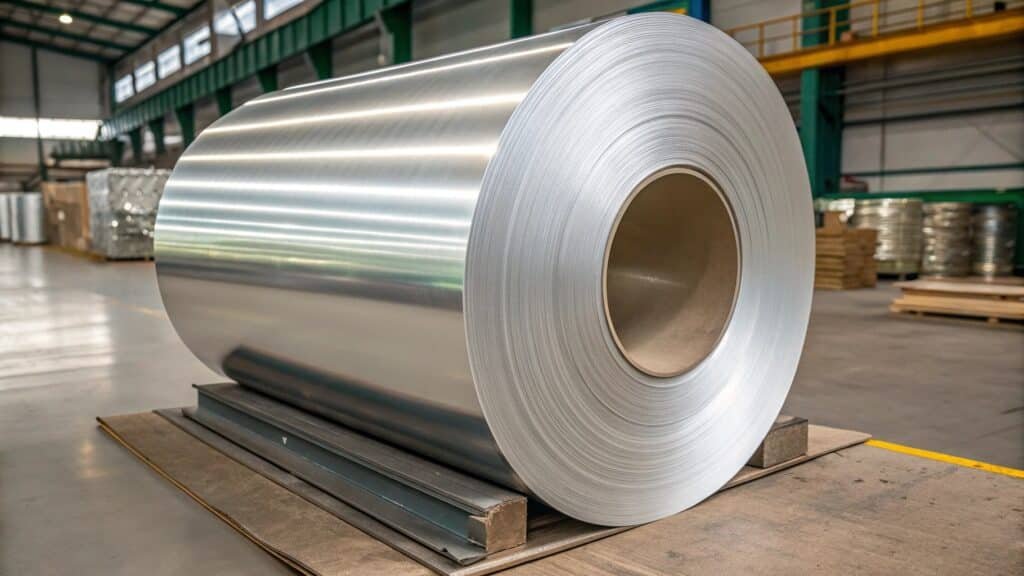
At SWA Forging, we understand the precise material requirements for various industries. While we produce components from 6061-T6 aluminum that are robust enough for many demanding applications, including those in general aviation, we also recognize that higher-grade alloys may be necessary for the most critical aerospace structures. Our focus on large-diameter forged components ensures that whether you need the versatile properties of 6061-T6 or the extreme performance of a specialized aerospace alloy, SWA Forging can deliver components engineered to your exact specifications.
What is the difference between 6061-T6 and 6063 T6 aluminum alloy?
Are you trying to decide between two popular aluminum alloys, 6061-T6 and 6063-T63, and need to understand their distinct properties and best uses? Knowing their differences is key for material selection.
The primary differences between 6061-T6 and 6063-T6 aluminum alloys lie in their alloying elements, which significantly impact their mechanical properties and applications. While both are heat-treatable and belong to the 6xxx series, 6061-T6 has a higher magnesium and silicon content, along with copper, giving it noticeably higher tensile strength and yield strength compared to 6063-T6. Consequently, 6061-T6 is generally preferred for structural applications where load-bearing capacity is crucial. On the other hand, 6063-T6 has a lower magnesium and silicon content, making it less strong than 6061-T6 but significantly more formable and extrudable. This superior extrudability and smoother surface finish make 6063-T6 the alloy of choice for architectural applications, window frames, door extrusions, and decorative trim where aesthetic appeal and ease of shaping are prioritized. In essence, 6061-T6 is chosen for strength, while 6063-T6 is chosen for formability and appearance.
| Feature | 6061-T6 Aluminum Alloy | 6063-T6 Aluminum Alloy |
|---|---|---|
| Primary Alloying Elements | Magnesium (Mg), Silicon (Si), Copper (Cu) | Magnesium (Mg), Silicon (Si) |
| Tensile Strength (Typical) | 290-310 MPa (42-45 ksi) | 207 MPa (30 ksi) |
| Yield Strength (Typical) | 270-280 MPa (39-41 ksi) | 186 MPa (27 ksi) |
| Formability/Extrudability | Good | Excellent (significantly better than 6061) |
| Corrosion Resistance | Very Good | Excellent (slight edge over 6061 in some environments) |
| Weldability | Good | Good |
| Primary Applications | Structural components, automotive, marine, general fabrication. | Architectural extrusions, window frames, door frames, decorative trim. |
| Cost | Slightly higher due to copper content and strength. | Slightly lower due to simpler composition. |
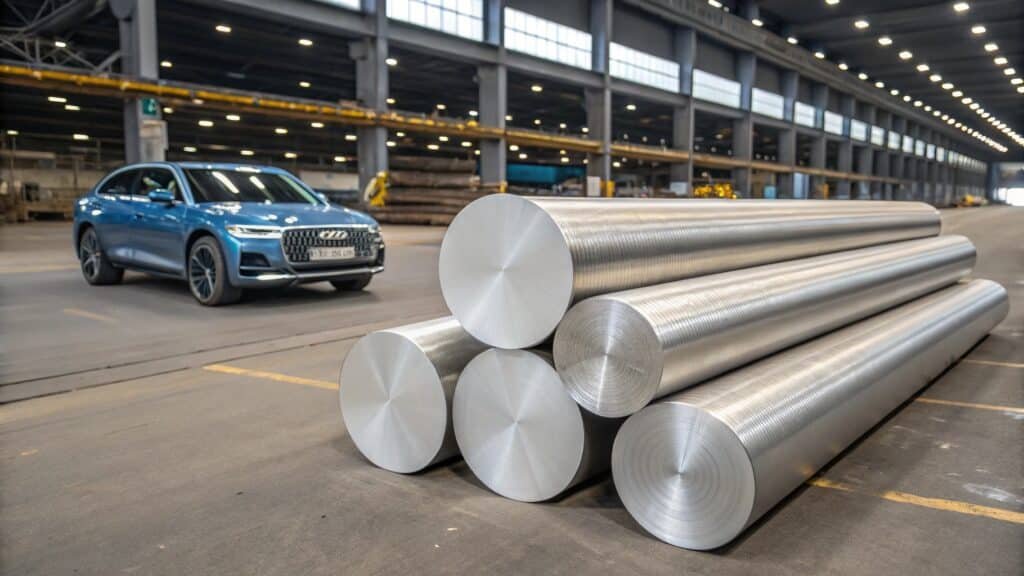
At SWA Forging, we specialize in producing large-diameter forged components, and our expertise with 6061-T6 aluminum alloy is a cornerstone of our service. While 6063-T6 is excellent for extrusions and architectural work, our focus gravitates towards the superior strength and reliability of forged 6061-T6 for applications demanding robust structural integrity. We leverage the alloy's excellent strength-to-weight ratio, ensuring our custom-forged rings and discs provide the high-performance mechanical properties required for your critical projects.
Conclusion
6061-T6 aluminum, with its excellent strength-to-weight ratio and corrosion resistance, is ideal for diverse structural applications. While used in aerospace, higher-grade alloys are for critical airframe parts, and 6061-T6’s strength surpasses 6063-T6, which excels in formability.
-
Explore the unique properties of 6061-T6 aluminum alloy that make it a popular choice in various industries. ↩
-
Learn how corrosion resistance impacts the longevity and performance of materials in different environments. ↩
-
Understanding the differences between these alloys can help you select the right one for your specific needs. ↩