From the airplane carrying you across continents to the humble soda can in your hand, aluminum is one of the most ubiquitous and versatile materials in modern life. But what makes this silvery-white metal so special? Its widespread use isn't an accident; it's a direct result of a unique combination of physical and chemical properties. Let's delve into the key characteristics that make aluminum a true engineering wonder.
1. Exceptionally Lightweight
This is arguably aluminum's most famous trait. With a density of approximately 2.7 g/cm³, it is about one-third the weight of steel or copper. This low density makes it an ideal material for applications where reducing weight is critical. The transportation industry, especially aerospace and automotive, relies heavily on aluminum to improve fuel efficiency, increase payload capacity, and enhance performance without sacrificing durability.
2. High Strength-to-Weight Ratio
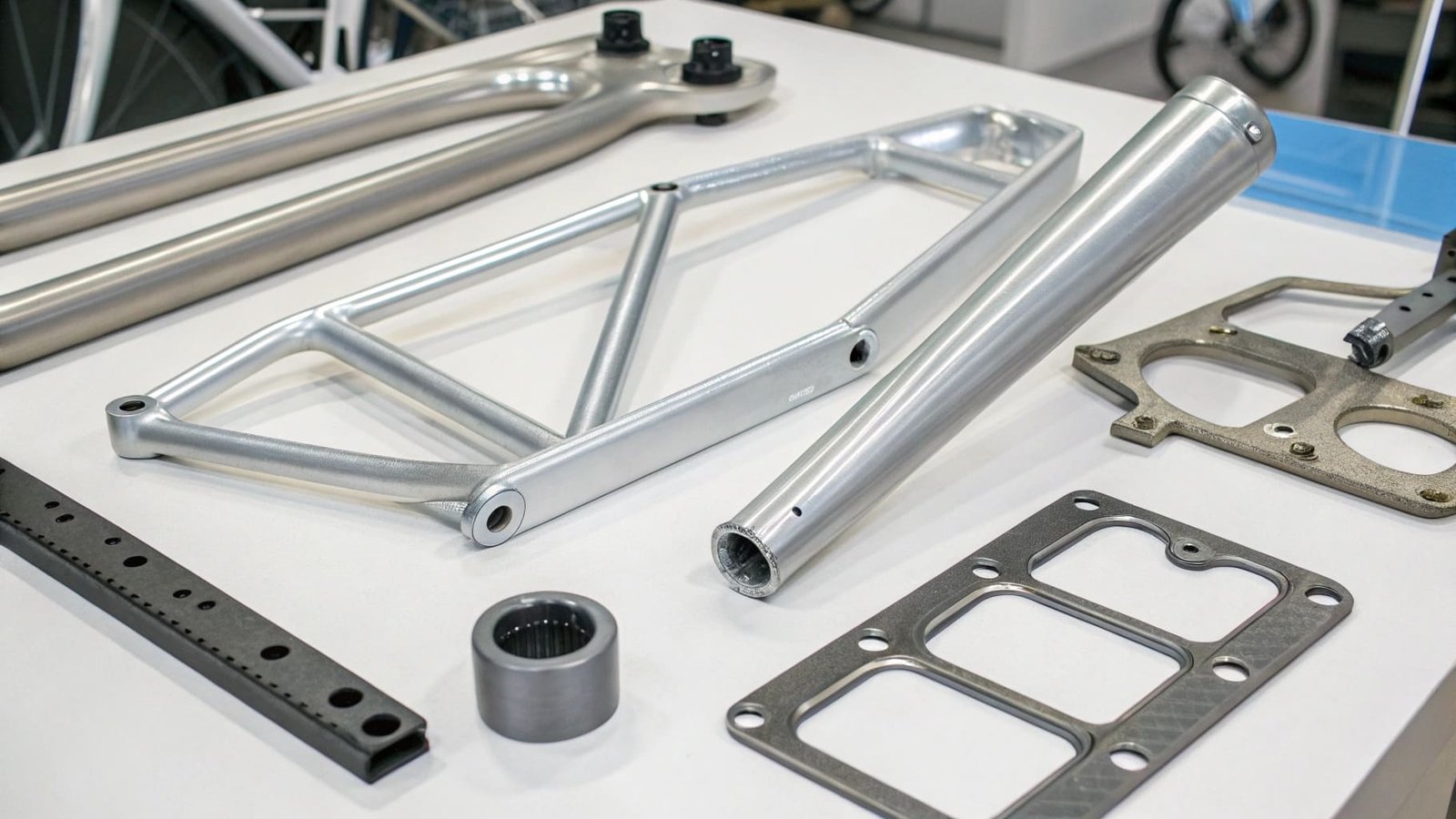
While pure aluminum is relatively soft, it can be alloyed with small amounts of other elements like copper, magnesium, silicon, and zinc to create materials with dramatically increased strength. These alloys are what give aluminum its "punch." The resulting materials possess an impressive strength-to-weight ratio, meaning they provide significant structural integrity for a fraction of the mass of steel. This property is precisely why it's the material of choice for aircraft fuselages, high-performance bicycle frames, and modern vehicle chassis.
3. Outstanding Corrosion Resistance
Unlike iron and many other metals, aluminum does not rust. When exposed to air, its surface instantly reacts with oxygen to form a very thin, tough, and transparent layer of aluminum oxide. This process, called passivation, creates a protective barrier that seals the metal from further oxidation and corrosion from environmental factors like moisture and air. This self-protecting feature makes aluminum incredibly durable and low-maintenance for outdoor applications like window frames, roofing, and street signs.
4. Excellent Thermal and Electrical Conductor
Aluminum is an excellent conductor of both heat and electricity. While it has only about 60% of the electrical conductivity of copper by volume, it is over three times lighter. This means an aluminum wire can carry the same amount of current as a copper wire but at only half the weight, making it a preferred choice for long-distance overhead power lines. Its high thermal conductivity makes it perfect for applications where heat transfer is desired, such as computer heat sinks, high-end cookware, and air conditioning units.
5. Highly Ductile and Malleable
Aluminum is both highly ductile (it can be drawn into wires) and malleable (it can be hammered or rolled into thin sheets). Even at low temperatures, it doesn't become brittle, allowing it to be easily formed through processes like extrusion, rolling, and forging. This workability is what allows for the creation of complex extruded profiles used in architecture, the paper-thin aluminum foil in your kitchen, and the seamless body of a beverage can.
6. Infinitely Recyclable
Sustainability is a critical advantage of aluminum. It is 100% recyclable, and it can be melted down and reformed indefinitely without any loss of its inherent quality. Furthermore, recycling aluminum requires only about 5% of the energy needed to produce primary aluminum from its ore (bauxite). This incredible energy saving makes aluminum recycling one of the most effective ways to reduce carbon footprint and conserve natural resources, solidifying its role in a circular economy.
7. Reflective and Non-Combustible
Aluminum is an excellent reflector of both visible light and thermal radiation. A polished aluminum surface can reflect up to 95% of infrared heat, making it a highly effective material for radiant heat barriers, insulation, and emergency blankets. Additionally, aluminum is non-combustible and does not burn. It melts at 660°C (1220°F), but it doesn't release toxic fumes, making it a safe choice for construction and transportation.
8. Non-Toxic and Impermeable
The non-toxic and impermeable nature of aluminum makes it an ideal material for packaging food, beverages, and pharmaceuticals. The metal forms a complete barrier to light, oxygen, moisture, and microorganisms, which helps to preserve the contents and extend shelf life. This is why you find it used in everything from drink cans and foil pouches to blister packs for medicine.
It is the powerful synergy of these properties—lightweight yet strong, durable yet workable, conductive yet protective—that secures aluminum's place as a cornerstone material for countless industries, driving innovation from the skies to our homes.