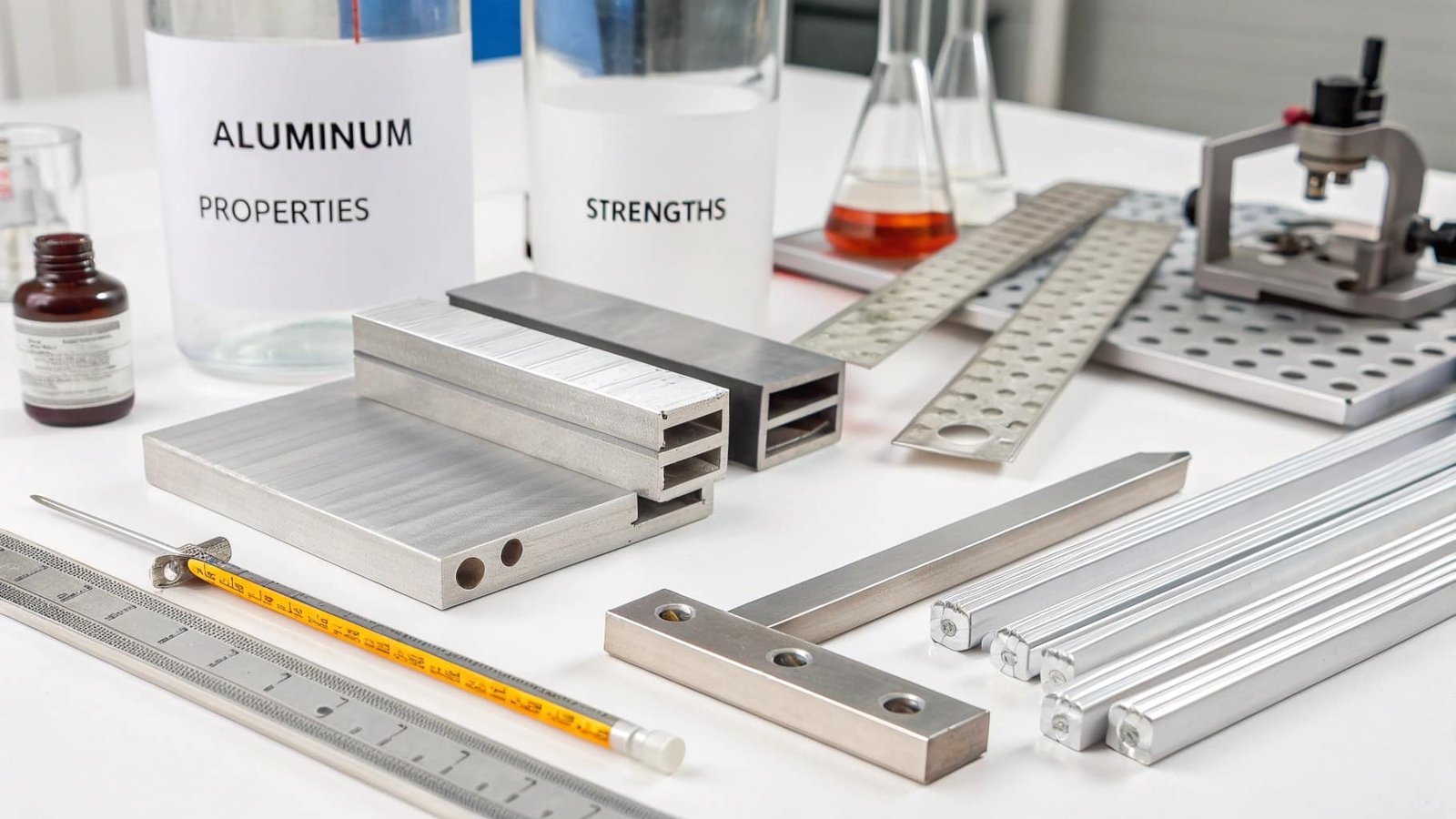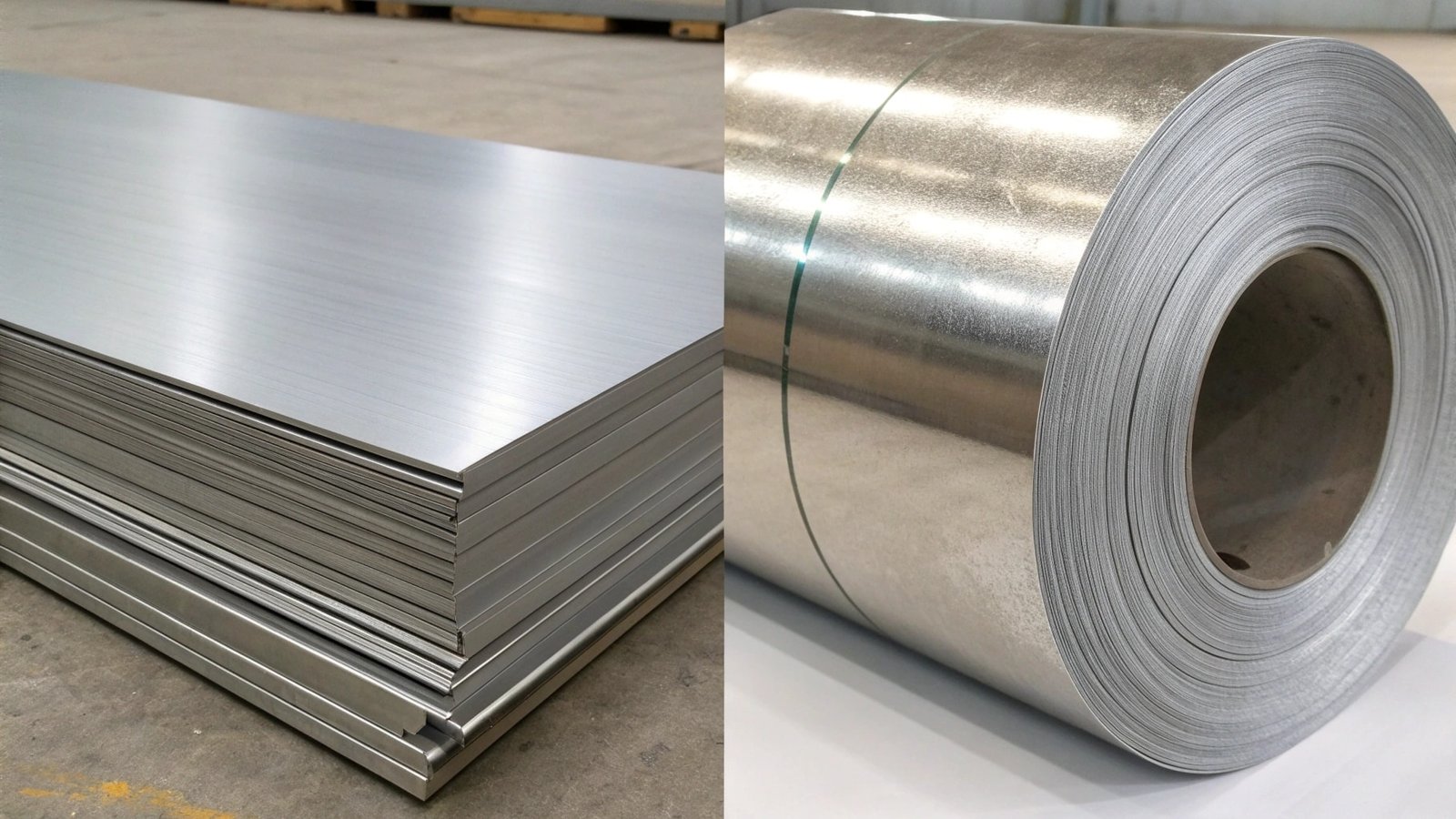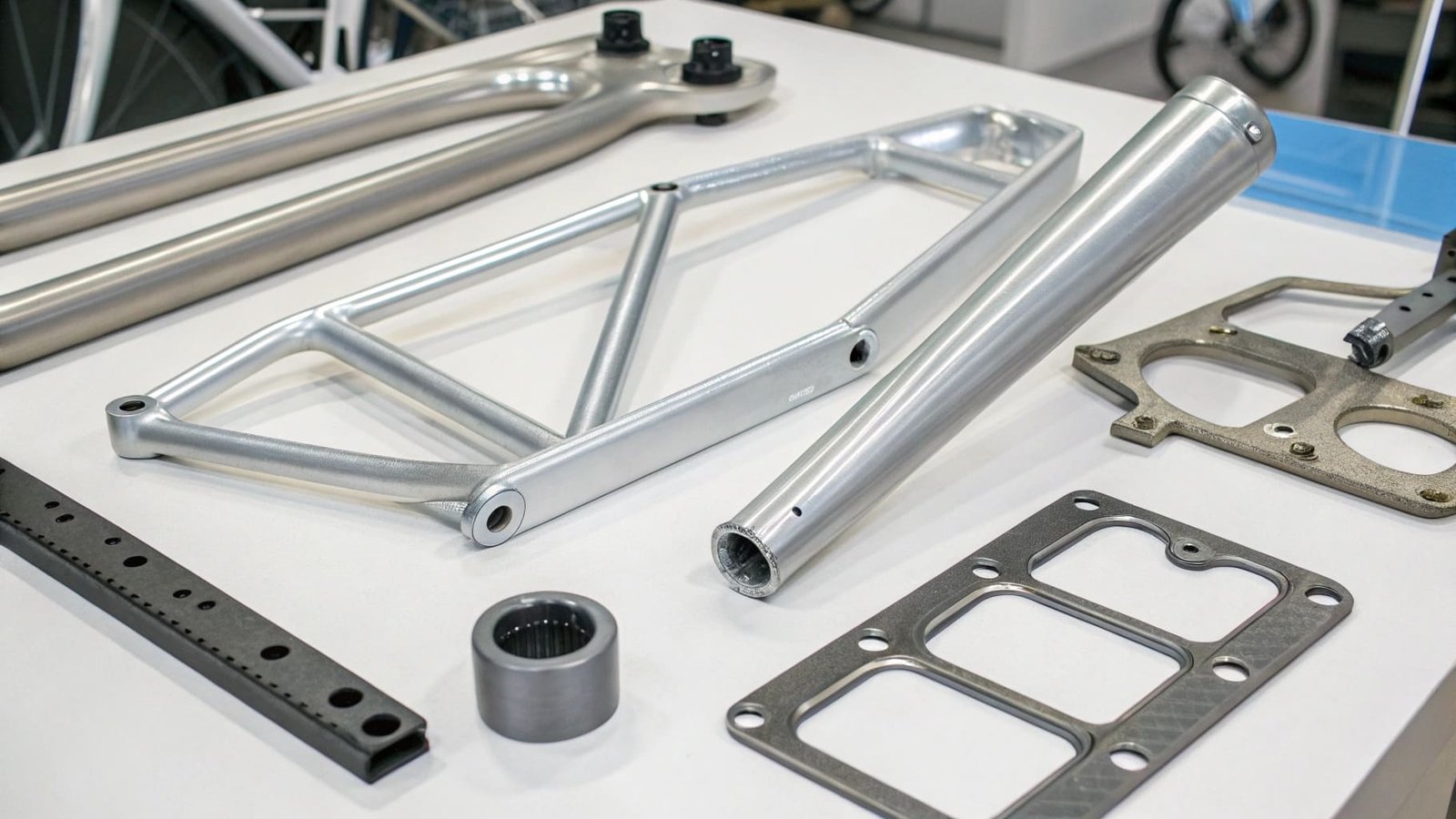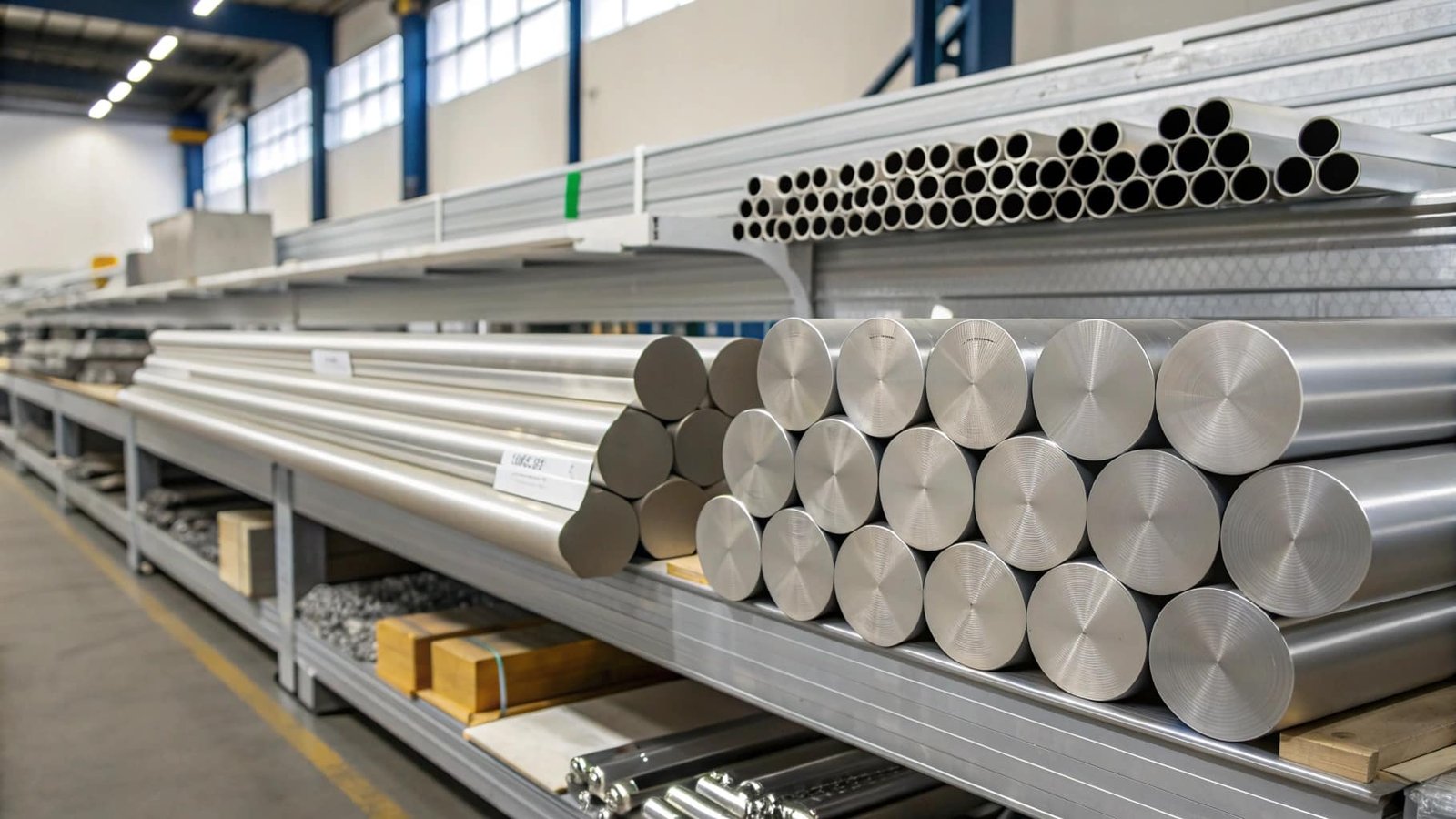
Aluminum is a metal that offers a unique combination of characteristics, making it incredibly useful across many industries.
The main properties of aluminum that make it so versatile include its low density, making it very lightweight; its excellent corrosion resistance, especially in ambient conditions; its high strength-to-weight ratio1, meaning it's strong for its weight; its good thermal and electrical conductivity; its malleability and ductility, allowing it to be shaped easily; and its non-magnetic nature. Chemically, aluminum is a reactive metal that readily forms a protective oxide layer (alumina) on its surface when exposed to air, which is largely responsible for its excellent corrosion resistance. The aluminum in a can is typically a thin sheet of alloy, often from the 3000 or 5000 series, chosen for its adequate strength, formability to create the can's shape, and excellent corrosion resistance to protect the contents, combined with light weight for transport. These properties are incredibly useful because they allow for the creation of strong yet lightweight structures and components in aerospace2, automotive, construction, and packaging, leading to fuel efficiency, ease of handling, and product longevity. SWA Forging leverages these fundamental aluminum properties, such as low density, high strength-to-weight ratio, and excellent corrosion resistance, to design and manufacture high-performance forged components engineered for specific, demanding applications.
At SWA Forging, we harness the remarkable properties of aluminum. Whether fabricating custom forged rings or high-performance discs, we rely on aluminum's inherent qualities – its lightness, strength, and resistance to degradation – to create components that meet and exceed our clients' demanding specifications. We ensure that the exact properties needed for your application are present in every forged piece.
What are the main properties of aluminum?
When engineers and designers consider aluminum, what are the fundamental characteristics that consistently make it a material of choice across so many sectors?
The primary properties of aluminum that establish its widespread use are its low density, excellent corrosion resistance3, high strength-to-weight ratio, good electrical and thermal conductivity, malleability, ductility, and non-toxicity. Aluminum is about one-third the density of steel, making it exceptionally lightweight. Although it is a reactive metal, it quickly forms a passive, tenacious oxide layer of aluminum oxide (alumina) on its surface when exposed to oxygen. This self-healing layer protects the underlying metal from further corrosion in most environments, making it highly durable. Its strength-to-weight ratio is superior to many other common structural metals, allowing for strong components that are also light. Furthermore, aluminum conducts electricity and heat very efficiently, though not as well as copper, making it useful in electrical wiring and heat exchangers. Its ductility and malleability mean it can be easily rolled into thin sheets, drawn into wires, extruded into complex shapes, and forged into intricate parts without breaking. Finally, aluminum is non-magnetic and non-toxic, which are beneficial for specific applications.
| Property | Description | Utility in Different Industries |
|---|---|---|
| Low Density | Approximately 2.7 g/cm³, about one-third that of steel. | Aerospace, Automotive: Reduces vehicle weight, improving fuel efficiency and performance. Packaging: Makes containers lighter and easier to handle. |
| Corrosion Resistance | Forms a tough, passive oxide layer (alumina) that protects the underlying metal. | Construction: Used for window frames, facades, roofing, and outdoor structures. Marine: Resists saltwater corrosion. Food & Beverage: Safe for containers and cookware. |
| High Strength-to-Weight Ratio | Strong for its density when alloyed and/or heat-treated. | Aerospace, Automotive: Enables the creation of strong, lightweight structures and components. Sporting Goods: Used in bicycle frames, golf clubs, and tennis rackets. |
| Electrical Conductivity | About 60% of copper, making it a good conductor. | Electrical Power Transmission: Used for overhead power lines due to its light weight compared to copper. Electronics: Found in heat sinks and some wiring. |
| Thermal Conductivity | Good conductor of heat. | Cookware: Used for pots and pans for even heating. Heat Exchangers: Found in radiators and air conditioning systems. |
| Malleability & Ductility | Can be easily shaped, rolled into thin sheets, drawn into wires, and extruded. | Packaging: Rolled into foil and sheet for cans and wrappers. Construction: Extruded into complex profiles for windows and doors. Manufacturing: Easily forged and machined into intricate parts. |
| Non-Magnetic & Non-Toxic | Does not interfere with magnetic fields; safe for contact with food and skin. | Electronics: Useful where magnetic interference must be avoided. Food Packaging & Cookware: Ensures safety and purity of contents. Medical Devices: Some applications may benefit from being non-magnetic. |
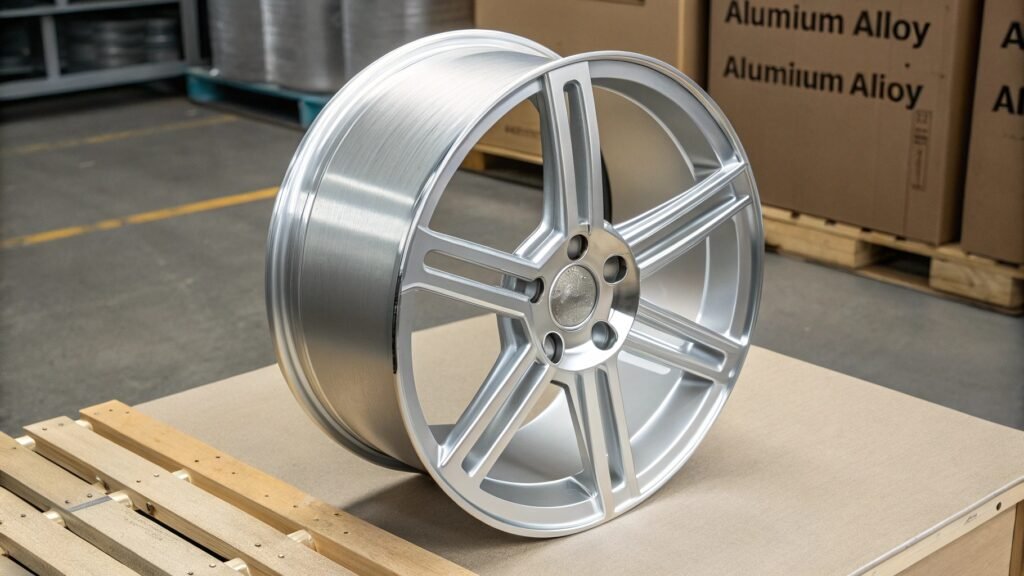
Here at SWA Forging, these fundamental properties are exactly what we leverage. When we create custom forged components—be they large rings for industrial machinery or discs for specialized equipment—we select the aluminum alloy and temper that best utilize these characteristics to deliver optimal performance, durability, and efficiency tailored to each client's specific application.
What is the chemical property of aluminum?
While physical properties are easily observable, understanding aluminum's chemical behavior is key to predicting its long-term performance and interactions. What are its defining chemical traits?
The primary chemical property of aluminum is its high reactivity, stemming from its position in the electrochemical series. Aluminum readily loses its three valence electrons to form the trivalent aluminum ion (Al³⁺). However, this high reactivity is largely masked by the rapid formation of a thin, tough, and adherent protective layer of aluminum oxide (Al₂O₃) on its surface when exposed to oxygen or water. This passive oxide layer forms almost instantaneously and is highly resistant to further chemical attack in typical atmospheric conditions, as well as in neutral or slightly acidic or alkaline environments. This process is known as passivation and is the reason why aluminum is so resistant to corrosion, despite its inherent electrochemical potential. Aluminum can react vigorously with strong acids (like hydrochloric acid or sulfuric acid) to produce hydrogen gas and aluminum salts, and with strong bases (like sodium hydroxide) to produce hydrogen gas and aluminates. It does not react with water at room temperature, though it will react at high temperatures. It is also susceptible to galvanic corrosion when in contact with less noble metals in the presence of an electrolyte.
| Chemical Reaction / Property | Description | Resulting Impact / Application Relevance |
|---|---|---|
| High Affinity for Oxygen | Readily oxidizes, forming aluminum oxide (Al₂O₃). | Passivation: Forms a protective, self-healing oxide layer that makes it corrosion-resistant in many environments. This is its most defining chemical trait regarding durability. |
| Amphoteric Nature | Reacts with both strong acids and strong bases. | Cleaning & Etching: Can be used for surface preparation, but requires controlled environments. Chemical Resistance: Insoluble in water but susceptible to strong alkalis. |
| Electrochemical Potential | High negative potential (reactive metal). | Galvanic Corrosion: Susceptible to corrosion when in contact with more noble metals (e.g., steel, copper) in an electrolyte. Requires careful material pairing or coatings. |
| Reaction with Water | Does not react with water at room temperature due to the oxide layer. Reacts at elevated temperatures. | Durability: Stable in most water-based environments, unlike iron which readily rusts. |
| Non-Magnetic | Does not exhibit magnetic properties. | Electronics: Useful in applications where magnetic fields must not be affected, such as in sensitive electronic devices or enclosures. |
| Non-Toxic | Generally considered safe for human contact and consumption. | Food & Beverage Packaging: Widely used for cans, foils, and containers. Medical Devices: Some applications use aluminum alloys. |
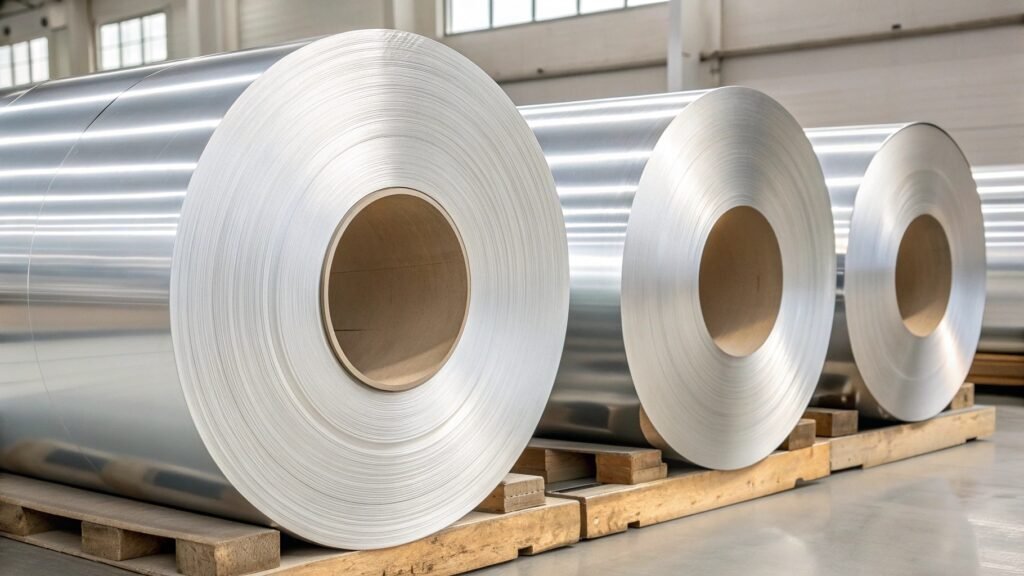
In my work at SWA Forging, understanding these chemical properties is crucial, especially regarding corrosion resistance and potential interactions with other materials if used in composite assemblies. It ensures that our forged components are not only mechanically sound but also chemically stable and durable in their intended operational environments, whether that's aerospace, industrial, or marine.
What are the properties of aluminum in the can?
Aluminum cans are ubiquitous, a testament to their material properties. What specific traits make aluminum, in its thin-sheet form, so ideal for beverage and food packaging?
The aluminum used for beverage and food cans is typically a thin sheet of a strain-hardened alloy, most commonly from the 3004, 3104, or 5082 series, or even 5182 for lids. These alloys are chosen for a specific combination of properties that are optimized for can manufacturing and performance. Firstly, their excellent formability and ductility allow them to be easily deep-drawn and shaped into the characteristic cylindrical can shape, and hammered into the intricate lid design. Secondly, their adequate strength provides sufficient rigidity to contain the internal pressure of carbonated beverages or the vacuum in food cans, yet they remain lightweight, significantly reducing shipping costs. Thirdly, their exceptional corrosion resistance is vital; the aluminum forms a protective oxide layer that prevents interaction with the beverage or food, ensuring product purity and shelf stability. Finally, their light weight and recyclability make them an environmentally and economically attractive packaging solution. The thinness of the aluminum is possible because the stresses are relatively low compared to aerospace applications, and the can's cylindrical shape provides structural integrity.
| Property Relevant to Cans | Alloy Used (Common Examples) | How it Helps Cans |
|---|---|---|
| Formability/Ductility | 3004, 3104, 5082, 5182 | Allows the metal to be easily deep-drawn into the can body shape and stamped into the lid, even with intricate pull-tab designs, without cracking. This is crucial for high-speed manufacturing. |
| Strength (Adequate) | 3004, 3104, 5082, 5182 | Provides enough structural integrity to withstand the internal pressure of carbonated drinks (up to 90 psi) and the vacuum in some food cans, while remaining thin and light. The cylindrical shape itself adds considerable structural strength. |
| Corrosion Resistance | All listed alloys | Protects the beverage or food from contamination by the can material. The natural oxide layer prevents unwanted chemical reactions, maintaining product taste, quality, and safety. |
| Lightweight | All listed alloys | Significantly reduces shipping weight and costs from the filling plant to the consumer. Aluminum is about 95% lighter than glass for the same volume. |
| Recyclability | All listed alloys | Aluminum is infinitely recyclable with a huge saving in energy (up to 95% less energy than producing new aluminum from ore). This makes cans an environmentally sound choice. |
| Thermal Conductivity | All listed alloys | Allows the can to cool down drinks quickly when refrigerated, a desirable consumer benefit. |

While SWA Forging primarily manufactures large forged components, the understanding of how material properties are optimized for specific applications, like the aluminum can, informs our approach. We apply similar rigorous attention to tailoring alloy selection and processing to achieve the precise performance characteristics—whether it's the formability and corrosion resistance for a can or extreme strength for an industrial component—that our clients require.
How are the properties of aluminium useful?
The combination of aluminum's characteristics is not just a list of facts; it translates into tangible benefits across countless applications from everyday objects to advanced technology.
The usefulness of aluminum's properties lies in how they enable innovative designs and improve the performance and efficiency of various products and industries. Its low density and high strength-to-weight ratio are paramount for the transportation sector, allowing for lighter vehicles (cars, planes, trains) that consume less fuel and reduce emissions. In construction, its corrosion resistance and light weight make it ideal for durable, low-maintenance building facades, window frames, and roofing that can withstand various weather conditions without significant degradation. For packaging, aluminum's formability, corrosion resistance, and recyclability have made it the standard for beverage cans and food containers, ensuring product integrity and reducing environmental impact. Its electrical conductivity makes it a viable alternative to copper for certain wiring applications, especially where weight is a concern (like overhead power lines). Its thermal conductivity is leveraged in cookware and heat exchangers for efficient energy transfer. Furthermore, aluminum's non-toxicity makes it safe for use in food-contact applications and medical devices. Essentially, aluminum's properties allow for materials that are strong yet light, durable yet easy to shape, conductive yet resistant to degradation, leading to more efficient, cost-effective, and sustainable solutions across a vast spectrum of human endeavor.
| Property of Aluminum | Direct Usefulness & Resulting Benefits |
|---|---|
| Lightweight (Low Density) | Transportation: Lighter vehicles mean improved fuel efficiency, reduced carbon emissions, and enhanced performance (faster acceleration, better handling). Aerospace: Critical for reducing launch mass of rockets and satellites, leading to lower mission costs and higher payload capacities. Consumer Goods: Easier to handle and transport products, from beverage cans to portable electronics. Construction: Easier to install building components, reducing labor costs and structural load on foundations. |
| Corrosion Resistance | Construction: Extends the lifespan of buildings, reducing maintenance costs and replacements. Outdoor Applications: Ideal for signage, street furniture, and marine components where exposure to elements is high. Packaging: Ensures product safety, purity, and shelf-life, as it doesn't react with contents. Durability: Components last longer in harsh environments. |
| High Strength-to-Weight | Structural Integrity: Enables the creation of strong components that are significantly lighter than steel equivalents, important in load-bearing applications like aircraft frames, vehicle chassis, and bridges. Performance Enhancement: Allows for designs that are both robust and energy-efficient. Reduced Material Usage: In some cases, lighter components can still be very strong, leading to material savings. |
| Formability & Malleability | Complex Shapes: Allows for the manufacturing of intricate parts and profiles (e.g., window frames, heat sinks, engine components) through extrusion, stamping, and forging. Efficient Manufacturing: Enables high-volume production of items like cans, foils, and sheet metal parts. Design Flexibility: Opens up possibilities for innovative product designs that might be impossible with more rigid materials. Ease of Fabrication: Simplifies assembly and manufacturing processes. |
| Electrical & Thermal Conductivity | Electrical: Used in power transmission lines to reduce weight. Useful in heat sinks for electronics to dissipate heat effectively. Thermal: Excellent for cookware for even heating, and in radiators and HVAC systems for efficient heat exchange. Energy Efficiency: Contributes to more efficient energy systems and appliances. |
| Non-Toxic & Non-Magnetic | Safety: Crucial for food packaging and medical devices. Electronics: Prevents interference in sensitive equipment. Broad Application: Makes it suitable for a wider range of uses without performance compromises from magnetic effects. |
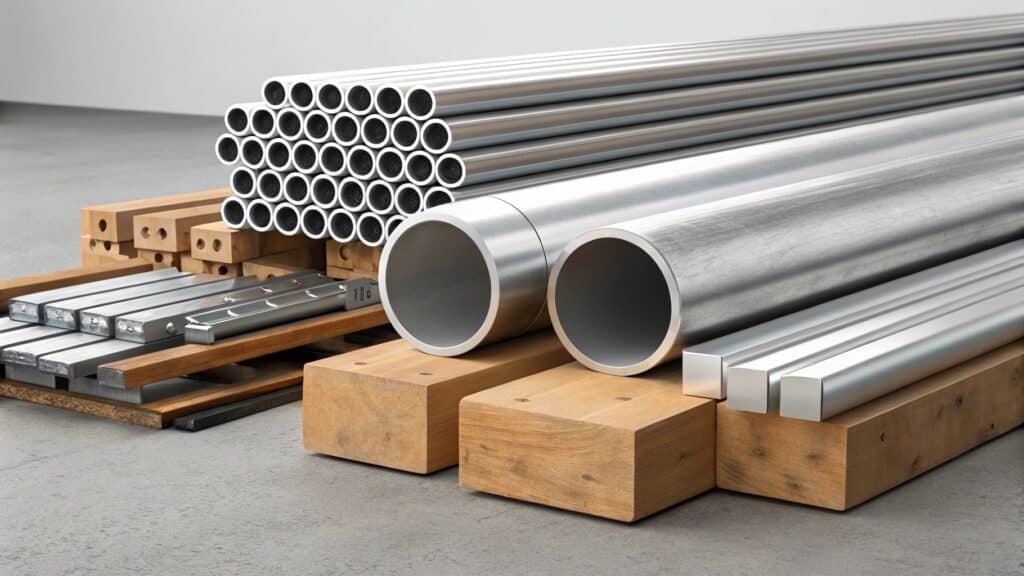
At SWA Forging, we expertly utilize these same fundamental properties of aluminum. By understanding how low density, high strength-to-weight ratios, and corrosion resistance translate into tangible benefits for our clients, we engineer and forge custom components that perform exceptionally well in their intended environments. We select and process our aluminum alloys to maximize these useful properties, ensuring that every forged ring and disc we deliver offers the precise advantages our customers need.
Conclusion
Aluminum's key properties—lightness, corrosion resistance, strength-to-weight, conductivity, and formability—make it incredibly useful, from packaging cans to high-performance forged components built by SWA Forging.