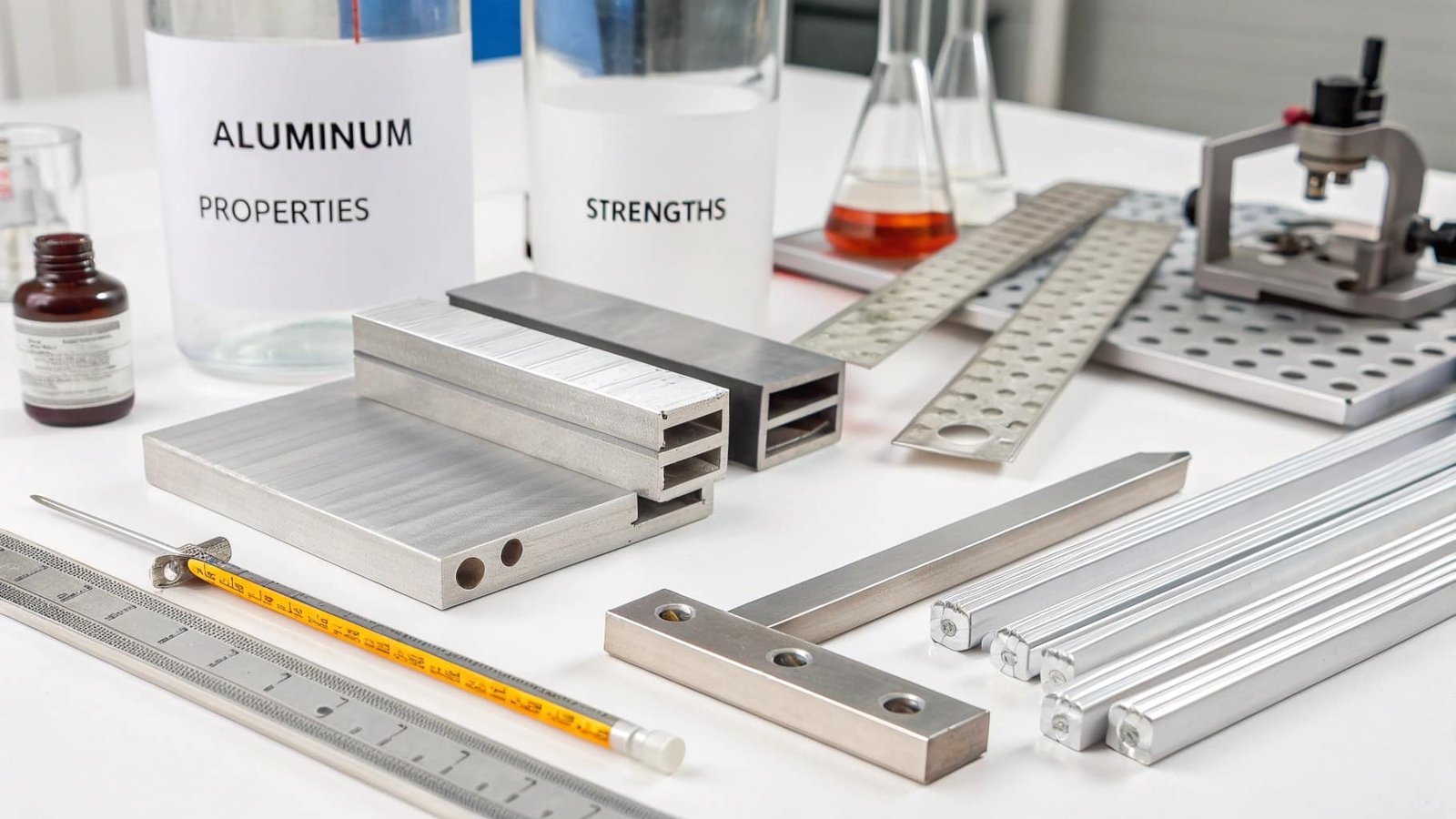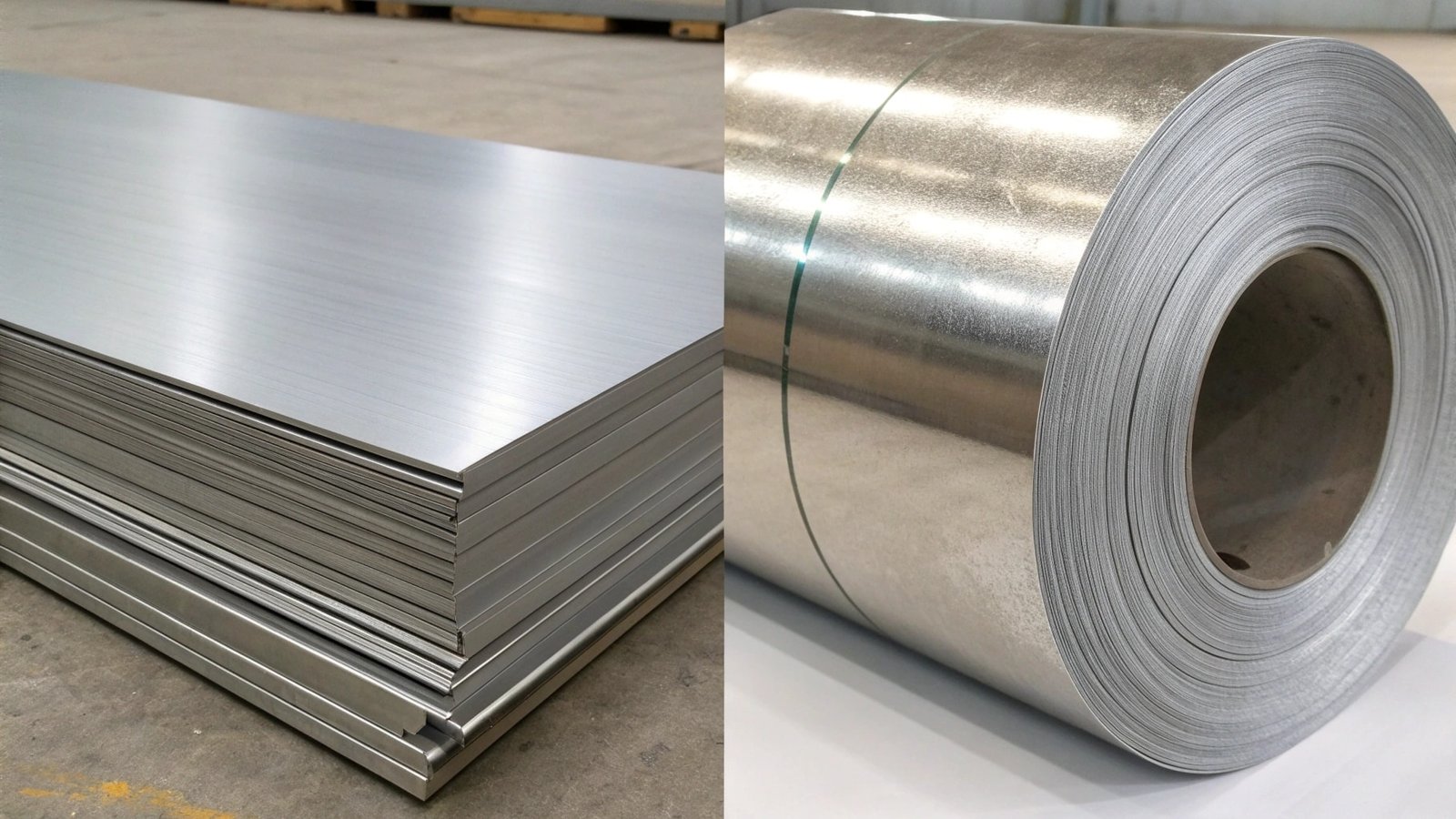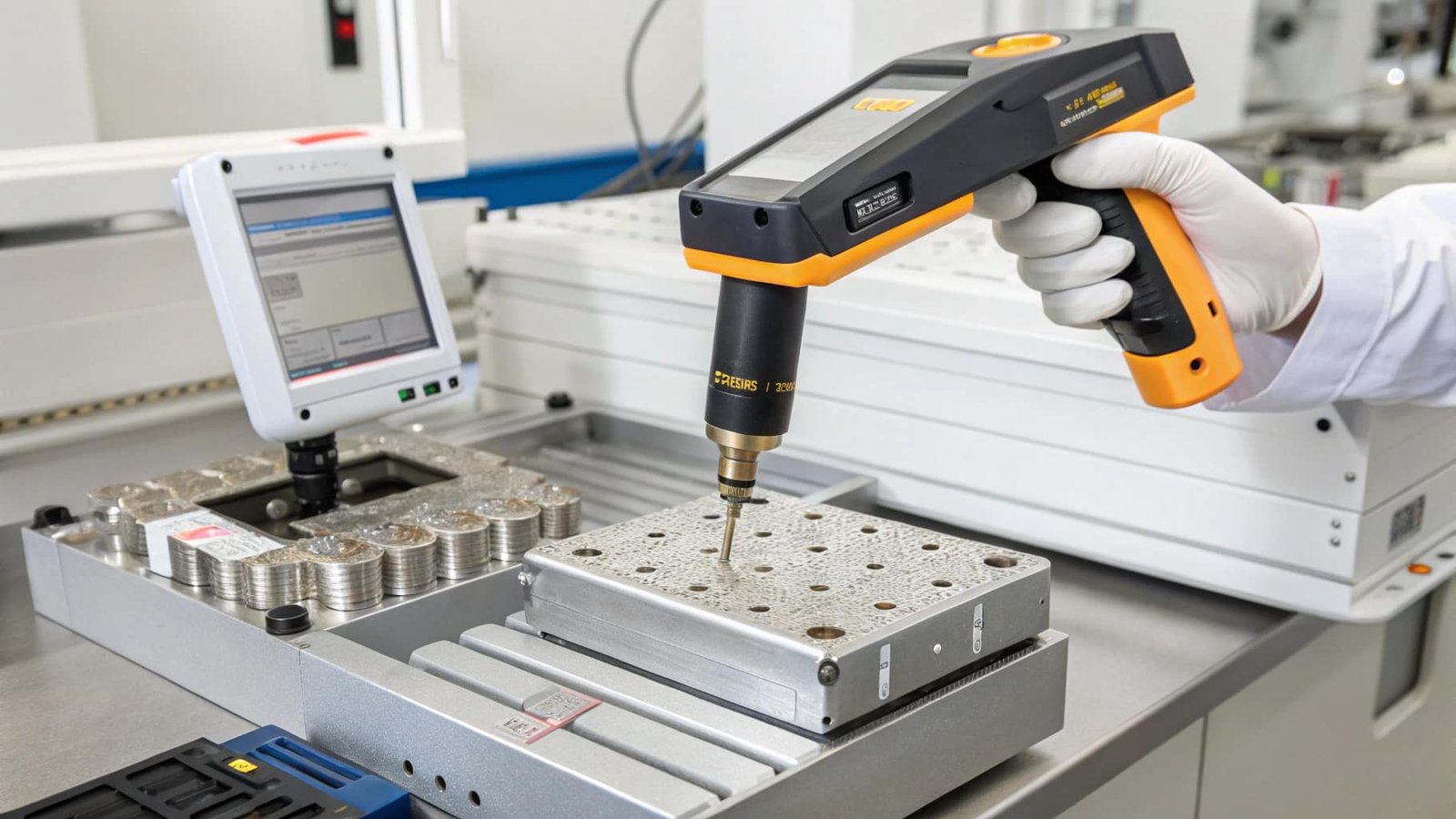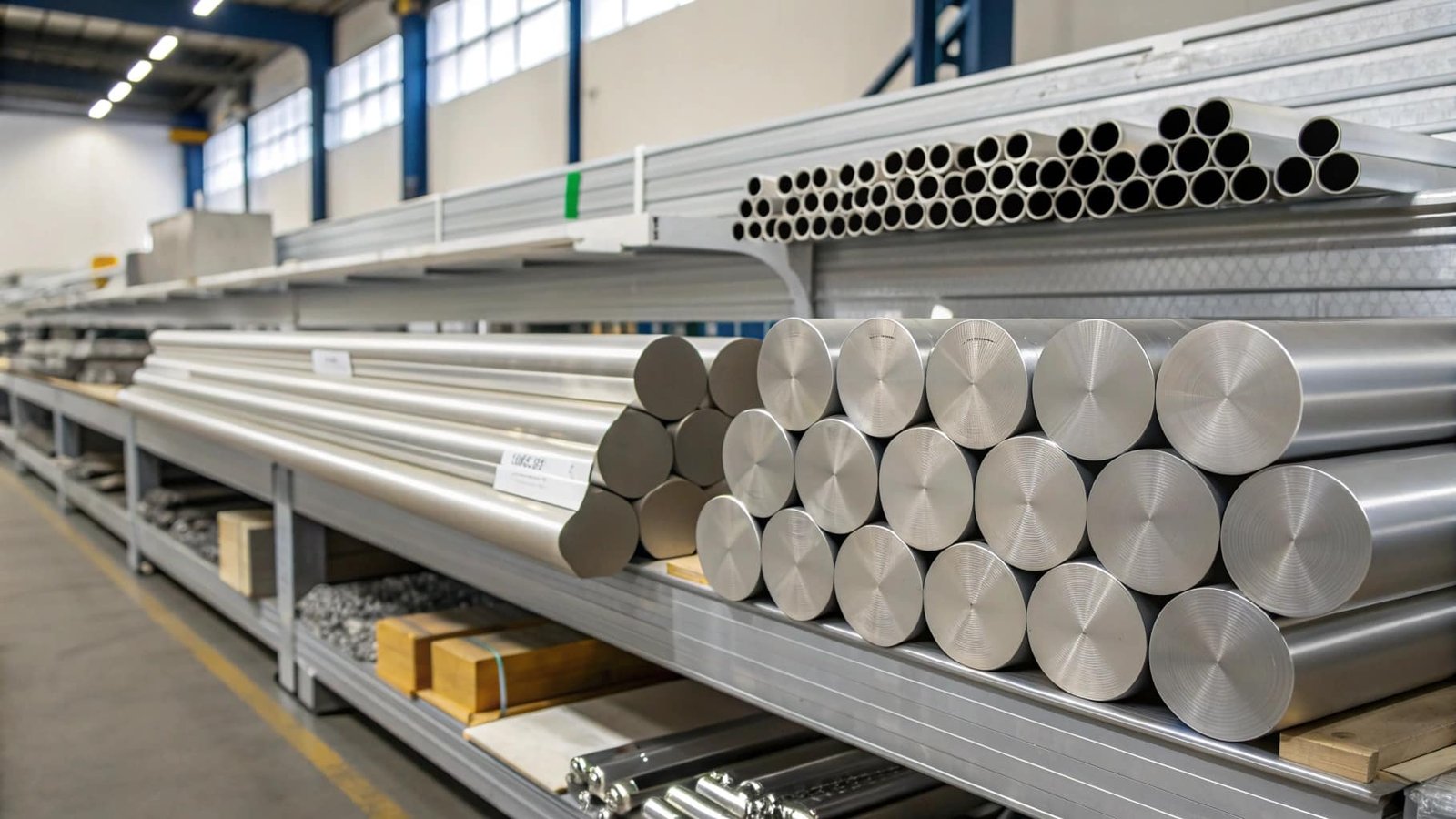
You need to select an aluminum alloy, but the vast number of options is overwhelming. You just want a reliable, standard choice that won't cause problems with supply chains or unexpected manufacturing challenges down the line.
The best examples are the industry workhorses: 60611 for general-purpose structural use, 70752 for high-strength aerospace applications, and 50833 for marine-grade corrosion resistance4. These alloys are proven, reliable, and readily available, covering most industrial needs.
Consider 6061. It's the industry's universal reference point. For traders, it's a high-demand staple; for machinists, it's the predictable, all-purpose workhorse. Its balanced properties make it the default choice, the standard against which more specialized alloys are measured. At SWA Forging, we see these "go-to" alloys as the foundation of smart material selection, and we always guide our clients toward these proven solutions first.
Why is 6061 the Quintessential Example of an Aluminum Alloy?
You need a strong, reliable, and versatile material for a general-purpose application. You don't want to overpay for exotic strength you don't need, nor do you want to compromise on critical properties like machinability.
6061 is the quintessential example because it provides the best all-around balance of properties. It is a heat-treatable alloy with good strength, excellent corrosion resistance, high machinability, and good weldability. This versatility makes it the most common and typical choice for countless industrial applications.
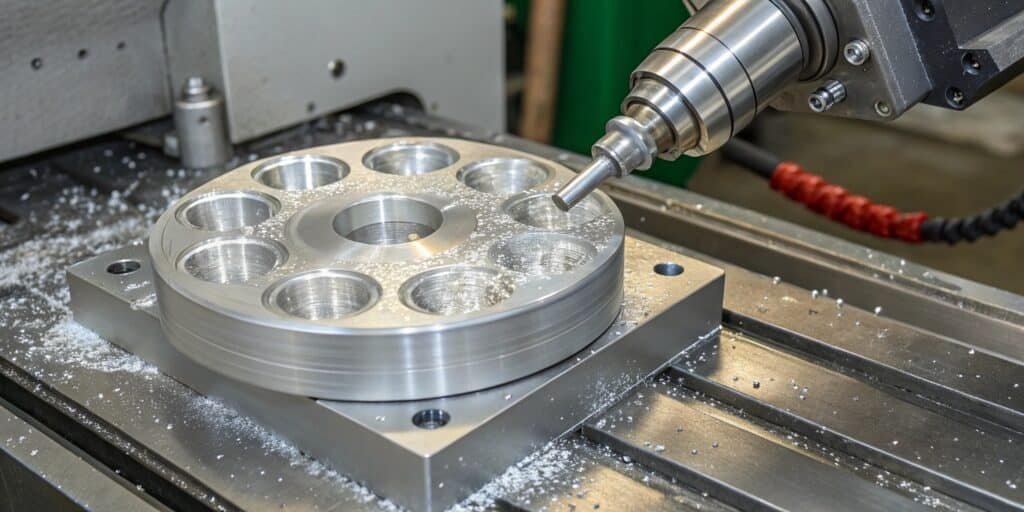
When a customer comes to us without a specific alloy in mind but describes a need for a strong, durable, and easy-to-work-with material, our conversation almost always starts with 6061. For the traders we partner with, it's a high-volume, easy-to-sell product because demand is always consistent. For our machining clients, it’s a dream material. The chip formation is predictable, tool life is excellent, and achieving a good surface finish is straightforward. It’s a known quantity that minimizes production surprises, making it the ultimate workhorse.
The All-Purpose Workhorse: Aluminum 6061-T6
The strength and versatility of 6061 come from its chemistry and heat treatment. As part of the 6xxx series, its main alloying elements are magnesium and silicon. This allows it to be heat-treated, most commonly to the T6 temper (solution heat-treated and then artificially aged), which significantly boosts its mechanical properties.
Here's why it's the standard against which others are measured:
| Feature | Benefit for Your Application |
|---|---|
| Excellent Strength | In the T6 temper, it's strong enough for most structural parts, machine frames, and fixtures. |
| Great Machinability | It cuts cleanly and predictably, which lowers machining time and cost, and improves surface finish. |
| Good Corrosion Resistance | It holds up well in most environments without needing a protective coating. |
| High Weldability | It can be easily welded, which offers greater flexibility in design and fabrication. |
| Cost-Effective | It provides exceptional performance for its price, offering the best value for most applications. |
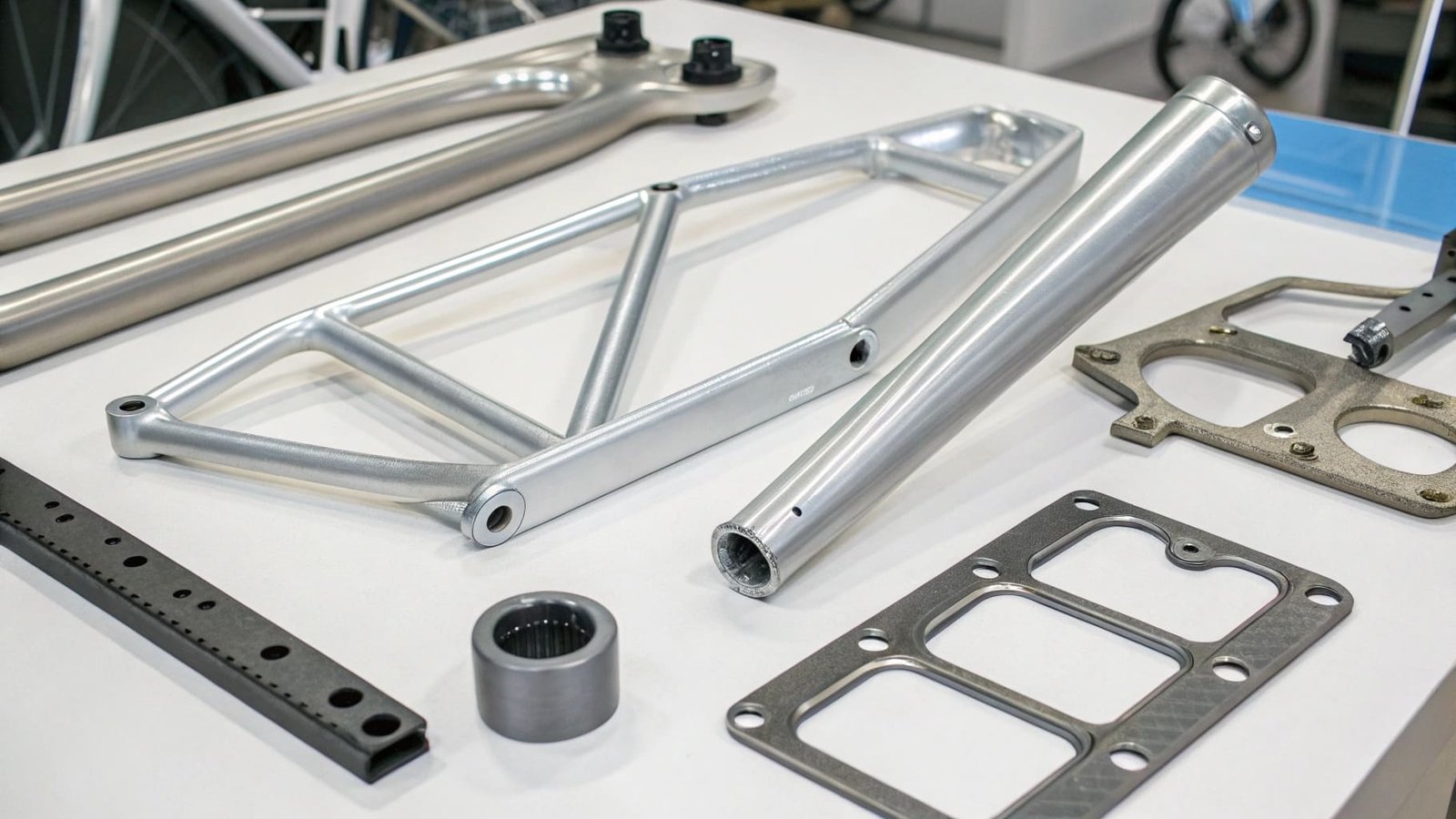
From bicycle frames and scuba tanks to machine base plates and structural components, 6061 is the default choice for a reason.
What are Examples of High-Strength and Specialized Alloys?
Your application demands more than a general-purpose alloy can deliver. You might need extreme strength for a high-stress part or specific resistance to a corrosive environment, and using a standard alloy could lead to failure.
For extreme strength, the primary example is 7075, an aerospace-grade alloy with nearly double the strength of 6061. For specialized corrosion resistance, especially in saltwater, the best example is 5083, a marine-grade alloy valued for its superior durability.
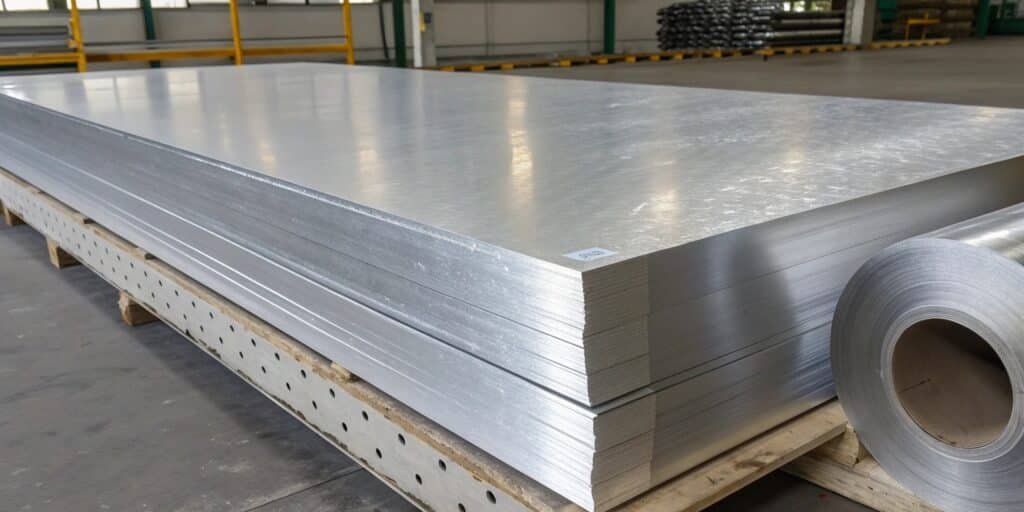
While 6061 is our starting point, many of our clients require performance characteristics that go beyond the basics. This is where our deep forging expertise becomes crucial. For a client in the aerospace or high-performance machinery sector, we immediately discuss the benefits and trade-offs of 7075. For a partner supplying the marine or shipbuilding industry, the conversation is all about 5083. Understanding these specialized examples allows us to provide a tailored solution that ensures performance and safety.
Pushing the Performance Envelope
When you move beyond general-purpose needs, you enter the world of specialized performance.
-
The High-Strength Champion: Aluminum 7075
When the primary requirement is the highest possible strength-to-weight ratio5, 7075 is the undisputed king. Its main alloying element is zinc, and in its heat-treated T6 condition, its strength is comparable to many steels. This makes it essential for applications where failure is not an option. You'll find it in aircraft structural components, military hardware, high-pressure molds, and high-performance sporting goods. However, this incredible strength comes with trade-offs. 7075 is more expensive, less resistant to corrosion (often requiring an anodized or painted coating), and is generally considered unweldable. -
The Marine Workhorse: Aluminum 5083
When the operating environment involves saltwater or harsh chemicals, 5083 is the premier choice. As a member of the 5xxx series, its primary alloying element is magnesium. This gives it exceptional resistance to corrosion. Unlike 6061 and 7075, 5083 is a non-heat-treatable alloy that gains its strength from strain hardening (the "H" temper). It is also known for retaining its strength very well after welding, making it perfect for large fabricated structures like ship hulls, LNG tankers, and pressure vessels.
Conclusion
Understanding key alloy examples like 6061, 7075, and 5083 is crucial. These industry standards provide proven, reliable starting points for nearly any industrial application, ensuring both performance and value.
-
Explore the versatility and reliability of aluminum 6061, a go-to choice for various industrial applications. ↩
-
Discover why aluminum 7075 is favored in aerospace for its high strength and performance. ↩
-
Learn about aluminum 5083's exceptional corrosion resistance, ideal for marine environments. ↩
-
Explore the importance of corrosion resistance in selecting aluminum alloys for various applications. ↩
-
Understand how the strength-to-weight ratio impacts the performance of aluminum alloys like 7075. ↩