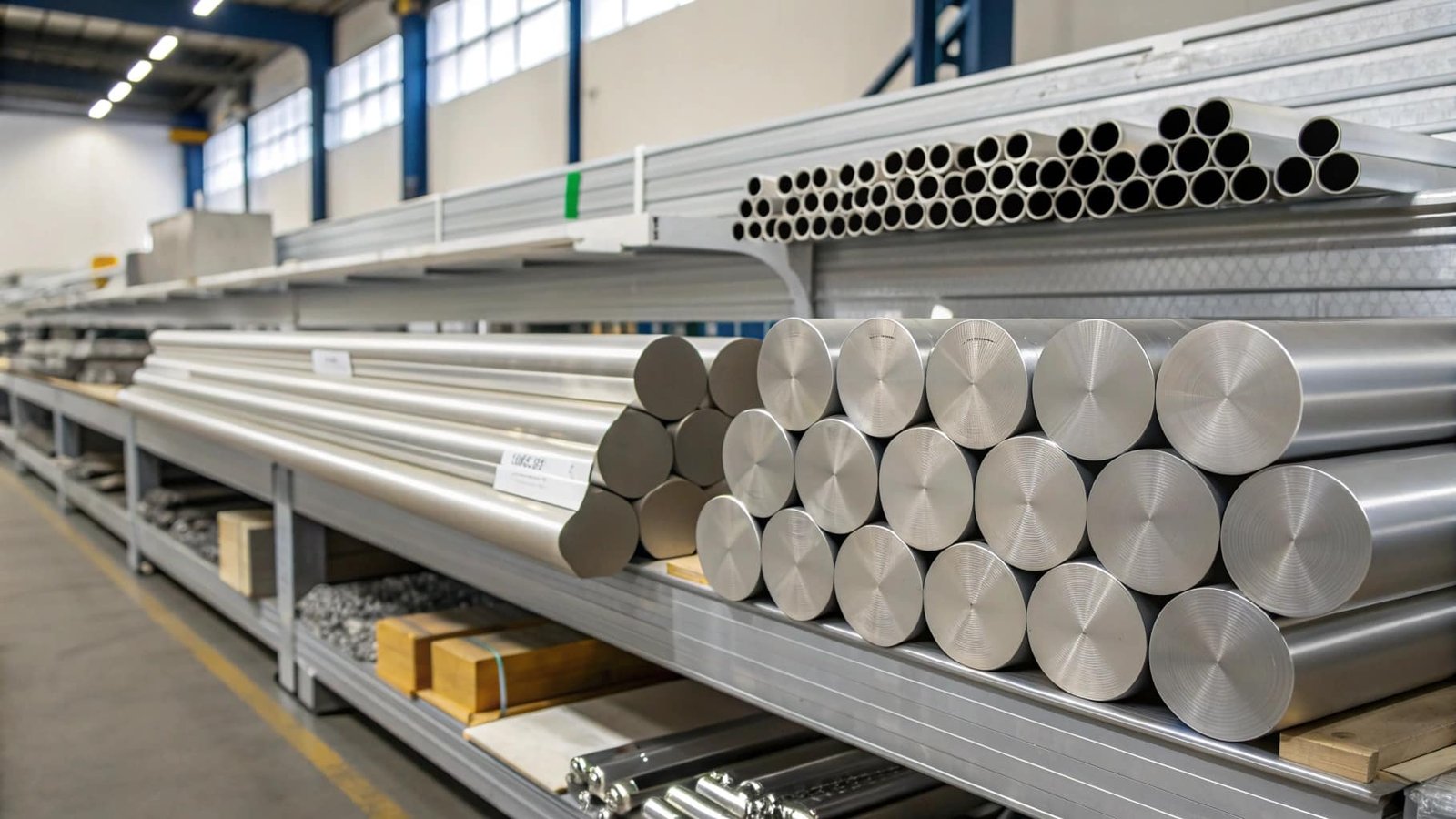
You have a project that needs aluminum, but you're faced with hundreds of options. Choosing the wrong alloy can lead to performance failures, difficult manufacturing, or a budget overrun, jeopardizing your entire project.
The most common aluminum alloys are families like 6000 series (e.g., 6061) and 7000 series (e.g., 7075). They are popular because they offer the market's best balance of strength, corrosion resistance, machinability, and cost, making them low-risk, high-demand choices for most applications.
I've seen many clients overwhelmed by the sheer number of alloys available. That's why we always start the conversation by focusing on the "common alloys." These aren't just a random list; they are the market's proven answers to the fundamental engineering trilemma: balancing performance, processability, and price. For our trading and machining partners, these alloys represent the lowest-risk, highest-demand starting points for almost any project.
How many different alloys of aluminum are there?
You hear about a few popular aluminum alloys, but you wonder about the full extent of options. This uncertainty might make you feel like you are missing out on a better, more specialized material for your needs.
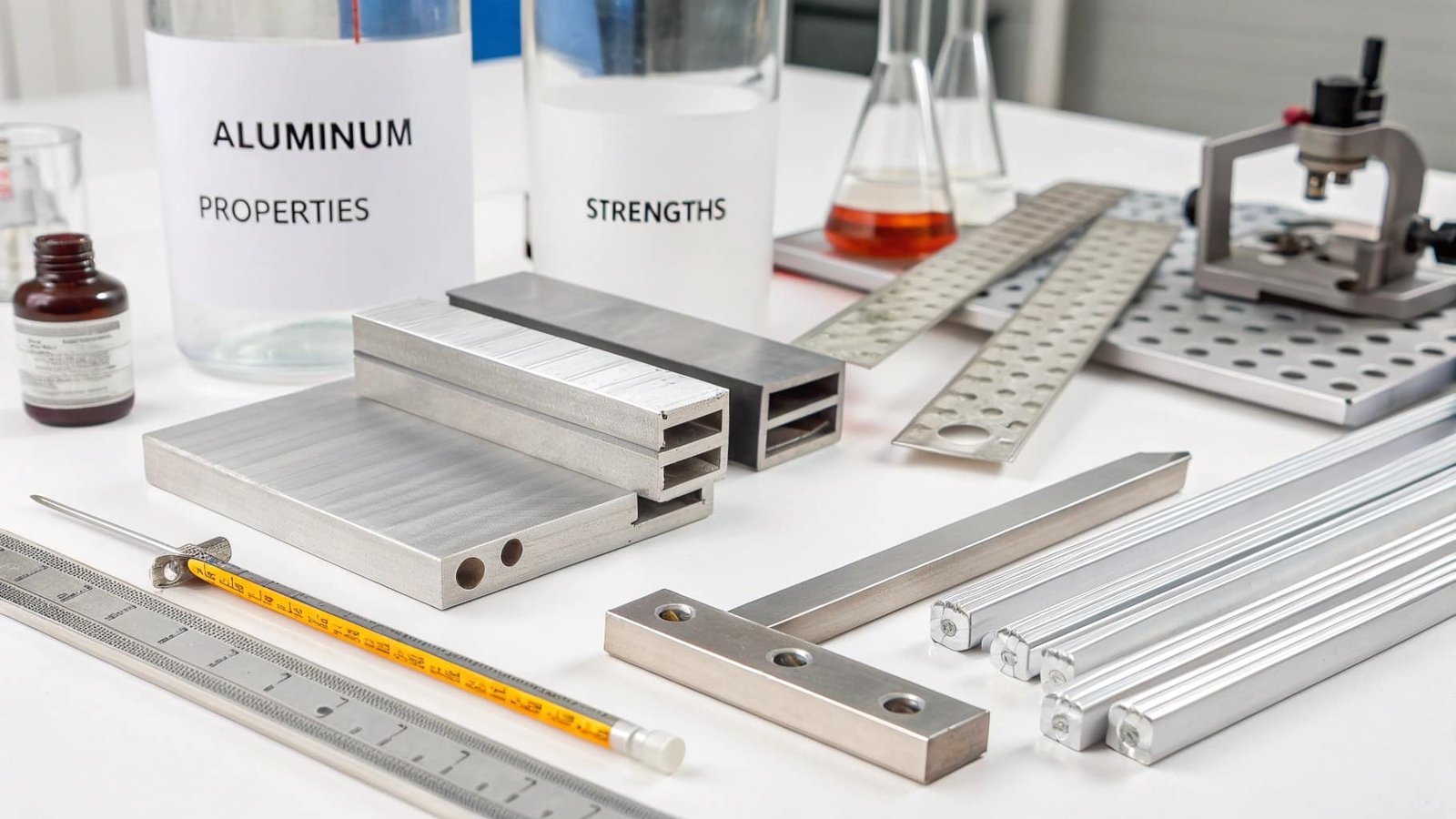
There are over 500 registered wrought aluminum alloys1 and hundreds more casting alloys. They are organized into series (1xxx to 8xxx) based on their primary alloying elements, each offering a unique profile of properties like strength, weldability, or corrosion resistance2.
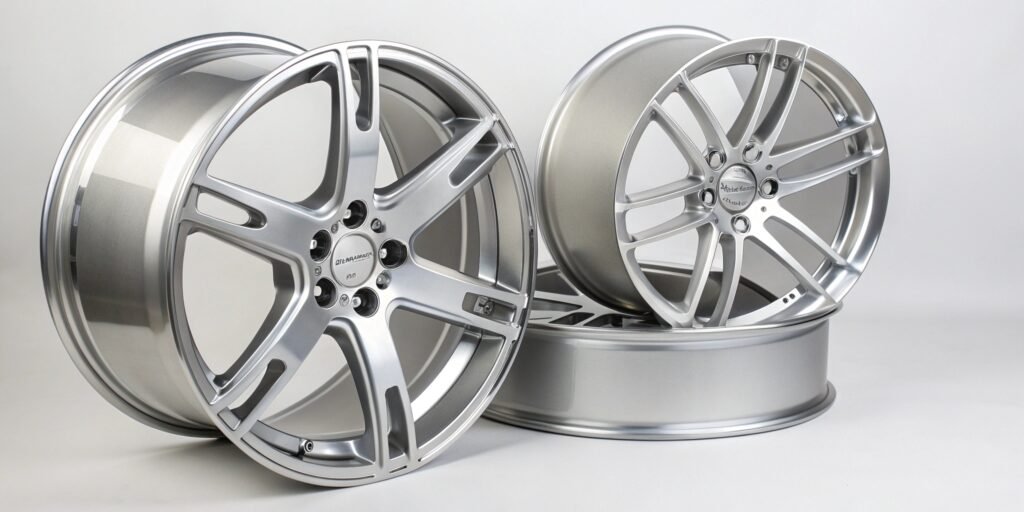
While the number seems daunting, in practice, only a few dozen are used in high volumes. At SWA Forging, we specialize in the alloys that provide the most value for industrial and machining applications. Our expertise lies in helping you navigate this vast landscape to select the perfect material. We focus on the alloys with proven track records, ensuring you get predictable performance every time.
The Aluminum Alloy Families
The system is quite logical. Each series is defined by its main alloying element, which gives it a distinct set of characteristics.
| Alloy Series | Primary Alloying Element(s) | Key Characteristics |
|---|---|---|
| 1xxx | 99%+ Pure Aluminum | Excellent corrosion resistance, highly conductive. Not very strong. |
| 2xxx | Copper | High strength, heat-treatable. Used in aerospace, but lower corrosion resistance. |
| 3xxx | Manganese | Moderate strength, good workability. Common in cooking utensils and heat exchangers. |
| 4xxx | Silicon | Lower melting point. Used for welding wire and brazing applications. |
| 5xxx | Magnesium | Excellent corrosion resistance (especially in saltwater), good weldability. Marine-grade. |
| 6xxx | Magnesium & Silicon | Good strength, machinability, and corrosion resistance. Highly versatile, heat-treatable. |
| 7xxx | Zinc | Highest strength, heat-treatable. The primary choice for aerospace and high-stress parts. |
| 8xxx | Other Elements (e.g., Iron, Lithium) | Specialized properties for unique applications. |
What are the most common alloys of aluminium?
Knowing there are hundreds of alloys isn't helpful when you need to make a practical choice. You need to know which ones are the industry workhorses that you can rely on for consistent supply and performance.
The most common aluminum alloys are 6061, 70753, 5052, 2024, and 3003. These five cover a vast range of applications, from general-purpose structural parts (60614) and aerospace components (7075) to marine-grade sheet metal (5052).
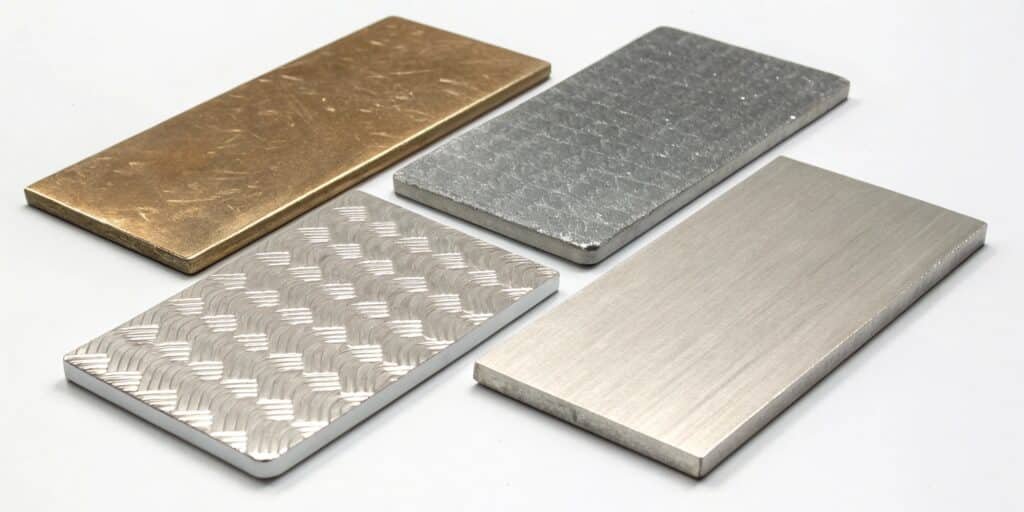
For our customers who are traders, stocking these common alloys is a smart business decision. They are always in demand. For our machining customers, these alloys are well-understood materials with predictable machining characteristics, which simplifies production planning. At SWA Forging, a significant portion of our forged rings and discs are made from the 6xxx and 7xxx series because they offer the superior properties required for high-performance industrial applications.
The "Go-To" List for Industrial Use
Let's break down the top contenders and their primary roles:
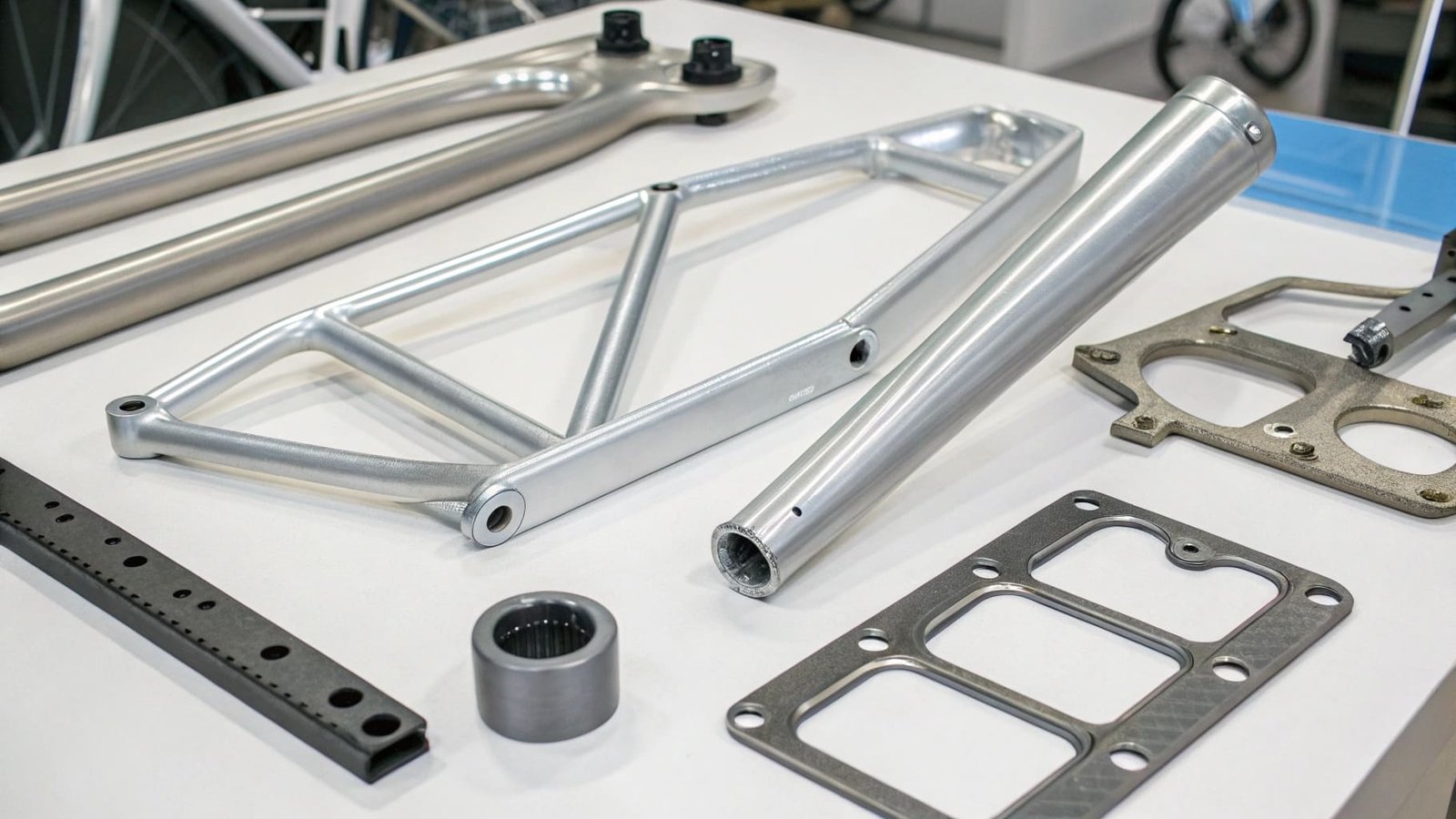
- 6061: The most versatile and widely used aluminum alloy. It's the jack-of-all-trades. It offers a great combination of strength, corrosion resistance, and machinability. It is heat-treatable to the T6 temper for excellent mechanical properties. Perfect for structural components, machine parts, and fixtures.
- 7075: The king of strength. When you need the highest strength-to-weight ratio5, you choose 7075. It is significantly stronger than 6061. This performance comes at a higher cost and with lower corrosion resistance, making it ideal for critical, high-stress applications like aircraft frames, high-performance gears, and molds.
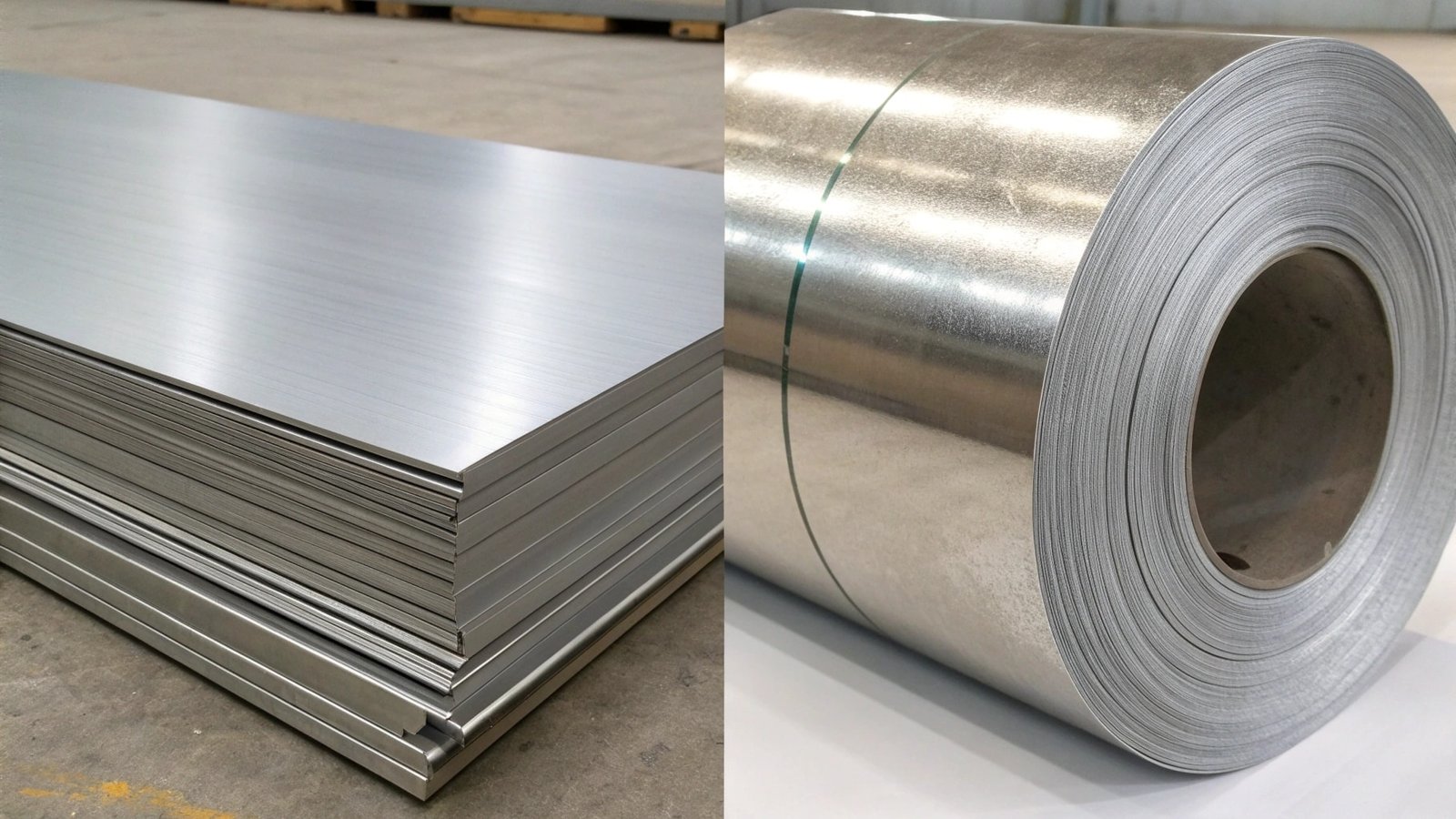
- 5052: The marine and sheet metal champion. It offers the best combination of formability and corrosion resistance among the common non-heat-treatable alloys. You will find it in fuel tanks, boat hulls, and enclosures.
- 2024: An aerospace classic. Alloyed with copper, it provides high strength and excellent fatigue resistance. It's a staple for aircraft structures but requires protective coatings due to lower corrosion resistance.
- 3003: A general-purpose workhorse. It's about 20% stronger than pure aluminum (1100) and has excellent workability and corrosion resistance. Great for heat exchangers and chemical equipment.
Is 6061 or 7075 aluminum stronger?
You need high strength for a critical component, and you've narrowed it down to 6061-T6 and 7075-T6. Making the wrong choice could mean part failure, while over-specifying could waste money unnecessarily.
7075 aluminum is significantly stronger than 6061. In their common T6 tempers, 7075-T6 has a typical tensile strength of around 572 MPa (83,000 psi), which is nearly double the typical tensile strength of 6061-T6 at around 310 MPa (45,000 psi).
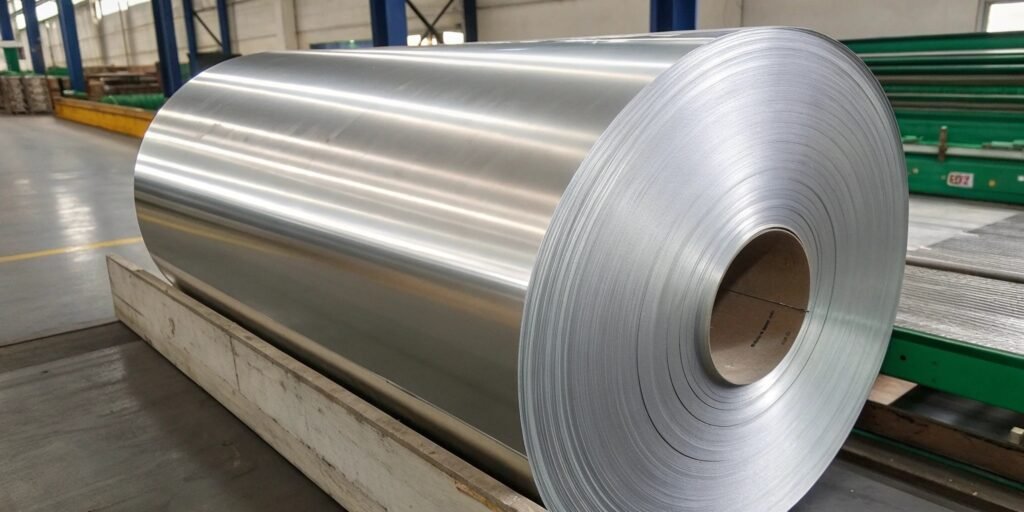
This is a question we address daily with our machining clients. The choice often comes down to balancing performance needs with budget. While 7075 is the clear winner in raw strength, 6061 offers more than enough strength for a huge number of applications at a lower price point and with better corrosion resistance. Our job is to provide you with the high-quality forged material that meets your exact performance requirement, without forcing you to pay for strength you don't need.
Performance vs. Practicality
The decision between these two powerhouse alloys involves a trade-off.
-
Choose 7075 When:
- Maximum Strength is Non-Negotiable: For critical aerospace components, high-pressure molds, or any part where failure is not an option.
- Weight is the Enemy: Its superior strength-to-weight ratio allows for lighter parts that can withstand the same load.
- The Part is Not in a Corrosive Environment: It is more susceptible to stress corrosion cracking than 6061 and often requires a protective coating.
-
Choose 6061 When:
- High Strength is Needed, but Not the Absolute Maximum: It's a robust structural material perfect for most machine parts, base plates, and fixtures.
- Budget is a Key Consideration: It is more economical than 7075.
- Good Corrosion Resistance is Important: It holds up much better in general atmospheric conditions without extra protection.
- Welding is Required: 6061 is readily weldable, whereas 7075 is generally not recommended for welding.
Conclusion
Focusing on common alloys like 6061 and 7075 is a smart strategy. They offer proven, reliable solutions that balance performance and cost, ensuring a successful outcome for your manufacturing projects.
-
Explore this link to understand the various aluminum alloys and their specific applications, helping you make informed choices. ↩
-
Explore how different aluminum alloys resist corrosion and which ones are best for specific environments. ↩
-
Explore the reasons behind 7075's popularity in aerospace and high-performance applications. ↩
-
Find out why 6061 is considered the most versatile aluminum alloy and its common uses in industries. ↩
-
Understand the importance of strength-to-weight ratio in selecting aluminum alloys for various applications. ↩