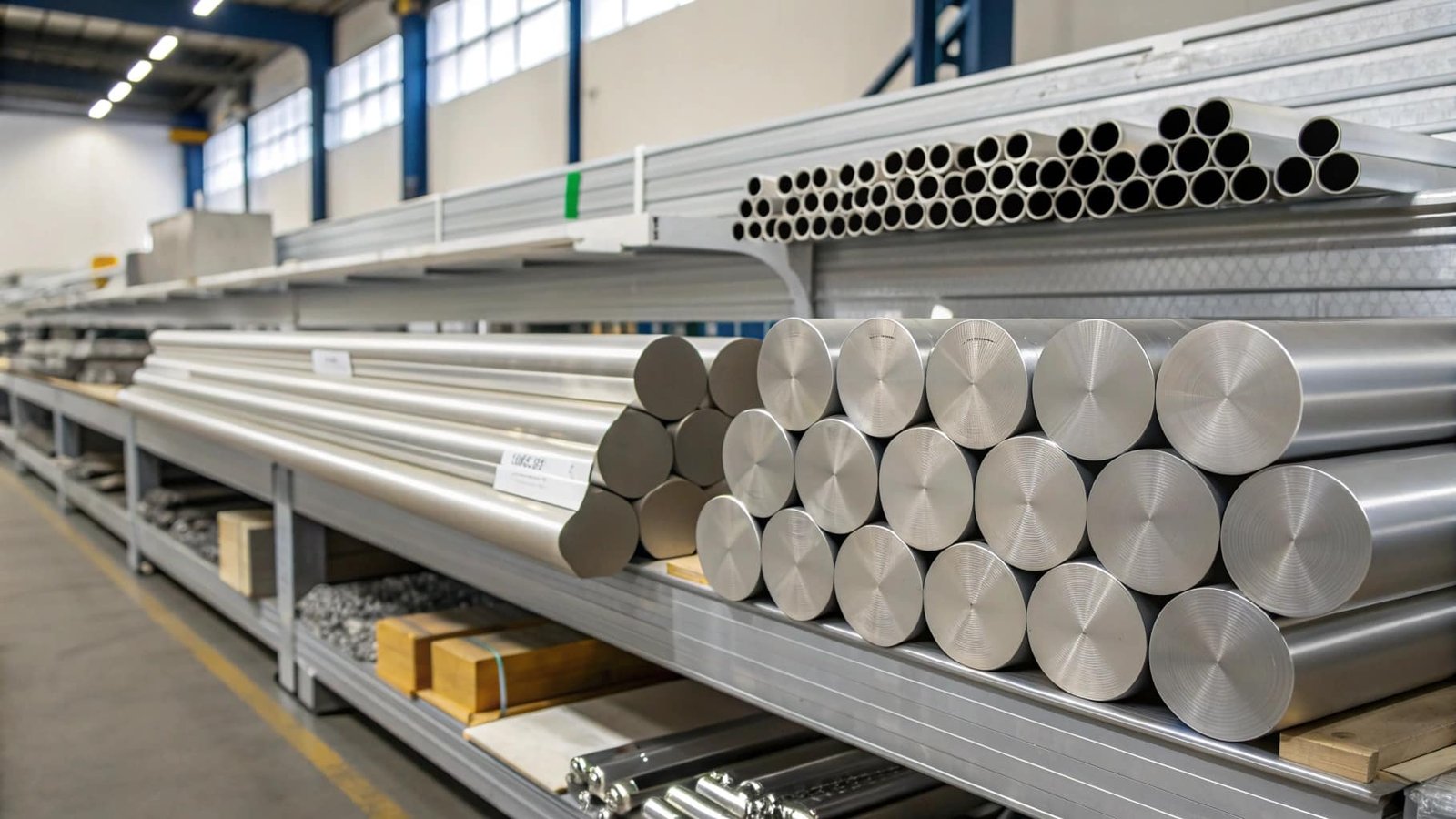
You see "ISO Certified" on every supplier's website, but you still worry about hidden defects causing costly failures during machining. This makes you question if certifications are just paper shields.
A true ISO certification is a commitment to a globally recognized management system. It ensures every step, from raw material to final forging, is controlled, traceable, and optimized to produce a flawless, reliable product, protecting your investment.
When I talk to new clients, especially those in high-precision machining, I tell them that the ISO certificate we provide is not the product. The product is the flawless internal structure of the forging itself. Our ISO certification is the DNA of that forging. It represents a system that guarantees the perfect alignment of every grain and the absence of any microscopic voids or inclusions. It's our promise that your high-value machining operation is protected from the kind of defects that paper certificates alone can't see. This system is our commitment to delivering an asset, not just a material.
What are the most important ISO certifications for a manufacturer?
You see a list of certifications like ISO 9001, ISO 14001, and others. They look impressive, but you're not sure how each one actually benefits you, the customer.
ISO 9001 guarantees quality management for a consistent product. ISO 14001 ensures environmentally responsible operations. And ISO 45001 confirms a commitment to workplace health and safety. Together, they represent a reliable, responsible, and stable manufacturing partner.

As a manufacturer certified in all three, let me break down what this system means for you. Think of them as a three-legged stool that supports our entire operation—and your supply chain.
-
ISO 9001 (Quality Management): This is the most critical one for our clients. It is our rulebook for excellence. It dictates that we have strict procedures for everything: inspecting raw materials, calibrating our forging presses, controlling heat treatment, and performing final inspections. For you, this means every single forged ring or disc we ship is consistent, traceable, and meets the exact specifications you ordered. It's your insurance against defects.
-
ISO 14001 (Environmental Management): This certification shows we are a responsible partner. It means we have systems to minimize waste, reduce our energy consumption, and operate sustainably. For your business, this ensures your supply chain is environmentally compliant and helps you meet your own corporate social responsibility goals.
-
ISO 45001 (Occupational Health & Safety): This protects our most valuable asset: our people. A safe and healthy workforce is a stable and productive one. For you, this means a lower risk of production delays caused by accidents and the assurance you are working with an ethical supplier.
How are specific aluminum alloys defined by standards?
You need to source a specific alloy, like 7075, but you're not sure what that number means. You worry that an alloy from one supplier won't match the one from another.
An aluminum alloy like 7075 is not just a name; it's a specific recipe defined by international standards. These standards dictate the exact chemical composition and minimum mechanical properties, ensuring that 7075 is a high-strength alloy no matter where it is made.
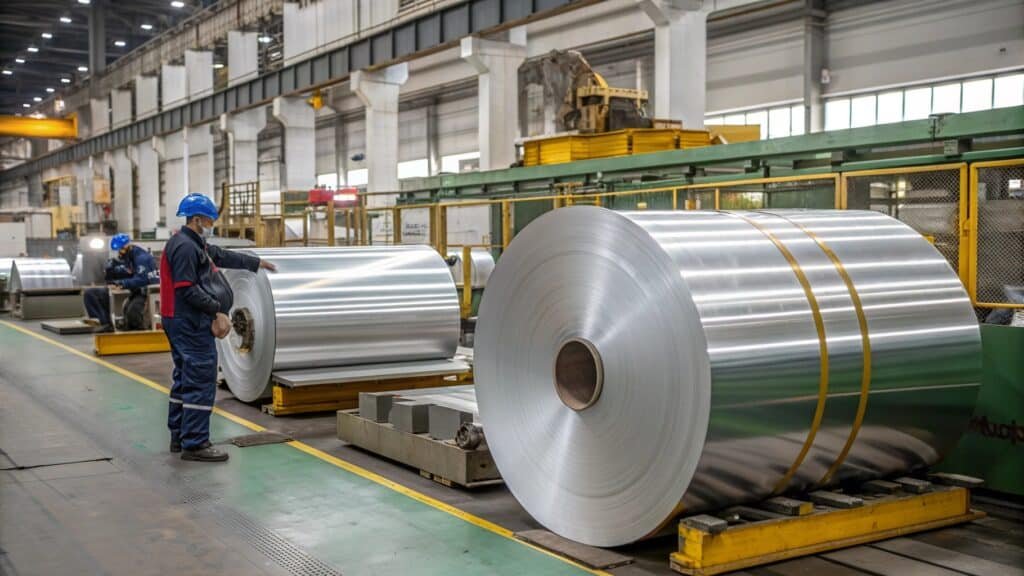
This is a great question. Let's use 7075 as our example. First, yes, 7075 is absolutely an alloy. It's one of the strongest available, and its properties come from adding specific elements to pure aluminum. International standards, like those from ASTM (American Society for Testing and Materials) or ISO, define what "7075" must contain. For 7075, the recipe is very clear: zinc is the primary alloying element (around 5.1-6.1%), with smaller, precise amounts of magnesium and copper. This specific combination is what gives 7075 its incredible strength, which is comparable to many steels. When you order a certified 7075 forged disc from us, you are getting a product that is guaranteed to meet that global recipe. This ensures predictability and reliability in your high-performance applications, from aerospace components to industrial machinery.
How are aluminum alloys identified and coded?
You've seen various codes for metals and wonder if there's a simple one for aluminum. You came across the code "733" and are curious if it applies to aluminum.
Aluminum alloys are identified by a four-digit system established by The Aluminum Association. The first digit indicates the primary alloying element. The code "733" is not a standard identifier for aluminum alloys1 in this widely used system.
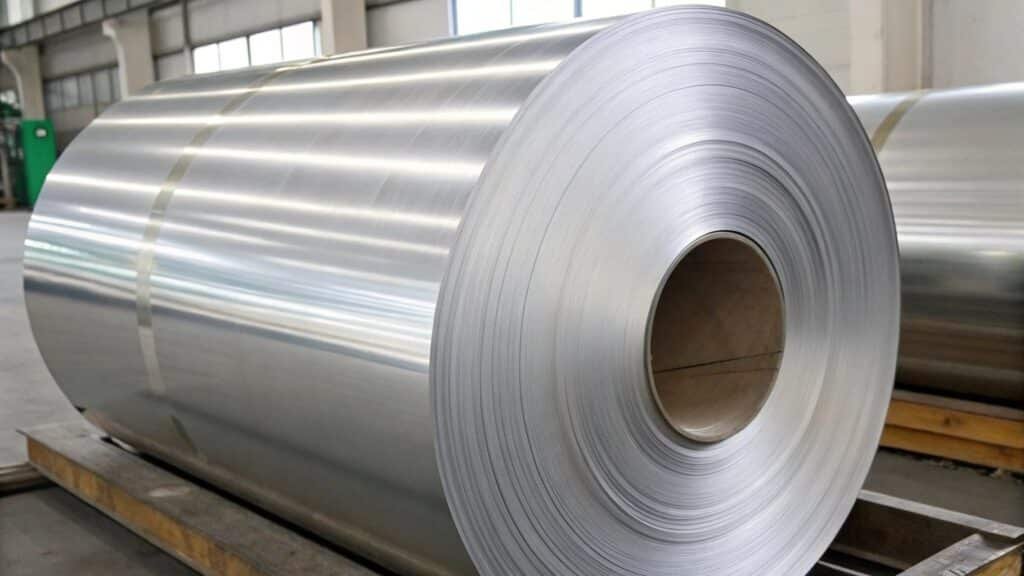
It’s easy to get lost in the world of material codes, so let's simplify it. The global standard for identifying wrought aluminum alloys is a four-digit system. It’s very logical:
- 1xxx series: This is for pure aluminum (99% or higher).
- 2xxx series: Copper is the main alloying element. These are high-strength alloys.
- 5xxx series: Magnesium is the main element. These are known for great corrosion resistance.
- 6xxx series: Magnesium and silicon are the main elements. 6061 is the famous workhorse in this group.
- 7xxx series: Zinc is the main element. This is where you find the ultra-high-strength alloys like 7075.
So, when you see a code like 7075, you immediately know it's a zinc-based aluminum alloy. Regarding the code 733, this is not part of the standard aluminum identification system. It might be an internal company code, a specification for a different material, or part of a less common standard. For clarity and global compatibility, we always rely on the four-digit system. This ensures that every client, whether in the Middle East, Europe, or America, knows exactly what material they are receiving.
Conclusion
An ISO certification is more than a document; it's a systematic promise of internal quality, consistency, and reliability, ensuring every forging you receive is a sound foundation for your success.
-
Gain insights into various aluminum alloys and their applications in industries. ↩