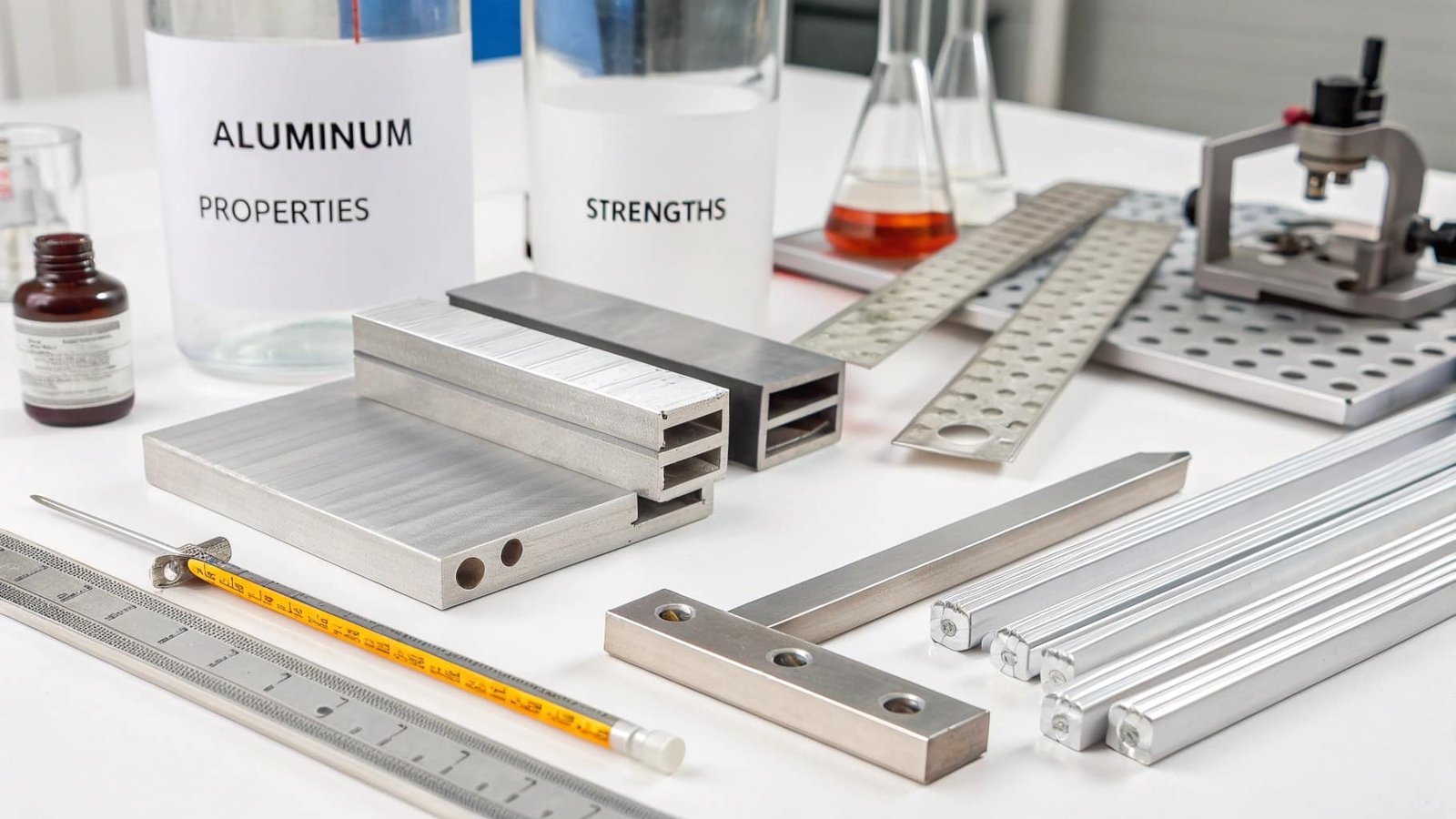
You see a silvery-white metal, but you're not sure if it's stainless steel or aluminum. Mistaking them can lead to costly errors in ordering, machining, or application performance.
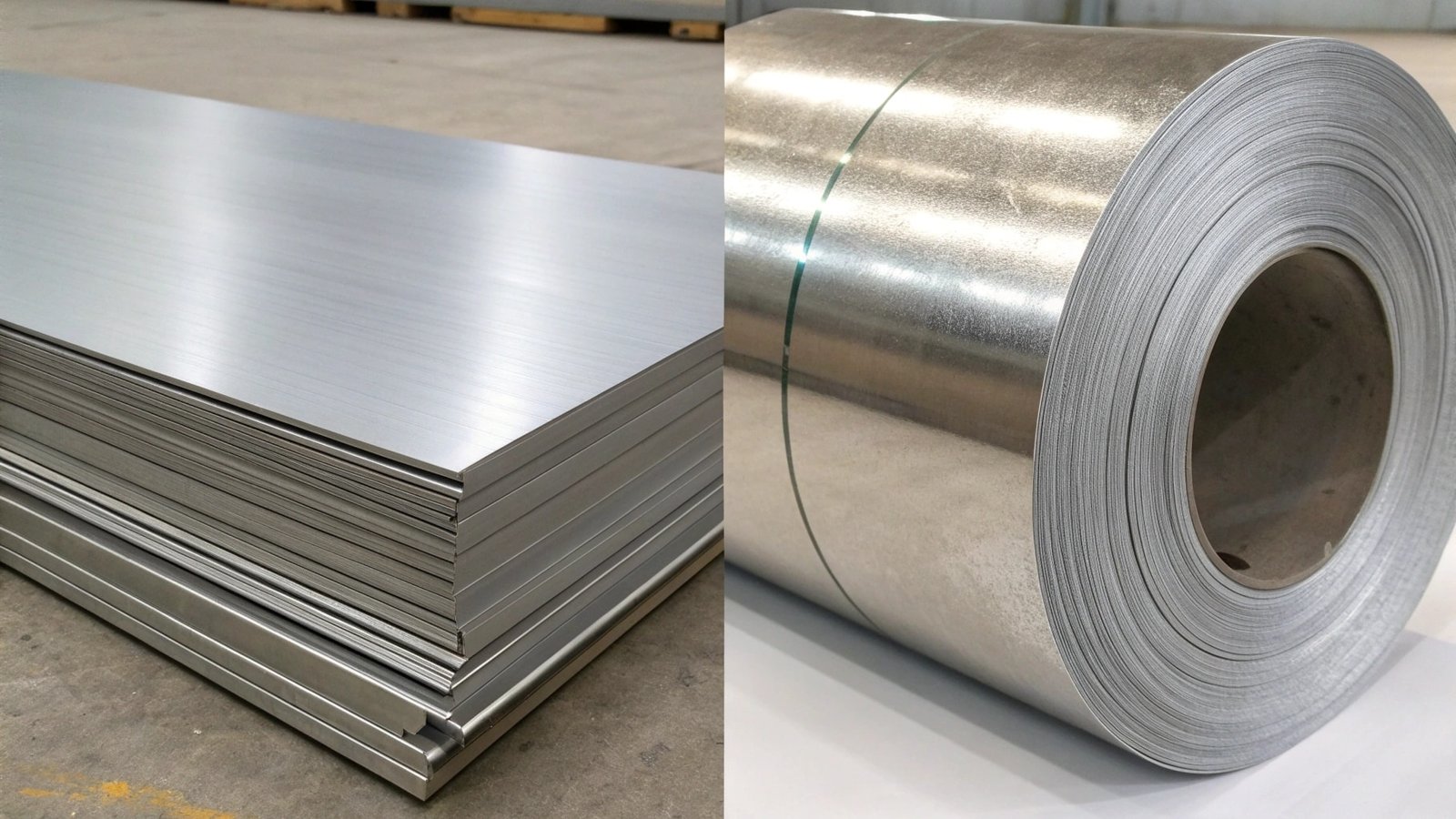
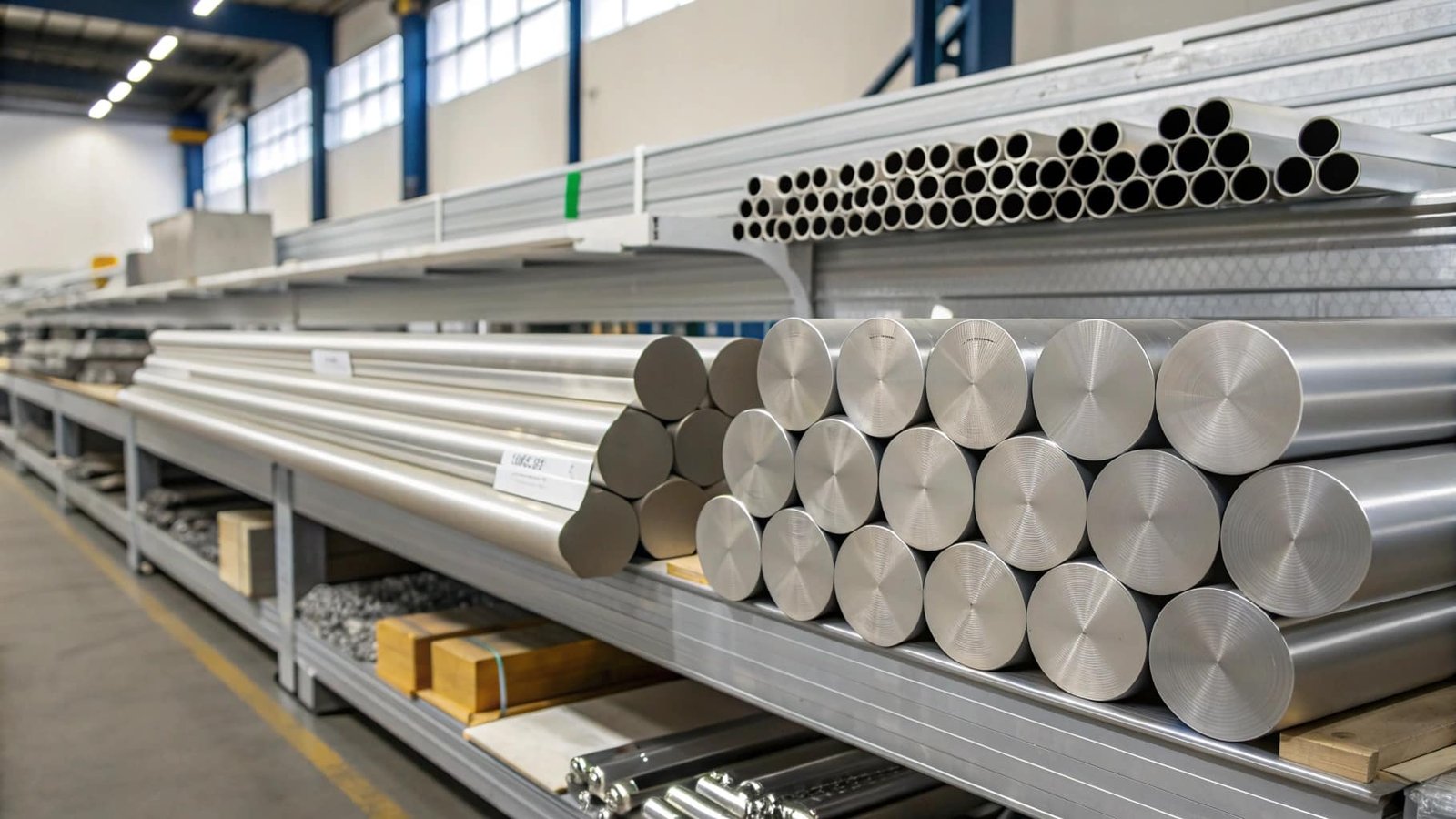
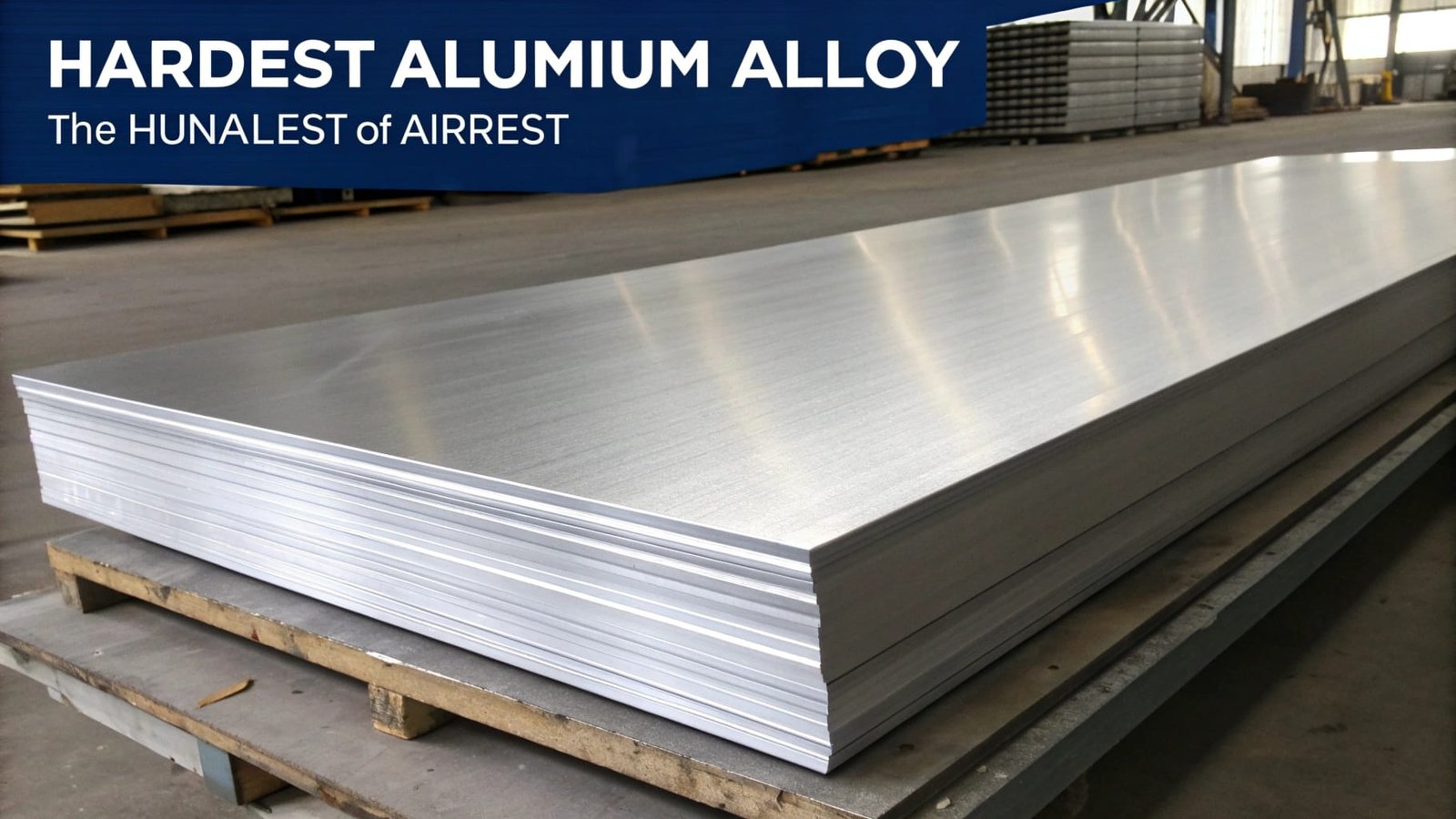
Industrial aluminum is a lightweight, non-magnetic, silvery-white metal. Its raw forged form often has a uniform, matte gray surface, which indicates a dense internal structure, distinguishing it from the brighter, often inconsistent look of cast or extruded aluminum.
To most people, aluminum is just a generic silvery-white metal. They see it in cans and window frames. But to my clients—the traders and machining experts who depend on material performance—the true look of aluminum is the uniform, matte surface of a raw forging. I always tell them this look isn't about aesthetics; it's a visual promise. That dull, consistent gray tells you the material beneath has a dense, flawless internal structure. It’s the look of superior machinability and guaranteed performance. It tells you that the material is ready to be transformed into a critical component that will not fail.
How Can You Tell if a Metal is Aluminum?
You're in a workshop faced with unlabeled metal stock. Choosing the wrong one means wasted time, damaged tools, and scrapped parts, especially if you mistake heavy steel for aluminum.
You can tell if a metal is aluminum by three simple tests. First, it is significantly lighter than steel. Second, it is not magnetic. Third, it conducts heat very quickly, feeling colder to the touch than surrounding materials.

When new people join a machine shop, this is one of the first things they learn. Identifying materials quickly is a crucial skill. The weight test is the most obvious. If you pick up a piece of aluminum and a steel piece of the same size, the difference is immediate. The aluminum will feel almost surprisingly light. Next, I always keep a small magnet on my keychain. Steel is magnetic; aluminum is not. If the magnet doesn't stick, you're likely holding aluminum, stainless steel, or another non-ferrous metal. The final check is thermal conductivity. Aluminum pulls heat away from your hand much faster than steel does. So, at room temperature, it will feel noticeably colder to the touch. These simple, practical tests are what professionals use every day to identify materials without needing a lab.
Quick Field Identification Guide: Aluminum vs. Steel
| Test | Aluminum Result | Steel Result | Why It Works |
|---|---|---|---|
| Weight | Feels very light for its size. | Feels heavy and dense. | Aluminum's density is ~2.7 g/cm³, steel's is ~7.8 g/cm³. |
| Magnetism | Not magnetic. | Is magnetic (except some stainless). | Aluminum is non-ferrous; steel is iron-based. |
| Conductivity | Feels cool or cold to the touch. | Feels closer to room temperature. | Aluminum is an excellent thermal conductor. |
| Appearance | Bright silver to dull gray. | Dark gray to bright chrome-like. | Can be misleading, so use other tests first. |
What Does the Surface of Aluminum Look Like?
You know aluminum is silvery, but you see it in many forms—shiny, dull, brushed. You need to know what these different looks mean for its application and quality.
The surface of aluminum can be anything from a bright, mirror-like polish to a dull, matte gray. A raw forged part typically has a uniform matte finish, while other processes create brushed, anodized (in many colors), or polished surfaces for aesthetic purposes.
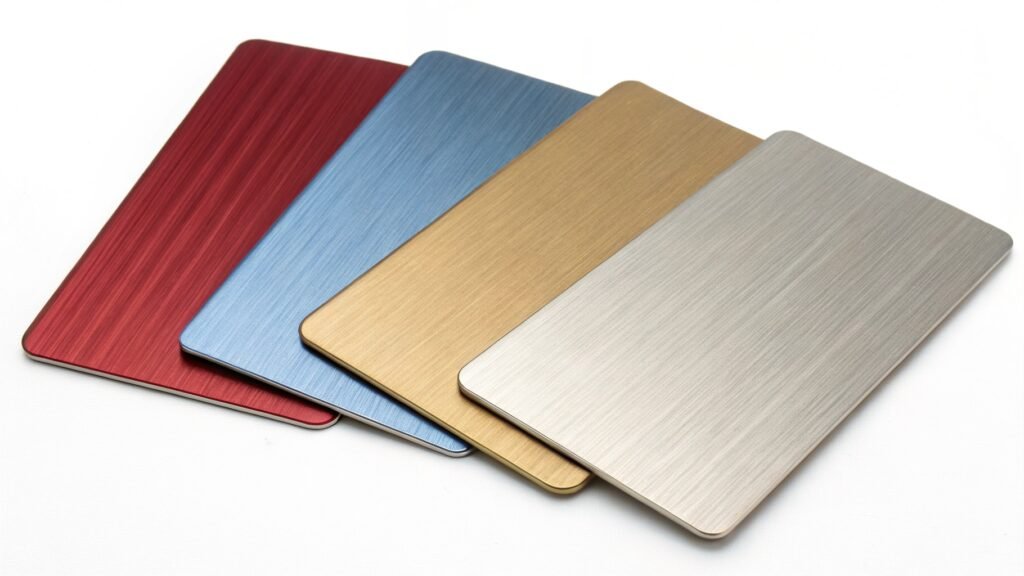
The surface finish on an aluminum part tells a story. A shiny, polished finish is purely for appearance, common on decorative parts. A brushed finish gives a satin look, often used to hide fingerprints on consumer products. Anodizing is a different process entirely; it's an electrochemical process that creates a very hard, durable, and corrosion-resistant layer that can be dyed in almost any color. You see this on everything from phone cases to architectural panels. Then there's the look that matters most to my clients: the raw forged finish. It's not flashy. It's a simple, honest, matte gray. This appearance signifies that the part is structurally sound, with a refined grain structure ready for precision machining. It's the look of a component valued for its internal strength, not its external beauty.
Is it Spelled Aluminum or Aluminium?
You're writing technical documents for an international audience. Using the wrong spelling, "aluminum" or "aluminium," can make your documents seem unprofessional or create confusion in specifications.
Both spellings are correct. "Aluminum" is the standard spelling in the United States and Canada. "Aluminium," with the second "i," is the standard spelling in the United Kingdom and most other English-speaking countries around the world.

This is a very common point of confusion, and the answer is simply a matter of geography. When I'm dealing with our clients in the Middle East or Europe, I use "aluminium" in my emails and technical documents. When I'm talking with engineers in North America, I use "aluminum." The metal is exactly the same. The difference in spelling dates back to the early 19th century when the element was first discovered and named. Sir Humphry Davy, the English chemist who isolated it, proposed several names, eventually settling on "aluminium" to better align with the names of other elements like sodium and potassium. However, chemists and dictionaries in the United States adopted the shorter "aluminum" spelling, and it stuck. As a global supplier, we are fluent in both. The key is to be consistent and use the spelling that your customer is most familiar with.
Is Aluminum 100% Metal?
You're specifying "aluminum" for a high-strength part. You need to know if you are getting a pure element or something else, as this directly impacts its performance and properties.
Yes, aluminum is 100% a metal element. However, the aluminum used for industrial applications is almost never pure. It is an aluminum alloy, meaning it is a metal that is intentionally mixed with other elements to enhance its properties.

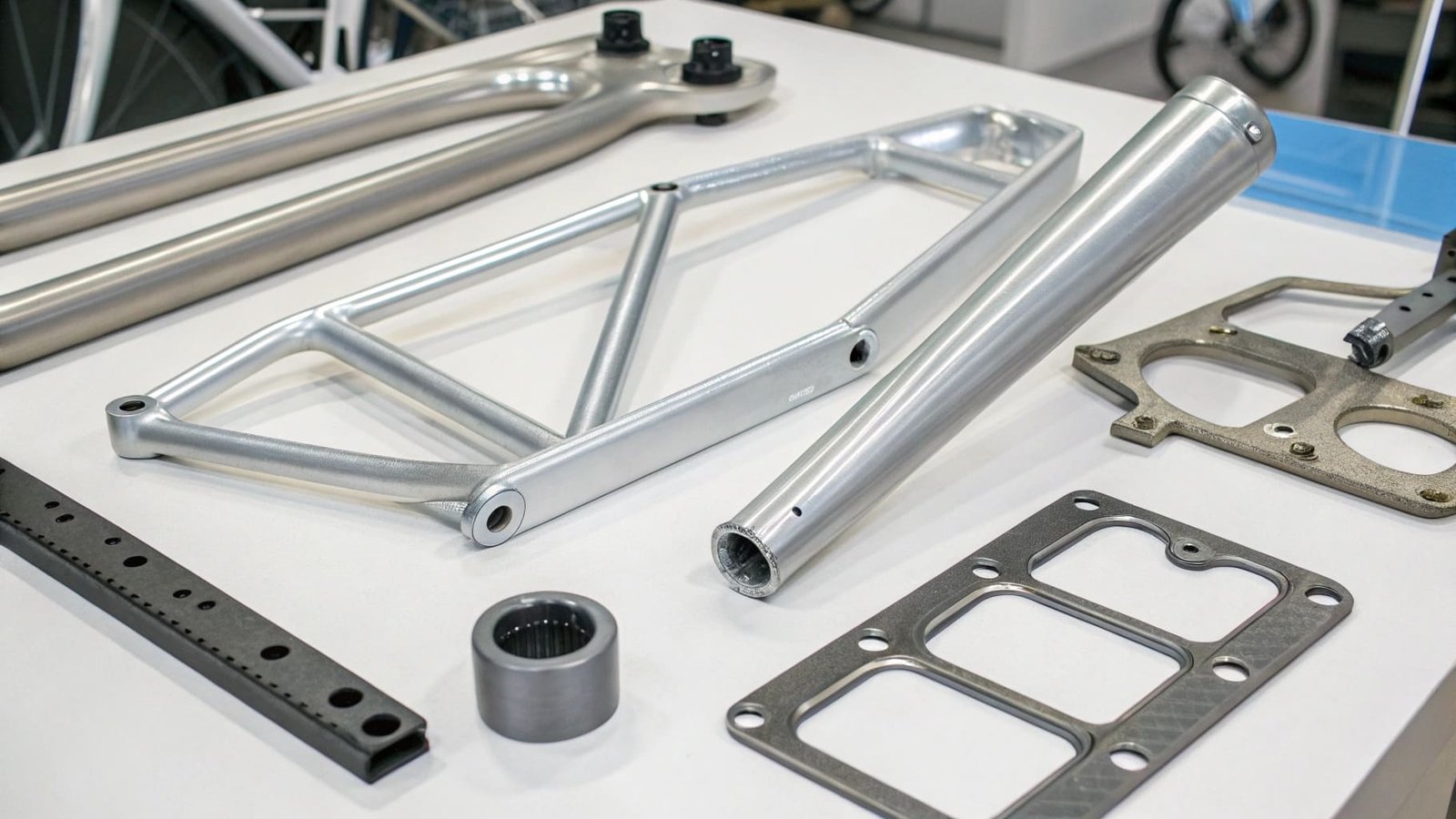
This is a critical distinction that every engineer and trader must understand. Pure aluminum (from the 1xxx series) is actually quite soft and not very strong. It’s useful for electrical wiring or chemical containers because of its high purity and corrosion resistance1, but not for structural parts. The material we call "aluminum" in industries like aerospace, automotive, or machinery is an aluminum alloy. We add small, precise amounts of other elements to create specific characteristics. For example, adding magnesium creates the 5xxx series, known for excellent corrosion resistance in saltwater. Adding zinc creates the ultra-high-strength 7xxx series for aerospace. At SWA Forging, we don't just forge aluminum; we forge specific alloys like 6061 and 7075. We help our clients select the exact alloy recipe that provides the strength, machinability, and performance their project demands.
Conclusion
The true look of industrial aluminum is the matte surface of a forging—a visual promise of the dense, flawless internal structure that guarantees superior performance and reliability.
-
Explore aluminum's corrosion resistance and its advantages in various environments. ↩