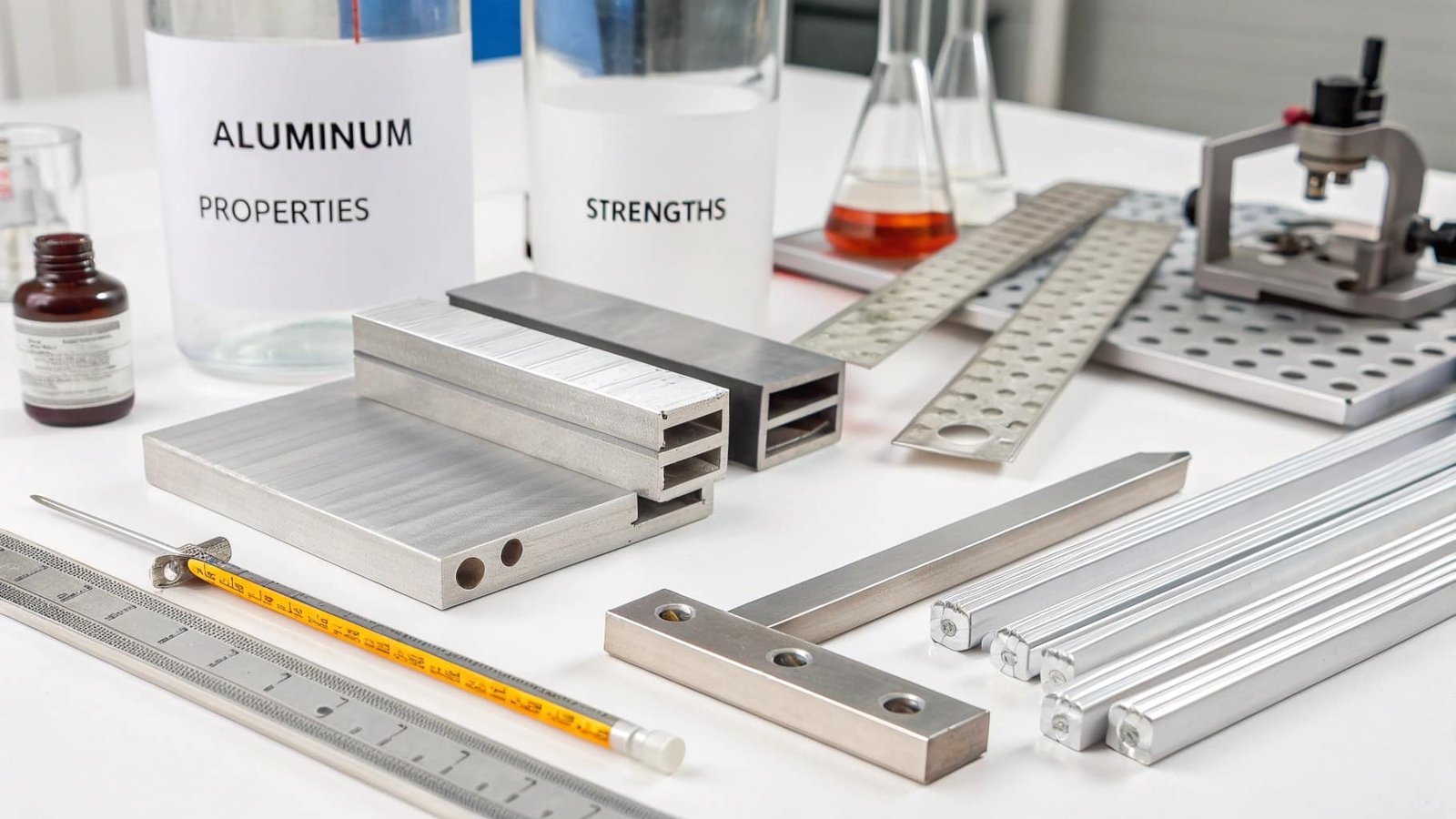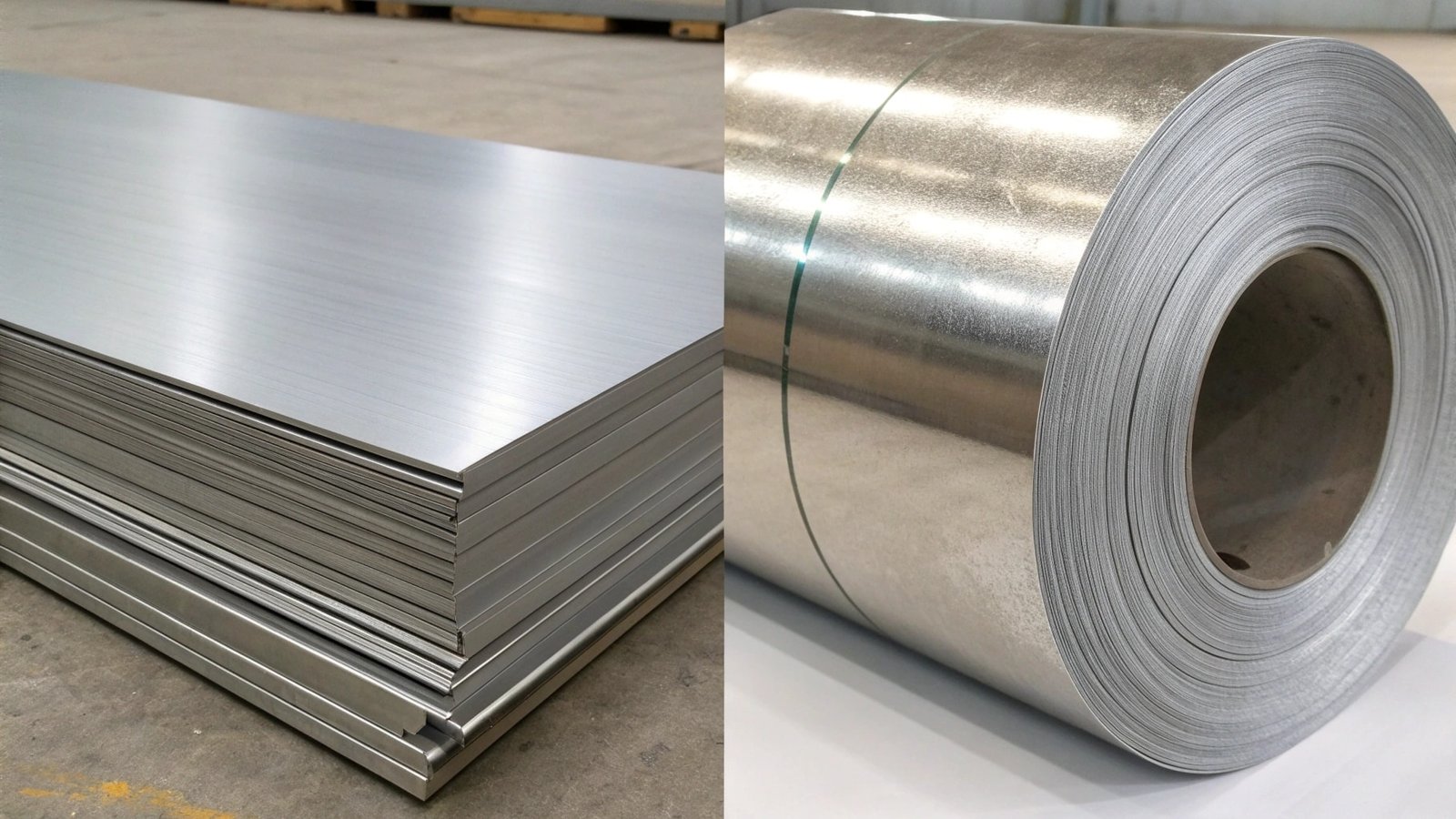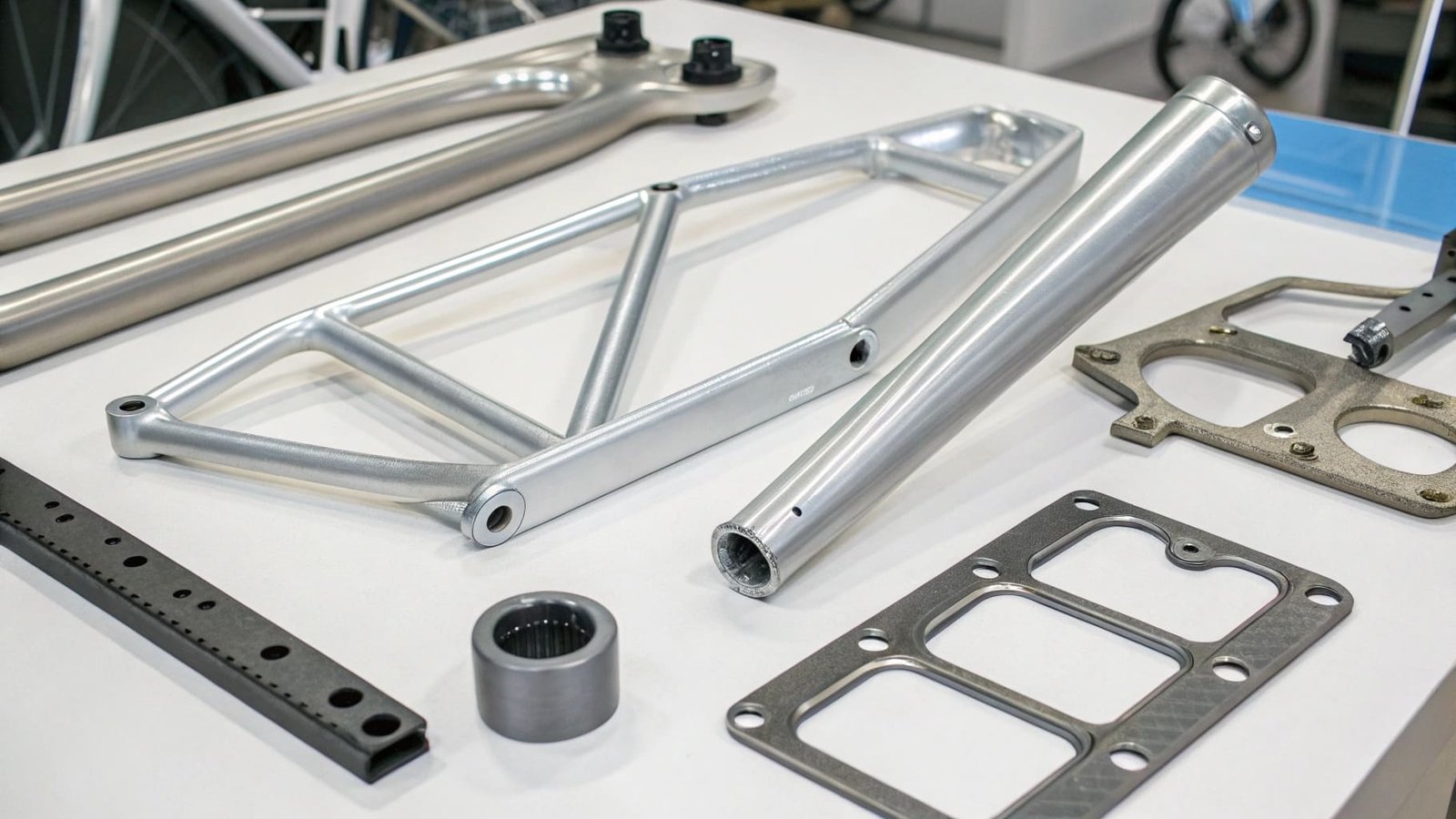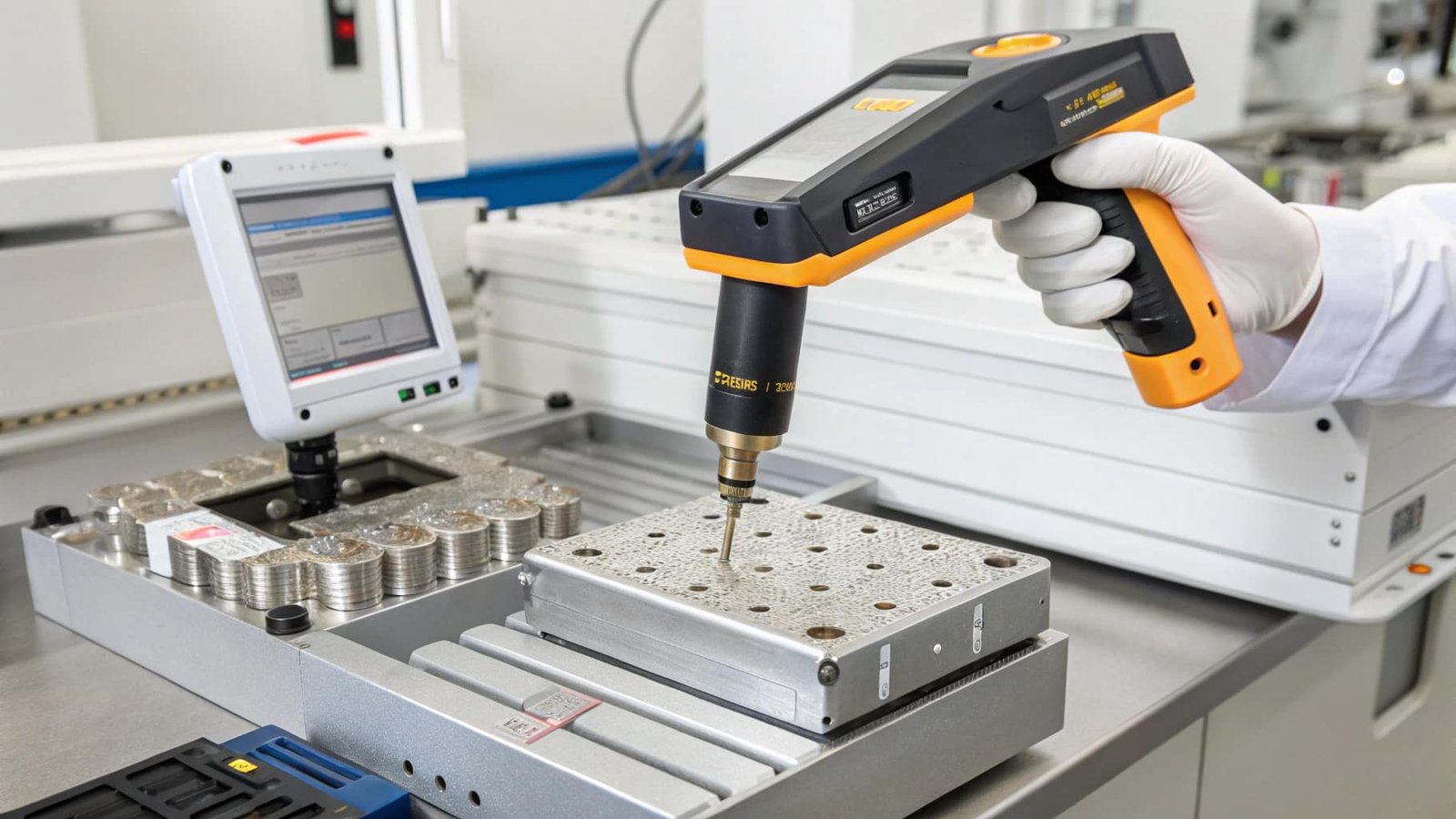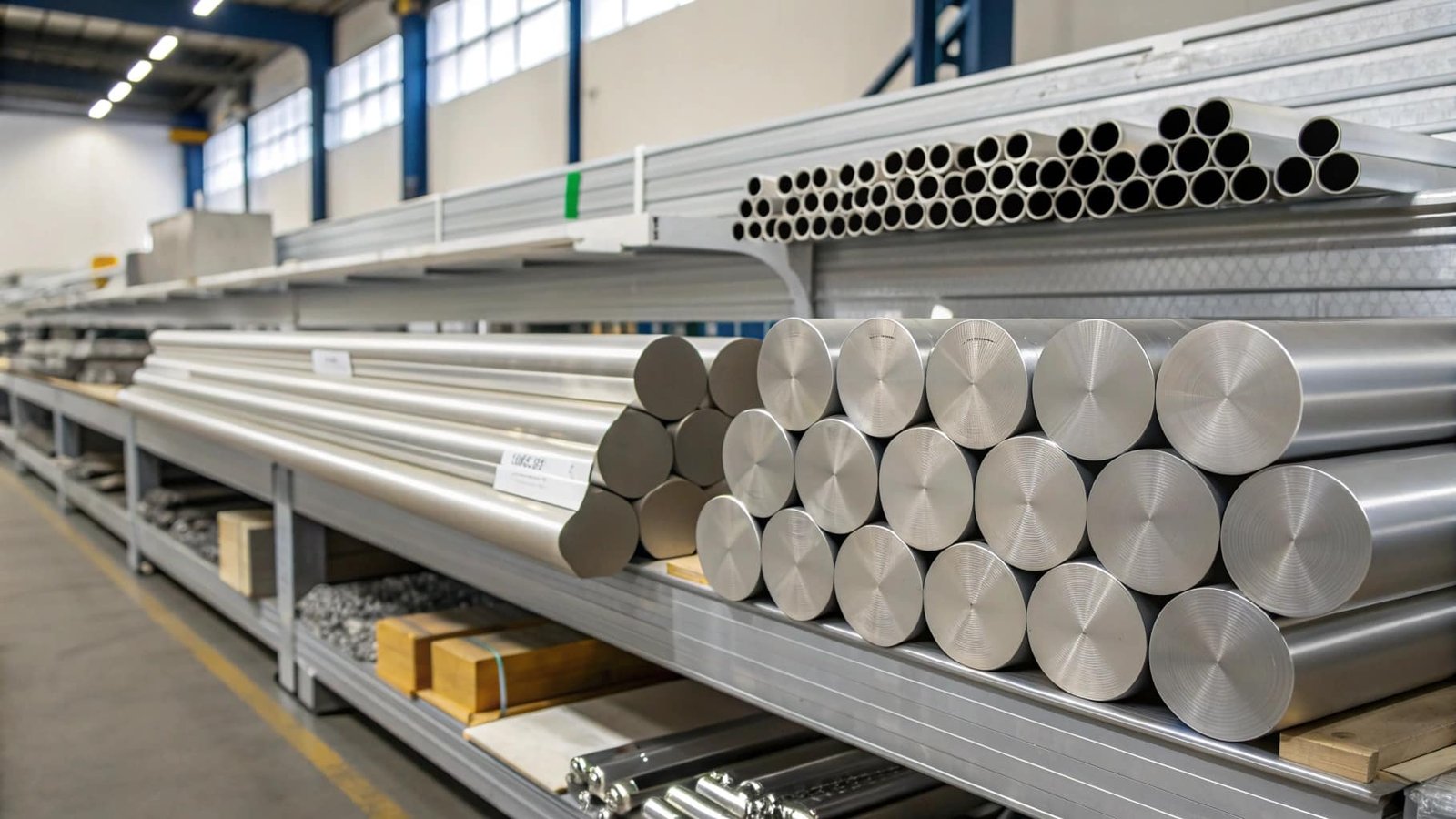
Have you ever picked up a piece of aluminum and wondered if it's just pure metal, or if something else has been added to make it stronger or better suited for a specific job? The difference lies in whether it's pure aluminum or an aluminum alloy.
An aluminum alloy1 is a mixture of aluminum with one or more other elements, typically metals like copper, magnesium, silicon, zinc, or manganese. These added elements, even in small amounts, significantly change aluminum's properties, enhancing its strength, hardness, corrosion resistance2, or weldability compared to pure aluminum. Pure aluminum is very soft, highly malleable, and has excellent electrical and thermal conductivity but lacks the structural integrity for many demanding applications where aluminum alloys excel.
At SWA Forging, we specialize in working with aluminum alloys, particularly high-strength ones like 6061 and 70753, to create robust forged components. Understanding the specific properties that different alloying elements impart is crucial for meeting the stringent requirements of industries like aerospace and automotive, where pure aluminum simply wouldn't suffice.
How is pure aluminum different from an alloy of aluminum?
Have you ever noticed that some aluminum items feel quite rigid and strong, while others seem much softer and easier to bend? This difference is primarily due to whether you're dealing with pure aluminum or an aluminum alloy.
Pure aluminum is a soft, ductile, and highly conductive metal with excellent corrosion resistance due to a protective oxide layer. However, it has low tensile strength and hardness, making it unsuitable for structural applications. An aluminum alloy, by contrast, is pure aluminum with added elements like copper, magnesium, zinc, silicon, or manganese. These additives dramatically improve its properties, significantly increasing its strength, hardness, and sometimes its machinability or weldability, while potentially altering its conductivity or corrosion resistance. This makes alloys far more versatile for engineered components and structures.
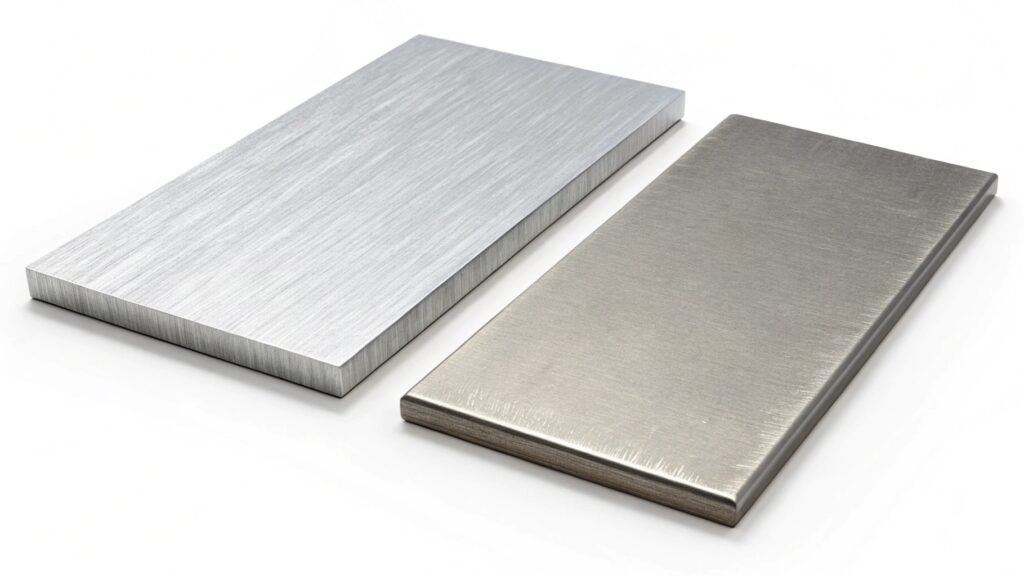
At SWA Forging, we exclusively work with aluminum alloys because pure aluminum lacks the necessary strength for the critical components we produce, such as large forged rings for aerospace. The precise combination of alloying elements is key to achieving the specific performance characteristics our clients require.
The Fundamental Differences Between Pure Aluminum and Alloys
Let's break down the core distinctions:
-
Composition:
- Pure Aluminum: Consists of approximately 99% aluminum and very small amounts of other elements (often less than 1%). It's primarily defined by its high aluminum content.
- Aluminum Alloy: A mixture where aluminum is the primary element, but it contains significant additions of other elements (alloying elements) to modify its properties. These can range from small percentages to higher amounts depending on the desired outcome.
-
Mechanical Properties:
- Pure Aluminum:
- Strength: Very low tensile and yield strength.
- Hardness: Low.
- Ductility/Malleability: Very high – it can be easily shaped, bent, and drawn.
- Toughness: Moderate, but can be brittle if impurities are present.
- Aluminum Alloys:
- Strength: Significantly higher tensile and yield strength, often several times that of pure aluminum. This is a primary reason for alloying.
- Hardness: Much higher, making them more resistant to scratching and wear.
- Ductility/Malleability: Generally lower than pure aluminum, though still good compared to many other metals, and varies greatly with the alloy and temper.
- Toughness: Can be engineered for high toughness, especially in specific alloys and tempers.
- Pure Aluminum:
-
Key Applications:
- Pure Aluminum: Used where its high conductivity, formability, and corrosion resistance are paramount, and high strength is not required. Examples include electrical wiring, chemical equipment, reflective surfaces, and certain types of foil.
- Aluminum Alloys: Used in almost all structural and load-bearing applications. This includes aircraft frames (e.g., 7075), automotive parts (e.g., 6061), building frames, cookware, beverage cans (e.g., 3000, 5000 series), and the high-strength forged components we produce at SWA Forging.
-
Heat Treatability:
- Pure Aluminum: Cannot be significantly strengthened by heat treatment.
- Aluminum Alloys: Many alloys (especially those with copper, magnesium, and silicon, like the 2xxx, 6xxx, and 7xxx series) can be heat-treated (solution heat treatment and aging) to dramatically increase their strength and hardness.
-
Other Properties:
- Corrosion Resistance: While pure aluminum has excellent corrosion resistance, some alloys (especially copper-containing ones like 2xxx) can have reduced resistance, requiring protective coatings. Magnesium and silicon additions often maintain or improve corrosion resistance.
- Conductivity: Pure aluminum has excellent electrical and thermal conductivity. Alloying elements generally reduce conductivity, though some alloys still perform very well.
- Weldability: Varies greatly. Pure aluminum and some alloys (like 5xxx series) are easily welded, while others (like 2xxx and 7xxx) are more difficult and may lose strength in the heat-affected zone.
Summary Table:
| Property | Pure Aluminum (e.g., 1xxx Series) | Aluminum Alloys (e.g., 2xxx, 5xxx, 6xxx, 7xxx) |
|---|---|---|
| Composition | >99% Aluminum | Aluminum + significant alloying elements (Mg, Si, Cu, Zn, Mn, etc.) |
| Strength | Low | High (significantly increased) |
| Hardness | Low | High |
| Ductility/Malleability | Very High | Moderate to High (varies with alloy/temper) |
| Heat Treatable | No | Yes (many series) |
| Corrosion Resistance | Excellent | Varies (can be reduced in some alloys) |
| Conductivity | Excellent | Good to Very Good (generally reduced from pure Al) |
| Weldability | Excellent | Varies significantly by alloy |
| Primary Use | Electrical, reflective surfaces, chemical equipment | Structural components, vehicles, aircraft, packaging, consumer goods |
Understanding these differences is crucial for selecting the right material for any given application. For demanding engineering tasks, alloys are almost always the choice.
What is the difference between aluminium and Aluminium alloy?
Have you ever picked up two pieces of aluminum, one a can and another a bike frame, and noticed how different they feel? One feels pliable, while the other is rigid and strong. This is the fundamental difference between pure aluminum and aluminum alloys.
Pure aluminum is a naturally soft, ductile, and highly conductive metal that offers excellent corrosion resistance but lacks significant structural strength. An aluminum alloy, conversely, is aluminum that has been intentionally mixed with other elements, such as magnesium, silicon, copper, or zinc. These added elements transform aluminum, significantly boosting its strength, hardness, and durability, making it suitable for demanding applications like aircraft construction or automotive components where pure aluminum would fail under stress.
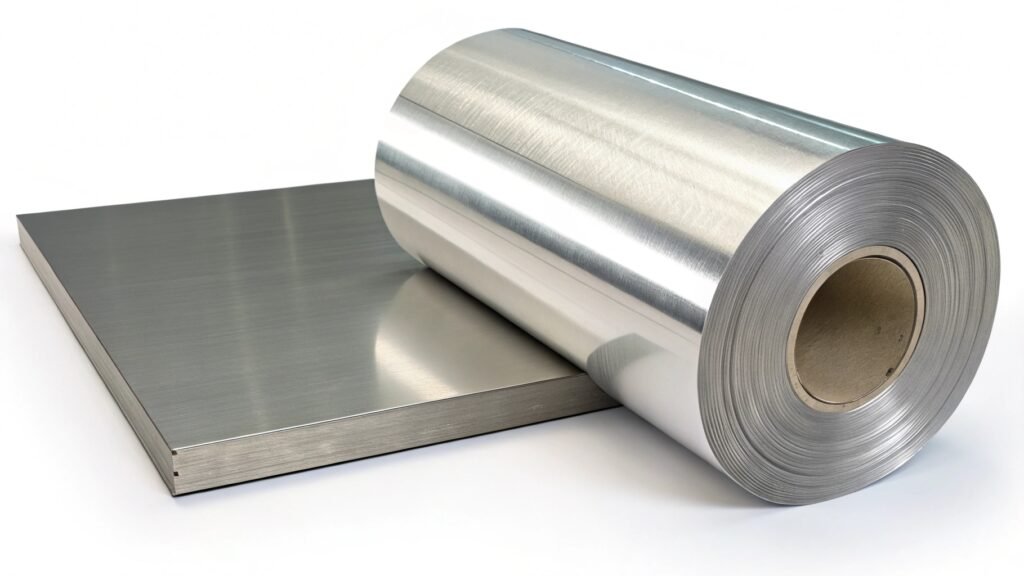
At SWA Forging, we deal exclusively with aluminum alloys. We work with specific alloys like 6061 and 7075 because their unique compositions provide the high strength and predictable performance needed for critical forged parts used in industries like aerospace, where pure aluminum would be entirely inadequate.
Key Distinctions: Pure Aluminum vs. Aluminum Alloys
Let's elaborate on the core differences that set pure aluminum apart from its alloyed counterparts:
-
Compositional Purity:
- Pure Aluminum: Typically classified as 1xxx series, these alloys contain at least 99% aluminum. The remaining elements are present in very small, often trace, amounts.
- Aluminum Alloy: These are mixtures where aluminum is the base metal, but intentionally includes other elements to achieve desired properties. For example, 6xxx series alloys contain magnesium and silicon, while 7xxx series alloys contain zinc, magnesium, and copper.
-
Mechanical Properties:
- Strength and Hardness: Pure aluminum is inherently soft and weak. It has a low tensile strength, making it easily deformed. Alloys, on the other hand, are engineered to have significantly higher tensile strength, yield strength, and hardness. This is often the primary reason for alloying – to create materials strong enough for structural loads.
- Ductility and Malleability: Pure aluminum is exceptionally ductile and malleable, meaning it can be bent, hammered, or drawn into wires and thin sheets with relative ease. While alloys are still generally formable, their increased strength often means they are less ductile than pure aluminum.
- Toughness: Alloys can be tailored to offer improved toughness, which is the ability to absorb energy and deform without fracturing.
-
Heat Treatment:
- Pure Aluminum: Cannot be significantly strengthened by heat treatment processes like annealing or precipitation hardening.
- Aluminum Alloys: Many alloys, particularly those in the 2xxx, 6xxx, and 7xxx series, can be heat-treated. This process, involving heating followed by rapid cooling and then aging (either naturally or artificially), can dramatically increase their strength and hardness.
-
Other Performance Characteristics:
- Corrosion Resistance: Pure aluminum has excellent resistance to corrosion due to a passive oxide layer. Many aluminum alloys also retain good to excellent corrosion resistance, particularly those with magnesium and silicon (e.g., 5xxx, 6xxx series). However, alloys with high copper content (e.g., 2xxx series) may exhibit reduced corrosion resistance.
- Electrical and Thermal Conductivity: Pure aluminum is an excellent conductor of both electricity and heat, second only to copper for electrical conductivity. Alloying generally reduces these conductive properties, though many alloys still offer good conductivity.
- Weldability: Pure aluminum and certain alloys (like those in the 5xxx series) are easily welded. Other alloys, especially heat-treated ones like 2xxx and 7xxx, can be more challenging to weld, often requiring specialized techniques or resulting in a loss of strength in the weld area.
Key Comparison Points:
| Feature | Pure Aluminum (e.g., 1100) | Aluminum Alloys (e.g., 6061, 7075) |
|---|---|---|
| Composition | ~99%+ Al | Al + alloying elements (Mg, Si, Cu, Zn, Mn, etc.) |
| Strength | Low | High |
| Hardness | Low | High |
| Ductility | Very High | Moderate to High |
| Heat Treatable | No | Yes (for specific series like 2xxx, 6xxx, 7xxx) |
| Corrosion Resistance | Excellent | Varies (often good, but can be lower in high-copper alloys) |
| Conductivity | Excellent | Good to Very Good (typically lower than pure Al) |
| Weldability | Excellent | Varies greatly by alloy |
| Typical Use | Electrical wiring, reflective surfaces, some packaging | Structural components, vehicles, aircraft, cookware, frames |
In essence, alloying transforms aluminum from a soft, workable metal into a high-performance engineering material capable of meeting the rigorous demands of modern industry.
How does an alloy differ from pure metal?
Have you ever noticed how steel (an alloy of iron) is much stronger and harder than pure iron? This fundamental change in properties is the essence of what an alloy is, and it applies to many metals.
An alloy is a mixture of two or more elements, at least one of which is a metal, designed to have properties different from the pure metallic element. Pure metals, in their elemental form, often have properties like low strength, high ductility, and relatively poor hardness, limiting their use in many structural applications. Alloys are created by adding other elements (metals or non-metals) to a base metal, which alters the crystal structure, disrupts the smooth sliding of metal layers, and thus significantly enhances properties like strength, hardness, wear resistance, corrosion resistance, and specific electrical or magnetic characteristics. For instance, brass (an alloy of copper and zinc) is harder and more corrosion-resistant than pure copper.
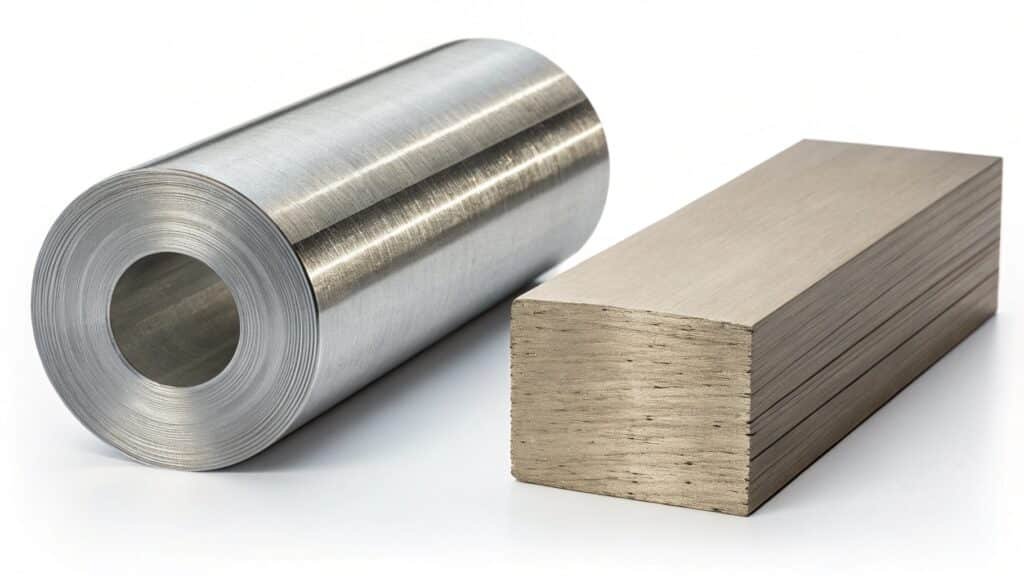
At SWA Forging, we work with aluminum alloys because pure aluminum simply doesn't possess the mechanical strength required for the high-stress components we produce. The controlled addition of elements like magnesium and silicon to pure aluminum creates alloys that are robust enough for critical applications in aerospace and automotive industries.
The Science of Alloying: Modifying Metal Properties
Let's explore the key ways alloys differ from their pure metal base:
-
Composition:
- Pure Metal: Consists of only one type of atom (element). While there are always trace impurities, it's primarily a single element.
- Alloy: A mixture where a base metal is combined with one or more other elements. These elements can be other metals or non-metals. The added elements are intentionally included to modify properties.
-
Crystal Structure and Properties:
- Pure Metal: Atoms are arranged in a regular, repeating crystalline lattice. This allows layers of atoms to slide past each other relatively easily under stress, making pure metals generally soft and ductile.
- Alloy: The addition of different-sized atoms of the alloying elements disrupts the regular lattice structure of the base metal. This disruption impedes the movement of dislocations (defects in the crystal lattice), making it much harder for layers of atoms to slide past each other. This leads to:
- Increased Strength: The resistance to deformation is higher.
- Increased Hardness: The material is more resistant to scratching and indentation.
- Reduced Ductility: While some alloys remain ductile, many become less so due to the impeded atomic movement.
-
Specific Property Modifications:
- Strength and Hardness: This is the most common reason for alloying. For example, adding carbon to iron creates steel, which is much stronger and harder than pure iron. Adding copper to aluminum makes it stronger.
- Corrosion Resistance: Some alloying elements improve corrosion resistance. For example, adding chromium and nickel to iron creates stainless steel, which is highly resistant to rust. Adding magnesium to aluminum also improves its corrosion resistance.
- Electrical Conductivity: Alloying generally reduces electrical conductivity compared to the pure metal. For example, copper alloys like brass are less conductive than pure copper.
- Melting Point: Alloys often have a melting range rather than a sharp melting point, and their melting points are typically lower than that of the pure base metal (e.g., solder alloys melt at much lower temperatures than their constituent pure metals).
- Color and Appearance: Alloys can have different colors than their base metals. For example, brass is yellowish, while copper is reddish.
-
Examples:
- Iron: Pure iron is soft. Steel (iron + carbon) is strong. Stainless steel (iron + chromium + nickel) is corrosion-resistant and strong.
- Copper: Pure copper is soft and ductile, used for electrical wires. Brass (copper + zinc) is harder and more decorative. Bronze (copper + tin) is harder and more corrosion-resistant.
- Aluminum: Pure aluminum is soft. Duralumin (aluminum + copper + magnesium) is strong and used in aircraft. SWA Forging's products use alloys like 6061 (aluminum + magnesium + silicon) for its excellent strength and machinability.
Summary of Differences:
| Feature | Pure Metal | Alloy |
|---|---|---|
| Composition | Primarily one element | Mixture of metals, or metal + non-metal |
| Crystal Structure | Regular, uniform lattice | Disrupted lattice due to foreign atoms |
| Strength/Hardness | Low | Higher |
| Ductility | High | Generally lower |
| Corrosion Resistance | Varies (can be high, e.g., Al, Cr, Ti) | Can be enhanced (e.g., stainless steel) or reduced (e.g., some Al alloys) |
| Melting Point | Sharp melting point | Melting range, often lower than base metal |
| Primary Purpose | Specific properties (e.g., conductivity, reactivity) | Enhanced properties for engineering applications |
In essence, alloys are engineered materials that harness the base properties of a metal but enhance them through the precise addition of other elements to meet specific performance requirements that pure metals cannot fulfill on their own.
What is the meaning of aluminum alloy?
Have you ever looked at a product made from aluminum and wondered why it's so much stronger or harder than, say, a piece of aluminum foil? The secret lies in whether it's pure aluminum or an aluminum alloy.
An aluminum alloy is essentially a metal that is primarily aluminum but has had other elements, such as magnesium, silicon, copper, zinc, or manganese, intentionally added to it. These additions, even in small percentages, are mixed with the aluminum to alter and improve its fundamental properties. The goal is usually to increase its strength, hardness, durability, or other characteristics like machinability or corrosion resistance, making it suitable for a wider range of demanding engineering and manufacturing applications compared to pure aluminum, which is relatively soft and weak.
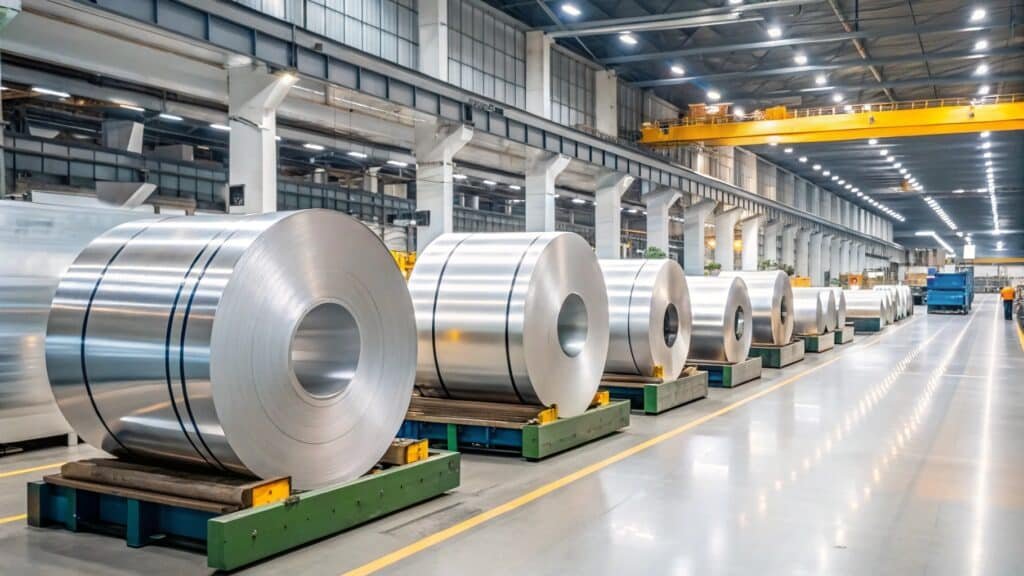
At SWA Forging, our expertise is in creating high-quality forged components from specific aluminum alloys. We choose alloys like 6061 or 7075 because their unique compositions, achieved through precise alloying, give them the high strength and reliability needed for critical parts in industries like aerospace and automotive.
Understanding the Components and Purpose of Aluminum Alloys
Let's break down what makes an aluminum alloy and why it's so important:
-
Base Metal: Aluminum
- Pure aluminum itself is a light, non-magnetic metal with a silvery-white appearance.
- It's known for its excellent corrosion resistance due to a protective oxide layer that forms on its surface.
- It's also a great conductor of heat and electricity.
- However, pure aluminum is quite soft and lacks significant structural strength, making it unsuitable for applications requiring toughness or load-bearing capabilities.
-
Alloying Elements: The Modifiers
- These are the "other elements" added to pure aluminum. The most common alloying elements and their typical effects include:
- Magnesium (Mg): Increases strength and corrosion resistance. Found in 5xxx and 6xxx series alloys.
- Silicon (Si): Improves castability, strength, and hardness, especially when combined with magnesium (creating precipitate-forming compounds). Found in 4xxx and 6xxx series alloys.
- Copper (Cu): Significantly increases strength and hardness, making alloys heat-treatable. However, it can reduce corrosion resistance and weldability. Found in 2xxx series alloys.
- Zinc (Zn): Increases strength and hardness, especially when combined with magnesium and copper. Also makes alloys heat-treatable. Found in 7xxx series alloys.
- Manganese (Mn): Improves strength and work-hardening characteristics. Found in 3xxx series alloys.
- Lithium (Li): Added to some aerospace alloys for significant weight reduction and increased stiffness.
- These are the "other elements" added to pure aluminum. The most common alloying elements and their typical effects include:
-
Purpose of Alloying:
- Increased Strength: This is the most common reason. Alloying elements distort the aluminum crystal lattice, making it harder for planes of atoms to slide past each other under stress. This dramatically improves tensile strength and yield strength.
- Improved Hardness: Makes the material more resistant to scratching and wear.
- Enhanced Heat Treatability: Certain alloy combinations (like with copper, magnesium, and silicon) allow the material's strength to be significantly increased through controlled heating and cooling processes.
- Better Corrosion Resistance: Some elements, like magnesium, can improve resistance to corrosion.
- Improved Machinability: Elements like lead or bismuth can be added to create "free-machining" alloys.
- Specific Performance: For instance, alloys with high magnesium content are excellent for cryogenic applications and marine environments.
-
Classification:
- Aluminum alloys are typically classified into series based on their primary alloying elements:
- 1xxx: Pure Aluminum (99%+)
- 2xxx: Aluminum-Copper (High strength, aerospace)
- 3xxx: Aluminum-Manganese (Moderate strength, e.g., cans)
- 4xxx: Aluminum-Silicon (Improved castability, lower melting point)
- 5xxx: Aluminum-Magnesium (Good strength, excellent corrosion resistance, weldability, marine applications)
- 6xxx: Aluminum-Magnesium-Silicon (Good strength, corrosion resistance, formability, heat-treatable, general structural use)
- 7xxx: Aluminum-Zinc-Magnesium-Copper (Very high strength, aerospace, demanding structural parts)
- 8xxx: Other elements (e.g., Lithium)
- Aluminum alloys are typically classified into series based on their primary alloying elements:
In essence, an aluminum alloy is a specifically engineered material. By carefully selecting and combining aluminum with other elements, manufacturers can create a vast range of materials tailored for specific jobs, from lightweight beverage cans to high-strength aircraft components, far surpassing the capabilities of pure aluminum.
Conclusion
An aluminum alloy is aluminum mixed with other elements to enhance its strength, hardness, or other properties, differing from pure aluminum which is soft and less strong. Alloys differ from pure metals by having their crystal structures disrupted by added elements, increasing strength and hardness. The meaning of aluminum alloy is a mixture of aluminum and other elements designed to improve its performance for specific applications.
-
Explore this link to understand the composition and applications of aluminum alloys in various industries. ↩
-
Understand the factors affecting corrosion resistance in aluminum alloys versus pure aluminum. ↩
-
Find out how these specific alloys differ and their suitability for various engineering applications. ↩