You focus on density, a fixed number. This overlooks the most important factor: the strength you can achieve at that density. This leads to underperforming parts.
The density of 6061 aluminum alloy1 is approximately 2.70 g/cm³ (0.0975 lb/in³). However, the number itself isn't what's important. The real value comes from its high strength-to-weight ratio, which we maximize through forging and heat treatment to deliver certified performance.
At SWA Forging, we know that density is just a starting point. Since 2012, our clients—traders and machining companies—have relied on us for something more valuable: guaranteed performance. The density of aluminum is a constant gift from nature. What we do with it is engineering. We take that low density and build incredible strength on top of it. Let’s explore the common questions about density to show you why your focus should be on strength.
What Is the Density of Aluminum?
You hear that aluminum is "light," but what does that really mean in numbers? Without a clear baseline, you can't appreciate its true advantage over other metals.
The density of pure aluminum is approximately 2.70 g/cm³ (0.0975 lb/in³). This is roughly one-third the density of steel, establishing it as a premier material for lightweight applications across all industries.
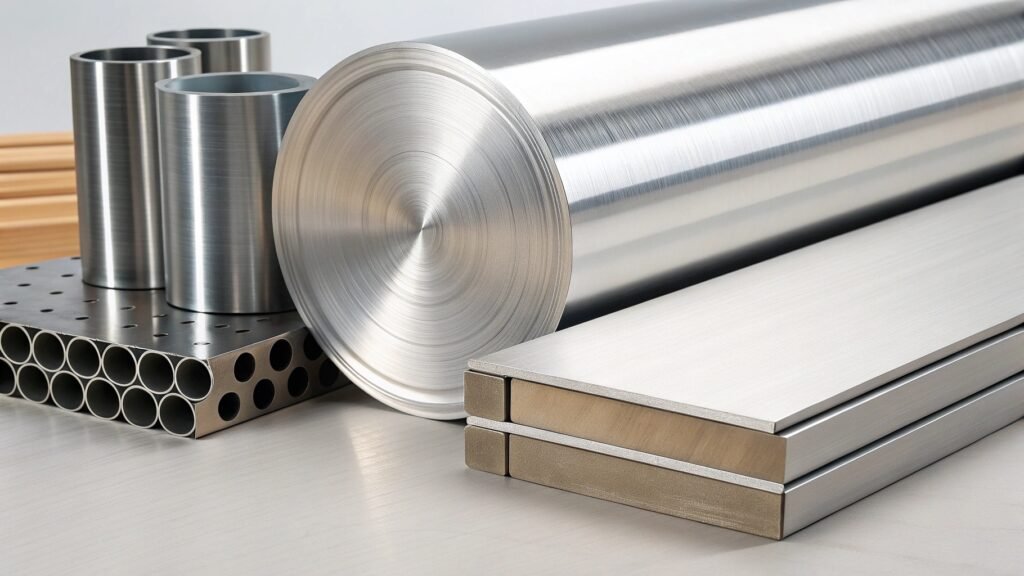
Density is simply the measure of a material's mass per unit volume. For aluminum, this number is impressively low. I often explain to new clients that if you have a solid cube of steel and a solid cube of aluminum of the exact same size, the aluminum cube will weigh almost 70% less. This fundamental property is the reason aluminum is used to make airplanes fly and cars more fuel-efficient. While different alloys can change the strength or corrosion resistance dramatically, they have a very minor impact on this core density. It's the one constant we build upon.
How Aluminum's Density Compares
Here’s a look at aluminum's density next to other common industrial metals.
| Metal | Density (g/cm³) | How It Compares to Aluminum |
|---|---|---|
| Aluminum | 2.70 | Our Baseline |
| Magnesium | 1.74 | Even lighter, but often less strong and more costly. |
| Titanium | 4.51 | About 67% heavier. |
| Steel (Carbon) | 7.85 | Almost 3 times heavier. |
| Copper | 8.96 | More than 3 times heavier. |
What Is the Density Difference Between 6061 and 6063?
You see 6061 and 6063 alloys offered. They look and feel similar, so you might think they're interchangeable. This mistake can lead to part failure in a structural application.
There is virtually no difference in density between 6061 and 6063 aluminum; both are around 2.70 g/cm³. The critical difference is in their strength and intended use. 6061 is a structural alloy, while 6063 is used for architectural applications.
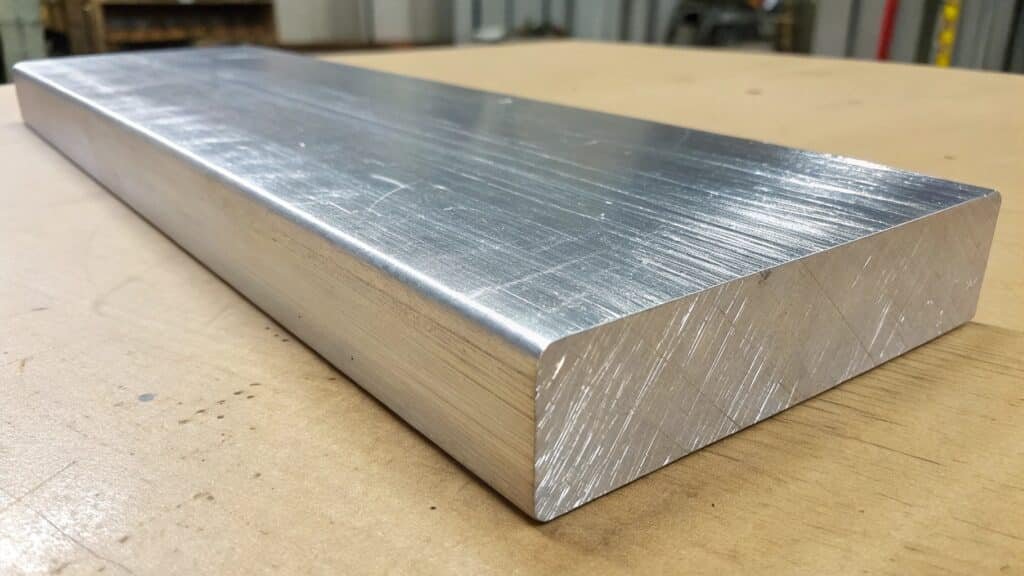
I get this question often from traders looking to stock material. The similar numbers are confusing. Both alloys have magnesium and silicon as primary alloying elements, so their density is identical. However, 6061 contains more silicon and is designed to be heat-treated to achieve high strength for machine parts and structural components. 6063 has a smoother surface finish and is easier to extrude, making it perfect for window frames and decorative trim, but it has significantly lower strength. Using 6063 where 6061 is required is a dangerous substitution. The weight will be the same, but the performance won't be.
6061 vs. 6063: It's About Strength, Not Weight
Their densities are the same, but their jobs are very different.
| Property | 6061 Aluminum | 6063 Aluminum | What This Means for You |
|---|---|---|---|
| Density | ~2.70 g/cm³ | ~2.70 g/cm³ | Both are equally lightweight. |
| Strength | High (~310 MPa in T6 temper) | Medium (~186 MPa in T6 temper) | 6061 is far stronger and suitable for load-bearing parts. |
| Primary Use | Structural, machine parts, forged rings | Architectural, window frames, extrusions | Choose based on the application's strength requirement. |
| Machinability | Good | Fair | 6061 is better suited for complex CNC machining. |
What Is the Density of Aluminum 6016?
You might see a specification for 6016 alloy and wonder how it compares. Assuming it's just like 6061 can lead to ordering the wrong material for your manufacturing process.
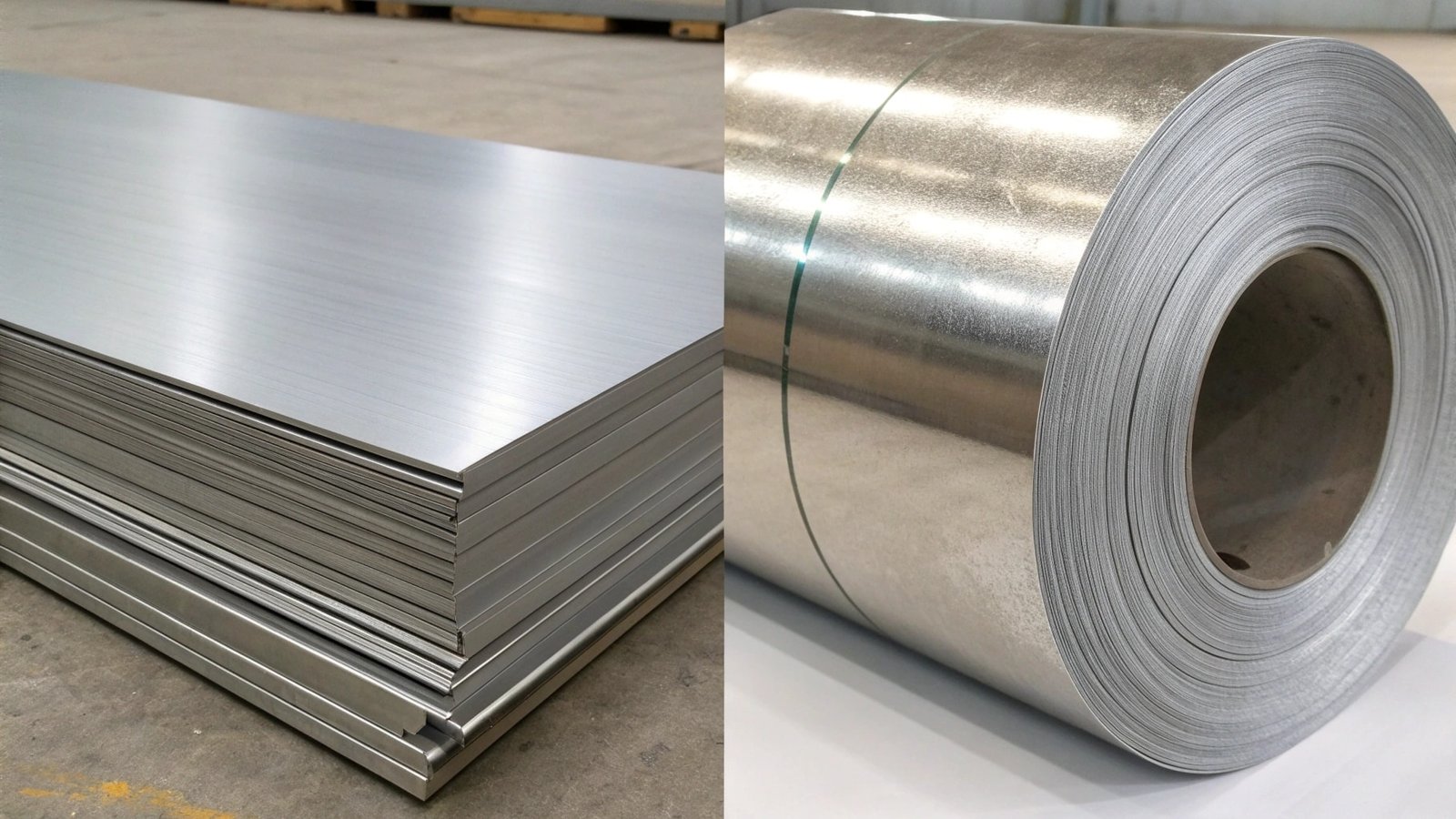
The density of aluminum 6016 is also around 2.70 g/cm³, nearly identical to 6061. However, 6016 is a specialized sheet alloy designed for automotive body panels. It offers excellent formability and its strength increases during the paint-baking process.
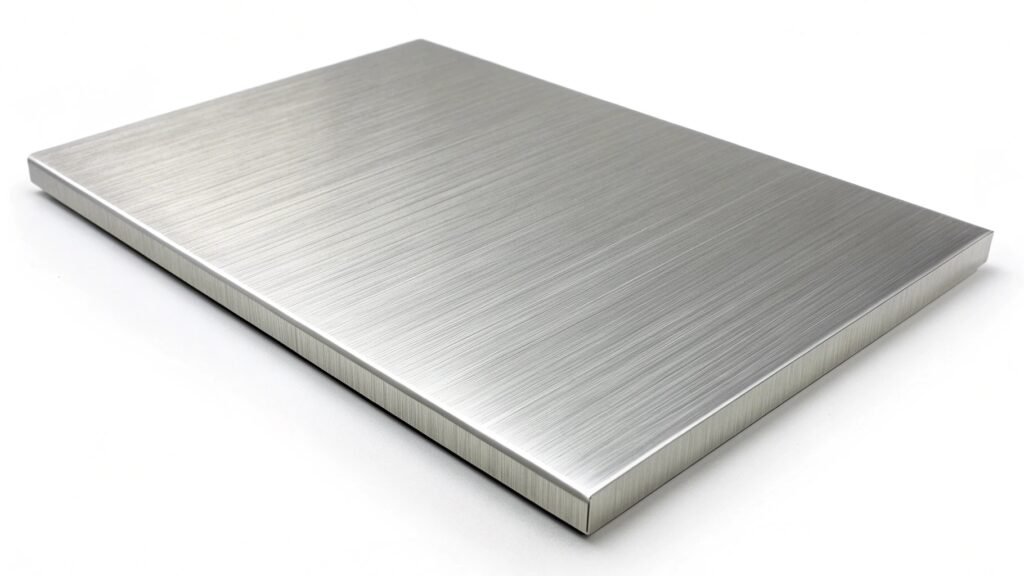
While we at SWA Forging specialize in forged rings and discs from alloys like 6061 and 7075, it's important to understand the whole 6xxx family. An automotive client once asked if we could supply 6016. While it's not a forging alloy, I explained the difference to him. 6016 is designed to be stamped into complex shapes like car doors. Its unique chemistry allows it to be relatively soft for forming, then "age-harden2" in the heat of a paint booth to gain final strength. This is very different from 6061, which gets its high strength from a dedicated, high-temperature heat treatment process before it's ever used. Density is the same; application is worlds apart.
The 6xxx Family: Similar Density, Different Jobs
All 6xxx series alloys share a similar density but have unique roles.
| Alloy | Key Characteristic | Primary Application | Form Supplied In |
|---|---|---|---|
| 6016 | Excellent formability, bake-hardenable | Automotive body panels | Sheet |
| 6061 | High strength, versatile, weldable | Structural parts, machine components | Forgings, extrusions, plate |
| 6063 | Excellent surface finish, extrudable | Architectural trim, window frames | Extrusions |
What Are the Properties of 6061 Aluminum?
You see 6061 listed everywhere. Just knowing its density isn't enough to use it effectively. You need to understand the full range of properties that make it so popular.
The key properties of 6061 aluminum are its high strength-to-weight ratio (especially in a T6 temper), good machinability, excellent corrosion resistance3, and good weldability. This balanced combination of properties makes it one of the most versatile alloys for industrial use.
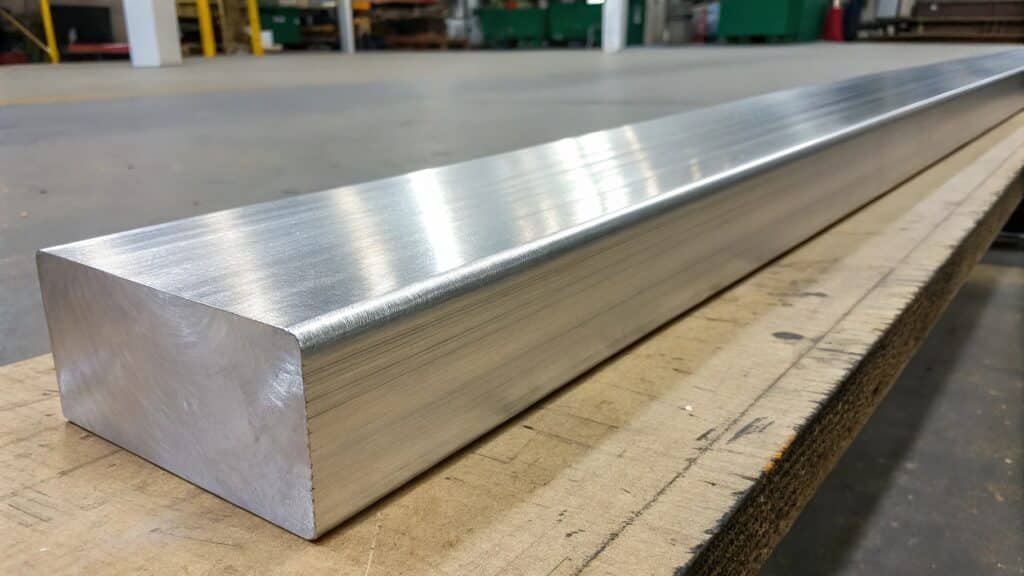
When a machining client needs a "do-it-all" material, 6061-T64 is almost always the answer. Its density gives it the lightweight advantage. But it's the other properties that make it a workhorse. It's strong enough for structural parts. It cuts cleanly in a CNC machine, reducing tool wear and production time. It resists rust and corrosion, so the final parts are durable. And you can weld it if needed. This is why we forge so many 6061 rings and discs. We take this already great alloy and use the forging process to refine its grain structure, maximizing its strength and fatigue resistance and providing a quality certificate to prove it.
The 6061-T6 Performance Profile
Here’s why 6061 in its T6 temper is the go-to for so many applications.
| Property | Benefit for Your Application |
|---|---|
| High Strength-to-Weight | Create strong, durable parts that are also lightweight. |
| Good Machinability | Faster and more cost-effective CNC machining with better finishes. |
| Excellent Corrosion Resistance | Parts have a long service life, even in harsh environments. |
| Good Weldability | Allows for easy fabrication and assembly of complex structures. |
Conclusion
The density of 6061 aluminum is a constant 2.70 g/cm³. Its true value lies in the high, certified strength-to-weight ratio that we engineer through the forging process.
-
Explore the unique properties of 6061 aluminum alloy to understand its applications and advantages in various industries. ↩
-
Learn about the age-hardening process and how it enhances the strength of aluminum alloys. ↩
-
Understand the importance of corrosion resistance in materials and its impact on longevity. ↩
-
Explore the benefits of 6061-T6 aluminum and why it's a preferred choice in various applications. ↩