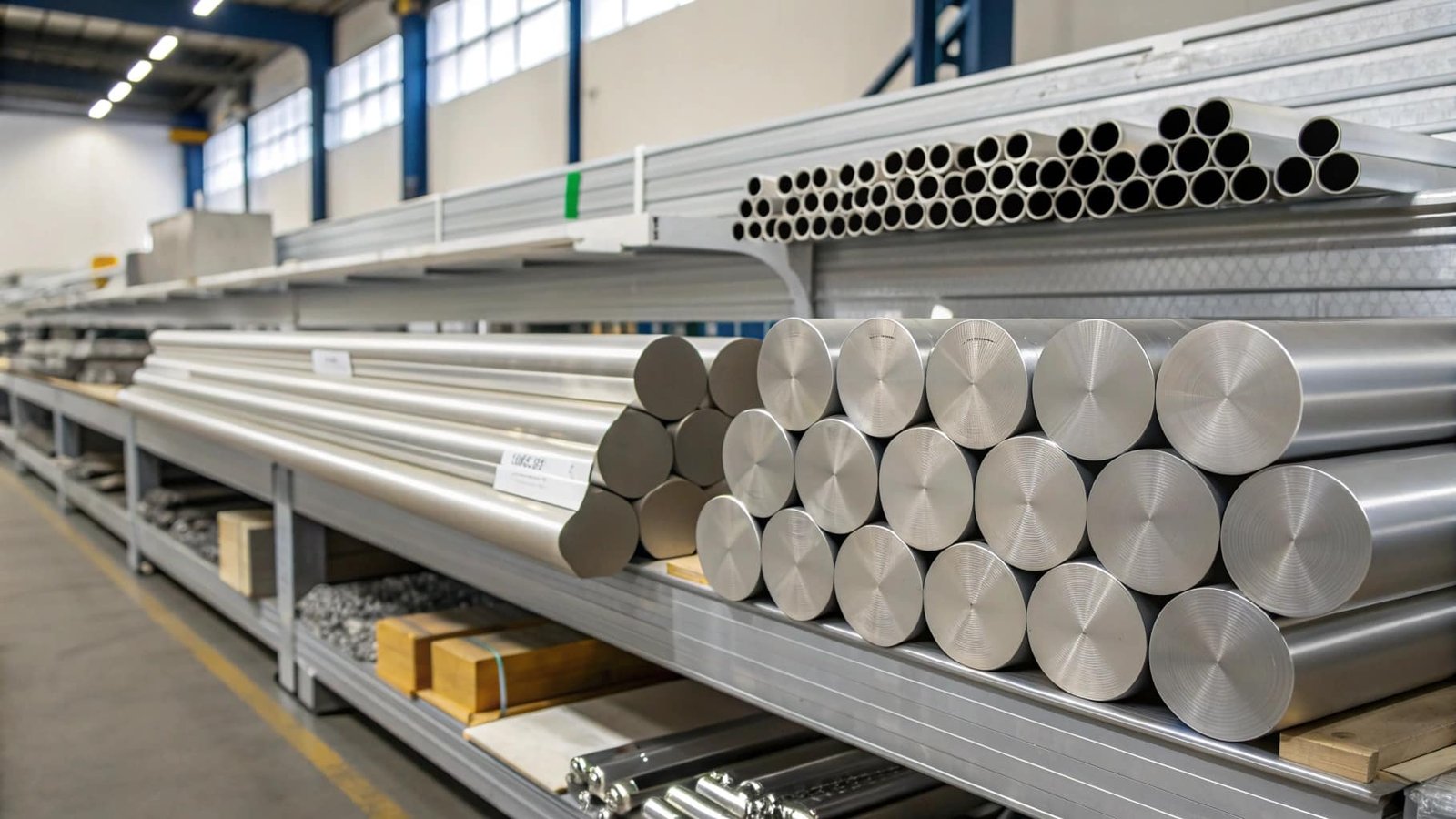
Have you ever encountered the designation "5083" when looking at aluminum sheets and wondered what makes this particular alloy stand out? It's a specific type of aluminum, known for unique properties that make it a top choice for demanding applications.
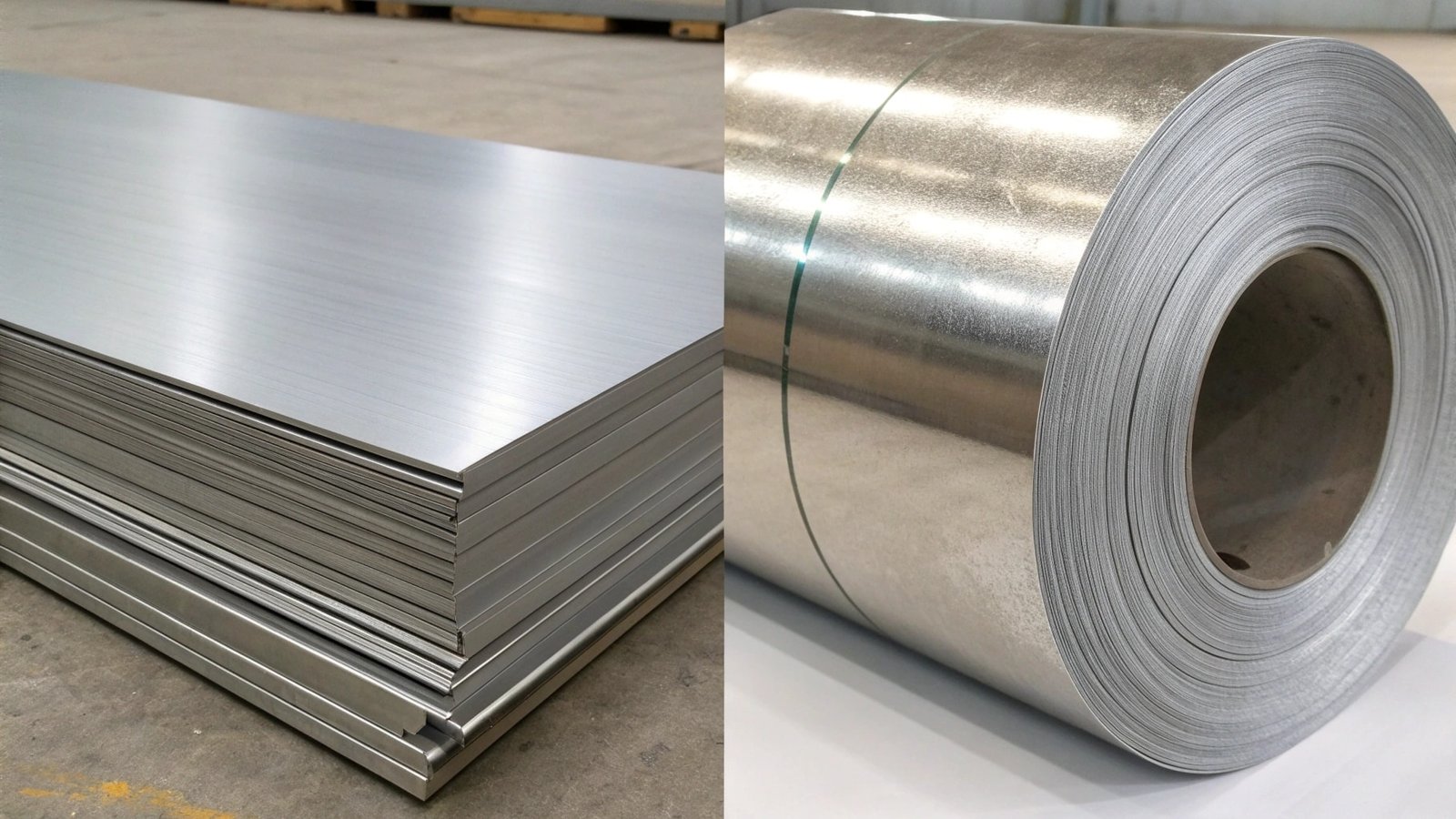
5083 aluminum1 is a high-strength, non-heat-treatable aluminum alloy primarily alloyed with magnesium (4.0-4.9%). It is renowned for its exceptional corrosion resistance2, especially in marine environments and saltwater, making it ideal for shipbuilding, offshore structures, and pressure vessels. Additionally, 5083 exhibits excellent weldability, good ductility, and maintains its strength well at cryogenic temperatures, making it a preferred material for liquefied natural gas (LNG) tanks and other low-temperature applications. While it cannot be strengthened by heat treatment, its strength is achieved through strain hardening (work hardening), and it is readily available in various forms, including sheet, plate, bar, and forgings.
At SWA Forging, while our core business focuses on large-diameter forged rings and discs, we understand the specific properties of alloys like 5083. Our clients often request materials with exceptional corrosion resistance and weldability for their critical applications, and 5083 is a common consideration for such requirements.
What is the difference between 6061 aluminum and 5083 aluminum?
Have you ever tried to choose between different aluminum alloys for a project and gotten confused by the numbers, like 6061 and 5083? While both are aluminum, they have distinct characteristics that make them suitable for very different applications.
The main difference between 6061 aluminum and 5083 aluminum lies in their alloying elements, strengthening mechanisms, and primary applications. 6061 is a heat-treatable alloy primarily alloyed with magnesium and silicon, gaining strength through a precipitation hardening process (typically T6 temper), which makes it a versatile structural alloy with good strength, workability, and fair corrosion resistance. In contrast, 5083 is a non-heat-treatable alloy that gains its strength through strain hardening (work hardening), primarily alloyed with a higher percentage of magnesium. Its standout features are exceptional corrosion resistance, particularly in saltwater and marine environments, and excellent weldability, making it the preferred choice for shipbuilding, offshore applications, and cryogenic tanks where saltwater exposure or strong welds are critical.
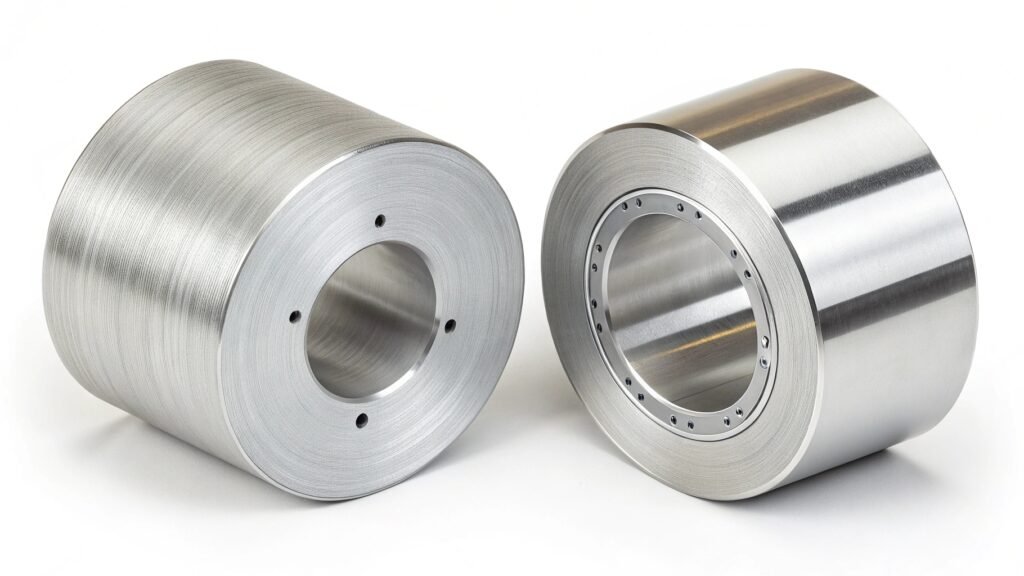
At SWA Forging, we work with a range of aluminum alloys, including those that prioritize strength, corrosion resistance, or weldability. Understanding the precise differences between alloys like 6061 and 5083 is critical for us to recommend the best material for our clients' specific forged components and their demanding applications.
Key Differences Between 6061 and 5083 Aluminum
Let's break down the distinctions between these two important aluminum alloys:
| Feature/Property | 6061 Aluminum | 5083 Aluminum |
|---|---|---|
| Primary Alloying Elements | Magnesium (Mg), Silicon (Si) | Magnesium (Mg), Manganese (Mn), Chromium (Cr) |
| Series | 6xxx series (Aluminum-Magnesium-Silicon) | 5xxx series (Aluminum-Magnesium) |
| Strengthening Mechanism | Heat-treatable (Precipitation Hardening): Gains strength through solution treatment and artificial aging (e.g., T6 temper). | Non-heat-treatable (Strain Hardening/Work Hardening): Gains strength through cold working; cannot be strengthened significantly by heat treatment. |
| Typical Strength | Moderate to High Strength: 6061-T6 has a typical Yield Strength of 240 MPa (35 ksi). | High Strength: 5083-H321 has a typical Yield Strength of 215 MPa (31 ksi), and 5083-H116 can be slightly higher. Often comparable to or slightly lower than 6061-T6, but excels in specific environments. |
| Corrosion Resistance | Good: General atmospheric corrosion resistance. Can be prone to galvanic corrosion when in contact with dissimilar metals in certain environments. | Excellent, especially in Marine/Saltwater: Superior resistance to general and localized corrosion, including stress corrosion cracking, in harsh marine conditions. |
| Weldability | Good: Weldable, but typically loses strength in the heat-affected zone (HAZ) and may require post-weld heat treatment to restore properties. | Excellent: Retains significant strength in the HAZ after welding, making it highly preferred for large welded structures that cannot be post-weld heat treated. |
| Machinability | Good: Considered one of the most machinable aluminum alloys. | Good: Can be machined well, but can be a bit gummier than 6061 due to its higher magnesium content. |
| Formability | Good: Especially in -O (annealed) and -T4 tempers. | Good: Especially in -O (annealed) temper. Can be formed, but higher strength tempers are less formable. |
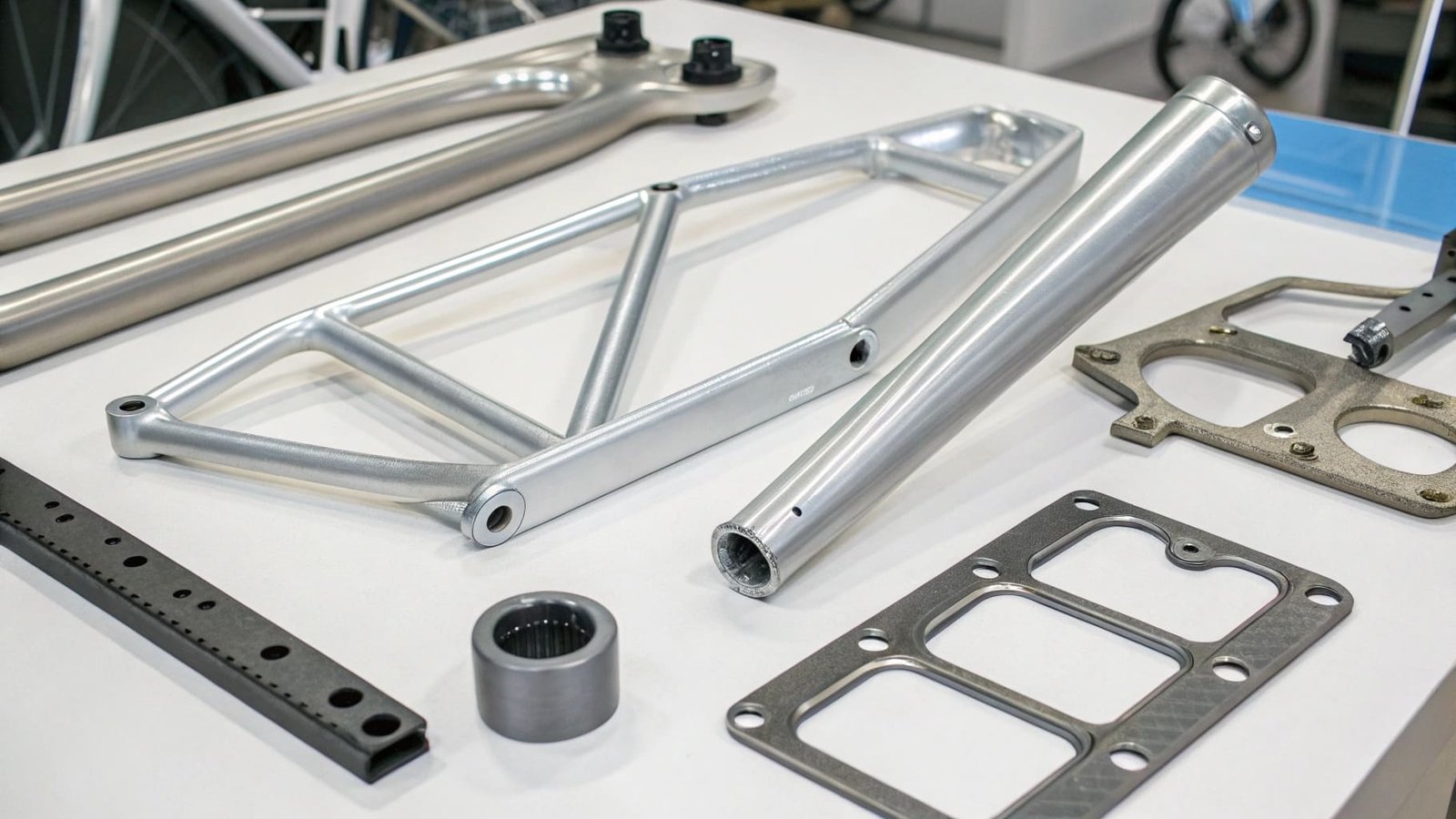
| Applications | Structural components, general engineering, automotive parts, bicycle frames, railings, electrical fittings, fasteners, truck frames. | Marine applications (shipbuilding, offshore rigs), pressure vessels, cryogenic storage tanks (LNG), rail cars, drilling rigs, armor plate. |
Summary of Core Differences:
- Strength Development: 6061 gets its strength from a heat treatment (T6 temper), while 5083 gets its strength from being "worked" (strain hardening, like H116 or H321 tempers).
- Corrosion Resistance: 5083 is specifically designed and excels in marine and saltwater environments, where 6061 is good but not superior.
- Weldability: 5083 is generally considered superior for welding large structures because it maintains more of its strength in the welded area compared to 6061, which often requires post-weld heat treatment to regain strength.
Choosing between 6061 and 5083 depends critically on the intended application, particularly the environmental conditions and the need for strong, as-welded structures.
What is the difference between Al 5052 and 5083?
Have you ever needed an aluminum sheet that could resist saltwater, but then saw both 5052 and 5083 as options? They're both part of the 5xxx series, known for their magnesium content, but they have key differences that determine which is truly better for a specific job.
The primary difference between Al 5052 and Al 5083 lies in their magnesium content and resulting strength. 5052 has a lower magnesium content (2.2-2.8%) compared to 5083 (4.0-4.9%). This makes 5052 a medium-strength alloy with excellent formability, good weldability, and very good corrosion resistance, especially in marine atmospheres, making it popular for general sheet metal work, fuel tanks, and road signs. In contrast, 5083, with its higher magnesium content, is a significantly higher-strength alloy, offering superior strength, excellent weldability, and truly outstanding resistance to marine corrosion and stress corrosion cracking. This makes 5083 the preferred choice for demanding structural applications in severe marine environments, shipbuilding, and cryogenic storage, where higher strength and superior environmental resistance are critical.
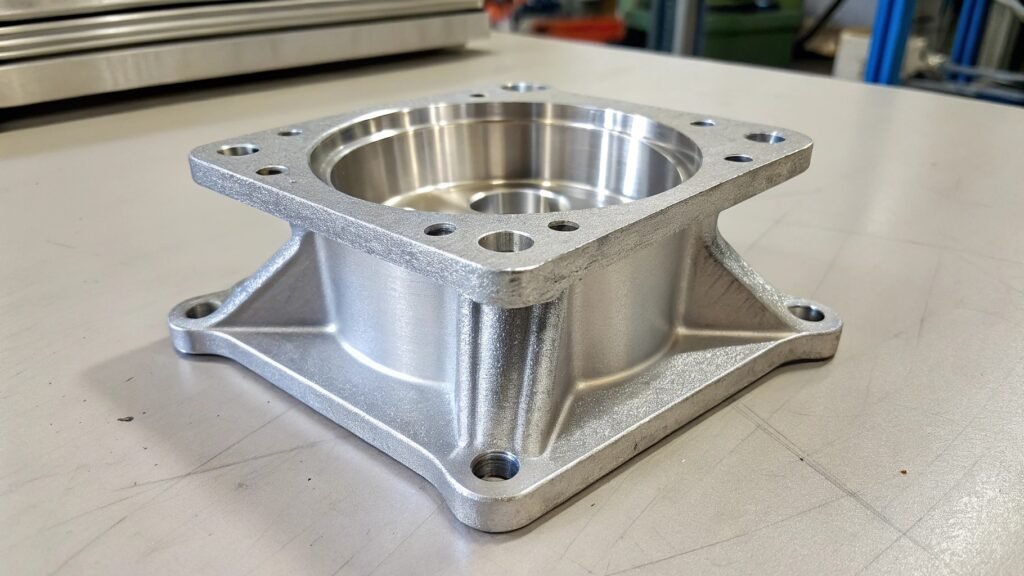
At SWA Forging, while our forging processes elevate the strength and integrity of aluminum alloys, we recognize the inherent properties that make each series unique. Our clients who require highly corrosive-resistant components for marine or industrial applications often weigh the benefits of alloys like 5052 and 5083, and we ensure our forged products meet their precise material specifications.
Detailed Comparison: Al 5052 vs. Al 5083
Let's delve into the specific characteristics that differentiate 5052 from 5083:
| Feature/Property | 5052 Aluminum | 5083 Aluminum |
|---|---|---|
| Primary Alloying Elements | Magnesium (Mg): 2.2-2.8% | Magnesium (Mg): 4.0-4.9%, Manganese (Mn): 0.4-1.0%, Chromium (Cr): 0.05-0.25% |
| Strength Level | Medium Strength: Typical Yield Strength (H32) around 130 MPa (19 ksi). | High Strength: Typical Yield Strength (H321) around 215 MPa (31 ksi). Significantly stronger than 5052. |
| Corrosion Resistance | Very Good: Excellent general corrosion resistance, very good in marine atmospheres. Does not exhibit stress corrosion cracking. | Outstanding: Superior resistance to general corrosion, particularly in harsh marine and industrial environments, and highly resistant to stress corrosion cracking, especially in H116 or H321 tempers. |
| Weldability | Excellent: Easy to weld using common techniques. Welds retain good strength. | Excellent: Known for retaining strength in the heat-affected zone (HAZ) after welding, making it ideal for large, welded structures. Considered one of the best weldable high-strength aluminum alloys. |
| Formability | Excellent: One of the most formable aluminum alloys in its annealed (O) or softer tempers (H32, H34). Can be deep drawn and bent without cracking. | Good: Good formability in softer tempers, but less formable than 5052 due to its higher strength. Still suitable for many forming operations. |
| Machinability | Good: Considered good, but can be a bit "gummy" due to magnesium content. | Good: Similar to 5052, can be gummy due to high magnesium. |
| Cost | Generally lower cost than 5083. | Generally higher cost than 5052 due to higher alloy content and specific processing. |
| Applications | Fuel tanks, road signs, pressure vessels (lower pressure), general sheet metal work, electronics chassis, marine components (less severe exposure), truck/bus body panels. | Shipbuilding (hulls, superstructures), offshore oil rigs, cryogenic storage tanks (for LNG), rail cars, armor plate, drilling rigs, pressure vessels (higher pressure). |
Summary of Core Differences:
- Strength: 5083 is significantly stronger than 5052. This is the primary driver for choosing 5083 for structural applications.
- Magnesium Content: The higher magnesium in 5083 directly contributes to its increased strength and enhanced resistance to stress corrosion cracking in severe environments.
- Application: 5052 is a versatile workhorse for general-purpose corrosion-resistant applications where moderate strength is sufficient. 5083 is specified for heavy-duty, high-strength structural applications in the most corrosive environments, especially where excellent weld performance is critical.
When selecting between 5052 and 5083, the decision hinges on the required strength, the severity of the operating environment (particularly saltwater exposure), and the need for high-integrity welded structures.
What is the toughest aluminum?
Have you ever wondered which aluminum alloy can take the most punishment, resisting impacts and preventing cracks from spreading? "Toughness" in metals is a specific property, and for aluminum, some alloys truly stand out.
The toughest aluminum alloys are generally those that exhibit a good balance of high strength, ductility, and fracture toughness, meaning they can absorb significant energy before fracturing and resist crack propagation. Alloys in the 2xxx series (Aluminum-Copper) like 2024 and certain 7xxx series (Aluminum-Zinc) alloys like 7050 are often considered among the toughest. While 7075 is known for its ultimate strength, 7050 is engineered to provide better fracture toughness, especially in thick sections, which is crucial for aerospace applications. The temper condition also plays a vital role; over-aged tempers (e.g., -T7) often provide improved fracture toughness at a slight reduction in peak strength. Therefore, the "toughest" aluminum is not necessarily the strongest but rather the one best able to absorb energy and resist sudden, catastrophic failure.
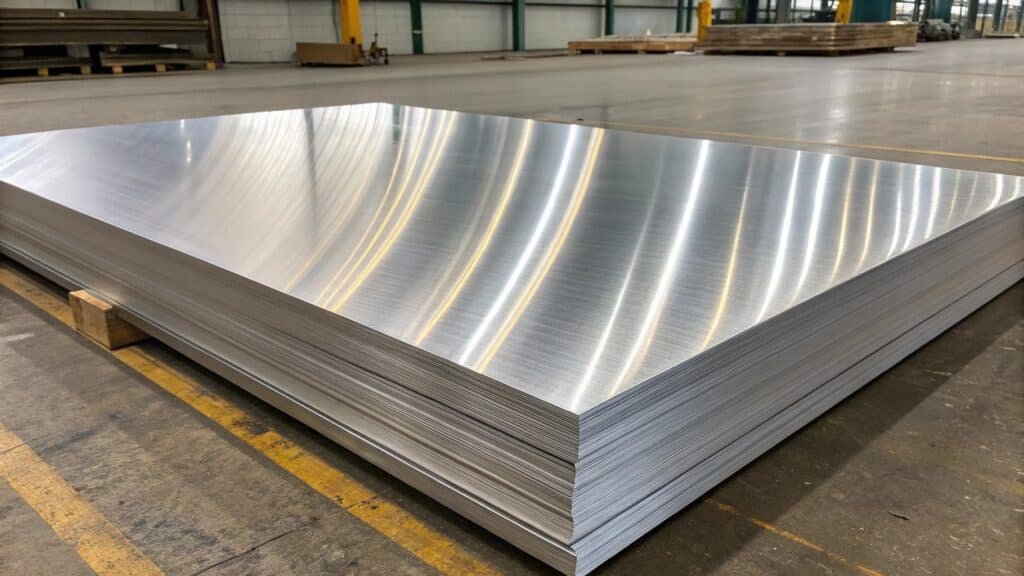
At SWA Forging, producing tough aluminum components is fundamental to our mission. We carefully select alloys and apply our precise forging techniques to optimize grain structure, directly enhancing the fracture toughness and overall durability of our large-diameter rings and discs, ensuring they withstand the most demanding operational stresses for our clients.
Understanding Toughness in Aluminum Alloys
Let's break down what "toughness" means for aluminum and which alloys excel:
-
Defining Toughness:
- Not just Strength: Toughness is not simply strength or hardness. A very hard, strong material can be brittle and prone to sudden fracture.
- Energy Absorption: Toughness is the ability of a material to absorb energy and deform plastically before fracturing. It signifies resistance to crack initiation and propagation.
- Fracture Toughness (KIC): A specific material property that quantifies a material's resistance to unstable crack propagation under static loading. Higher KIC values indicate greater toughness.
-
Factors Influencing Toughness in Aluminum:
- Alloy Chemistry: Specific alloying elements play a role.
- Temper/Heat Treatment: This is extremely critical. For heat-treatable alloys, the specific aging treatment can significantly impact toughness. Over-aged tempers (e.g., T7 series for 7xxx alloys, like 7050-T7451, 7075-T7351) are specifically designed to sacrifice a small amount of peak strength for a significant increase in fracture toughness and resistance to stress corrosion cracking.
- Grain Structure: Fine, uniform grain structures and the absence of large inclusions or precipitates contribute to better toughness. Forging processes, like those at SWA Forging, are known to refine grain structures, thereby improving toughness.
- Section Thickness: Thicker sections of some alloys (especially 7xxx series) can exhibit lower fracture toughness.
-
Toughest Aluminum Alloys (Examples):
- 2xxx Series (Al-Cu):
- 2024: A classic aerospace alloy, it offers a good balance of high strength and good fatigue resistance. In tempers like 2024-T3, it exhibits good fracture toughness for many applications.
- 7xxx Series (Al-Zn-Mg-Cu): These are the strongest aluminum alloys, but toughness can be a concern for some tempers.
- 7050: Specifically developed for thick-section aerospace applications where 7075-T6's toughness might be insufficient. 7050-T7451 is widely regarded as one of the toughest high-strength aluminum alloys, offering an excellent combination of strength, stress corrosion cracking resistance, and fracture toughness.
- 7075-T7351: While 7075-T6 is the benchmark for high strength, the -T7351 temper of 7075 offers significantly improved toughness and stress corrosion cracking resistance at a slight trade-off in peak strength.
- 5xxx Series (Al-Mg): While not reaching the peak strengths of 2xxx or 7xxx alloys, alloys like 5083 (especially in H116 or H321 tempers) are noted for their excellent ductility and good resistance to stress corrosion cracking, which contributes to their overall "toughness" in marine environments. They handle impact and fatigue well in their typical applications.
- 2xxx Series (Al-Cu):
| Alloy Series | Typical Alloys / Tempers | Strength Level | Fracture Toughness | Common Applications |
|---|---|---|---|---|
| 2xxx | 2024-T3 | High | Good | Aerospace structural components |
| 7xxx | 7050-T7451, 7075-T7351 | Very High | Very Good (optimized tempers) | High-performance aerospace, armor |
| 5xxx | 5083-H116, 5083-H321 | High | Good (ductile, SCC resistant) | Marine, cryogenic, pressure vessels |
Therefore, while "strongest" might point to 7075-T6, "toughest" for aluminum often refers to alloys like 7050-T7451 or 7075-T7351, which are specifically processed to maximize their ability to resist cracking and catastrophic failure under demanding conditions.
How do I tell what grade my aluminum is?
Have you ever found a piece of aluminum scrap and wondered what grade it is, or received material without clear labeling and needed to identify it? Identifying aluminum grades can be challenging, as they often look identical to the naked eye, but there are several methods you can use.
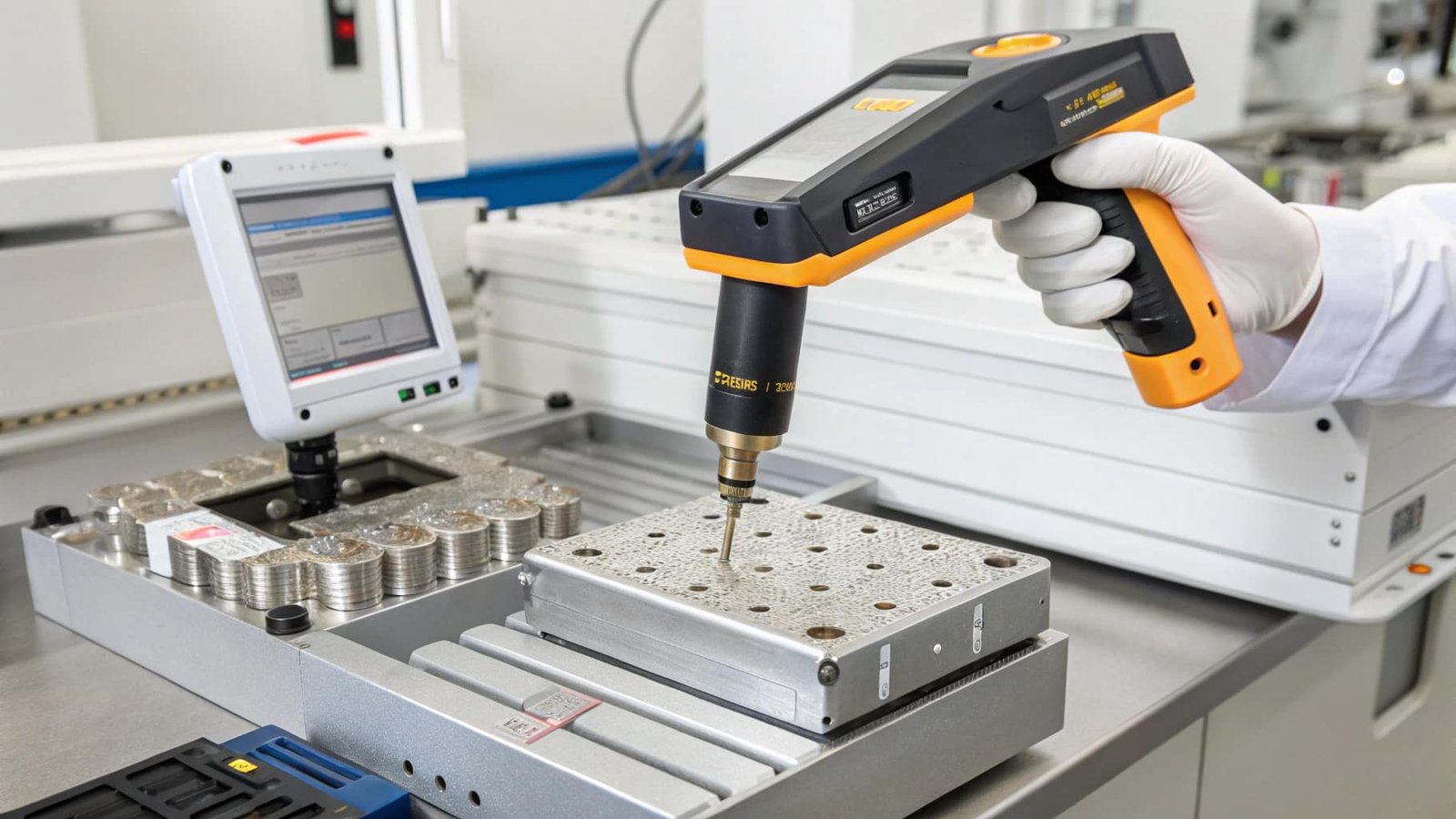
Identifying the specific grade of aluminum often requires a combination of methods, as visual inspection alone is insufficient. The most reliable way is through Material Test Reports (MTRs) or mill certifications provided by the supplier. Without documentation, non-destructive tests include spark testing (though less definitive for aluminum than steel), hardness testing (providing clues but not a definitive grade), and density measurement (especially useful for distinguishing pure aluminum from alloys). For precise identification, particularly the specific alloying elements, Positive Material Identification (PMI) using X-Ray Fluorescence (XRF) or Optical Emission Spectrometry (OES) is the most accurate method, as these techniques analyze the elemental composition of the alloy.
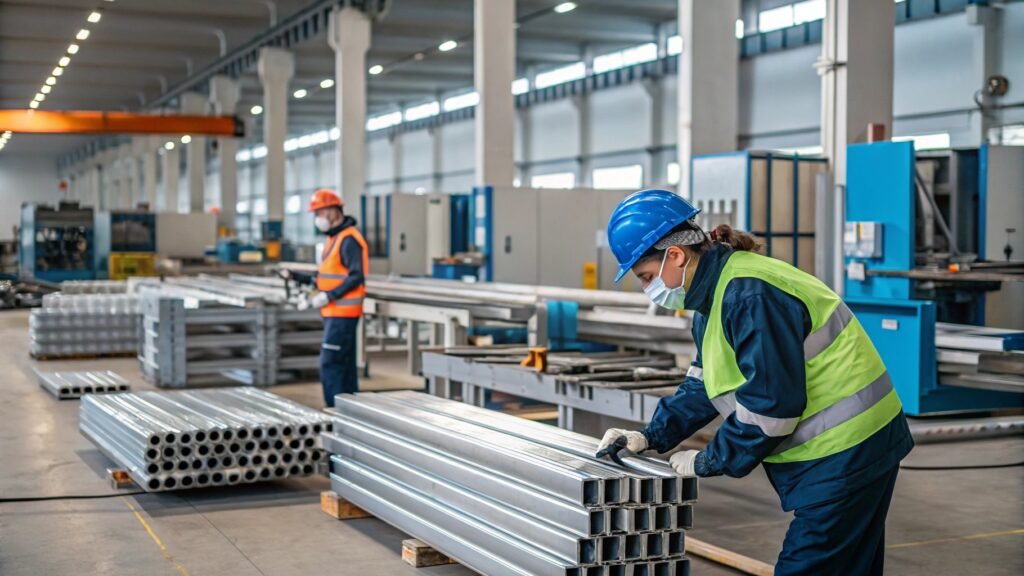
At SWA Forging, material traceability and grade verification are paramount. Every large-diameter forged ring or disc we produce comes with comprehensive documentation. We understand that precise alloy identification is not just a preference but a critical requirement for safety and performance in the demanding applications our clients serve.
Methods for Identifying Aluminum Grades
Let's explore the various techniques for determining the grade of aluminum:
-
Material Test Reports (MTRs) / Mill Certifications:
- Method: This is the most reliable and accurate method. Reputable suppliers provide documentation (MTRs, also known as "certs") with each batch of material. These reports detail the exact chemical composition, mechanical properties (yield strength, tensile strength, elongation), heat treatment, and often the melt source of the material.
- Pros: Definitive proof of material grade and properties.
- Cons: Only available if the material is new or has been carefully tracked since its origin. Not useful for unknown scrap.
-
Visual Inspection and Markings:
- Method: Sometimes, aluminum sheets, plates, or extrusions will have markings (stamps, stenciling, tags) directly on them indicating the alloy and temper (e.g., "6061-T6").
- Pros: Quick and easy if present.
- Cons: Markings can be faded, removed, or incorrect. Many smaller pieces or scrap will not have them.
-
Hardness Testing:
- Method: Using a Rockwell, Brinell, or Vickers hardness tester. Different aluminum alloys and tempers will have characteristic hardness ranges.
- Pros: Non-destructive, provides a quick estimate.
- Cons: Not definitive on its own; many different alloys or tempers can have overlapping hardness ranges. It can give you a clue but not an exact grade. For example, a soft aluminum might be 1100-O or 6061-O, while a hard one could be 6061-T6 or 7075-T6.
-
Density Measurement:
- Method: Accurately measure the weight and volume of the aluminum piece to calculate its density. Pure aluminum has a density of about 2.70 g/cm³, while alloys with heavier elements (like copper in 2xxx series) or lighter ones (like magnesium in 5xxx series) will have slightly different densities.
- Pros: Relatively simple for solid, regular shapes.
- Cons: Differences in density between alloys are often small, requiring very precise measurements. Not definitive, but can help narrow down possibilities or rule out certain alloys.
-
Spark Testing (Limited Use for Aluminum):
- Method: Grinding a small amount of the material against a grinding wheel and observing the color, shape, and length of the sparks.
- Pros: Quick, rough estimation.
- Cons: Very limited for aluminum. Unlike steel, aluminum produces very few sparks, and they are typically dull white/gray, making it difficult to distinguish between alloys. It's more useful for distinguishing aluminum from other metals.
-
Positive Material Identification (PMI) - Elemental Analysis:
- Method: This is the most accurate non-destructive method.
- X-Ray Fluorescence (XRF): A handheld device that irradiates the material with X-rays and analyzes the emitted secondary X-rays to determine the elemental composition.
- Optical Emission Spectrometry (OES): A more precise laboratory-based method (or larger portable unit) that burns a small amount of the material and analyzes the light spectrum emitted to determine exact elemental composition.
- Pros: Highly accurate and provides a detailed breakdown of alloying elements, allowing for precise grade identification. Non-destructive (XRF) or minimally destructive (OES).
- Cons: Equipment is expensive and requires trained operators.
- Method: This is the most accurate non-destructive method.
-
Chemical Spot Tests:
- Method: Applying specific chemical solutions to a cleaned surface and observing color changes or reactions. These tests are usually designed to identify the presence of specific alloying elements.
- Pros: Relatively inexpensive and quick for certain elements.
- Cons: Destructive to the surface, less precise than PMI, and usually only confirms the presence/absence of a few key elements, not the exact percentages needed for a grade.
| Identification Method | Accuracy Level | Pros | Cons |
|---|---|---|---|
| MTRs / Certifications | Highest | Definitive, legally traceable | Only for new/tracked material |
| PMI (XRF/OES) | Very High | Highly accurate elemental analysis, non-destructive (XRF) | Expensive equipment, trained operators |
| Hardness Testing | Moderate | Non-destructive, quick initial clue | Not definitive, overlapping ranges |
| Density Measurement | Low-Moderate | Can help narrow down possibilities | Requires precision, small differences between alloys |
| Visual/Markings | Low-Moderate | Quick, easy if present | Often absent, can be unreliable |
| Chemical Spot Tests | Low-Moderate | Inexpensive for specific elements | Destructive to surface, not quantitative |
| Spark Testing (Aluminum) | Very Low | Quick, but mostly for distinguishing from other metals | Very poor for distinguishing aluminum alloys |
For critical applications or commercial transactions, relying on MTRs or certified PMI testing is always recommended. For hobbyists or less critical applications, a combination of hardness, density, and basic visual inspection might provide enough information.
Conclusion
5083 aluminum is a high-strength, non-heat-treatable alloy known for its exceptional corrosion resistance in marine environments, excellent weldability, and good low-temperature performance, making it ideal for shipbuilding and cryogenic tanks. The main difference between 6061 and 5083 aluminum is that 6061 is heat-treatable and a general-purpose structural alloy, while 5083 is strain-hardened, with superior marine corrosion resistance and weldability. Al 5052 differs from 5083 in its lower magnesium content, making 5052 a medium-strength alloy with better formability, whereas 5083 offers significantly higher strength and outstanding corrosion resistance for more demanding applications. The toughest aluminum alloys balance strength, ductility, and fracture toughness, with 2024 and specific 7xxx series alloys like 7050-T7451 being prime examples. To tell what grade aluminum is, the most reliable method is through Material Test Reports (MTRs) or Positive Material Identification (PMI) using elemental analysis like XRF or OES.