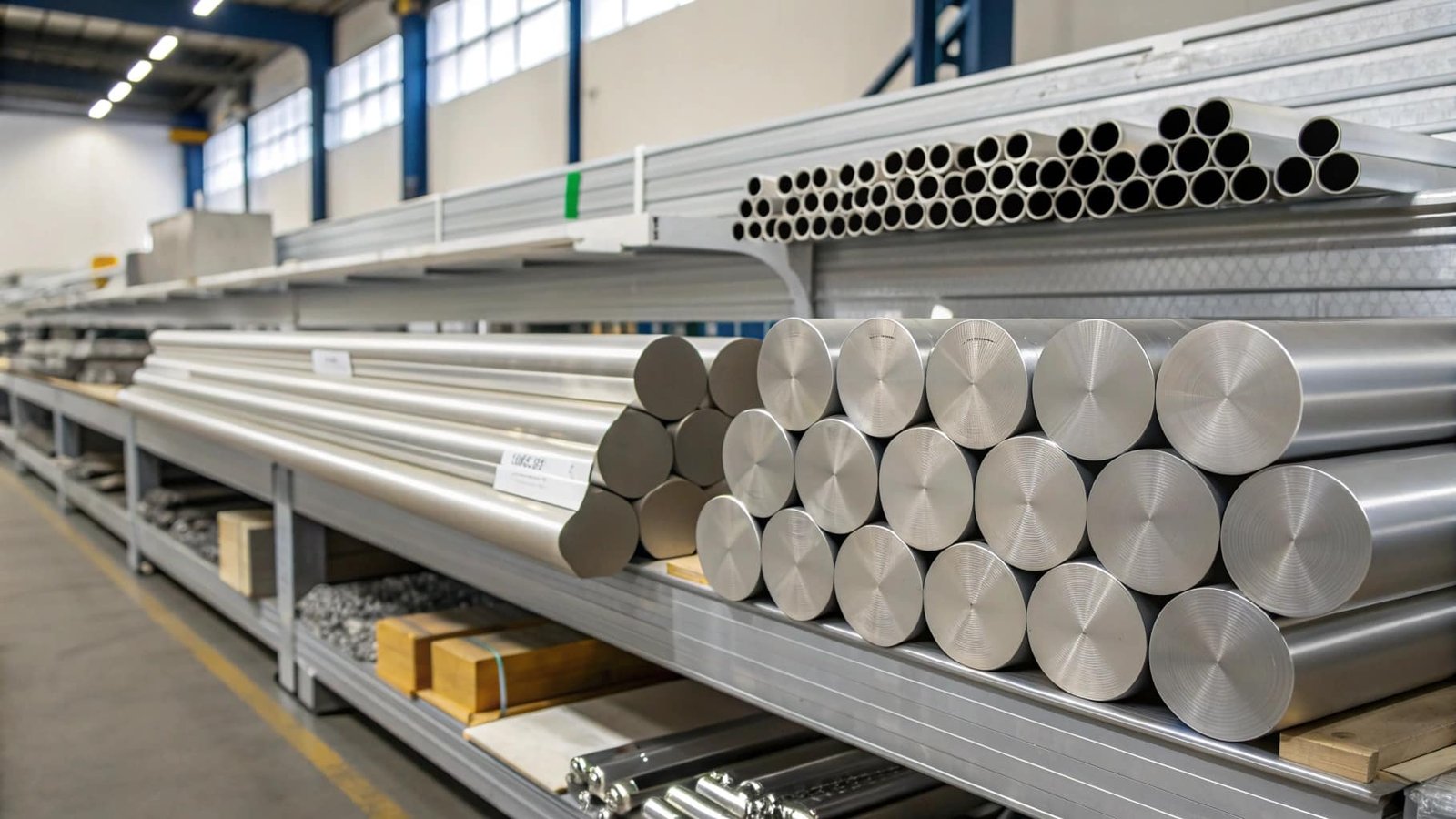
Have you ever wondered which aluminum alloy is the workhorse of the sheet metal world, showing up in everything from truck trailers to architectural facades? There's one grade that consistently stands out for its versatility and widespread use.
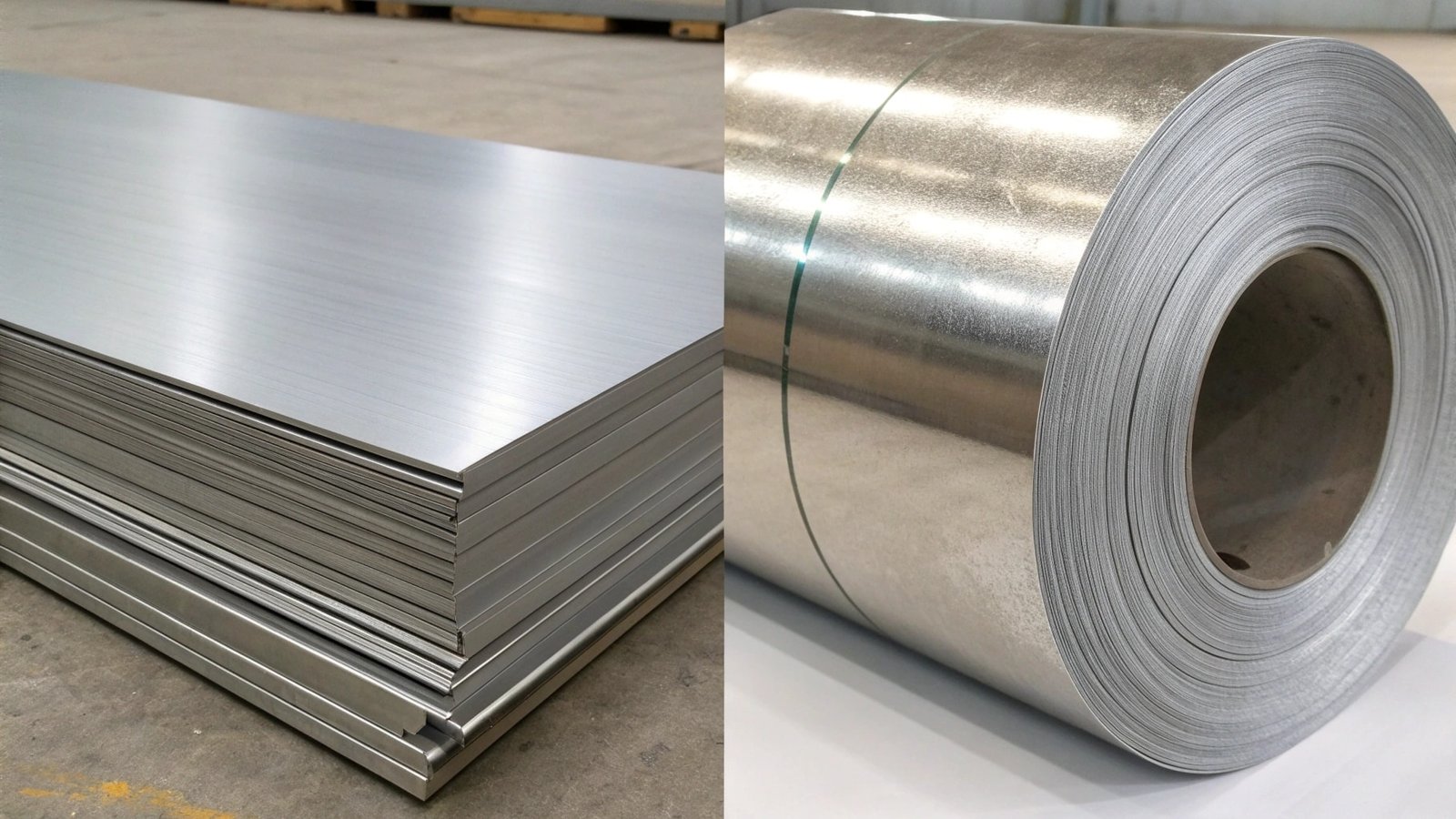
The most common grade of aluminum sheet, particularly for general-purpose applications, is 6061 aluminum alloy1. This is largely due to its excellent combination of properties: good strength (especially in T6 temper), very good corrosion resistance2, high weldability, and good formability. These characteristics make it highly suitable for structural components, transportation applications (truck and marine), general fabrication, and architectural uses where a balance of strength, durability, and ease of processing is required. Other common grades include 3003 (for its formability and corrosion resistance in non-structural applications) and 5052 (for higher strength and marine environments).
At SWA Forging, while we specialize in forged components, we understand that our clients often integrate our parts with standard aluminum sheets like 6061. This commonality ensures compatibility and streamlined processes for them.
What is the price of an aluminum sheet?
Have you ever tried to budget for an aluminum sheet project and found yourself scratching your head at the varying costs? The price of aluminum sheet is not a fixed number; it's a dynamic figure influenced by several key factors.
The price of an aluminum sheet varies significantly based on several factors, including the alloy type (e.g., 3003, 5052, 6061), thickness, width, length, temper (e.g., O, H14, T6), and the quantity purchased. Generally, thinner and smaller sheets cost less per unit, while thicker, larger, or specialty alloy sheets will be more expensive. Market dynamics like global aluminum prices, supplier, and order size also play a crucial role. Prices can range from a few dollars per square foot for standard grades and sizes to much higher for specific alloys, large dimensions, or aerospace-grade material.
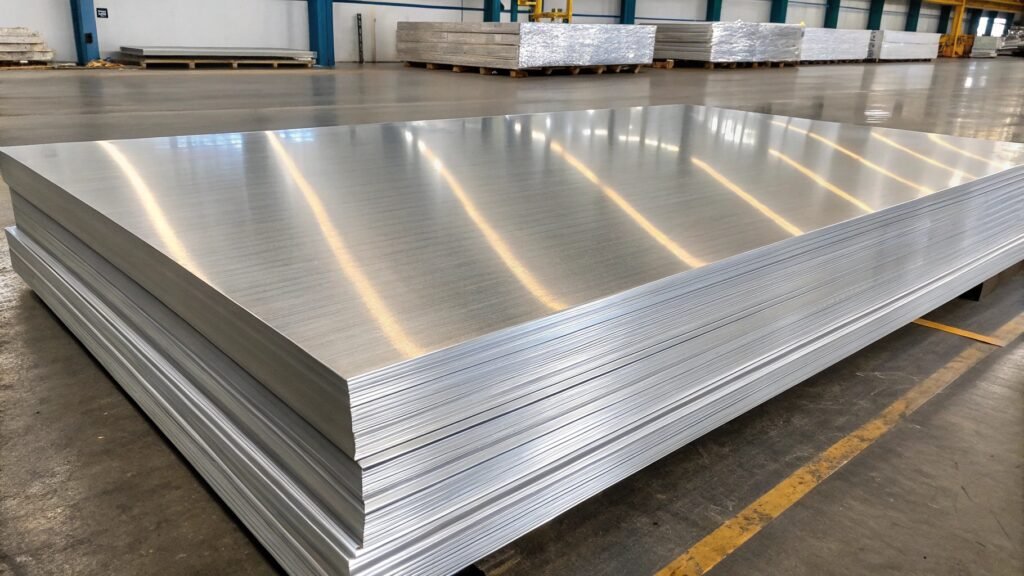
At SWA Forging, we face similar pricing complexities with our forged components, as alloy type, size, and complexity all influence cost. We understand that our clients need transparent and competitive pricing, which is why we focus on delivering value by providing high-quality, customized solutions.
Factors Influencing Aluminum Sheet Price
Let's break down the key elements that determine the cost of an aluminum sheet:
-
Alloy Type:
- Explanation: Different aluminum alloys have varying compositions and processing requirements, which impact their raw material cost and manufacturing complexity.
- Impact: Common general-purpose alloys like 3003 or 6061 are typically less expensive than high-strength or specialty alloys like 7075 or aerospace-grade materials (e.g., 2024), which contain more expensive alloying elements or require more complex heat treatments.
-
Thickness (Gauge):
- Explanation: The thicker the sheet, the more raw material (aluminum) is required, and often, the more processing power is needed for rolling.
- Impact: Thicker sheets are generally more expensive per square foot or per pound. For example, a 1/4" thick sheet will cost more than a 1/16" thick sheet of the same alloy and size.
-
Dimensions (Width and Length):
- Explanation: Standard sizes (e.g., 4'x8', 4'x10', 5'x10') are often produced in larger volumes and can be more cost-effective. Custom or unusually large dimensions may require specialized rolling or cutting processes.
- Impact: Non-standard or oversized sheets can command a premium due to less efficient production runs or increased handling costs.
-
Temper:
- Explanation: The temper indicates the mechanical properties achieved through heat treatment (e.g., T6 for high strength) or work hardening (e.g., H14 for semi-hardened). These processes add to the manufacturing cost.
- Impact: Heat-treated tempers (like T6) are typically more expensive than annealed (O) or work-hardened (H) tempers because of the additional energy and time involved in their production.
-
Quantity Purchased (Volume Discounts):
- Explanation: Manufacturers and distributors often offer volume discounts.
- Impact: Buying in bulk (e.g., full pallets or truckloads) can significantly reduce the per-unit price compared to buying single sheets or small quantities. Small orders incur higher handling and processing costs per sheet.
-
Market Conditions and Global Aluminum Prices:
- Explanation: The price of primary aluminum is influenced by global supply and demand, energy costs, geopolitical factors, and commodity exchange rates (e.g., London Metal Exchange - LME).
- Impact: These external factors can cause the base price of aluminum to fluctuate, directly affecting the cost of aluminum sheet over time.
-
Supplier and Location:
- Explanation: Different suppliers have different overheads, profit margins, and shipping costs. Local suppliers might be more expensive per sheet but save on freight for small orders.
- Impact: It's often worthwhile to get quotes from multiple suppliers and consider freight costs, especially for larger orders.
| Factor | How it Affects Price |
|---|---|
| Alloy Type | Specialty/high-strength alloys > general-purpose alloys |
| Thickness | Thicker sheets > thinner sheets |
| Dimensions | Non-standard/oversized > standard sizes |
| Temper | Heat-treated (T6) > annealed (O) or work-hardened (H) tempers |
| Quantity Purchased | Smaller quantities > larger quantities (per unit) |
| Market Conditions | Fluctuates with global supply, demand, and energy costs |
| Supplier/Location | Varies based on overheads, profit margins, and shipping costs |
Understanding these factors allows for a more informed approach when sourcing aluminum sheet for your projects.
How to cut an aluminium sheet?
Have you ever found yourself with an aluminum sheet and wondered about the best way to cut it precisely and safely? The method you choose depends heavily on the sheet's thickness, the required precision, and the tools you have available.
To cut an aluminum sheet, various methods can be employed depending on the sheet thickness and precision needed. For thin gauges (under 1/16"), hand tools like tin snips or utility knives (for scoring and snapping) are suitable. For thicker sheets (up to 1/8"), a circular saw with a fine-tooth carbide-tipped blade specifically designed for non-ferrous metals, or a jigsaw with an aluminum-cutting blade, can be effective. For higher precision and thicker plates, power tools such as a band saw, plasma cutter, or waterjet cutter are used. Industrial applications often rely on CNC-controlled laser cutters for intricate shapes or shears for straight cuts.
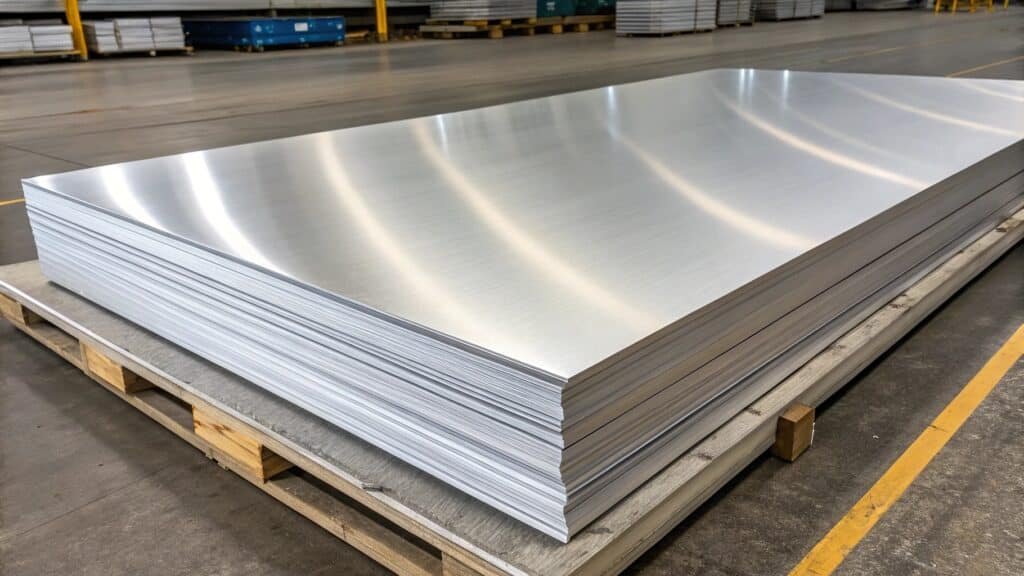
At SWA Forging, while our focus is on forming massive aluminum components through forging, we rely on precise cutting methods for our raw material preparation and during initial stages of our processes. We understand the importance of clean, accurate cuts for downstream operations, whether it's for us or for our clients who machine our forged parts.
Common Methods for Cutting Aluminum Sheet
Here's a breakdown of popular cutting methods, categorized by typical application:
-
Hand Tools (for very thin gauges, up to 1/16" or 1.5mm):
- Tin Snips/Aviation Snips: Ideal for small, straight cuts or gentle curves on very thin sheets. They work like heavy-duty scissors.
- Utility Knife (Score and Snap): For very thin, soft aluminum sheets (like flashing), you can score a line deeply with a utility knife and then bend the sheet along the score until it breaks cleanly.
- Pro Tip: Always wear gloves to protect from sharp edges.
-
Power Saws (for thin to medium gauges, 1/16" to 1/4" or 1.5mm to 6mm):
- Circular Saw:
- Blade: Must use a fine-tooth, carbide-tipped blade specifically designed for non-ferrous metals (often labeled "aluminum cutting" or "triple-chip grind"). A standard wood blade will clog and be dangerous.
- Technique: Clamp the sheet securely, use a straight edge for guiding, and apply a cutting lubricant (like WD-40, cutting wax, or even stick wax) to the blade to prevent gumming. Cut at a consistent, moderate speed.
- Safety: Wear eye protection, hearing protection, and gloves. Be mindful of flying chips.
- Jigsaw:
- Blade: Use a bi-metal blade with a high tooth count (e.g., 10-14 TPI) and a wavy set, designed for non-ferrous metals.
- Technique: Good for curves and intricate shapes. Apply lubricant to the blade.
- Safety: Secure the workpiece, wear PPE.
- Band Saw:
- Blade: Bi-metal blade with appropriate TPI (e.g., 6-10 TPI) for aluminum.
- Technique: Excellent for straight cuts and curves on thicker sections. Feed the material slowly and consistently.
- Safety: Standard band saw safety precautions.
- Circular Saw:
-
Specialized/Industrial Methods (for various thicknesses, high precision, or high volume):
- Shearing Machine (Guillotine Shear):
- Technique: Uses a powerful blade to cut straight lines through sheets up to certain thicknesses. Very fast and precise for straight cuts.
- Application: Ideal for cutting large quantities of sheet metal to size.
- Plasma Cutter:
- Technique: Uses an accelerated jet of hot plasma to cut through electrically conductive materials.
- Application: Good for fast cuts on thicker sheets and plates, including intricate shapes (especially CNC plasma). Produces a wider kerf (cut width) than laser or waterjet.
- Laser Cutter:
- Technique: Uses a focused, high-power laser beam to melt and vaporize the material. Often CNC-controlled for extreme precision.
- Application: Excellent for intricate designs, fine details, and very clean edges. Can cut a wide range of thicknesses with high accuracy.
- Waterjet Cutter:
- Technique: Uses a high-pressure stream of water mixed with an abrasive grit to erode the material.
- Application: Can cut virtually any material, including very thick aluminum, without generating heat, thus avoiding material distortion. Produces very clean, precise cuts, often used for critical components.
- Shearing Machine (Guillotine Shear):
| Cutting Method | Best For | Typical Thickness Range | Key Advantage |
|---|---|---|---|
| Tin Snips/Utility Knife | Very thin sheets, small cuts | < 1/16" (1.5mm) | Handheld, inexpensive |
| Circular Saw (non-ferrous blade) | Straight cuts, medium thickness | 1/16" - 1/4" (1.5mm - 6mm) | Relatively fast, good for straight lines |
| Jigsaw (non-ferrous blade) | Curves, intricate shapes, medium thickness | 1/16" - 1/8" (1.5mm - 3mm) | Versatile for non-straight cuts |
| Band Saw | Straight and curved cuts, thicker sections | 1/8" - 1" (3mm - 25mm+) | Good control for thicker material |
| Shearing Machine | High-volume straight cuts | Varies by machine (up to 1/2" or 12mm+) | Very fast, clean straight cuts |
| Plasma Cutter | Fast cuts, thicker material, moderate precision | 1/8" - 1" (3mm - 25mm+) | Speed for thicker sections, shapes |
| Laser Cutter | High precision, intricate designs, clean edges | Varies by power (up to 1" or 25mm+) | Excellent precision, minimal post-processing |
| Waterjet Cutter | Very thick, complex shapes, no heat distortion | All thicknesses | No heat affected zone, highly precise, versatile |
Always prioritize safety, use the correct tools and blades, and apply lubricant when cutting aluminum to ensure a clean cut and prolong tool life.
Why is aluminum sheet so expensive?
Have you ever been surprised by the cost of aluminum sheet, especially when you consider how common aluminum products are? While often more affordable than stainless steel or titanium, aluminum sheet isn't cheap due to a complex interplay of factors from raw material to finished product.
Aluminum sheet can be expensive due to the energy-intensive process of producing primary aluminum from bauxite ore via smelting, which requires vast amounts of electricity. Additional costs are incurred through alloying, rolling into sheets, and specialized heat treatments or finishes. Furthermore, global market demand, supply chain complexities, and transportation costs all contribute to the final price. While aluminum is highly recyclable, the initial production cost and the subsequent specialized manufacturing processes for specific sheet grades and tempers drive up its overall expense.
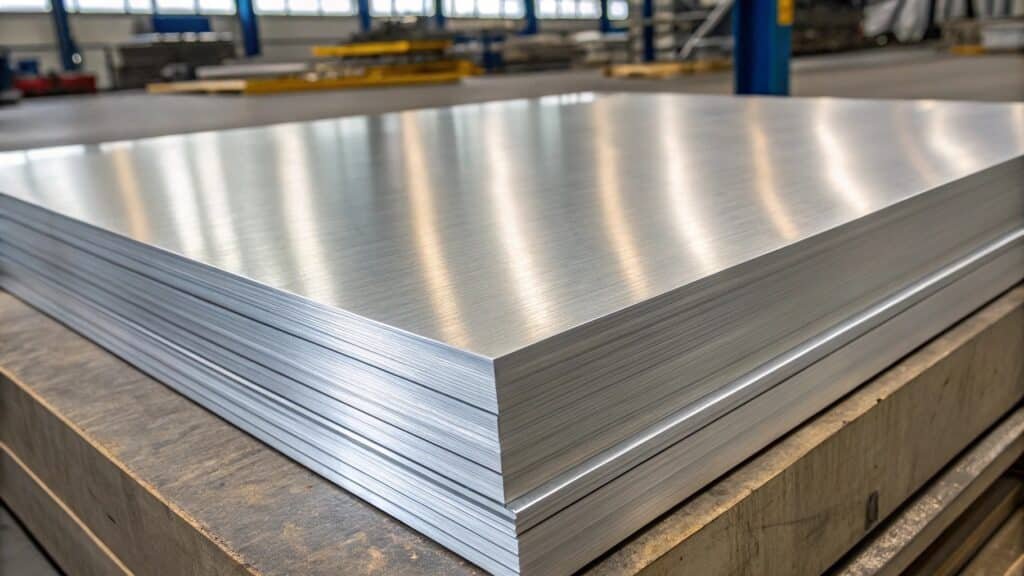
At SWA Forging, we face similar cost factors in our specialized production of forged aluminum. We manage these costs through efficient processes and by delivering a product whose superior properties justify the investment for our clients' high-performance applications.
Key Reasons for Aluminum Sheet Expense
Let's unpack the main drivers behind the cost of aluminum sheet:
-
Energy-Intensive Primary Production:
- Bayer Process: Converting bauxite ore to alumina is an energy-intensive chemical process.
- Hall-Héroult Smelting: This is the most significant cost driver. Electrolytic reduction of alumina to pure aluminum requires immense amounts of electricity. Aluminum smelters are often located near abundant and cheap power sources. The cost of electricity directly impacts the price of primary aluminum.
-
Raw Material Cost (Bauxite and Alumina):
- While bauxite is relatively abundant, the cost of extracting, refining, and transporting it globally adds to the base price of alumina, which is the direct input for smelting.
-
Alloying Elements:
- To create aluminum alloys (like 6061, 5052, 7075), other metals like magnesium, silicon, copper, and zinc are added. The cost of these alloying elements varies, and some can be quite expensive, directly impacting the alloy's price.
-
Rolling and Finishing Processes:
- Hot and Cold Rolling: Transforming large aluminum ingots into thin sheets involves multiple passes through massive rolling mills. This requires significant machinery, energy, and precision.
- Heat Treatment: Many high-strength aluminum sheet alloys (like T6 tempers) undergo complex heat treatment processes to achieve their desired mechanical properties. These processes are energy-intensive and add to the production time and cost.
- Surface Finishes: Specialized finishes, coatings, or polishing add further costs.
-
Quality Control and Certification:
- Maintaining strict quality standards, especially for aerospace or critical applications, involves extensive testing, inspection, and certification processes, which are costly but essential for safety and performance. This is particularly true for companies like SWA Forging, where rigorous quality control is paramount.
-
Transportation and Logistics:
- Aluminum is traded globally. The cost of shipping raw materials (bauxite, alumina), primary aluminum, and finished sheets across continents contributes significantly to the final price, influenced by fuel costs and shipping rates.
-
Market Dynamics:
- Supply and Demand: Global demand for aluminum (driven by construction, automotive, packaging) and available supply directly influence prices.
- Commodity Trading: Aluminum is traded on commodity exchanges (e.g., LME), and its price fluctuates daily based on market speculation and economic indicators.
-
Lower Recycling Rate (for primary production costs):
- While aluminum is highly recyclable, a significant portion of global aluminum production still comes from primary (virgin) sources, meaning the high energy costs for initial production remain a factor.
| Cost Driver | Explanation |
|---|---|
| Energy Consumption | High electricity demand for smelting primary aluminum |
| Raw Material Cost | Extraction, refining, and transport of bauxite and alumina |
| Alloying Elements | Cost of metals like magnesium, silicon, copper, zinc |
| Rolling & Finishing | Energy for hot/cold rolling, heat treatment, surface finishes |
| Quality Control/Certification | Rigorous testing and compliance for high-performance grades |
| Transportation/Logistics | Global shipping costs of raw materials and finished products |
| Market Dynamics | Global supply/demand, commodity exchange rates, economic factors |
Despite these costs, aluminum often proves to be a cost-effective choice in the long run due to its lightweight properties (reducing fuel costs in transport), durability, and recyclability.
Is aluminium rust proof?
Have you ever heard that aluminum doesn't rust and wondered if that's truly the case? While it's commonly said to be rust-proof, the full answer is a bit more nuanced than a simple yes or no.
Aluminum is not rust-proof in the traditional sense, as rust specifically refers to the corrosion of iron and its alloys (like steel). However, aluminum does not rust because it does not contain iron. Instead, aluminum forms a dense, thin, self-repairing passive oxide layer (aluminum oxide) on its surface when exposed to air. This layer acts as a natural barrier, protecting the underlying metal from further corrosion. While it doesn't rust, aluminum can still corrode, especially in harsh or specific chemical environments (e.g., highly acidic or alkaline conditions, or in the presence of certain chlorides), but this corrosion manifests differently, usually as pitting or general surface dulling, rather than the red flaky rust seen on iron.
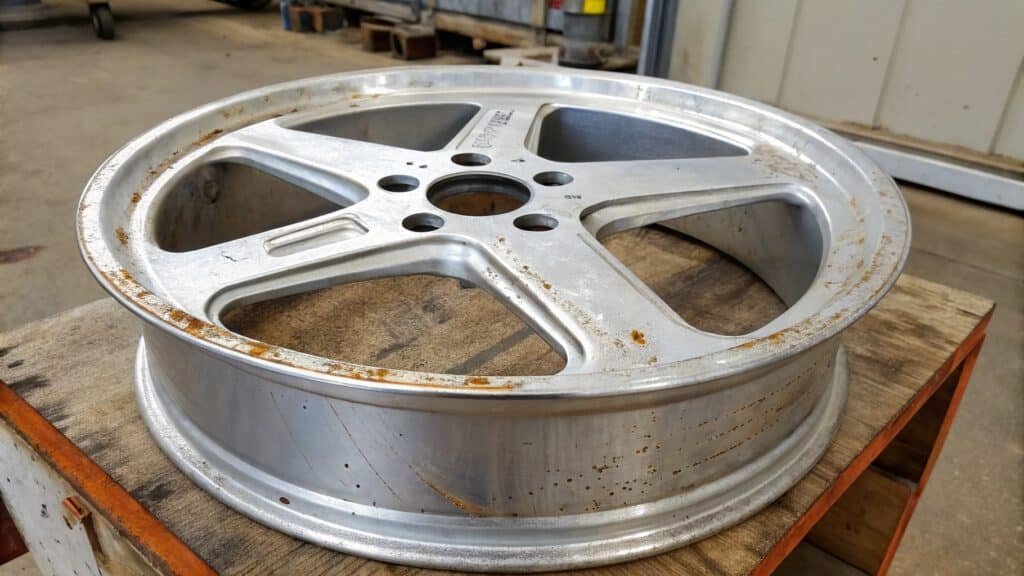
At SWA Forging, the inherent corrosion resistance of aluminum is a key reason our forged components are chosen for demanding applications. We often enhance this natural protection through specific alloy selection and sometimes by recommending post-forging surface treatments to ensure maximum durability in our clients' operating environments.
Understanding Aluminum's Corrosion Resistance
Let's break down why aluminum behaves differently from iron and how its "rust-proof" reputation comes about:
-
What is Rust?
- Rust is specifically iron oxide (Fe2O3), a reddish-brown flaky compound that forms when iron or steel reacts with oxygen and moisture through an electrochemical process called oxidation. This process is destructive because the rust layer is porous and allows further oxygen and moisture to reach the underlying metal, leading to continuous degradation.
-
Aluminum's Protective Oxide Layer (Passivation):
- Unlike iron, when aluminum is exposed to oxygen (even in very small amounts in air), it immediately forms a thin, tough, and non-porous layer of aluminum oxide (Al2O3) on its surface.
- This oxide layer is extremely stable and acts as a protective barrier, preventing further reaction between the underlying aluminum metal and the environment. This phenomenon is called "passivation."
- Crucially, if this oxide layer is scratched or damaged, it rapidly reforms, "self-repairing" the protection.
-
How Aluminum Corrodes (Not Rusting):
- While it doesn't rust, aluminum is not entirely immune to corrosion. It can still corrode, but the mechanism and appearance are different from rust.
- Pitting Corrosion: This is the most common form of aluminum corrosion, occurring in environments with chlorides (like saltwater or de-icing salts). It creates small, localized holes or pits on the surface.
- Galvanic Corrosion: Occurs when aluminum is in electrical contact with a more noble (less reactive) metal (e.g., copper, steel) in the presence of an electrolyte (like water). The aluminum acts as an anode and corrodes preferentially.
- Alkaline/Acidic Corrosion: Aluminum oxide is stable in a pH range of roughly 4.5 to 8.5. In highly acidic or highly alkaline environments, the oxide layer can dissolve, leaving the aluminum vulnerable to rapid degradation.
- Appearance: Aluminum corrosion typically appears as a white, powdery residue, surface dulling, or pitting, not the reddish-brown flaky appearance of rust.
-
Enhancing Corrosion Resistance:
- Alloying: Specific aluminum alloys3 are developed to enhance corrosion resistance for particular environments (e.g., 5xxx series for marine applications).
- Anodizing: An electrochemical process that thickens the natural oxide layer, making it much more durable, wear-resistant, and aesthetically pleasing.
- Coatings: Paints, powder coatings, or lacquers can provide an additional barrier in aggressive environments.
| Feature | Aluminum | Iron/Steel |
|---|---|---|
| Reaction with Oxygen | Forms stable, self-repairing aluminum oxide layer (Al2O3) | Forms unstable, porous iron oxide (rust - Fe2O3) |
| Protective Layer | Yes, the Al2O3 layer is highly protective | No, rust is porous and accelerates further corrosion |
| Appearance of Corrosion | White powder, pitting, dulling | Reddish-brown, flaky, brittle |
| Common Term | Corrodes (but not rusts) | Rusts |
In conclusion, while aluminum is not strictly "rust-proof" because it can corrode, it certainly does not rust in the way iron and steel do. Its natural protective oxide layer provides excellent inherent corrosion resistance for most common applications.
Conclusion
The most common grade of aluminum sheet for general applications is 6061, favored for its balanced properties. The price of aluminum sheet varies significantly based on alloy, thickness, dimensions, temper, and market conditions. Cutting aluminum sheet requires appropriate tools and techniques depending on thickness, ranging from snips to laser or waterjet cutters. Aluminum sheet is expensive due to energy-intensive primary production, alloying costs, and complex rolling and finishing processes. While aluminum does not rust, it forms a protective oxide layer that makes it highly corrosion-resistant, though it can still corrode in specific harsh environments.
-
Explore the versatility of 6061 aluminum alloy, a key material in various industries, to understand its benefits and applications. ↩
-
Learn about the importance of corrosion resistance in aluminum alloys and how it impacts their longevity and performance. ↩
-
Different aluminum alloys offer varying levels of corrosion resistance; learn which are best for your needs. ↩