You need aluminum with a specific tensile strength for your project. But a number on a generic data sheet feels disconnected from the real world, leaving you to risk costly machining on unverified material.
The tensile strength of aluminum is not a single value. It is a wide spectrum, ranging from 90 MPa for pure aluminum to over 570 MPa for high-performance forged alloys like 7075-T61, a strength comparable to steel.
I've had countless conversations with machining clients who come to me with a number in mind. They'll ask, "Can you supply aluminum with this tensile strength?" I always tell them we need to look deeper. Tensile strength isn't a fixed property you choose; it's a performance characteristic we create through forging and heat treatment. For a machinist, this isn't just a number—it's the certified integrity that protects your investment in every hour of machining. We don't just sell you a material that meets a spec; we deliver a forged foundation engineered to perform.
Is aluminum strong in tension?
You've always thought of aluminum as a lightweight material, probably not strong enough for your high-stress structural parts. This makes you default to heavier materials like steel, even when weight is a concern.
Yes, specific aluminum alloys2 are exceptionally strong in tension. When forged and properly heat-treated, high-performance alloys like 7075 exhibit tensile strengths that rival mild steel, making them perfect for demanding applications where strength-to-weight ratio3 is critical.
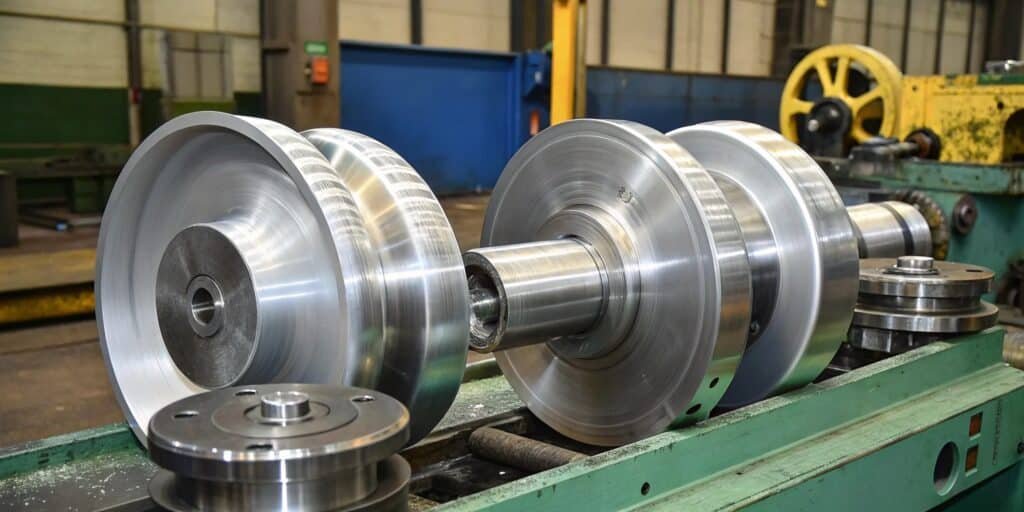
It's a common misconception. People associate the lightness of a soda can with all aluminum. But that's like comparing a house cat to a tiger. The strength of aluminum depends entirely on its alloy and processing. Pure aluminum is soft. But when we alloy it with elements like zinc, magnesium, and copper, and then apply our specialized forging and heat treatment processes, we create a material transformed. The forging process refines the metal's internal grain structure, and heat treatment (like the T6 temper) locks its crystal structure into a state of maximum strength. This is why a forged 7075-T6 part can confidently be used for aircraft landing gear or high-pressure industrial pistons. It has the tensile strength to handle immense pulling forces without failing.
Is 5052 or 6061 aluminum stronger?
You see these two common alloys but are unsure of the practical difference. Choosing incorrectly could mean you are paying for strength you don't need, or worse, using an alloy that isn't strong enough.
6061 aluminum4 is significantly stronger than 5052. 6061 is a heat-treatable structural alloy, while 5052 is a non-heat-treatable alloy prized for its excellent formability and corrosion resistance5 in marine environments.
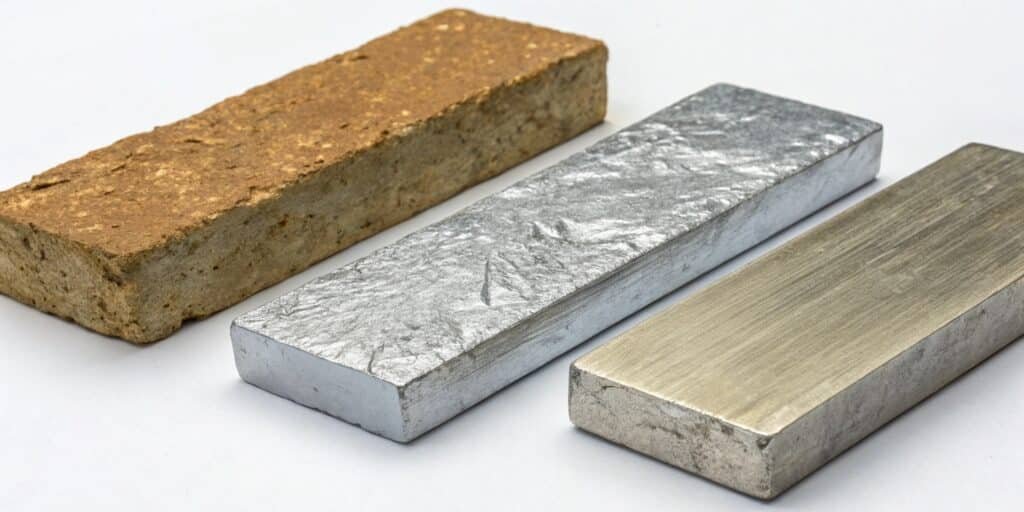
This is a classic question that helps clients specify the right material for the job. You can't just ask which is "better"; you have to ask what it is better for.
The Structural Workhorse: 6061
6061 is our go-to alloy for general-purpose structural applications. Because it contains magnesium and silicon, we can heat-treat it to a T6 temper. This process dramatically increases its strength. We forge large-diameter rings and discs from 6061 for machine bases, structural fittings, and hydraulic components where good strength and reliability are essential.
The Formable Specialist: 5052
5052, on the other hand, gets its strength from work-hardening, not heat treatment. Its main alloying element is magnesium. While not as strong as 6061, it has superior ductility and fantastic corrosion resistance, especially against saltwater. We don't typically forge 5052 into large blocks, but it's important to understand its role. It's an excellent material for sheet metal applications, fuel tanks, and marine hardware. Choosing 6061 gives you the strength you need for a robust machined part.
Is aluminum stronger than steel?
You automatically assume steel is the only option for ultimate strength. This belief might be forcing you to accept heavy, inefficient designs when a lighter, more advanced alternative exists.
No, in absolute terms, high-end steel alloys are stronger than aluminum alloys. However, on a strength-to-weight basis, a high-performance forged aluminum alloy like 7075 can outperform many common steels, making it the "stronger" choice for modern applications.
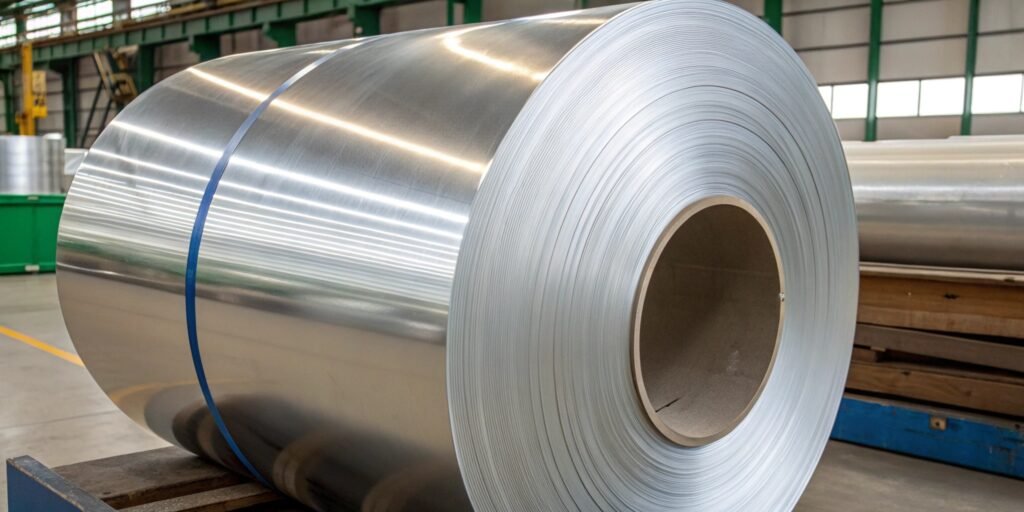
This is a critical point for my clients in the automotive and machinery sectors. They ask me, "Can it replace steel?" The answer is, "It depends on how you measure strength." If you just need to stop a bullet, a thick steel plate is your answer. But in engineering, strength is almost always considered alongside weight.
A forged 7075-T6 aluminum part has a tensile strength of around 570 MPa. A common mild steel has a tensile strength of about 400 MPa. In this case, the aluminum is stronger. While specialty steels can go much higher, aluminum weighs only one-third as much. This means for the same amount of strength, the aluminum component can be dramatically lighter. For any part that moves, rotates, or needs to be transported, reducing weight is a huge advantage. It saves energy, reduces stress on other parts, and improves overall performance. So, is aluminum stronger? For smart engineering, the answer is often yes.
What is the tensile strength of aluminum, really?
You see a wide range of values online, from low to very high. This inconsistency makes it hard to confidently specify a material that will meet your performance requirements without fail.
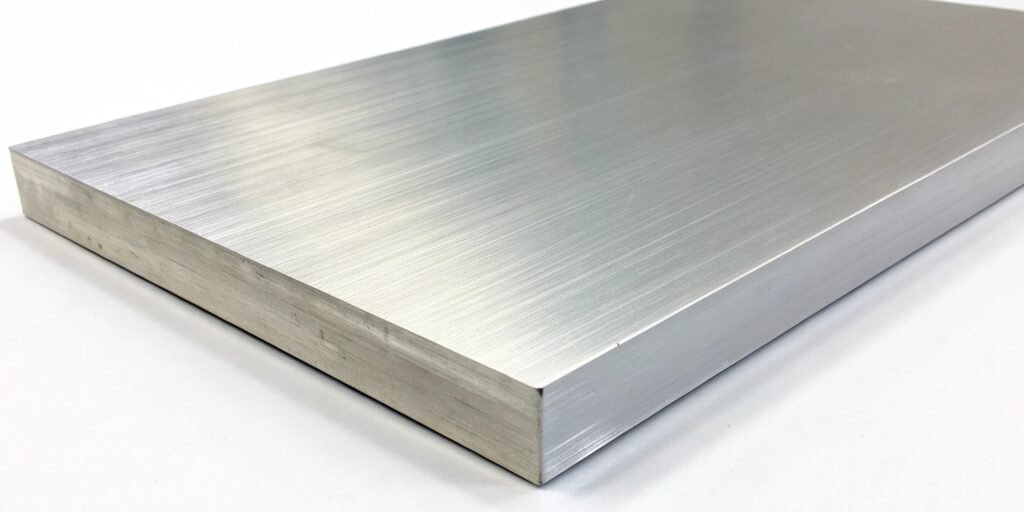
Tensile strength is not one number. It is a result determined by an alloy's chemical recipe and its thermomechanical processing. Forged aluminum allows us to engineer a specific tensile strength for your application, from moderate to ultra-high performance.
 ")
")
Let's break it down into a simple table. This is how we think about tensile strength at SWA Forging, matching the material and process to your specific need.
| Aluminum Type | Typical Tensile Strength (Approx. MPa) | Common Use Case | Why It's at This Level |
|---|---|---|---|
| Pure Aluminum (1100) | 90 MPa | Electrical wiring, food packaging | Very soft, no significant alloying elements. |
| 5052-H32 Alloy | 228 MPa | Sheet metal, marine parts, tanks | Work-hardened, not heat-treatable. Good formability. |
| 6061-T6 Forged Alloy | 310 MPa | Structural components, machine bases, wheels | Heat-treated (T6 temper) and forged for grain refinement. |
| 7075-T6 Forged Alloy | 570 MPa | Aerospace parts, high-stress machine components | High zinc content, forged, and advanced heat treatment. |
As you can see, the strength is a direct result of the alloy and the work we put into it. When a client needs a large forged ring for a high-pressure system, we select 7075, forge it to refine its internal structure, and apply the T6 heat treatment to achieve that 570 MPa strength. The tensile strength is not a guess; it's a guaranteed outcome of our certified process.
Conclusion
Tensile strength isn't just a number; it's an engineered outcome. Partnering with a forging specialist ensures the certified material integrity your high-value machining operations demand, protecting your investment.
-
Explore the unique properties of 7075-T6, a high-performance aluminum alloy used in demanding applications. ↩
-
Explore the various types of aluminum alloys and their specific applications in different industries. ↩
-
Explore the significance of strength-to-weight ratio in material selection for engineering applications. ↩
-
Discover the versatile applications of 6061 aluminum, a popular choice for structural components. ↩
-
Discover how aluminum's natural properties offer corrosion resistance, especially in marine environments. ↩