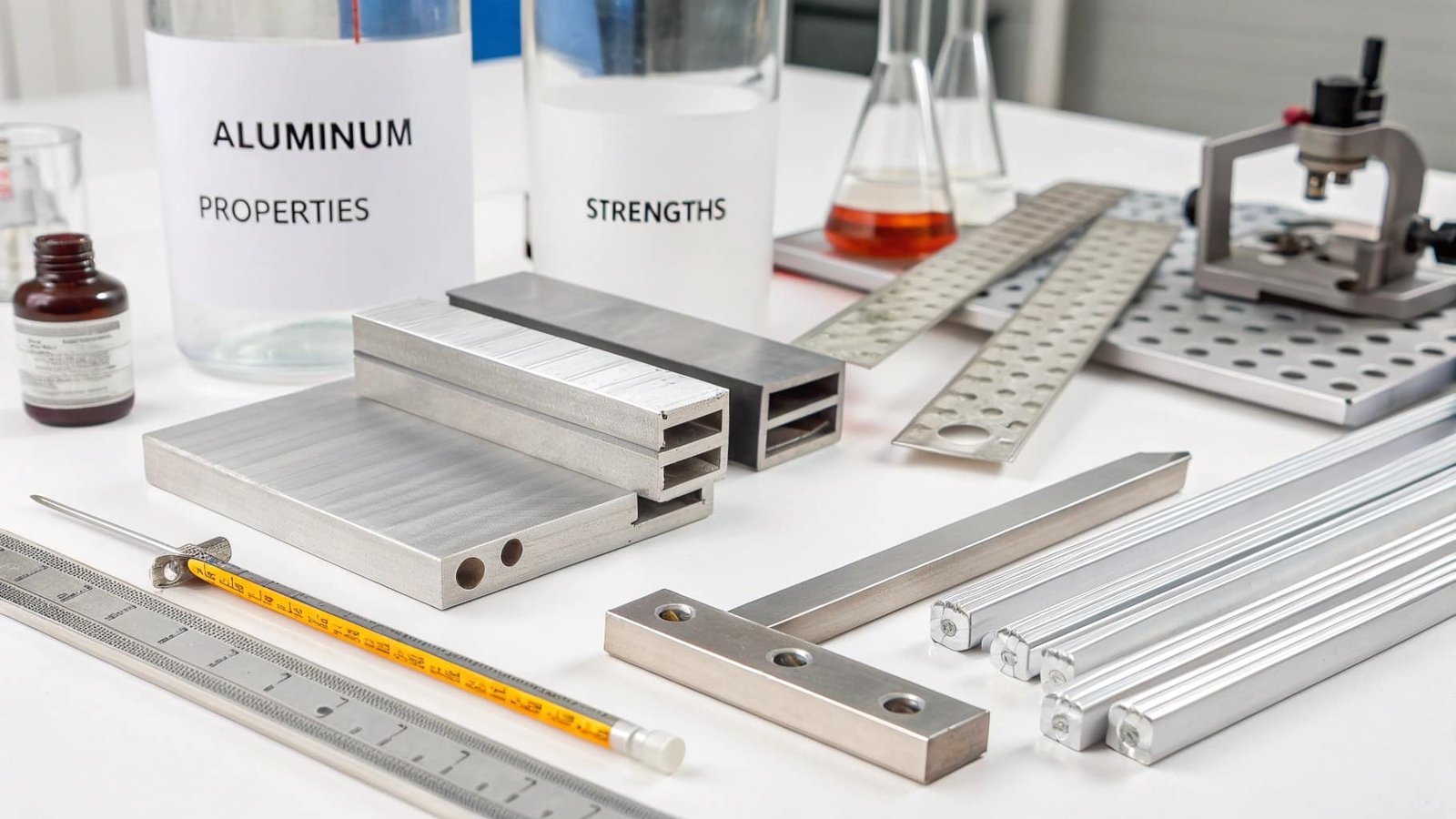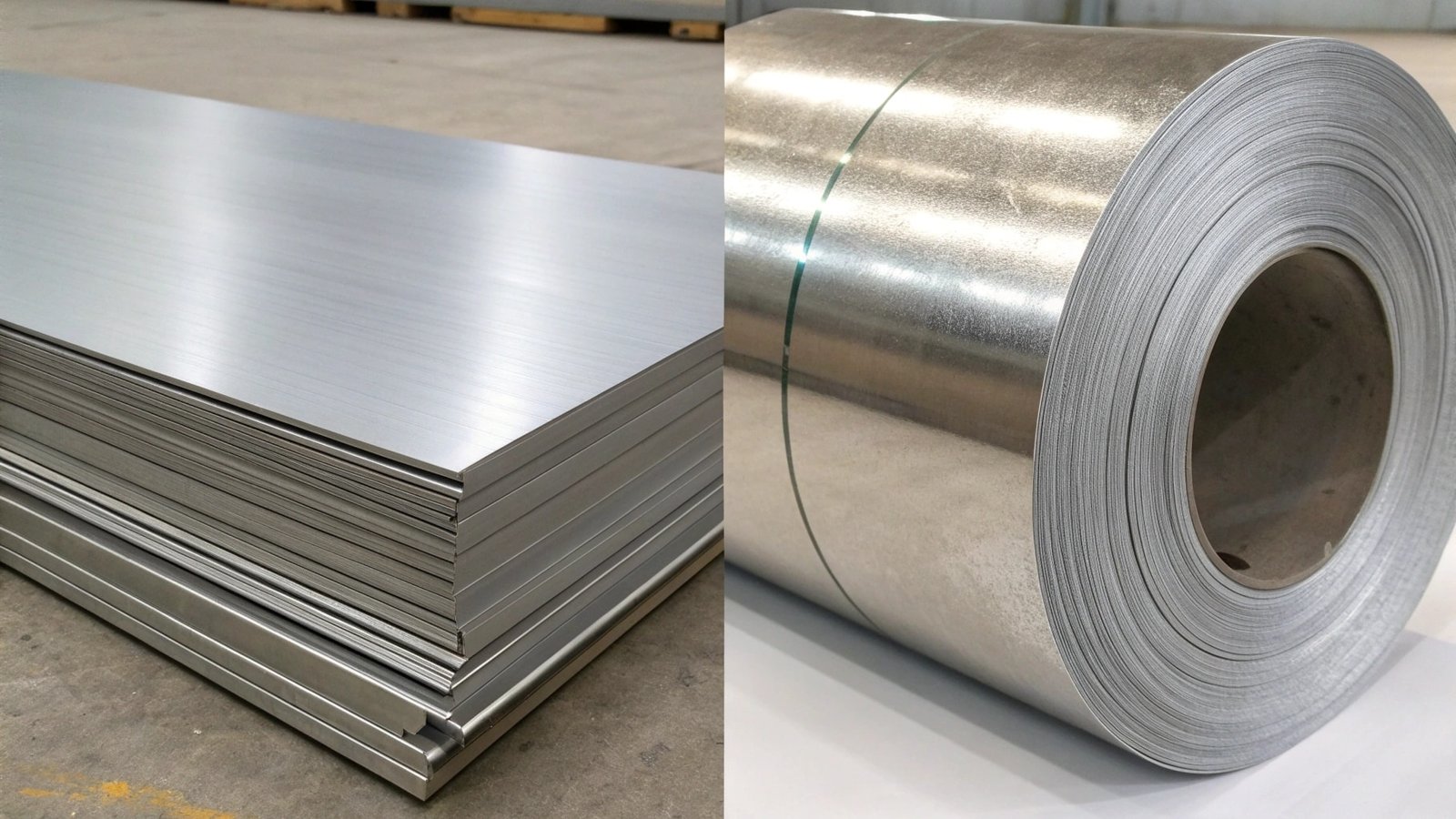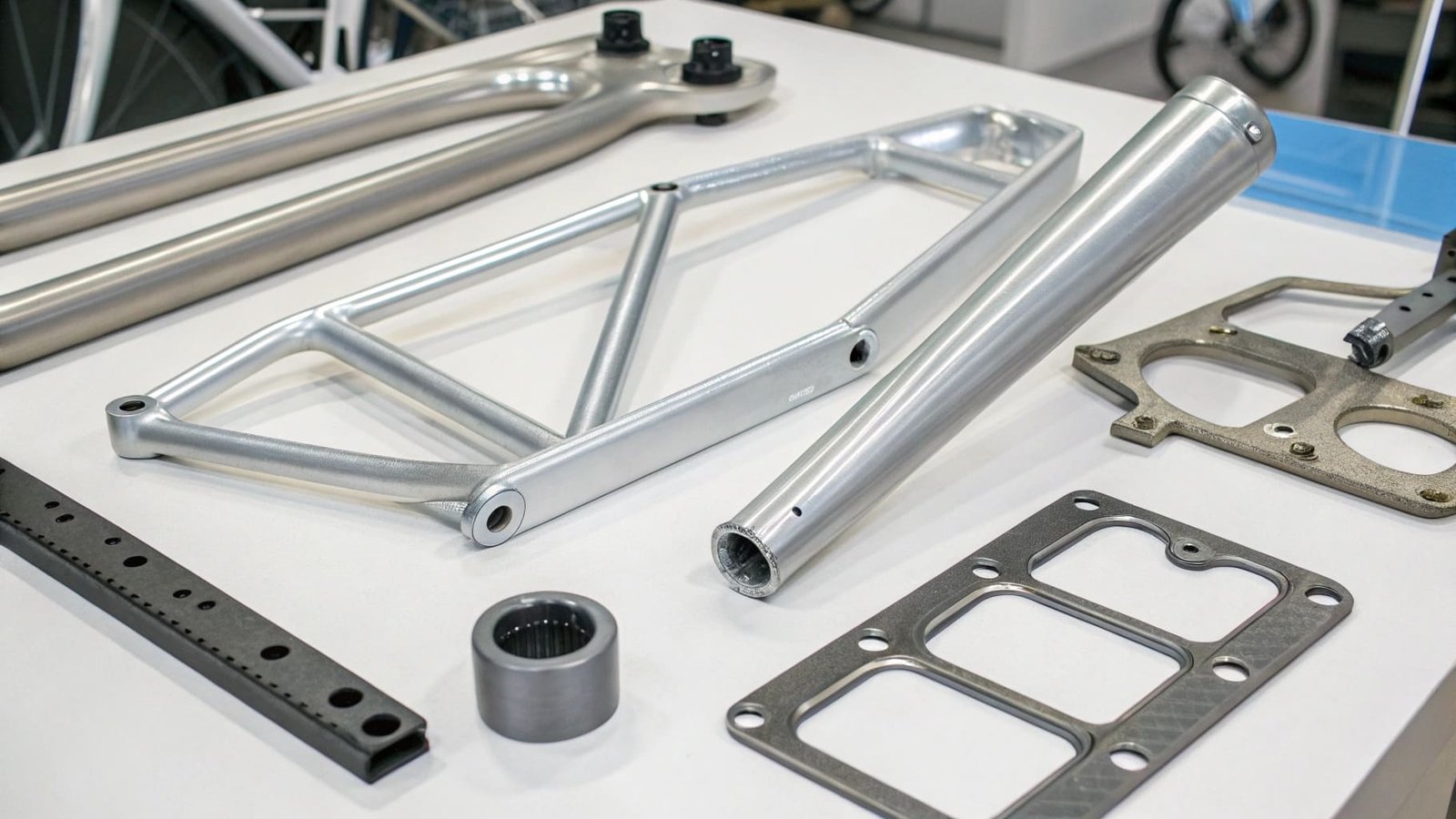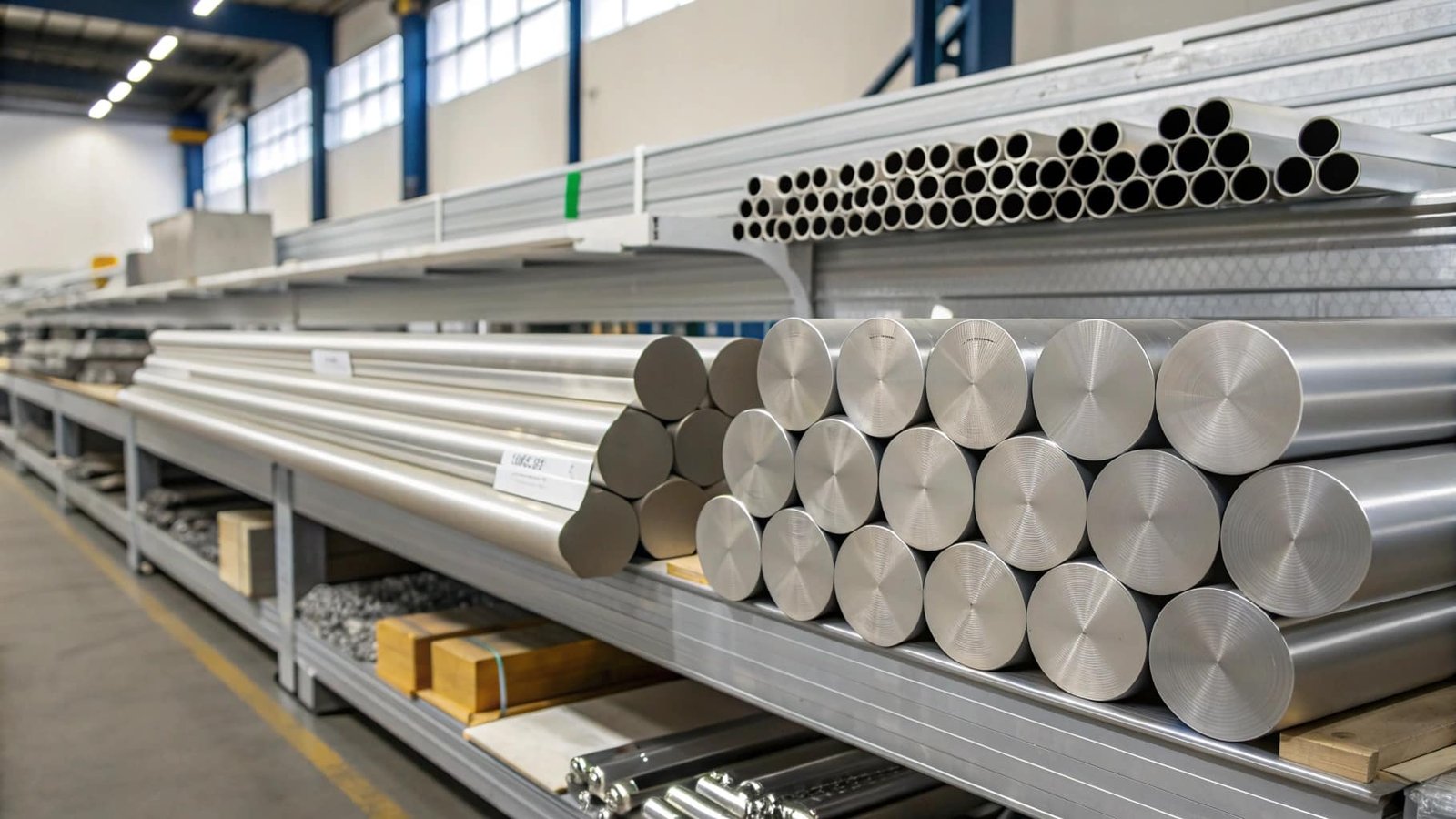
Choosing the right material for demanding applications can be a challenge. Using the wrong one can lead to failures from excess weight, corrosion, or poor performance under stress.
Aluminum is primarily used in transportation (aerospace, automotive), construction, and packaging due to its unique combination of properties. It is valued for being lightweight yet strong1 when alloyed, highly resistant to corrosion, an excellent conductor of heat and electricity, and infinitely recyclable, making it both versatile and sustainable. SWA Forging expertly transforms aluminum into high-integrity forged components for critical applications where these properties are essential.
From the moment I started my career in metallurgy, the versatility of aluminum has always stood out. We see it everywhere, from the simplest kitchen foil to the most advanced aerospace components. This widespread use isn't an accident. It's a direct result of a set of properties that no other metal can quite match. Here at SWA Forging, our entire business is built on harnessing these properties, transforming this remarkable metal into custom components that solve critical engineering challenges for our clients. Let's explore exactly what makes aluminum the material of choice for so many industries.
What is aluminium mostly used for?
Given its unique properties, where does aluminum make the biggest impact? Which industries rely on it the most for their success?
Industries constantly need materials that perform well without adding unnecessary bulk. Heavy components increase fuel consumption, add structural load, and make handling more difficult, hurting efficiency and increasing costs.
Aluminum is most heavily used in the transportation and construction sectors, which together account for over half of all global consumption. In transportation, it is essential for manufacturing aircraft, automobiles, and trains to reduce weight and improve fuel efficiency. In construction, it is used for window frames, curtain walls, and structural panels due to its durability and corrosion resistance. Other major uses include packaging (like beverage cans) and electrical applications (like power lines).
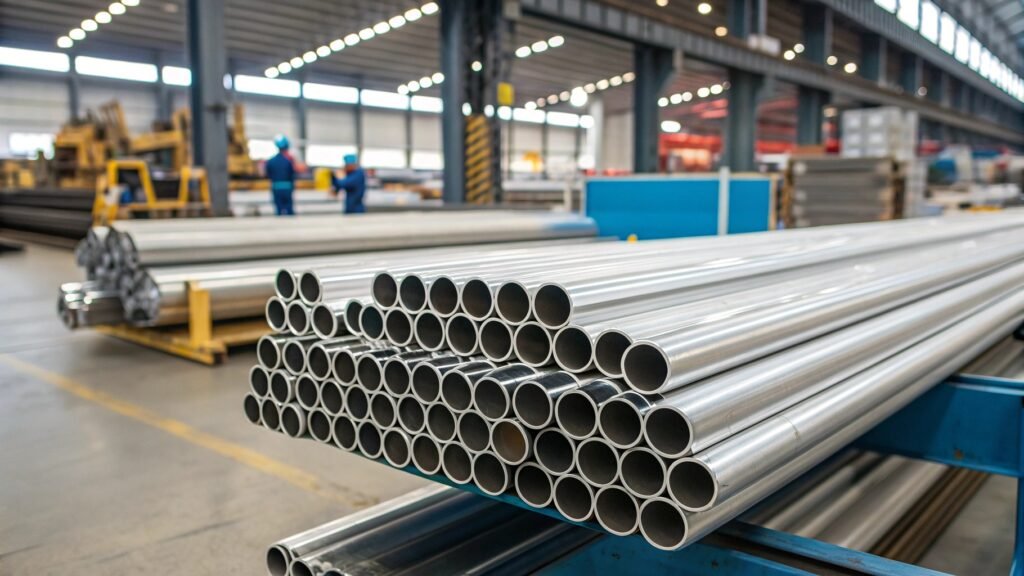
At SWA Forging, we are deeply integrated into these top-tier industries. While we don't make consumer products like cans, we supply the high-performance forged rings and discs that are foundational to machinery and vehicles within the transportation and industrial sectors. For example, a forged aluminum ring we produce might become a critical structural component in an aerospace application or a durable gear in a high-performance vehicle. We primarily see its use in applications where strength and low weight are non-negotiable.
| Industry Sector | Primary Use Case | Key Aluminum Property Leveraged | Our Role at SWA Forging |
|---|---|---|---|
| Transportation | Aircraft fuselages, car frames, train cars | High Strength-to-Weight Ratio, Corrosion Resistance | We provide custom-forged aluminum alloy components for clients in the automotive and machinery sectors. By forging the material, we enhance its grain structure, delivering superior strength that is critical for safety and performance in moving parts and structural elements where reducing mass is paramount. This helps improve fuel efficiency and overall vehicle dynamics. |
| Construction | Window frames, curtain walls, roofing | Durability, Corrosion Resistance, Formability | While this isn't our primary market, the machinery used to manufacture these construction elements often contains parts we can produce. Forged aluminum components in manufacturing equipment offer the longevity and reliability needed for high-volume production lines, showcasing the metal's durability in an industrial setting. |
| Packaging | Beverage cans, food trays, foil | Lightweight, Malleability, Impermeability, Recyclability | Similar to construction, we serve the machinery side of this industry. The high-speed presses and forming machines that produce billions of cans a year rely on durable, high-precision parts. Our forged aluminum components can offer the strength and wear resistance needed for such demanding industrial machinery. |
| Machinery & Equipment | Gears, structural components, housings | Strength, Machinability, Lightweight | This is a core market for us. Our clients, who are often machining companies themselves, purchase our forged discs and rings as premium starting stock. They machine these blanks into final, high-precision parts for a vast range of industrial equipment. Our forging process provides them with a material that has a refined internal structure, making it stronger and more reliable than cast aluminum or raw billet, ensuring the integrity of the final machined component. |
Why is aluminum so valuable?
Many materials are strong, and many are lightweight. What makes aluminum stand out as a material of choice across so many different fields?
Focusing only on a single property like strength can lead to inefficient and unsustainable products. A material that is strong but heavy, or strong but corrodes easily, creates long-term problems.
Aluminum's value comes from its unique and powerful combination of properties. It is not just one thing, but everything together: it's incredibly lightweight, can be made very strong through alloying, has outstanding natural corrosion resistance, is an excellent thermal and electrical conductor, and is infinitely recyclable without losing quality. This combination makes it one of the most efficient, versatile, and sustainable materials in modern engineering.
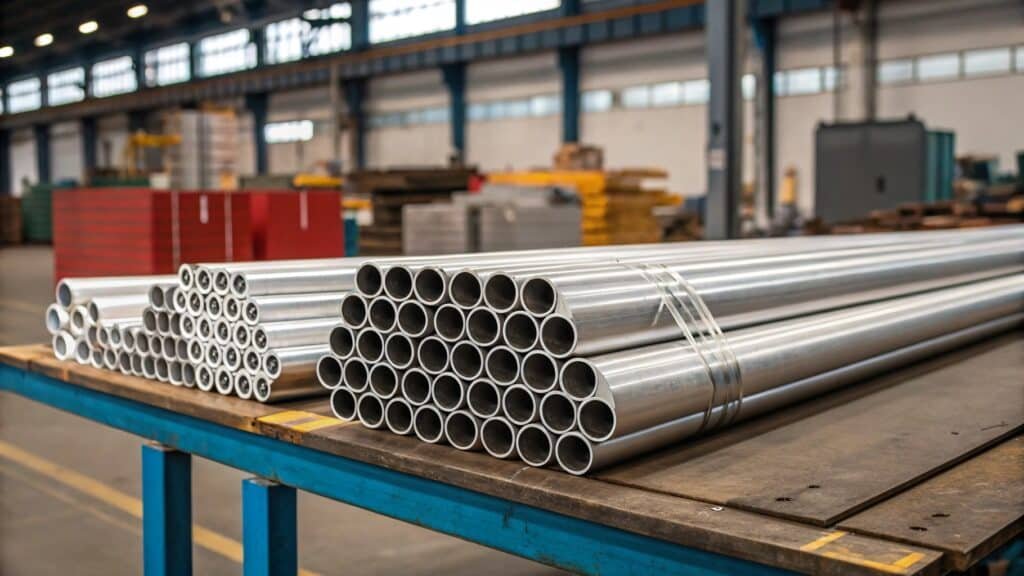
Working with aluminum alloys every day, I see firsthand why it's so prized. Our clients don't choose our forged components for just one reason; they choose them because aluminum delivers on multiple fronts simultaneously. A part we make for an automotive client, for instance, isn't just strong—it's strong and light, which improves performance. It's also corrosion-resistant, which extends its service life. This multi-faceted value is what we deliver.
| Valuable Property | Technical Explanation | Practical Benefit for Our Clients |
|---|---|---|
| High Strength-to-Weight Ratio | It has a density of only ~2.7 g/cm³, about one-third that of steel. Through alloying and forging, its strength can rival that of some steels. | This is the number one reason our clients in the automotive and machinery sectors choose our products. We can produce a forged aluminum component that meets their strength requirements but weighs significantly less than a steel equivalent. This reduction in mass leads to lower inertia in moving parts, better fuel efficiency in vehicles, and easier handling and assembly. |
| Superior Corrosion Resistance | Aluminum naturally reacts with air to form a thin, tough, and transparent layer of aluminum oxide (Al₂O₃) on its surface. This "passivation" layer protects the metal underneath. | For components exposed to the elements or industrial fluids, this is critical. Our clients in the Middle East, where environmental conditions can be harsh, value this property immensely. Our forged parts last longer and require less maintenance, providing a better long-term return on investment. Unlike steel, it doesn't rust, so protective coatings are often not even necessary. |
| Infinite Recyclability | It can be melted down and reformed into new high-quality products over and over again, using only about 5% of the energy required to produce primary aluminum from bauxite ore. | While we work with primary aluminum for our high-performance forgings to guarantee purity and traceability, the overall sustainability of aluminum is a major selling point for the entire industry. It tells our clients that they are investing in a material that is part of a circular economy. This is increasingly important for companies that need to meet environmental, social, and governance (ESG) goals. The low energy requirement for recycling also helps stabilize long-term material costs. |
Which country is richest in aluminium?
When planning a supply chain, it's crucial to understand where materials come from. So, who are the global leaders in the world of aluminum?
A stable supply chain is vital for any manufacturing business. Relying on a single source or not understanding the global production landscape can expose your business to risk and price volatility.
This question has two parts. The "richest" country in bauxite ore—the raw material for aluminum—is Australia, which holds the world's largest reserves. However, the richest country in primary aluminum production—the process of smelting the ore into metal—is overwhelmingly China, which produces more than half of the world's supply.
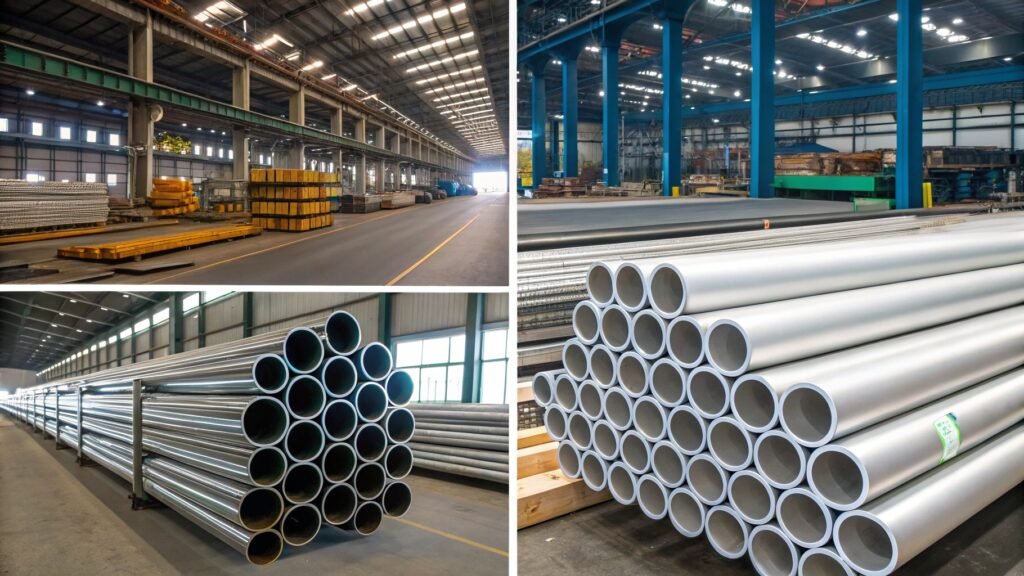
As a manufacturer based in Suzhou, China, we are strategically positioned at the very heart of the global aluminum production industry. This gives us and our clients a significant advantage. Having direct access to a stable and massive supply of primary aluminum allows us to maintain consistent production schedules and competitive pricing. We understand the entire supply chain, from the bauxite mine to the finished forged part, and we leverage our location to build reliable, long-term partnerships with our clients, especially our traders and machining customers in the Middle East who depend on a steady flow of high-quality materials.
| Supply Chain Stage | Global Leader(s) | Role in the Process |
|---|---|---|
| Bauxite Ore Mining | 1. Australia 2. Guinea 3. China |
This is the very first step. Bauxite is a clay-like rock that contains 15-25% aluminum. These countries excavate the raw material that feeds the entire global industry. A country's wealth in bauxite is like having oil reserves—it's the source of potential value. Australia's vast and high-quality reserves make it the foundational supplier for much of the world. |
| Alumina Refining | 1. China 2. Australia 3. Brazil |
In this second stage, bauxite is chemically processed to extract a fine white powder called alumina (aluminum oxide, Al₂O₃). It's an intermediate step that purifies the aluminum content. China's massive refining capacity allows it to process both domestic and imported bauxite to feed its smelters. |
| Primary Aluminum Smelting | 1. China 2. India 3. Russia |
This is the final, energy-intensive stage where alumina is smelted using electrolysis to produce pure aluminum metal (ingots, billets, etc.). China's dominance here is absolute, due to massive investment in infrastructure and energy capacity. Being the "richest" in production means having control over the global supply of finished metal. Our location in China allows SWA Forging to efficiently source high-quality primary aluminum for our forging processes, ensuring traceability and quality from the very start. |
Can aluminum rust?
When considering a metal for a long-term application, durability is key. We all know iron and steel rust, but what about aluminum?
Choosing a metal that degrades over time can lead to costly maintenance, part failure, and safety risks. Understanding a material's environmental stability is crucial for long-term performance and reliability.
No, aluminum does not rust. Rusting is the common term for the formation of iron oxide, a process that only affects iron and its alloys, like steel. Aluminum does corrode, but it does so in a way that protects itself. It instantly forms a hard, transparent, and non-flaking layer of aluminum oxide on its surface that prevents any further corrosion from taking place. This "passivation" layer is why aluminum can last for decades, even in harsh environments, without degrading.
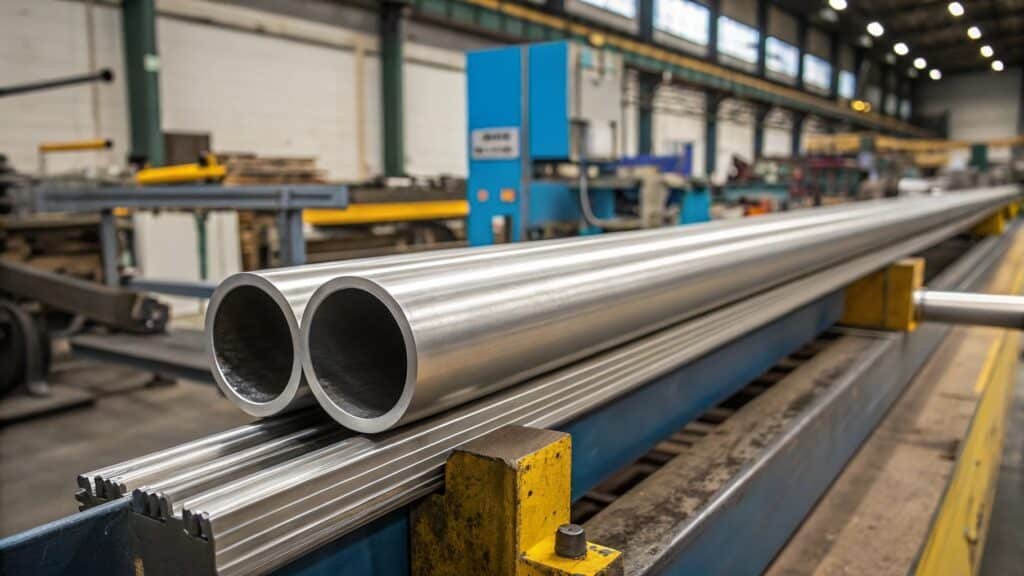
I often have to explain this to clients who are used to working with steel. They are concerned about degradation, especially for parts used outdoors or in industrial settings. I tell them that one of aluminum's greatest strengths is how it "fails" gracefully to protect itself. This self-protecting oxide layer is incredibly stable and reforms instantly if scratched. It's a key reason why we can confidently provide our forged aluminum components to clients in the Middle East, where parts may be exposed to humid or saline air. The material inherently resists the kind of degradation that would destroy steel over time, ensuring a longer service life and greater reliability.
| Feature | Rust (Iron Oxide) | Aluminum Passivation (Aluminum Oxide) | Takeaway for Industrial Applications |
|---|---|---|---|
| Affected Metal | Iron (Fe) and its alloys (e.g., steel). | Aluminum (Al) and its alloys. | The terms are not interchangeable. "Rust" only applies to iron-based metals. |
| Process | Iron reacts with oxygen and water to form hydrated iron(III) oxide. | Aluminum reacts almost instantly with oxygen in the air to form aluminum oxide (Al₂O₃). | While both are oxidation processes, the outcomes are completely different. |
| Nature of the Layer | The resulting rust is reddish-brown, porous, and flaky. It flakes off, exposing fresh metal underneath to more rust. It is a destructive, runaway process. | The resulting aluminum oxide layer is hard, transparent, very thin, and strongly bonded to the surface. It is non-porous and seals the metal underneath from further contact with the environment. It is a protective, self-terminating process. | |
| Result | Continual degradation and eventual structural failure of the metal part. | Exceptional protection against further corrosion, leading to a very long service life and high durability. If the surface is scratched, a new protective layer forms instantly. | This is a major advantage for aluminum. Parts need less protective coating and can withstand harsh environments with minimal maintenance. For our clients, this means the forged components we supply are inherently durable and reliable, reducing their total cost of ownership. It guarantees that the part will maintain its structural integrity over time. |
Conclusion
Aluminum is a cornerstone of modern engineering, used widely for its lightweight strength and natural corrosion resistance. SWA Forging harnesses these properties, creating high-integrity forged components for critical industries.
-
Discover how lightweight yet strong materials can enhance performance and efficiency in various engineering applications. ↩