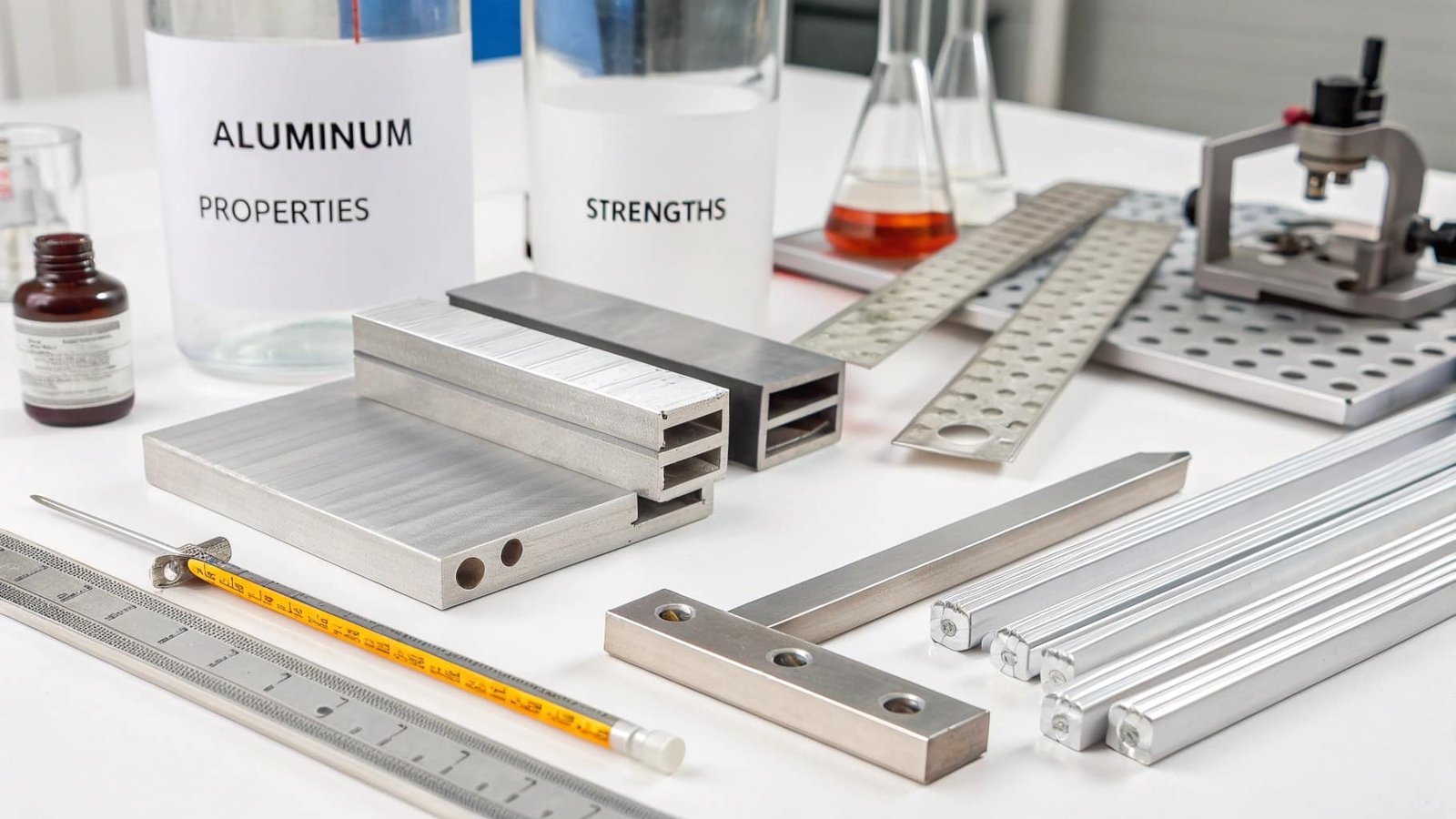
You see a technical data sheet for aluminum, but the list of properties is overwhelming. Choosing the wrong material based on a misunderstanding can lead to costly failures and project delays.
Focus on two key categories: physical properties (like low density and corrosion resistance) and mechanical properties (like strength and hardness). Forging is the process that significantly enhances the mechanical properties, making the material suitable for high-stress applications.
Over my years in this industry, I've learned that the properties listed on a data sheet are just the foundation. They represent the raw potential of the aluminum. The true value, and what we deliver at SWA Forging, lies in the mechanical properties we engineer through the forging1 process. We take that potential and transform it into the guaranteed strength, toughness, and fatigue resistance that your specific application requires. It’s about turning a good material into a superior, reliable component.
What Are the Main Properties That Define Aluminum?
You're trying to compare aluminum to steel or another metal. But the long lists of technical terms like "tensile strength" and "thermal conductivity" make a direct comparison confusing and difficult.
The main properties of aluminum are separated into two groups: physical and mechanical. Physical properties are inherent (like weight and conductivity), while mechanical properties describe how it reacts to force (like strength and hardness).
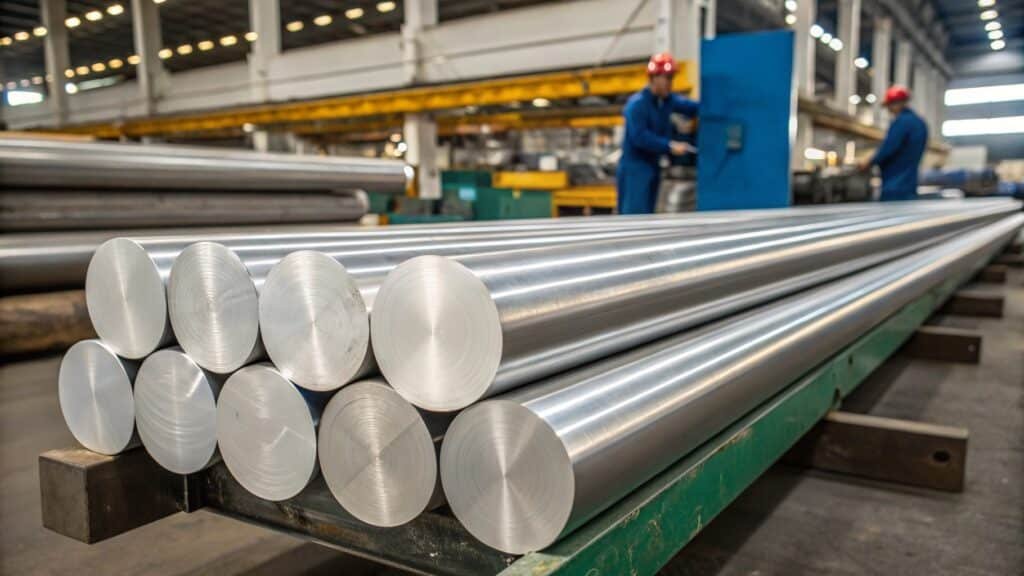
I always advise our clients to think of it in these two simple categories. It helps clear up a lot of the confusion. Physical properties are part of the metal's nature. For example, aluminum is naturally light and resists rust. We can't change that. Mechanical properties, on the other hand, are all about how the material behaves when you push, pull, or hit it. This is where we, as a forging manufacturer, can make a huge difference. By forging an aluminum alloy, we dramatically improve its mechanical properties, making it much stronger and more durable than it would be in its raw state. Understanding this difference is key to appreciating why a forged part offers superior performance.
Physical vs. Mechanical Properties
| Property Type | Definition | Examples for Aluminum |
|---|---|---|
| Physical Properties | Characteristics that can be observed without changing the material's chemical identity. | Low Density (Lightweight), Corrosion Resistance, High Thermal & Electrical Conductivity, High Reflectivity. |
| Mechanical Properties | How the material behaves under applied forces. These are engineered through alloying and forging. | Tensile Strength, Hardness, Fatigue Resistance, Ductility (ability to deform without breaking). |
What Chemical Properties Make Aluminum So Stable?
You need a material that will last a long time, even in challenging environments. You worry about rust or chemical reactions degrading your components and causing them to fail prematurely.
Aluminum's key chemical property is its rapid formation of a tough, transparent, and non-reactive oxide layer. This passive layer protects the metal underneath from corrosion and further chemical attack, ensuring long-term stability.
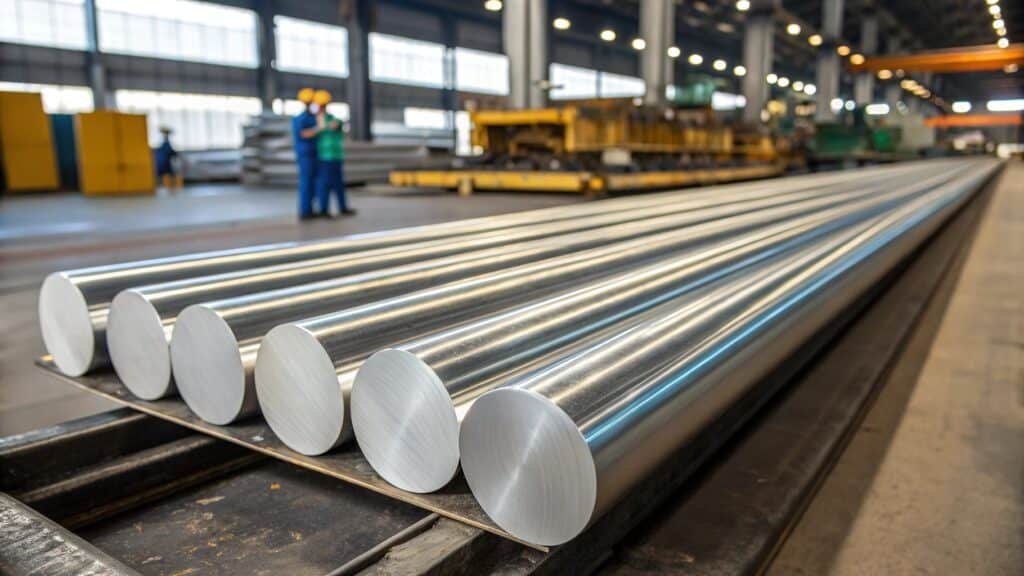
The most important chemical property of aluminum is something that happens instantly and invisibly. The moment aluminum is exposed to air, its surface reacts with oxygen to form a very thin, very tough layer of aluminum oxide. Unlike the flaky rust that forms on iron, this oxide layer is chemically stable and strongly bonded to the metal. It acts like a permanent, self-repairing coat of armor. If it gets scratched, a new layer forms immediately. This is why our forged aluminum rings and discs can be used in marine environments or industrial settings with confidence. Other key chemical properties include its non-toxic nature, making it safe for many applications, and its role as a powerful reducing agent in certain chemical reactions, though this is less relevant for most of our clients' structural or mechanical uses. The main thing to remember is this natural, built-in rust protection.
What Are the Advantages and Disadvantages of Aluminum?
You are considering aluminum for a new project. You need a balanced view of its pros and cons to make an informed decision and avoid any unexpected issues during production or use.
Aluminum's main advantages are its high strength-to-weight ratio2, corrosion resistance, and recyclability. Its primary disadvantages are a lower absolute strength compared to steel and a higher material cost.
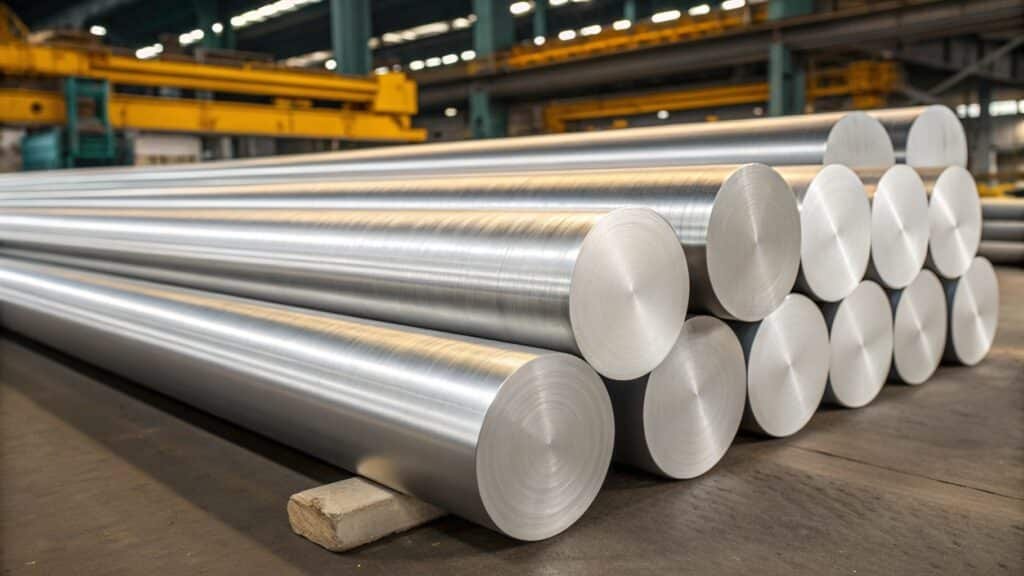
When clients ask me for a straight comparison, I always present a balanced picture. It's crucial to choose the right material for the right job. The biggest advantage is getting impressive strength without the weight penalty of steel. For any application where weight matters—like in vehicles or rotating machinery—aluminum is often the superior choice. Its natural corrosion resistance3 is another huge plus, saving money on coatings and ensuring a long service life. And, it is infinitely recyclable without losing quality, which is an important sustainability factor. On the disadvantage side, even the strongest aluminum alloys are not as hard or strong as high-grade steels, so they are not suitable for every single high-stress application. The raw material cost can also be higher than steel. However, for many applications, the benefits of weight savings and durability far outweigh these disadvantages.
Summary: Pros & Cons
| Advantages | Disadvantages |
|---|---|
| High Strength-to-Weight Ratio | Lower Absolute Strength Than Steel |
| Excellent Corrosion Resistance | Higher Raw Material Cost |
| High Thermal & Electrical Conductivity | Lower Hardness & Wear Resistance |
| Highly Recyclable | Can Be More Difficult to Weld (some alloys) |
| Non-toxic and Non-magnetic | Lower Fatigue Limit Than Steel (in some cases) |
How Does Forging Maximize Aluminum's Advantages?
You've decided aluminum's advantages are right for you. But how do you ensure you get the best possible performance and overcome some of its natural limitations, like lower hardness?
Forging maximizes aluminum's advantages by refining its grain structure. This process enhances the inherent strength-to-weight ratio and boosts mechanical properties like fatigue resistance and toughness, creating a part that is far superior to a cast or machined version.
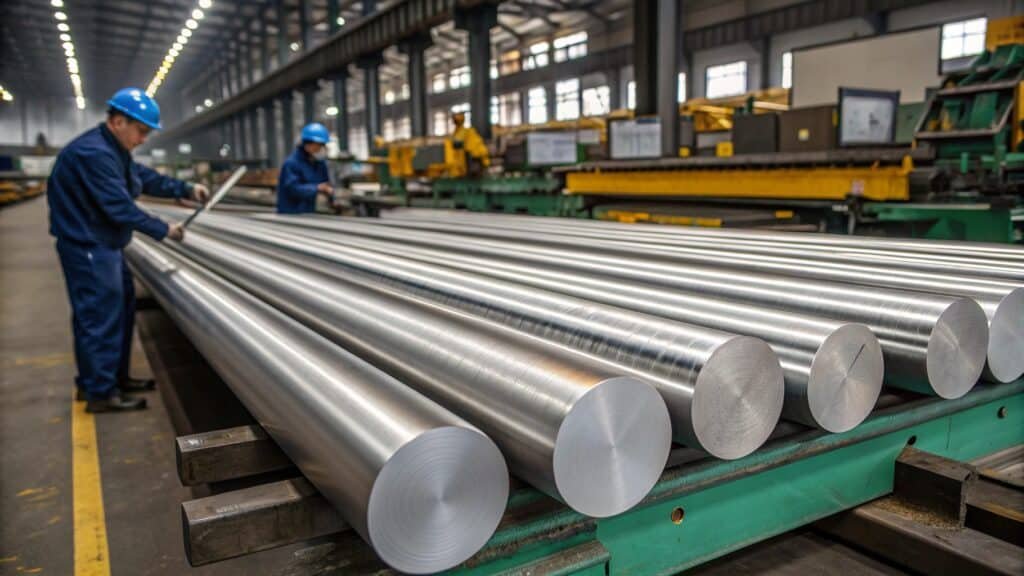
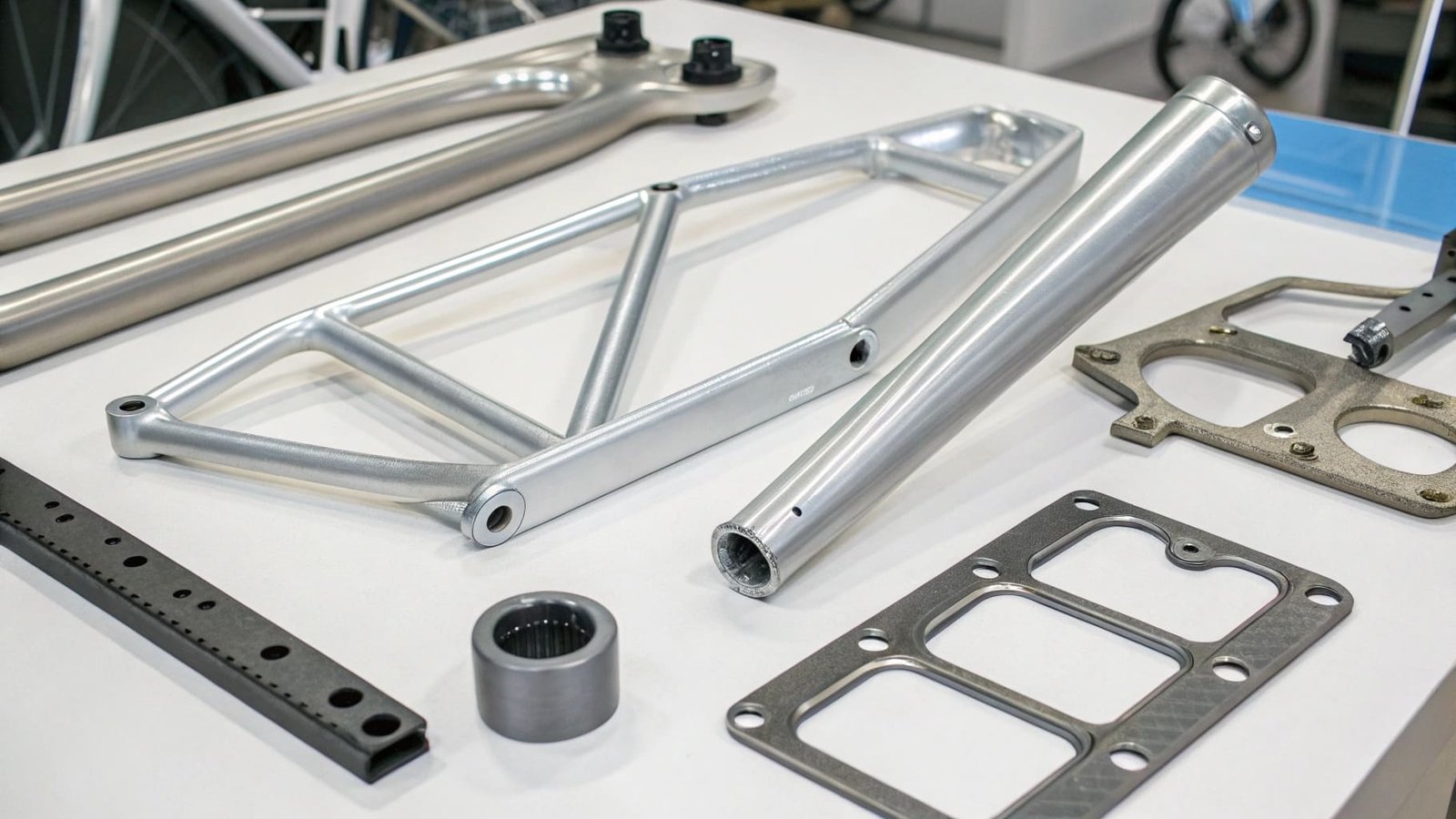
This is the core of what we do at SWA Forging. We take the natural advantages of an aluminum alloy and amplify them. The forging process is all about controlled deformation under immense pressure. This does two things. First, it eliminates any internal defects like porosity, which are common in cast parts. This immediately makes the part stronger and more reliable. Second, it creates a refined and directional grain flow that follows the contours of the part. This is where the magic happens. This continuous grain structure dramatically increases the part's resistance to fatigue and impact. It transforms a standard aluminum alloy into a high-performance component that is tougher and more durable. In essence, forging takes the raw potential of aluminum and engineers it to deliver guaranteed, real-world performance under stress.
Conclusion
The properties of aluminum are a foundation. Our forging process engineers its mechanical properties, transforming potential into the guaranteed strength and toughness your application requires.
-
Understanding forging can help you appreciate how it enhances aluminum's mechanical properties for high-stress applications. ↩
-
Understanding this ratio can help you choose materials that offer strength without added weight, ideal for many applications. ↩
-
Explore how corrosion resistance extends the lifespan of aluminum components, making them ideal for challenging environments. ↩