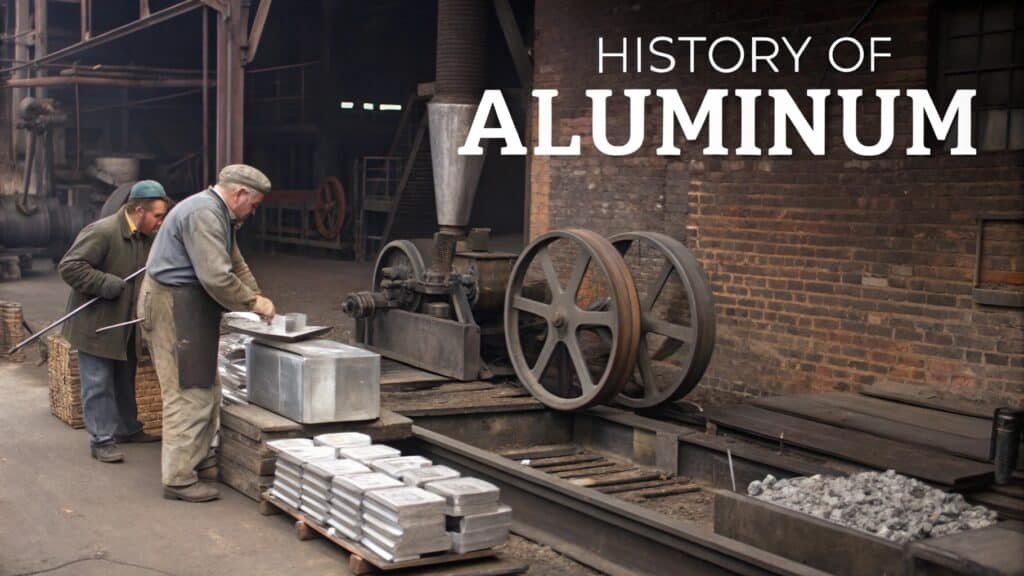
Aluminum has a fascinating history. Once a rare and valuable metal, it has transformed into a crucial part of our daily lives. Understanding its journey reveals why it's so important today.
Aluminum was initially used in luxury items, as a status symbol, competing with gold. Its value stemmed from the difficulty of extraction, contrasting sharply with its modern industrial applications.
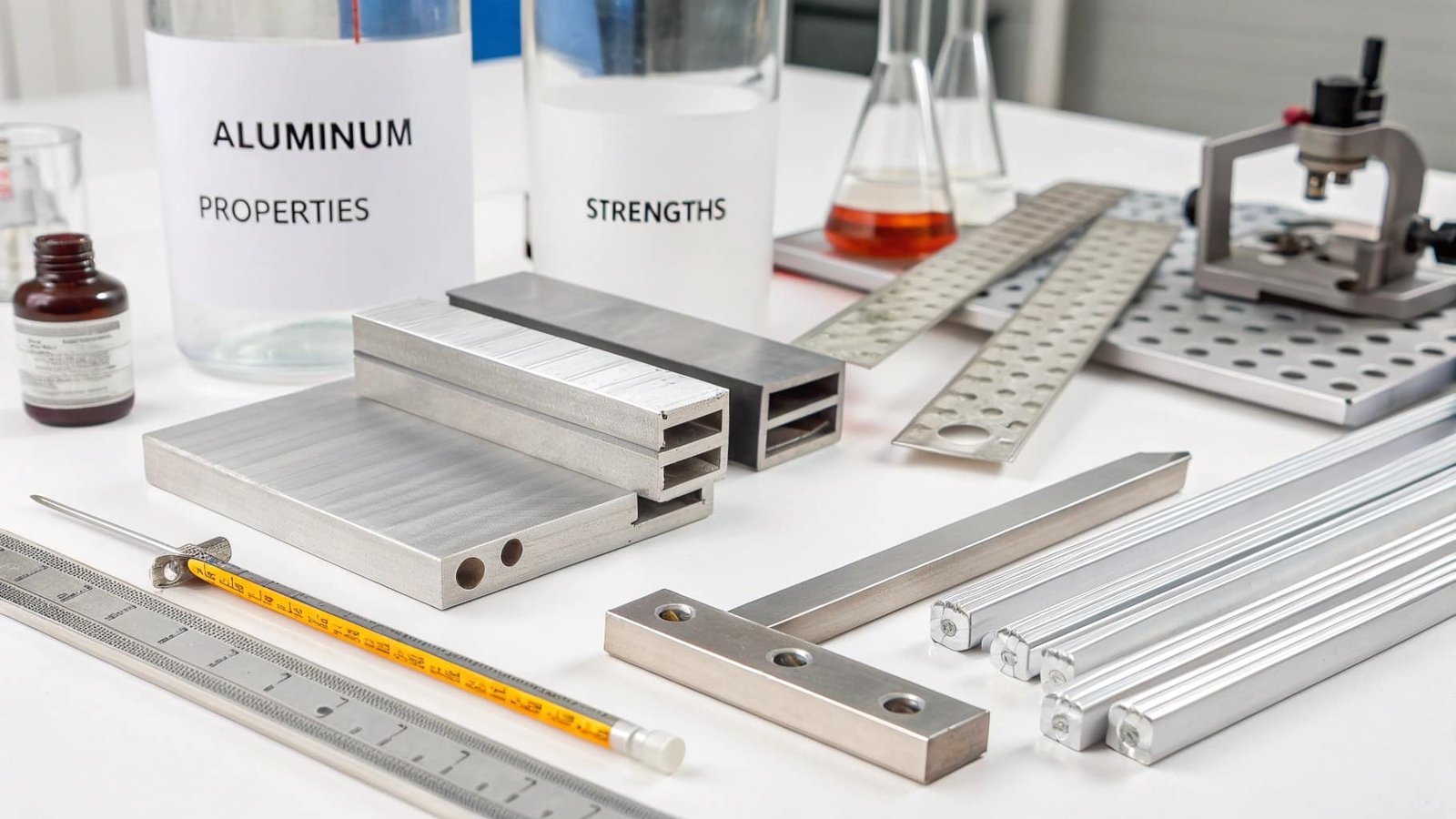
Aluminum is a chemical element with the symbol Al. It's a lightweight, silver-white metal known for its excellent ductility, conductivity, and thermal properties. However, pure aluminum has low strength. The introduction of aluminum alloys1 has changed everything.
What was aluminum originally used for?
In the beginning, aluminum was seen as a precious metal. It was rare and difficult to produce. The first notable use was in the 19th century for decorative items and jewelry. The rarity made it highly desirable among the elite.
At first, aluminum was a luxury material used for decorative purposes, such as jewelry and fine utensils. Its extraction difficulties contributed to its high value and status.
As time went on, its use expanded. The 1889 Eiffel Tower was constructed using aluminum to showcase its strength and beauty. This shift marked the beginning of aluminum's journey from a luxury item to a practical material for construction2 and manufacturing.
Aluminum’s unique properties made it suitable for various applications. Its lightweight nature made it ideal for transportation, reducing fuel consumption and improving efficiency. Its resistance to corrosion is another significant advantage, making it suitable for outdoor and maritime uses.
What's 1 lb of aluminum worth?
Today, the value of aluminum fluctuates based on market conditions. Currently, a pound of aluminum is approximately $0.80 to $1.00. This price is influenced by demand in sectors like construction, automotive, and packaging.
The current market value of aluminum is approximately $0.80 to $1.00 per pound, influenced by its demand in various industries, including construction and automotive.

The price can vary significantly due to supply chain issues and production levels. Understanding the economics of aluminum helps us appreciate its role in modern manufacturing and global trade.
The global aluminum market is substantial. It's driven by industries needing high-strength, lightweight materials. The demand for aluminum in electric vehicles, for instance, is rising as the world shifts towards sustainable transportation solutions.
What are the 5 main uses of aluminium?
Aluminum serves a wide array of purposes. Here are the five primary uses:
- Transportation: Used in cars, airplanes, and trains, aluminum reduces weight and enhances fuel efficiency.
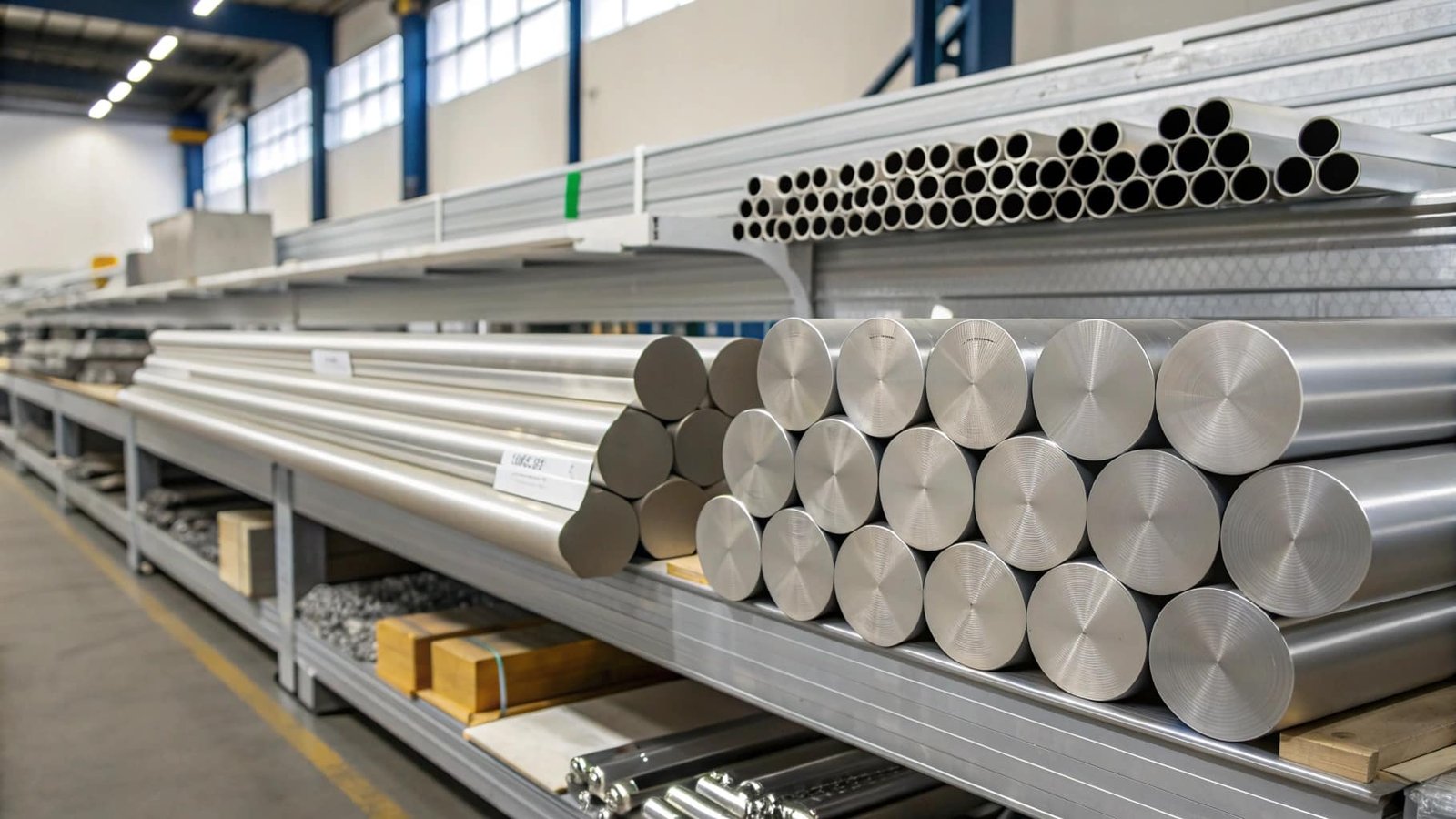
- Construction: Building facades, roofing, and window frames utilize aluminum for its durability and lightweight properties.
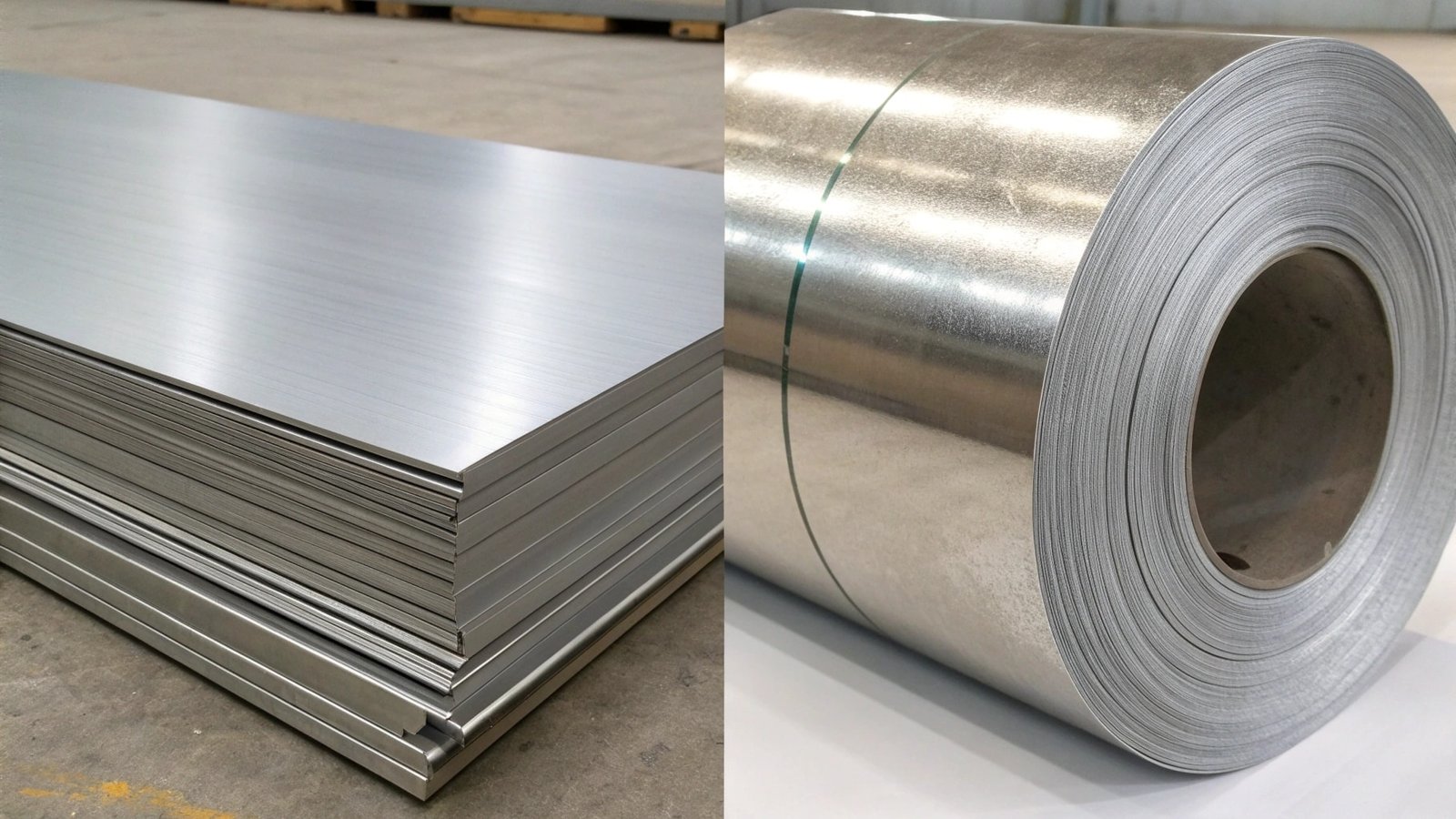
- Packaging: Aluminum foil and cans are common due to their ability to preserve freshness and extend shelf life.
- Electrical: Used in wiring and electrical components, aluminum's conductivity makes it a preferred choice.
- Consumer Goods: From kitchenware to electronics, aluminum's versatility shines in everyday products.
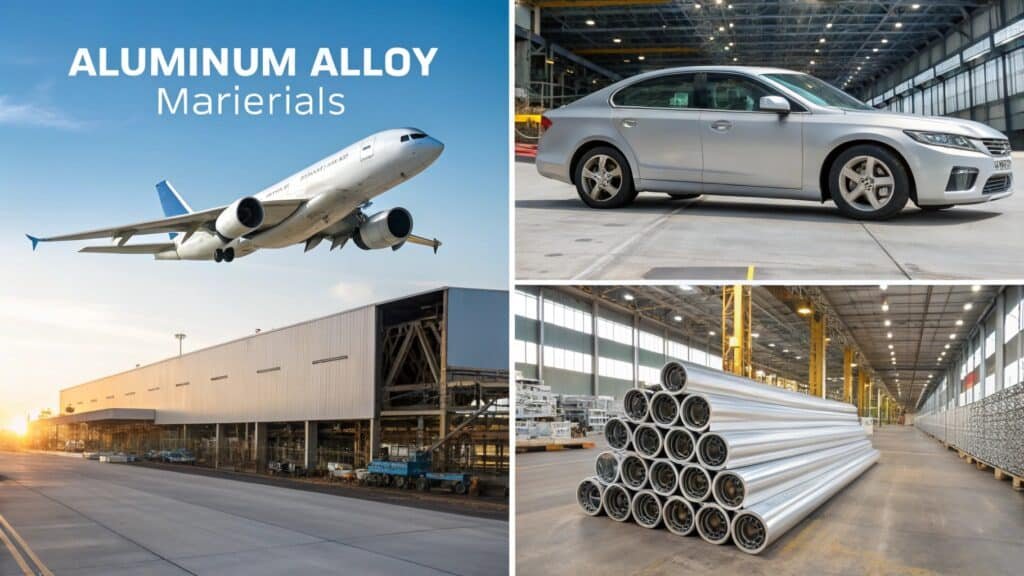
Aluminum's main applications include transportation, construction, packaging, electrical components, and consumer goods, showcasing its versatility and efficiency across industries.

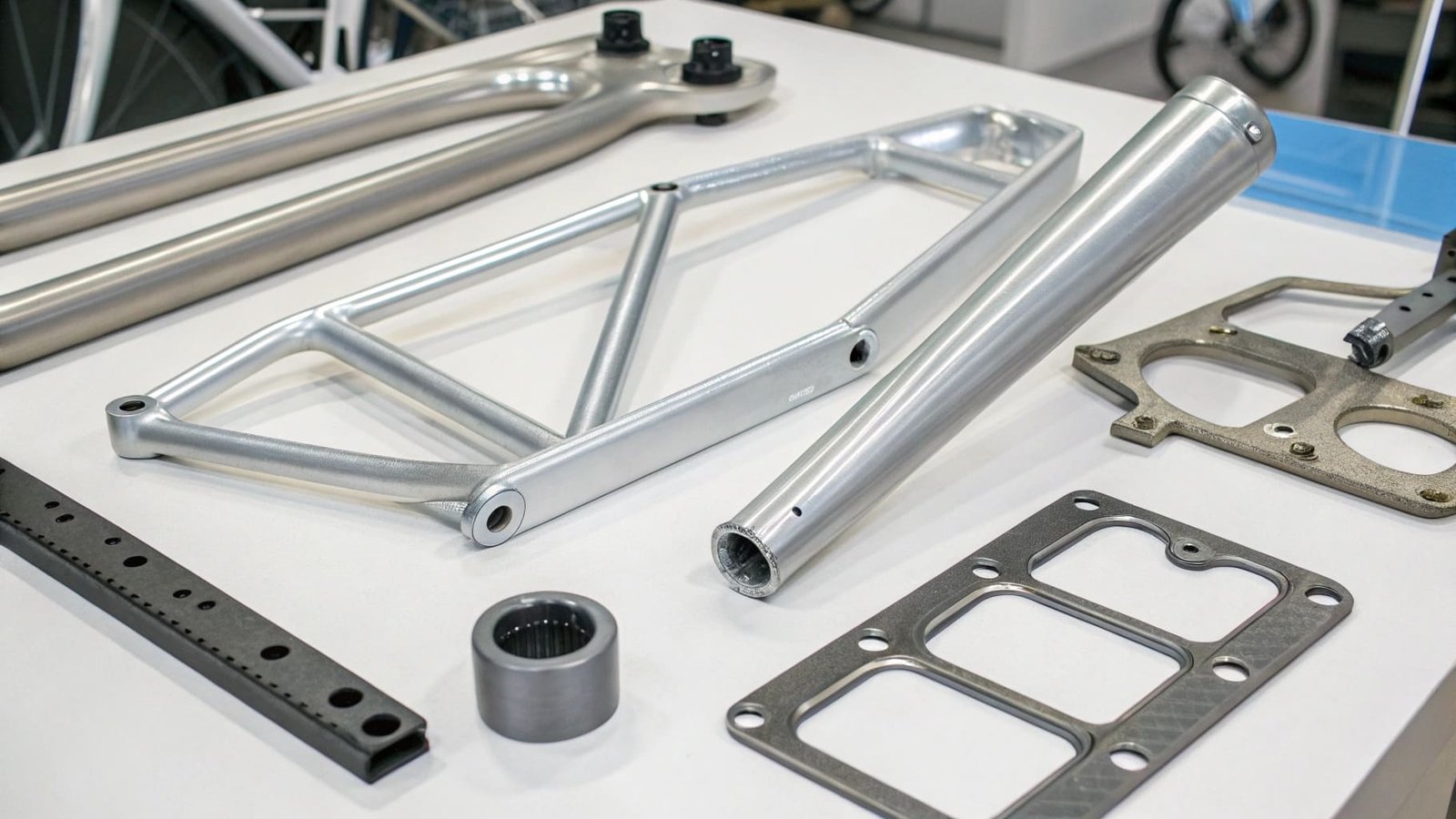
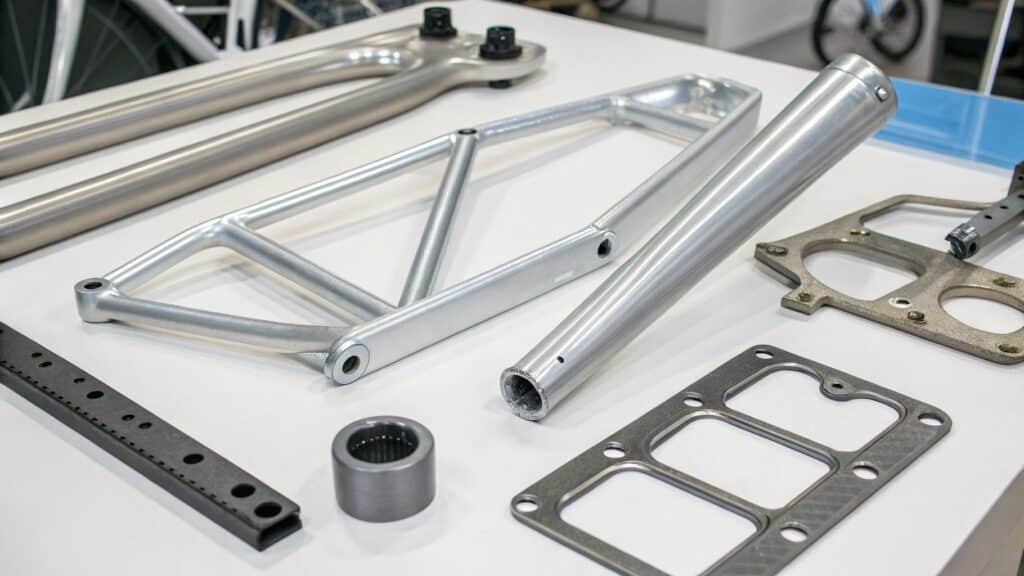
Aluminum alloys improve these applications significantly. They enhance the mechanical properties and provide resistance to corrosion, making aluminum suitable for many environments and uses. The development of advanced aluminum alloys has expanded its applications even further.
Will we ever run out of aluminum?
Aluminum is abundant in the Earth's crust, making up about 8% of it. While we may face challenges in recycling and production, the natural reserves of aluminum are vast.
Aluminum is abundant in the Earth, comprising about 8% of the crust. Although recycling challenges exist, the reserves are sufficient for future demands.
The recycling of aluminum is significant. It's one of the most recycled materials in the world. Recycling saves energy and reduces greenhouse gas emissions compared to primary production.
The industry continues to innovate in recycling technologies, making it easier and more efficient. As demand for aluminum grows, sustainable practices will play a crucial role in ensuring we do not run out of this valuable resource.
Conclusion
Aluminum has evolved from a rare metal to a vital resource in various industries, with abundant reserves ensuring its continued use.