You carefully study datasheets for tensile strength, density, and hardness. But the one property that truly determines a component's fatigue life and toughness isn't even listed.
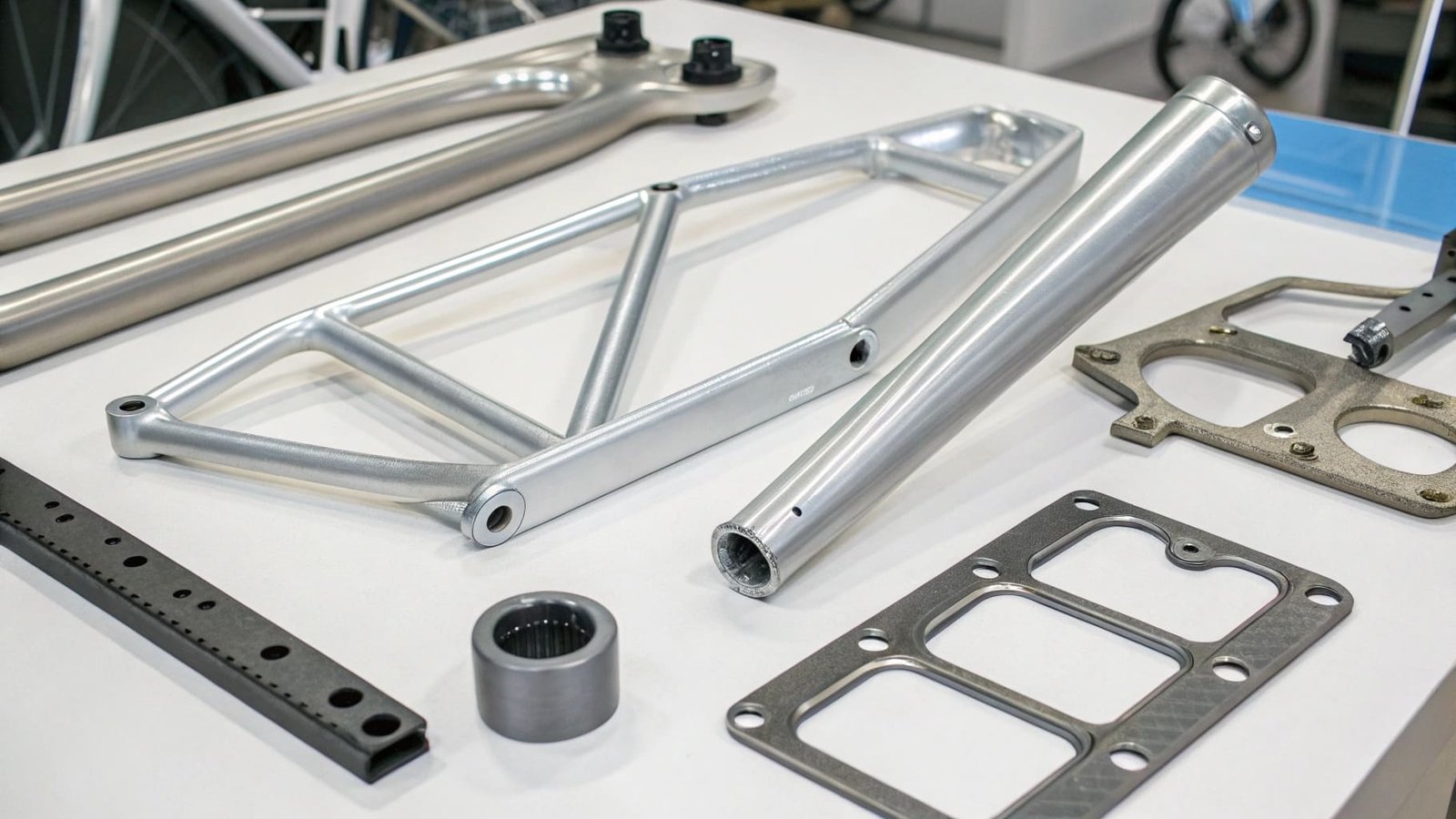
The most critical property is internal grain flow, which is engineered into a part through forging. This aligns the material's microstructure to dramatically increase directional strength and fatigue resistance, creating a component far superior to one machined from a raw billet.
Any list of properties is incomplete. I've spent over a decade in this industry, and I can tell you that the numbers on a material test certificate are just the beginning. The most critical property—internal grain flow—isn't on any datasheet. We forge this property into the metal. Think of it like the grain in a piece of wood. A part machined from a solid block is like cutting across the grain, creating weak points. Forging aligns the microstructure to follow the contours of the part. This delivers directional strength and fatigue resistance that a raw billet can never achieve. This is the hidden property that defines real-world performance.
What are the Main Properties of Aluminum You Already Know?
You need to select the right material for your job. Focusing only on the standard list of properties can cause you to overlook the processing method that truly unlocks its potential.
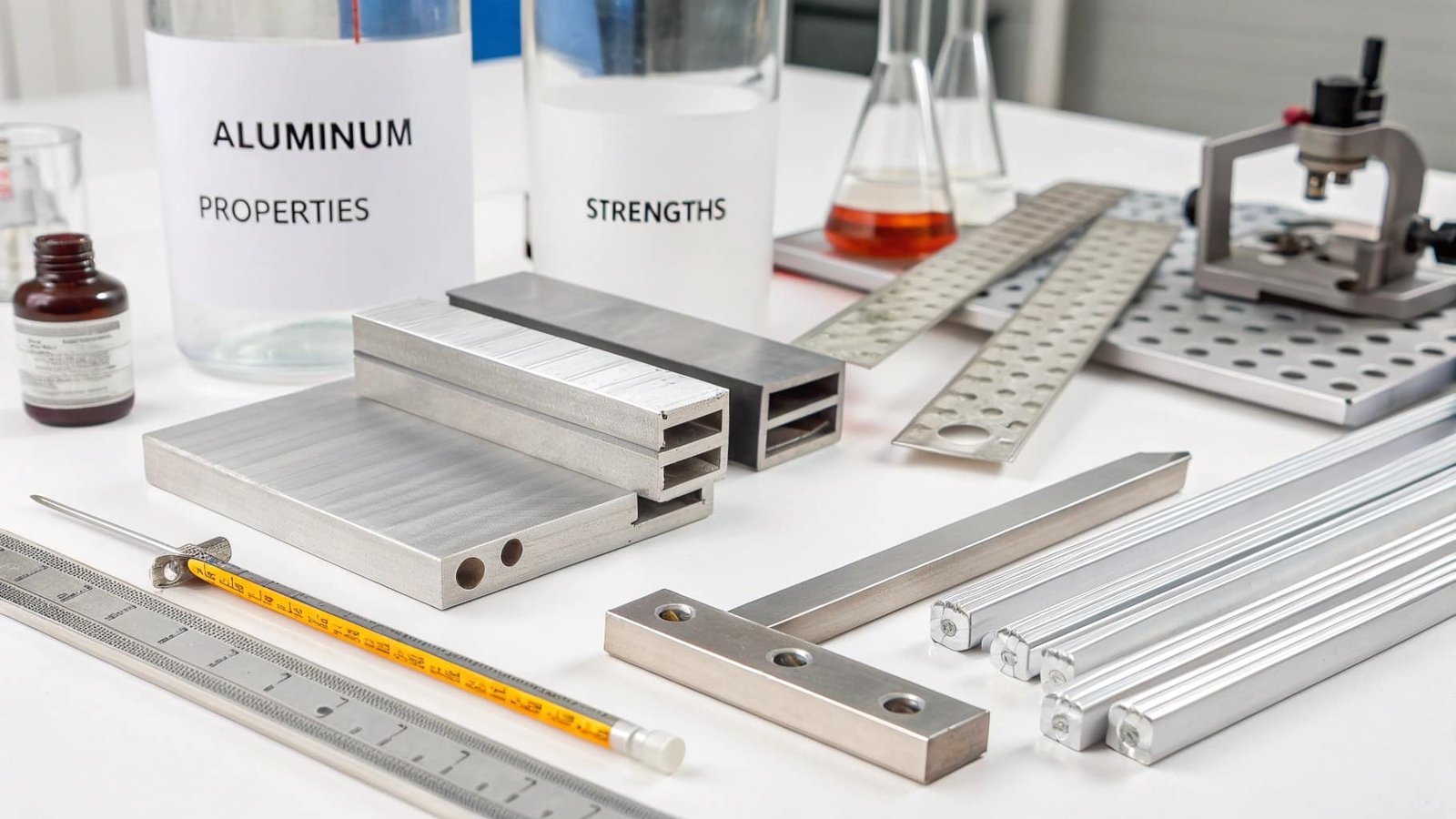
Aluminum is known for its low density (lightweight), high strength-to-weight ratio1, excellent corrosion resistance, and high thermal and electrical conductivity. These foundational properties make it an incredibly versatile engineering material.
These are the properties everyone learns about. They are the reasons why aluminum is used in everything from airplanes to industrial machinery. At SWA Forging, we see these properties as the starting point, the raw potential of the material. A 7075 aluminum2 billet has a high theoretical strength-to-weight ratio, but that's just a number. It's the forging process that takes that potential and makes it a reality in a finished component. By refining the grain structure, we not only ensure the part meets the datasheet specifications but that it does so uniformly, without the internal defects that can plague other manufacturing methods. We take these excellent base properties and elevate them to deliver maximum performance and reliability in the final part.
Standard "Datasheet" Properties of Aluminum
| Property | Description | Advantage in Application |
|---|---|---|
| Low Density | Approximately one-third the weight of steel. | Reduced energy consumption, easier handling and installation. |
| High Strength-to-Weight | High-strength alloys can rival the strength of some steels. | Lighter components that can handle significant stress. |
| Corrosion Resistance | Forms a natural, protective oxide layer that prevents degradation. | Long service life, reduced need for protective coatings. |
| High Conductivity | Excellent conductor of both heat and electricity. | Ideal for heat exchangers, electrical busbars, and housings. |
Does Aluminum Rust?
You see how quickly steel components can degrade from rust. This makes you rightly concerned about the long-term durability of any metal part exposed to the elements.
No, aluminum does not rust. Rust is iron oxide. Aluminum does react with oxygen, but it forms a tough, transparent, and self-healing protective layer called aluminum oxide that prevents any further corrosion.
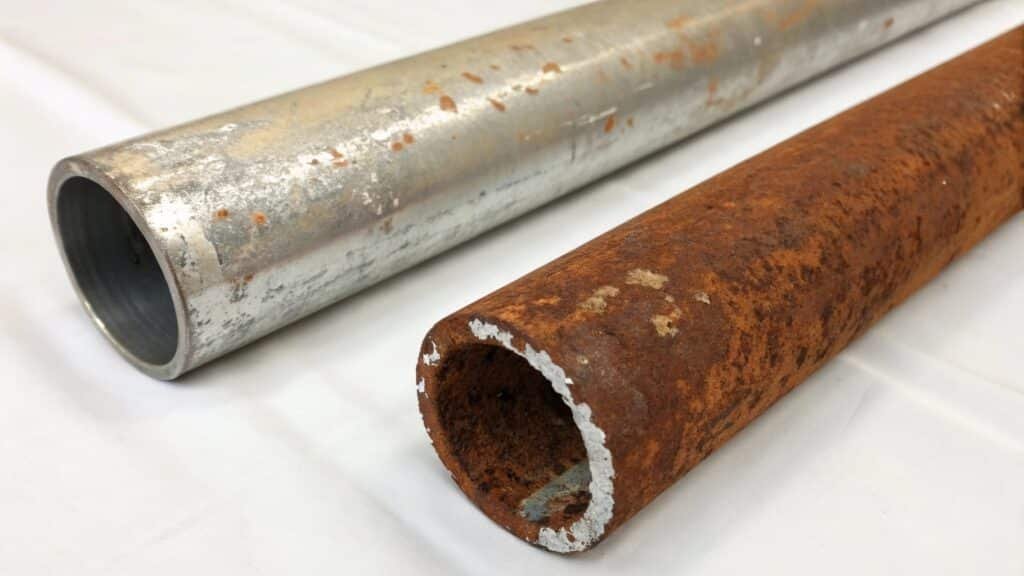
This is one of the biggest advantages of aluminum, especially for our clients in demanding industrial or marine environments. When steel corrodes, the rust flakes off, exposing fresh metal to continue the destructive cycle. Aluminum is much smarter. The moment it's exposed to air, it forms a very thin, very hard layer of aluminum oxide. This layer, called a passivation layer, seals the metal off from the environment. If you scratch the surface, a new protective layer forms instantly. It's a self-healing defense mechanism. The forging process improves this inherent benefit. A forged surface is dense and non-porous compared to a casting, providing a perfect, uniform base for this oxide layer to form, enhancing its protective capabilities and ensuring a long, reliable service life for the component.
What Are the Advantages of Aluminum?
You need to justify your material choice based on performance and total cost. Choosing a material based on a single factor, like initial price, can lead to higher costs down the line.
The primary advantages are an excellent strength-to-weight ratio, superior corrosion resistance, and high thermal conductivity. It is also non-magnetic, non-toxic, and highly recyclable, making it a versatile and sustainable engineering choice.
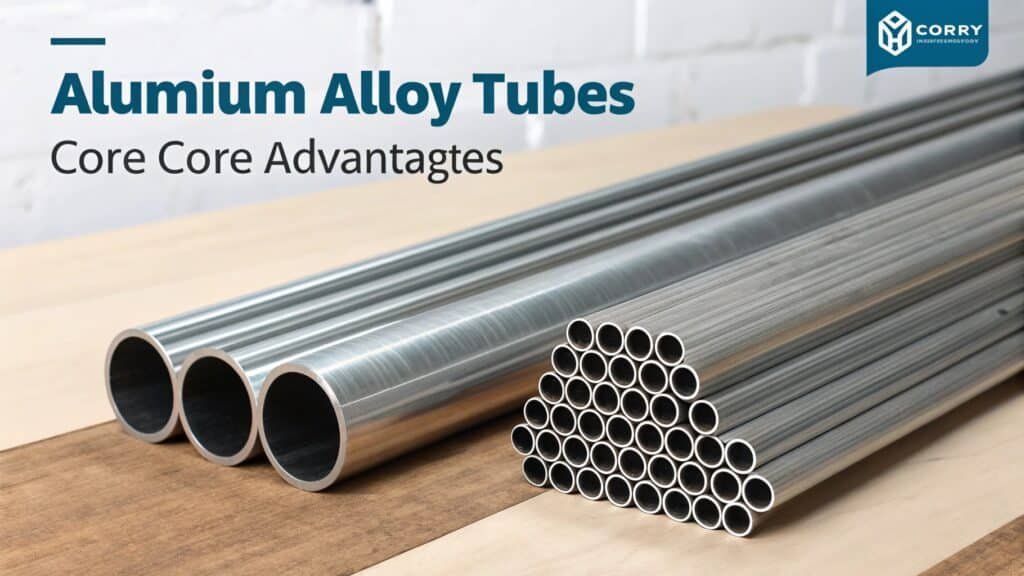
When a customer asks me this, I tell them to think about the entire life of the part, not just its initial function. Yes, the strength-to-weight ratio is fantastic for performance. But what about the other benefits? Its light weight means lower shipping costs and easier installation. Its natural corrosion resistance means you can often eliminate the expensive and time-consuming step of painting or coating. For our machining customers, aluminum is much faster and easier to machine than steel, which translates directly to lower production costs and faster lead times. When you add all these factors together—performance, durability, ease of manufacturing, and recyclability—aluminum often presents the lowest total cost of ownership. It is not just a material; it is an efficient and intelligent engineering solution.
What is the Most Important Property of Forged Aluminum?
You understand the basics, but you want to know what makes a forged part special. You need the one key factor that justifies choosing a forged component over other forms.
The single most important property of forged aluminum is its enhanced fatigue resistance. This comes directly from the unbroken, aligned grain flow that is only created through the forging process, allowing the part to withstand repeated stress cycles.
If I could only point to one thing, this would be it. Fatigue is the silent killer of metal components. It's the failure that happens from thousands or millions of small stress cycles, even if none of them come close to the material's yield strength. This is where grain flow becomes everything. When we forge a part, we are shaping the metal and also directing its internal structure to align with the shape of the component. This creates a continuous, unbroken grain flow that smoothly distributes stress across the part. A part machined from a billet, by contrast, has its grain structure cut and severed. These severed ends act as stress risers, which are the starting points for microscopic fatigue cracks. A forged part's superior grain structure means it will last longer, be more reliable, and handle impact and shock loading far better than any other form.
Conclusion
Forget the standard list of properties. The engineered grain flow in a forged part from SWA Forging provides a level of fatigue resistance and durability that no datasheet can ever show.