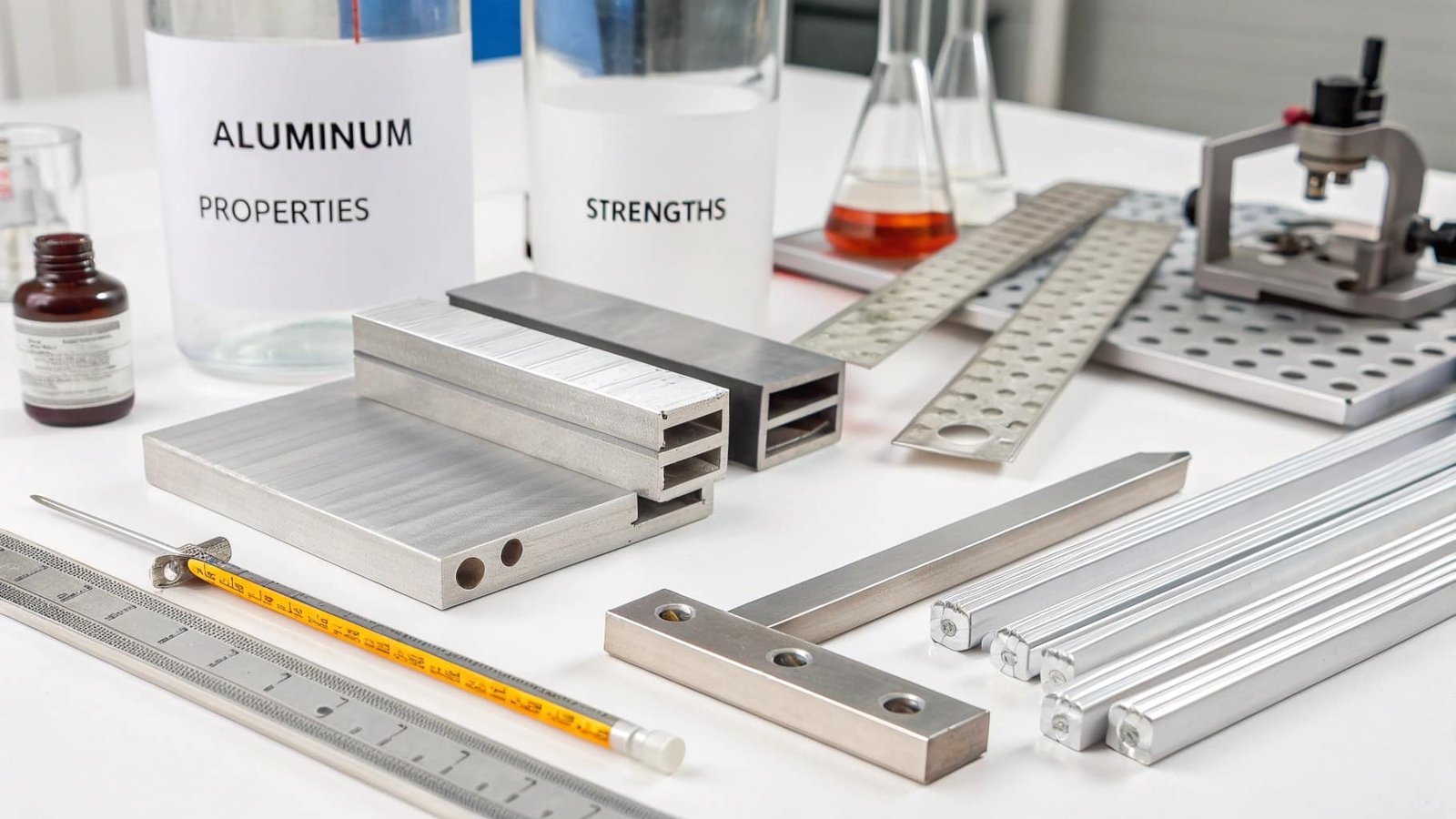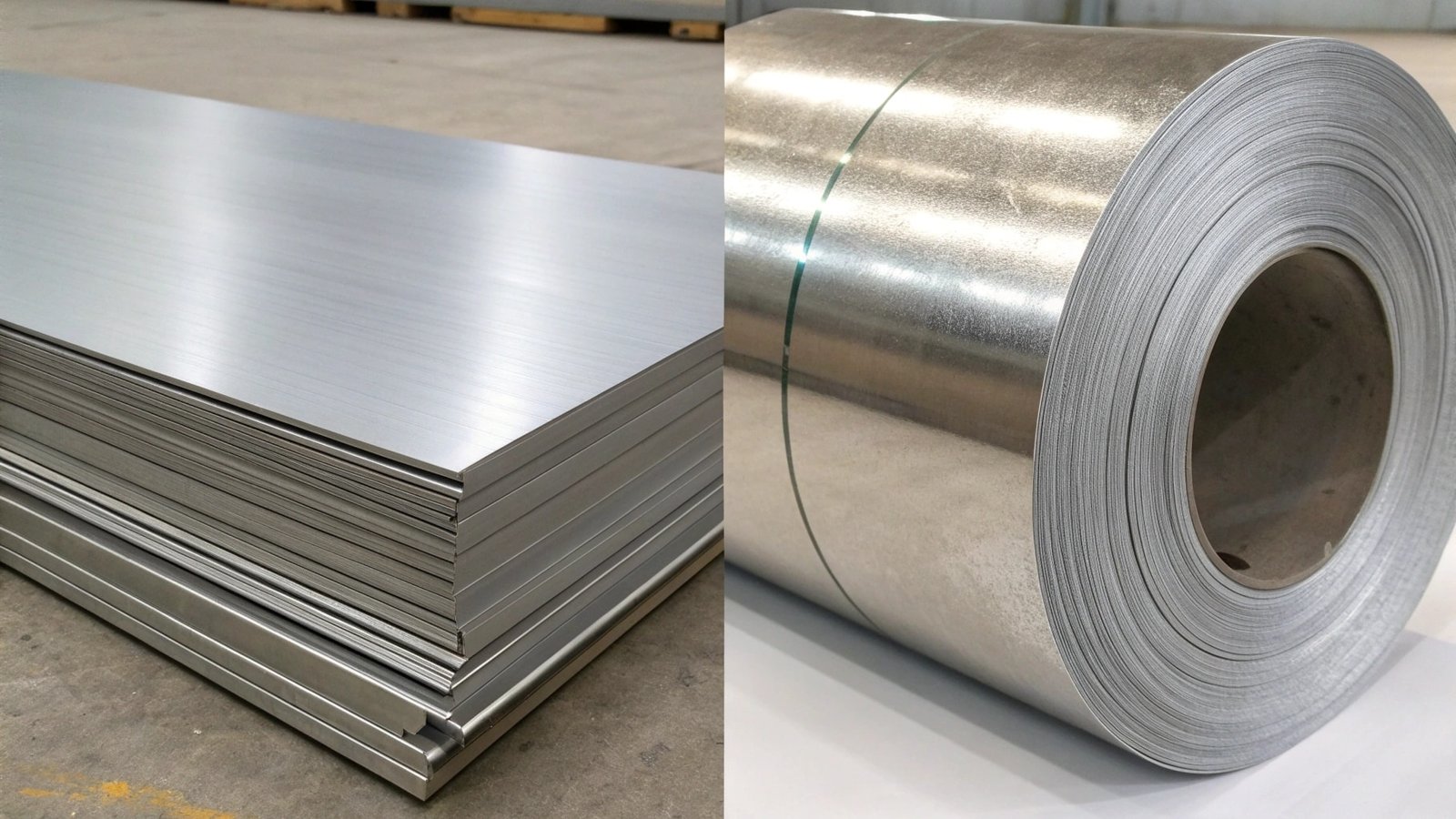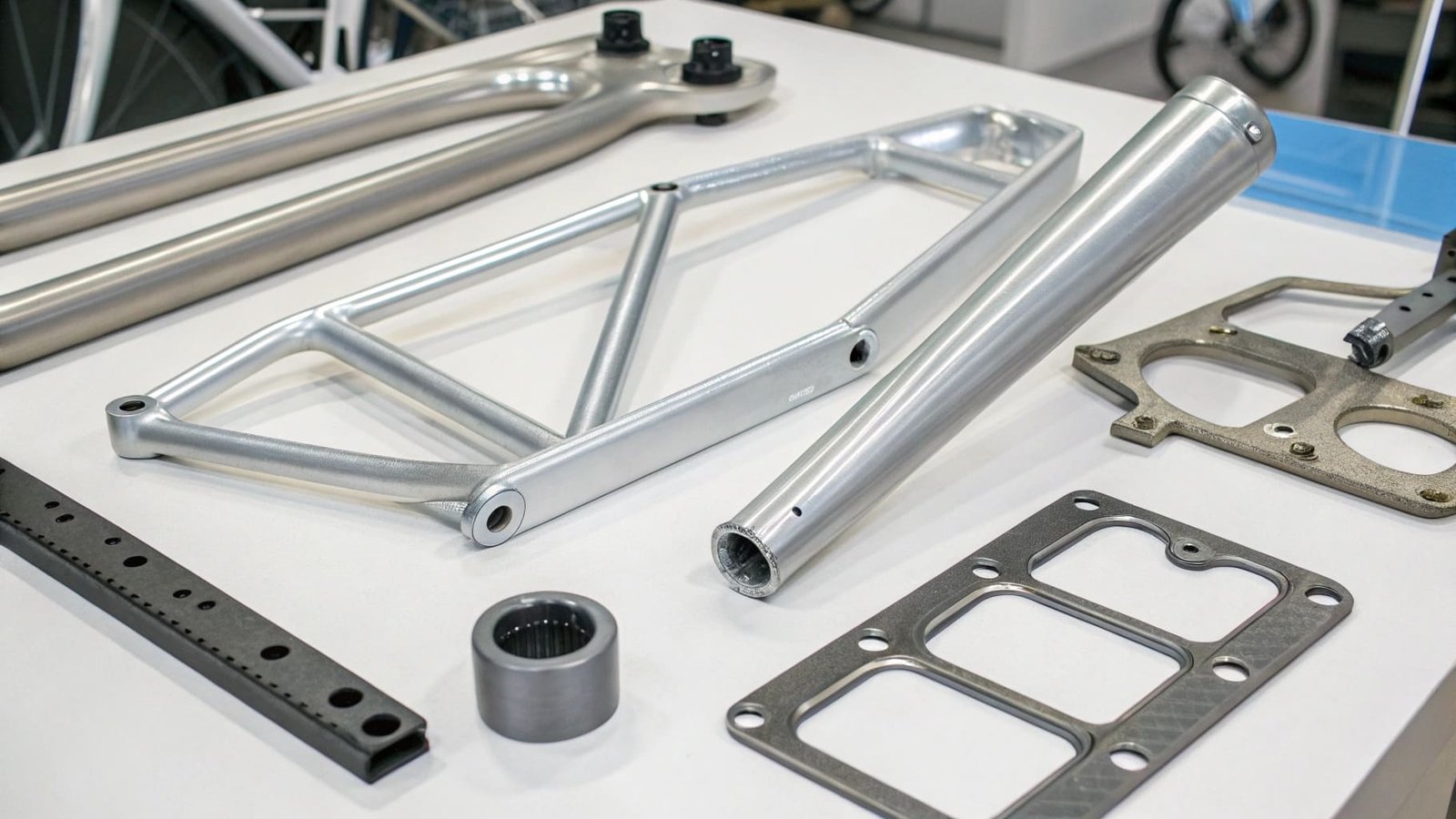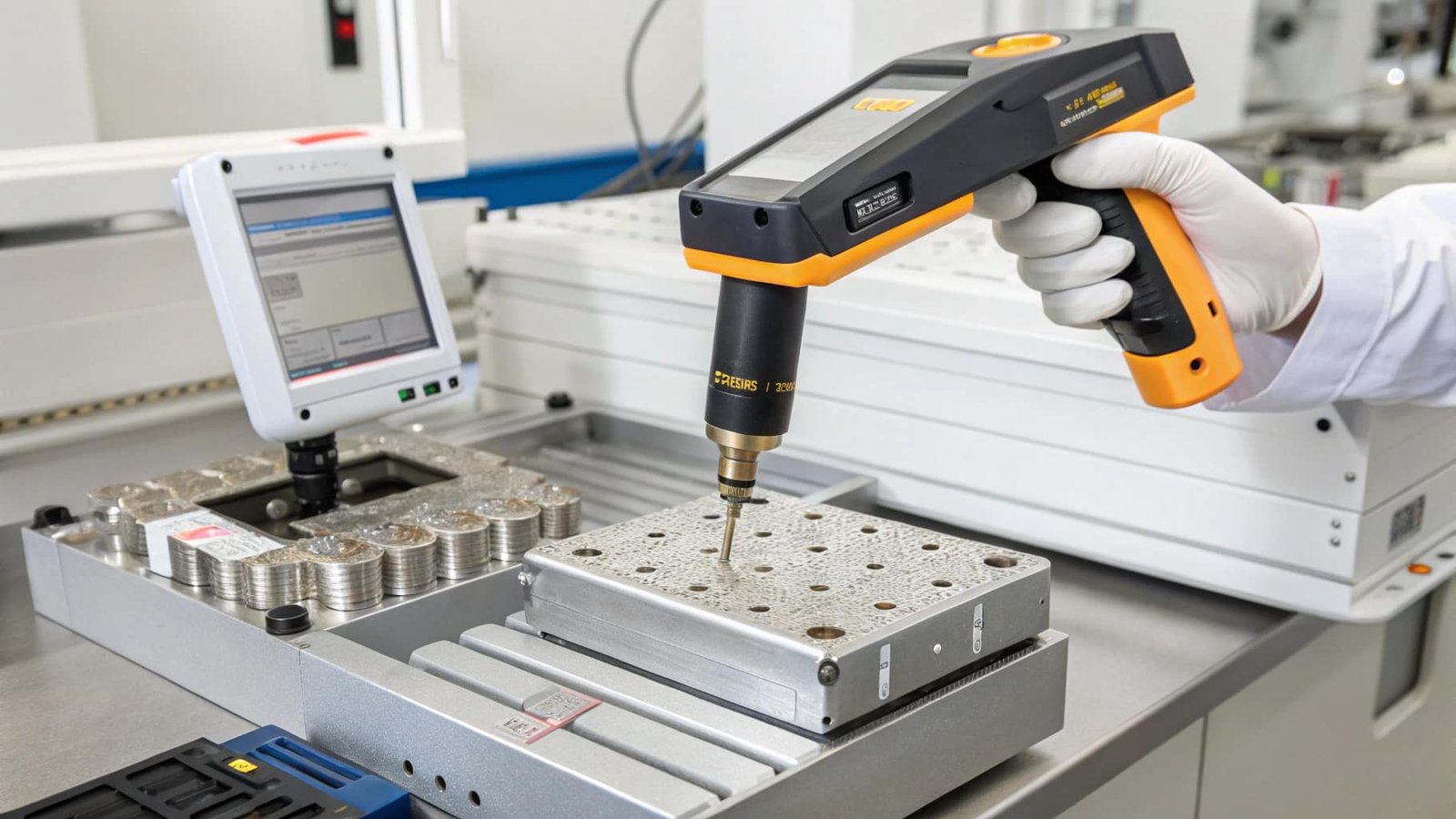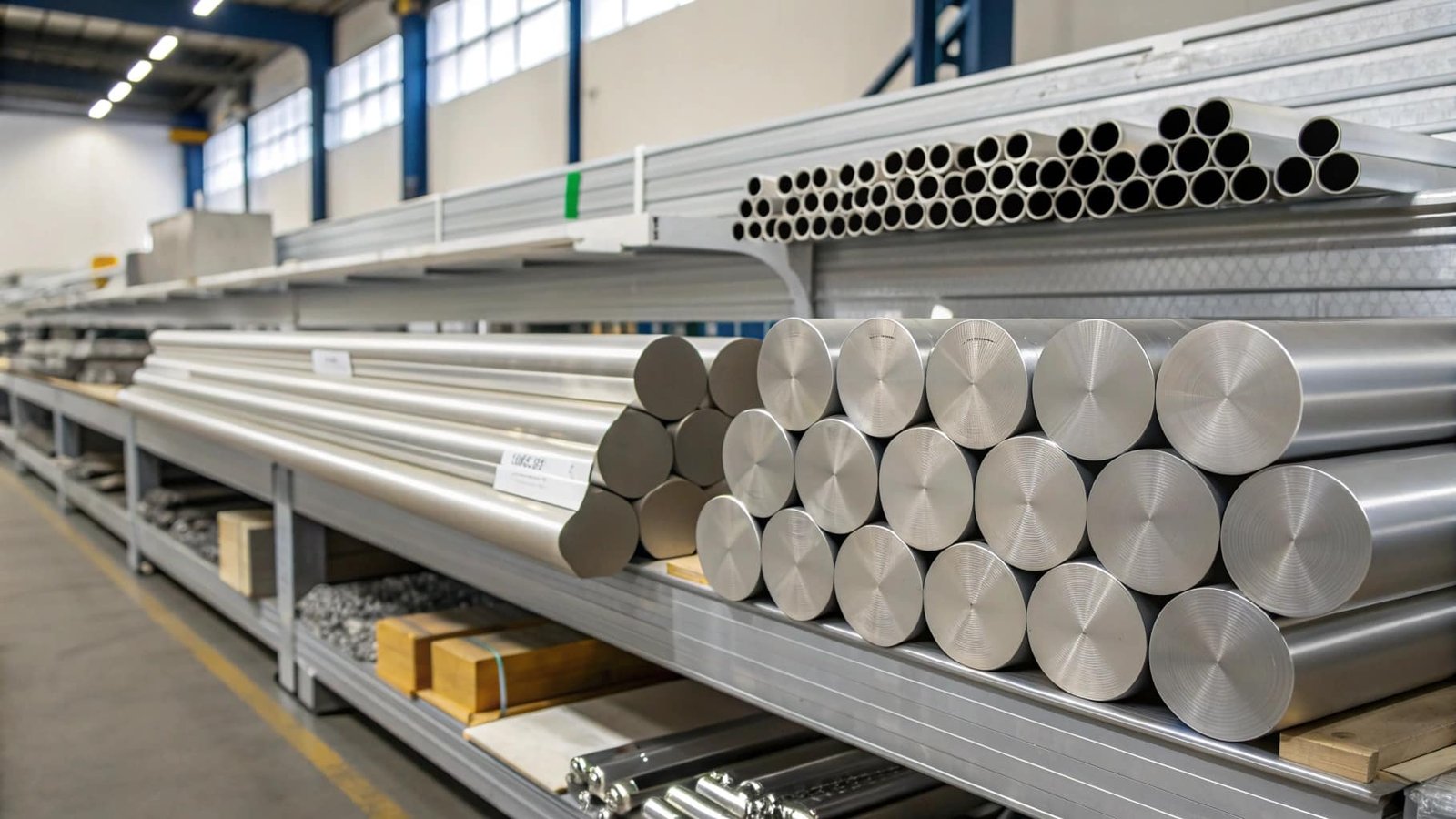
Have you ever wondered why some aluminum alloys are incredibly strong and used in demanding applications like aerospace, while others are softer and more malleable? The key difference often lies in whether they are "heat treatable."
Heat-treatable aluminum alloys are those that can significantly increase their strength and hardness through a process called precipitation hardening. These alloys typically belong to the 2xxx (Al-Cu), 6xxx (Al-Mg-Si), and 7xxx (Al-Zn-Mg-Cu) series, and their ability to be strengthened through precise thermal processes makes them indispensable for applications requiring high strength-to-weight ratios, such as in aerospace, automotive, and structural components.
At SWA Forging, our expertise primarily lies with heat-treatable aluminum alloys, particularly those in the 6xxx and 7xxx series. We understand that selecting the right alloy and applying the correct heat treatment is crucial for our clients' high-performance applications.
Is 6061 T6 aluminum heat treated?
Are you curious about the popular 6061-T6 aluminum1 alloy and if its strength comes from a heat treatment process? The "T6" designation gives us the answer.
Yes, 6061-T6 aluminum is indeed heat treated; in fact, the "T6" temper designation specifically indicates that the 6061 alloy has undergone a precise two-stage heat treatment process: solution heat treatment followed by artificial aging. This thermal process significantly increases the alloy's strength, hardness, and durability compared to its as-fabricated or naturally aged state, making 6061-T6 a widely used material for structural components in various industries.
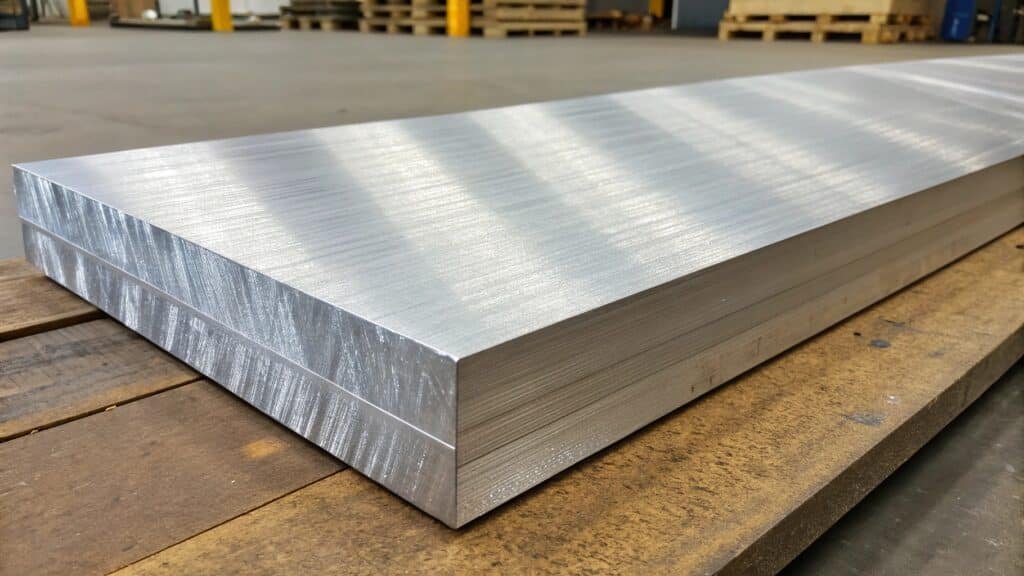
When we deliver a 6061-T6 forged component at SWA Forging, it means we've put it through a meticulous heat treatment process to ensure it meets the highest strength requirements. It's a hallmark of quality for us.
The Significance of 6061-T6
The 6061 alloy is perhaps the most widely used heat-treatable aluminum alloy due to its versatile properties. The "T6" temper is its most common and strongest temper, achieved through a specific heat treatment sequence.
-
Composition of 6061:
- 6061 is part of the 6xxx series, meaning its primary alloying elements are magnesium (Mg) and silicon (Si). These elements combine to form magnesium silicide (Mg2Si) precipitates, which are crucial for precipitation hardening. It also contains small amounts of copper and chromium.
-
Why 6061 is Heat Treatable:
- The presence of magnesium and silicon allows 6061 to undergo precipitation hardening. When these elements are properly dissolved and then encouraged to form fine, dispersed precipitates, they effectively "pin" dislocations (defects in the crystal structure), making the material much harder and stronger.
-
The T6 Heat Treatment Process for 6061:
- Solution Heat Treatment: The 6061 alloy is heated to a high temperature, typically around 520-540°C (968-1004°F). This high temperature allows the Mg and Si atoms to dissolve into the aluminum matrix, forming a single, homogeneous solid solution.
- Quenching: Immediately after solution heat treatment, the alloy is rapidly cooled (quenched), usually in water. This rapid cooling "freezes" the dissolved alloying elements in a supersaturated solid solution, preventing them from precipitating out in a coarse, undesirable manner. At this stage, the material is relatively soft but ready for the next strengthening step.
- Artificial Aging (Precipitation Hardening): The quenched 6061 alloy is then reheated to a lower, intermediate temperature, typically around 160-180°C (320-355°F), and held there for a specific duration (e.g., 8-10 hours). This controlled heating allows the supersaturated Mg and Si atoms to diffuse and form extremely fine, uniformly dispersed Mg2Si precipitates throughout the aluminum matrix. These precipitates are the primary source of the alloy's enhanced strength and hardness.
Key takeaway: When you hear "6061-T6," it implies a carefully executed heat treatment process that transforms a versatile but moderately strong alloy into a high-strength material suitable for critical applications. This transformation is a direct result of the T6 heat treatment.
| Property Comparison | 6061-O (Annealed) | 6061-T6 (Heat Treated) |
|---|---|---|
| Tensile Strength | ~125 MPa (18 ksi) | ~310 MPa (45 ksi) |
| Yield Strength | ~55 MPa (8 ksi) | ~275 MPa (40 ksi) |
| Hardness (Brinell) | ~30 HB | ~95 HB |
| Ductility | High | Moderate |
This table clearly shows the dramatic increase in strength and hardness achieved through the T6 heat treatment, making it a cornerstone for many engineering applications.
Is 5052 aluminum alloy heat treatable?
Have you ever wondered if all aluminum alloys can be strengthened through heat treatment? The answer is no, and the 5052 alloy serves as a great example of those that cannot be.
No, 5052 aluminum alloy2 is not heat treatable in the sense of precipitation hardening. It belongs to the 5xxx series, which are non-heat-treatable alloys primarily strengthened through solid solution strengthening and strain hardening (work hardening). Its main alloying element is magnesium, and while it offers excellent corrosion resistance3, formability, and good strength, its properties cannot be significantly enhanced by the type of heat treatment applied to alloys like 6061 or 7075.
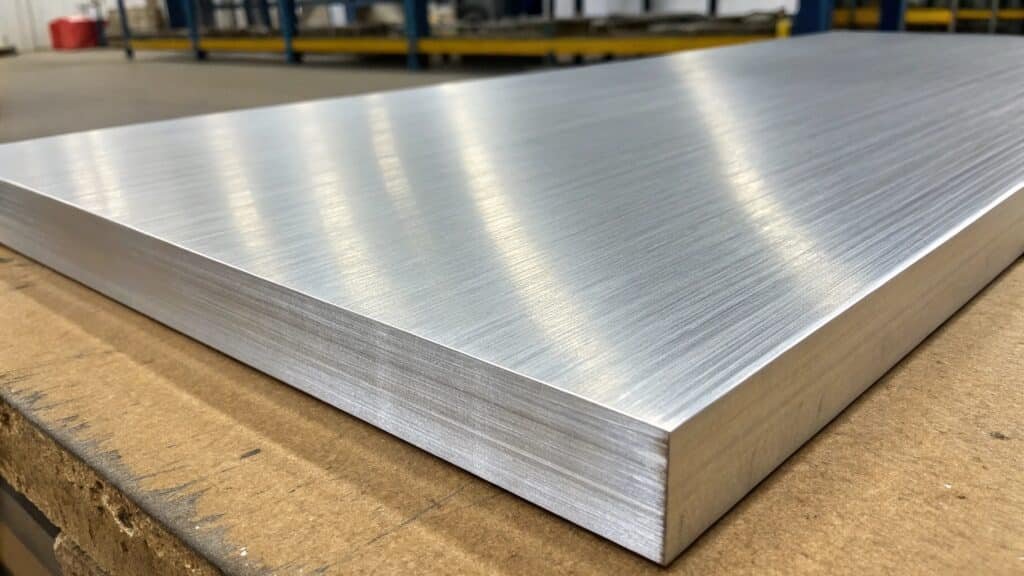
At SWA Forging, while we specialize in heat-treatable alloys, understanding the characteristics of non-heat-treatable alloys like 5052 is crucial. It helps us guide clients to the best material for their specific needs, especially when formability and corrosion resistance are paramount over ultimate strength.
Understanding Non-Heat-Treatable Alloys like 5052
The ability of an aluminum alloy to be heat treated for strengthening depends on its primary alloying elements. Alloys that contain elements capable of forming precipitates are heat treatable; those that don't, are not.
-
Composition of 5052:
- 5052 is a member of the 5xxx series, with magnesium (Mg) as its primary alloying element (typically 2.2-2.8%). It also contains small amounts of chromium.
- Unlike the 2xxx, 6xxx, and 7xxx series, the alloying elements in the 5xxx series (primarily Mg) do not form precipitates that can effectively strengthen the alloy through a solution heat treatment and aging process.
-
How 5052 is Strengthened:
- Solid Solution Strengthening: The magnesium atoms dissolve in the aluminum matrix, distorting the crystal lattice and hindering dislocation movement, thus increasing strength. This is the primary strengthening mechanism.
- Strain Hardening (Work Hardening): 5052 alloy gains strength and hardness through mechanical deformation, such as cold rolling or drawing. When it is plastically deformed, dislocations multiply and tangle, making the material harder and stronger. This is why you often see 5052 in tempers like H32 (strain hardened and then stabilized) or H34.
- Thermal Treatment: While 5052 cannot be strengthened by precipitation hardening, it can undergo thermal treatments like annealing (designated as "O" temper). Annealing involves heating the alloy to a specific temperature and then slowly cooling it, which relieves the effects of strain hardening and makes the material softer and more ductile for further forming operations. However, this reduces strength, rather than increasing it.
-
Typical Applications of 5052:
- Due to its excellent corrosion resistance (especially in saltwater environments), good formability, and good strength from work hardening, 5052 is commonly used in marine applications, fuel tanks, pressure vessels, general sheet metal work, and electronics enclosures.
| Alloy Series | Primary Alloying Elements | Heat Treatable? | Primary Strengthening Mechanism | Common Examples |
|---|---|---|---|---|
| 1xxx | Pure Aluminum | No | Work Hardening | 1100 |
| 2xxx | Copper (Cu) | Yes | Precipitation Hardening | 2024, 2014 |
| 3xxx | Manganese (Mn) | No | Solid Solution, Work Hardening | 3003 |
| 4xxx | Silicon (Si) | No (mostly) | Lower melting point, not for strength | 4043 (welding wire) |
| 5xxx | Magnesium (Mg) | No | Solid Solution, Work Hardening | 5052, 5083 |
| 6xxx | Magnesium (Mg) + Silicon (Si) | Yes | Precipitation Hardening | 6061, 6063 |
| 7xxx | Zinc (Zn) + Magnesium (Mg) | Yes | Precipitation Hardening | 7075, 7050 |
This table clearly illustrates why 5052 falls into the "non-heat-treatable" category for strength enhancement. It's strengthened differently.
Can you heat treat 7075 aluminum?
Are you wondering about one of the strongest aluminum alloys known – 7075 – and if its incredible strength is a result of heat treatment? The answer is a definitive yes.
Yes, 7075 aluminum4 is highly heat treatable, and its exceptional strength, comparable to many steels, is primarily achieved through a precise multi-stage heat treatment process. As a member of the 7xxx series, 7075 relies on solution heat treatment followed by artificial aging (typically to T6 or T7 tempers) to form fine precipitates of zinc, magnesium, and copper, which dramatically increase its hardness and tensile properties, making it a critical material for aerospace and high-performance applications.
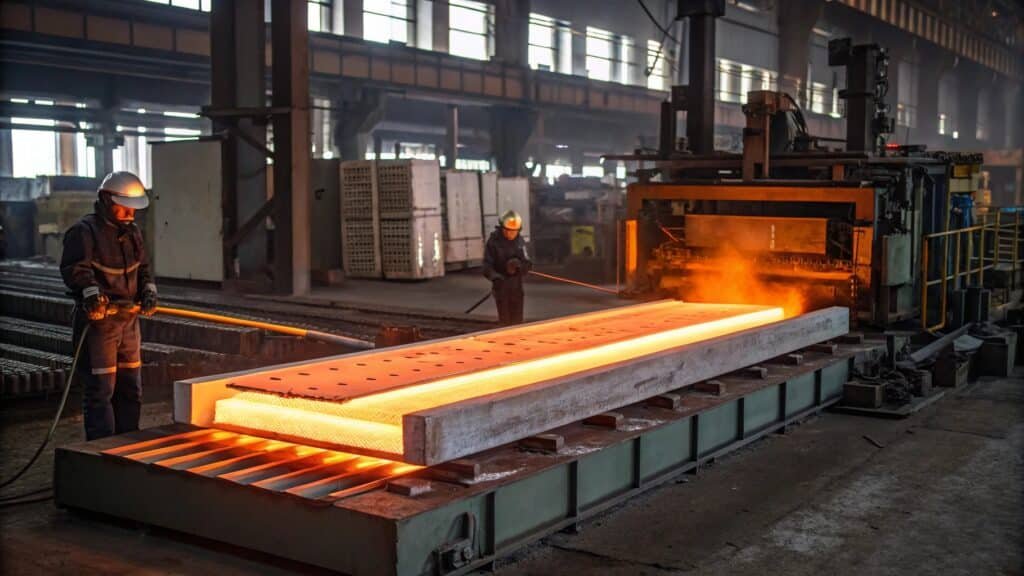
At SWA Forging, 7075 is an alloy we often work with for our most demanding clients. Its strength, achieved through meticulous heat treatment, allows us to produce components that withstand extreme stresses and operate in critical environments.
The Power of 7075 Through Heat Treatment
7075 is renowned for being one of the highest-strength aluminum alloys available. This strength is directly attributable to its composition and its response to heat treatment.
-
Composition of 7075:
- 7075 is a member of the 7xxx series, with its primary alloying elements being zinc (Zn), magnesium (Mg), and copper (Cu). It also contains chromium.
- The combination of zinc and magnesium forms MgZn2 precipitates, which are the main strengthening phase. Copper and chromium also contribute to strength and other properties.
-
Why 7075 is Heat Treatable:
- Similar to 6061, the specific alloying elements in 7075 are designed to form precipitates when subjected to the correct thermal cycles. These precipitates, when fine and uniformly dispersed, are incredibly effective at hardening and strengthening the alloy.
-
The Heat Treatment Process for 7075 (T6 and T7 Tempers):
- Solution Heat Treatment: 7075 is typically heated to a high temperature, around 460-490°C (860-915°F), to dissolve the alloying elements into the aluminum matrix.
- Quenching: Rapid quenching (usually in cold water) follows immediately to retain the alloying elements in a supersaturated solid solution.
- Artificial Aging: This is where the specific temper (T6 or T7) is developed.
- T6 Temper: For maximum strength, 7075 is artificially aged at around 120°C (250°F) for about 24 hours. This produces very fine precipitates that provide peak strength.
- T7 Temper (Over-aged): For enhanced resistance to stress corrosion cracking (a significant concern for high-strength aluminum alloys), 7075 can be "over-aged" (e.g., 7075-T73 or 7075-T7451). This involves aging at a slightly higher temperature or for a longer duration, resulting in slightly lower peak strength than T6 but significantly improved stress corrosion cracking resistance. This is often preferred for critical aerospace applications where integrity over time is paramount.
| Property (Approximate) | 7075-O (Annealed) | 7075-T6 (Heat Treated) | 7075-T73 (Heat Treated) |
|---|---|---|---|
| Tensile Strength | ~230 MPa (33 ksi) | ~570 MPa (83 ksi) | ~510 MPa (74 ksi) |
| Yield Strength | ~105 MPa (15 ksi) | ~505 MPa (73 ksi) | ~435 MPa (63 ksi) |
| Hardness (Brinell) | ~60 HB | ~150 HB | ~135 HB |
| Stress Corrosion Cracking Resistance | Excellent | Low | Excellent |
As you can see, the T6 and T7 tempers dramatically elevate the strength of 7075, making it suitable for applications where material must withstand extreme loads.
What is the most heat resistant aluminum alloy?
Are you thinking about aluminum's typical low melting point and wondering if any alloys stand out for their ability to withstand high temperatures without losing strength? There are indeed specialized aluminum alloys designed for this challenge.
The "most heat resistant" aluminum alloys are typically specialized high-temperature aluminum alloys, often containing elements like iron, nickel, or rare earths, designed to retain strength and creep resistance at elevated temperatures (e.g., above 200°C/400°F) where conventional aluminum alloys would rapidly degrade. While traditional aluminum alloys (like 6061 or 7075) lose significant strength above approximately 150-200°C, these advanced alloys, often produced by powder metallurgy, are engineered for high-temperature structural applications, such as in engine components or supersonic aircraft.
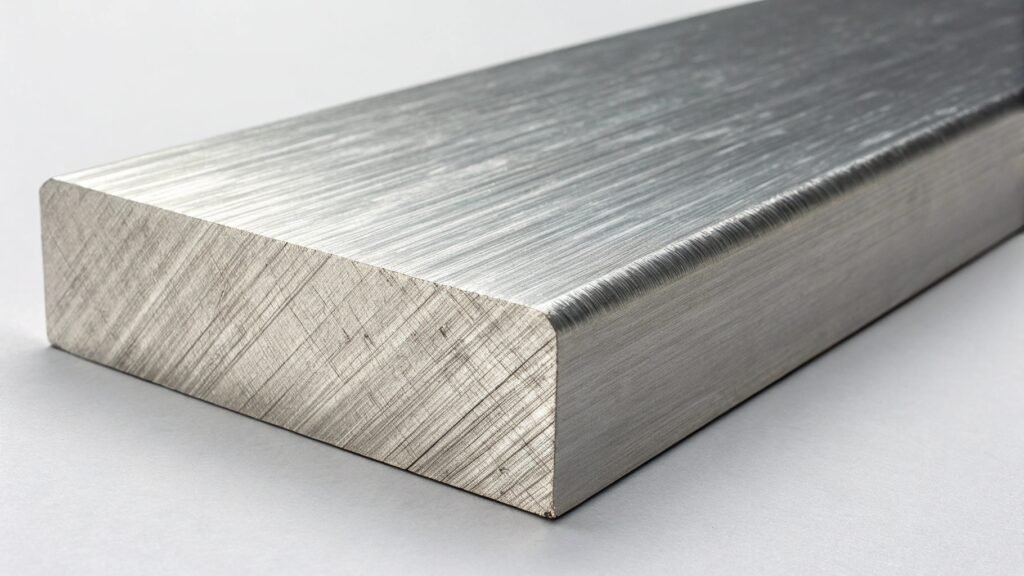
At SWA Forging, while our primary focus is on ambient-temperature strength applications for large forgings, we recognize the critical role of these specialized heat-resistant alloys in niche, high-performance sectors like aerospace and defense.
Advanced Aluminum Alloys for High-Temperature Applications
It's important to distinguish "heat resistant" from "high melting point." Aluminum alloys generally have a melting point around 600-660°C (1100-1220°F), much lower than steels. "Heat resistant" in this context refers to an alloy's ability to retain its mechanical properties (strength, creep resistance) at elevated operating temperatures, not its ability to withstand melting.
Conventional aluminum alloys (like 6061-T6 or 7075-T6) rapidly lose strength and exhibit creep (deformation under sustained stress) at temperatures exceeding approximately 150-200°C (300-400°F). For applications above this range, specialized aluminum alloys are needed.
Some of the approaches and specific alloys for high-temperature aluminum applications include:
-
Powder Metallurgy (PM) Alloys:
- Mechanism: These alloys are often produced by rapidly solidifying atomized aluminum powder, which creates a very fine and uniform microstructure. This process allows for the incorporation of alloying elements that are not easily dissolved in traditional ingot metallurgy (e.g., iron, nickel, cobalt, cerium, vanadium). These elements form thermally stable dispersoids (tiny particles) that resist coarsening and provide strengthening at high temperatures.
- Examples:
- Aluminum-Iron-Cerium (Al-Fe-Ce) alloys: Such as 8009 and 8019. These alloys exhibit excellent thermal stability and strength up to 350-400°C (660-750°F). The cerium helps to refine the microstructure and stabilize the iron-rich phases.
- Aluminum-Iron-Nickel-Cobalt alloys.
- Application: These are considered among the most heat-resistant aluminum alloys and are used in aerospace components, engine parts, and missiles.
-
Rapidly Solidified (RS) Alloys:
- Similar to PM alloys, rapid solidification techniques prevent the formation of large, detrimental intermetallic phases and allow for higher concentrations of certain alloying elements (like iron) that form fine dispersoids, contributing to high-temperature strength.
-
Aluminum-Lithium (Al-Li) Alloys with High-Temperature Capability:
- While Al-Li alloys (like 2099 or 2195) are primarily known for their lower density and higher stiffness, some variants are designed to retain properties at moderately elevated temperatures, though typically not as high as the PM Al-Fe-X alloys. Lithium helps to increase stiffness and reduce density.
-
Alloys with Silicon Carbide or Boron Carbide Reinforcements (Metal Matrix Composites - MMCs):
- While not technically "aluminum alloys," these are aluminum-based composites where ceramic particles (SiC, B4C) are embedded in an aluminum matrix. These composites can offer significantly improved stiffness and strength at higher temperatures compared to unreinforced aluminum, though they come with challenges in manufacturing and cost.
It's important to note that the term "most heat resistant" is relative. No aluminum alloy will perform as well as superalloys or ceramics at extremely high temperatures. However, for applications where the weight advantage of aluminum is critical and operating temperatures are moderately elevated, these specialized aluminum alloys offer significant performance benefits. They are a testament to how metallurgical science pushes the boundaries of material capabilities.
Conclusion
Heat-treatable aluminum alloys, primarily 2xxx, 6xxx, and 7xxx series, gain significant strength through precipitation hardening. 6061-T6 and 7075 are prime examples of heat-treated alloys, achieving high strength via solution heat treatment and artificial aging. In contrast, 5052 is not heat treatable and is strengthened by work hardening. The most heat-resistant aluminum alloys are specialized powder metallurgy alloys like Al-Fe-Ce, designed to retain strength at elevated temperatures beyond conventional aluminum limits.
-
Discover the properties and advantages of 6061-T6 aluminum, a widely used material in structural components. ↩
-
Explore the unique properties and applications of 5052 aluminum alloy to understand its significance in various industries. ↩
-
Investigate the factors affecting corrosion resistance in aluminum alloys to ensure material selection for durability. ↩
-
Explore the unique properties and applications of 7075 aluminum, a top choice for aerospace and high-performance industries. ↩